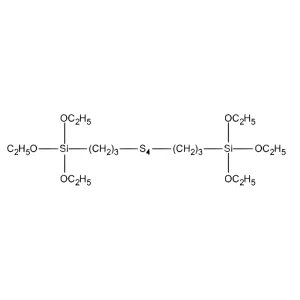
As modern industrial manufacturing transitions towards sustainable, high-efficiency, and low-VOC (volatile organic compound) materials, bifunctional organosilanes have emerged as indispensable bridge materials. Among these, **3-Mercaptopropyltriethoxysilane** (commonly corresponding to commercial standards like KH-580 or GF 70) stands out due to its dual-reactive structure. It consists of a reactive mercapto (-SH) group and three hydrolyzable triethoxy groups (-OCH2CH3).
Global procurement departments prioritize the triethoxy version of this mercaptosilane over its methoxy equivalent (3-Mercaptopropyltrimethoxysilane) because it releases non-toxic ethanol upon hydrolysis rather than toxic methanol. This ecological and workplace-safety advantage makes it the preferred silane coupling agent for European, American, and Japanese manufacturers operating under stringent regulatory frameworks like REACH and EPA.

How 3-Mercaptopropyltriethoxysilane acts as a performance catalyst across diverse industrial verticals, enabling high physical property outputs and reliable long-term durability.
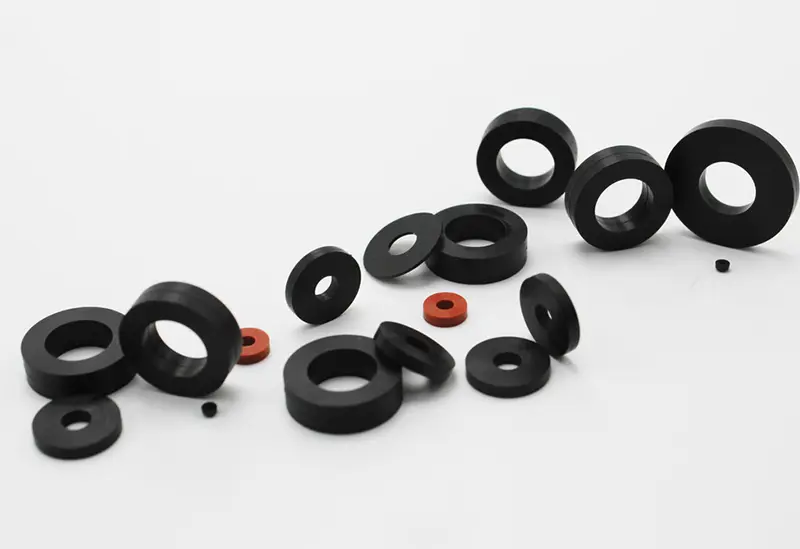
Crucial in silica-filled rubber compounds. It facilitates coupling between the highly polar synthetic silica fillers and non-polar diene rubbers. This reduces rolling resistance by up to 25%, significantly lowering vehicle fuel consumption and carbon footprint while improving wet traction.
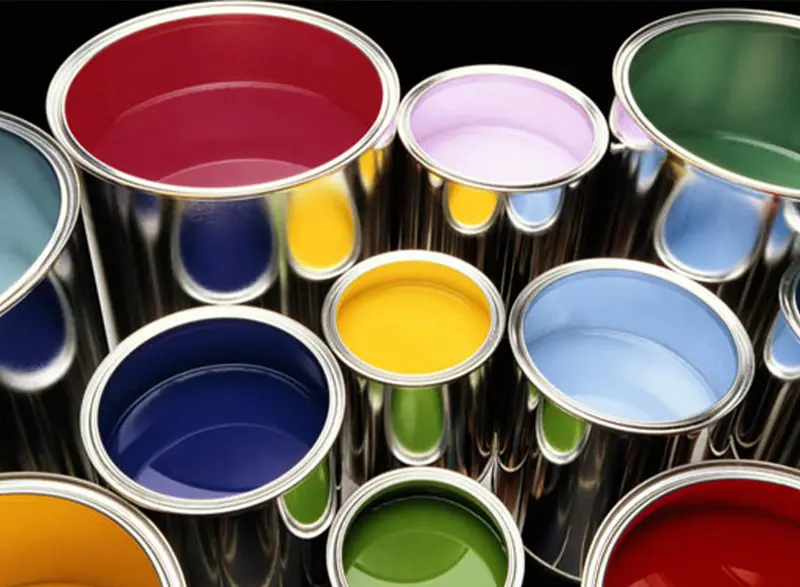
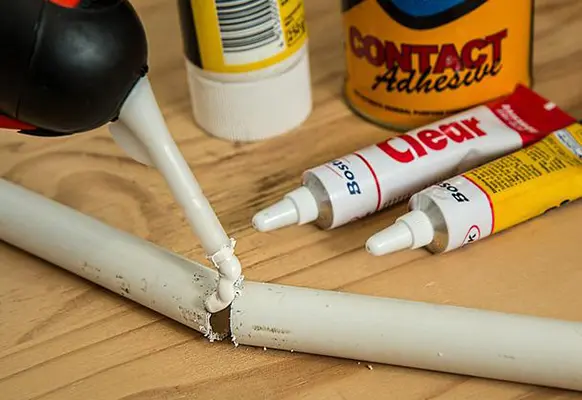
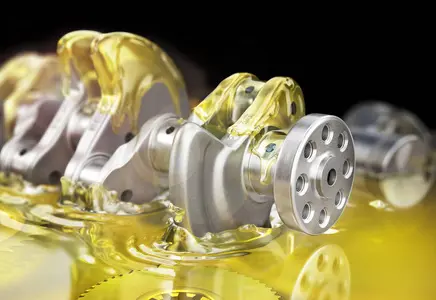
Acts as a chemical adhesion promoter on metal, glass, and mineral substrates. The mercapto group provides outstanding bond durability with epoxy, polyurethane, and acrylic networks, resisting moisture ingress and chemical corrosion under aggressive environmental stresses.
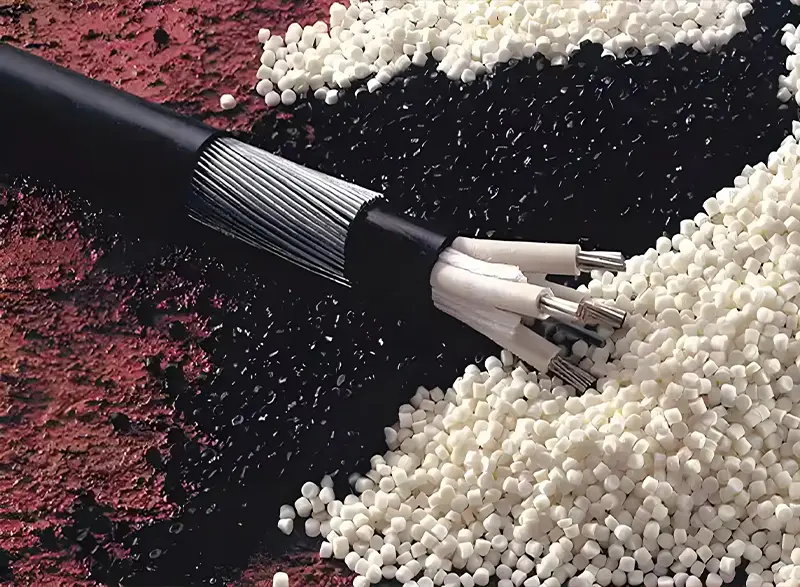
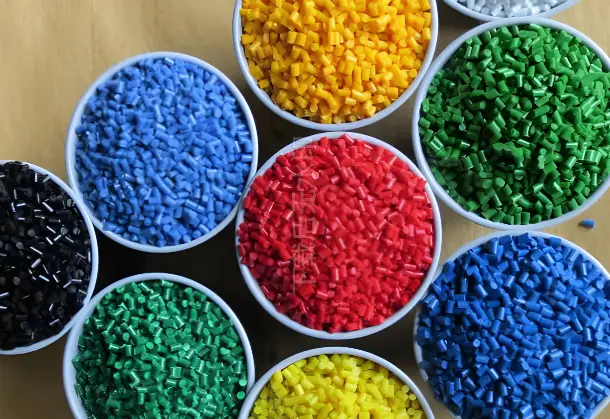
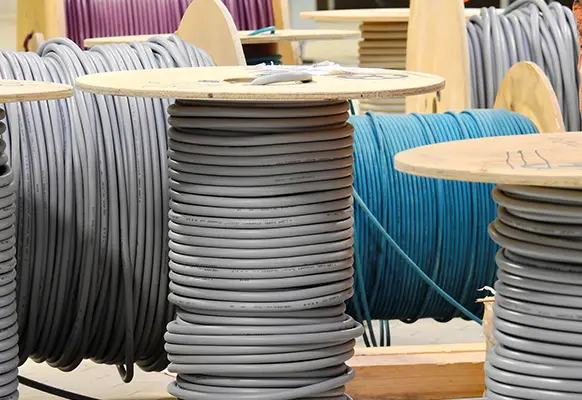
Improves insulation strength and thermal stability in mineral-filled cables. The silane treats filler particles (like aluminum trihydroxide or magnesium hydroxide), yielding smooth dispersion, preventing micro-voids, and upgrading flame retardancy metrics.
A technological shift towards cleaner synthesis pathways, process automation, and precise chemical functionalization.
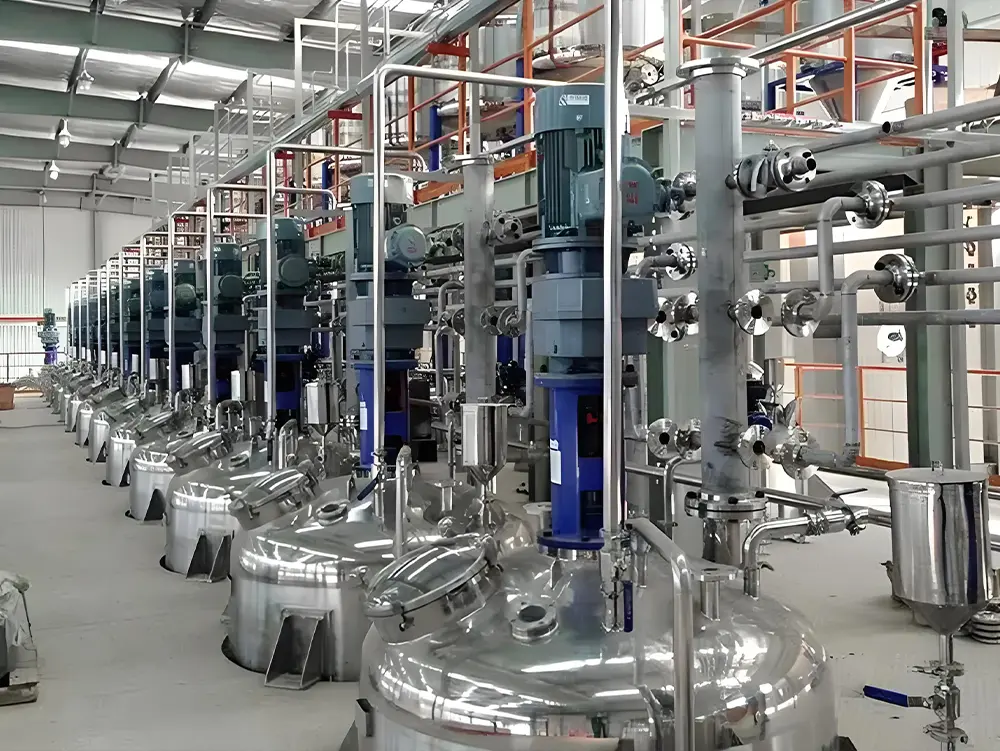


Modern manufacturing of high-purity mercaptosilanes demands absolute control over hydrolysis and oligomerization side-reactions. Our advanced DCS (Distributed Control System) automatically adjusts temperature, reaction pressure, and catalyst feed rates in real-time. By isolating critical intermediates under inert nitrogen atmospheres, we prevent premature silanol condensation.
The resulting 3-Mercaptopropyltriethoxysilane achieves a purity level of >98.5% with extremely low levels of residual chlorine, ensuring optimal storage stability, compatibility with polymers, and consistent curing kinetics in end-user applications.
In the global automotive market, VOC emissions from interior adhesives and structural materials are strictly restricted. The migration toward triethoxy-based silanes represents a critical industry milestone, as ethanol by-products are naturally biodegradable and present minimal hazard index profiles.
Founded in 2012, **Shandong Boctok Chemical Co.** serves as the marketing, sales, and logistical command center for Boctok™ domestic and overseas businesses, achieving a record sales revenue of **US$280 million in 2023**. With the specialized BOCTOK brand dedicated to serving the key industrial markets, the company has positioned itself as an industry leader in organosilicone technologies and high-quality petroleum resins.
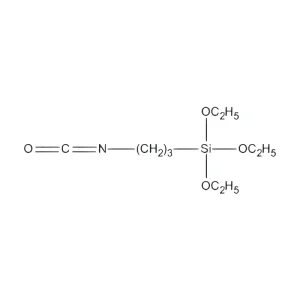
Our core organosilicone business spans **twelve comprehensive series of silane coupling agents and crosslinkers**, including aminosilanes, methacrylate silanes, epoxy silanes, vinyl silanes, mercaptosilanes, alkyl silanes, ethyl silicates, chlorosilanes, silane isocyanates, phenyl silanes, ureidosilanes, and serosilanes.
Furthermore, we supply high-specification silicone oil, silicone resin, and silicone rubber (including high-hydrogen silicone oil, dimethicone, vinyl silicone oil, polyphenylmethyldimethylsiloxane, phenyl silicone oil, silanol silicone oil, and OH polymers, alkoxy silicone oil, methyl MQ resin, vinyl VMQ resin, room-temperature vulcanized methyl silicone rubber, 110 methyl vinyl silicone rubber, and 120 methyl phenyl rubber).
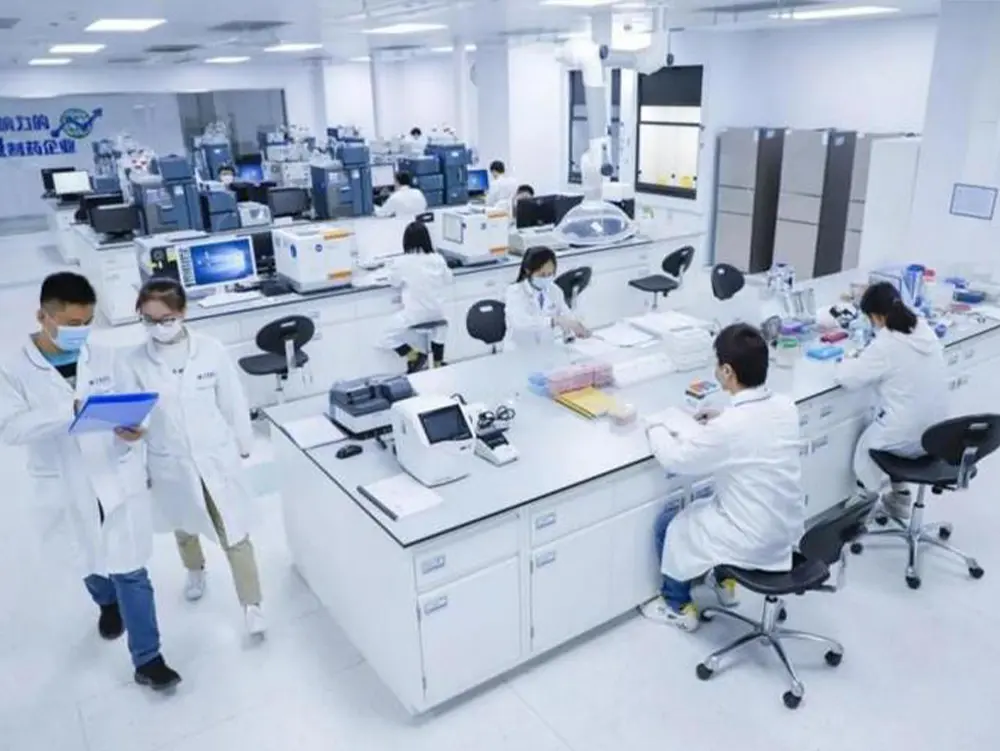
Through consistent capital reinvestment and stringent environmental standards, Boctok provides long-term chemical supply security to Tier-1 manufacturers globally.
Boctok recently invested US$65 million to construct a state-of-the-art chemical manufacturing plant in Bohai Industrial Park, a provincial chemical industry park in Shouguang City, Shandong Province. This plant expands our annual output capacity to 30,000 tons of silane coupling agents across 6 fully-automated DCS production lines.
The manufacturing modules are fitted with remote automated DCS control loops paired with advanced Safety Instrumented Systems (SIS). ISO9001 and ISO14001 guidelines are tightly executed to provide continuous product properties, eliminating batch-to-batch variance.
To ensure compliance with local and international eco-standards, the plant operates dedicated regenerative thermal oxidizers (RTO) for VOC containment, an active gas collection network, and localized chemical waste treatment loops.
Leveraging raw material advantages from industrial partnerships to power global adhesives, coatings, and agricultural operations.
Boctok’s Tier II core business is petroleum resins. We have invested in a key hydrocarbon resin manufacturer in China, operating three modernized facilities in **Zibo, Fushun, and Nanjing**. Through strategic sourcing of raw materials from SINOPEC and PetroChina, we synthesize premium C9 hydrogenated resins, C5 hydrocarbon resins, C5 modified C9 resins, C9 hydrocarbon resins, dicyclopentadiene (DCPD), and methyl cyclopentadiene dimer.
Our products serve numerous Fortune 500 chemical companies globally in the adhesives, sealants, hot-melt road markings, and high-durability coatings sectors.
Furthermore, Boctok plays a vital role in the global agrochemical industry. We synthesize critical chemical intermediates and primary raw materials essential for manufacturing fungicides, pesticides, insecticides, plant growth regulators, and seed treatments.
Boctok materials are integrated into critical manufacturing ecosystems in North America, Europe, South America, India, Russia, and Southeast Asia.








How Boctok secures supply continuity and maintains strict adherence to quality parameters across international jurisdictions.
Rigorous Gas Chromatography (GC) analysis and refractive index testing on every outgoing batch to verify compound purity.
Advanced synthesis plants run 24/7. Standardized product volume is scaled dynamically to avoid raw material bottlenecks.
Expert chemical application engineers offer full online guidance for compounding and optimization inquiries.
Strong relationships with shipping ports and maritime networks assure prompt delivery under DDP/CIF frameworks.













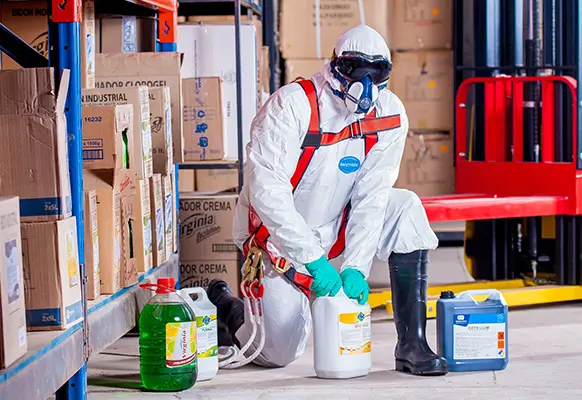
Detailed chemical and logistical answers to support industrial buyers and product compounders.
The fundamental difference lies in the alkoxy leaving groups. 3-Mercaptopropyltriethoxysilane contains triethoxy functional groups, releasing ethanol (C2H5OH) upon hydrolysis. Conversely, the trimethoxy version (CAS 4420-74-0) releases methanol (CH3OH). Ethanol is significantly less toxic, making the triethoxy silane highly favorable for eco-friendly manufacturing environments and compliance with European and American VOC regulations. Additionally, ethoxy silanes exhibit a slightly slower hydrolysis rate, allowing for safer control over processing and compounding cycles.
Silica is added to tires to reduce rolling resistance. However, inorganic silica is highly polar and hydrophilic, preventing it from dispersion or binding natively into hydrophobic elastomers (SBR/BR). The triethoxy group of the silane hydrolyzes into a silanol, which chemically bonds with the silanol groups on the silica surface. Meanwhile, the mercapto (-SH) functional group acts as a sulfur donor that chemically links with the unsaturated polymer chains during rubber vulcanization. This bridge drastically enhances filler-polymer interaction, minimizing heat build-up and improving wet grip performance.
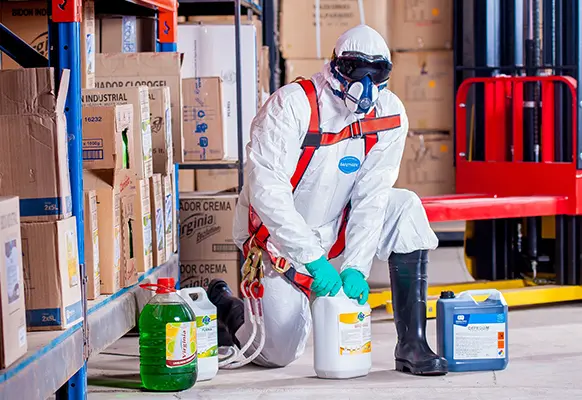
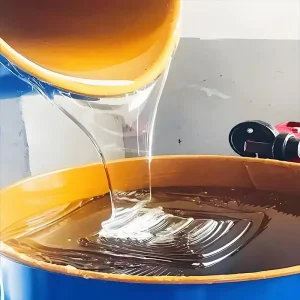
Because it is highly sensitive to moisture, 3-Mercaptopropyltriethoxysilane must be stored in dry, cool, and well-ventilated warehouses. Drums or IBC containers should remain sealed under an inert nitrogen blanket. Exposure to atmospheric moisture triggers hydrolysis, transforming the fluid silane into an insoluble gel. The recommended storage temperature range is 10°C to 30°C.
Yes. Shandong Boctok Chemical Co. maintains compliance across major global markets. We support regulatory standards such as Europe's REACH, US TSCA, Russia's GOST standards, and East Asian equivalents. Our ISO 9001 and ISO 14001 certificates affirm that our production, quality verification, and shipping procedures conform to strict safety and ecological frameworks.
 Boctok Chemical