Engineered for high performance, structural integrity, and exceptional coupling efficiency across global industrial manufacturing chains.
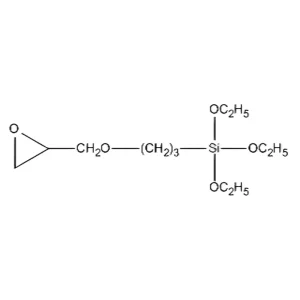
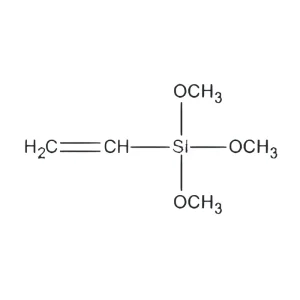
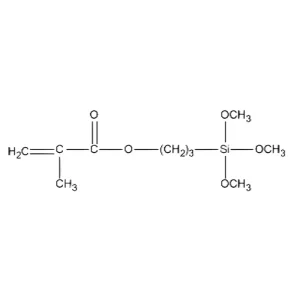
Mercaptosulfur silanes represent a critically important subclass of organofunctional silanes, defined by the presence of a sulfur-containing functional group (such as a mercapto/thiol group or a polysulfide chain) on one end, and hydrolyzable alkoxy groups (methoxy or ethoxy) on the other. This unique bifunctional structure allows them to act as a molecular bridge, chemically bonding inorganic fillers (like silica, clay, glass, or metals) with organic polymers (like natural rubber, SBR, polyurethane, and thermoplastics).
During compounding, the alkoxy groups undergo hydrolysis in the presence of trace moisture, forming reactive silanols. These silanols condense with the hydroxyl groups on the silica surface, forming stable metallosiloxane linkages. Concurrently, the sulfur or mercapto functionality interacts during vulcanization with the unsaturated elastomer matrix, forming covalent sulfur crosslinks. The result is a dramatic increase in crosslinking density, resulting in optimized mechanical strength, tear resistance, and reduced internal heat generation.
Our research and manufacturing focus addresses the critical industrial balance: maximizing coupling efficiency while mitigating premature vulcanization (scorch) and controlling volatile organic compound (VOC) emissions during processing.
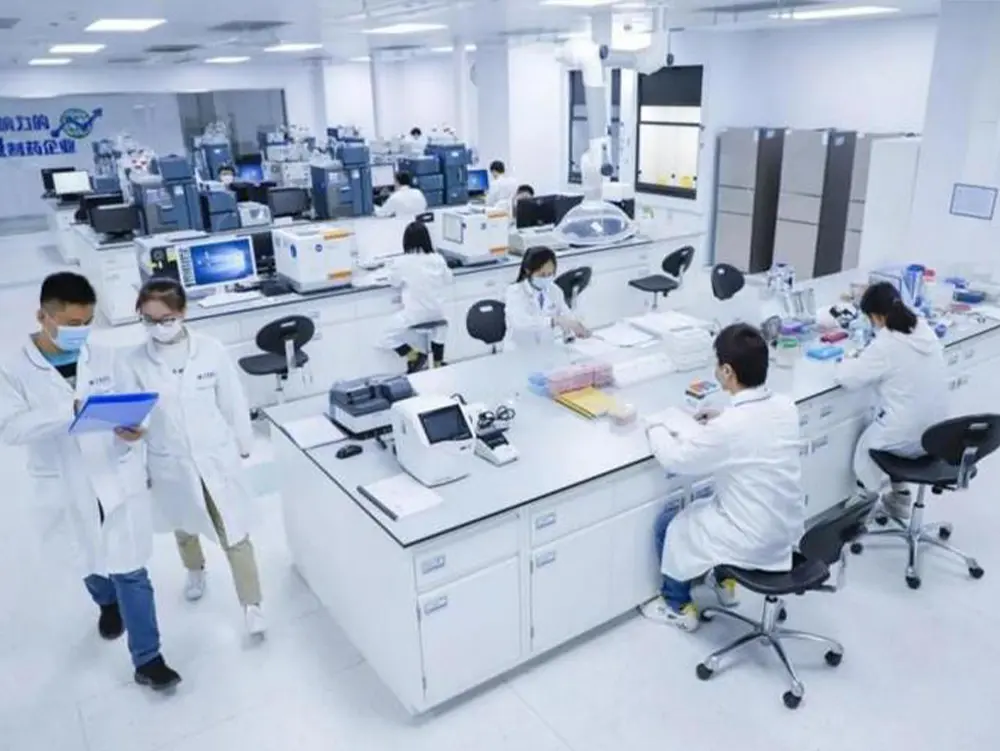
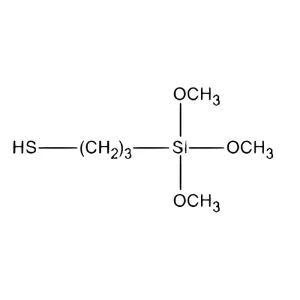
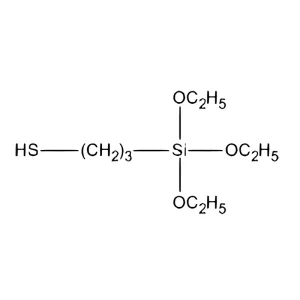
Proper application of 3-Mercaptopropyltrimethoxysilane and related monomers requires careful monitoring of pH and moisture. The hydrolysis rates of methoxy groups are significantly higher than ethoxy groups, allowing rapid silanization in continuous manufacturing setups. In contrast, ethoxy variants like 3-Mercaptopropyltriethoxysilane emit ethanol instead of methanol, making them the preferred choice for eco-sensitive regulations and high-temperature processing zones.
In rubber formulations containing precipitated silica (such as in green passenger car tires), mercaptosilanes eliminate hydrogen bonding between silica particles. By transforming the hydrophilic mineral surface into a hydrophobic, polymer-compatible structure, they prevent filler agglomeration. This results in lowered compound viscosity, excellent processability, and ultimately a significant reduction in rolling resistance (fuel consumption) without compromising wet grip.
Founded in 2012, Shandong Boctok Chemical Co. has developed into an international chemical powerhouse, acting as the premier marketing and sales hub for the Boctok™ brand across domestic and global markets. In 2023, our strategic market operations generated a global sales revenue of US$280 million, emphasizing our role as a trusted supply partner.
The BOCTOK brand is highly recognized for its dedicated commitment to the Russian Federation market, alongside major operations in North America, Europe, Australia, India, and East Asia. We specialize in organosilicon materials, industrial hydrocarbon (petroleum) resins, and critical agrochemical intermediates.
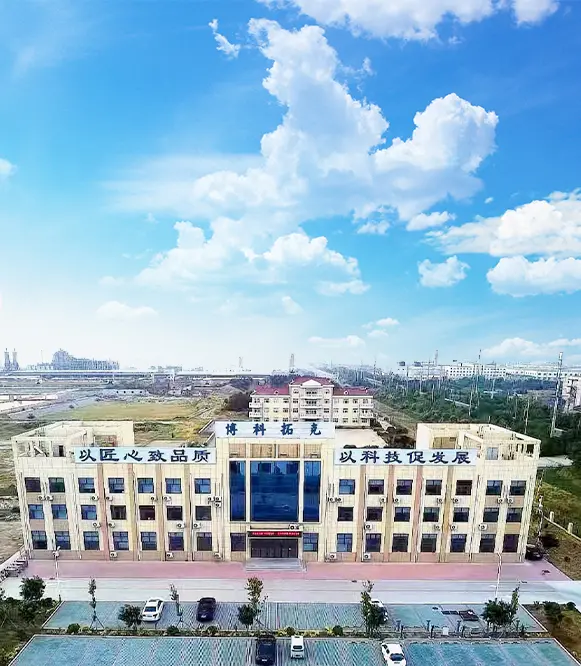
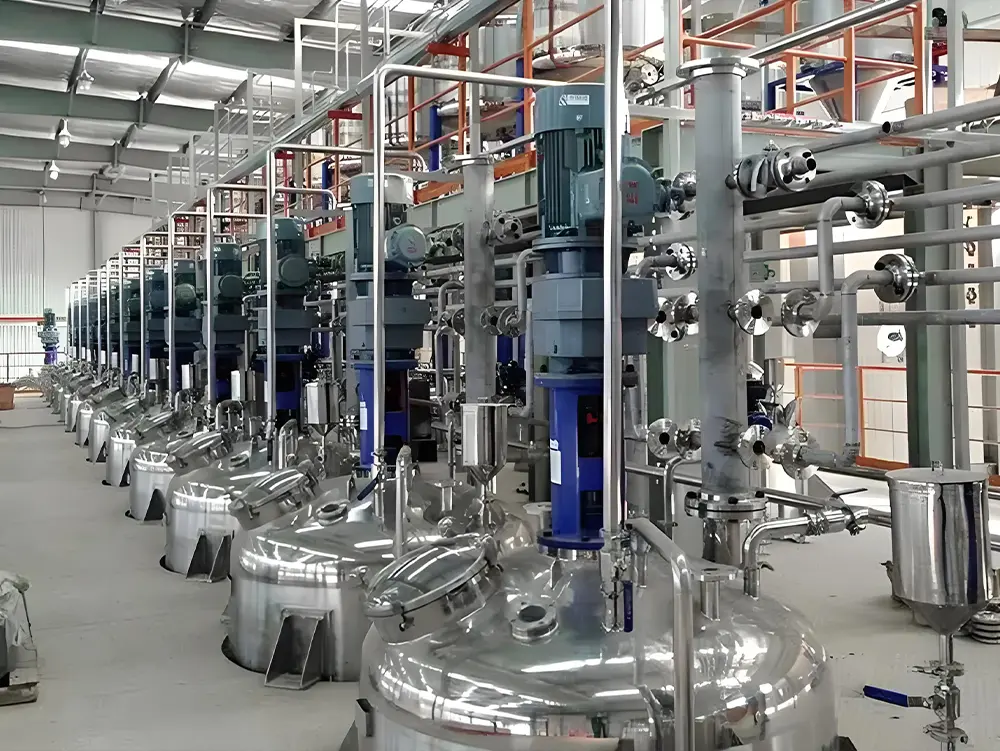
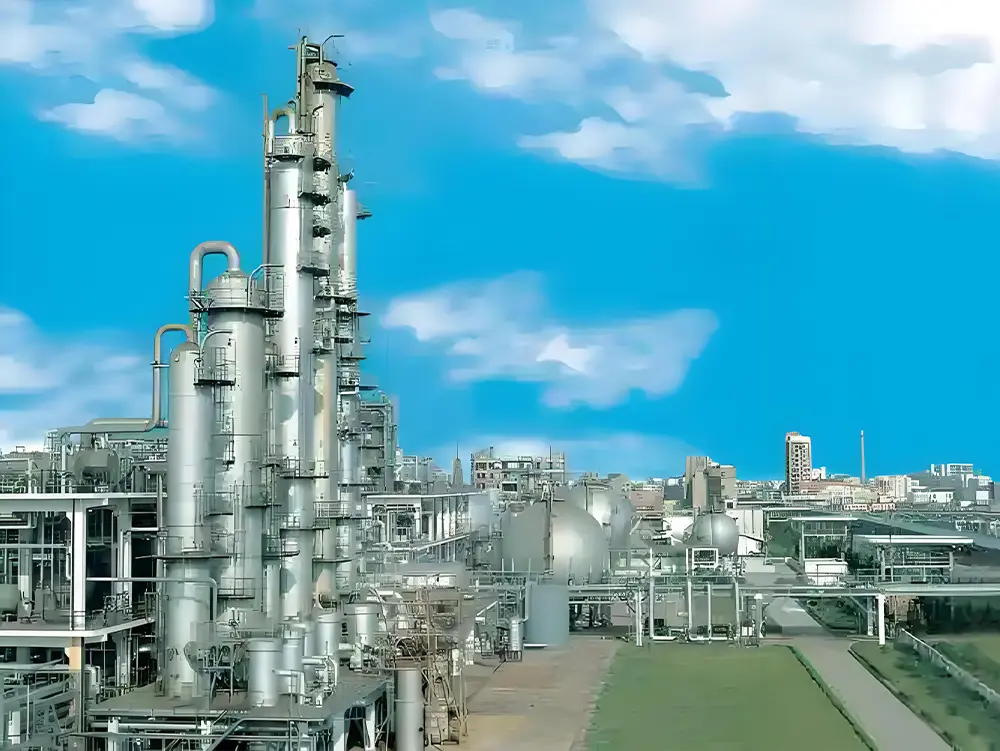
To support this global demand, we recently invested US$65 million to construct a state-of-the-art chemical manufacturing plant in Shouguang City, Shandong Province. Spanning across the Bohai Industrial Park, this facility houses 6 automated DCS-controlled lines, reaching a dedicated output of 30,000 tons of silane coupling agents annually.
By working closely with SINOPEC and PetroChina, our production lines in Zibo, Fushun, and Nanjing benefit from exceptionally stable raw material feeds. This allows us to supply high-purity C5, C9, and hydrogenated resins to Fortune 500 companies worldwide with unmatched price-performance ratios.
How mercaptosulfur silanes are driving efficiency and regulatory compliance across diverse industrial environments.
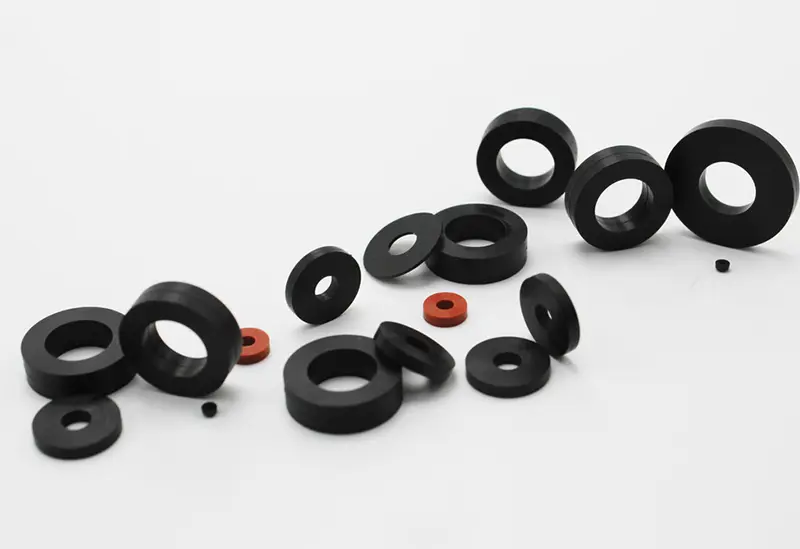
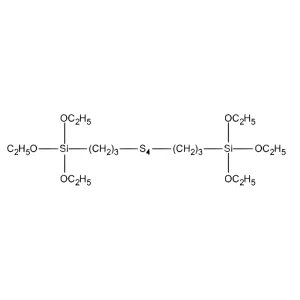
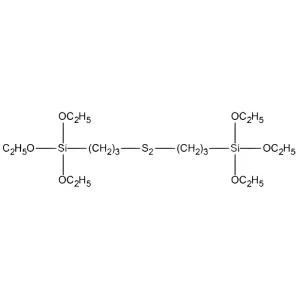
Driven by strict global fuel economy standards (such as the EU tire labeling regulations), tire manufacturers must minimize the rolling resistance of rubber compounds. Mercaptosulfur silanes like Bis(3-triethoxysilylpropyl) tetrasulfide (TESPT) and disulfide (TESPD) are vital. They ensure silica compounds achieve the perfect balance of abrasion resistance, safety grip, and low fuel consumption.
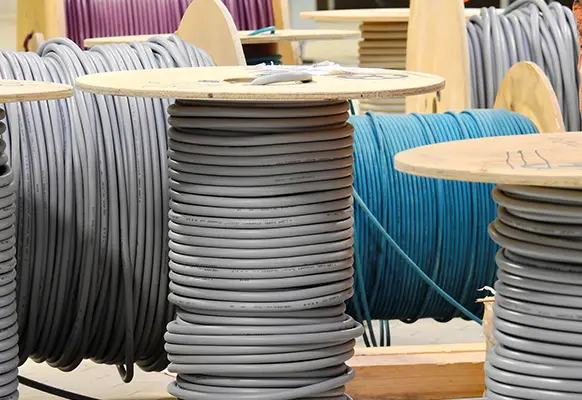
For high-voltage underground and marine power cables, moisture resistance and electrical insulation longevity are critical. Utilizing mercaptosilanes to modify ATH or MDH flame-retardant fillers prevents moisture absorption at the interface, preserving excellent dielectric performance and polymer-filler adhesion over decades under harsh conditions.

Wind energy equipment operating in offshore saltwater environments requires high-durability coatings. Organofunctional silanes are used in epoxy and polyurethane primers to improve adhesion to composite fiberglass and metal substrates. This prevents delamination, corrosion, and erosion from salt spray and UV rays.

In modern architecture, silicone sealants and adhesives must join dissimilar materials like glass, aluminum, and concrete. Adding mercapto-functional silanes improves quick-cure capabilities and long-term joint flexibility. This prevents moisture ingress and degradation caused by weather variations.
How our $65M Shouguang facility guarantees quality consistency and volume availability for global buyers.
Manufacturing high-quality organofunctional silanes requires precise process control. Impurities or moisture in the process can cause polymerization in the shipping container. Our Shouguang facility uses advanced automation to ensure chemical stability.
Gas Chromatography (GC) minimum purity of 98.5%
Karl Fischer titration kept strictly below 100 ppm
APHA scale < 30 (high clarity, low coloration in polymers)
ICP-MS monitored to prevent catalytic degradation in polymers
Why Fortune 500 chemical companies and global distributors choose Boctok as their long-term partner.

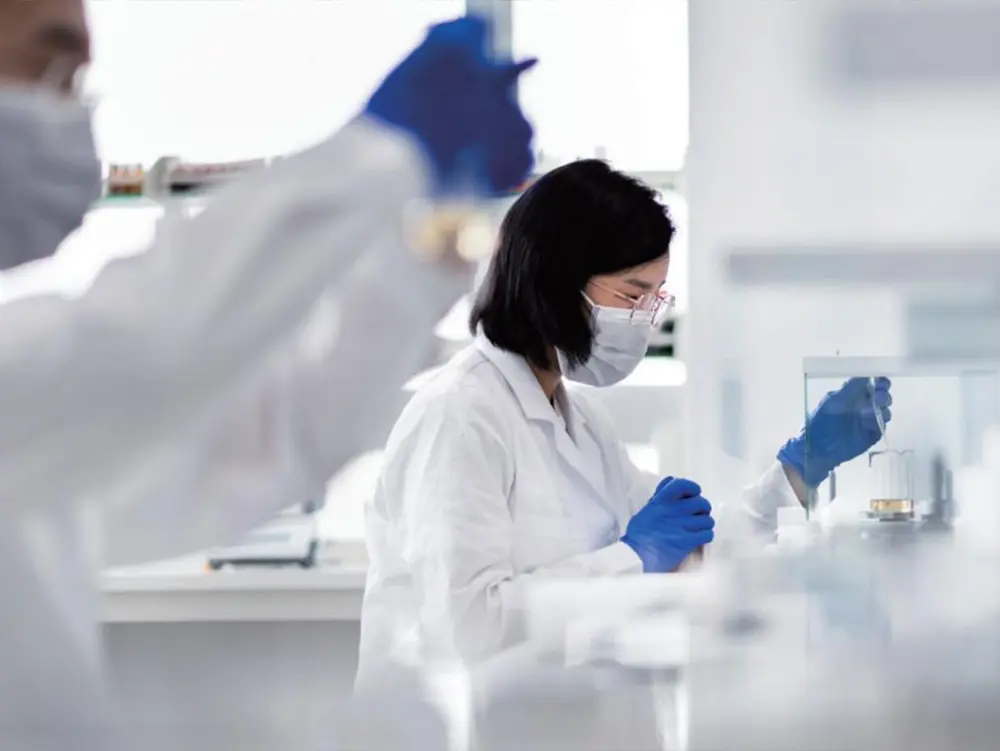
Our products undergo rigorous testing and analytical controls, ensuring every batch meets international standards (ISO9001).

Our advanced production lines in Shouguang allow us to scale capacity quickly to meet bulk and custom specifications.

Our professional, multi-lingual technical team is online 24 hours a day to assist you with order processing and formulation support.

An optimized supply chain and proximity to major ports ensure prompt customs clearance and timely global shipping.
Connecting organosilicon, resin, and chemical technologies with key application requirements.
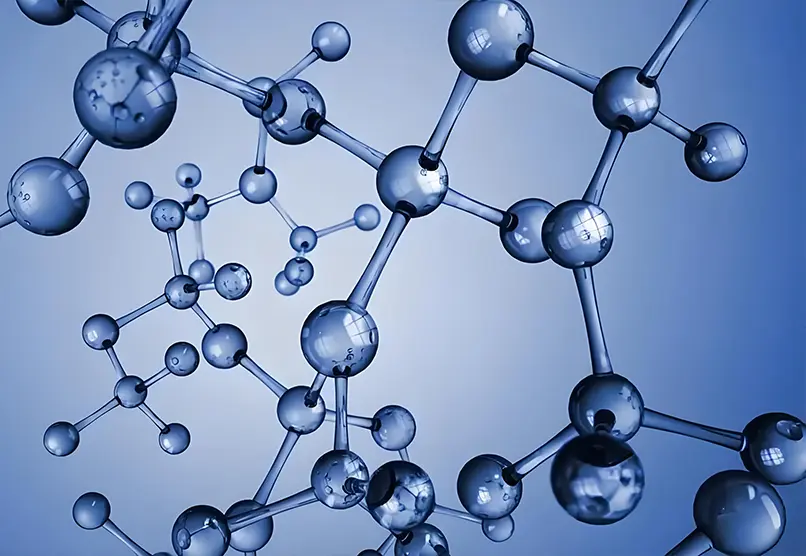
Raw chemicals and crosslinkers for advanced industrial compound formulations.

Protecting crops with high-performance wetting agents, intermediates, and active ingredients.
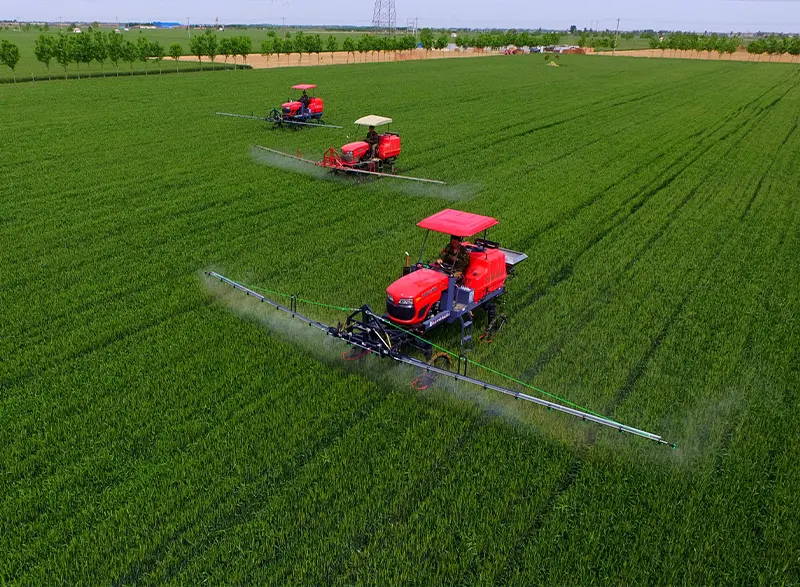
Improves compatibility, dispersion, and soil penetration for liquid fertilizer formulas.

Silicones that improve crop spray adhesion and rainfastness on waxy fruit surfaces.

Specialized chemical solutions for sensitive ornamental plants and turf care.

Adjuvant technology to optimize leaf wetting and biological activity.

Wetting agents that reduce droplet runoff, minimizing pesticide loss in soils.
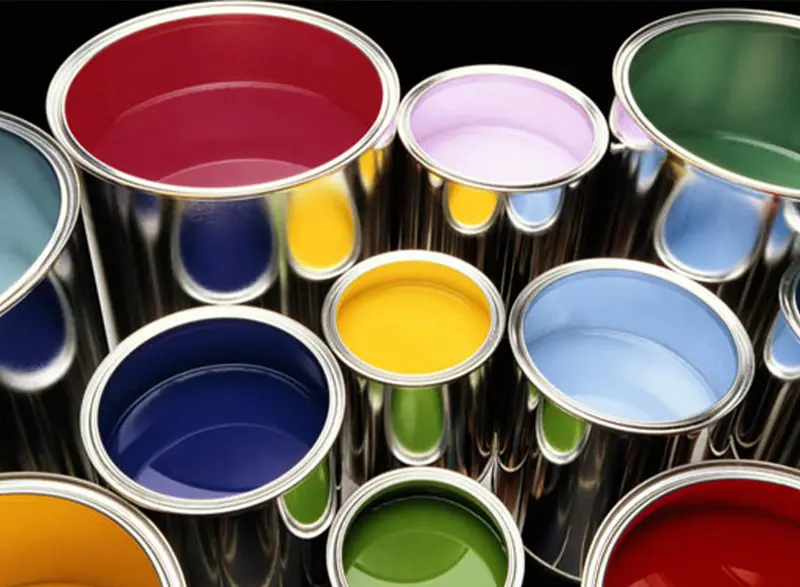
Provides excellent hot-tack and compatibility with elastomers in hot-melt systems.
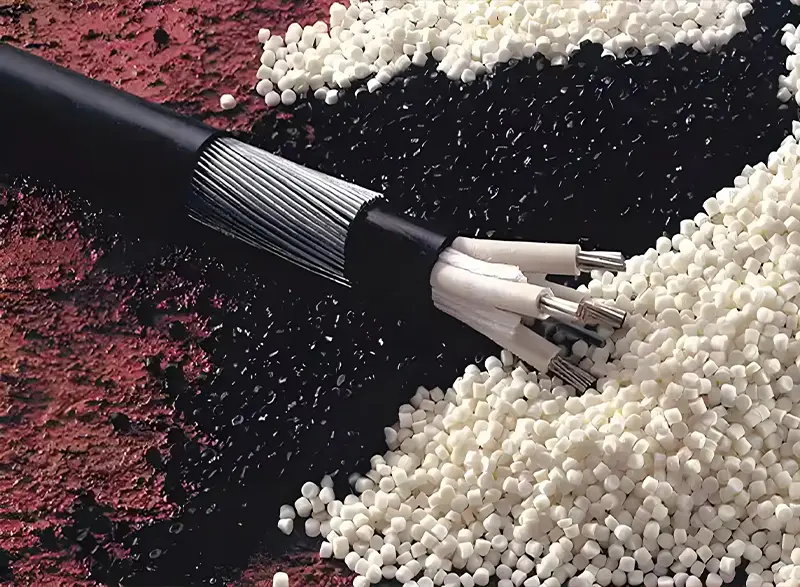
Organofunctional silanes for crosslinked polyethylene (XLPE) cable systems.
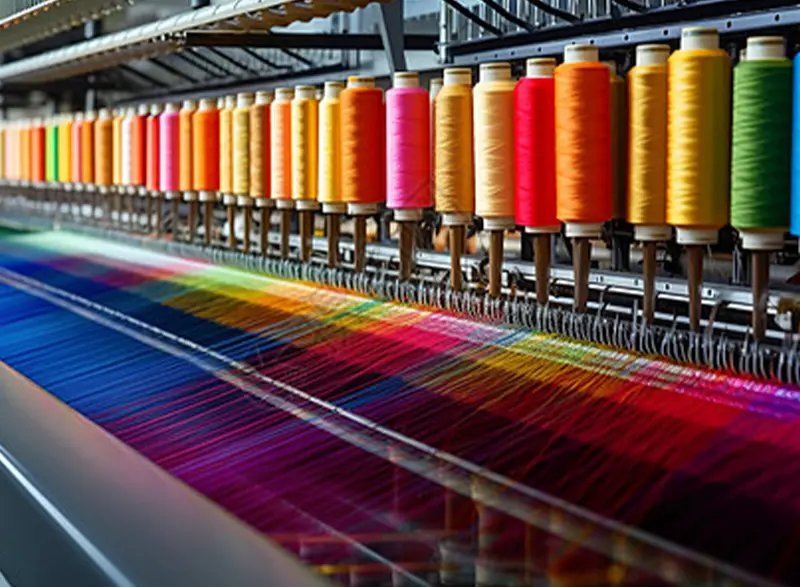
Imparts softness, water repellency, and tear strength to synthetic fabrics.
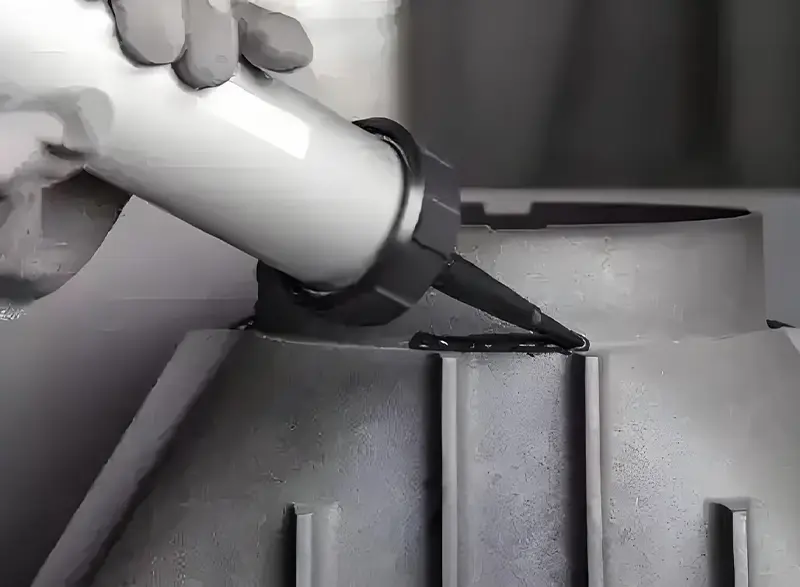
Crosslinkers and adhesion promoters for durable architectural joints.
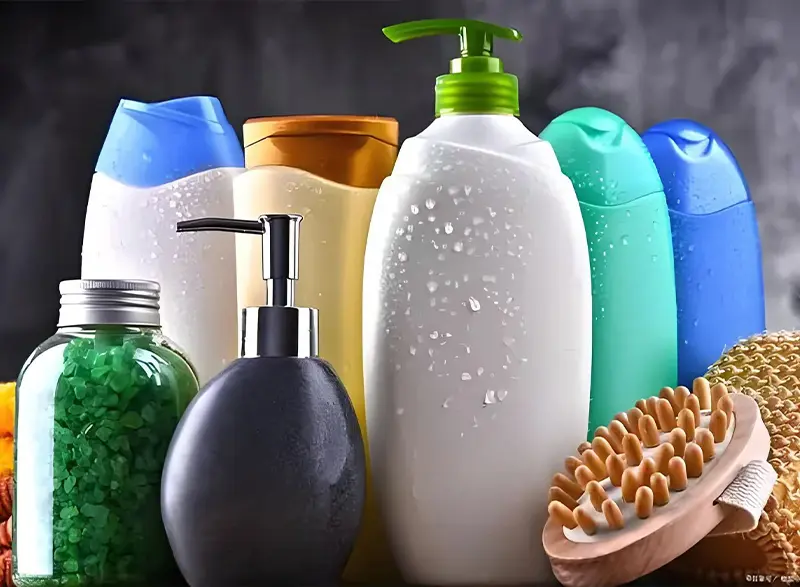
Mild silicone fluids that improve hair softness and cosmetic spreadability.
Connecting our primary chemical materials with specialized global engineering requirements.

Providing functional organosilicon building blocks and protective group reagents for organic synthesis, ensuring high yield and purity in multi-step production.
Our ultra-pure dimethicone, MQ silicone resins, and volatile cyclic silanes provide excellent sensory properties and wear resistance in cosmetics.
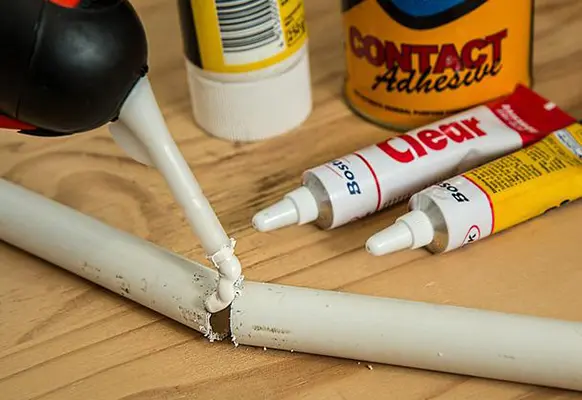
We supply high-performance C5/C9 hydrocarbon resins that function as tackifiers in packaging, assembly, and pressure-sensitive adhesive formulations.
Our mercaptosulfur silanes act as high-performance coupling agents in sulfur-cured, silica-filled rubber compounds, improving mechanical strength.
C9 resins act as binders in paint formulations, improving drying times, gloss, and water resistance in protective coatings.
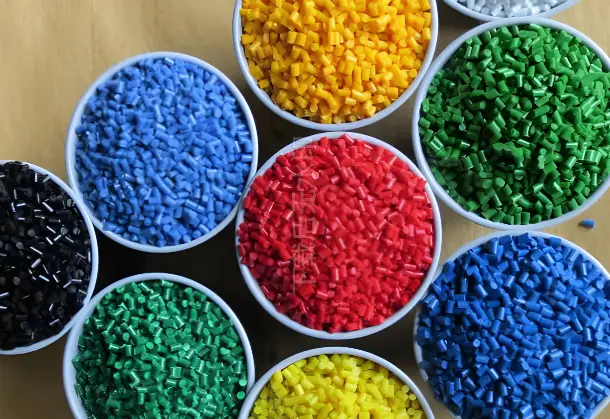
Used as modifying agents in polypropylene (PP) and other thermoplastic films to improve clarity, stiffness, and moisture barrier performance.
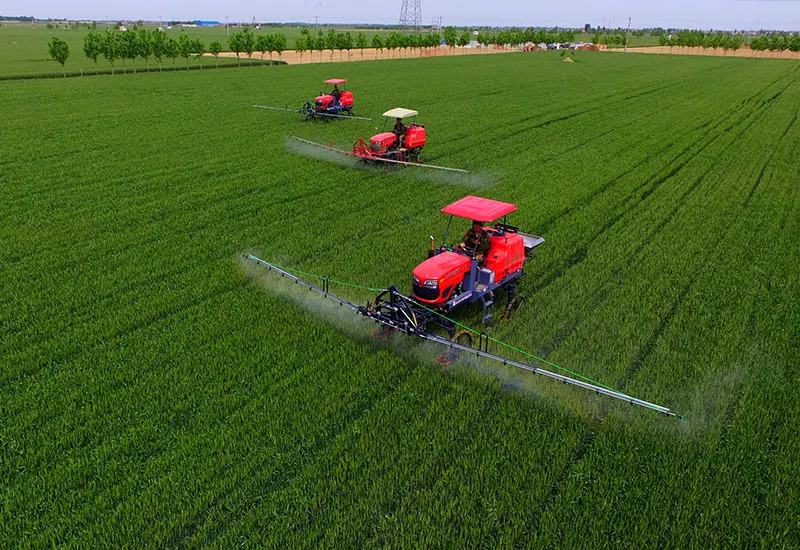
Wetting agents and defoaming additives ensure uniform spraying, spray retention, and fast absorption of agrochemical formulations.
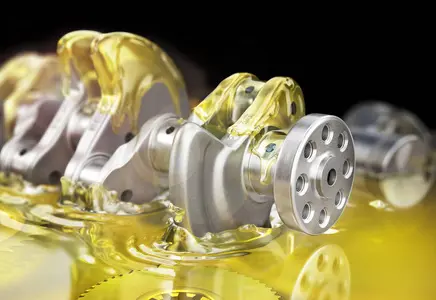
Designed for automotive wire harness seals and industrial connectors, ensuring long-term self-lubrication and low insertion force.
High-efficiency silicone emulsions for pulp & paper processing, oil drilling muds, textile dyeing, and industrial wastewater treatment.

Potassium methyl siliconate and hydrogen silicone fluid additives provide moisture resistance in gypsum boards and building materials.
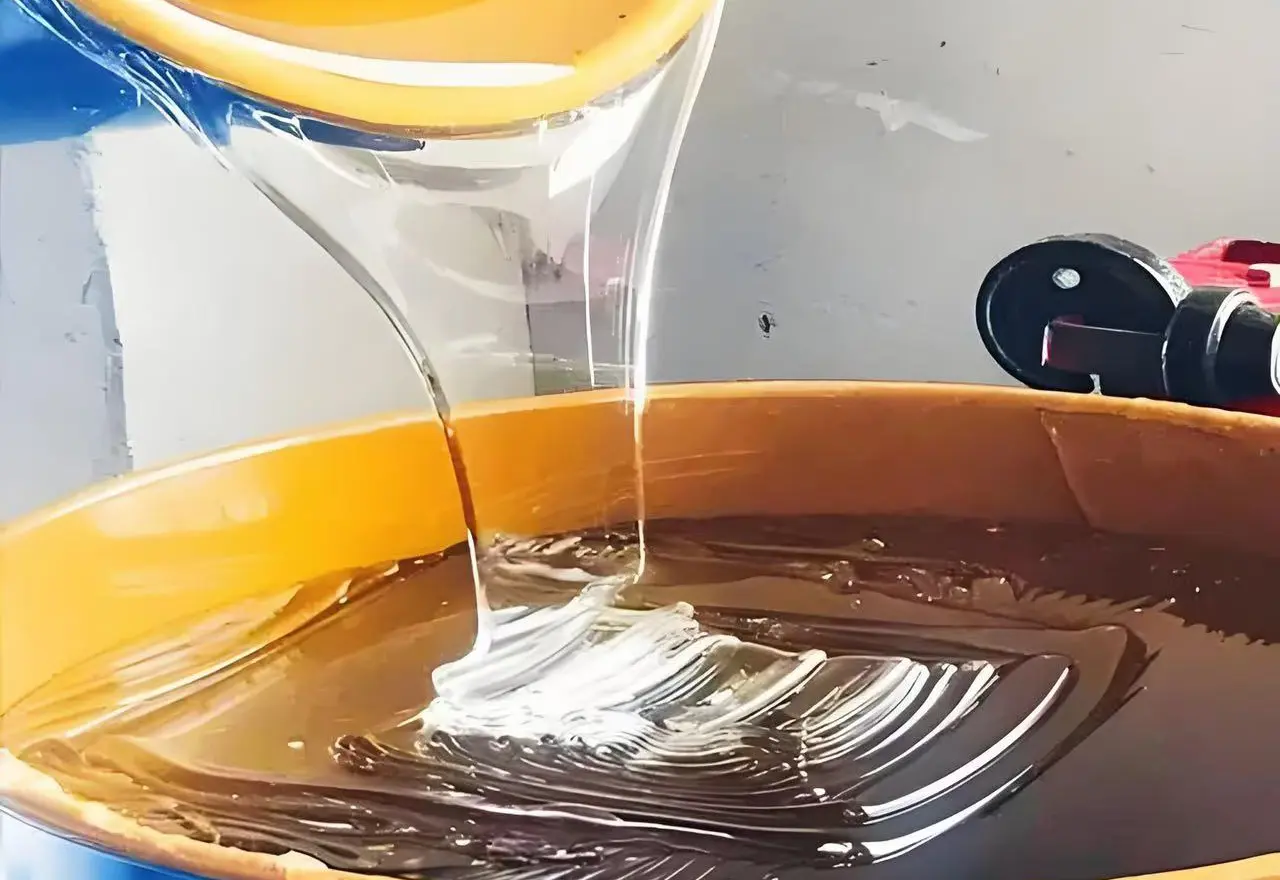
Pure methyl silicone fluids (dimethicone) with viscosities ranging from 0.65 to 1,000,000 cSt for damping, lubrication, heat transfer, and dielectrics.

Specialty silicone resins and fluorosilicone rubbers that resist fuel, oils, and thermal degradation under demanding operations.
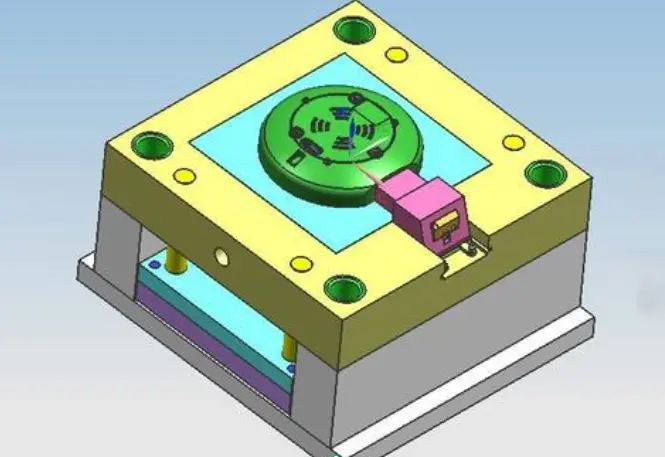
Addition and condensation cure silicone rubbers for casting resins, polyurethane, concrete decorative stones, and rapid prototyping molds.

High-purity silicone encapsulants, potting compounds, and thermal interface materials (TIMs) that protect sensitive microcircuitry.

Silane-siloxane cream penetrants and sealers that protect concrete bridges and masonry from spalling, freeze-thaw damage, and efflorescence.
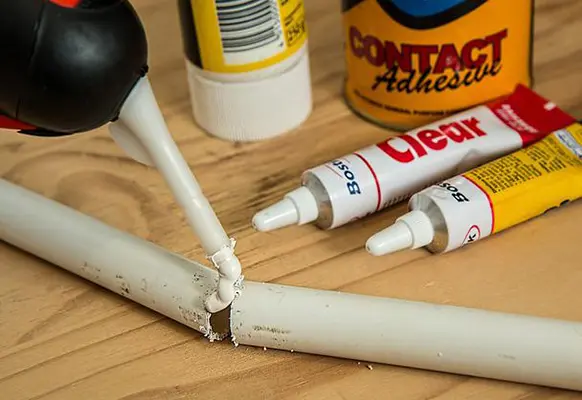
Adhesion promoters for building components, ensuring long-term elasticity, high UV stability, and weathering resistance.
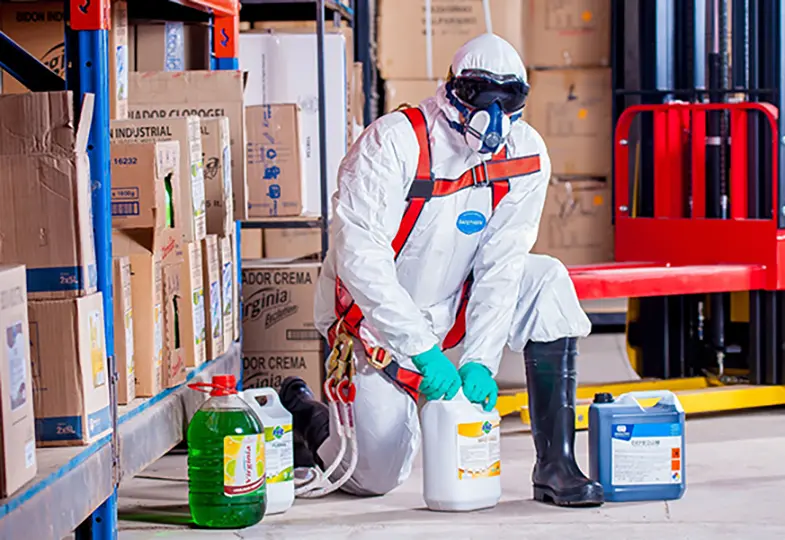
Silicone additives that improve scratch resistance, surface slip, wetting, and pigment dispersion in solvent and water-based paints.

Silane thin-film treatments that improve paint adhesion and corrosion protection on aluminum, steel, and galvanized surfaces.
Polymer modifiers and crosslinkers that improve the toughness, flexibility, and heat resistance of acrylic and epoxy casting systems.

Processing agents that improve the handling, packing, and durability of concrete and mineral mixtures during manufacturing.
Ultra-pure silicone polymers and liquid rubbers designed for medical tubing, skin adhesives, and healthcare device components.

Emulsified aminofunctional silicone fluids that provide softness, elasticity, and improved hand-feel to denim and cotton fabrics.

Surface treatments for silica, calcined kaolin, ATH, and calcium carbonate to improve dispersion in polymer formulations.
Specialty silicone resins and fluorosilicone elastomers for sealing, damping, and insulation applications in harsh environments.
Technical answers to key selection, application, and packaging questions for mercaptosulfur silanes.
Providing specialized materials to meet diverse global compounding, coating, and agricultural requirements.
 Boctok Chemical