Explore our premium grade chemical coupling agents manufactured under ISO9001 standards to secure optimal adhesion, thermal resilience, and structural matrix compatibility.
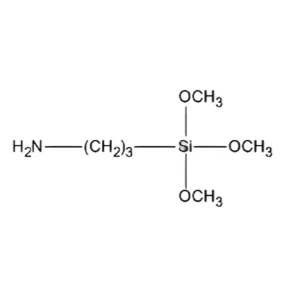
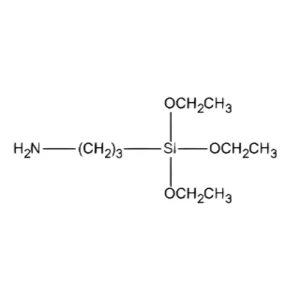
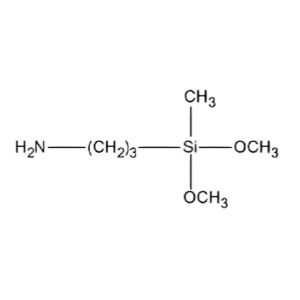
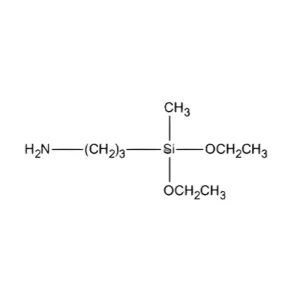
![Bis-[3-(trimethoxysilyl)-propyl]amine CAS 82985-35-1](https://site.cdnfile.io/www.boctoksilicone.com/b7a8c47713f462756c9e61cb65cea17f300_300.webp)
![Bis-[3-(triethoxysilyl)-propyl]amine CAS 13497-18-2](https://site.cdnfile.io/www.boctoksilicone.com/837bedcc9470a3ee1f202feb49d8ce69300_300.webp)
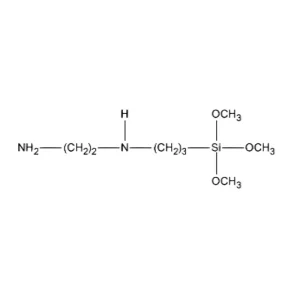
Technological advancement and material science demands are shifting the landscape of organosilicon solutions.
Amino group chemistry forms the cornerstone of modern functional interface technologies. Organofunctional silanes, specifically aminosilanes, play an indispensable role as crosslinking agents, adhesion promoters, and surface modifiers. The global demand for these compounds is experiencing robust growth driven by high-performance applications in the automotive, wind energy, microelectronics, and aerospace sectors.
One of the primary trends shaping the amino silane industry is the transition towards environmental sustainability. As regulatory bodies enforce strict volatile organic compound (VOC) limits, manufacturers are developing water-borne aminosilanes and low-VOC alternatives. Standard methoxy-silanes release methanol upon hydrolysis, leading to search and demand shifts toward ethoxy-based silanes like 3-Aminopropyltriethoxysilane (CAS 919-30-2) or oligomeric silanes, which mitigate hazardous chemical emissions during processing.
Transitioning from methoxysilanes to ethoxysilanes reduces volatile organic emissions during industrial application, satisfying strict REACH and local environmental regulations.
Amino-functional silanes are increasingly utilized for nanoparticle surface modifications, improving dispersion in advanced polymers, structural adhesives, and nano-composites.
Ultra-pure aminosilanes are gaining traction as coupling agents in copper-clad laminates (CCL) and printed circuit boards (PCBs) for 5G/6G communication devices.
The chemical structure of amino-functional silanes is represented as R-Si-(OR')3, where R is an organofunctional group containing a primary or secondary amine (e.g., -NH2, -NH-CH2-CH2-NH2) and OR' represents hydrolyzable alkoxy groups (methoxy or ethoxy). Upon moisture exposure, the alkoxy groups undergo hydrolysis to form highly reactive silanols:
R-Si-(OR')3 + 3H2O → R-Si-(OH)3 + 3R'OH
These silanols then condense with inorganic substrates containing hydroxyl groups (such as glass fiber, silica fillers, and metal oxides) to form covalent Si-O-Substrate bonds, while the amino group chemically links to the organic polymer matrix. This creates a bridge across the organic-inorganic interface, vastly improving mechanical strength and moisture resistance.
A Premier Manufacturer and Marketing Center for Global Silicone & Hydrocarbon Resin Markets.
Founded in 2012, Shandong Boctok Chemical Co. has grown to become a marketing and sales center for domestic and overseas businesses, achieving sales of US$280 million in 2023. The BOCTOK brand specializes in serving the Russian market and global buyers who seek uncompromised quality and chemical stability.
Boctok operates across three main product categories. Our core business in organosilicon spans twelve extensive series of silane coupling agents and crosslinkers—including aminosilanes, methacrylate silanes, epoxy silanes, vinyl silanes, mercaptosilanes, alkyl silanes, ethyl silicates, chlorosilanes, silane isocyanates, phenyl silanes, ureidosilanes, and serosilanes. We also manufacture premium silicone fluids (dimethicone, vinyl silicone oil, polyphenylmethyldimethylsiloxane, high-hydrogen silicone oil), MQ resins, and high-performance silicone rubbers.
Beyond silicones, our Tier II core business includes hydrocarbon/petroleum resins (C5 and C9 systems) and critical agrochemical intermediates. Leveraging robust raw materials from SINOPEC and PetroChina, our three advanced resin plants in Zibo, Fushun, and Nanjing supply multiple Fortune 500 enterprises.
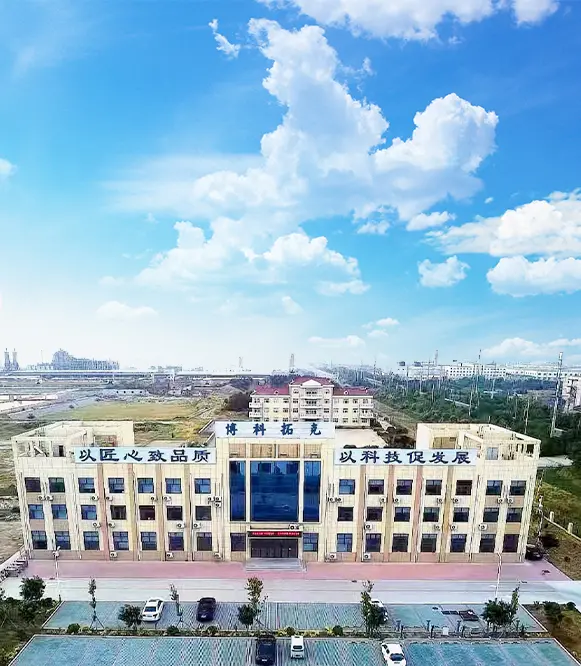
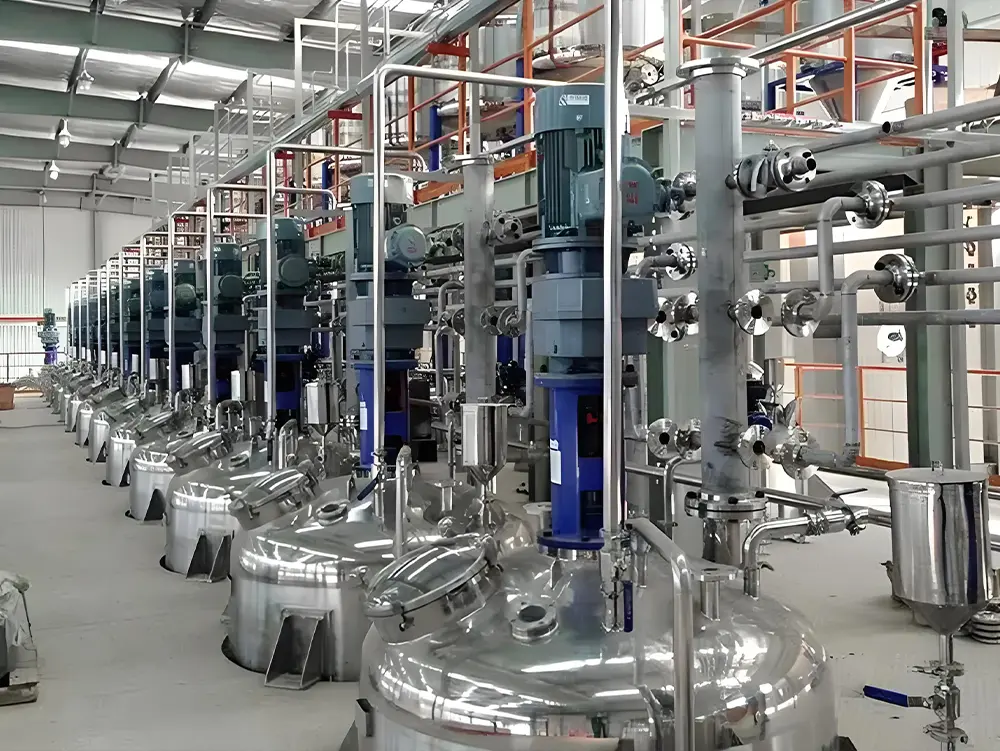
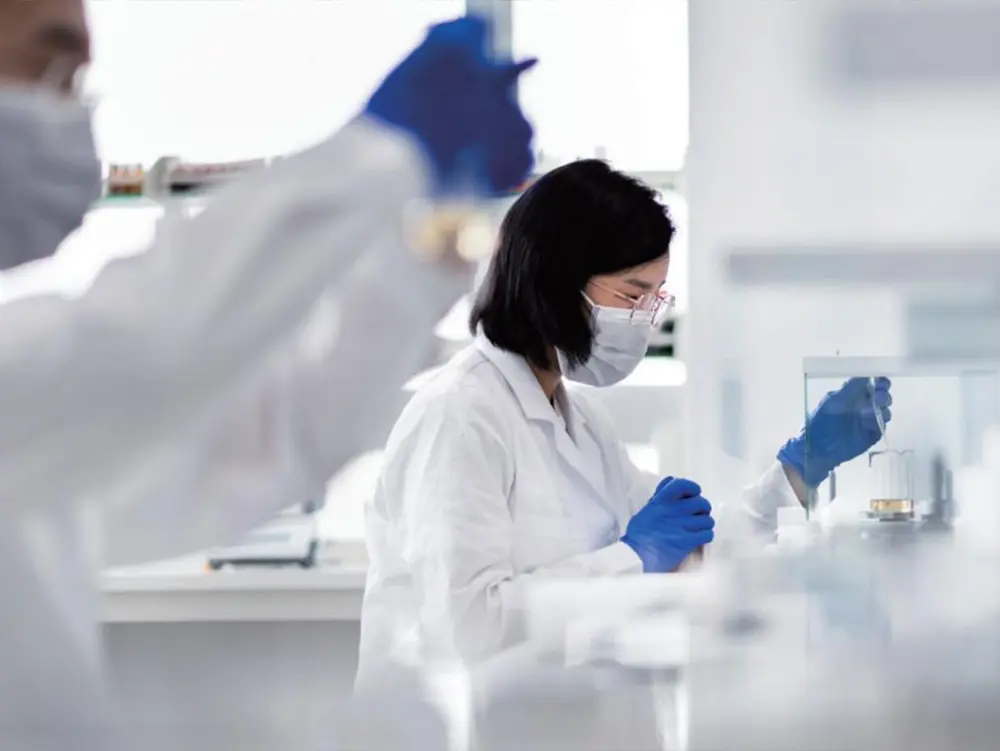

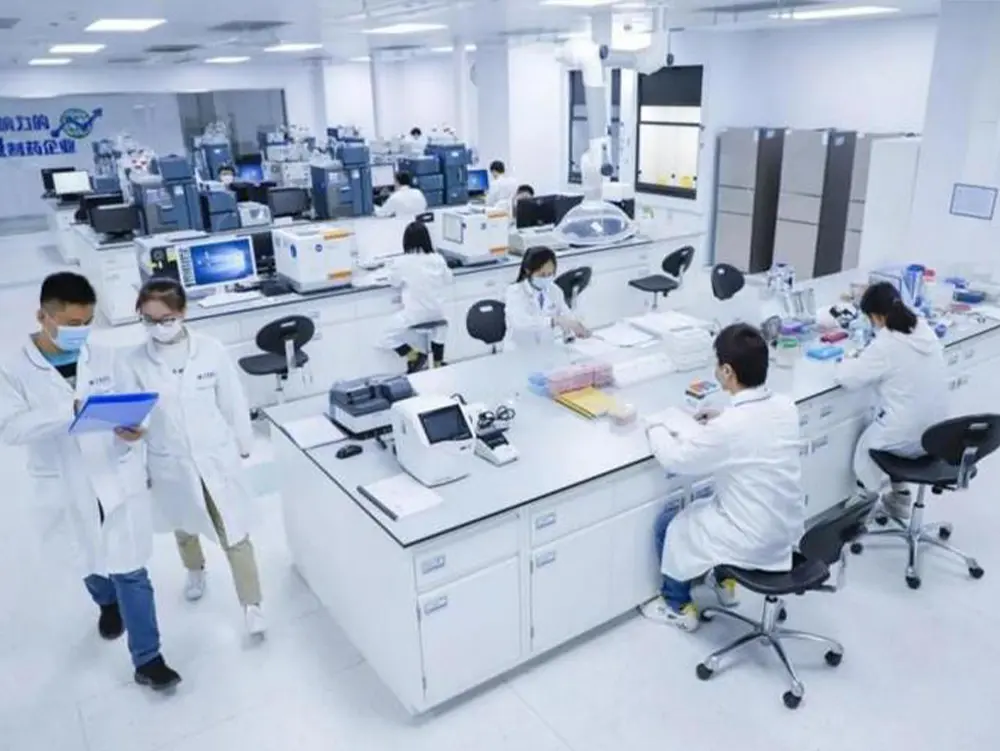
Why chemical leaders choose Shandong Boctok Chemical Co. as their long-term supply partner.

Our products undergo rigorous testing with state-of-the-art gas chromatography (GC) and mass spectrometry (MS) to guarantee high purity and batch consistency.

Advanced production facilities operating in Shouguang City, Bohai Industrial Park, utilize full DCS automation to scale mass customization and large orders.

Professional technical support engineers are available 24/7 to resolve application queries, formulation challenges, and supply logistics.

Strategic warehouse placements and optimized logistics networks ensure shortened lead times, complete customs documentation, and seamless door-to-door transit.
| Silane Chemical Name | CAS Number | Key Functional Group | Flash Point (°C) | Primary Industrial Applications |
|---|---|---|---|---|
| 3-Aminopropyltrimethoxysilane | 13822-56-5 | Primary Amino / Methoxy | 92 | Glass fiber treatment, phenolic binders, silicone sealants |
| 3-Aminopropyltriethoxysilane | 919-30-2 | Primary Amino / Ethoxy | 96 | Mineral-filled polymers, foundry resins, structural glues |
| 3-Aminopropylmethyldimethoxysilane | 3663-44-3 | Primary Amino / Methyl-Methoxy | 85 | Polyurethane coatings, silicone rubber modification |
| N-β-(Aminoethyl)-γ-Aminopropyltrimethoxysilane | 1760-24-3 | Diamine (Primary + Secondary) | 136 | Epoxy resin hardeners, plastic additives, asphalt sealants |
Delivering high-purity silanes, petroleum resins, and agrochemical formulations across diverse industrial sectors.
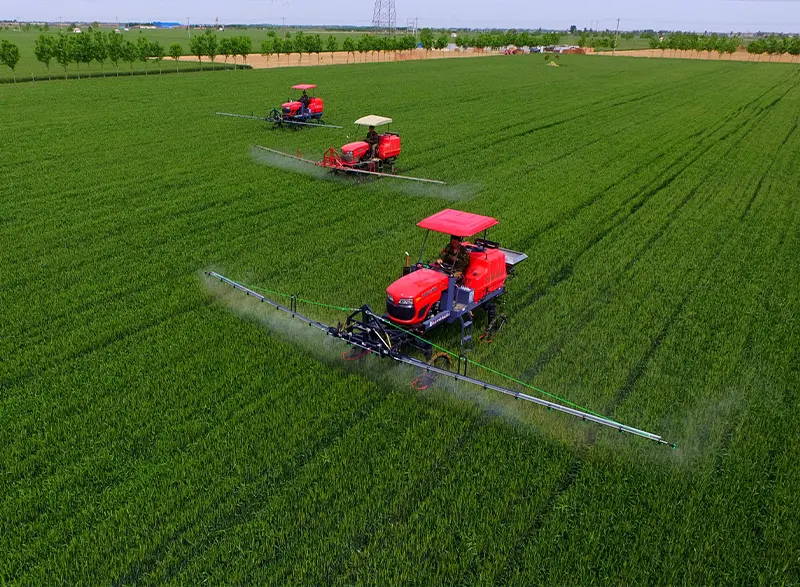




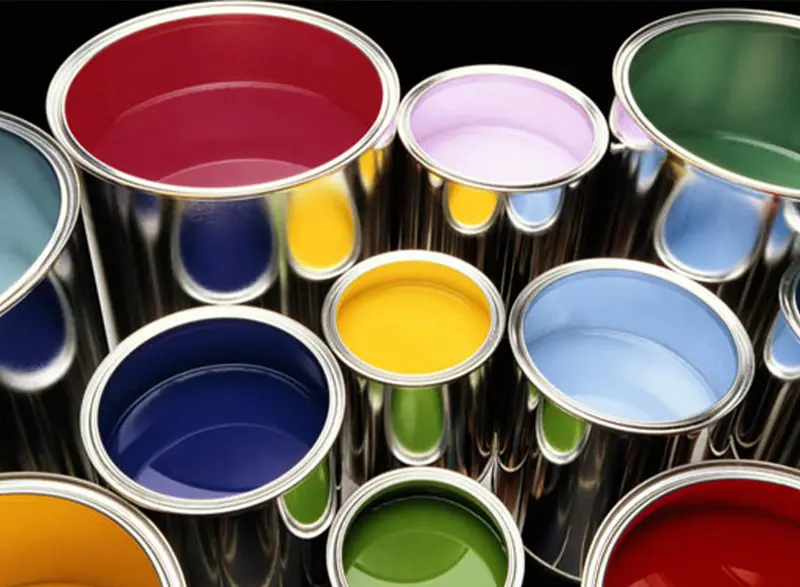
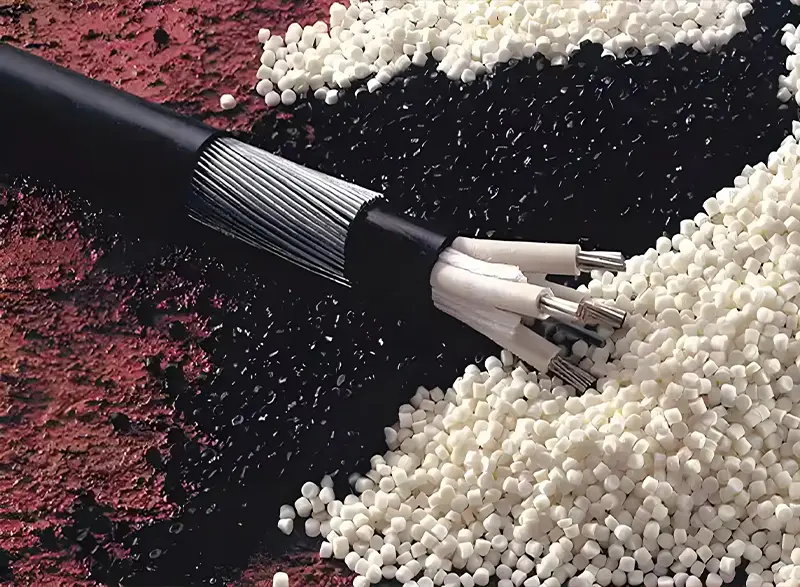
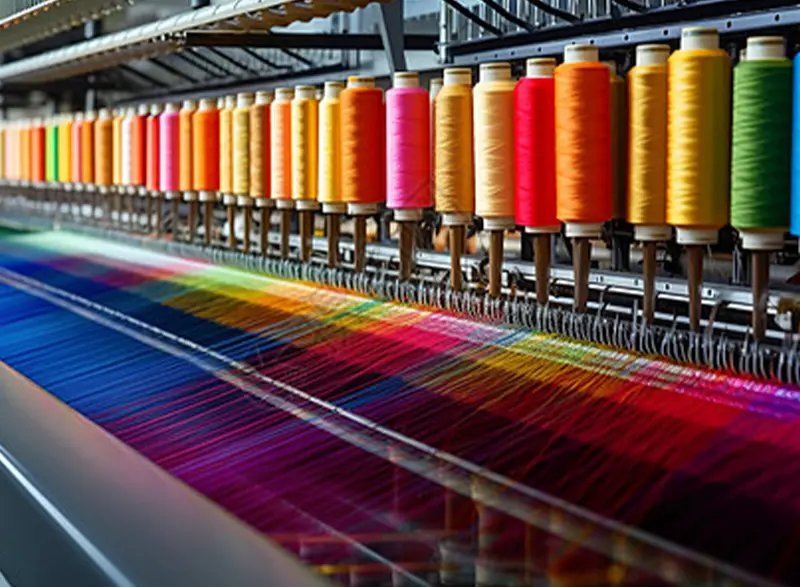
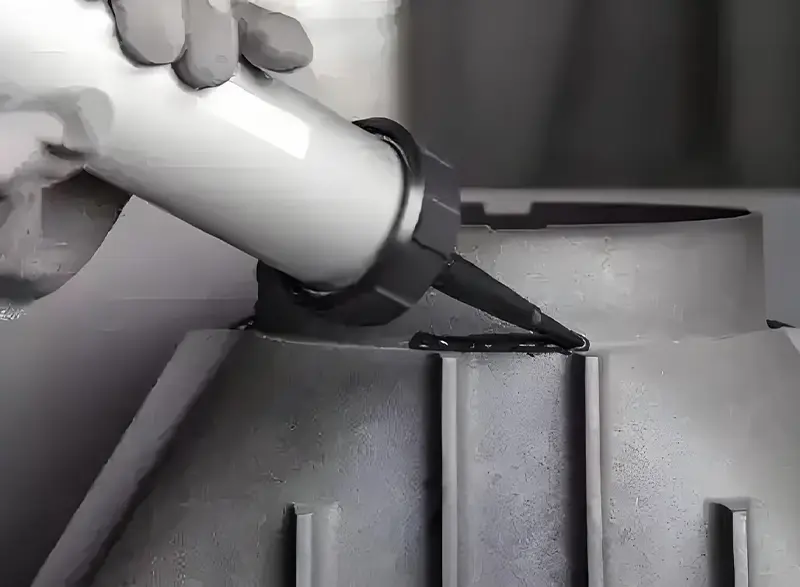
How Boctok integrates raw material reliability and custom formulations to serve major manufacturing fields.
Our aminosilanes improve the tensile strength of glass-fiber reinforced plastics used in engine covers, auto bumpers, and lightweight structures, optimizing fuel efficiency and impact resistance.
We supply silane coupling agents that act as exceptional crosslinkers for silicone sealants, improving adhesion to concrete, glass, and metal panels in high-rise structural glazing.
Improving moisture-crosslinking mechanisms for Cross-Linked Polyethylene (XLPE) power cables, providing superior insulation, thermal protection, and long-term operating safety.


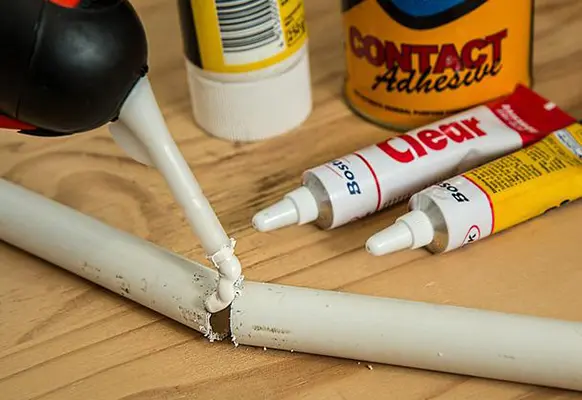

Navigating localized customs, stringent environmental certifications, and chemical registration frameworks.
Operating a chemical manufacturing node requires deep understanding of regulatory compliance. Shandong Boctok Chemical Co. maintains complete compliance with global registration frameworks, including REACH (Registration, Evaluation, Authorisation and Restriction of Chemicals) for European jurisdictions, TSCA for the United States, and local chemical inventory protocols in Russia and the CIS block. By ensuring clear and registered supply pathways, our partners avoid import delays and maintain legal integrity.
Our Shouguang plant is engineered with comprehensive waste treatment systems. Advanced waste gas capture and wastewater neutralizing systems are deployed to protect the surrounding environment. In addition, our manufacturing centers are governed by the DCS remote automation system and Safety Instrumented Systems (SIS), reducing operational risks while ensuring consistent quality metrics from batch to batch.
We manage cross-border customs declarations, dangerous goods packaging protocols (UN Certified containers), and optimal transit routes to Eastern Europe, Central Asia, and beyond.
Advanced waste management infrastructures featuring regenerative thermal oxidizers (RTO) and biochemical wastewater filtration systems to exceed industrial emissions guidelines.
Fully integrated DCS systems control temperature, pressure, and feedstock feed rates to eliminate human error and maintain product specifications.
Advancing organofunctional silane efficiency to support next-generation material science.
The roadmap for amino-functional silane products highlights two focus areas: molecular density optimization and multi-functional capability. The industry is currently exploring oligomeric and bis-silane architectures, which display superior moisture-resistant properties and enhanced adhesion kinetics. These molecules possess multiple silyl heads and a secondary amine backbone, significantly improving hydrolytic stability when integrated into epoxy coatings and automotive adhesives.
Shandong Boctok Chemical Co. is expanding its R&D activities to introduce green synthesis methods, utilizing non-hazardous catalysts during production and shifting towards bio-based raw feedstocks. This technical roadmap aligns with global shifts toward circular economy structures in industrial chemistry, helping our B2B buyers meet carbon reduction targets without sacrificing chemical performance.
Answers to critical technical and logistical questions asked by global procurement teams.
Amino-functional silanes are highly sensitive to moisture. When exposed to humidity, they will hydrolyze and polymerize, rendering them ineffective. They should be stored in original, tightly sealed containers under dry nitrogen blankets in a cool, well-ventilated warehouse. Under these conditions, the typical shelf life ranges from 12 to 24 months from the manufacturing date.
The core difference lies in the alkoxy leaving group. CAS 13822-56-5 is a methoxy-silane, which hydrolyzes faster but releases methanol as a byproduct. CAS 919-30-2 is an ethoxy-silane, which hydrolyzes slower but releases ethanol. Ethoxy-silanes are preferred for applications demanding low toxicity and low VOC profiles, whereas methoxy-silanes are chosen for high-speed automated production settings where quick curing is needed.
Yes. Our R&D team can adjust parameters such as monomer purity, oligomer ratio, and diluent configurations to optimize the compatibility of silane coupling agents with specific resins, including epoxies, polyurethanes, phenolics, and acrylics. Custom blending and packaging services are available upon request.
Our plant operates under ISO9001 quality management guidelines. We use a combination of automated DCS (Distributed Control System) for continuous monitoring of reaction parameters and real-time SIS (Safety Instrumented System) protection. Each batch of finished product undergoes rigorous gas chromatography (GC) purity testing and refractive index screening before dispatch.
Browse our specialized product selection, including advanced phenylsilanes, petroleum resins, and agricultural intermediates.
 Boctok Chemical