Discover our industry-standard organosilicon compounds, engineered for superior crosslinking, adhesion facilitation, and composite reinforcement.
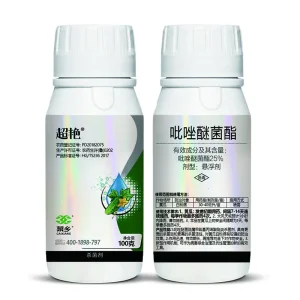
Founded in 2012, Shandong Boctok Chemical Co. has developed into an international chemical powerhouse, serving as the core marketing and sales coordination hub for Boctok™ domestic and global business units. Focusing heavily on high-precision chemical materials, our enterprise reached a landmark commercial milestone with US$280 million in sales in 2023.
Under our specialized BOCTOK brand, we have established a dominant and trusted presence in the Russian and Eastern European markets. Our product development and manufacturing protocols cater strictly to high-tier industrial applications, ensuring that our clients receive stable supplies of raw materials that adhere to stringent performance and ecological guidelines.
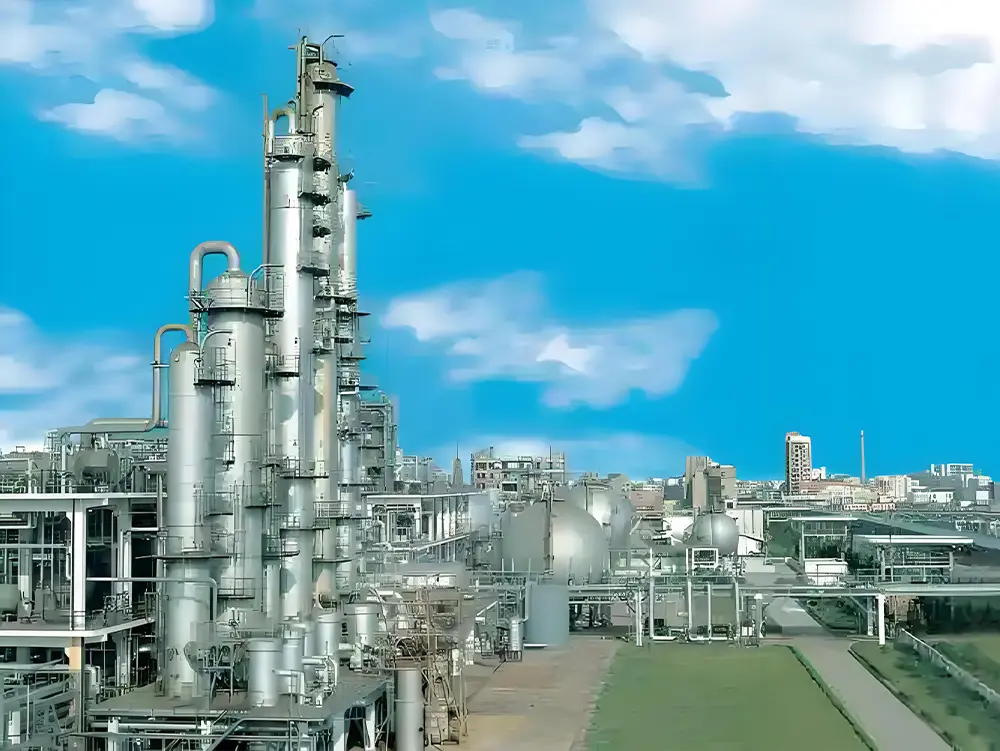
Our primary operational sectors encompass the synthesis of organosilicone materials, petroleum hydrocarbon resins, and agricultural chemicals, forming a robust business triangle that services the global industrial framework.
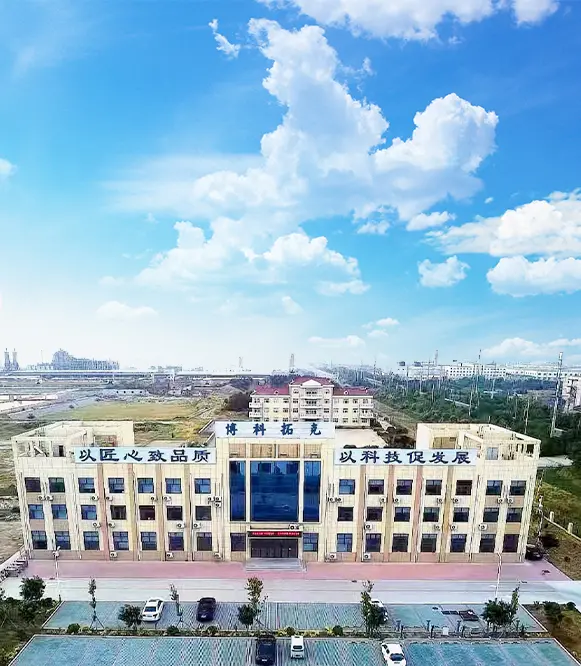
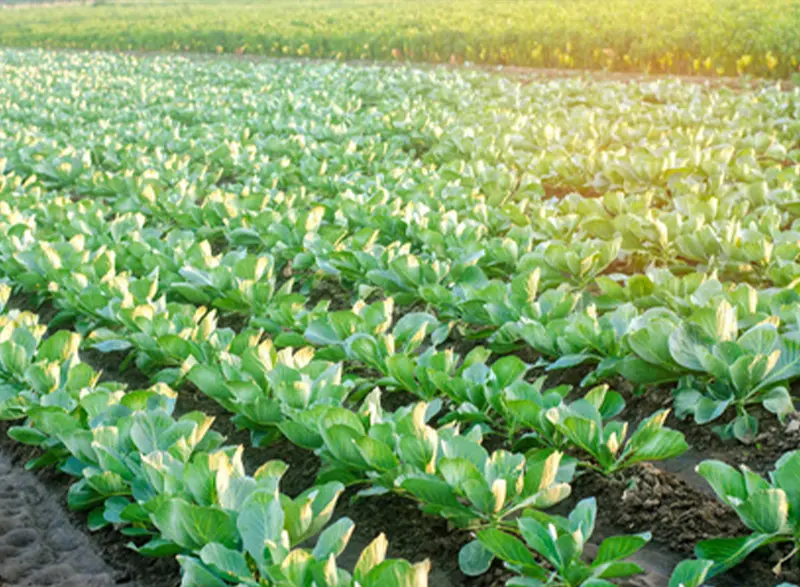
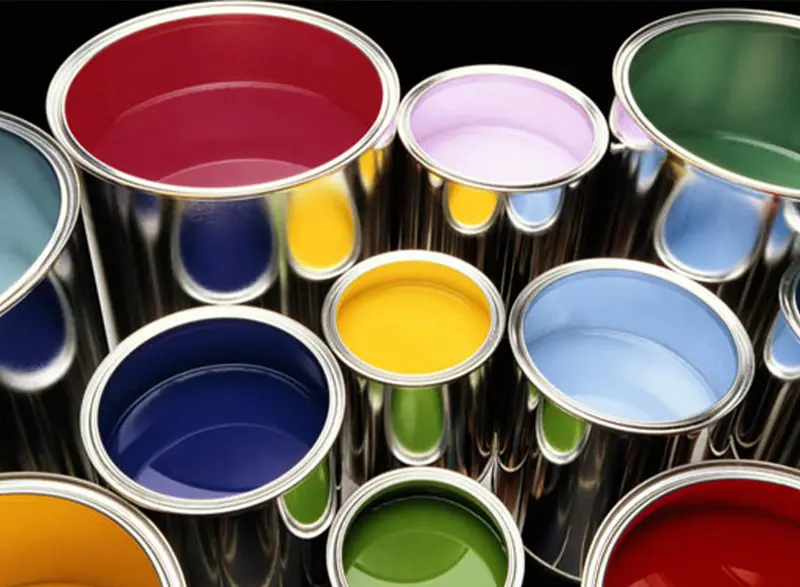
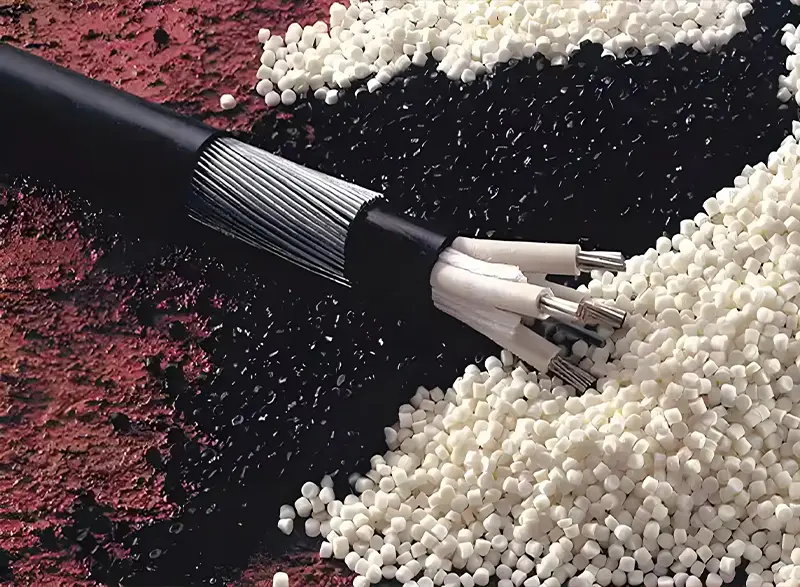
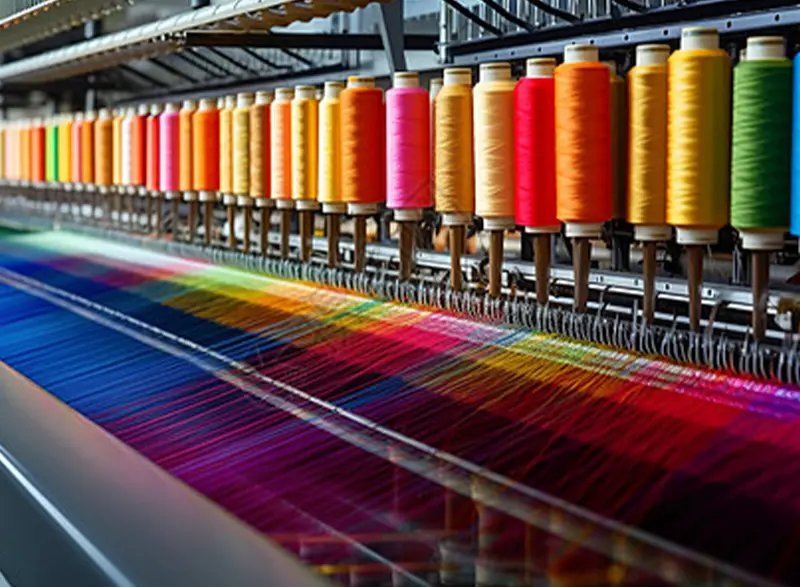
Our diversified chemical manufacturing allows us to serve diverse domains, ranging from advanced microelectronics and structural engineering to agricultural enhancements.
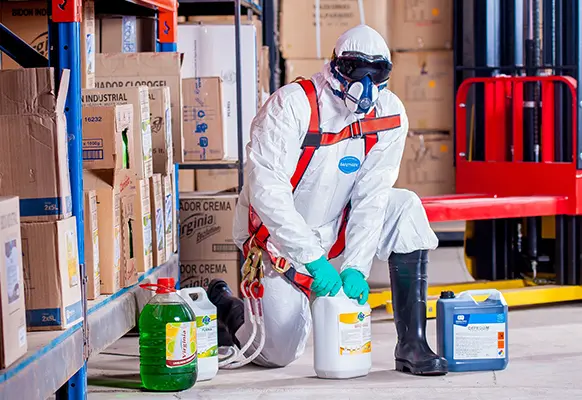
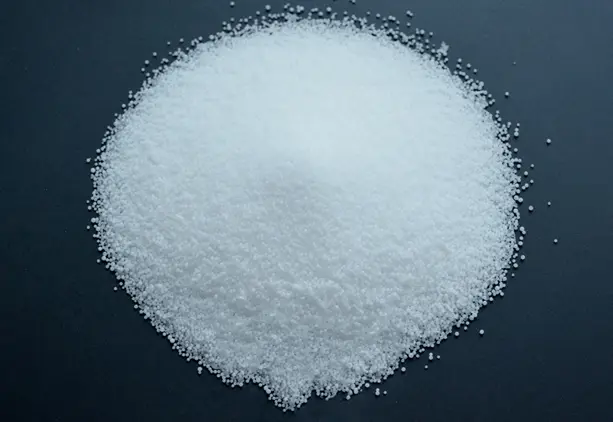
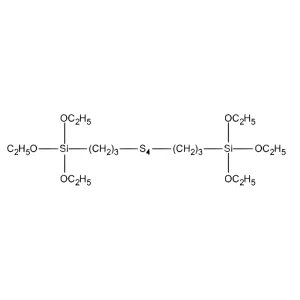
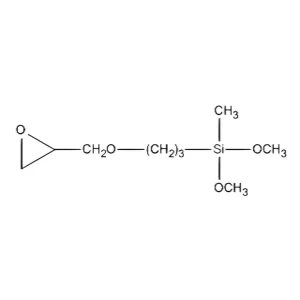
Comprehensive organosilicon portfolio covering twelve distinct silane coupling agent and crosslinker series:
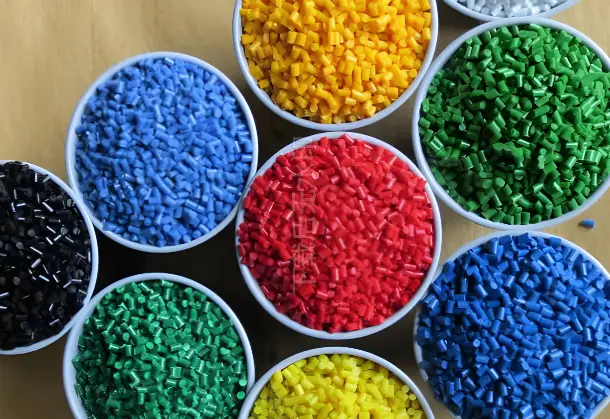
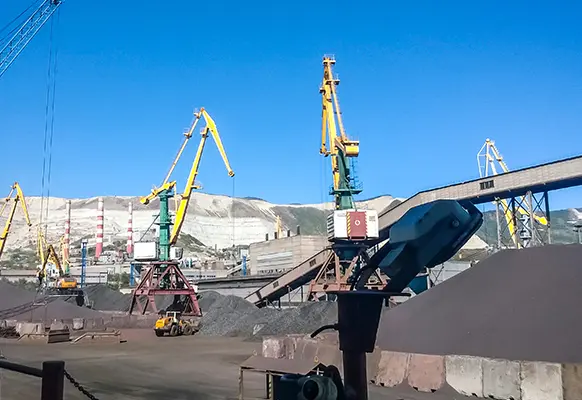
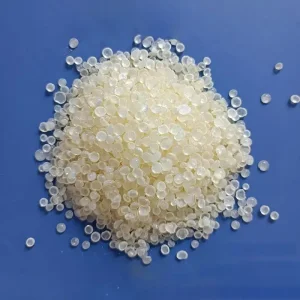
Strategic joint investments in major Chinese petrochemical hubs (Zibo, Fushun, Nanjing) sourcing raw feeds from SINOPEC and PetroChina:
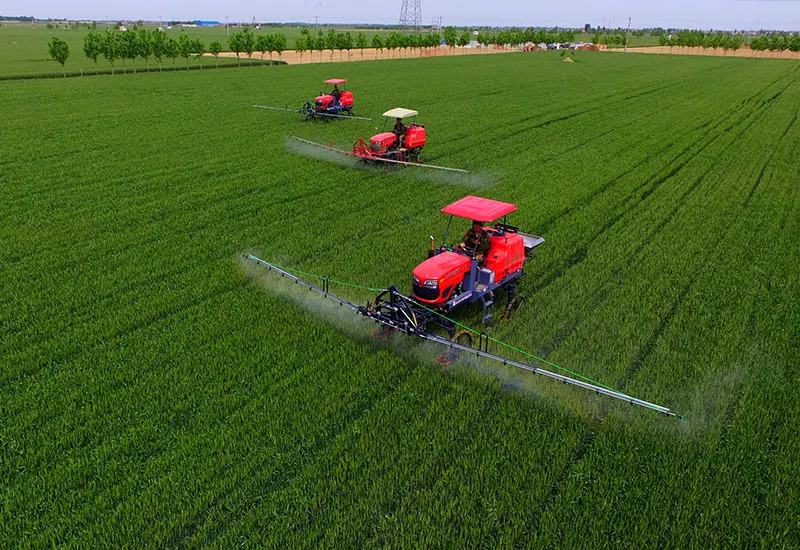
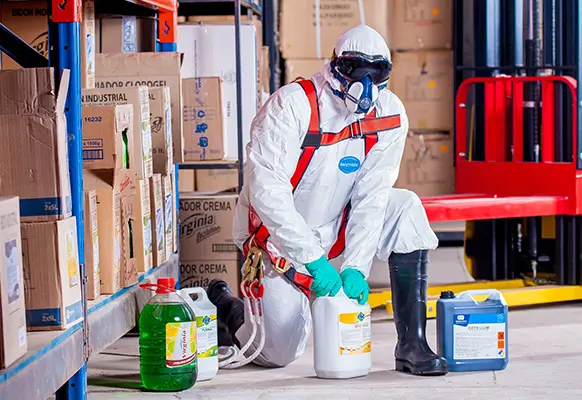
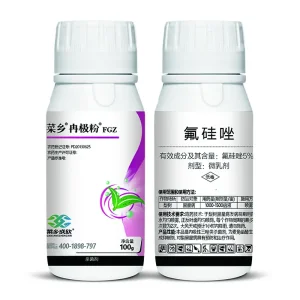
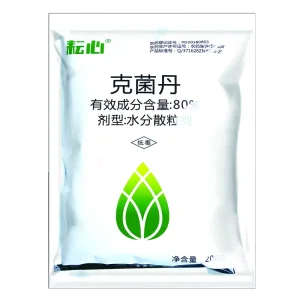
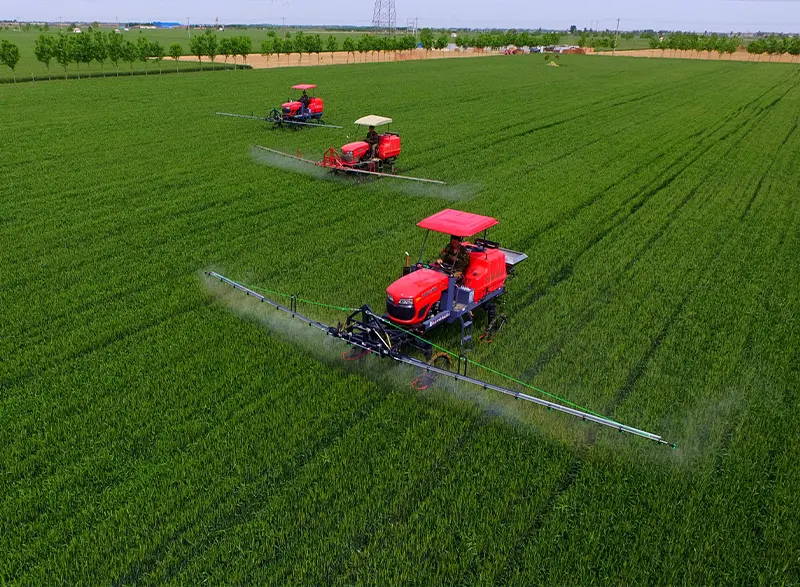
Advanced crop protection support through chemical intermediates and raw materials for the production of critical agrochemicals:
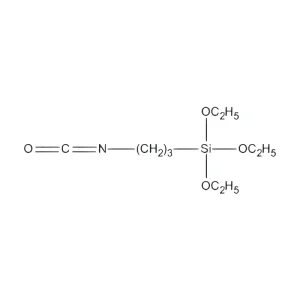
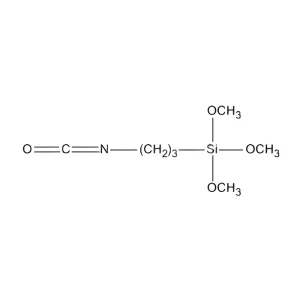
Silane coupling agents containing the highly reactive Isocyanate Group (-N=C=O) represent a vital class of materials for joining polymer matrices to inorganic surfaces. Compounds such as Gamma-isocyanato propyltriethoxysilane (CAS 24801-88-5) and Gamma-isocyanato-propyltrimethoxysilane (CAS 15396-00-6) function as dual-reactivity bridges.
The organofunctional isocyanate group reacts readily with active hydrogen-bearing compounds (such as alcohols, amines, polyols, and carboxylic acids) without producing volatile byproducts. Concurrently, the hydrolyzable alkoxy (methoxy or ethoxy) silane groups undergo hydrolysis to form reactive silanol groups (Si-OH), which chemically bond with hydroxyl groups on the surface of inorganic substrates like glass fibers, silica fillers, and metal oxides.
Step 1: Hydrolysis
R-Si(OCH₂CH₃)₃ + 3H₂O → R-Si(OH)₃ + 3CH₃CH₂OH
Alkoxy groups convert into highly reactive silanol intermediates.
Step 2: Condensation & Hydrogen Bonding
Silanols orient toward the inorganic surface (e.g., Glass, Metals) forming stable metalloxane/siloxane bonds (-Si-O-Si- or -Si-O-M-).
Step 3: Polyurethane Interlinking
-N=C=O + HO-Polymer → -NH-CO-O-Polymer (Urethane linkage)
The terminal isocyanate group forms covalent bonds directly into the polymer network, creating a highly durable, water-resistant interface.
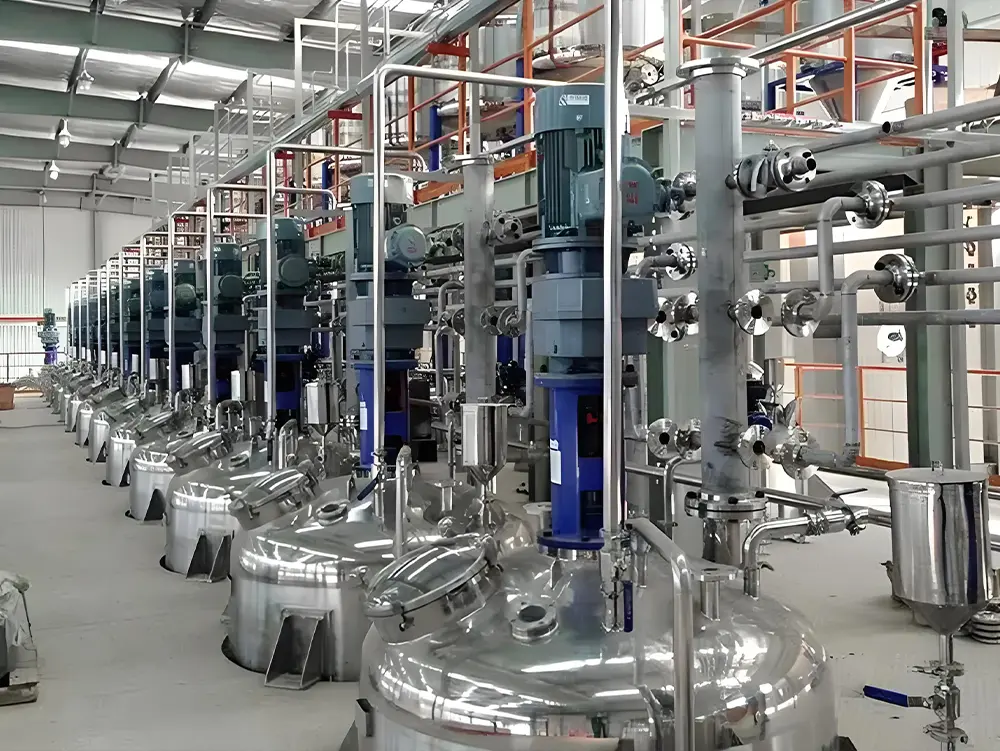
To secure the long-term volume supply commitments of our Fortune 500 partners, Shandong Boctok Chemical Co. has built a state-of-the-art chemical manufacturing site in Shouguang, Shandong. By centralizing operations within a provincially managed chemical zone, we benefit from reliable infrastructure, steam, utilities, and emergency services.
Environmental protection is integrated into our manufacturing loop. We have constructed dedicated facilities to safeguard the local ecosystem, including a thermal waste gas collection and treatment system and a multi-stage chemical wastewater treatment plant. This ensures our clients enjoy a steady supply chain, resilient to environmental shut-down orders.
Leverage our structural advantages to optimize raw chemical procurement costs, improve material purity, and ensure supply continuity.

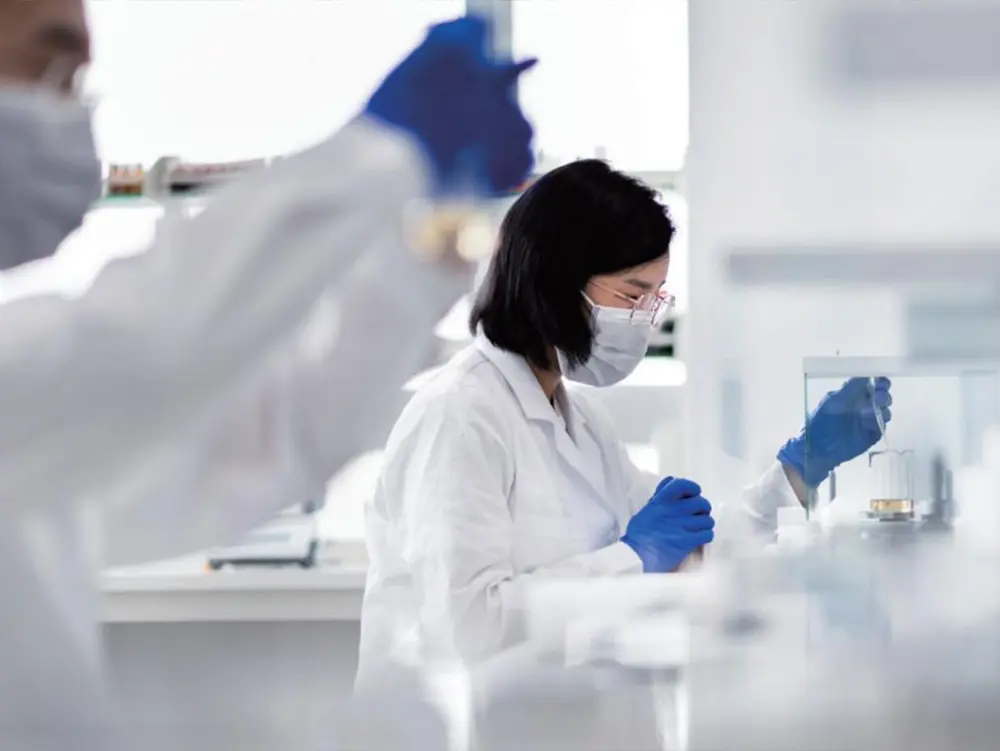
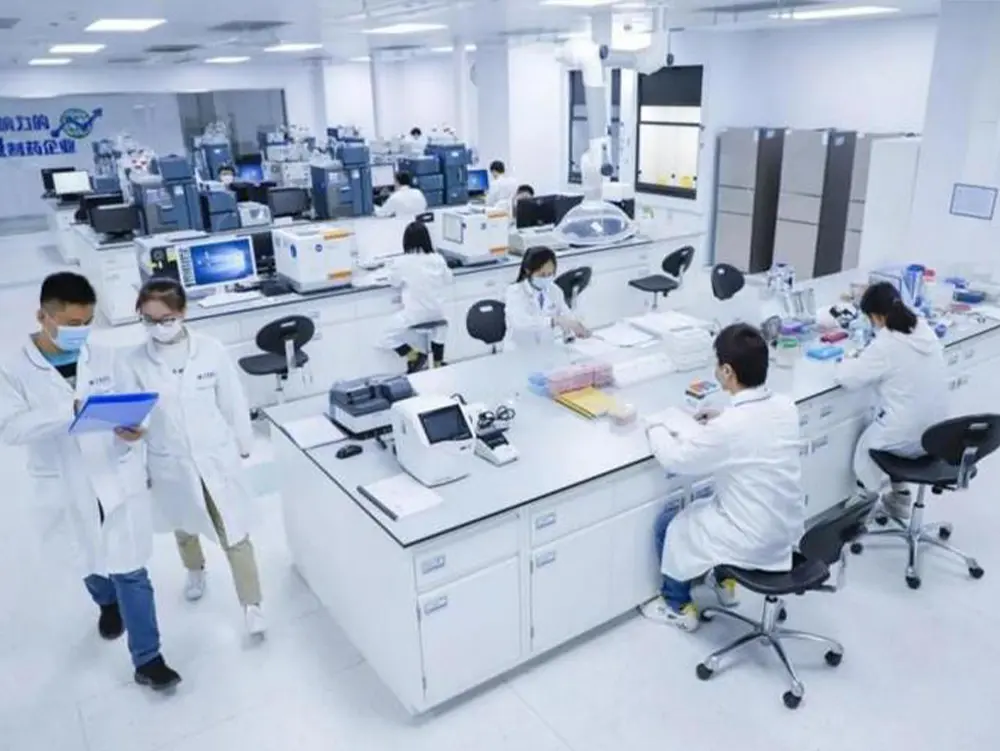
Our analytical laboratories perform GC, HPLC, and FTIR tests on all outbound batches to ensure compliance with strict purity standards.

With an annual output of 30,000 tons of silane coupling agents, we offer stable pricing and long-term contract fulfillment.

Our multilingual engineering team provides product selection support and formulation advice for chemical applications.

Proximity to major shipping hubs (Qingdao and Tianjin ports) ensures fast dispatch and competitive global freight rates.
Our silanes, silicone polymers, and hydrocarbon resins serve as core building blocks for critical industries worldwide.


Discover how our chemical manufacturing network delivers reliability, quality assurance, and compliance across global markets.
Our joint-venture petroleum resin sites in Zibo, Fushun, and Nanjing operate alongside major refineries of SINOPEC and PetroChina. By drawing direct lines to feedstock monomers, we shield our clients from fluctuations in raw material pricing.
To serve demanding regulated markets in Europe and North America, we verify our processes comply with REACH, TSCA, and chemical registration protocols. In our designated Russian/CIS business unit, we maintain full SGR registration.
We coordinate shipping routes to over 50 destinations, including North America, Western Europe, Japan, South Korea, India, and South America. Our logistics network handles hazardous cargo, bulk ISO-tanks, and customized dry packaging.
Explore our materials across pharmaceutical synthesis, electronic encapsulation, architectural coatings, and modern composites.
Key industry shifts shaping modern formulations, environmental compliance, and polymer efficiency.
Global environmental protocols increasingly restrict volatile organic compound (VOC) emissions during coatings and adhesive curing. Traditional organofunctional silanes release methanol or ethanol upon hydrolysis. Boctok is responding to this challenge by developing oligomeric silanes and waterborne silane systems that yield lower VOC releases while maintaining coupling efficiency on mineral surfaces.
Silane-Terminated Polyethers (STPE) are gaining market share in high-performance construction adhesives and structural sealants. Incorporating isocyanate-functional silanes as end-cappers or adhesion promoters combines the durability of silicones with the mechanical strength and paintability of polyurethanes. This formulation trend is driving demand for high-purity monomeric silanes.
Expert answers regarding the application, storage, and handling of our organosilicon and silane coupling products.
The primary difference lies in the alkoxy leaving groups attached to the silicon atom. Methoxy groups (in CAS 15396-00-6) hydrolyze faster than ethoxy groups (in CAS 24801-88-5), making the trimethoxy version more reactive in moisture-curing applications. The triethoxy version, however, releases ethanol instead of methanol during hydrolysis, making it a preferred choice for applications with strict VOC or toxicity limits.
They act as chemical crosslinkers and adhesion promoters. The isocyanate end reacts with excess hydroxyl or amine groups in the polyurethane matrix, while the alkoxy silane end hydrolyzes and bonds to mineral fillers or substrates (like glass, aluminum, or concrete). This creates strong, water-resistant chemical bonds at the interface, improving adhesion and thermal stability.
Because both the isocyanate and alkoxy silane groups are sensitive to moisture, these products must be stored in original, tightly sealed containers under an inert gas blanket (such as dry nitrogen). Keep storage temperatures below 25°C and isolate from heat sources, oxidizers, acids, and bases to prevent premature gelation or polymerization.
Our new production facility in Shouguang features automated DCS control lines integrated with SIS safety loops. We monitor critical process parameters (temperature, pressure, feed rates) in real time. We also implement ISO9001 standards throughout the process, performing gas chromatography (GC) and moisture analysis on every batch before release.
Yes, our hydrogenated C9 and modified C5 hydrocarbon resins are designed for hot-melt adhesives (HMAs) used in packaging. For food-contact applications, we provide specialized compliance statements certifying that the resins meet FDA 21 CFR regulations or European food-contact material guidelines.
Under the BOCTOK brand, we offer dedicated logistics and regulatory support for the Russian and CIS markets. This includes providing bilingual technical documentation (SGR registration certificates, SDS, and Certificates of Analysis in Russian) and managing direct rail and sea routes to ensure reliable delivery times.
Our specialized hydrocarbon resins and functional silanes are engineered for high-durability road markings, performance rubbers, and custom formulations.
 Boctok Chemical