Browse our premier selection of high-purity monomeric silanes, crosslinking agents, and functional silicone polymers designed for global industrial deployment.
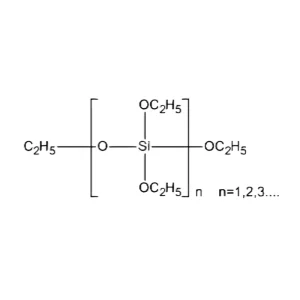
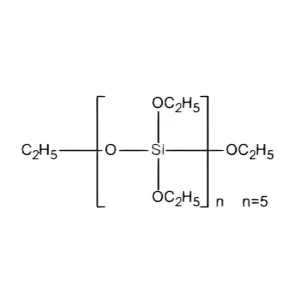
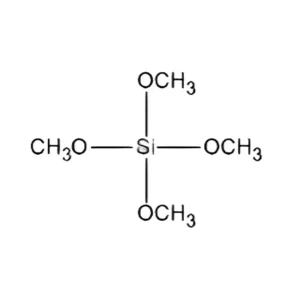
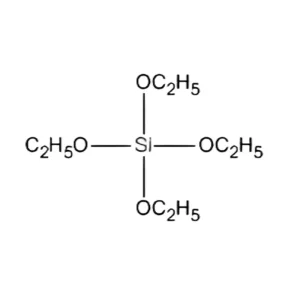
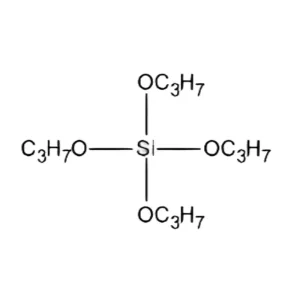
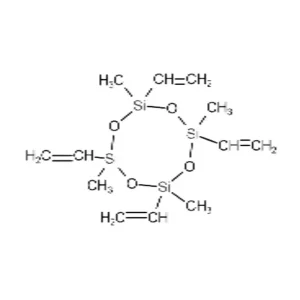
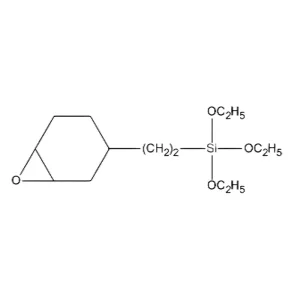
Silicone ethers—including functional alkoxy silanes, alkyl silicates, and polyether-modified siloxanes—constitute an indispensable class of high-performance materials in contemporary industrial chemistry. As key bridging molecules, they combine the inorganic robustness of silicon dioxide backbones with the tailored reactivity and solubility profiles of organic functional groups. This hybrid chemical architecture has positioned silicone ethers at the core of the global specialty chemicals supply chain, servicing crucial segments like infrastructure development, green electronics, renewable energy, and advanced agricultural adjuvants.
On a macro-commercial scale, the demand for high-purity silicone ethers has escalated rapidly. This expansion is heavily driven by the automotive industry's shift toward high-performance silane-crosslinked polymers, the microelectronics sector's dependency on ultra-pure chemical vapor deposition (CVD) precursor chemistries (such as orthosilicates), and the coating industry's move toward zero-VOC environmentally compliant formulations. Modern manufacturing hubs must now deliver high-volume, standardized synthesis routes alongside precise customized configurations to meet regional regulatory frameworks like REACH, EPA guidelines, and various national chemical registers.
In response to these demands, leading silicone ether factories have migrated toward backward-integrated supply structures. By establishing secure channels for key precursors, including silicon metal, chlorosilanes, and primary alcohols, high-capacity factories can shield downstream procurement partners from raw material market volatility. This structural integration, combined with advanced multi-stage purification technologies, enables manufacturers to supply highly consistent organosilicon compounds capable of meeting the demanding performance metrics expected in global heavy industries.
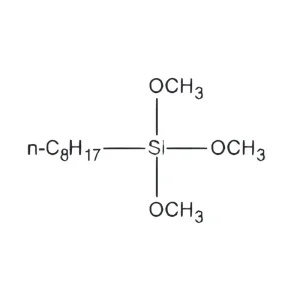
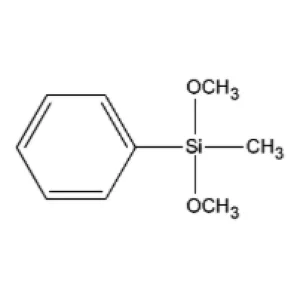
The manufacturing architecture of functional silicone ethers relies on the controlled esterification of chlorosilanes or the catalytic hydrosilylation of polyethers with hydrogen-terminated siloxanes. Alkoxy silanes, such as Tetraethoxysilane (TEOS) and various organo-functional trialkoxysilanes, are synthesized through the nucleophilic substitution of silicon tetrachloride with anhydrous alcohols:
To produce polymeric ethyl silicates like Ethyl Silicate 32 (ES-32) and Ethyl Silicate 40 (ES-40), the monomeric tetraethoxysilane undergoes controlled partial hydrolysis and condensation. This process is carefully regulated using acid catalysts and stoichiometric water-to-alkoxy ratios. The resulting oligomeric mixtures contain linear, branched, and cyclic silicon-oxygen networks characterized by high silica contents (32% and 40% SiO₂ equivalence, respectively). These structures exhibit exceptional capabilities for forming silica binders upon complete moisture-triggered curing:
For polyether-modified silicones (often termed silicone polyethers or silicone surfactants), the reaction pathway typically involves the hydrosilylation of an allyl-functionalized polyether (such as ethylene oxide/propylene oxide copolymers) with a methyl hydrogen silicone backbone under the influence of Karstedt's platinum catalyst. This amphiphilic chemical structure is critical; adjusting the ratio of hydrophilic polyether segments to hydrophobic siloxane chains allows precise tuning of key operational variables, including surface tension reduction, wetting capabilities, emulsification limits, and mechanical shear stability.
| Functional Category | Common CAS Numbers | Active Components | Primary Industrial Utility |
|---|---|---|---|
| Ethyl Silicates | 11099-06-2, 78-10-4 | Polysilicic acid ethyl esters (32% & 40% SiO2) | Refractory binders, zinc-rich anti-corrosion coatings, investment casting |
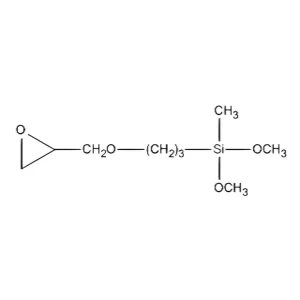
| Epoxy Functional Silanes | 10217-34-2, 2897-60-1 | Cycloaliphatic/glycidoxy epoxy-alkoxysilanes | Adhesion promoters, epoxy encapsulation, hybrid composite coupling agents |
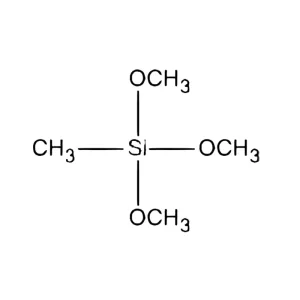
| Vinyl & Alkyl Silanes | 2554-06-5, 1185-55-3 | Methyltrimethoxysilane, Vinylmethylcyclotetrasiloxanes | Moisture-cure crosslinking, hydrophobization, silicone rubber vulcanization |
| Alkoxy-Terminated PDMS | 68440-70-0 | Trimethoxy-terminated polydimethylsiloxane | Sealant bases, RTV-1 formulation, moisture-triggered elastic membranes |
Founded in 2012, Shandong Boctok Chemical Co. has developed into a leading global manufacturer and distributor of advanced organosilicon compounds, petroleum hydrocarbon resins, and agricultural chemical intermediates. Operating as the global marketing and sales coordination hub for Boctok™ domestic and overseas chemical divisions, the company registered a strong commercial performance in 2023, achieving a total sales volume of US$280 million. The BOCTOK brand is particularly recognized in the Russian and Eastern European markets, where it serves as a trusted partner for key manufacturing corporations.
Our industrial output spans three primary product divisions. The core organosilicone portfolio covers twelve comprehensive series of silane coupling agents and crosslinking technologies, including aminosilanes, methacrylate silanes, epoxysilanes, vinylsilanes, mercaptosilanes, alkylsilanes, ethyl silicates, chlorosilanes, isocyanate silanes, phenylsilanes, ureidosilanes, and serosilanes. We also manufacture functional silicone oils (high-hydrogen silicone oil, dimethicone, vinyl silicone oil, polyphenylmethyldimethylsiloxane, phenyl silicone oil, silanol fluids, OH polymers, and alkoxy-terminated silicone oil), specialty MQ and VMQ resins, and room-temperature vulcanized (RTV) elastomers (such as 110 methyl vinyl and 120 methyl phenyl rubbers).
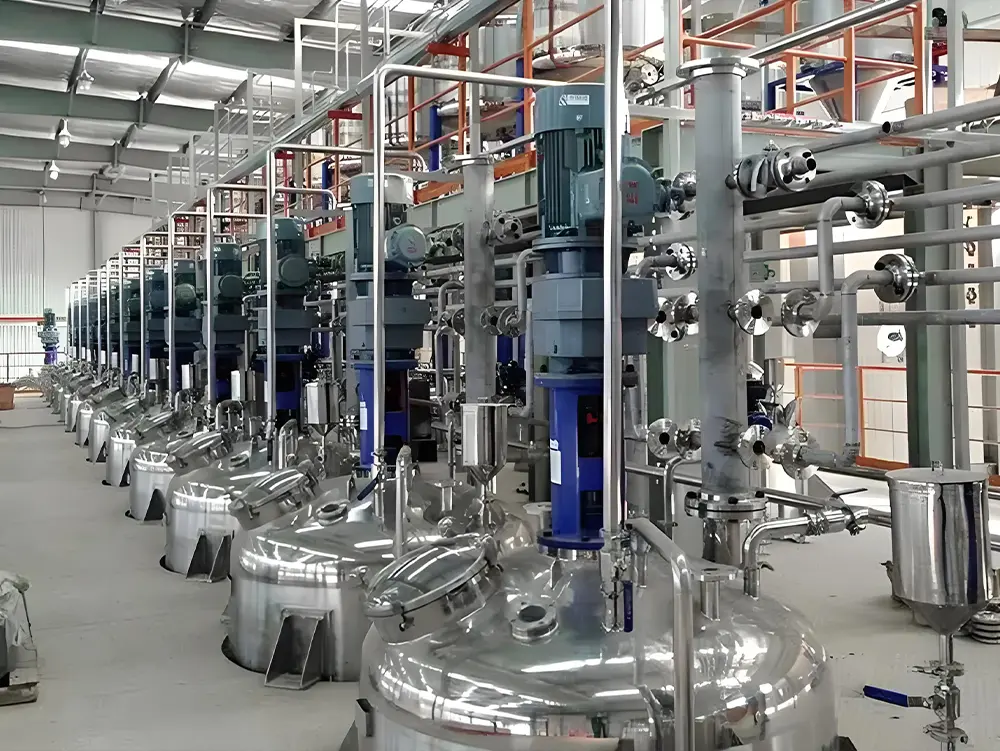
To support global supply chains, Boctok recently completed a US$65 million capital expansion project in the Bohai Industrial Park, a certified provincial chemical development zone in Shouguang City, Shandong Province. This state-of-the-art facility features 6 automated DCS (Distributed Control System) production lines. These lines operate in conjunction with Safety Instrument Systems (SIS) and comply with ISO9001 quality management procedures to produce an additional annual capacity of 30,000 tons of high-purity silane coupling agents. To ensure sustainable manufacturing, the facility is equipped with dedicated high-capacity waste gas thermal oxidation scrubbers and advanced physical-chemical wastewater treatment systems, keeping emissions well within strict environmental parameters.
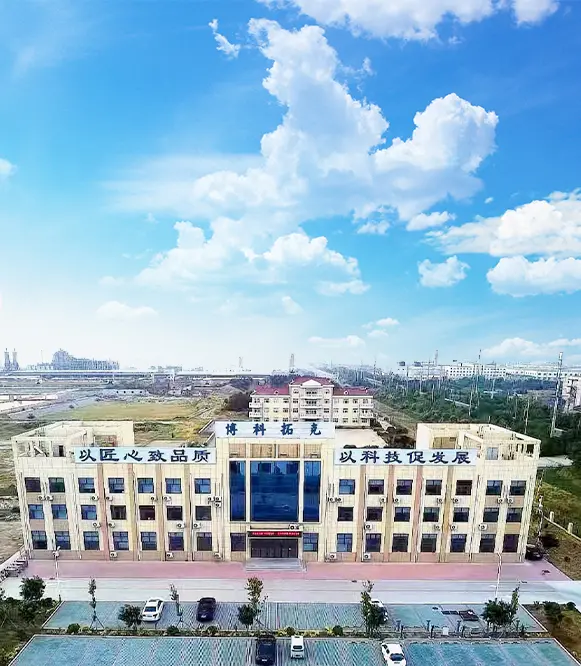
Our production facilities utilize Distributed Control Systems (DCS) and integrated Safety Instrumented Systems (SIS). These advanced platforms monitor critical processing variables, such as temperatures, pressure thresholds, and flow rates, to deliver high batch consistency.
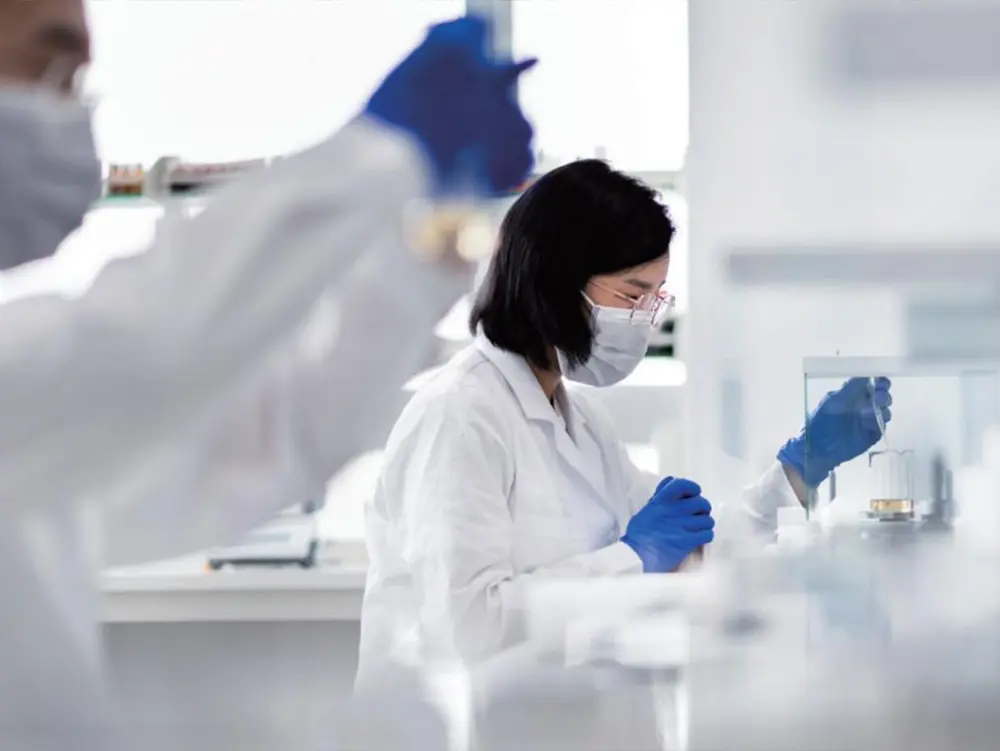
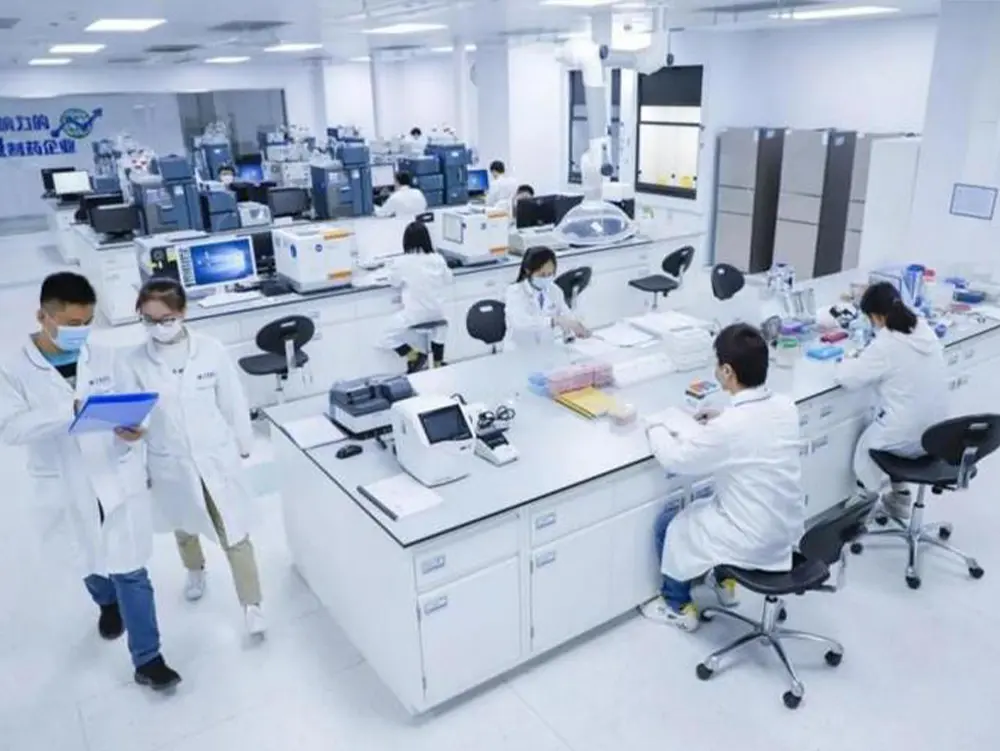
Our products undergo multi-stage quality control procedures. We use gas chromatography, FTIR spectroscopy, and Karl Fischer moisture analyzers to verify that key specifications meet international requirements before dispatch.
Our experienced service team works closely with customers to troubleshoot processing issues, resolve compatibility challenges, and assist with custom polymer formulations.
We work with established global transport partners to ensure secure, compliant distribution, handling required customs procedures and dangerous goods documentation.
Beyond our primary organosilicone operations, Shandong Boctok Chemical Co. maintains strong positions in two complementary chemical sectors: petroleum hydrocarbon resins and agrochemical systems. This diversified product matrix helps stabilize our supply chain and allows us to provide integrated material packages for multi-national industrial customers.
Our second-tier core business focuses on high-grade hydrocarbon resins. Through long-term investments in key refining centers across Zibo, Fushun, and Nanjing, we access stable petrochemical feedstocks directly from SINOPEC and PetroChina. This integrated supply chain allows us to maintain consistent production quality across several main lines:
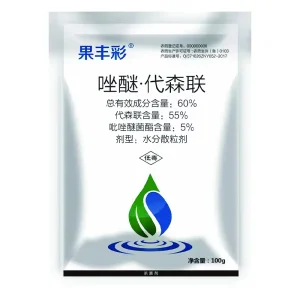
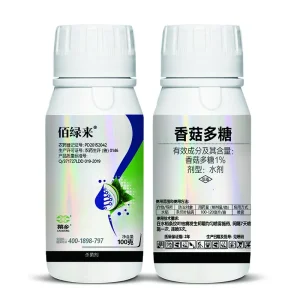
Boctok's agrochemical division manufactures intermediates and active ingredients for plant protection systems. Combining our organosilicone surfactant experience with organic synthesis capabilities, we provide materials that improve pesticide coverage and performance:
Boctok’s products are exported to demanding industrial markets worldwide, including North America, Western Europe, Japan, South Korea, Australia, South America, the Middle East, India, Southeast Asia, and Russia. Our chemicals are formulated into diverse manufacturing processes to enhance durability, adhesion, and processing efficiency.
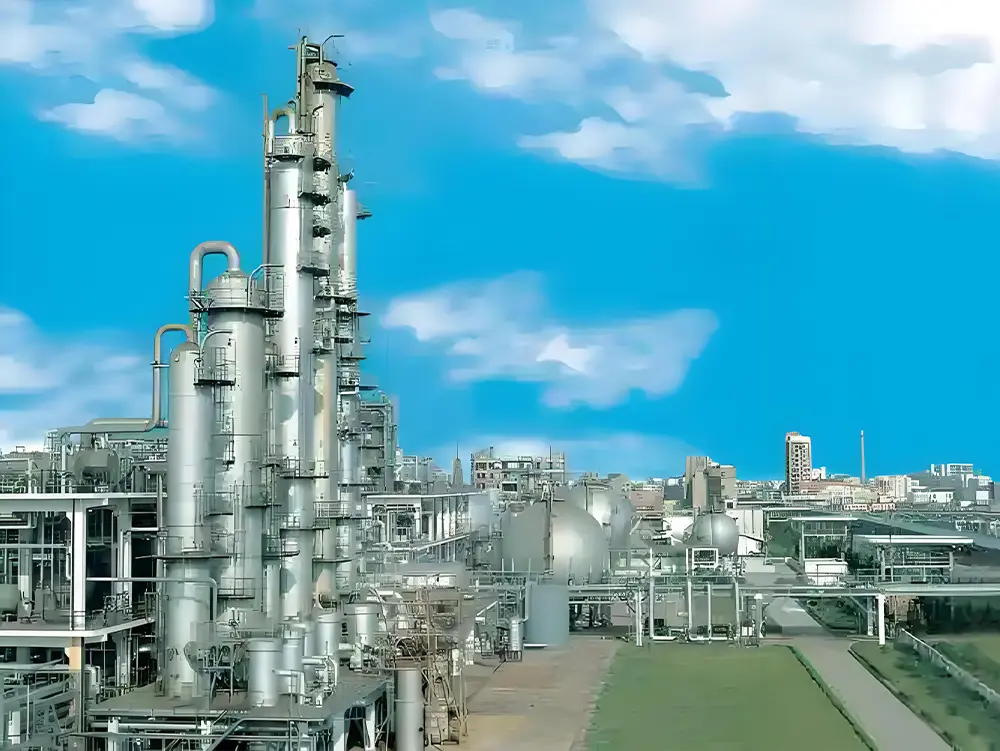
Our organosilicone and hydrocarbon products are optimized for a wide variety of industrial settings:
Our ethyl silicates act as binder precursors for high-performance zinc-rich primers, protecting structural steel from marine corrosion. Additionally, our aminosilanes and epoxysilanes are added to sealants to improve adhesion to glass, concrete, and metals.
Our high-purity tetramethoxysilane (TMOS) and tetraethoxysilane (TEOS) are used as deposition precursors to form insulating silicon dioxide layers on microelectronic substrates. Specialty vinyl silanes also help crosslink polymer encapsulation compounds around delicate components.
Vinyl silanes are widely used in crosslinkable polyethylene (XLPE) formulations for high-voltage power cables and hot water piping. They graft onto the polymer backbone, enabling moisture-cure crosslinking that raises long-term heat and mechanical resistance.
The global organosilicon industry is shifting toward formulations with lower volatile organic compound (VOC) levels, reduced toxicity profiles, and lower carbon footprints. To support this transition, Boctok’s research and development division focuses on three main chemical initiatives:
Traditional alkoxysilane moisture-cure cycles release volatile alcohols like methanol or ethanol. Our R&D team is developing oligomeric silane hybrids with higher molecular weights. These structures release significantly fewer VOCs during hydrolysis, helping customers meet strict indoor air quality standards.
We are exploring bio-derived alcohols as replacements for petrochemical-based alternatives in our esterification processes. This change reduces the carbon footprint of the resulting ethyl silicates and organo-alkoxysilanes, supporting downstream circular economy goals.
To further reduce environmental impact, our long-term roadmap includes development of direct synthesis pathways that react silicon metal directly with alcohols. This bypasses the use of chlorosilane intermediates, eliminating the production of hydrochloric acid byproducts.
Review technical answers to common queries regarding chemistry, storage, handling, and application procedures for silicone ethers and silane coupling agents.
From functional specialty monomers to high-grade industrial polymers, we supply quality materials to support global manufacturing operations.
 Boctok Chemical