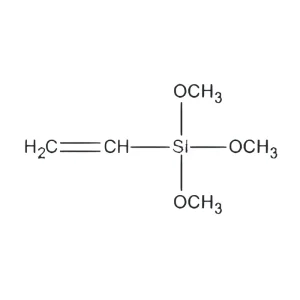
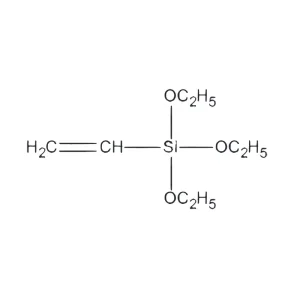
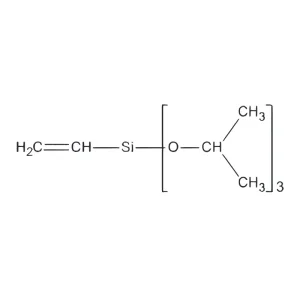
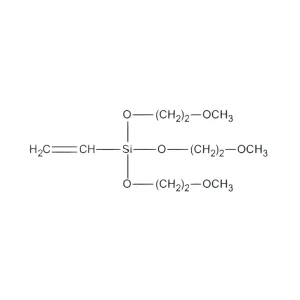
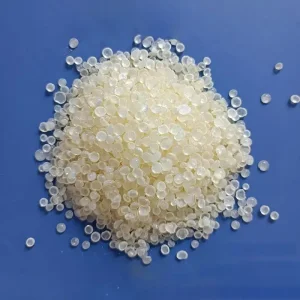
Select from our premium grades engineered to enhance cross-linking density, mechanical integrity, and thermal thresholds.
The vinyl functional group ($CH_2=CH-$), paired with silicon atoms, plays an indispensable role in contemporary macromolecular chemistry. As double-bond carriers directly linked to highly reactive silane structures, vinylalkoxysilanes function as crucial bridges between inorganic matrices (such as glass fibers, silica fillers, and mineral bases) and organic polymers.
Upon hydrolysis, the alkoxy domains of silane coupling agents yield highly reactive silanols. These groups dynamically bond to inorganic substrates via stable siloxane ($Si-O-Si$) networks. Simultaneously, the vinyl group remains available for free-radical copolymerization, hydrosilylation, or cross-linking. This dual-functional pathway dramatically optimizes the physical, mechanical, and thermal properties of industrial materials.
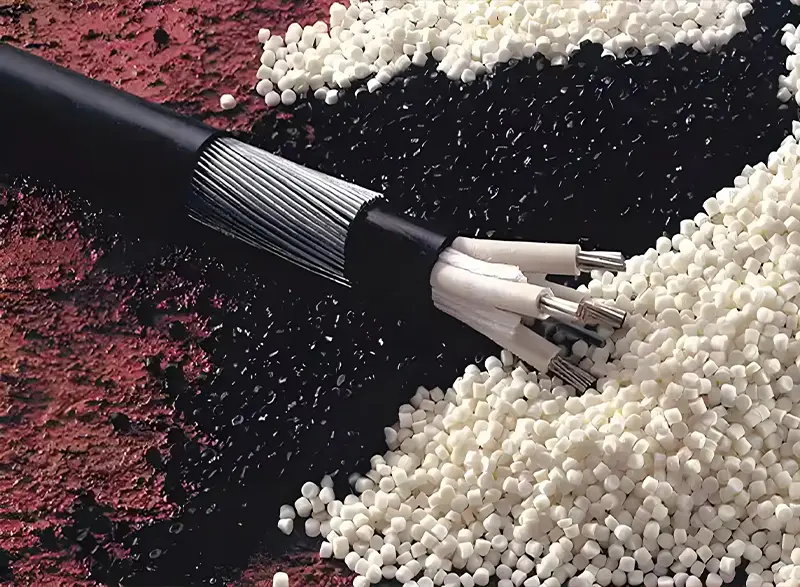
By using vinyltriethoxysilane (VTEO) or vinyltrimethoxysilane (VTMO), polymer manufacturers can carefully control grafting kinetics. This helps prevent moisture ingress, optimize structural rigidity, and ensure excellent heat stability in cross-linked polyethylene (XLPE) power transmission lines, high-frequency electronics, and harsh-environment automotive wiring.
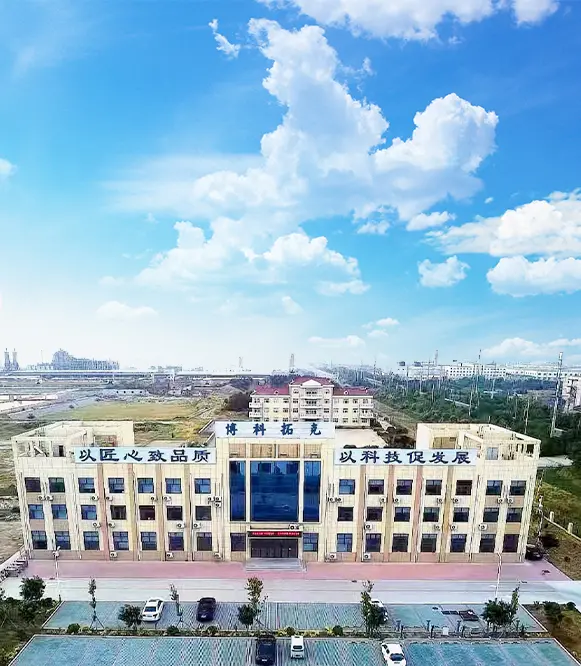



Shandong Boctok Chemical Co. was founded in 2012 as a marketing and sales center for Boctok™ domestic and overseas businesses, achieving sales of US$280 million in 2023. The BOCTOK brand specializes in serving the Russian market while operating globally across North America, Europe, Japan, South Korea, Australia, South America, the Middle East, India, and Southeast Asia.
Boctok has three main product categories, the first core business of organosilicone covers twelve series of silane coupling agents and crosslinkers, including aminosilane, methacrylate silane, epoxy silane, vinyl silane, mercaptosilane, alkyl silane, ethyl silicate, chlorosilane, silane isocyanates, phenyl silane, ureidosilane and serosilane.
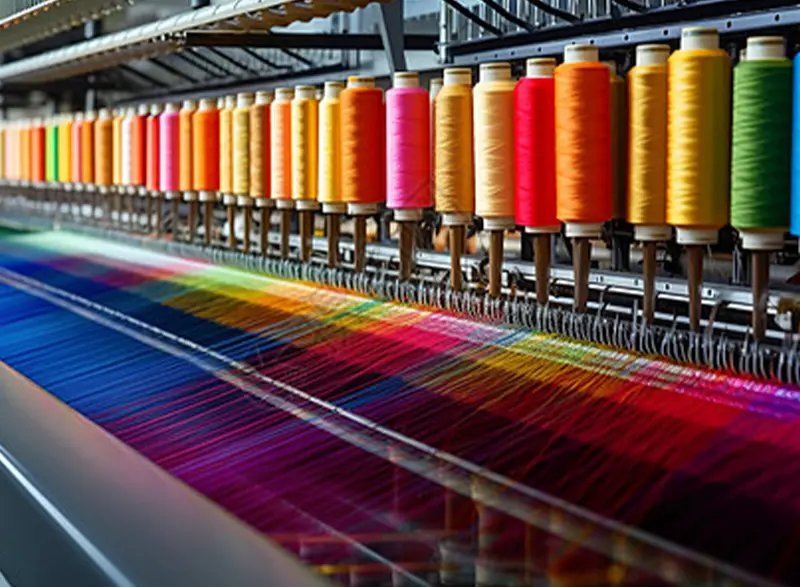
Beyond monomeric silanes, Boctok focuses on silicone oil, silicone resin, and silicone rubber, covering high-hydrogen silicone oil, dimethicone, vinyl silicone oil, polyphenylmethyldimethylsiloxane, phenyl silicone oil, silanol silicone oil and OH polymer, alkoxy silicone oil, methyl MQ resin, vinyl VMQ resin, room-temperature vulcanized methyl silicone rubber, 110 methyl vinyl silicone rubber, 120 methyl phenyl rubber. These are widely used in glass fiber, electronics, wind energy, daily necessities, coatings, adhesives, XLPE electric cables, oil field drilling, textiles, and molding to improve product durability and performance.
Serving Global Heavy Industry, Polymeric Synthesis, and Advanced Agro-Chemical Operations
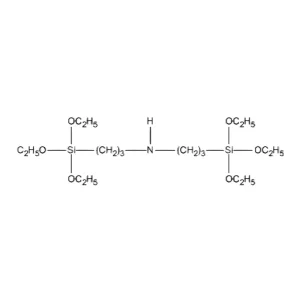
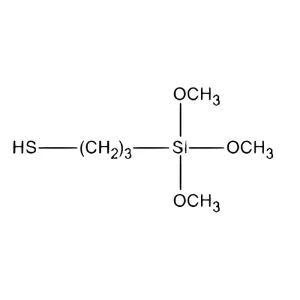
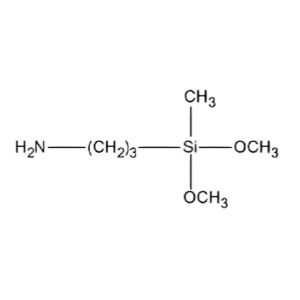
Our silane coupling agents improve cross-linking density and surface adhesion in demanding environments. This comprehensive range includes aminosilanes, methacrylates, epoxies, vinyls, mercaptos, alkyls, ethyl silicates, chlorosilanes, and phenyl silanes.
We operate three advanced hydrocarbon resin plants in Zibo, Fushun, and Nanjing. Sourced from reliable PetroChina and SINOPEC pipelines, our portfolio includes C9 hydrogenated resins, C5 hydrocarbon resins, C5/C9 modified resins, and dicyclopentadiene (DCPD).
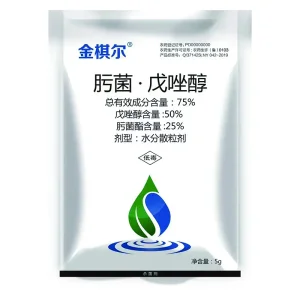
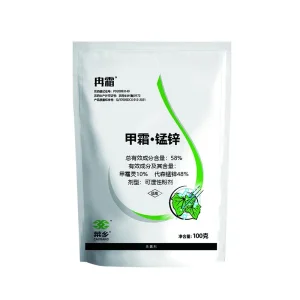
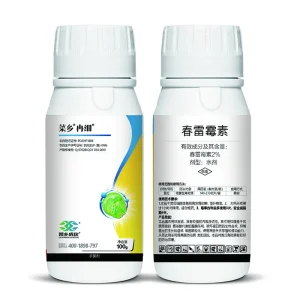
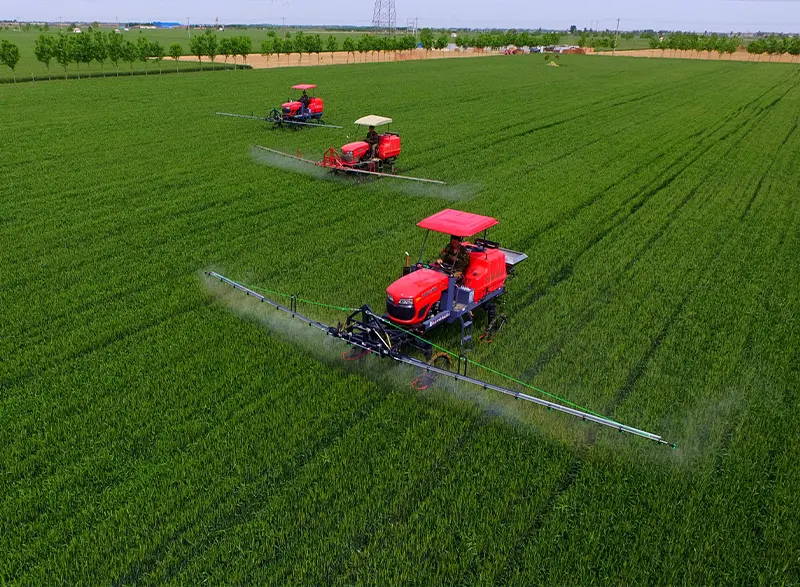
We manufacture raw materials and key intermediates for critical crop protection. Our agricultural range includes high-efficiency fungicides, pesticides, plant growth regulators, and seed treatments designed to support global crop yields.
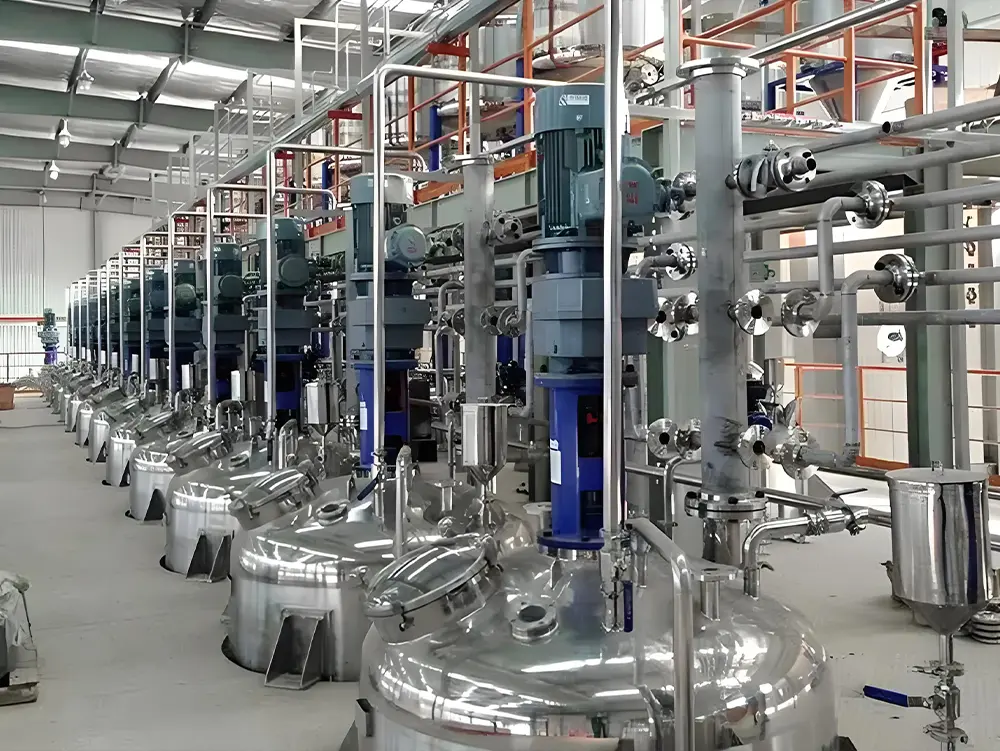
Boctok recently invested US$65 million to build a new plant in Shouguang City's Bohai Industrial Park, Shandong Province. This facility expands our annual production capacity of silane coupling agents to 30,000 tons across 6 automated DCS production lines.
By implementing a safety instrumented system (SIS) alongside DCS automation, we maintain strict safety levels and uniform quality. This high standard is supported by our ISO9001 quality management system throughout the entire production lifecycle.
To reduce environmental impact, our facility includes dedicated environmental protection systems. This includes advanced waste gas collection and treatment units alongside biological wastewater treatment equipment, ensuring clean manufacturing operations.
How Boctok™ Organosilicones and Hydrocarbon Resins Power Modern Sectors





Ensuring Quality Stability, Technical Compliance, and Logistics Security

Our products undergo batch-by-batch chromatographic testing, moisture analysis, and structural validation. We ensure that our materials strictly align with target specifications.

Our 6 automated DCS lines process up to 30,000 tons of silane coupling agents annually, allowing us to manage large orders and custom specifications efficiently.

Our technical team is available online to assist with polymer formulations, compatibility inquiries, and logistics coordination.

We work with leading ocean carriers and freight networks to manage customs clearances, hazardous material handling, and door-to-door delivery schedules.
Integrating Vinyl chemistry, Specialized Polymers, and Industrial Resins

Providing essential building blocks for crop protection and organic intermediates. Our chemical solutions support active ingredient stability and performance in agricultural applications.

Our dimethicone, phenyl silicone fluids, and MQ resins help formulators improve spreadability, water resistance, and texture in personal care products.
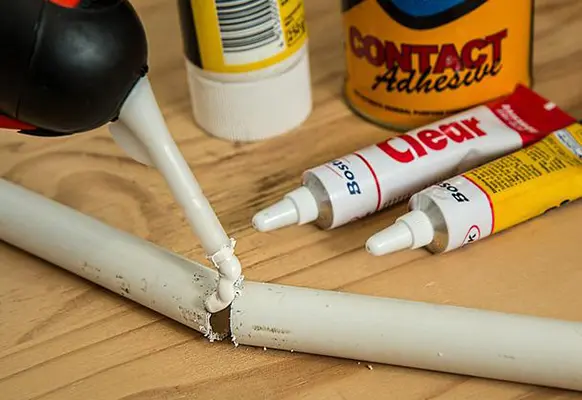
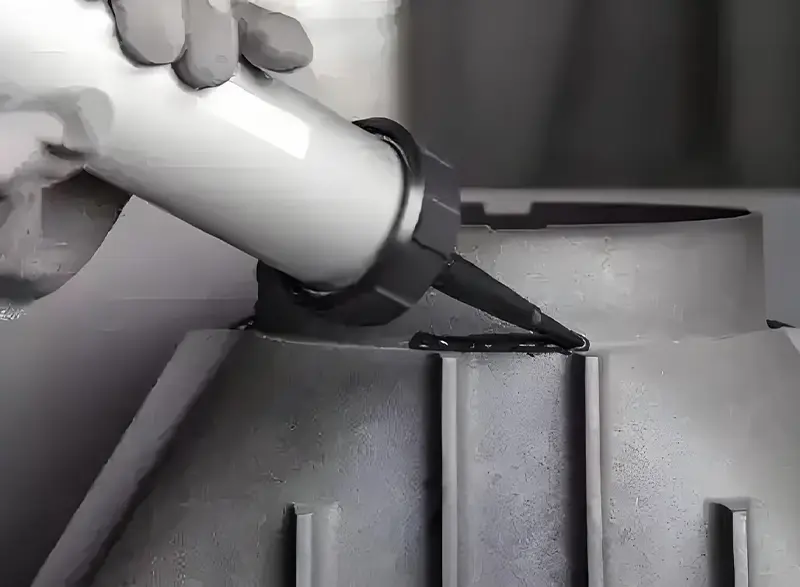
Using our C5 and C9 petroleum resins alongside vinyl cross-linkers to formulate high-tack hot-melt adhesives, pressure-sensitive tapes, and structural construction sealants.
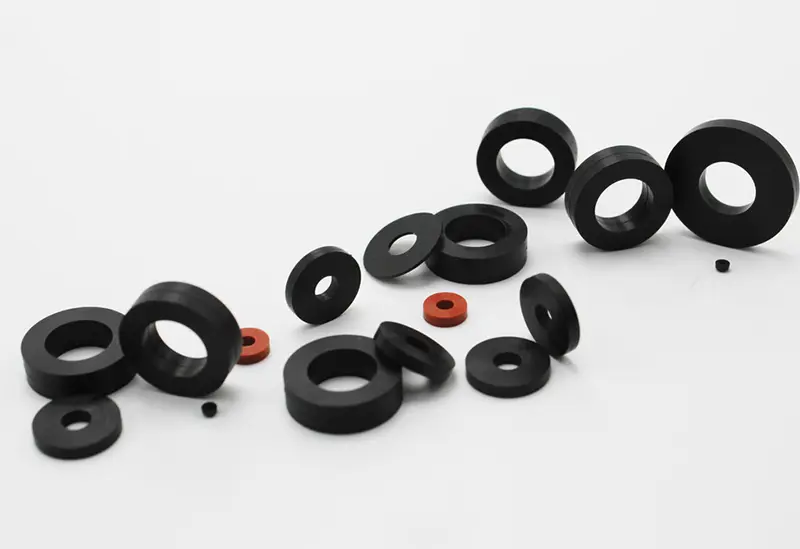
We supply silane coupling agents that improve the dispersion of silica fillers in rubber matrices. This helps reduce rolling resistance while optimizing tire tread wear and tear profiles.
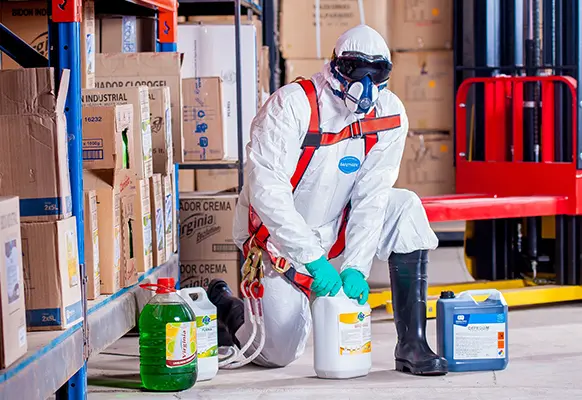
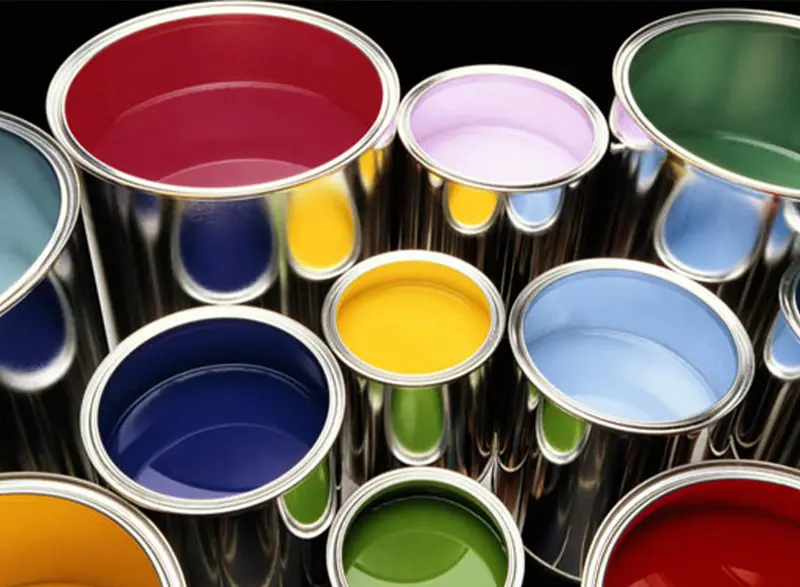
Our resin systems and silane monomers improve cross-linking density in industrial coatings, offering excellent corrosion resistance, weatherability, and adhesion to metallic substrates.

Silicone materials, specialty rubbers, and sealants engineered for extreme temperatures. These are designed to withstand UV exposure, weathering, and harsh chemical environments.
Key Insights into Changing Materials Science Standards, Sustainability, and Supply Chain Planning
The rapid expansion of high-voltage transmission lines and high-frequency communication electronics has changed requirements for cross-linked polyethylene (XLPE). Standard cross-linking methods can leave behind byproducts that alter electrical performance. Modern manufacturers now utilize premium vinyltrimethoxysilane (VTMO) and vinyltriethoxysilane (VTEO) to achieve clean, uniform grafting. This improves dielectric properties, limits moisture absorption, and extends the service life of high-voltage systems.
Regulations like RoHS and REACH continue to restrict halogenated flame retardants. Today's compounders rely heavily on aluminum trihydroxide (ATH) and magnesium hydroxide (MDH) fillers. However, high filler loading can impact polymer ductility and processability. Organofunctional silanes modify the surface of these minerals, reducing viscosity and improving compounding compatibility. This maintains high flame-retardant performance without losing structural flexibility.
Fluctuating feedstocks present challenges for procurement directors globally. Standardizing on C5 and C9 petroleum resins requires consistent monomer supplies from steam crackers. By partner-investing with petrochemical complexes, Boctok secures raw hydrocarbon materials directly from SINOPEC and PetroChina. This integrated supply chain reduces volatile pricing and ensures consistent deliveries even during logistics disruptions.
Modern chemical processing relies on tight process control to ensure batch consistency. Using Distributed Control Systems (DCS) and Safety Instrumented Systems (SIS), factories can closely monitor reaction variables. These automated controls optimize thermal cycles and control feed rates, minimizing variations in vinyl and silane purity. The result is consistent, reliable products that meet strict industrial standards.
Technical Insights and Procurement Questions Answered by Boctok Engineers
The primary difference lies in the hydrolysis rate and the byproduct released during reaction. Vinyltrimethoxysilane (VTMO) possesses methoxy groups that hydrolyze significantly faster than the ethoxy groups of Vinyltriethoxysilane (VTEO). However, VTMO releases methanol as a byproduct during processing, whereas VTEO releases ethanol. VTEO is preferred in applications requiring lower toxicity or slower, more controlled curing cycles, such as in residential plumbing tubes and hot water pipes.
Organofunctional silanes are sensitive to moisture and humidity, which can trigger premature hydrolysis and condensation in the container. We package these products under a dry nitrogen blanket in airtight, sealed steel drums or IBC containers. We also conduct stability testing on each batch to ensure the material remains clear, colorless, and within specification throughout its shipping journey.
For applications requiring high thermal stability, we recommend our hydrogenated C9 petroleum resins or C5/C9 modified hydrocarbon options. Hydrogenation saturates the aromatic rings, reducing susceptibility to oxidation and discoloration at high temperatures. This ensures our tackifying resins maintain stable viscosity and color profiles when formulated with EVA or SBC polymers.
Our DCS automated control system monitors key process metrics like reaction temperature, agitation speed, and feedstock feed rates in real time. By automatically correcting minor deviations, the system keeps the reaction within narrow operating parameters. This control minimizes trace impurities and ensures consistent performance from batch to batch.
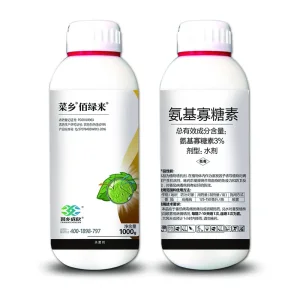
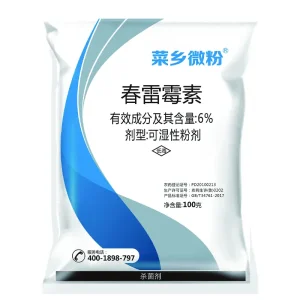
We supply specialized intermediates for a variety of crop protection formulations, including fungicides and plant growth regulators. We offer custom variations like 3% aminolitroglicina and 6% remicin. Our technical team works directly with customers to adapt chemical specifications, active concentrations, and packaging to meet specific agricultural requirements.
High-purity amino, epoxy, mercapto silanes, and hydrocarbon resins for demanding industrial processes.
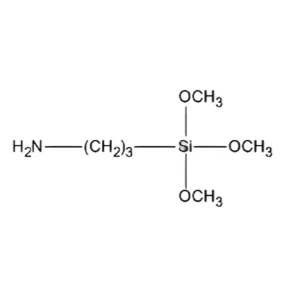
 Boctok Chemical