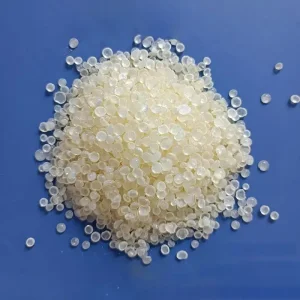
Petroleum resins, commercially identified as hydrocarbon resins, serve as fundamental tackifying agents across an array of industrial applications. Chemically synthesized through the thermal polymerization and catalytic cracking of C5 and C9 petroleum fractions, these amorphous thermoplastic polymers yield critical modifications in viscosity, tack, adhesion, and water resistance.
As premier petroleum resin suppliers, Shandong Boctok Chemical Co. navigates the intricate polymer design space to deliver specialized grades. Our products are formulated to align with target Glass Transition Temperatures (Tg), molecular weight distribution (Mw), and exact compatibility criteria required by international polymer compounders.
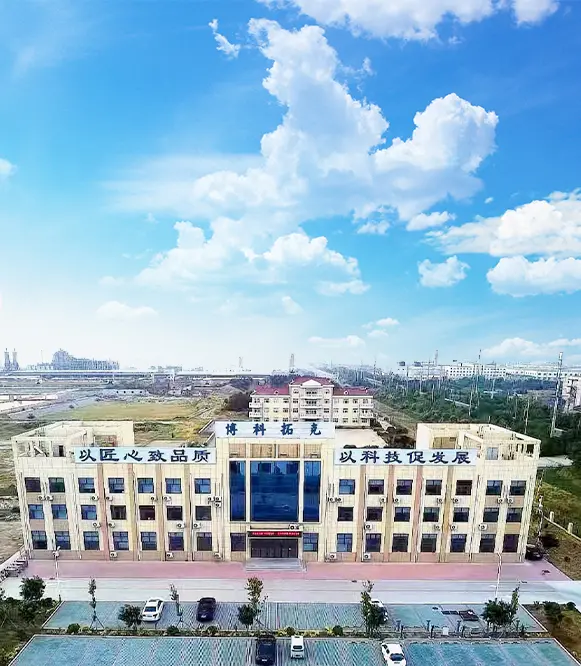



Founded in 2012, Shandong Boctok Chemical Co. has established itself as an authoritative global marketing, sales, and logistics center for high-performance organosilicones, petroleum resins, and agrochemical formulations. In 2023, our commitment to reliability and engineering excellence culminated in global sales of US$280 million, cementing our position as a trusted supplier, particularly across the European, Middle Eastern, and Russian industrial markets.
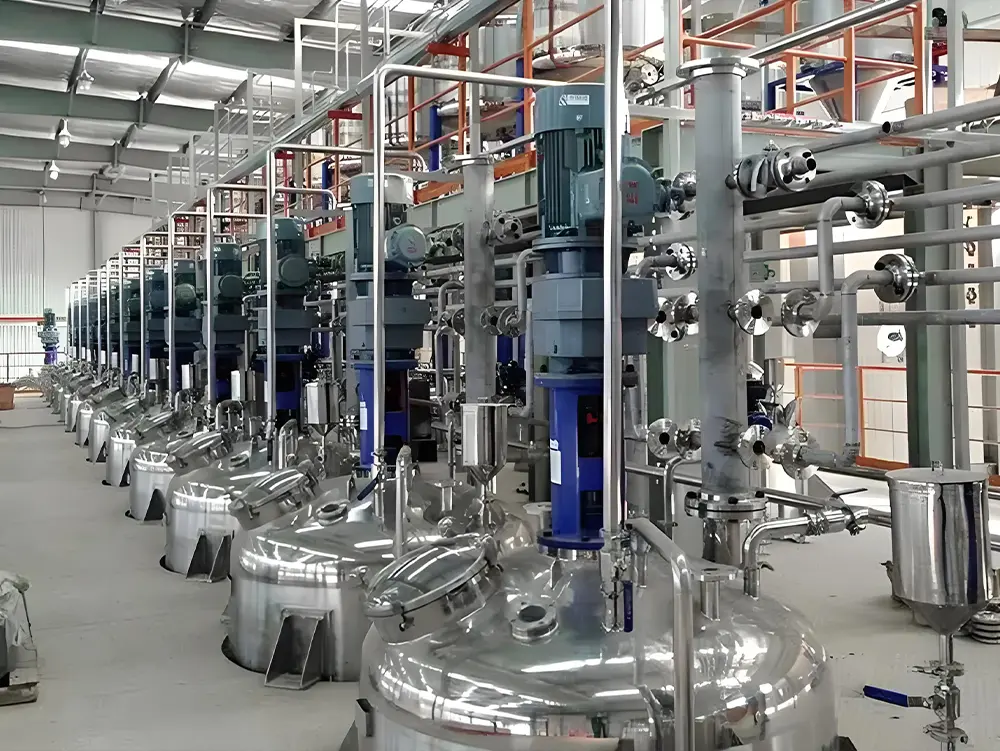
Our Tier II core business centers around advanced petroleum resins. By investing in and managing three premier operating hydrocarbon resin factories strategically located in Zibo, Fushun, and Nanjing, we secure immediate access to direct feedstocks. This ensures a stable and uninterrupted supply chain for all global orders.
The global chemical market relies heavily on Chinese petroleum resin factories. The structural advantages that make China the hub of global resin production include:
Hydrocarbon resins are divided into distinct families based on monomer source and chemical structure. Understanding these differences is key to optimizing formulation performance.


Synthesized from aliphatic dienes and mono-olefins, C5 resins are the industry standard for rubber compound modification and thermoplastic road marking paint. They feature high compatibility with natural rubber, synthetic elastomer compounds (SIS, SBS), and EVA, displaying low color and excellent thermal stability.
Derived from aromatic distillates containing styrene, indene, and methylindene, C9 resins exhibit higher softening points and are widely utilized in paint and varnish formulations, heavy-duty industrial coatings, and printing inks. Their polar nature delivers exceptional adhesion to concrete, metals, and complex polymers.
Copolymerized C5/C9 resins offer balanced compatibility, bridging the gap between aliphatic tack and aromatic adhesion. They are ideal for hot-melt adhesives (HMA) and thermoplastic paints, where high cohesion and low viscosity are required.

All batches undergo rigorous chemical, physical, and spectroscopic characterization to ensure they meet international specifications.

Our advanced DCS-enabled plants scale production to fulfill high-volume global contracts and complex, custom specifications.

Technical support engineers are available online 24/7 to resolve formula compatibility issues and streamline shipping logistics.

Close proximity to major shipping hubs in eastern China ensures efficient logistics and timely delivery to international ports.





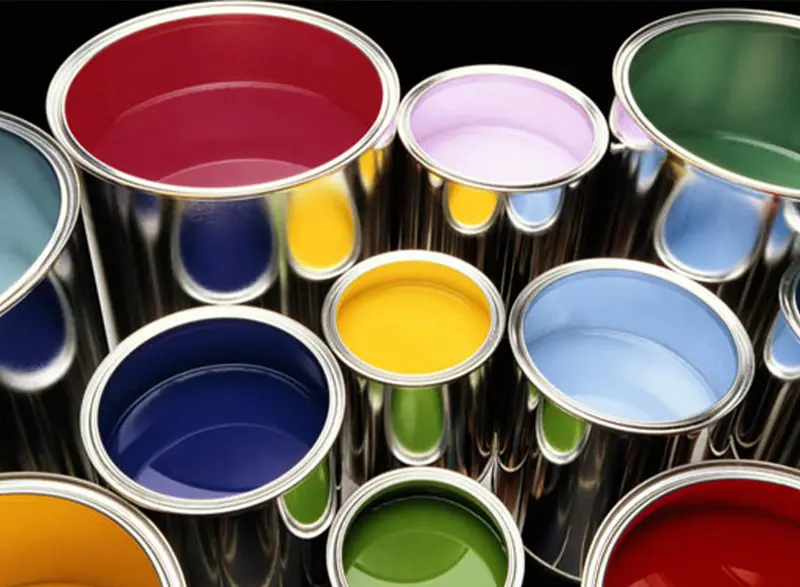
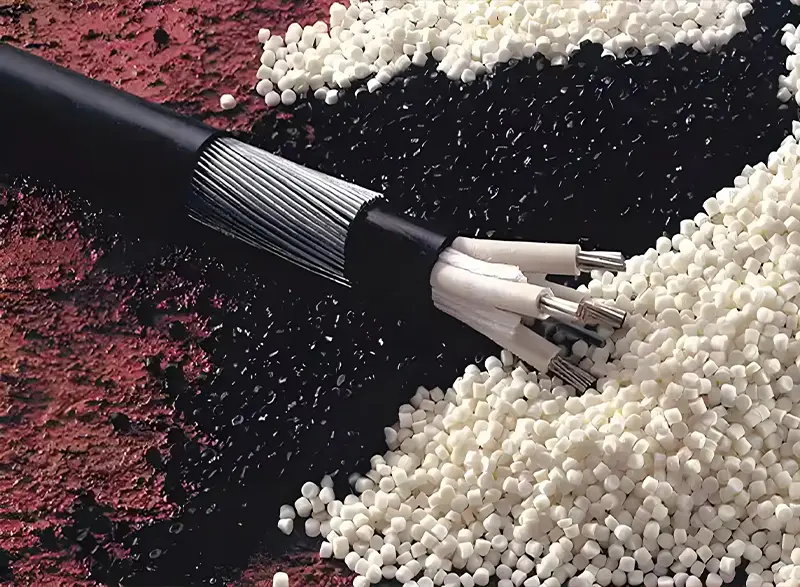

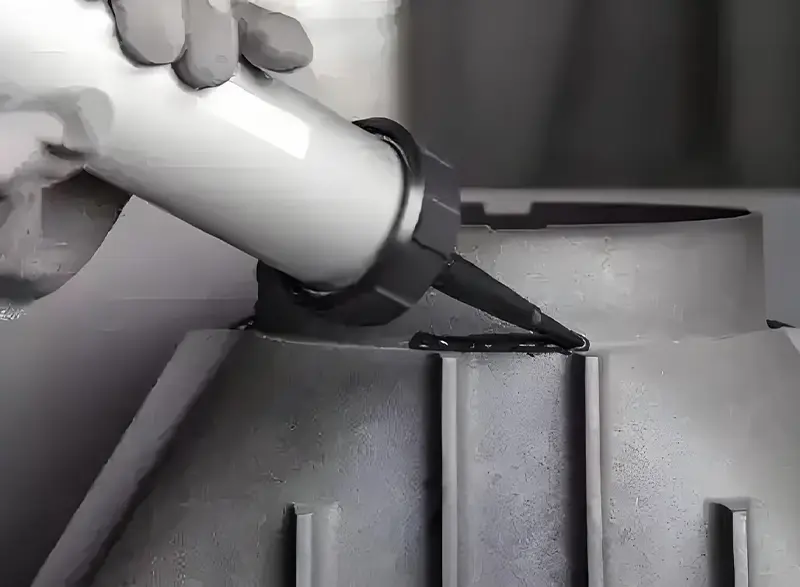

Industrial chemists routinely face complex optimization challenges when working with tackifying resins. These often involve balancing cohesive strength against surface peel strength, maintaining high heat resistance without causing embrittlement, and managing viscosity variations during high-speed coating applications. To address these formulation challenges, our chemical engineers developed these macro-level solutions:
In high-shear thermoplastic traffic markings, C5 resin must exhibit exceptional UV stability and thermal endurance. Our specialized C5 grades prevent yellowing and thermal degradation under prolonged heating (200°C), resulting in markings with superior dirt pick-up resistance and reflectivity.
For packaging and hygiene applications, low odor and low VOC profiles are paramount. Utilizing highly hydrogenated C9 and C5/C9 copolymer resins guarantees a water-white appearance and eliminates trace aromatics, satisfying modern regulatory requirements.
Optimizing rubber vulcanization requires high compatibility with polymers like NR, SBR, and BR. By introducing our C9 resin along with KY-616 antioxidant agents, tire manufacturers achieve improved filler dispersion, reduced mixing energy consumption, and enhanced wet grip properties.



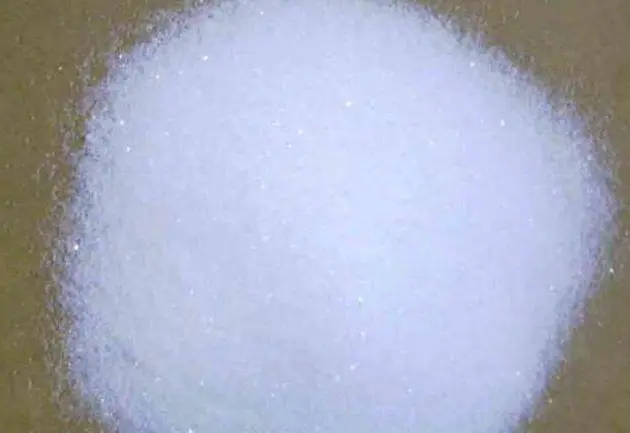

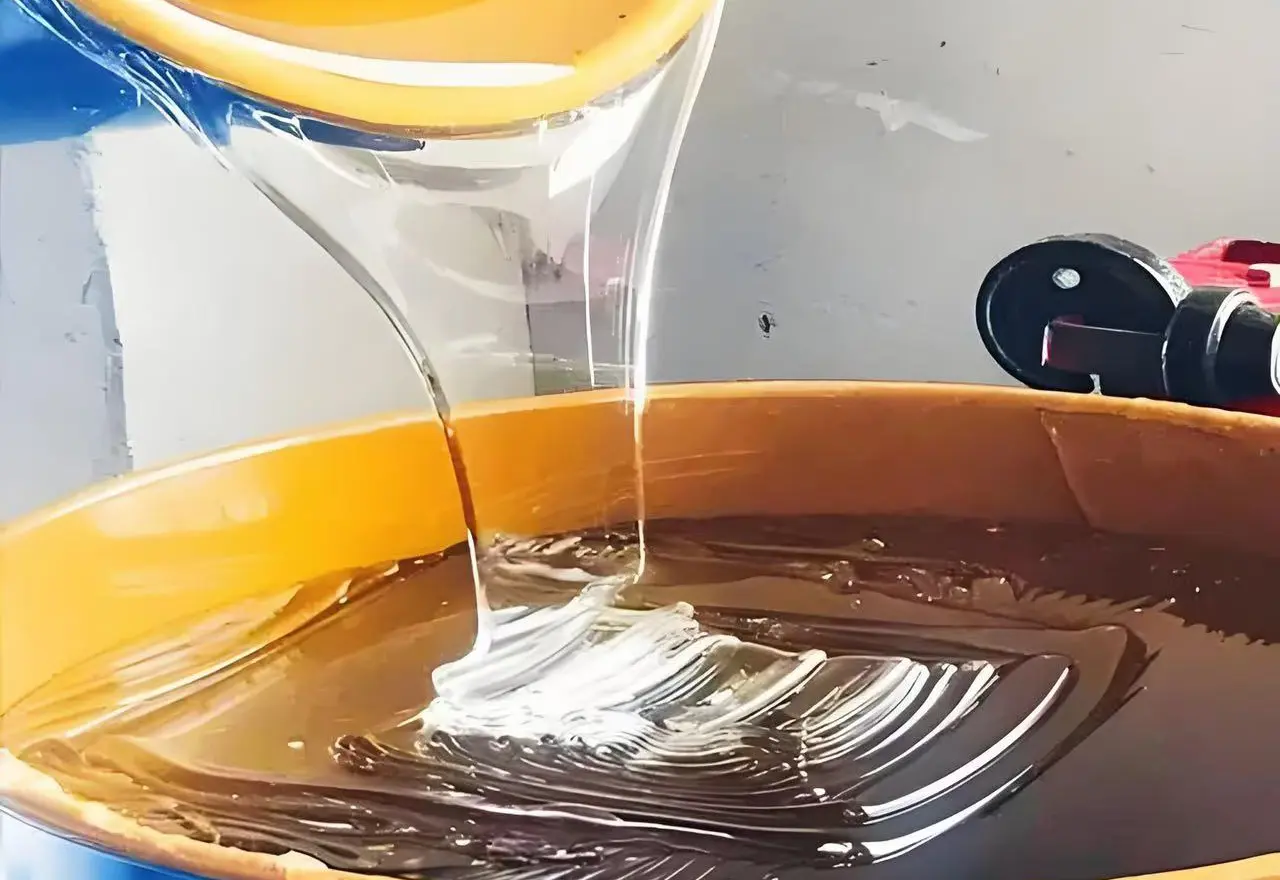



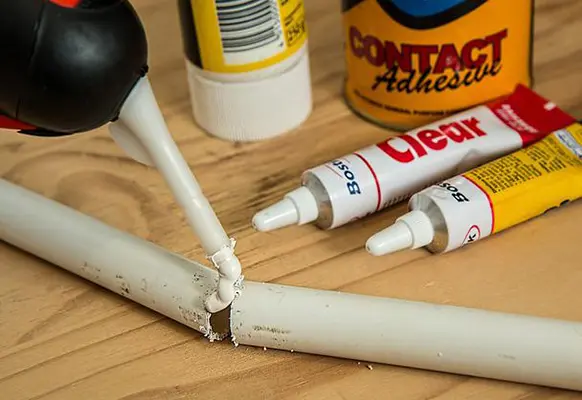
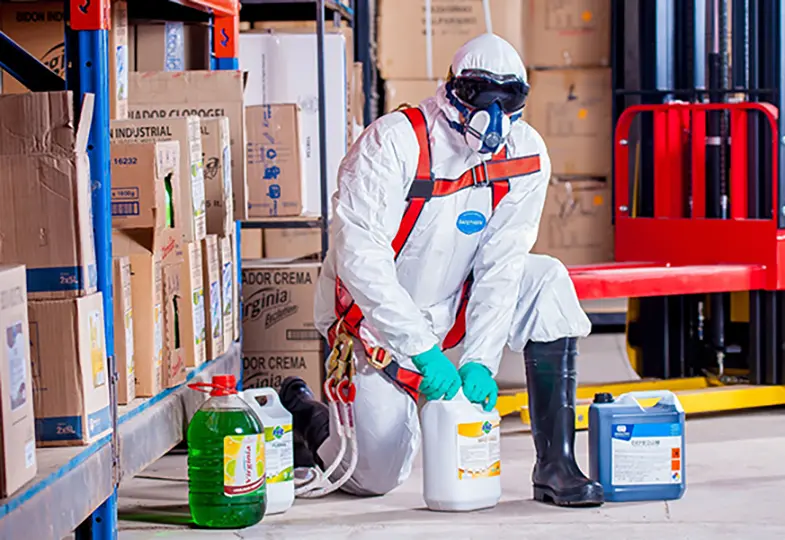

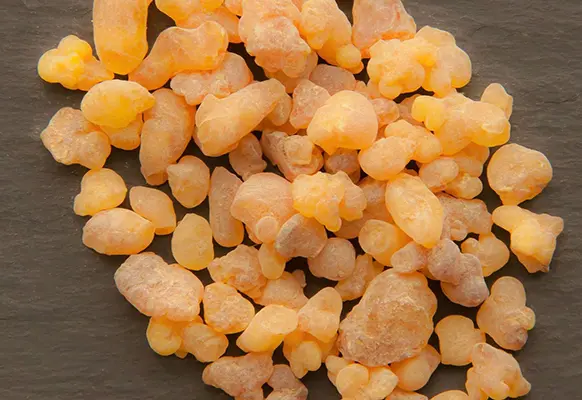





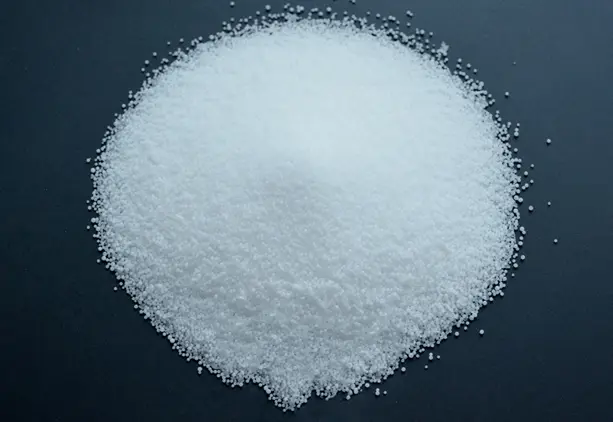
C5 resins are synthesized from aliphatic cracked petroleum fractions (e.g., piperylene, cyclopentadiene, and isoprene) and exhibit low polarity. They are highly compatible with non-polar polymers like natural rubber and SIS, making them excellent tackifiers for pressure-sensitive and hot-melt adhesives. C9 resins, synthesized from aromatic fractions (e.g., indene, styrene, vinyltoluene), contain aromatic ring structures, giving them higher polarity. This makes C9 resins highly compatible with polar polymers like EVA, SBS, acrylics, and polyurethanes, commonly used in paints, industrial coatings, and printing inks.
The softening point (measured using the Ring and Ball method, typically ranging from 90°C to 140°C) determines the temperature range in which the adhesive can maintain structural integrity and cohesiveness. A higher softening point enhances heat resistance and increases cohesive strength at elevated temperatures, but it may raise melt viscosity and reduce open time. Conversely, a lower softening point increases flexibility and surface tack at room temperature but can lead to adhesive creep and failure at higher operating temperatures.
Hydrogenation saturates the double bonds in the hydrocarbon molecules. This chemical change significantly improves the resin's thermal stability, UV resistance, and weatherability. It also yields a water-white appearance (Gardner color 0) and eliminates characteristic petrochemical odors. Hydrogenated resins are essential for hygiene products (such as baby diapers and feminine care items), medical tape adhesives, and clear protective coatings where optical clarity, color stability, and low odor are paramount.
Quality consistency is maintained by utilizing SINOPEC and PetroChina feedstocks combined with advanced DCS automation. Our manufacturing facilities are equipped with real-time process control metrics, checking the polymerization reaction parameters (catalytic ratios, temperatures, pressures) dynamically. Post-production, every batch undergoes strict testing via Gel Permeation Chromatography (GPC) to verify molecular weight distribution (Mw/Mn) and differential scanning calorimetry (DSC) to check Glass Transition Temperature (Tg).
Road marking paints require a balance between wear resistance, adhesion to asphalt/concrete, and high thermal stability during hot-melt application (around 200°C). C5/C9 copolymerized resins combine the excellent pigment wetting and flexibility of C5 with the high adhesion and toughness of C9. This prevents cracking in freezing conditions and prevents deformation or dirt pick-up in high summer temperatures, extending the service life of road markings.
 Boctok Chemical