 Boctok Chemical
1 / 1
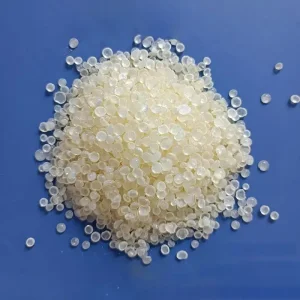
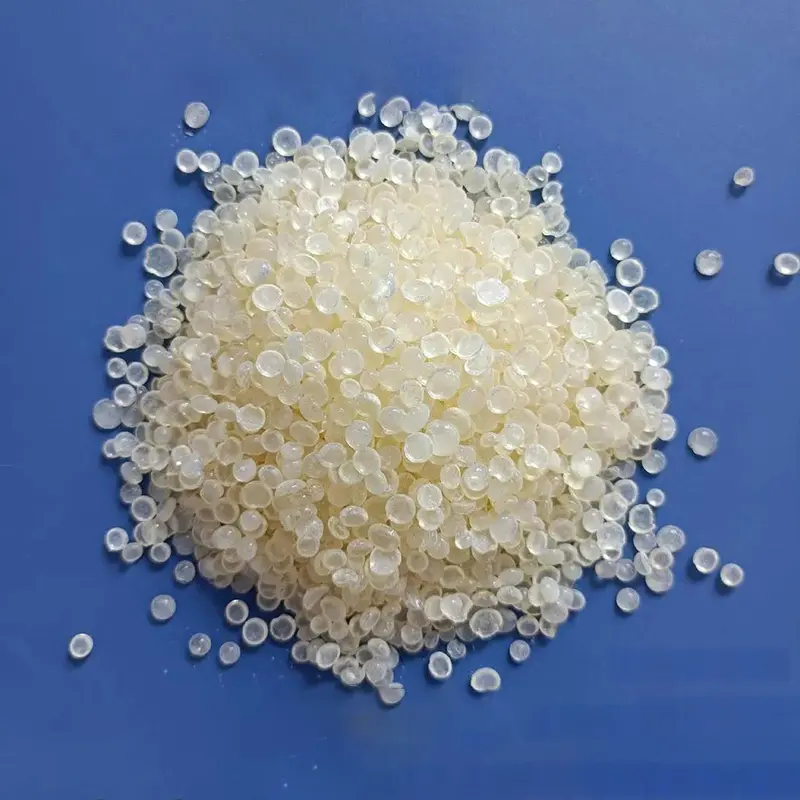
C9 petroleum resin is a type of aromatic hydrocarbon resin obtained from the C9 fraction, a byproduct of petroleum cracking, through pretreatment, polymerization, and distillation. It is a low-polymer rather than a high-polymer with a molecular weight between 300 and 3000. It exhibits acid resistance, easy mutual solubility, water resistance, and resistance to ethanol and chemicals. It exhibits chemical stabilization properties in acid and alkali, viscosity adjustment, and thermal stabilization. Typically, these resins are not used alone but should be used in conjunction with other resins as promoters, corrective agents, and modifiers.
Paints primarily use C9 hydrocarbon resin with a high softening point. Adding C9 hydrocarbon resin to paints can improve the final finish, film adhesion, and hardness. It also offers acid and alkali resistance.
Mainly used is C9 hydrocarbon resin with low softening points, the resin has very good mutual solubility with natural rubber particles, does not affect the sulfurization of rubber.
Resins have very good adhesion and can improve adhesive adhesion and resistance to acids, alkalis, and water. They also reduce production costs.
Generally, C9 hydrocarbon resins, which have high softening point, are used for printing inks, they have the effects of color spreading, fast drying and brightening, and improve the printing quality.
Packed in 25kg paper and plastic bags; 19MT without pallets or 17MT with pallets for 1*20 FCL.
C9 petroleum resin is a low-polymer with a molecular weight range between 300 and 3000.
It exhibits chemical stabilization properties in acid and alkali, acid resistance, easy mutual solubility, water resistance, and resistance to ethanol and chemicals.
Typically, these resins are not used alone. They are designed to be used in conjunction with other resins to act as promoters, corrective agents, and modifiers.
In paints, it improves the final finish, film adhesion, and hardness. In printing inks, it provides color spreading, fast drying, and brightening effects to enhance printing quality.
No, C9 hydrocarbon resin with low softening points has excellent mutual solubility with natural rubber particles and does not affect the sulfurization of rubber.
It is packed in 25kg paper and plastic bags, allowing for a capacity of 19MT without pallets or 17MT with pallets per 1*20 FCL.