 Boctok Chemical
1 / 1
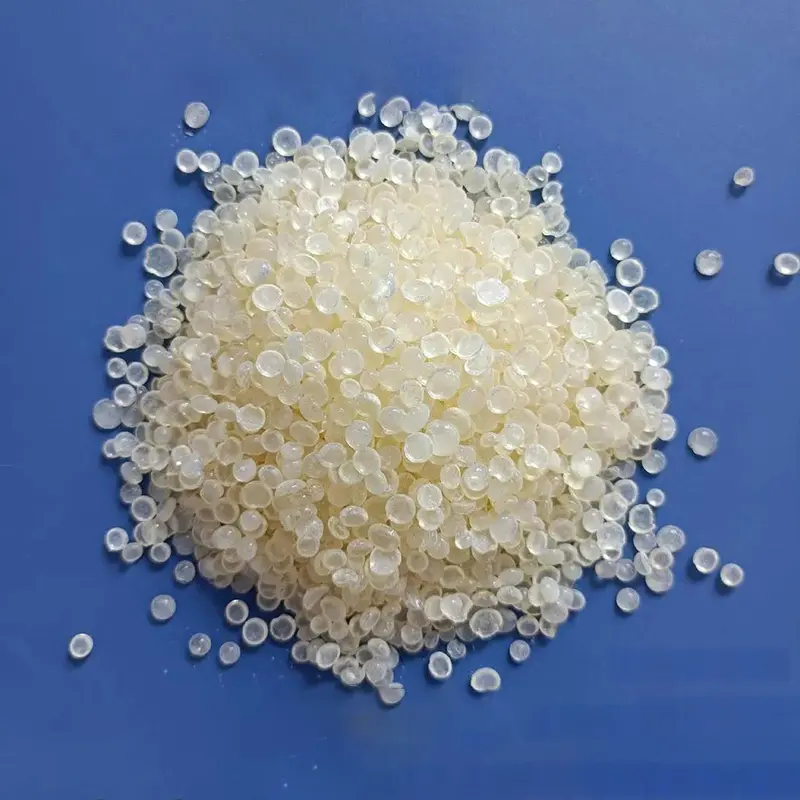
Can increase the gloss of paint and improve the adhesion, hardness and resistance to acid and alkali.
Mainly used because it has good miscibility with natural rubber particles and has little effect on rubber vulcanization. When added to rubber and tires, petroleum resin can enhance adhesion and reinforcement, and can also act as a softening agent.
Can improve the adhesive bond strength, acid resistance, alkali resistance and water resistance, and can effectively reduce production costs.
Can achieve the effect of color development, fast drying and brightening, improve the printing quality, etc.
Petroleum resin with certain unsaturation characteristic can be used as paper glue, plastic modifier, etc.
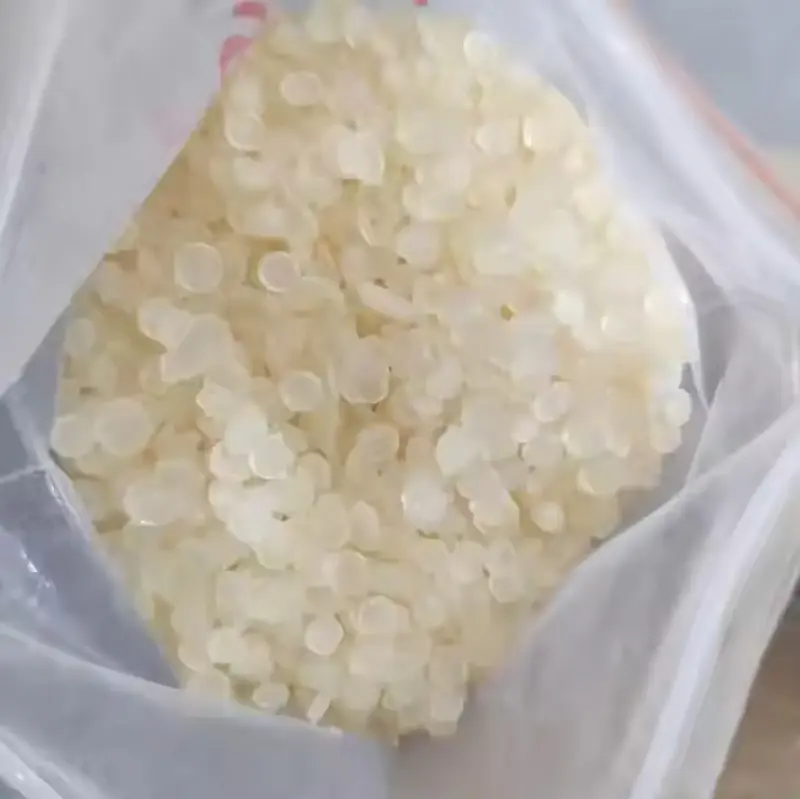
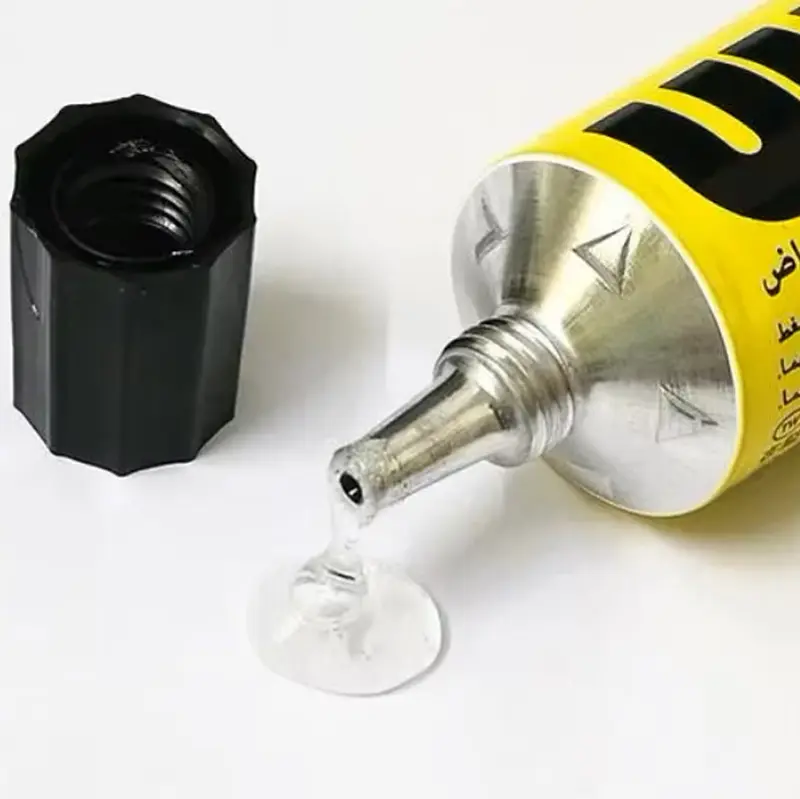
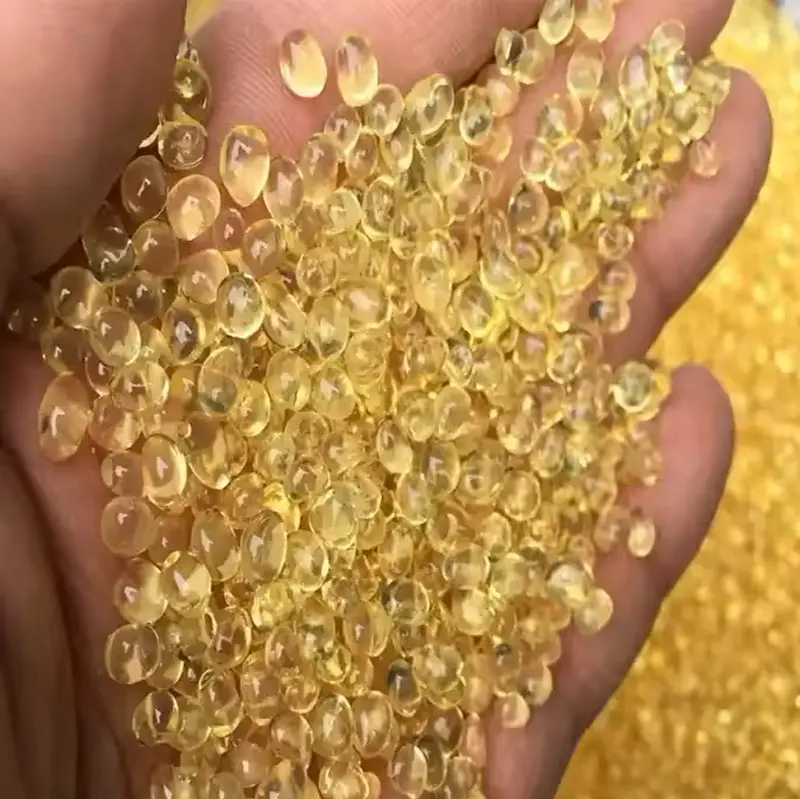
Petroleum resin enhances the overall quality of paint by increasing its glossiness and improving critical physical properties such as adhesion, hardness, and resistance to both acids and alkalis.
It is primarily selected for its outstanding miscibility with natural rubber particles. It has a minimal impact on rubber vulcanization while acting as a softening agent, strengthening reinforcement, and increasing adhesion when integrated into tires and rubber goods.
Yes. By incorporating petroleum resin, manufacturers can enhance adhesive bond strength, water resistance, acid resistance, and alkali resistance, which effectively optimizes formula costs and lowers overall production expenses.
When used in ink formulations, petroleum resin aids in vibrant color development, speeds up drying times, improves gloss and brightness, and elevates the final print quality.
Petroleum resins possessing specific unsaturation properties are highly effective for use in paper sizing agents (paper glue) and as modifiers to enhance plastic formulations.
![China Bis-[3-(triethoxysilyl)-propyl]amine CAS 13497-18-2 Manufacturer, Companies](https://site.cdnfile.io/www.boctoksilicone.com/837bedcc9470a3ee1f202feb49d8ce69300_300.webp)