 Boctok Chemical
1 / 1
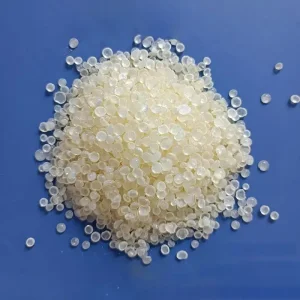
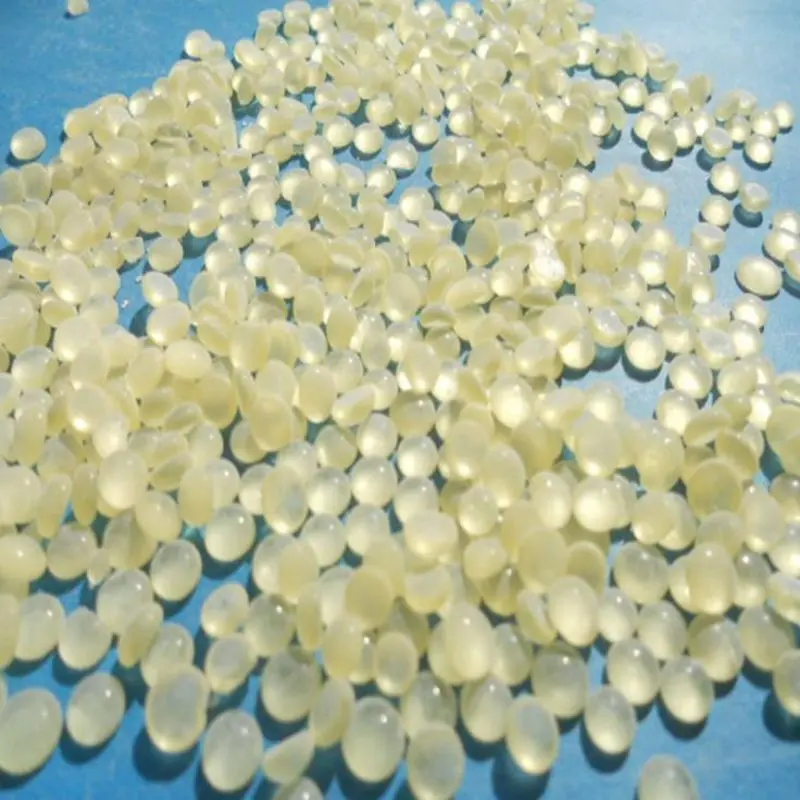
Petroleum resin, also known as hydrocarbon resin, is a petroleum byproduct of ethylene obtained through fractionation, which is produced through pretreatment, polymerization, and distillation. It is a low-molecular-weight polymer, not a high-molecular-weight polymer, with a molecular weight of 300-3000.
Petroleum resin is not typically used on its own, but is used with other resins as promoters, regulators, and modifiers to enhance the overall performance of the formulation.
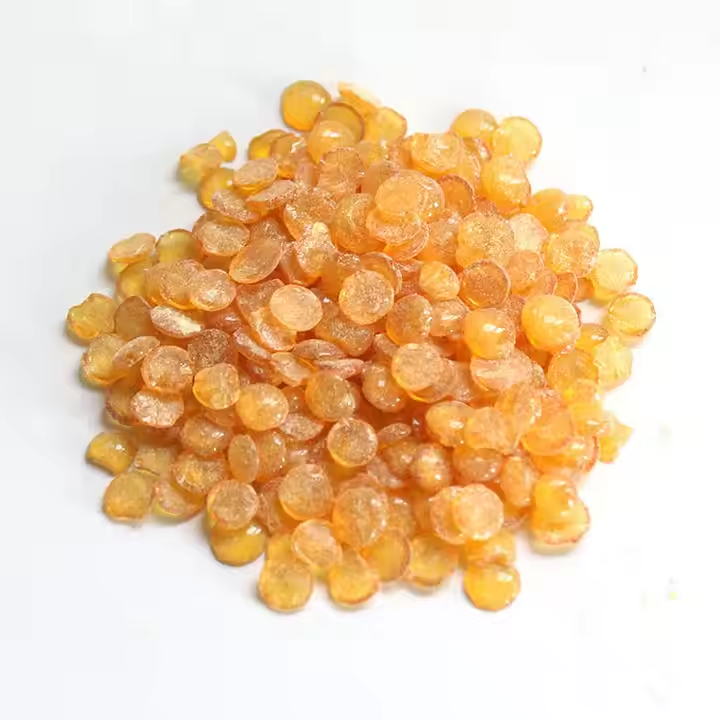
Our technical specifications guarantee reliable performance and stability for diverse industrial uses. Detailed standard measurements are outlined below:
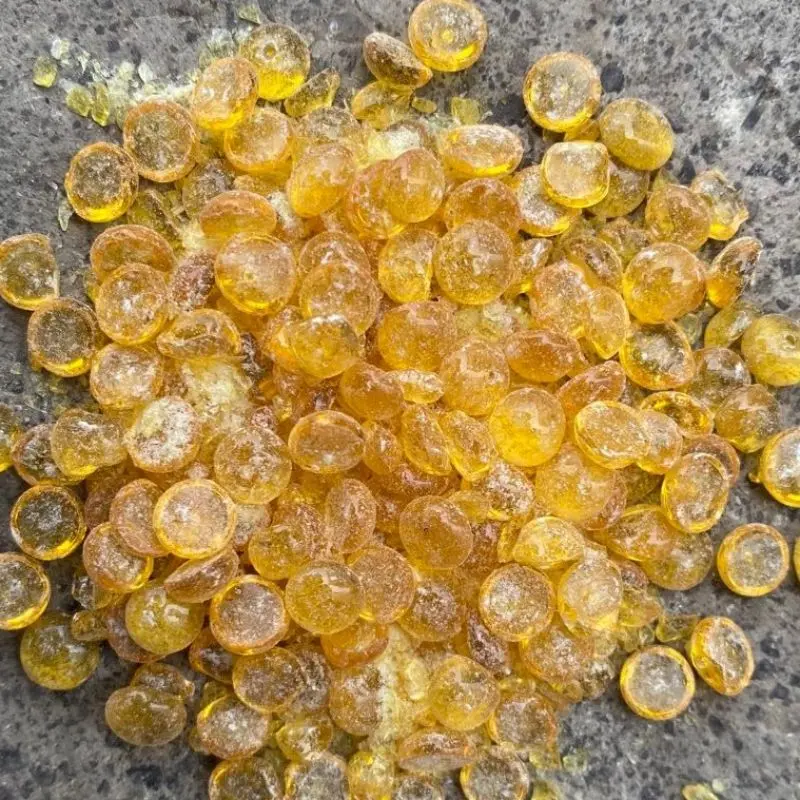
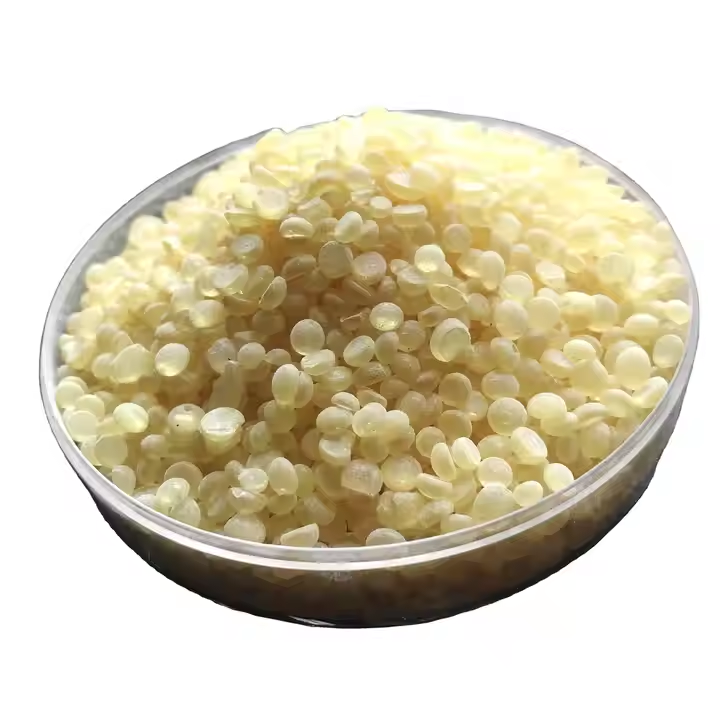
High softening point C9 petroleum resin is mainly used in this sector. It effectively increases the gloss of paint while improving overall adhesion, hardness, and resistance to acids and alkalis.
C9 petroleum resin and C9 hydrogenated resins provide superior adhesion. When integrated into adhesives and pressure-sensitive adhesives, they improve bond strength, water resistance, acid, and alkali resistance, while lowering production costs.
High softening point C9 petroleum resin serves this industry by optimizing color development, accelerating drying times, enhancing brightness, and improving general printing performance.
Low-softening-point C9 petroleum resin is preferred here due to its excellent miscibility with natural rubber particles. It does not affect rubber vulcanization, but enhances adhesion, reinforcement, and serves as an effective softening agent.
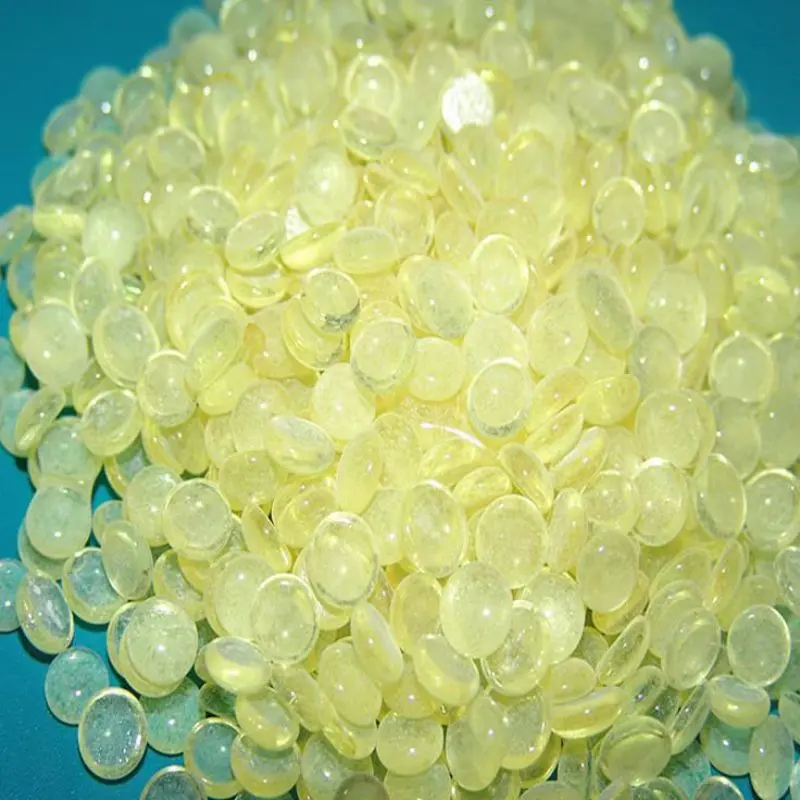
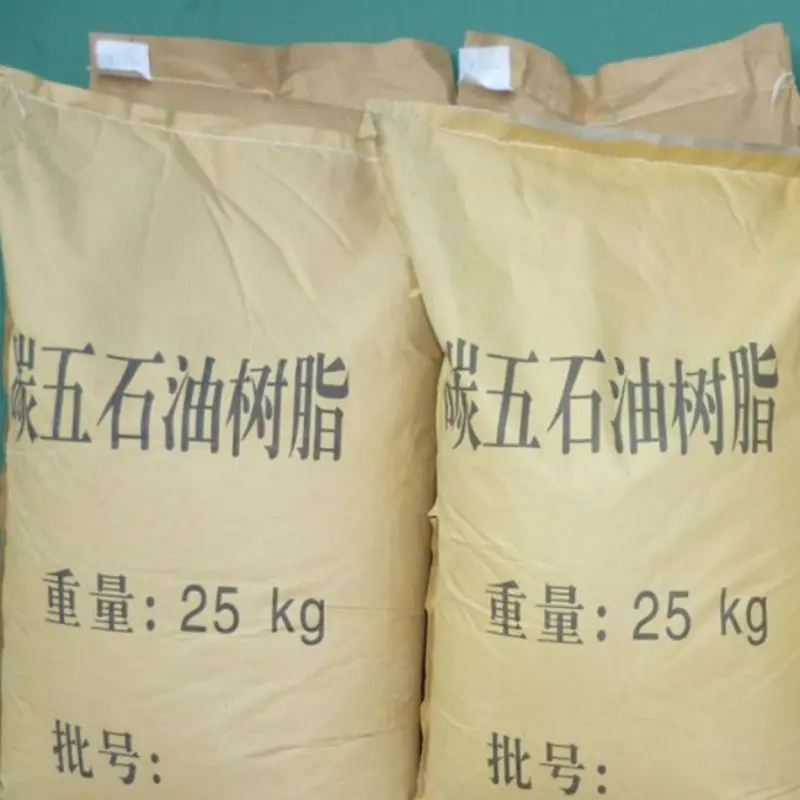
Petroleum resin, also known as hydrocarbon resin, is a low-molecular-weight polymer (molecular weight of 300-3000) obtained by polymerizing and distilling ethylene byproducts. It serves as a promoter, regulator, and modifier alongside other resins.
It features low acidity, good miscibility, high thermal stability, outstanding viscosity control, and excellent resistance to water, ethanol, acids, alkalis, and general chemicals.
By using high softening point C9 petroleum resin, formulations achieve enhanced surface gloss, improved coating adhesion, increased hardness, and greater overall resistance to acids and alkalis.
In adhesives, C9 and C9 hydrogenated resins improve bond strength, acid/alkali/water resistance, and help manufacturers effectively lower overall production costs.
Low-softening-point C9 petroleum resin is highly miscible with natural rubber. It acts as a reinforcing agent and softener, which enhances adhesion without disrupting the rubber vulcanization process.