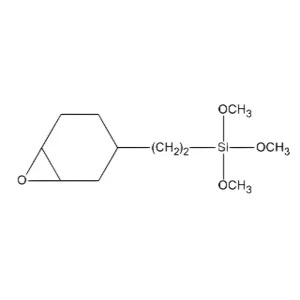
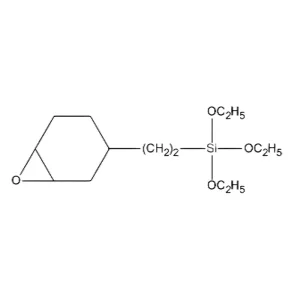
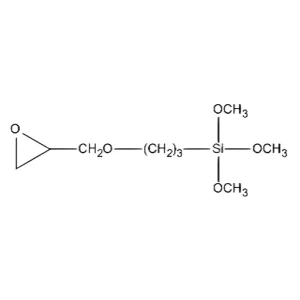
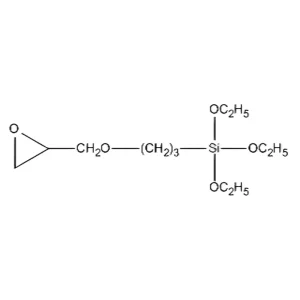
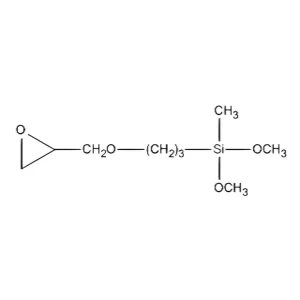
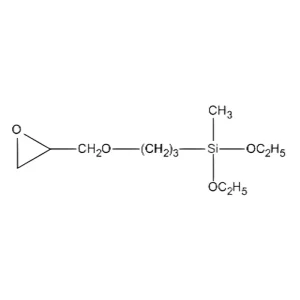
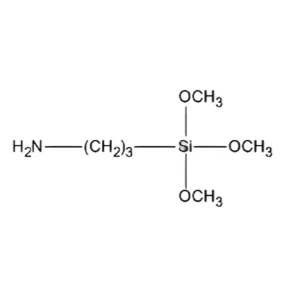
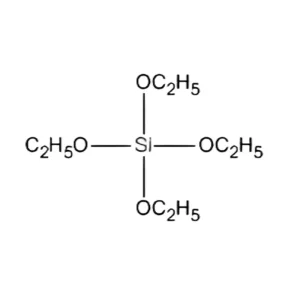
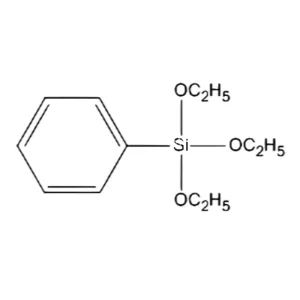
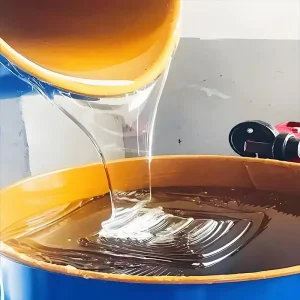
Precision-engineered organic silicon compounds for composite materials and surface treatments.
Within modern chemical synthesis, the epoxy group (glycidoxy or cyclohexyl epoxy) stands out as one of the most versatile reactive functionalities. When coupled with an organosilane backbone, it creates a unique dual-reactive molecule. The hydrolyzable alkoxy groups (methoxy or ethoxy) form strong silanol bonds with inorganic substrates such as silica, glass, and metals, while the active epoxy ring opens to covalently bond with thermosetting resins like polyurethanes, epoxies, and acrylics.
As advanced materials demand higher thermal stability, exceptional electrical insulation, and superior mechanical shear strength, epoxy-functional silanes have transitioned from simple additive additives to critical adhesion promoters and matrix crosslinkers. From microelectronic wafer encapsulation to aerospace grade composites, these chemistry routes dictate the lifecycle resilience of structural bonding systems globally.
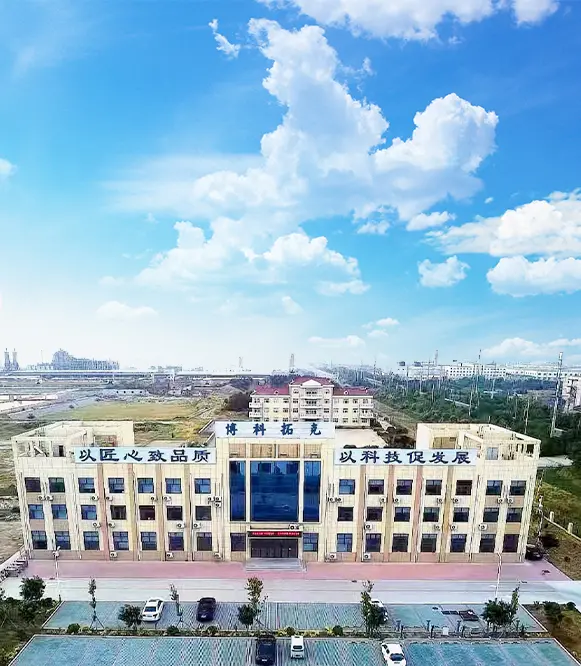
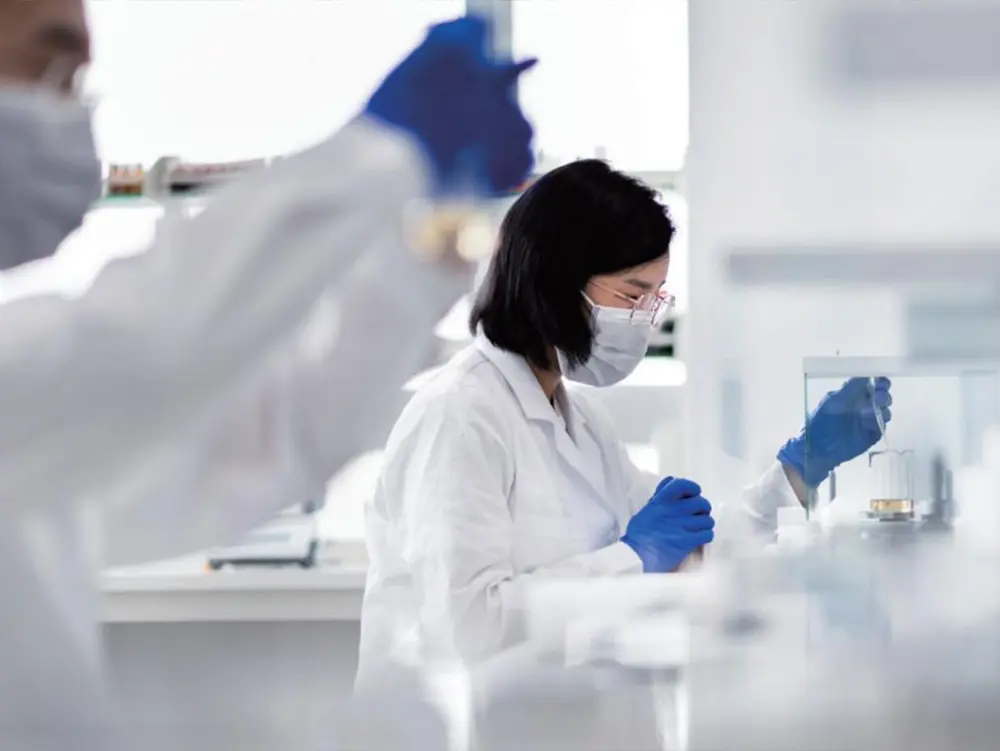
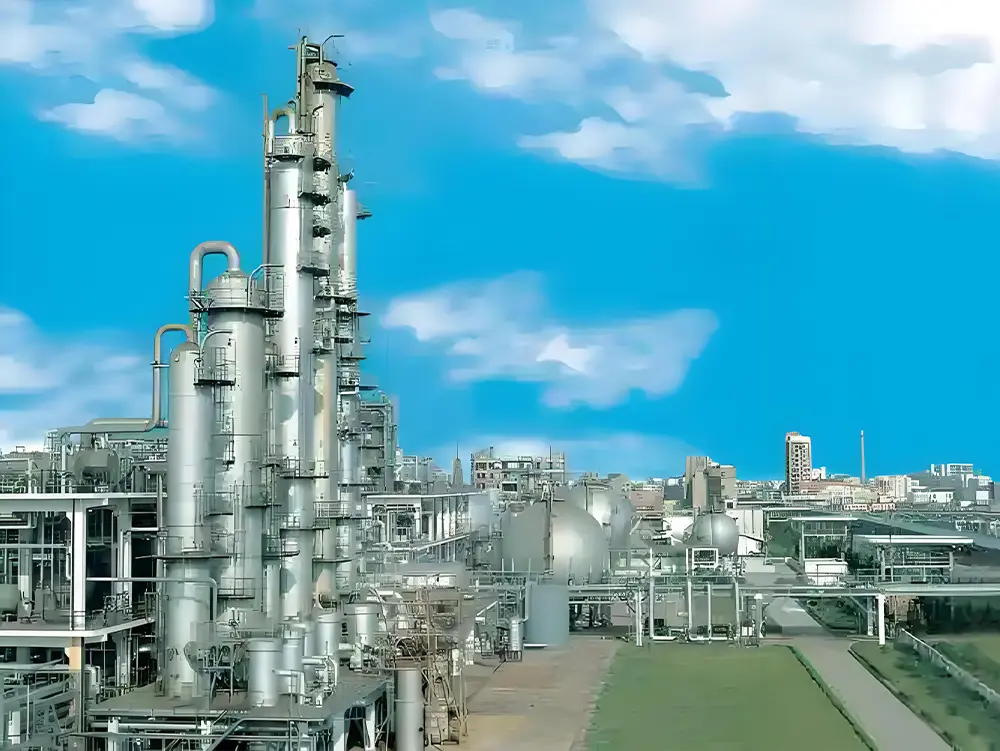
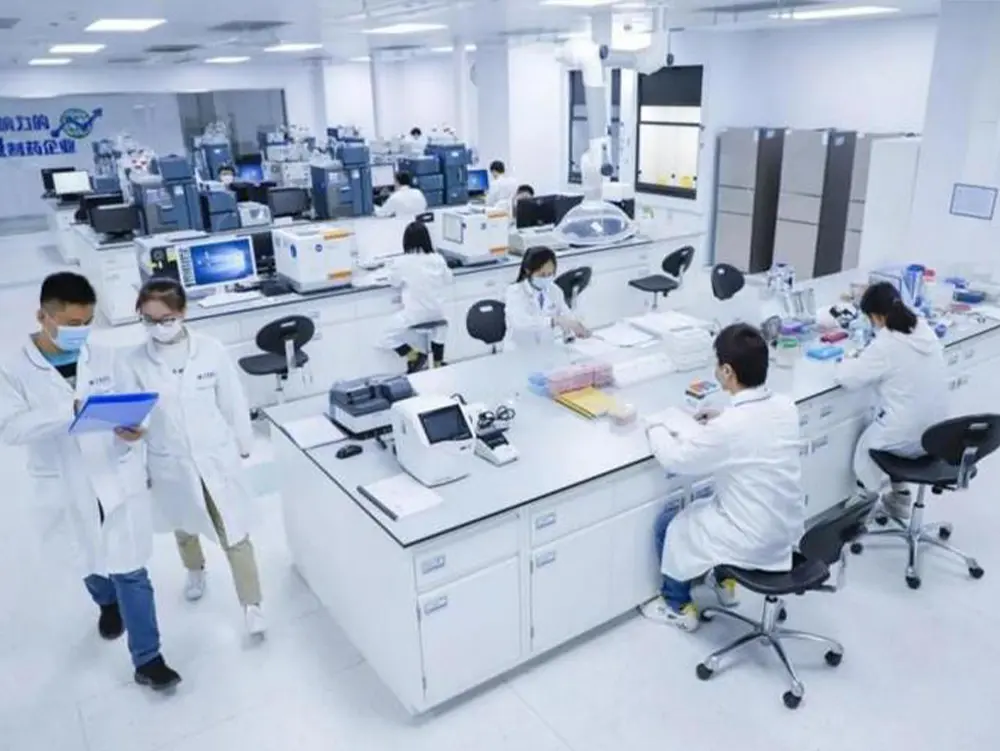
Founded in 2012, Shandong Boctok Chemical Co. has established itself as a leading international player in the organosilicone and functional polymer sectors. Serving as a unified marketing and sales center for both domestic and overseas operations, we achieved sales of US$280 million in 2023. Under our recognized brand, BOCTOK, we specialize heavily in serving demanding industrial markets, with a dedicated focus on the Russian Federation, Commonwealth of Independent States (CIS), and Eastern European industrial complexes.
Our organosilicone portfolio spans twelve highly specialized series of silane coupling agents and crosslinkers. This includes aminosilane, methacrylate silane, epoxy silane, vinyl silane, mercaptosilane, alkyl silane, ethyl silicate, chlorosilane, silane isocyanates, phenyl silane, ureidosilane, and serosilane. Additionally, we manufacture high-purity silicone oil, silicone resin, and structural silicone rubbers to meet complex polymer modification needs.
Serving advanced manufacturing, infrastructure, and heavy agricultural supply chains.
A comprehensive chemistry portfolio covering high-hydrogen silicone oil, dimethicone, vinyl silicone oil, polyphenylmethyldimethylsiloxane, alkoxy silicone oil, and methyl MQ resins. These compounds serve as vital raw components in electronics casting, automotive sealants, and power cables.
Backed by raw materials from petrochemical giants SINOPEC and PetroChina, Boctok operates three production hubs in Zibo, Fushun, and Nanjing. Product lines include C9 hydrogenated resins, C5 hydrocarbon resins, and C5 modified C9 resins utilized extensively by global Fortune 500 adhesive manufacturers.
Development and scaling of key agricultural intermediates, fungicides, herbicides, seed treatment chemicals, and plant growth regulators. Our advanced synthesis setups ensure strict active-ingredient purity compliance for global distribution.
How Boctok integrates chemical engineering with critical industrial workflows.
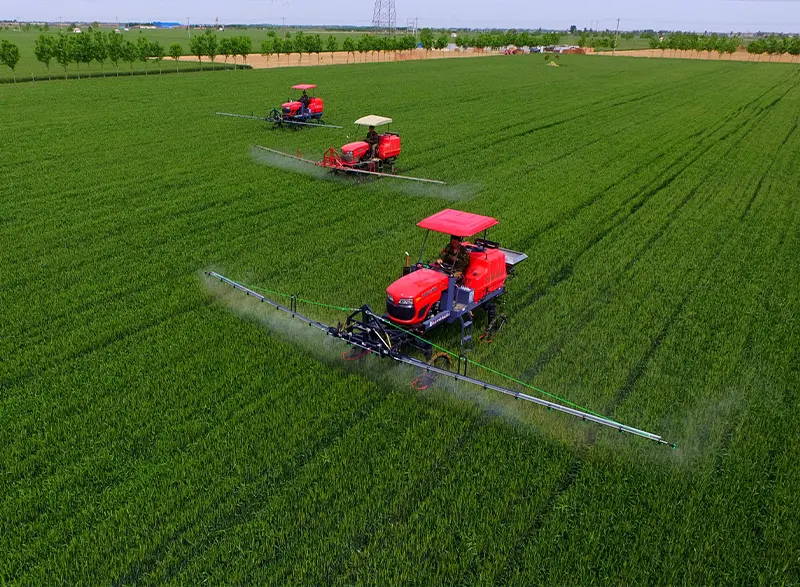
Stabilizing crop protection agents and enhancing active compound dispersion across agricultural fields via specialized silicone wetting aids.
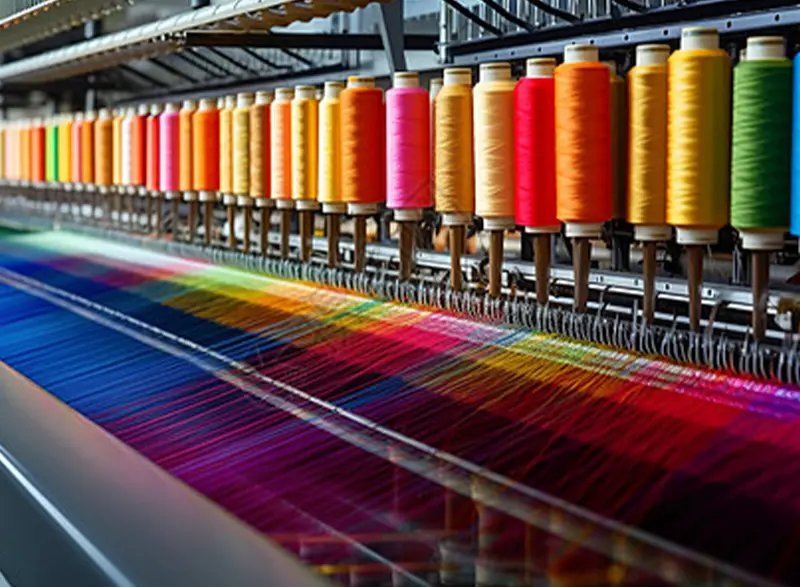
Leveraging advanced amino and epoxy siloxane fluids to give natural and synthetic fibers long-lasting softness and hydrophobic traits.
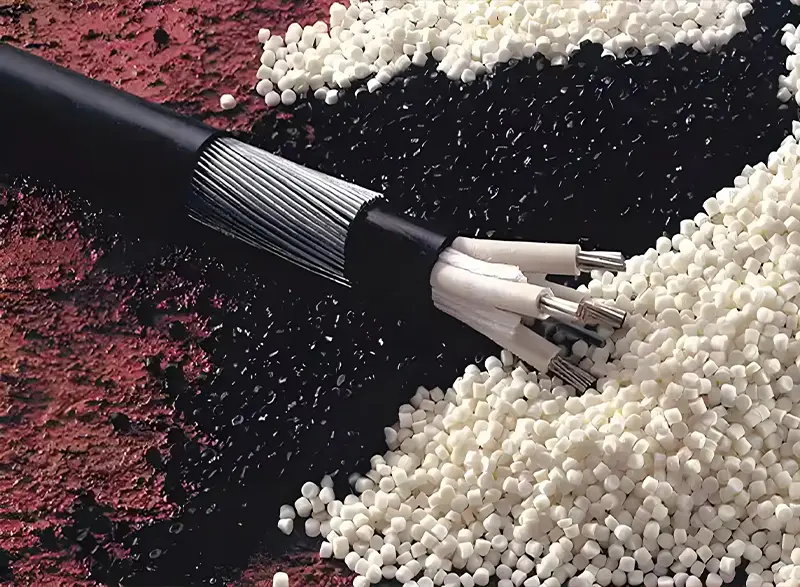
Crosslinked polyethylene (XLPE) systems modified with vinyl and epoxy silanes for high-voltage power transmission stability under harsh thermal environments.
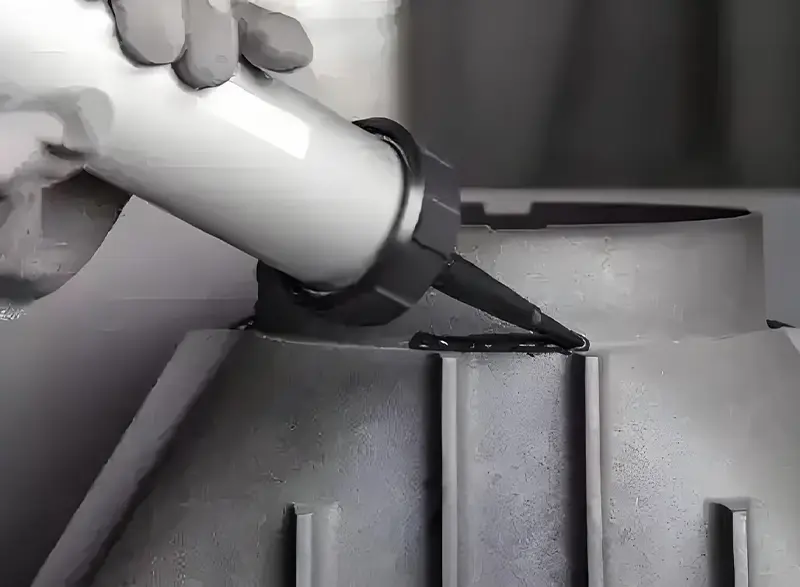
Using CAS 2530-83-8 and cyclic epoxy silanes to formulate multi-substrate primers, ensuring adhesion under continuous water submersion.

Epoxy silane sizing on glass fibers optimizes coupling with epoxy matrices, directly raising the fatigue resistance of wind rotor blades.

Ultra-low ion epoxy cyclohexyl silanes used in Epoxy Molding Compounds (EMC) to safeguard delicate silicon wafers from structural shear stress.
Navigating the procurement complexities of modern functional silanes requires looking closely at manufacturing consistency, quality parameters, and logistics.
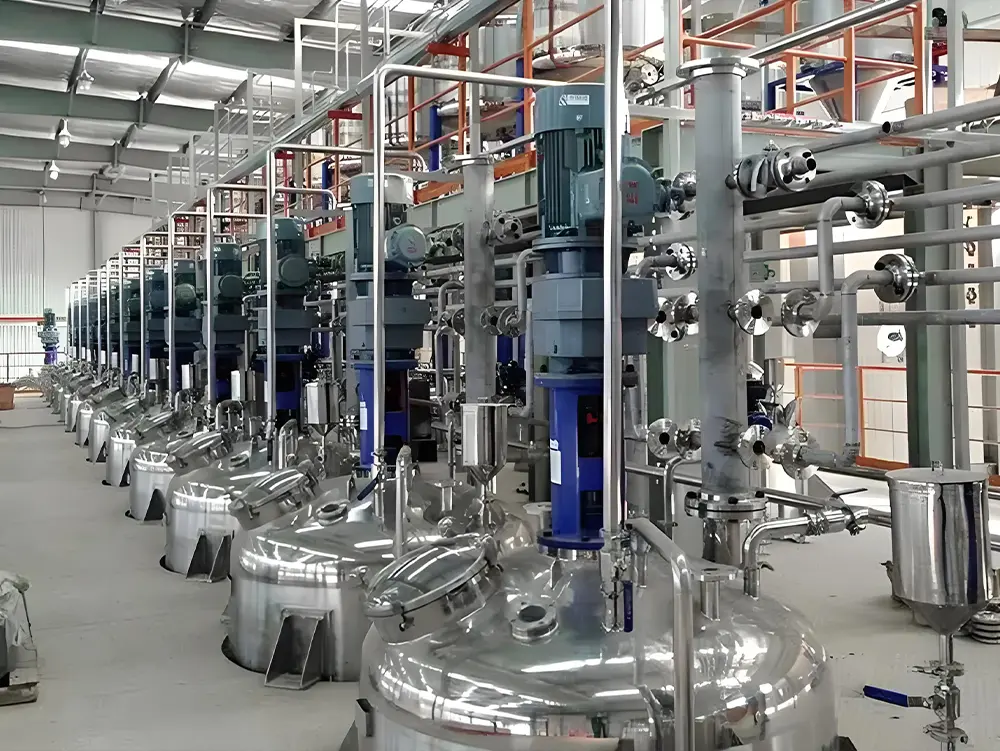
For high-performance coatings and composites, minor fluctuations in hydrolyzable chlorine levels or active silane content can disrupt curing times. Boctok resolves this concern by executing fully closed-loop DCS automation, ensuring consistency across supply streams.
Epoxy silanes are moisture-sensitive. Interfacial exposure during warehousing triggers premature hydrolysis. Our packaging features nitrogen-flushed, hermetically-sealed steel drums and IBC totes to guarantee chemical stability for over 12 months.
Organosilanes are frequently classified under hazardous chemical classes (IMO 3/8) for ocean and rail freight. Boctok operates a dedicated dangerous goods shipping division, facilitating customs processes across major hubs in Asia, Russia, Europe, and the Americas.
Regulatory mandates and circular economy initiatives are shaping the developmental trajectory of functional silane chemistry. Boctok's ongoing R&D focuses on three primary pillars:
We implement ISO9001 quality management system standards throughout our processing to ensure consistent material purity.
Our newly constructed Bohai Industrial Park facility houses 6 automated DCS lines producing up to 30,000 tons of silane annually.
Equipped with comprehensive waste gas treatment plants and Safety Instrumented Systems (SIS) to achieve low-impact green manufacturing.
Clarifying the chemistry, application procedures, and regulatory parameters of epoxy-functional silanes.
Expanding performance capabilities across advanced polymer systems and agricultural formulations.
 Boctok Chemical