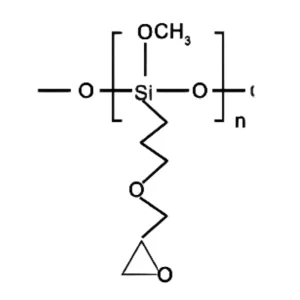
Premium grade siloxanes, silicone rubbers, and advanced silane coupling agents engineered for demanding processing requirements.
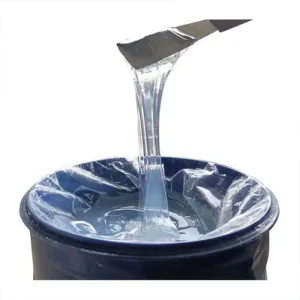
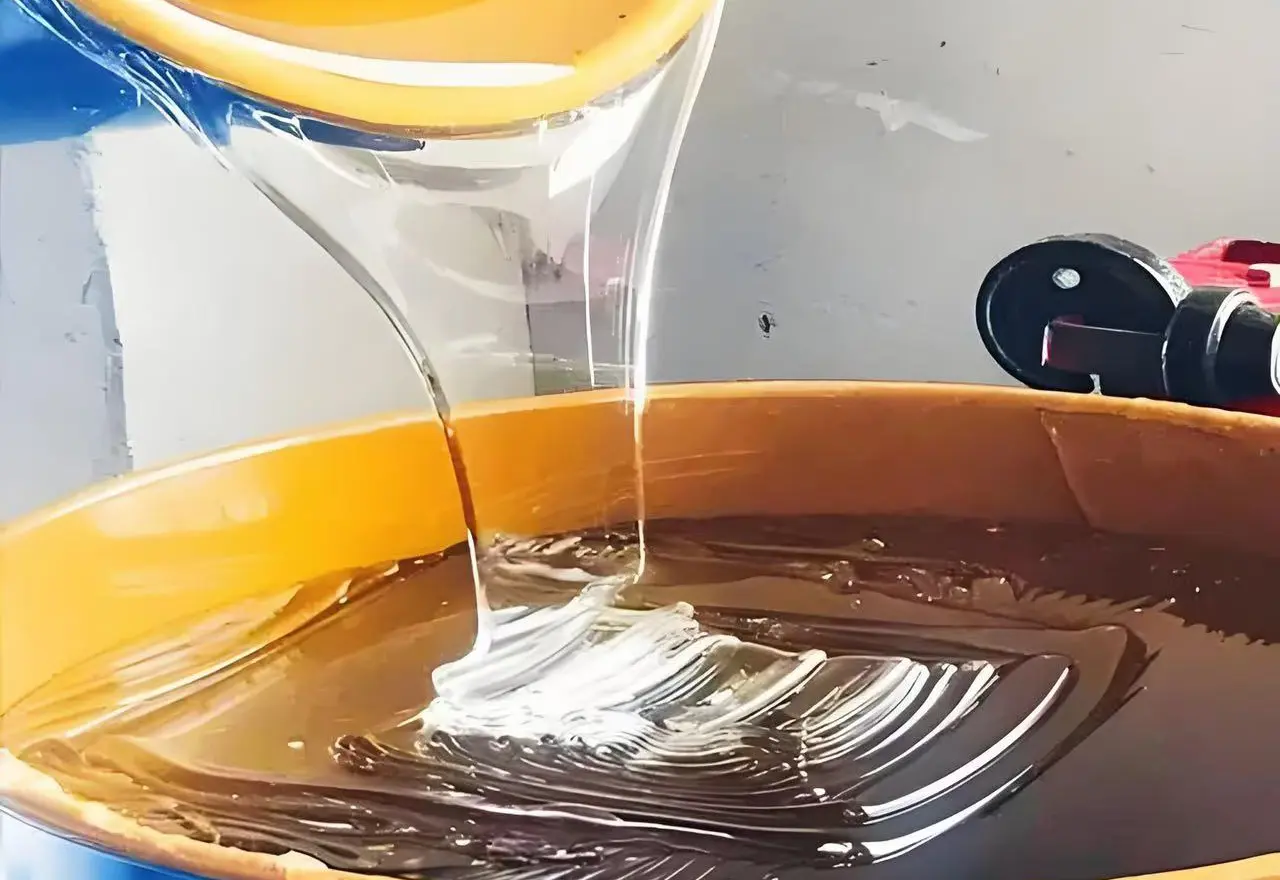
Within high-performance industrial applications, silicone rubbers have transitioned from simple fillers to highly engineered elastomer matrices. Modern silicone rubber manufacturing relies on the precise control of the siloxane backbone (Si-O-Si), which delivers unmatched heat resistance, chemical inertia, and dielectric properties across temperatures ranging from -60°C to well above +300°C.
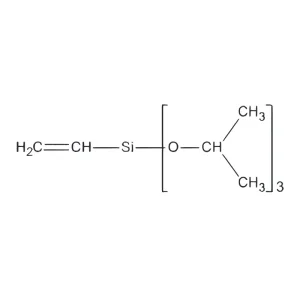
For procurement officers and processing engineers, choosing between High Consistency Rubber (HCR), Liquid Silicone Rubber (LSR), and Room Temperature Vulcanized (RTV) compounds requires an understanding of functionalization. Specifically, the introduction of vinyl groups (as seen in CAS 67762-87-2) or phenyl structures (CAS 63148-52-7) alters the cross-linking kinetics and thermal properties of the vulcanized matrix, providing tailored elastomeric outcomes for extreme aerospace, automotive, and microelectronic sealing solutions.
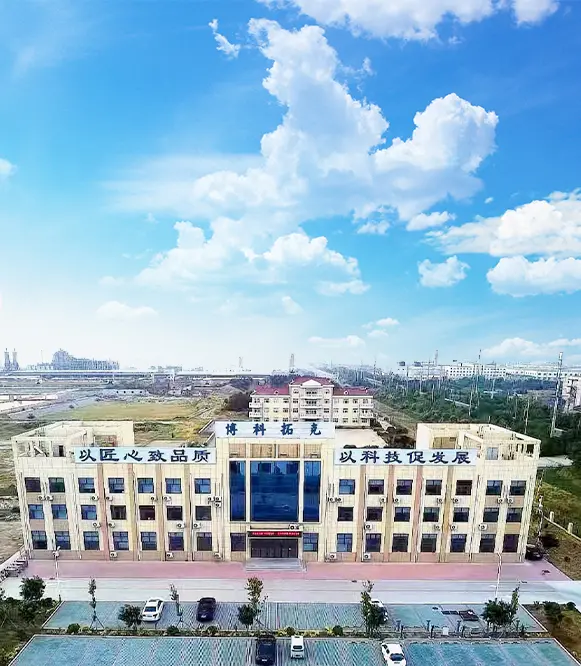
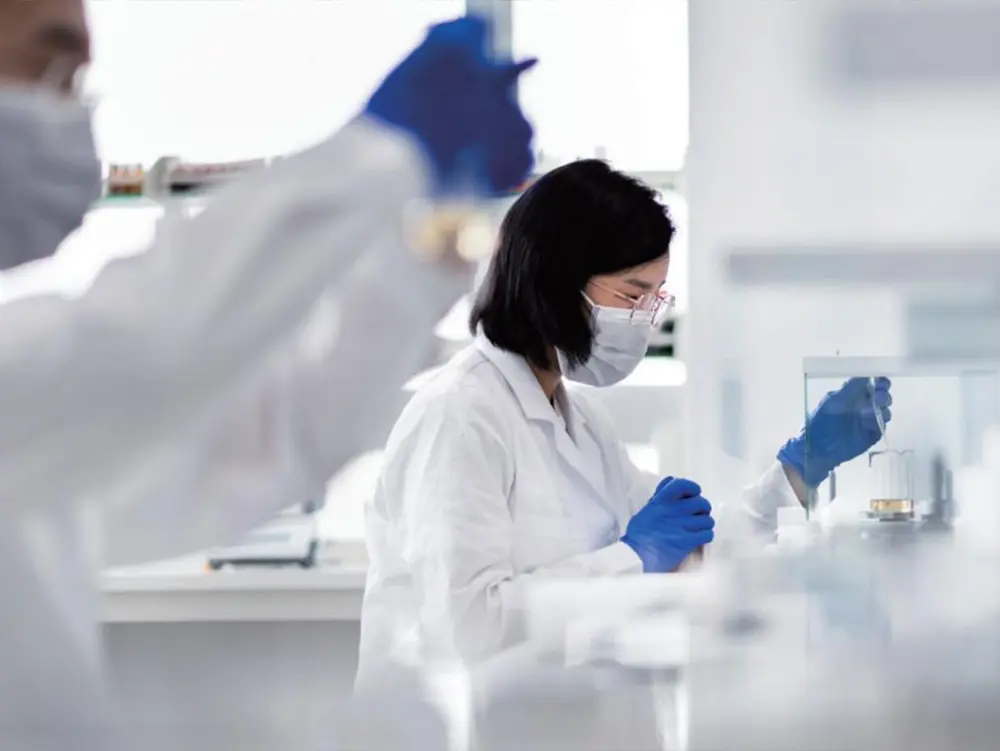
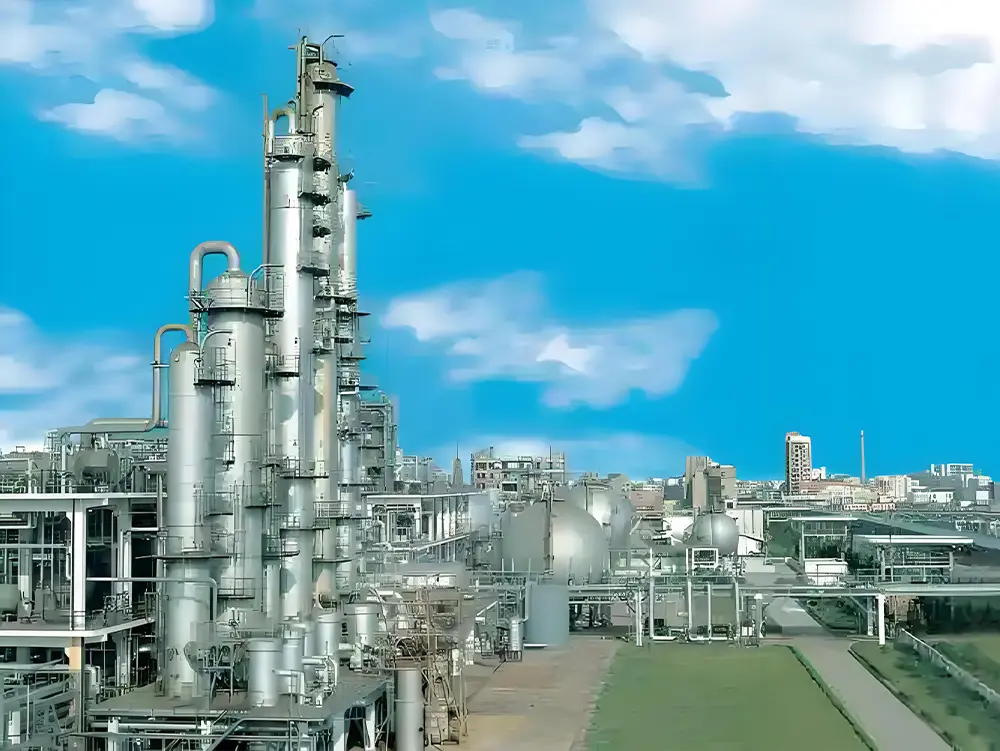
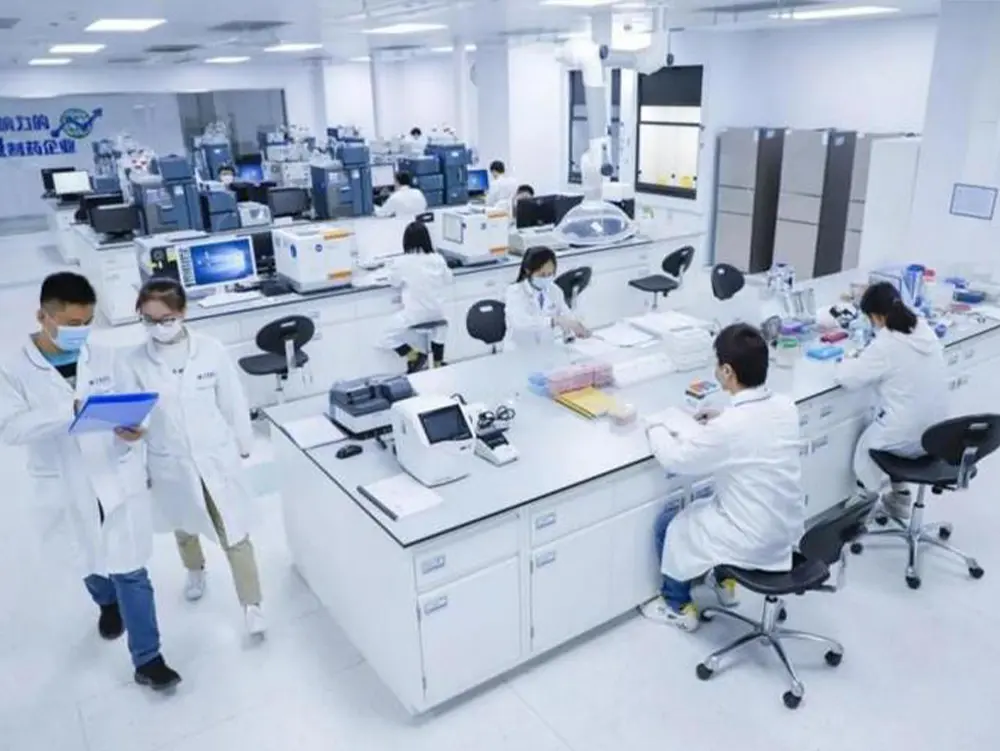
Shandong Boctok Chemical Co. was founded in 2012 as a marketing and sales center for Boctok™ domestic and overseas businesses and achieved sales of US$280 million in 2023. The BOCTOK brand specializes in serving the Russian market, establishing integrated supply solutions that comply with both regional GOST standards and international regulatory demands.
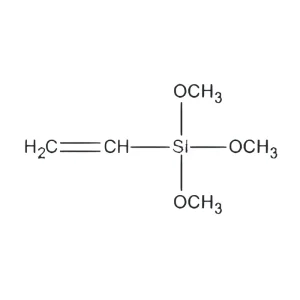
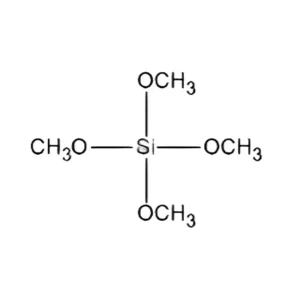
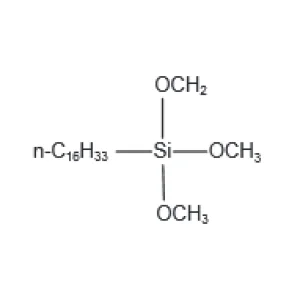
Boctok has three main product categories, the first core business of organosilicone covers twelve series of silane coupling agents and crosslinkers, including aminosilane, methacrylate silane, epoxy silane, vinyl silane, mercaptosilane, alkyl silane, ethyl silicate, chlorosilane, silane isocyanates, phenyl silane, ureidosilane and serosilane.
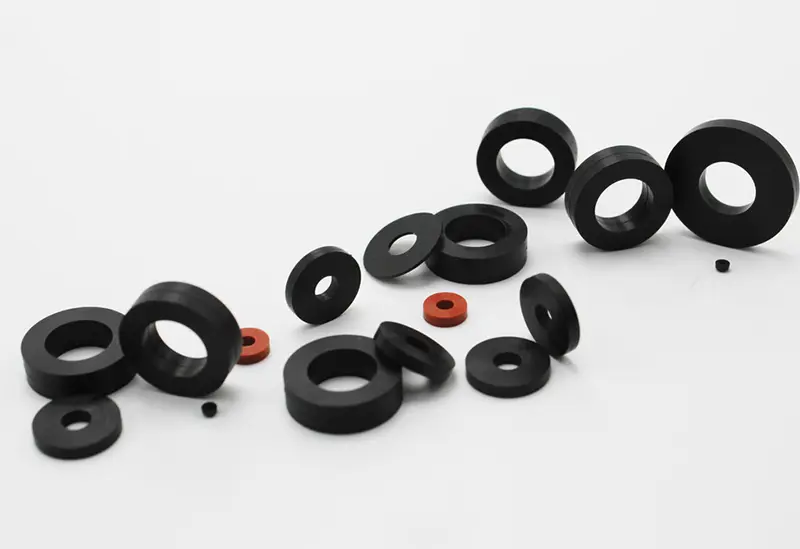
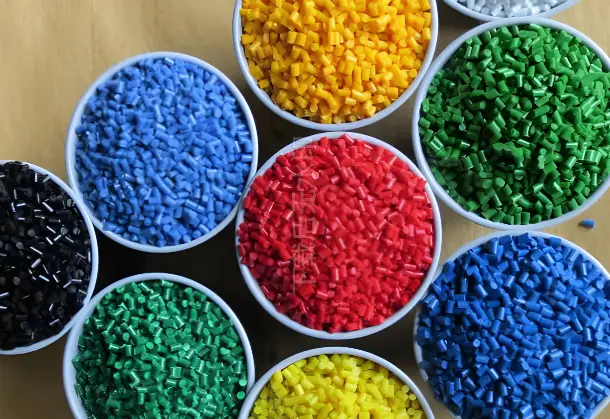
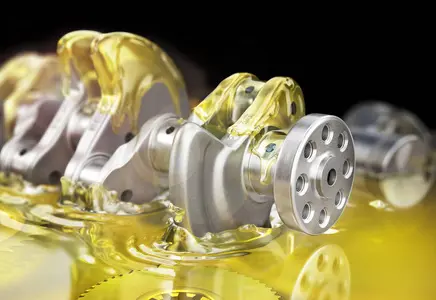
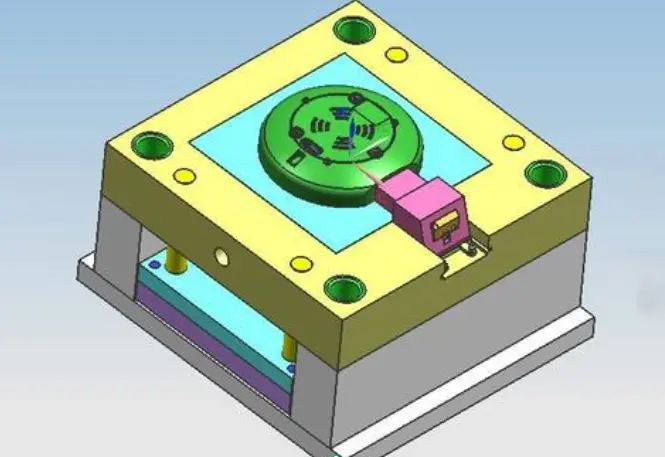
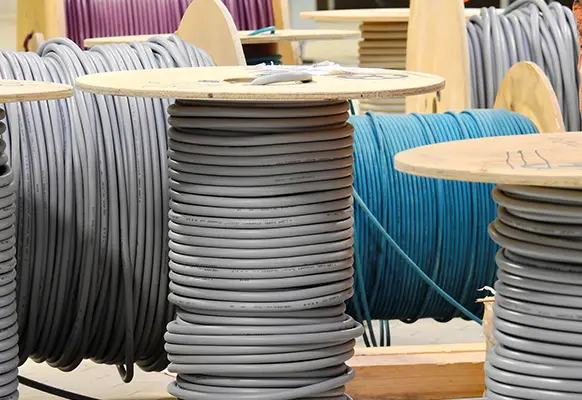
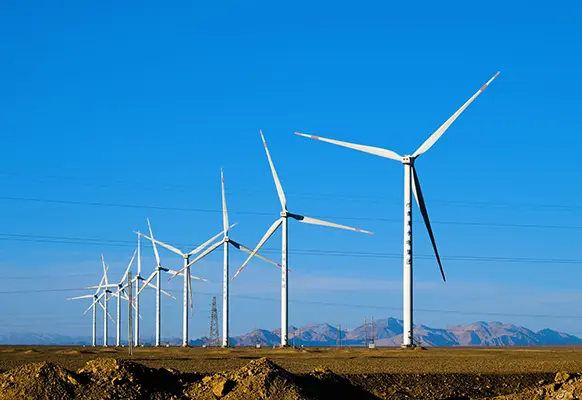
Our organosilicone portfolio also focuses on silicon oil, silicon resin, and silicon rubber, covering high-hydrogen silicone oil, dimethicone, vinyl silicone oil, polyphenylmethyldimethylsiloxane, phenyl silicone oil, silanol silicone oil and OH polymer, alkoxy silicone oil, methyl MQ resin, vinyl VMQ resin, room-temperature vulcanized methyl silicone rubber, 110 methyl vinyl silicone rubber, 120 methyl phenyl rubber. These compounds find deep application in fiberglass reinforcement, wind energy composites, electric cables, oil field drilling, and advanced rubber molding operations.
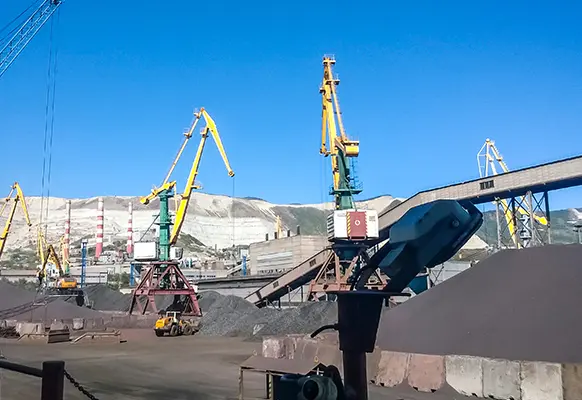
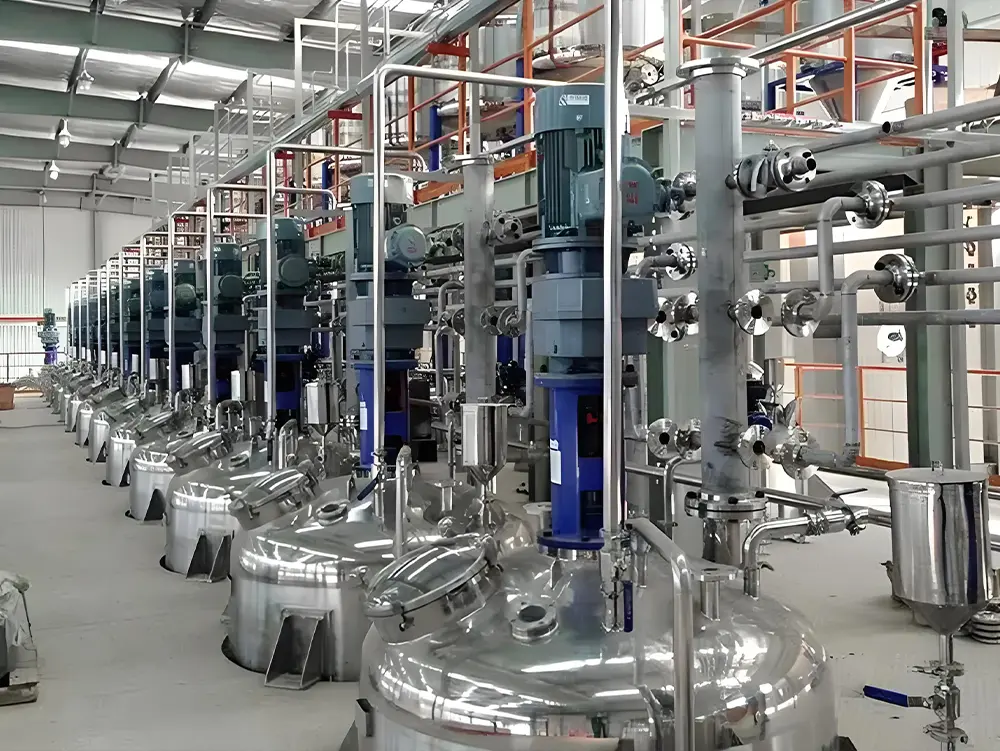
To sustain our market leadership, Boctok recently invested US$65 million to build a new plant located in Bohai Industrial Park, a provincial chemical industry park in Shouguang City, Shandong Province. This facility scales up the production of silane coupling agents via 6 automatic DCS production lines, ensuring stable, large-scale supply.
Boctok's Tier II core business is petroleum resins. We have invested in a key hydrocarbon resin manufacturer in China. We currently have three operating hydrocarbon resin factories located in Zibo, Fushun, and Nanjing. Taking advantage of reliable and abundant raw materials from SINOPEC and PetroChina, our advanced production facilities, and our decades of marketing experience, our products are widely used by customers, including many Fortune 500 companies, in both domestic and overseas markets. These products include C9 hydrogenated resins, C5 hydrocarbon resins, C5 modified C9 hydrocarbon resins, C9 hydrocarbon resins, dicyclopentadiene, and methyl cyclopentadiene dimer.
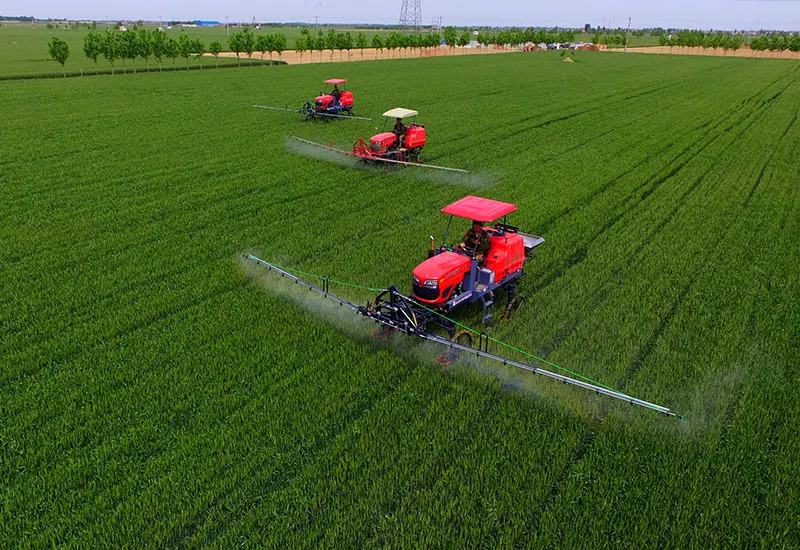
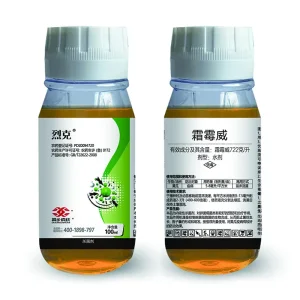
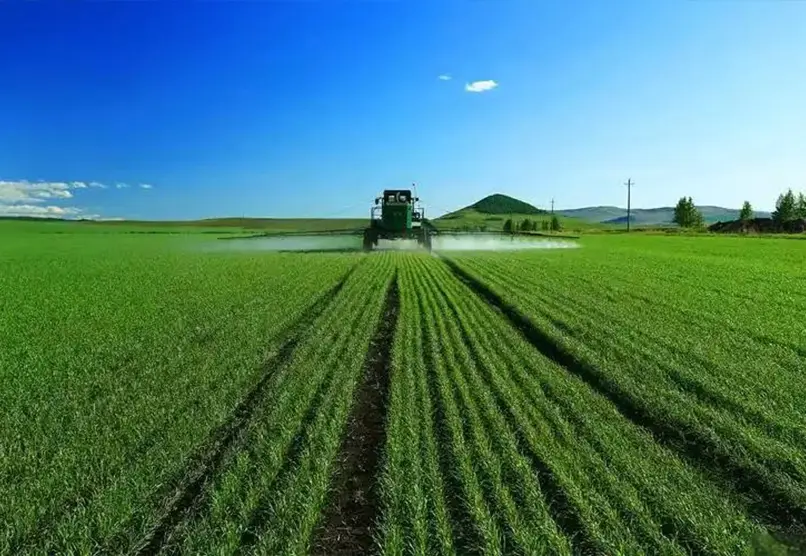
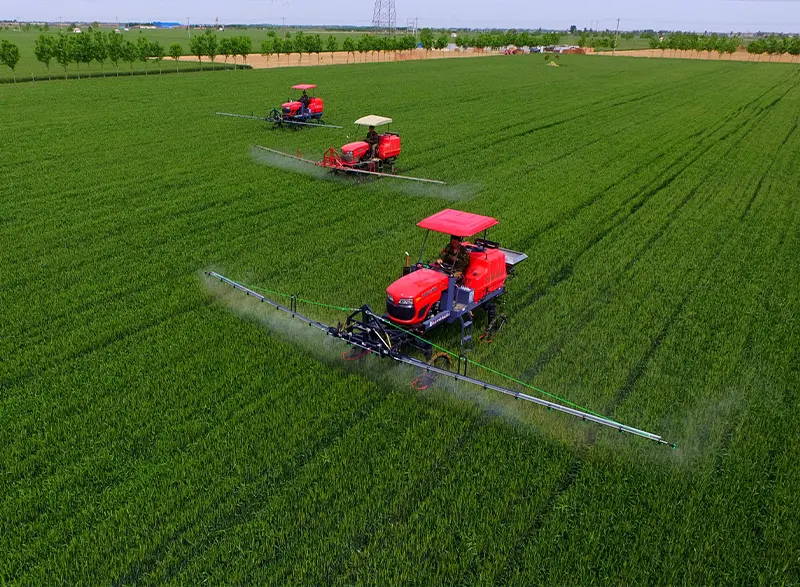
Boctok also focuses on the agrochemical industry. It produces intermediates and raw materials for the production of pesticides, fungicides, insecticides, seed treatments, herbicides, plant growth regulators, and more. This diversified chemical matrix ensures structural resilience and integrated R&D synergies across our manufacturing complexes.
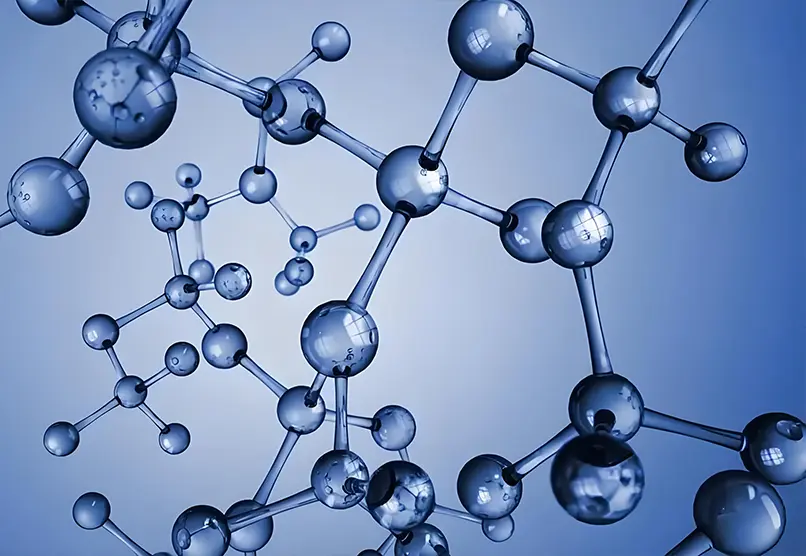
Our multi-functional chemical infrastructure allows us to balance heavy industrial organosilicone synthesis alongside clean-room pesticide formulation and specialized tackifier manufacturing.
Combining infrastructure safety, advanced automated machinery, and customer support networks.

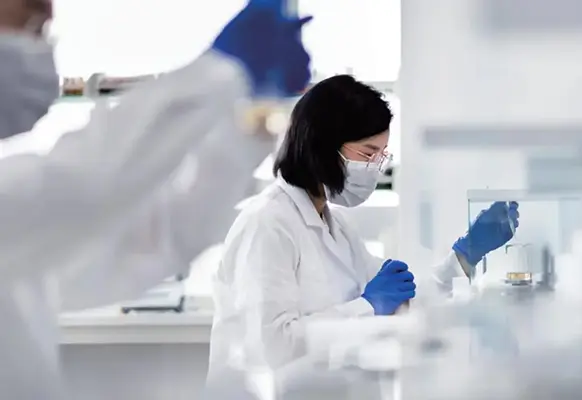
Our products undergo rigorous testing to ensure that every aspect meets the highest quality standards. Raw materials are cataloged and monitored from reception through polymerization.

We have advanced production lines that allow us to effectively expand production capacity and meet the demand for mass customization. Our Shouguang facility features 6 automated lines.

Our professional team is available online 24 hours a day to provide attentive service and answer all your questions. We support global customers with formulation optimization.

An optimized logistics system ensures fast order processing and timely delivery to customers, with specific pipelines established for cross-border transport into the CIS region.
Key drivers pushing technology, sustainability, and process performance forward in the silicone chemical sector.
Global regulatory bodies are limiting volatile organic compounds (VOCs) and cyclic siloxanes (D4, D5, D6). Industrial manufacturers must prioritize clean vulcanization kinetics that eliminate dangerous chemical outgassing while maintaining physical stability.
The rapid expansion of electric vehicle (EV) architectures has driven massive demand for silicone gap fillers and potting agents. These materials must provide high thermal conductivity (W/m·K) alongside excellent electric insulation properties.
Companies are looking for tailored vinyl, phenyl, and fluoro contents in raw gum bases. Having direct control over monomer ratios allows producers like Boctok to customize elongation, compression set, and oil resistance features.
Navigating chemical cross-border procurement requires strict alignment with quality and ecological guidelines. Shandong Boctok Chemical Co. maintains international standards by implementing automated systems across production nodes.
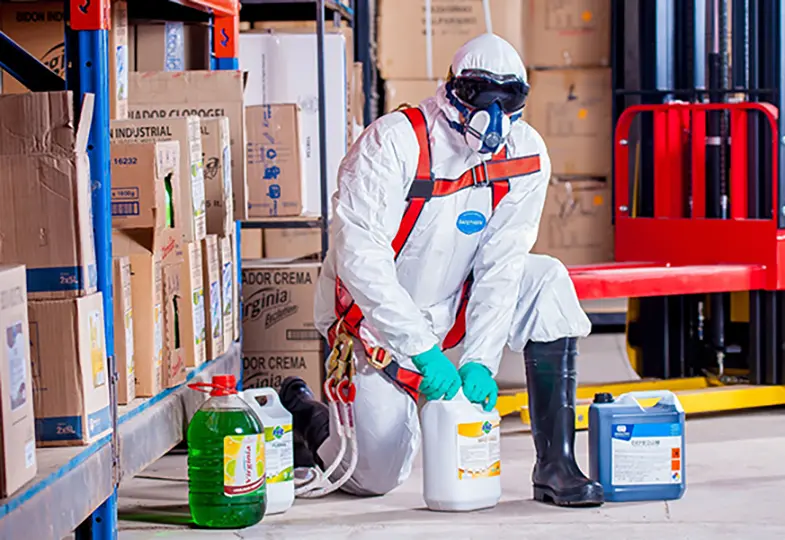
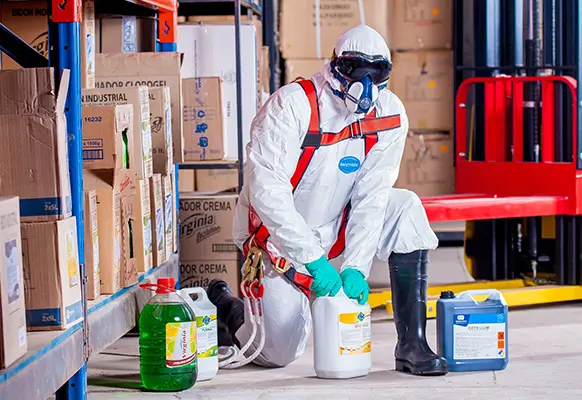
Our production facilities utilize remote Distributed Control Systems (DCS) to monitor critical temperature, pressure, and catalyst delivery profiles, preventing batch discrepancies. Simultaneously, Safety Instrumented Systems (SIS) manage emergency shutdown protocols, protecting personnel and surrounding ecosystems.
Compliance features integrated within our pipeline include:
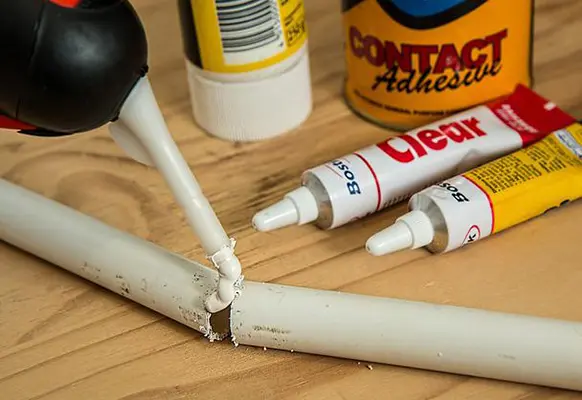
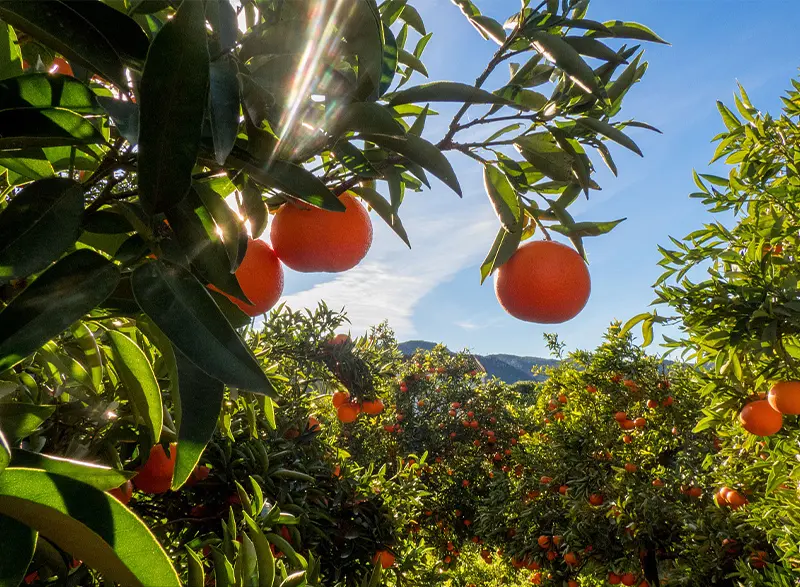
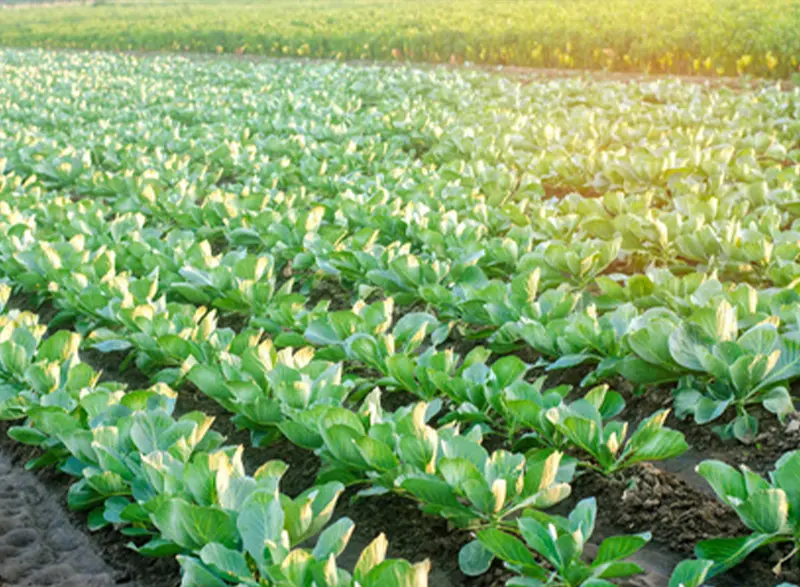
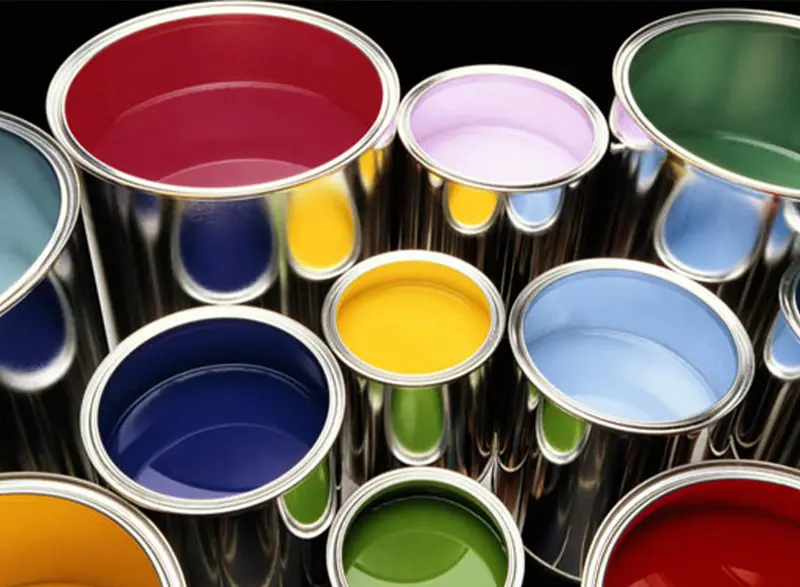
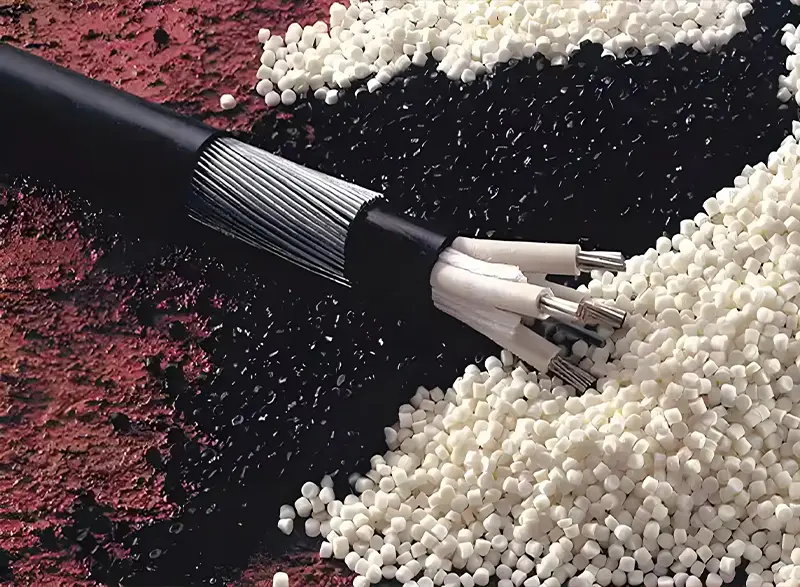
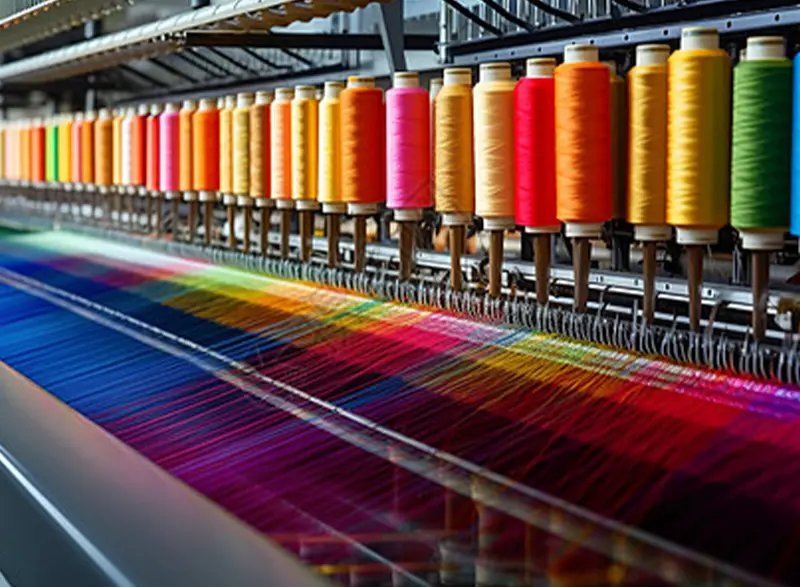
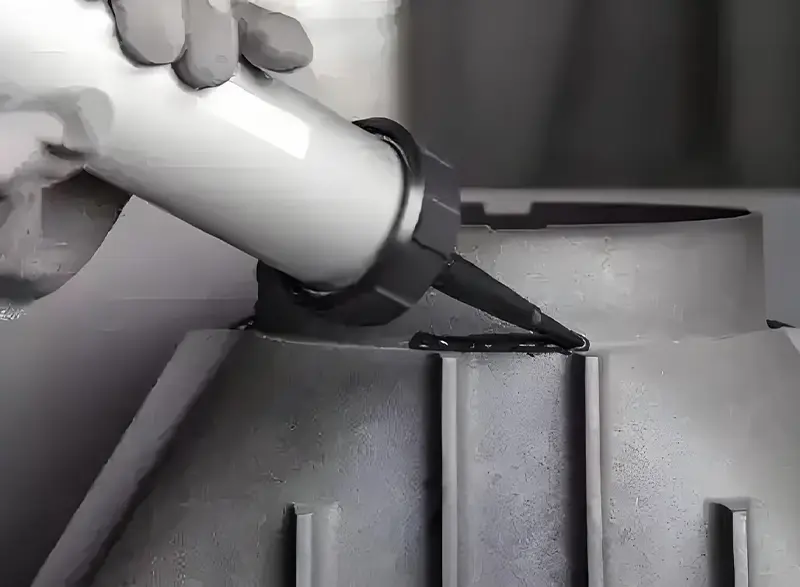
Our chemicals serve a wide range of industrial supply chains, including agricultural protection, structural adhesives, coatings, and heavy-duty silicone insulation.


How we are preparing our factories and materials portfolio for the demands of the next decade.
Deploying advanced deodorization steps directly into the vulcanization lines. This will allow for the mass manufacturing of odorless 110 methyl vinyl silicone gum, specifically matching medical and kitchenware compliance criteria without post-cure bake cycles.
Scaling up production capacity of Y-120 phenylsilicone rubber formulations (CAS 63148-52-7) to meet high-performance demand in deep-space insulation and extreme arctic oil transport lines, improving flexible memory at temperatures below -100°C.
Integrating bio-based methanol pathways to construct carbon-neutral silane coupling agents. This minimizes dependency on traditional petrochemical supply chains, supporting downstream clients in achieving international ESG targets.
Expert answers addressing chemistry, applications, and procurement inquiries regarding silicone raw materials.
The difference lies in the molecular weight distribution and vinyl content percentage. 110 Gum typically has a standardized vinyl content tailored for general high consistency rubber (HCR) compounding. 112 Gum features higher vinyl termination ratios, increasing cross-linking density. This provides higher Shore A hardness and improved compression set properties after curing.
By introducing phenyl groups into the polydimethylsiloxane chain, the crystallization temperature of the rubber is disrupted. This allows the elastomer to remain flexible at temperatures as low as -115°C. Standard VMQ begins to crystallize and embrittle around -55°C. Phenyl structures also improve resistance to gamma radiation, making them critical for aerospace and nuclear containment applications.
Silane coupling agents act as chemical bridges between inorganic substrates (such as glass fiber, silica, or minerals) and organic polymer matrices. The silicon-alkoxy group hydrolyzes to bond with the inorganic filler, while the organofunctional group (vinyl, amino, epoxy) reacts with the polymer resin during curing. This improves mechanical strength, moisture resistance, and electrical insulation properties.
We established our dedicated Russian market pipeline in 2012. Our logistical infrastructure supports specialized customs processing, complete documentation matching Russian chemical safety rules, and warehouse storage locations that reduce shipping lead times across the region.
Advanced silanes, hydrocarbon resins, and agricultural intermediates supporting global manufacturing.
 Boctok Chemical