 Boctok Chemical
1 / 1
Customers should review the latest MSDS and product safety information labels before handling.
Individual instructions for safe handling contain essential details on protective equipment and special storage conditions to ensure safety.
Store the product away from heat and open flames. Keep in a cool, dry, and well-ventilated environment.
Keep container tightly closed. Exposure to moisture will lead to hydrolysis and the formation of polymers.
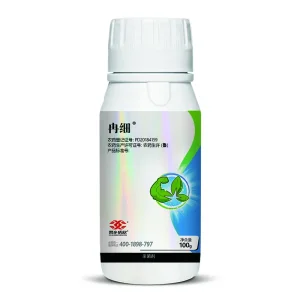
Finished products are securely packed in high-quality plastic drums, with standard packaging specifications including:
Plastic Drum
Plastic Drum
Plastic Drum
* Note: Other customized packaging specifications are available upon request.
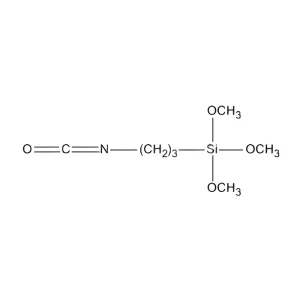
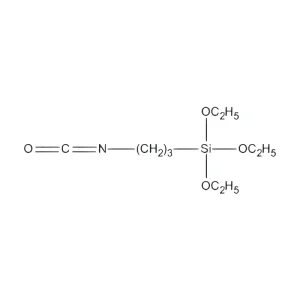
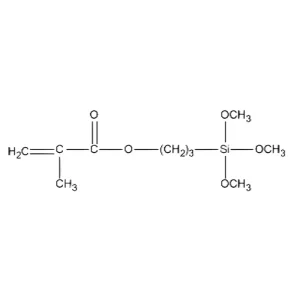
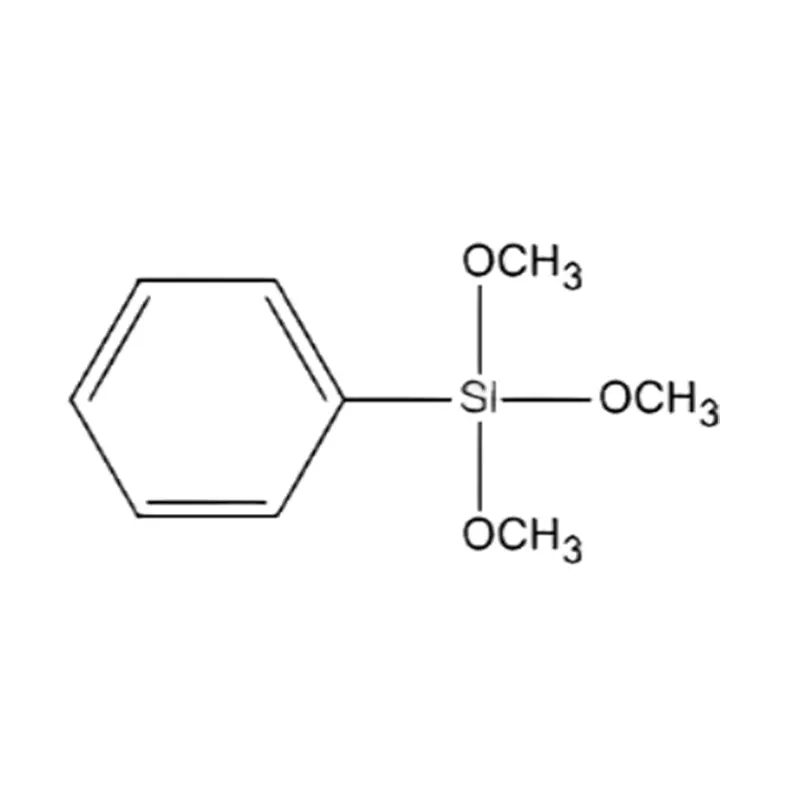
This product can be effectively used as a crosslinking agent of silicone resin and as a vital raw material for phenyl silicone oil. Additionally, it may improve the overall thermal stability of other silanes.
It is widely utilized for the treatment of inorganic fillers (such as wollastonite, aluminum hydroxide, etc.). The treatment renders the surface of inorganic fillers hydrophobic, thereby increasing their dispersion within polymers. This makes it especially suitable for polymers that require high-temperature processing, effectively reducing the melt viscosity of the polymer.
Can serve as a Lewis acid catalyst to actively promote various organic reactions.
Widely applied as a functional material to prepare polymeric materials, paints, adhesives, and more.
A1: The product should be stored in a cool, dry place away from heat and open flames. It is critical to keep the container tightly closed to prevent contact with moisture, which causes hydrolysis and polymer formation.
A2: Customers must review the latest MSDS and product safety information labels. Individual instructions contain details on necessary protective equipment and safe handling conditions.
A3: The finished products are standardly packed in plastic drums of 5 kg, 25 kg, and 200 kg. Custom packaging specifications can also be provided upon request.
A4: It treats inorganic fillers like wollastonite and aluminum hydroxide to make their surfaces hydrophobic. This improves their dispersion in polymers and reduces melt viscosity, which is highly beneficial for high-temperature polymer processing.
A5: Yes, it can serve as a Lewis acid catalyst to promote organic chemical reactions.
A6: It is widely used to prepare polymeric materials, paints, protective coatings, and industrial adhesives.