 Boctok Chemical
1 / 1
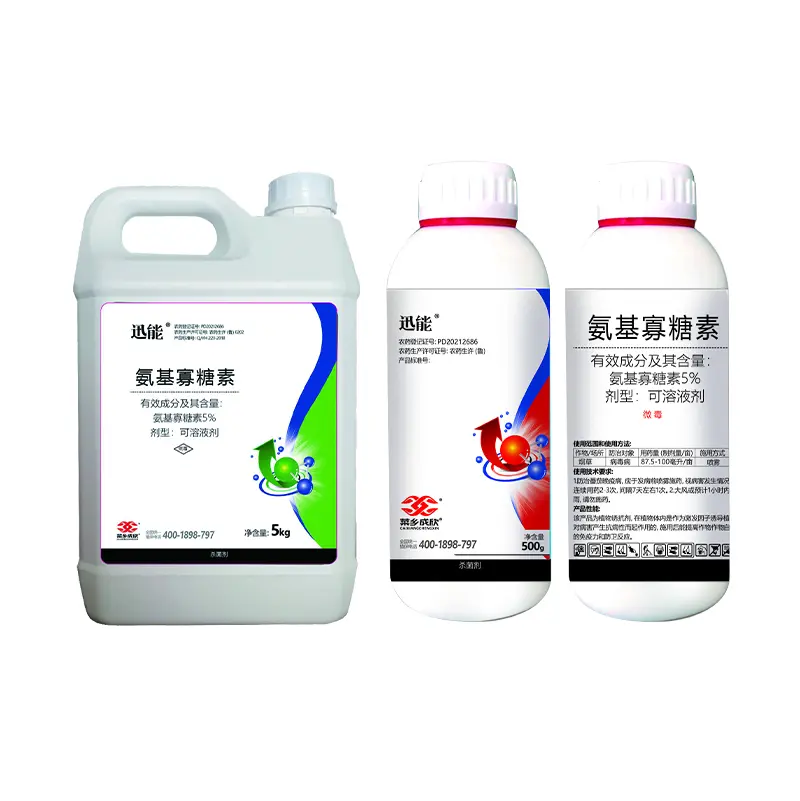
Plants that induce antivirals, in the process of combating the erosion of pathogenic bacteria, can induce plants to generate a series of defense responses that directly inhibit growth or release polypolyglycine on the cell surface, limiting the participation of the pathogen in the treatment.
Antiviral-inducing plants initiate defense mechanisms during their fight against pathogenic bacteria, preventing infection development.
They trigger a series of specialized defense responses that work to directly inhibit the growth of the invading bacteria.
During defense, the plant can release polypolyglycine onto its cell surface, creating a protective barrier against pathogens.
By coating the cell surface, it restricts and limits the participation and spread of pathogens throughout the treatment process.
Yes, the induced self-defense systems are specifically designed to target and directly inhibit the development of harmful bacteria.