Direct access to our flagship petroleum resins designed to meet the rigorous performance requirements of high-ambient Houston road markings and industrial adhesive formulations.
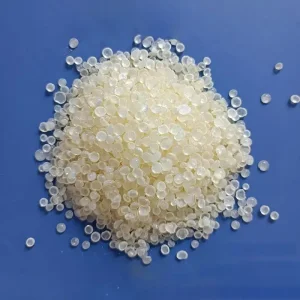
As the energy capital of the world and home to the largest petrochemical manufacturing complex in the United States, Houston presents a unique demand landscape for petroleum resins. The local market operates at the intersection of heavy infrastructure development, marine transport, protective coatings, and commercial adhesives. High ambient temperatures, high humidity, and heavy atmospheric salinity demand materials that exhibit superior thermal, chemical, and physical durability.
Our aliphatic (C5) and aromatic (C9) hydrocarbon resins are engineered precisely for these challenging conditions. In road marking applications, pavement temperatures in the Texas summer can exceed 140°F (60°C). Normal resins soften, leading to tracking and dirt pickup. Boctok's modified C5/C9 copolymerized resins are optimized with higher glass transition temperatures (Tg) and tight molecular weight distributions to preserve line integrity, retroreflectivity, and adhesion to both concrete and asphalt substrates.
Understanding tackifier chemistry: molecular structures, compatibility matrices, and industrial applications.
Hydrocarbon resins, commonly termed petroleum resins, are low molecular weight thermoplastic polymers produced through the polymerization of unsaturated petroleum fractions. The designation "C5" or "C9" refers to the carbon number of the monomers present in the refinery feedstocks. Formulators in the Houston market must analyze these chemical characteristics to ensure maximum cohesion, tack, and adhesion in their final compounds.
C5 resins are synthesized from aliphatic cracked petroleum fractions containing piperylene, cyclopentadiene, methylbutenes, and other acyclic dienes. The resultant polymer features a highly branched, non-polar aliphatic structure. This makes C5 resins highly compatible with natural rubber, polyisobutylene, and ethylene-vinyl acetate (EVA) with low vinyl acetate content, as well as styrene-isoprene-styrene (SIS) block copolymers. C5 resins serve primarily as tackifiers, bringing excellent initial tack, cohesive strength, and peel resistance to pressure-sensitive adhesives (PSAs) and hot-melt formulations.
C9 resins are synthesized from aromatic distillates containing indene, methylindene, styrene, alpha-methylstyrene, and vinyltoluenes. Because of their aromatic ring structures, C9 resins exhibit higher polarity and a higher refractive index than C5 resins. They are highly compatible with polar polymers such as styrene-butadiene-styrene (SBS) block copolymers, acrylics, alkyd resins, and high-VA EVA. In protective coatings and marine paints—critical to the offshore energy industries along the Gulf Coast—C9 resins improve water resistance, gloss, hardness, and chemical resistance against dilute acids and bases.
By co-polymerizing C5 and C9 feedstocks, we produce modified resins that bridge the compatibility gap. These resins offer balanced compatibility with both polar and non-polar domains in block copolymer elastomers. They are widely used in road markings to balance the high filler loading of glass beads and titanium dioxide with the SBS polymer modified binder system.
| Property Parameter | C5 Aliphatic Resins | C9 Aromatic Resins | C5/C9 Copolymer Resins |
|---|---|---|---|
| Primary Monomer Feedstocks | Piperylene, Isoprene, Cyclopentadiene | Indene, Styrene, Vinyltoluene | Mixed C5/C9 Streams |
| Molecular Structure | Aliphatic, linear, and branched | Aromatic ring dominant | Aliphatic-aromatic hybrid |
| Softening Point (Ring & Ball) | 90°C - 110°C | 100°C - 140°C | 95°C - 120°C |
| Compatibility Profile | SIS, Natural Rubber, EVA (low VA) | SBS, Acrylics, Epoxies, Alkyds | Universal (SBS, SIS, EVA, Polyolefins) |
| Gardner Color (Typical) | 3 - 5 | 6 - 12 (Darker, unless hydrogenated) | 4 - 8 |
| Primary Houston Applications | HMAs, Road Marking Paints, PSAs | Marine Paints, Industrial Coatings, Inks | High-Performance Traffic Paints, Sealants |
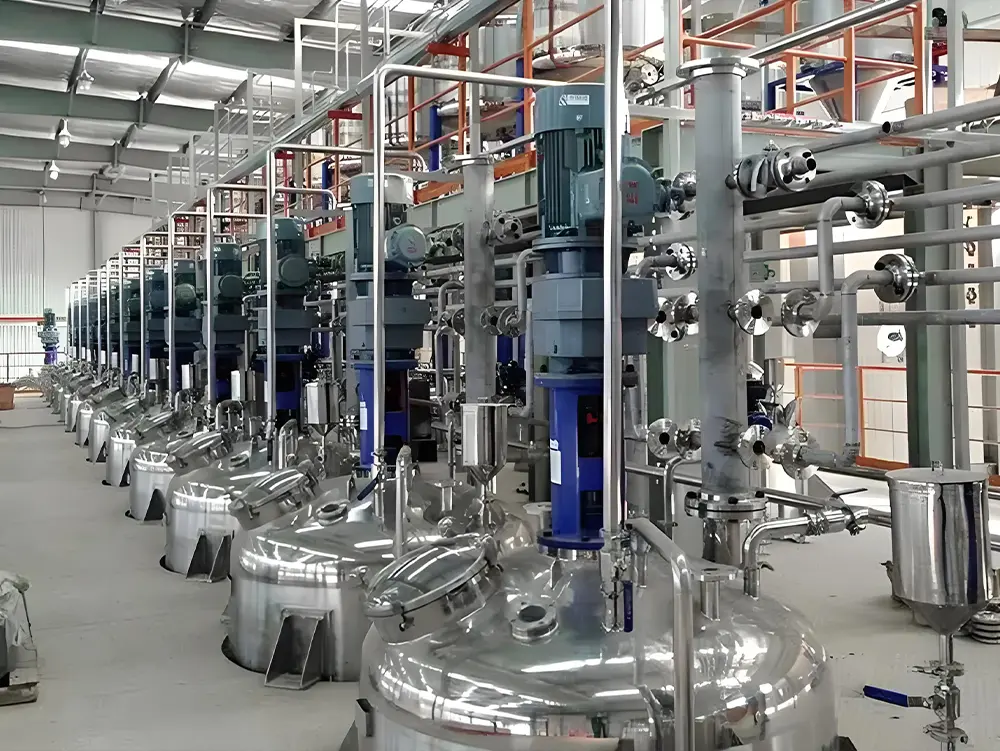



Founded in 2012 as a global marketing and sales hub, Shandong Boctok Chemical Co. has grown into a major chemical supplier, achieving sales of US$280 million in 2023. While our BOCTOK™ brand initially served the Russian market, we have expanded to export our products to North America, Europe, Japan, South Korea, Australia, South America, the Middle East, India, and Southeast Asia.
Our Tier II core business focuses on high-quality petroleum resins. To ensure stable supply and competitive pricing, we have invested in a key hydrocarbon resin manufacturer in China, operating three production sites in Zibo, Fushun, and Nanjing. These facilities benefit from reliable monomer feedstocks from SINOPEC and PetroChina. This vertical integration guarantees chemical consistency, low impurity profiles, and supply security for our global partners.
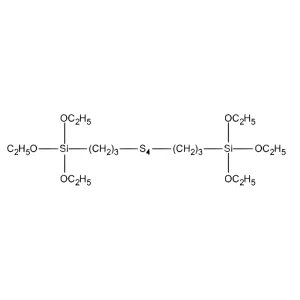
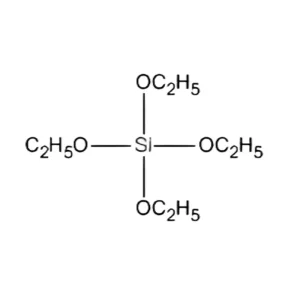
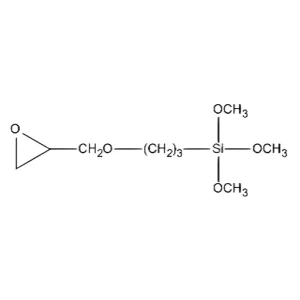
Additionally, Boctok recently invested US$65 million to construct a state-of-the-art silane manufacturing plant in Bohai Industrial Park, Shouguang City, Shandong Province. This facility operates 6 automated DCS lines producing 30,000 tons of silane coupling agents annually. These silanes serve as essential additives in rubber, adhesive, and coating formulations, working in tandem with our hydrocarbon resins to improve adhesion between polymer matrices and inorganic substrates.
From heavy petrochemical manufacturing to agricultural formulations, our products are engineered for demanding applications.
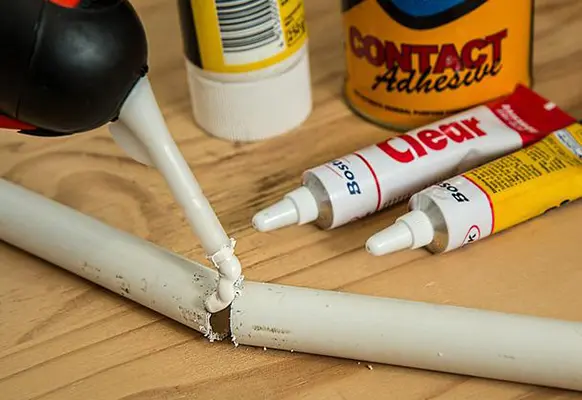
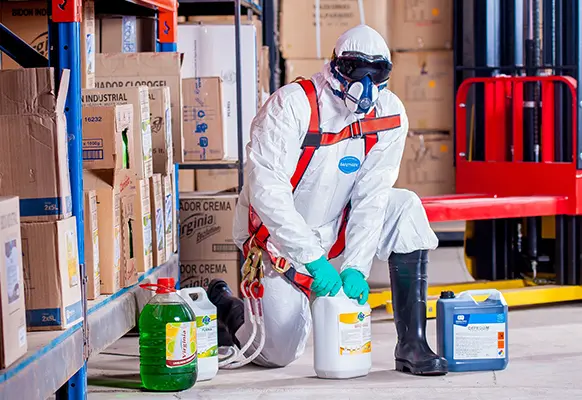
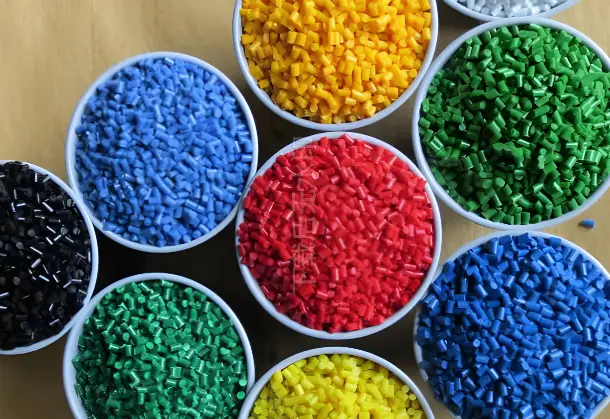
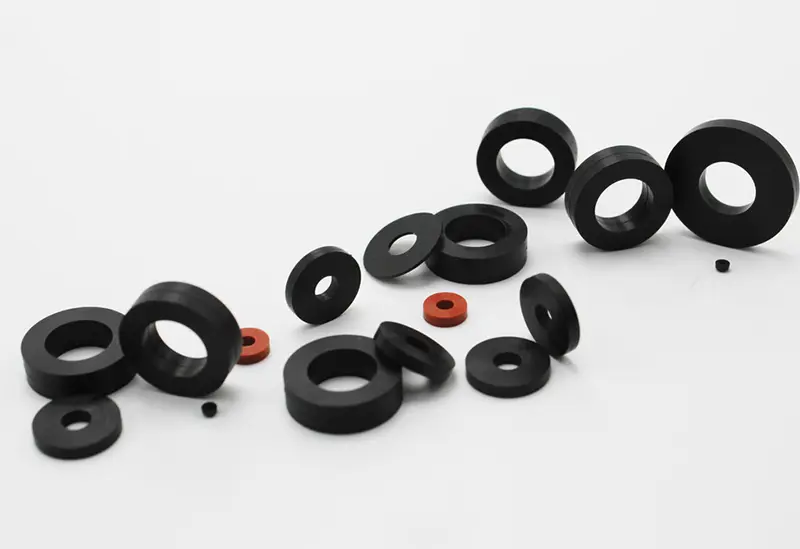


Ensuring full compliance with US and international chemical regulations while maintaining a reliable supply chain to the Port of Houston.
Purchasing agents and technical directors at Gulf Coast facilities require more than just reliable chemistry; they need assurance of regulatory compliance and long-term supply chain reliability. Boctok maintains strict quality control measures to ensure that all imported resins and chemical intermediates comply with national and local environmental standards.
For US markets, and specifically the Houston chemical corridor, compliance with the Toxic Substances Control Act (TSCA) is mandatory. Our C5 and C9 petroleum resins (CAS 68131-99-7) are registered on the TSCA Inventory. Furthermore, for adhesive formulators producing packaging materials, our C5 resins are manufactured to meet FDA food additive regulations (e.g., FDA 21 CFR 175.105 for adhesives, and 21 CFR 176.170 for paper coatings), ensuring suitability for indirect food contact applications.
Boctok has established robust logistics pipelines from our manufacturing bases in Shandong, Zibo, Fushun, and Nanjing directly to the Port of Houston. We offer multiple logistics solutions, including containerized shipments of resin granules in 25kg bags, bulk super-sacks, and liquid bulk options for larger formulators. Our partnership with major ocean carriers ensures reliable lead times, while our local distribution partners help manage inventory levels to mitigate supply chain disruptions.
Our production facilities utilize Distributed Control Systems (DCS) for precise polymerization monitoring. By automating control over temperature, pressure, and monomer feed rates, we achieve a highly consistent product. This automation is backed by Safety Instrumented Systems (SIS) to ensure safe, continuous operation and protect both our workers and the surrounding environment.
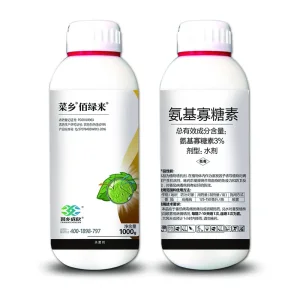
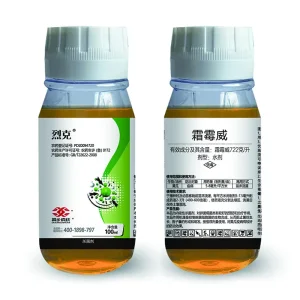
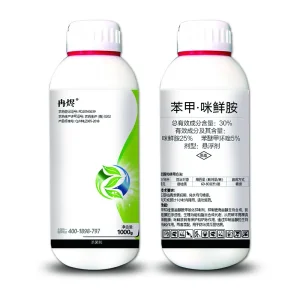
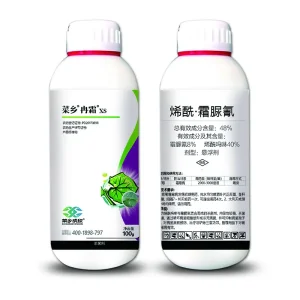
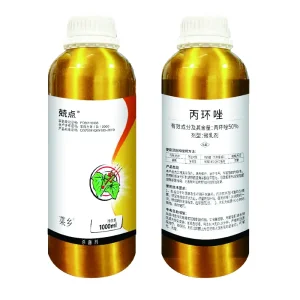
A comprehensive selection of specialty resins, crosslinkers, and agrochemical intermediates to support local industrial applications.
Addressing key formulation, logistics, and chemistry questions from chemical engineers and procurement specialists.
The difference lies in their chemical structure and compatibilities. C5 resins are aliphatic and non-polar, making them highly compatible with aliphatic mid-blocks of SIS and natural rubber. This compatibility is key to achieving high initial tack and peel adhesion. In contrast, C9 resins are aromatic and more polar. They associate with the aromatic end-blocks of SBS, which increases cohesive strength and shear resistance, but provides less initial tack.
We use controlled co-polymerization of C5 and C9 feedstocks to optimize the glass transition temperature (Tg) and softening point. This prevents thermal degradation, deformation, and dirt pickup in outdoor applications, such as road marking paints, under high summer temperatures.
Yes, our C5 and C9 petroleum resins (CAS 68131-99-7) are registered on the TSCA active inventory. We supply full documentation, including SDS sheets conforming to OSHA HCS 2012, to ensure trouble-free customs clearance and regulatory compliance for our US customers.
We offer flexible shipping terms (FOB, CIF, or DDP) to the Port of Houston. Products are typically packaged in 25kg multi-layer paper bags or 500kg/1000kg bulk super-sacks. They are shipped in containerized ocean freight, with local logistics partners handling final delivery to warehouses along the Houston Ship Channel or neighboring industrial parks.
Under dry, cool storage conditions (below 30°C/86°F and away from direct sunlight), our C5 hydrocarbon resins retain their properties for at least 12 months. Prolonged exposure to high heat and humidity can lead to compaction (blocking) of the granules, though this does not alter their chemical properties.
Yes. Our automated DCS production lines in Zibo, Fushun, and Nanjing allow us to adjust polymerization parameters to customize properties. We can tailor the Ring & Ball softening point, viscosity, and color properties for high-volume orders. Contact our technical sales team to discuss your specific requirements.
Request detailed specification sheets, ASTM test method validation reports, pricing quotes, and sample batches for testing in your facility.
Send Inquiry Now Boctok Chemical