Explore our core global offerings including high-grade coupling agents, specialized petroleum resins, and functional vinyl silanes engineered for extreme environments.
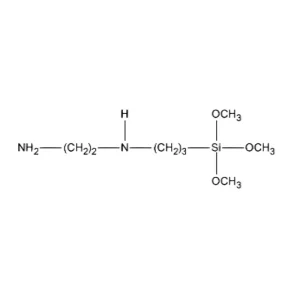
![Famous Bis-[3-(trimethoxysilyl)-propyl]amine CAS 82985-35-1](https://site.cdnfile.io/www.boctoksilicone.com/b7a8c47713f462756c9e61cb65cea17f300_300.webp)
![China Bis-[3-(triethoxysilyl)-propyl]amine CAS 13497-18-2](https://site.cdnfile.io/www.boctoksilicone.com/837bedcc9470a3ee1f202feb49d8ce69300_300.webp)
Annual Sales (2023)
Annual Silane Production Capacity
Fully Automated DCS Production
Recent Shouguang Plant Investment
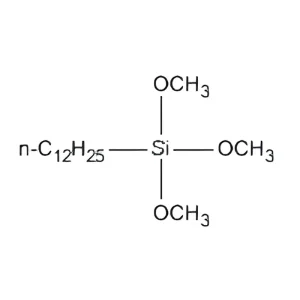
Organofunctional vinyl silane coupling agents play a key role in macromolecular engineering, composite materials formulation, and surface modification. Vinyl silanes feature a reactive vinyl group paired with hydrolyzable alkoxy elements (typically methoxy or ethoxy). This dual-functional structure enables them to bridge the gap between inorganic substrates (such as silica, glass fiber, and minerals) and organic polymers (including cross-linked polyethylene, ethylene-vinyl acetate, and rubber).
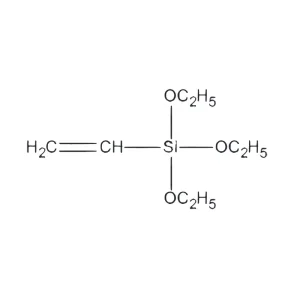
The commercial impact of vinyl silanes—specifically Vinyltriethoxysilane (VTEO, CAS 78-08-0) and Vinyltrimethoxysilane (VTMO, CAS 2768-02-7)—spans multiple sectors. They are widely used in cross-linked polyethylene (XLPE) power cable insulation, moisture-curable sealants, and high-performance paint formulations. By serving as an molecular bridge, vinyl silane reagents enhance mechanical strength, heat resistance, and moisture barrier properties in tough working conditions.
Founded in 2012, Shandong Boctok Chemical Co. has grown into a major supplier of organosilicone products, premium hydrocarbon resins, and agricultural intermediates. With a marketing and sales center focused on both domestic and global trade, we achieved a sales volume of US$280 million in 2023. Under our flagship BOCTOK™ brand, we provide reliable technical services and logistical support to the Russian market and global buyers.
Our core organosilicone portfolio includes twelve distinct series of silane coupling agents and crosslinkers: aminosilane, methacrylate silane, epoxy silane, vinyl silane, mercaptosilane, alkyl silane, ethyl silicate, chlorosilane, silane isocyanates, phenyl silane, ureidosilane, and serosilane.
The global demand for vinyl silane reagents is driven by infrastructure development, automotive lightweighting, and the growth of renewable energy systems. Industrial applications rely on these chemicals to process thermoplastic elastomers and composite polymers. North America, the European Union, and the Asia-Pacific region remain the primary markets for high-purity silane coupling agents.
In the solar energy sector, vinyl silanes are used to crosslink Ethylene-Vinyl Acetate (EVA) encapsulant films. These films protect photovoltaic cells from moisture and physical damage. Additionally, the global shift toward high-voltage offshore power transmission has increased demand for XLPE cables, which rely on Vinyltriethoxysilane (VTEO) to maintain mechanical and electrical integrity under thermal stress.
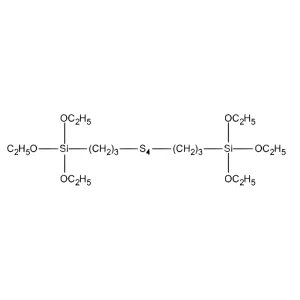
The automotive industry uses specialized sulfur-functional silanes, such as Bis(3-triethoxysilylpropyl) tetrasulfide (CAS 40372-72-3), along with vinyl silanes to couple precipitated silica with natural and synthetic rubbers. This chemical link reduces rolling resistance, improves wet grip, and increases tire lifespan, helping manufacturers meet strict fuel economy and emission standards.
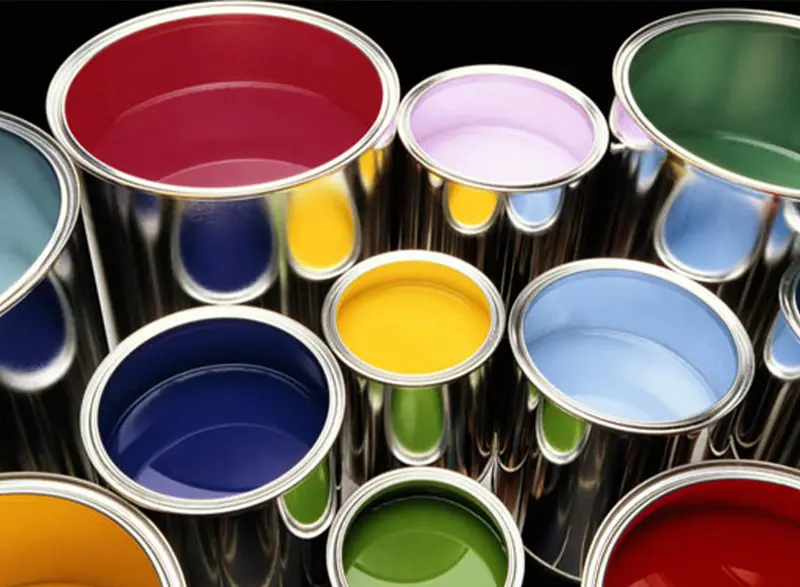
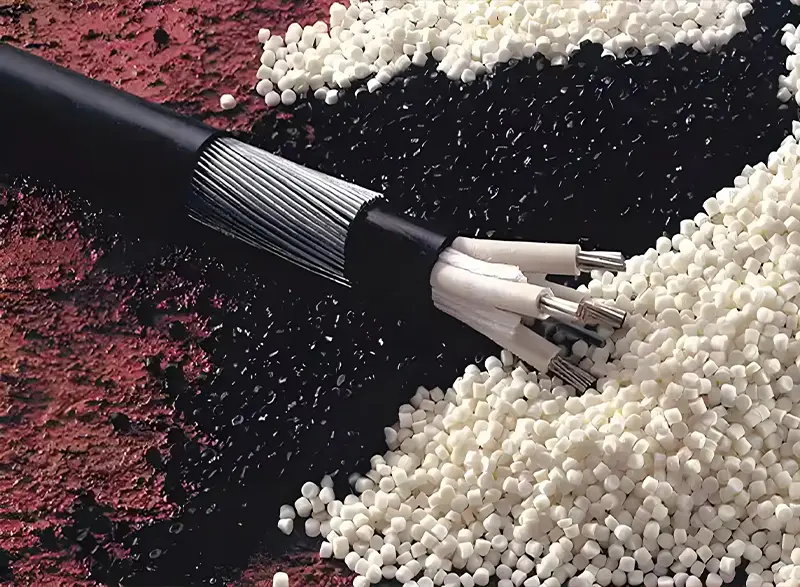
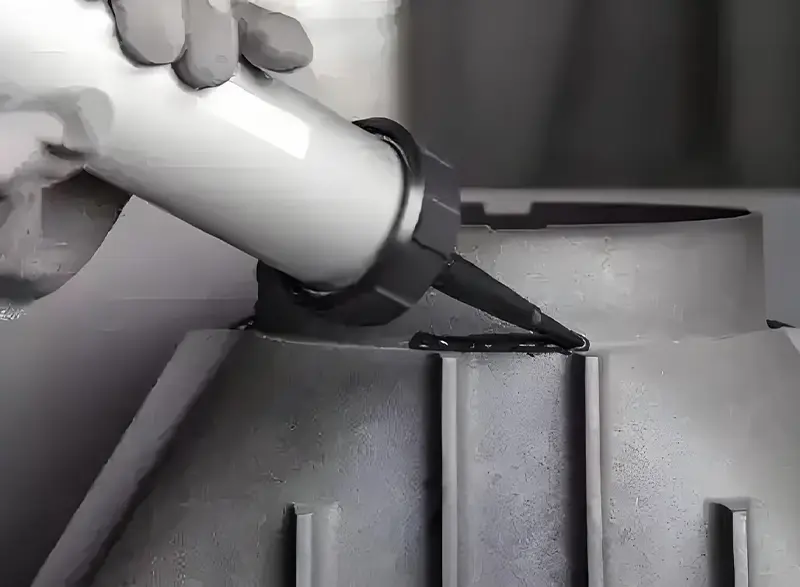
China's chemical sector offers significant advantages in manufacturing efficiency, supply chain integration, and cost-effectiveness. By locating facilities in dedicated industrial parks, manufacturers secure stable access to upstream raw materials like silicon metal, ethanol, methanol, and chlorinated intermediates. This local integration helps protect production from global market fluctuations.
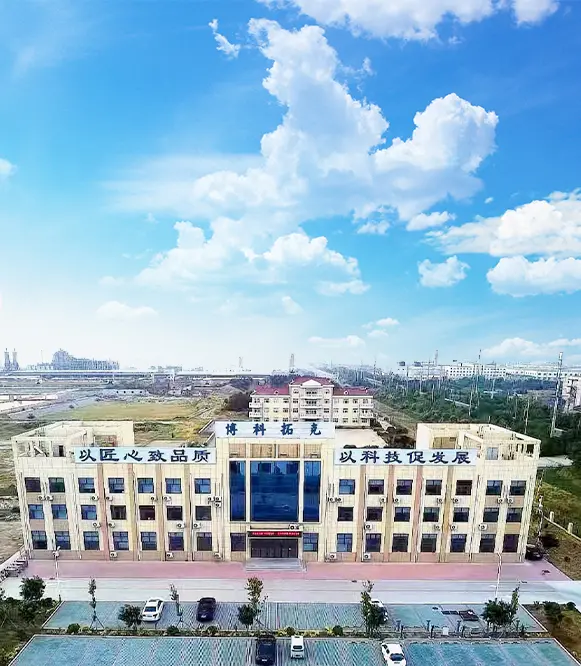
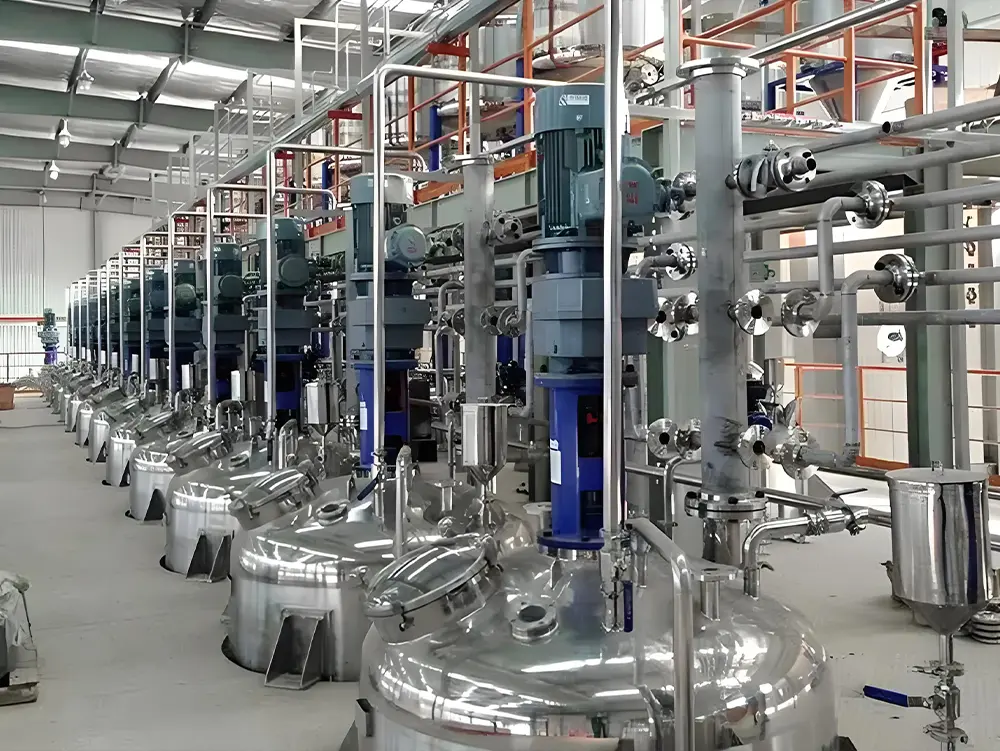
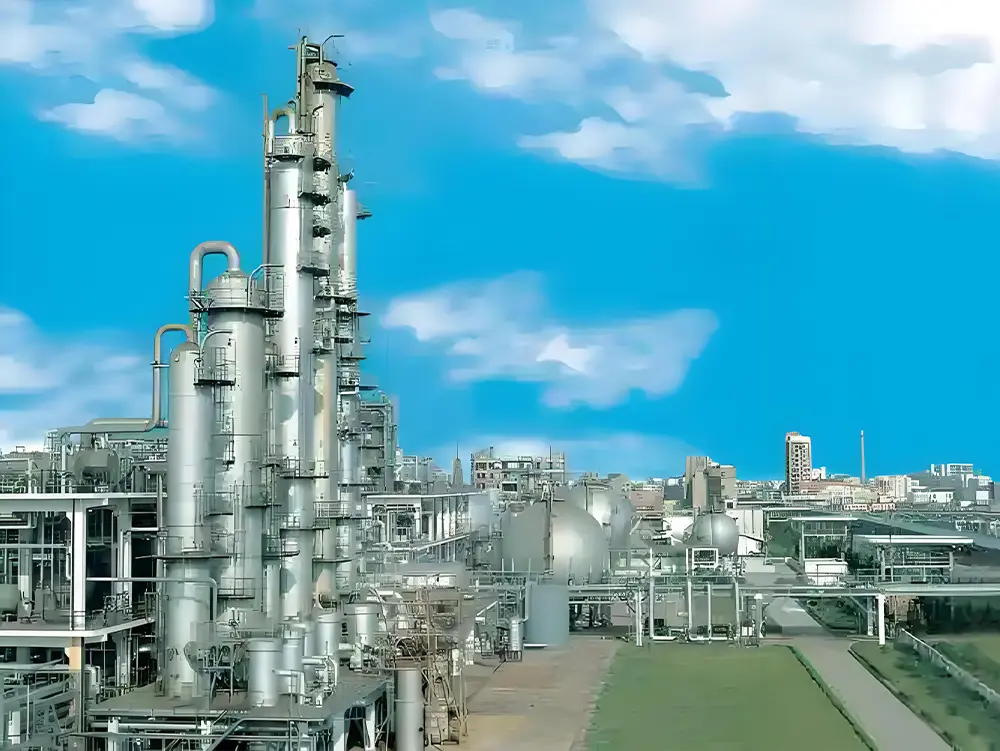
Shandong Boctok Chemical Co. has invested US$65 million in our production plant in Bohai Industrial Park, Shouguang City, Shandong Province. This facility features six fully automated DCS production lines, yielding an annual capacity of 30,000 tons of silane coupling agents.
Our Shouguang facility uses Distributed Control Systems (DCS) and Safety Instrumented Systems (SIS) to monitor temperature, pressure, and feed rates in real time, ensuring consistent product quality.
We source raw materials directly from SINOPEC and PetroChina. This direct connection ensures a steady supply and helps stabilize pricing for our international partners.
The plant features advanced waste gas thermal oxidizers and wastewater processing units, operating under strict compliance with ISO9001 and local environmental regulations.
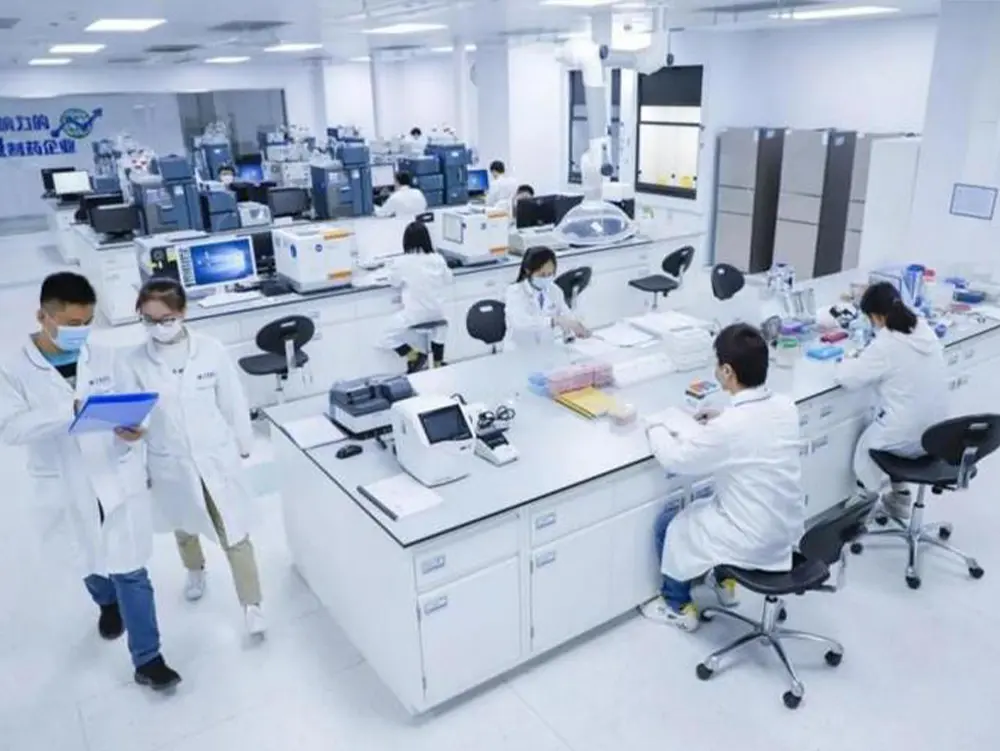
Synthesis of high-purity silanes, especially low-chlorine variants, requires precise control over raw material feeding and reaction temperatures. The DCS automation at our Shouguang plant controls the esterification of trichlorosilane with ethanol, minimizing side reactions. This close monitoring yields vinyl silanes with low acidity and trace chloride levels (often below 10 ppm), which is crucial for protecting copper conductors in electrical cable applications.
By controlling these parameters, Boctok provides consistent product batches, reducing variations in downstream processing for our customers.
Vinyl silanes function by reacting with polymers and bonding to inorganic surfaces. This reactivity makes them useful in several key industrial applications.
The moisture-curable crosslinking of polyethylene (using the Sioplas or Monosil process) relies on vinyl silanes like Vinyltrimethoxysilane or Vinyltriethoxysilane. During extrusion, a peroxide initiator (such as dicumyl peroxide) abstracts a hydrogen atom from the polyethylene backbone, creating a free radical. The vinyl group of the silane grafts onto these radical sites.
When the grafted polymer is exposed to moisture and a catalyst (such as dibutyltin dilaurate), the alkoxy groups hydrolyze into silanols. These silanol groups then condense to form stable siloxane bonds (Si-O-Si), creating a three-dimensional network that improves thermal stability, deformation resistance, and electrical insulation.
During the production of glass fibers for wind turbine blades and structural laminates, vinyl silanes are added to the sizing chemistry. The alkoxy groups react with the silanol-rich surface of the glass, while the vinyl groups copolymerize with unsaturated polyester, vinyl ester, or acrylic resins. This crosslink helps prevent moisture from degrading the glass-resin interface under physical stress.
Mineral fillers like kaolin clay, aluminum trihydroxide (ATH), and magnesium hydroxide (MDH) are commonly used in halogen-free flame retardant (HFFR) cable compounds. Treating these fillers with vinyl silanes improves their dispersion in polymer matrices like EVA or LLDPE. This surface treatment lowers viscosity during processing and improves mechanical properties like tensile strength and elongation at break.

In addition to organosilicones, Shandong Boctok Chemical Co. manufactures petroleum hydrocarbon resins and agrochemical intermediates. This diversified production helps optimize raw material use and provides synergies across different chemical divisions.
We operate three hydrocarbon resin facilities in key petrochemical hubs: Zibo, Fushun, and Nanjing. These plants utilize feedstocks from SINOPEC and PetroChina to manufacture a range of high-performance resins.
Our product line includes C5 aliphatic resins, C9 aromatic resins, hydrogenated hydrocarbon resins, and cyclopentadiene dimers. These materials are widely used as tackifiers in hot-melt adhesives, pressure-sensitive tapes, road marking paints, and rubber compounding.
Using our vinyl silanes alongside these resins in adhesive formulations helps improve adhesion to glass, metal, and concrete substrates.
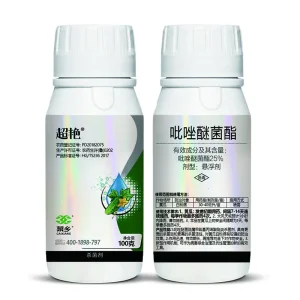
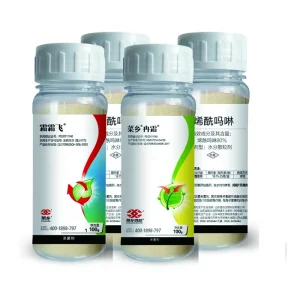
We also manufacture chemical intermediates for the synthesis of crop protection agents, including fungicides, herbicides, insecticides, and plant growth regulators. Our production processes focus on high chemical purity to ensure reliable performance in final agricultural formulations.
High-purity C5 and C9 petroleum resins designed for rubber compounding, paint additives, and hot-melt adhesives.
Explore Resins →Reliable components for fungicides, herbicides, and crop growth regulators exported globally.
Explore Agrochemicals →Industrial buyers of vinyl silane reagents must evaluate key performance and compliance criteria to ensure process stability and safety. When vetting manufacturers, procurement teams focus on the following core factors:
Technical and commercial answers regarding Vinyl Silane Reagents, coupling mechanisms, and supply options.
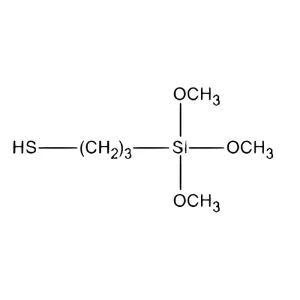
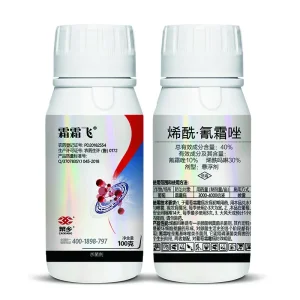
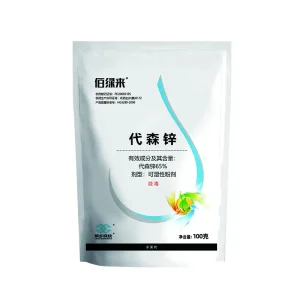
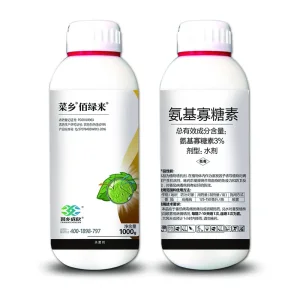
Review our secondary chemical range, which includes specialty mercaptosilanes, aminosilanes, and zinc formulations for global industrial markets.
 Boctok Chemical