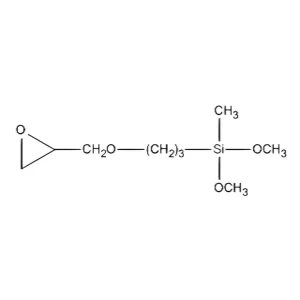
Industry-approved formulas matching critical CAS performance specifications for B2B applications.
Founded in 2012, Shandong Boctok Chemical Co. has established itself as an authoritative global marketing, sales, and technical development center for premium organosilicon solutions. Operating as a unified portal for domestic and overseas supply chains, we achieved a record-setting sales volume of US$280 million in 2023. Under our dedicated brand name BOCTOK™, we serve specialized high-barrier markets, including extensive customization and distribution pathways targeting the CIS and Russian federation industrial complexes.
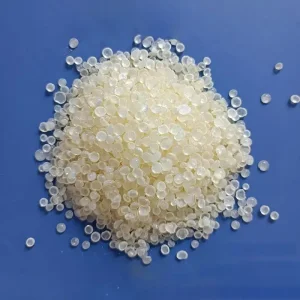
Our operation is built upon rigorous scientific control, combining upstream research in chemical synthesis with robust downstream application engineering. We offer a diversified chemical catalog divided into three pillars: organosilicon derivatives, premium hydrocarbon resins, and fine agrochemical raw materials. By stabilizing chemical properties and tailoring molecular configurations, we help global manufacturing clients optimize adhesion, durability, crosslinking density, and substrate compatibility.
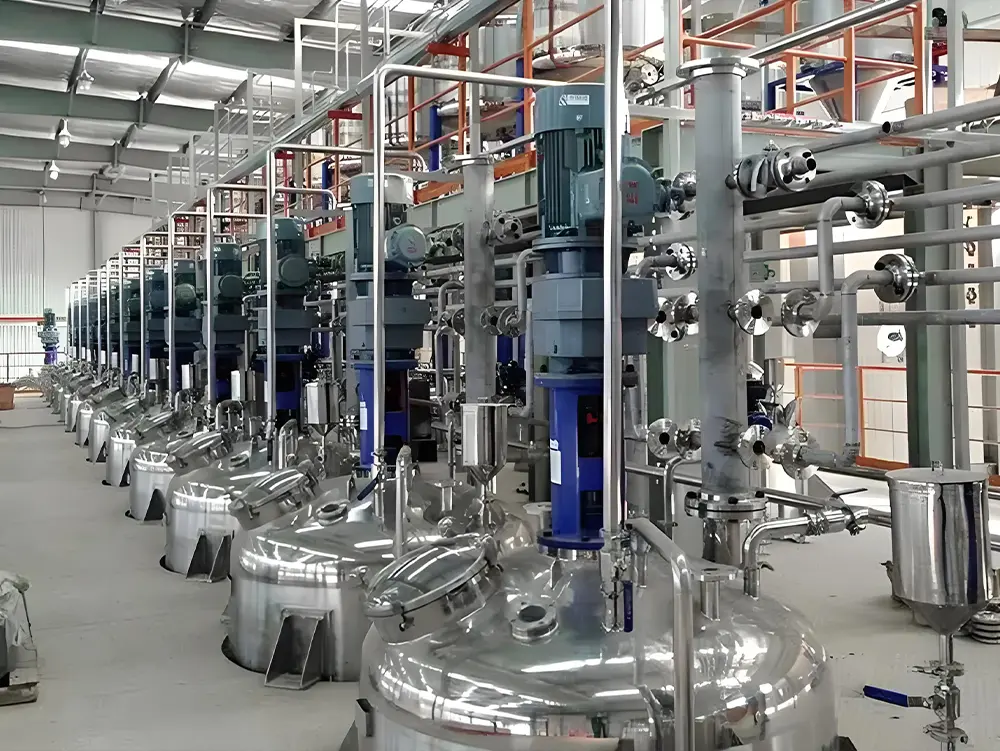
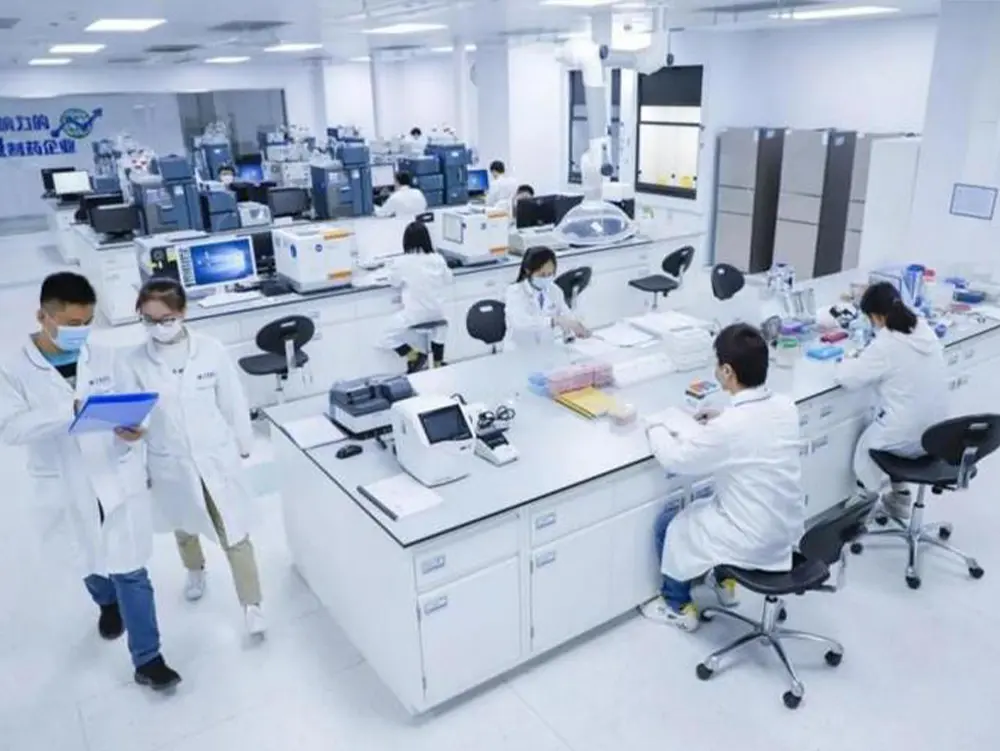
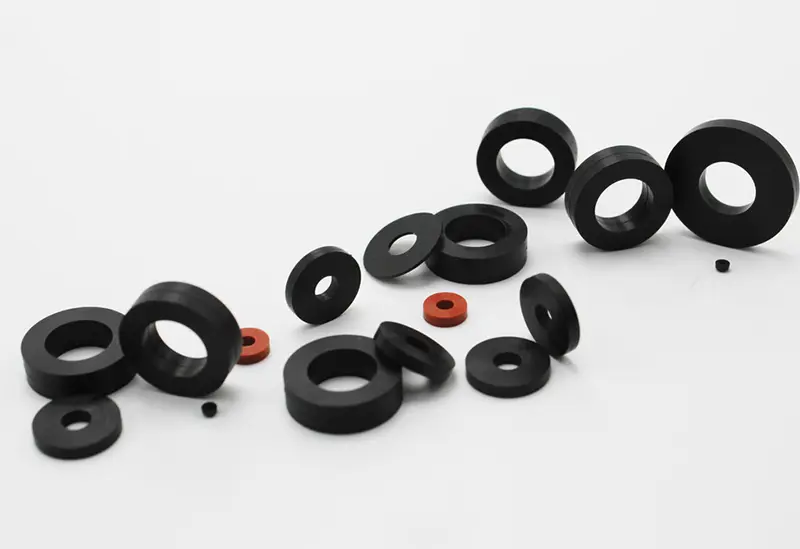
Exploring the molecular scope of our silane, silicone oil, resin, and rubber manufacturing.
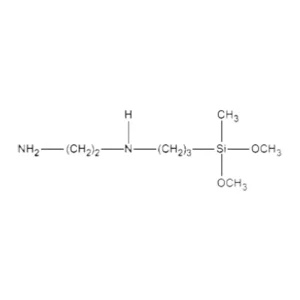
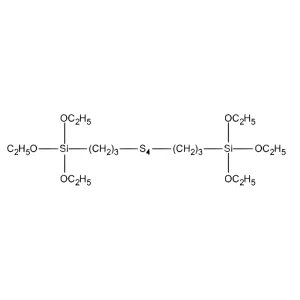
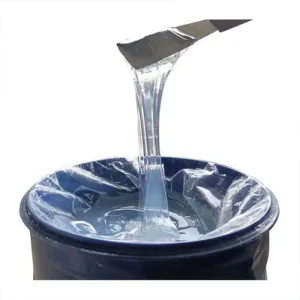
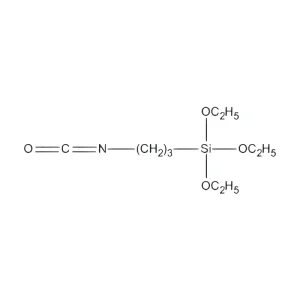
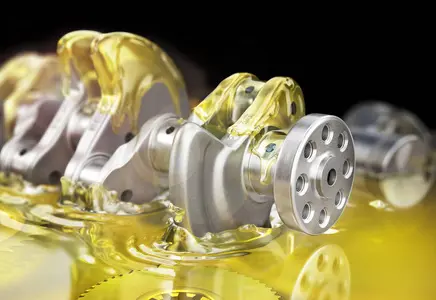
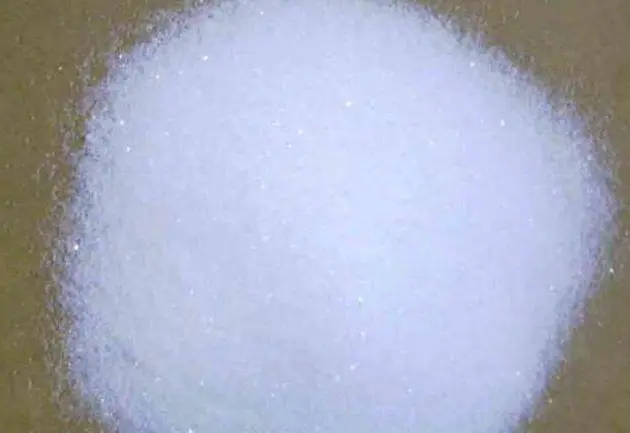
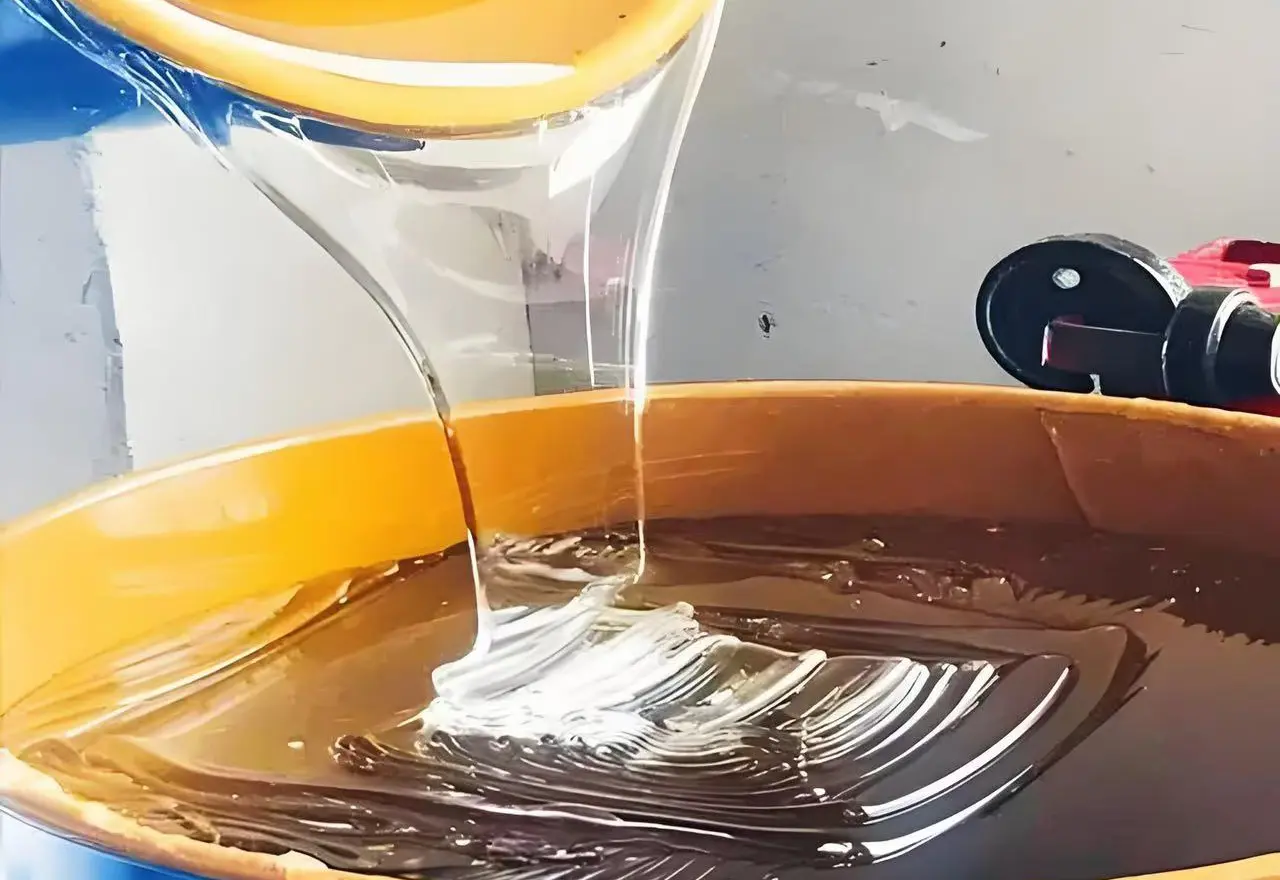
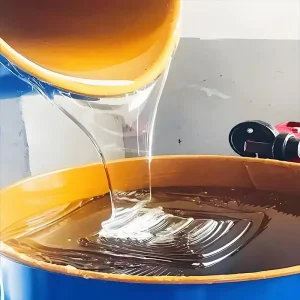
BOCTOK’s chemical synthesis infrastructure is optimized to yield stable, industrial-grade molecules designed for high-stress applications. Our organosilicon segment is categorized into twelve major functional silane series and an extensive range of fluidic/viscoelastic silicone polymers.
How BOCTOK materials drive efficiency and longevity across modern industrial verticals.

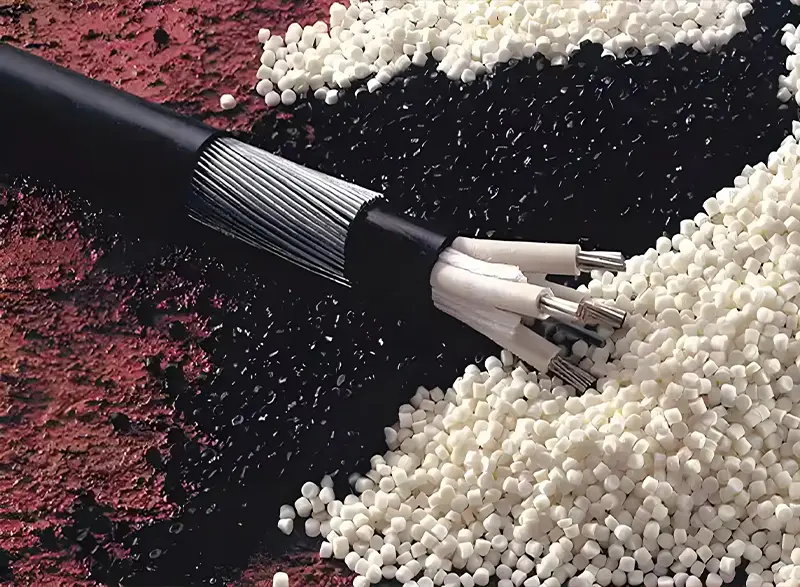
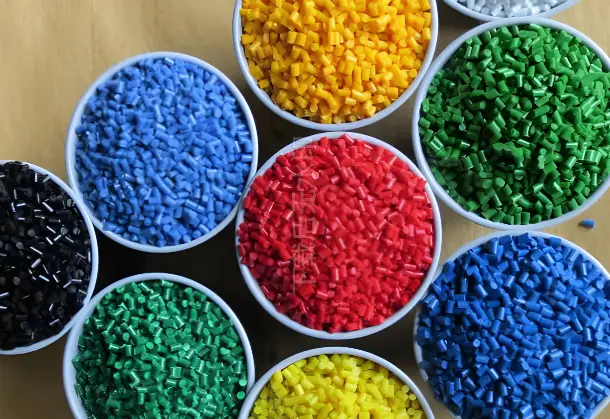
High-grade organic-inorganic coupling agents acting as the molecular bridge to improve mechanical properties and chemical resistance of structural polymers.
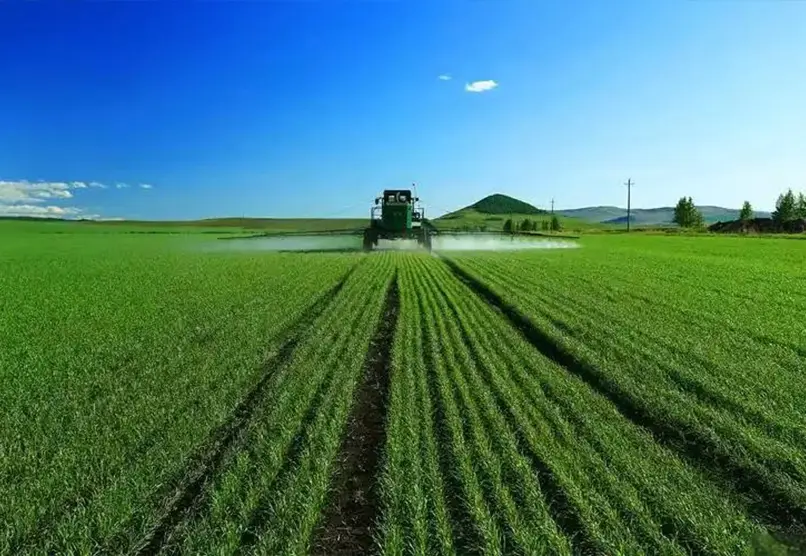
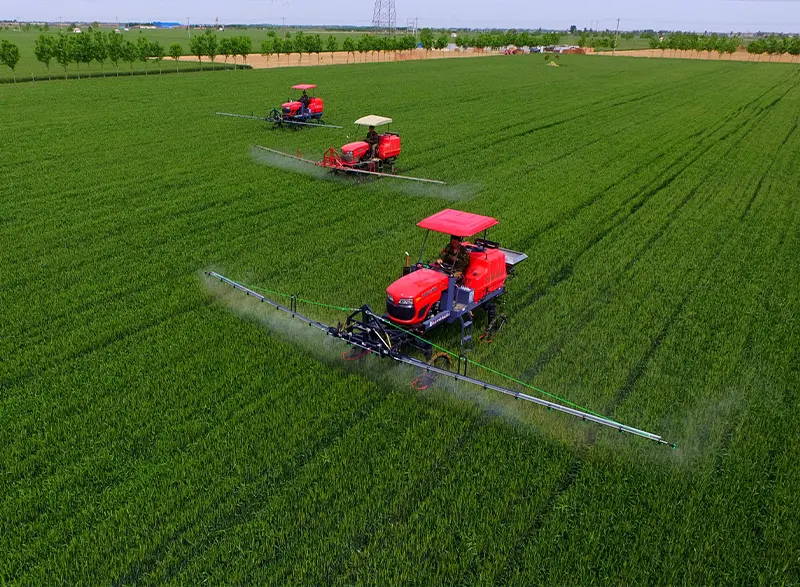
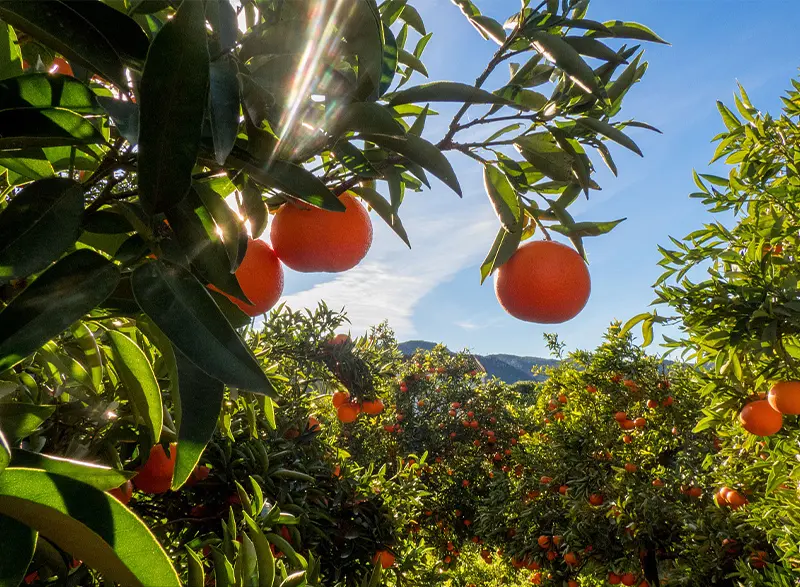
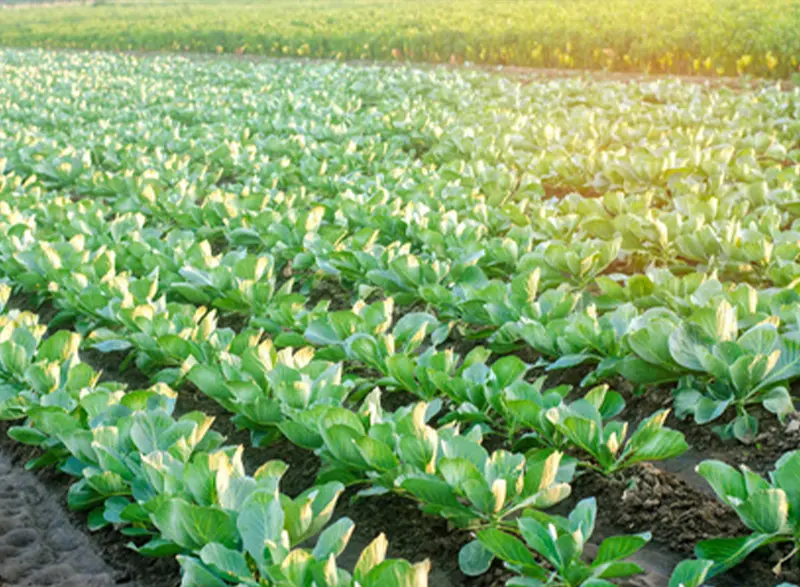
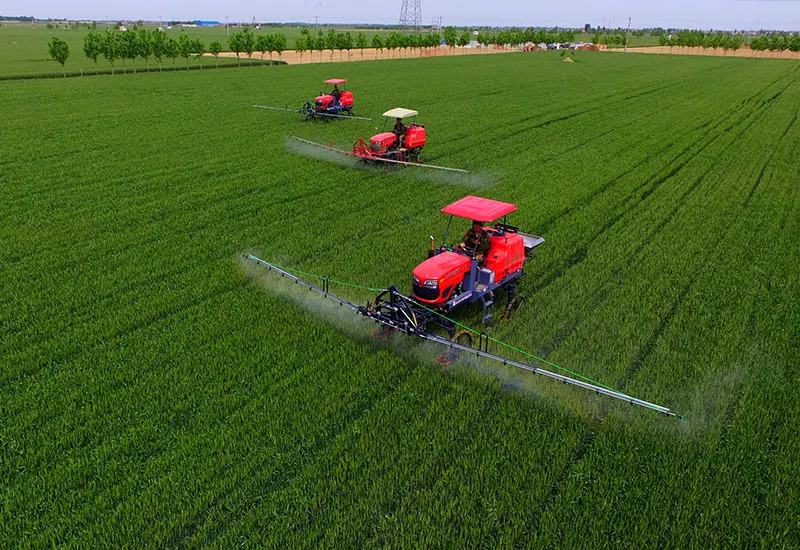
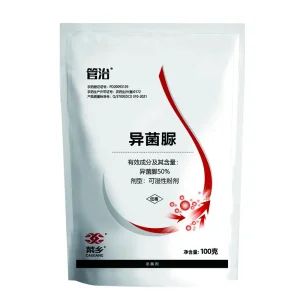
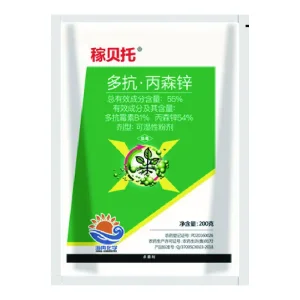
Providing essential raw materials and synthesis intermediates to improve active ingredient stability, wetting properties, and crop absorption efficiency.
Why leading global manufacturers select Shandong Boctok Chemical as their primary source.

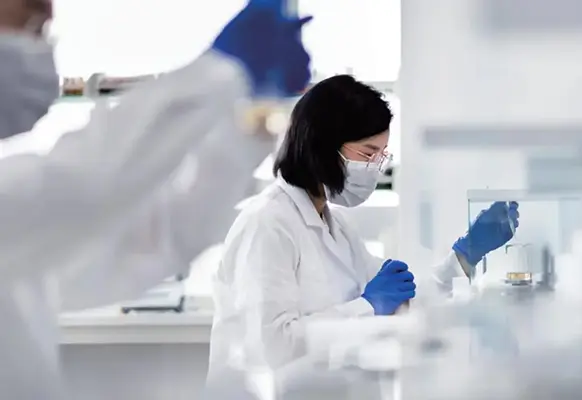
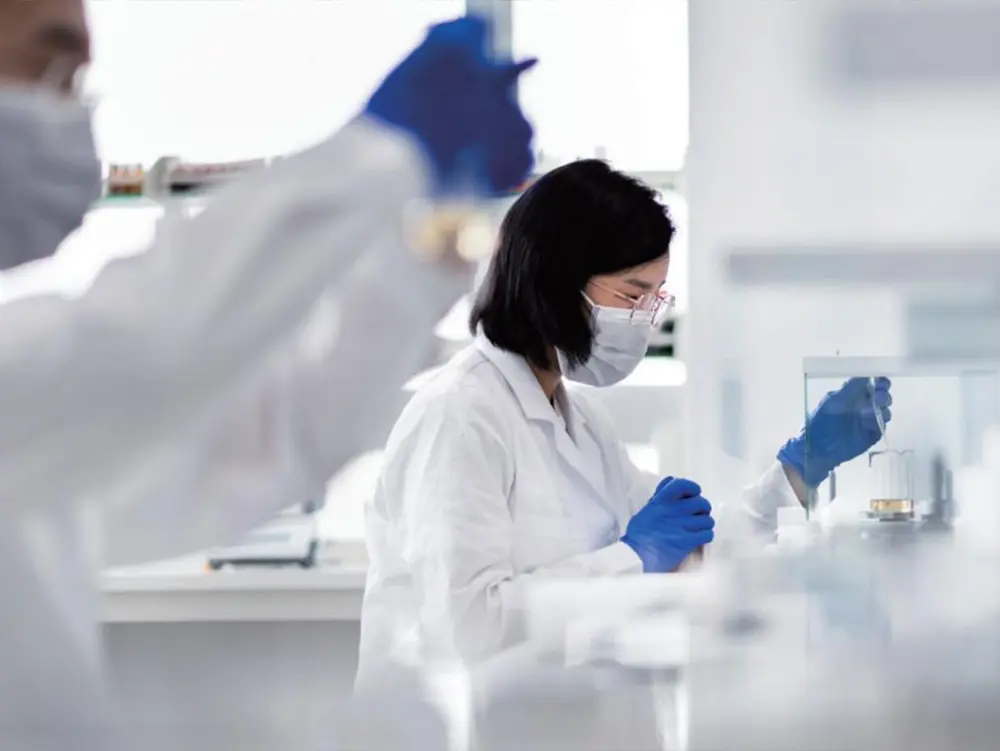
Each batch of our silane and silicone oil is subjected to comprehensive NMR, GC-MS, and viscosity profile testing to assure conformance to strict ISO9001:2015 frameworks.

Equipped with DCS automated reactors producing 30,000 tons of silane coupling agents annually, we handle bulk orders and customized molecular modifications with speed.

Our dedicated chemical engineers are available to troubleshoot adhesion issues, compatibility challenges, and provide custom dosage suggestions for optimal formulations.

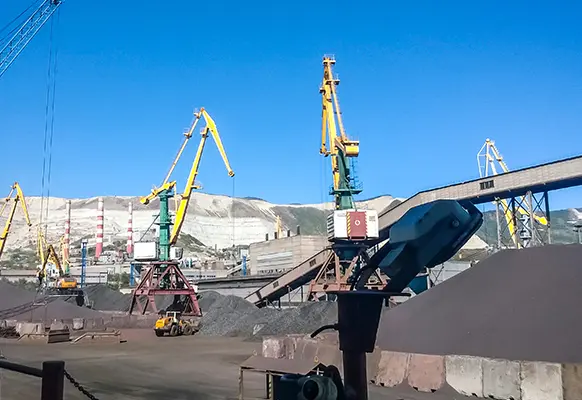
Leveraging deep relationships with SINOPEC logistics networks and specialized global chem-carriers, we secure rapid shipping lanes to major transcontinental ports.
Underpinning our manufacturing with modern automation, security systems, and resource optimization.
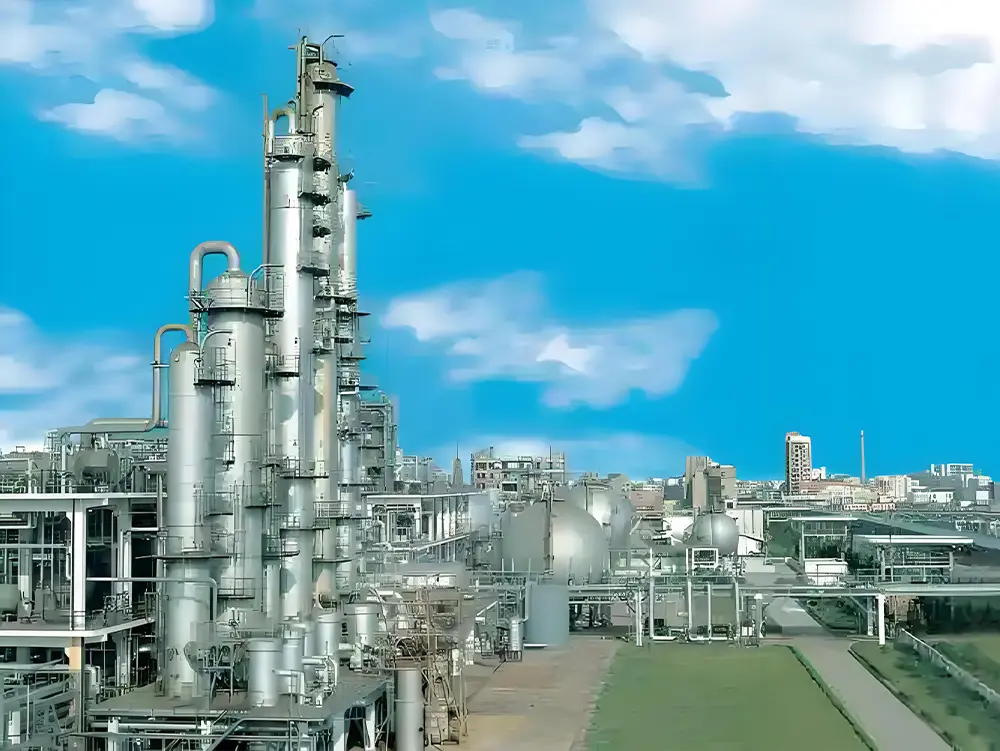
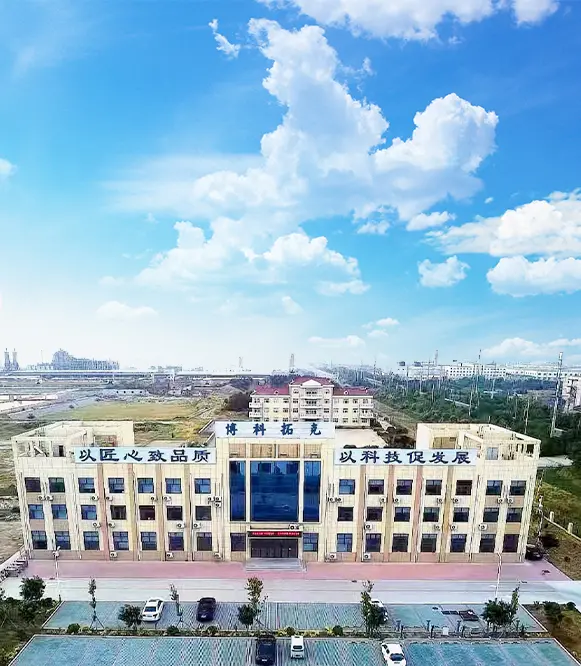
B2B chemical procurement is shifting towards partners who can prove operational reliability and resist macro-economic volatility. Boctok has recently finalized a strategic US$65 million investment in our brand new, state-of-the-art facility located in the Bohai Industrial Park—a premium, government-certified chemical industry zone in Shouguang City, Shandong Province. This complex expands our production chains, implementing 6 fully automated DCS (Distributed Control System) production lines dedicated to delivering an annual output of 30,000 tons of high-purity silane coupling agents.
Pushing limits in molecular engineering to meet future eco-standards and semiconductor requirements.
Traditional silanes release volatile organic compounds (VOCs) like methanol or ethanol upon hydrolysis. Our current R&D pipeline focuses on high-molecular-weight oligomeric silanes and water-borne silane systems that yield zero volatile emissions, helping global clients satisfy increasingly strict REACH and OSHA limits.
As micro-electronic packaging demands higher signal integrity, standard epoxy silanes are being replaced by customized hydrophobic phenylic and fluorinated silanes. These newer agents offer exceptional thermal stability alongside lower dielectric constants (Dk < 2.5 at high frequencies), preventing signal attenuation in ultra-thin circuit boards.
Reducing carbon footprints is a key industry driver. We are piloting synthesis routes that utilize bio-based alcohols and eco-friendly silica sources derived from agricultural processing, integrating sustainable pathways directly into our core silane structures.
Strategic insights for Category Managers, Chemical Engineers, and OEM Buyers.
Global procurement teams in the automotive, electronics, and construction sectors face multiple challenges: fluctuating raw material costs, regulatory compliance issues, and logistics backlogs. Sourcing from Boctok mitigates these vulnerabilities by offering a highly secure supply network. With active operations across key chemical industrial zones in China, we leverage diverse domestic logistics hubs to ensure steady shipments even during regional lockdowns or supply shortages.
Our sales and logistics model is designed for global convenience. We offer various packaging solutions (drums, IBC totes, ISO tanks) to integrate seamlessly with your manufacturing setups. Furthermore, our dedicated lab teams can synthesize custom molecular structures, adjust active ingredients, or tune hydrolysis rates to fit your specific reaction parameters.
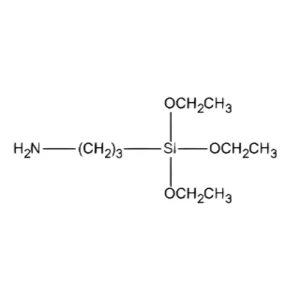
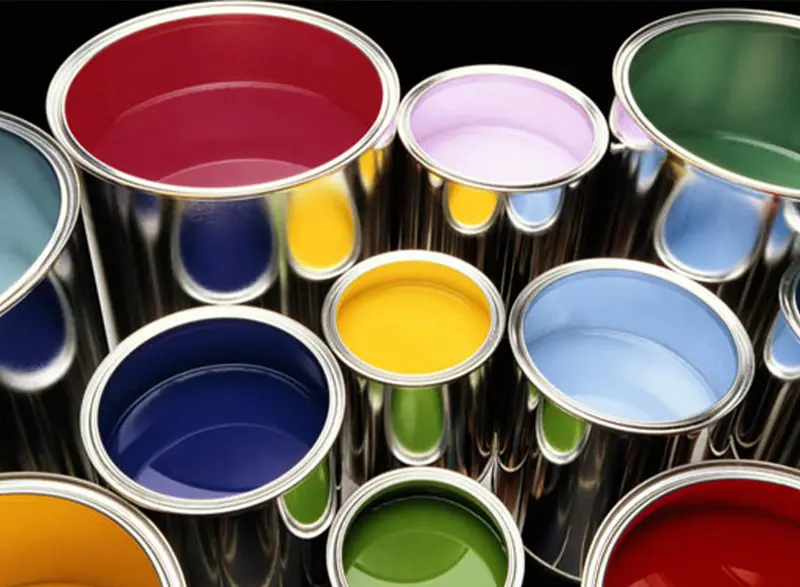
Whether you require bulk CAS 919-30-2 (3-Aminopropyltriethoxysilane), specialty rubber gums like CAS 67762-87-2, or copolymerized resins for durable paints, Boctok provides consistent chemical purity and regulatory clearance to keep your production lines moving forward.
Assuring safe, compliant, and seamless integration into highly regulated chemical markets.
Operating in North America, Europe, Russia, and East Asia requires adherence to complex regulatory frameworks. Boctok maintains a dedicated compliance department ensuring all exports meet international safety standards:
All shipped materials are fully registered or conform to chemical management regulations including EU REACH, US TSCA, Korea REACH, and China’s IECSC. SDS sheets are generated in multiple languages under GHS standards, containing comprehensive toxicological profiles, exposure limits, and transport classifications.
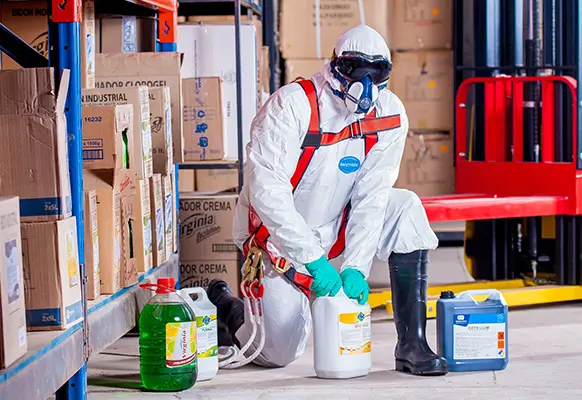
Our Shouguang facility is certified under ISO 14001 (Environmental Management) and ISO 45001 (Occupational Health & Safety). By combining these certifications with our advanced DCS safety controls, we protect both our workforce and surrounding ecosystems.
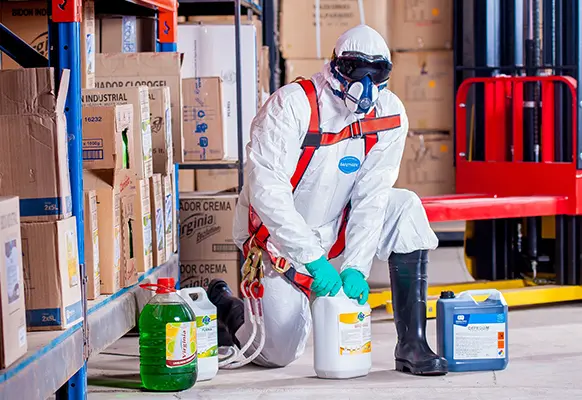
With localized logistics agents and technical engineers across Russia, the CIS, and South America, we provide rapid support for customs clearance, storage compliance, and direct chemical handling at your production sites.
Expert technical answers regarding chemistry, application parameters, and logistics.
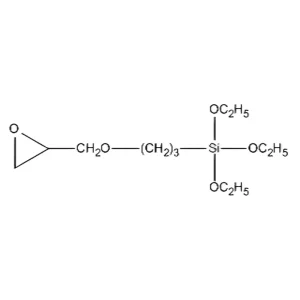
High-purity organic silicones, specialty oils, and epoxy silanes for diverse applications.
 Boctok Chemical