Discover our highly sought-after chemical products, intermediate formulation agents, and organosilicon solutions supplied directly to global buyers.
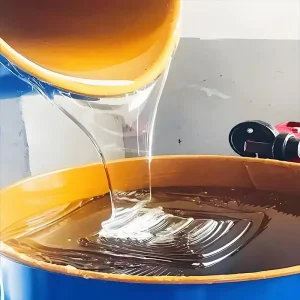
Liquid Silicone Rubber (LSR) has cemented itself as a cornerstone in modern polymer engineering, heralded for its extreme thermal stability, chemical inertness, and outstanding biocompatibility. However, when deployed in challenging settings such as automotive optical matrices, high-intensity LED encapsulation, and high-end consumer electronics, standard LSR faces a common challenge: yellowing. Over time, exposure to ultraviolet (UV) radiation, oxidative atmospheric conditions, and high operating temperatures can degrade polymer chains, inducing discoloration and compromising structural transparency.
To counteract this, the global manufacturing sector has pivoted heavily toward anti-yellowing liquid silicone rubber. Advanced chemical formulations integrate specialized heat-stabilizers, specific vinyl-terminated polydimethylsiloxane backbones, and precise platinum-catalyst control agents to prevent chromatic shift. Our research indicates that utilizing high-purity silane coupling agents and crosslinkers dramatically reduces internal structural impurities that act as catalysts for yellowing under heat or UV exposure.
Yellowing in LSR typically stems from the oxidation of residual platinum catalysts, thermal decomposition of side-chain organic groups, and the degradation of impurities within the silane coupling networks. Anti-yellowing formulations combat this by utilizing transition-metal passivators, vinyl silicone resins (such as high-peel strength MQ resins) to increase crosslinking density, and steric hindered amine light stabilizers (HALS). This configuration ensures the polymer maintains over 95% optical transmission even after 1,000 hours of continuous UV and thermal aging tests.
Achieving superior anti-yellowing performance is not merely a matter of post-treatment; it relies heavily on the quality of base silicone polymers and organosilicon crosslinkers. The integration of high-hydrogen silicone oil, vinyl silicone oil (such as CAS 26710-23-6), and premium silane coupling agents creates a highly uniform molecular grid. By reducing unreacted hydroxyl groups and controlling the stoichiometric ratio of hydrogen-to-vinyl groups, manufacturers can inhibit the formation of chromophoric systems under environmental stress.
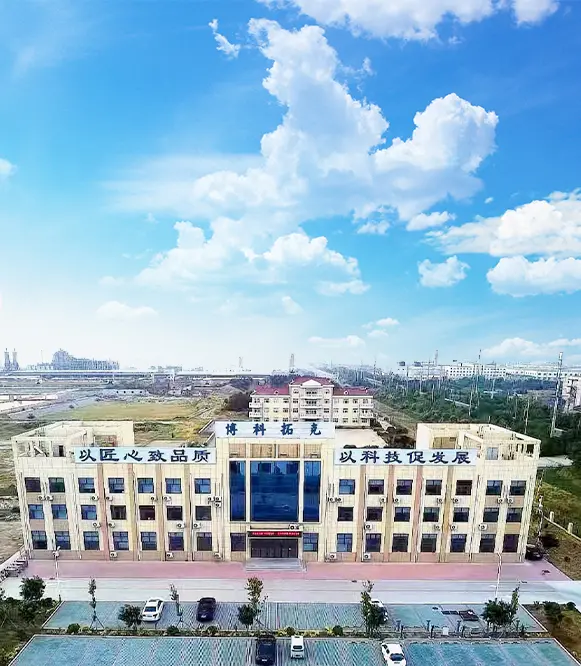
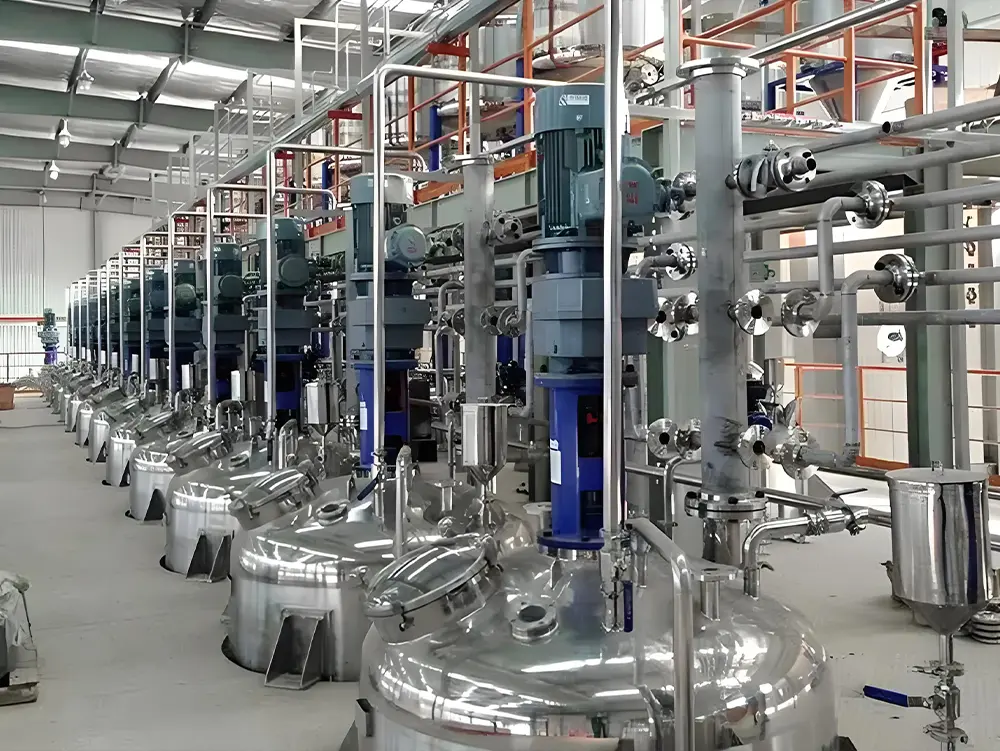
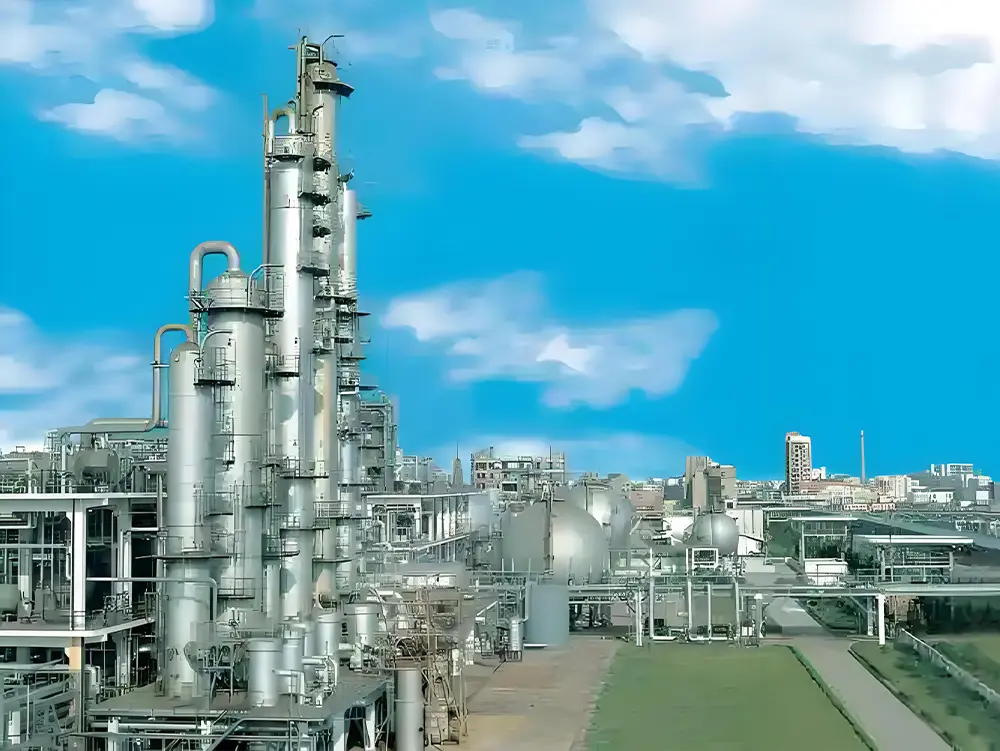
Under the stewardship of Shandong Boctok Chemical Co., our manufacturing processes align with the most stringent industrial quality requirements. Our facility in Bohai Industrial Park, Shouguang City, represents a significant $65 million infrastructure upgrade, integrating 6 state-of-the-art automated DCS (Distributed Control System) production lines. With an annual capacity of 30,000 tons of silane coupling agents, we ensure a highly stable supply of essential components required for anti-yellowing rubber synthesis globally.
By coupling safety instrument systems (SIS) with ISO9001 standard management protocols, our silicone polymers, ranging from aminosilane to MQ vinyl resin, deliver consistent, high-purity properties. This consistency translates to minimal raw-material variability, allowing downstream LSR compounders to produce reliable, high-transmission materials without unpredictable chemical shifts.
Global procurement teams in the automotive, medical, and electronics industries face rising raw material costs and fluctuating logistics. Sourcing high-grade anti-yellowing LSR from Chinese manufacturers offers a strategic balance of cost-efficiency and technical customization. Due to the high vertical integration of China's chemical supply chain—from raw silica mining and silicon metal processing down to synthesized silicone monomer production—Chinese factories are uniquely positioned to offer cost-effective, bulk-produced materials without sacrificing structural integrity.
Moreover, the integration of multi-faceted production centers allows companies like Shandong Boctok Chemical Co. to coordinate a dual-track business model. While we produce primary organosilicons, we leverage investments in hydrocarbon (petroleum) resins to supply auxiliary coatings and adhesive manufacturing systems. This comprehensive material synthesis capability enables us to serve diverse global markets including Europe, North America, Japan, Australia, and Russia, building deep-rooted supply relationships that enhance our clients' final product value.
Our commitment to quality engineering, safety control, and optimized logistics guarantees supply chain reliability.
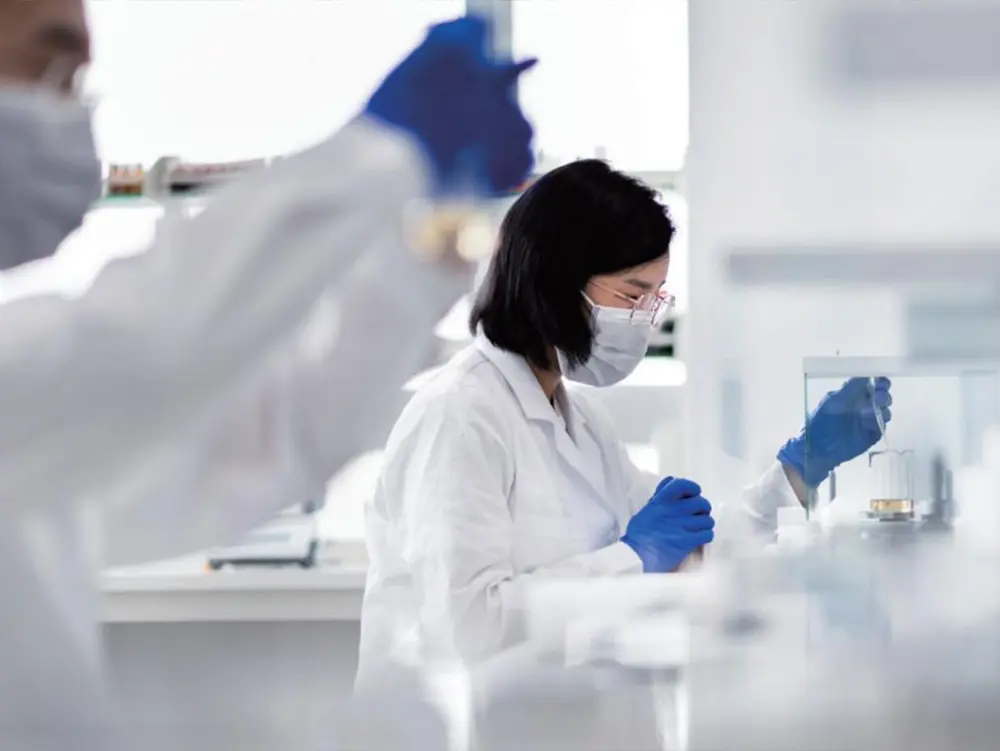
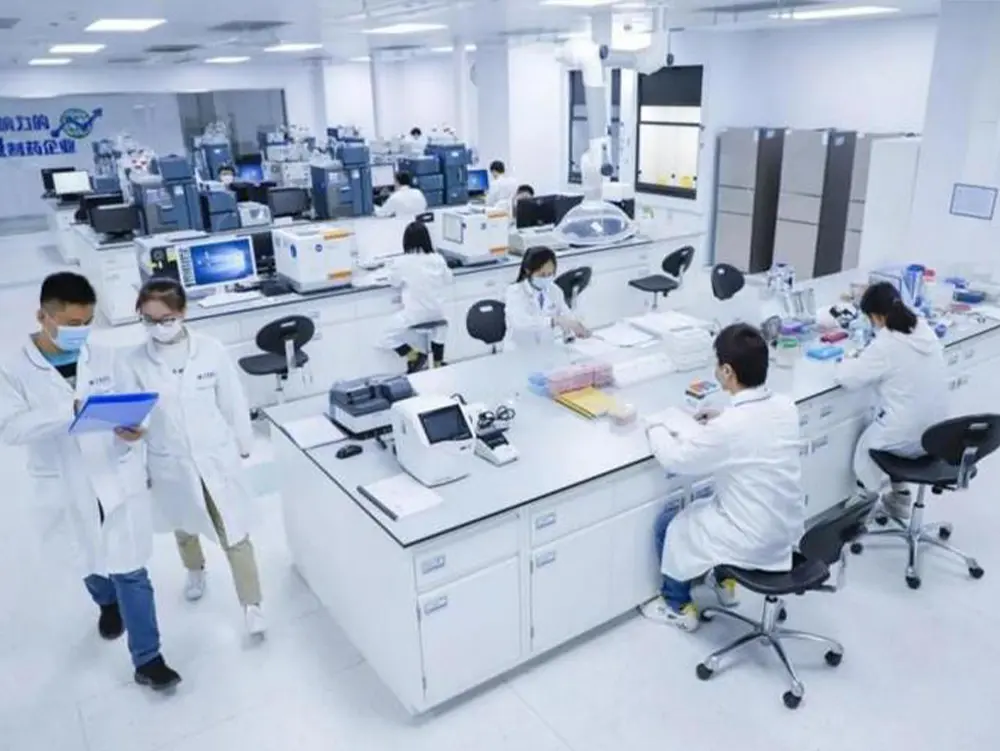
Our products undergo multiple testing phases, including chromatographical analysis, spectrophotometric yellowness indexing, and thermal stress tests, guaranteeing compliance with high-performance end-use requirements.
Leveraging remote Distributed Control Systems (DCS) and integrated Safety Instrument Systems (SIS), our plants achieve higher chemical batch consistency and raw material conversion efficiency.
Our technical sales engineering teams provide round-the-clock service, helping clients optimize their rubber formulation matrices and resolve crosslinking issues in real-time.
Located in Shandong Province, adjacent to deepwater ports, our supply chain ensures timely export processing, secure bulk container packaging, and rapid international transit schedules.
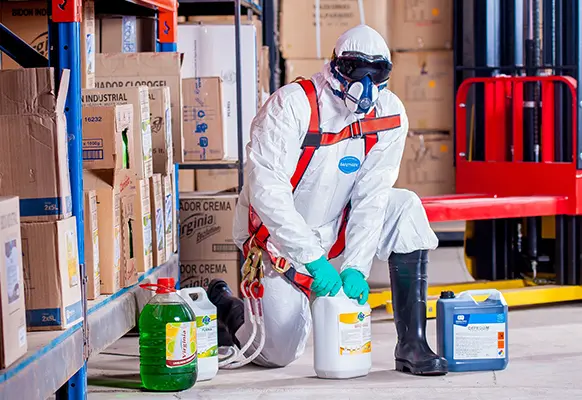
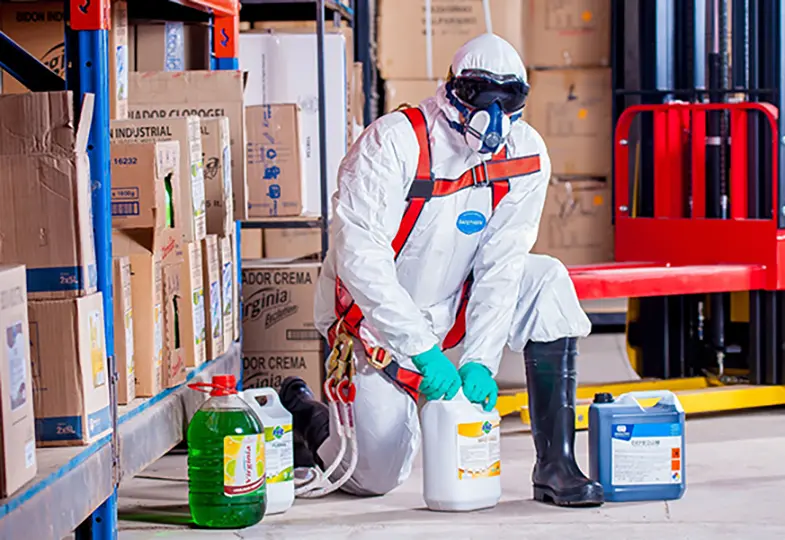
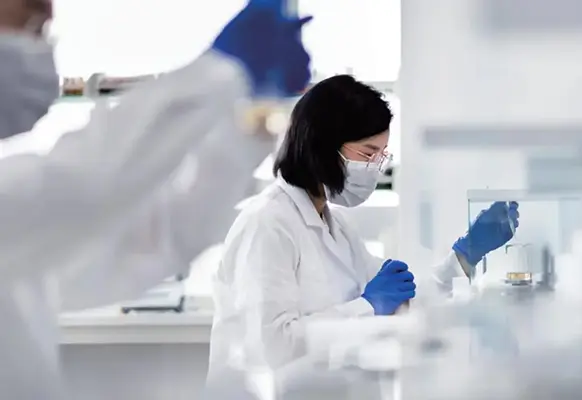
Visualizing our modern manufacturing lines, high-purity warehouse operations, and quality testing labs.
Our product applications span across high-durability coatings, agricultural protectors, and high-performance elastomers.
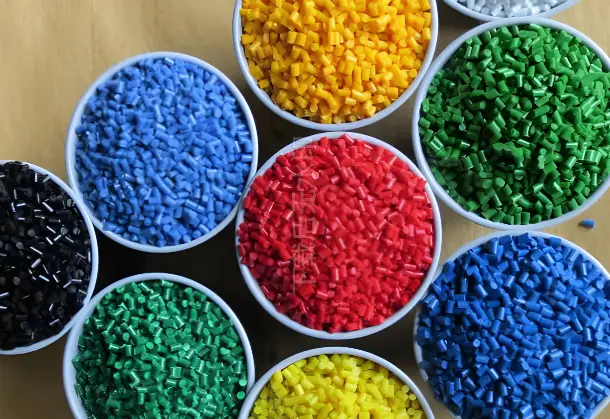
Demonstrating how our primary chemicals and performance rubbers integrate into multi-market applications.
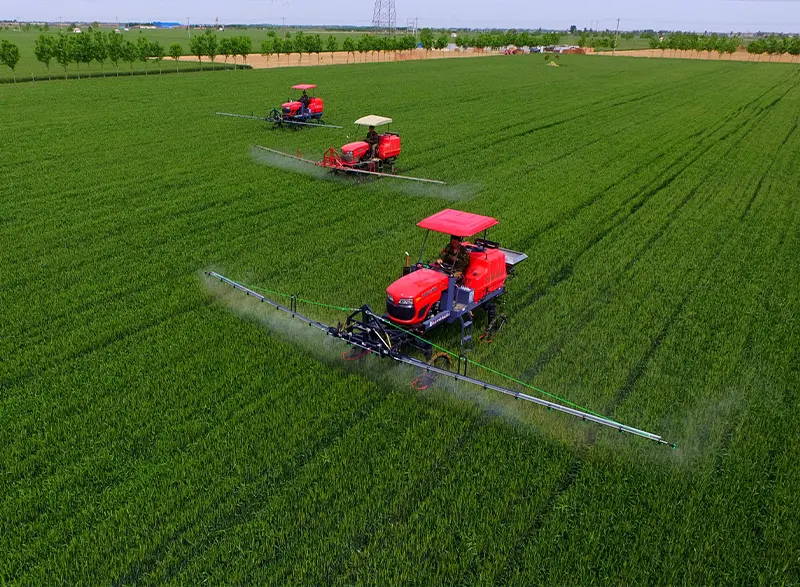
Maximizing nutrient absorption and delivery networks through optimized organosilicon wetting agents.
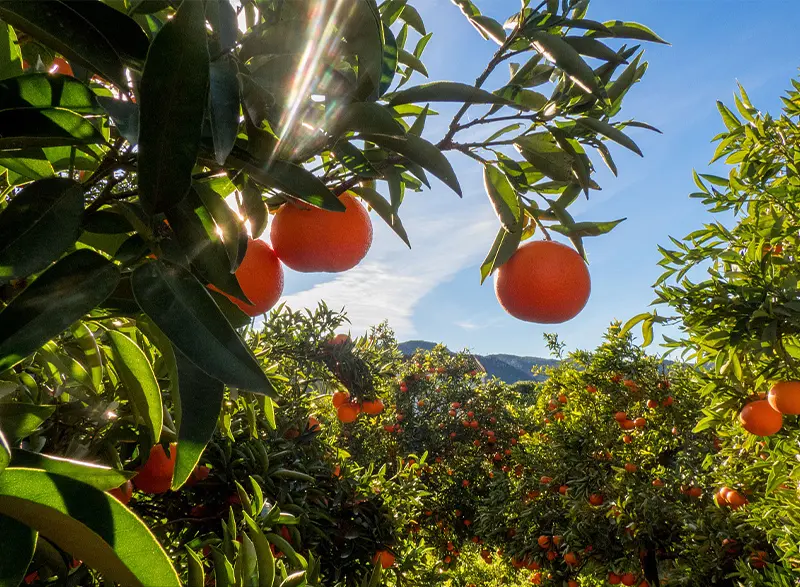
Targeted protective formulations designed to protect fruits from mold, fungi, and insect infestations.

Gentle yet highly effective regulatory agents designed for horticulture and ornamental plant protection.

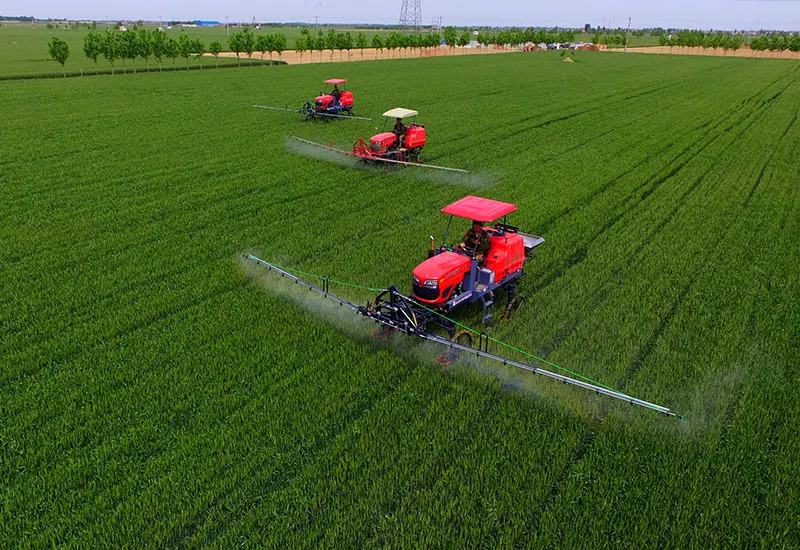
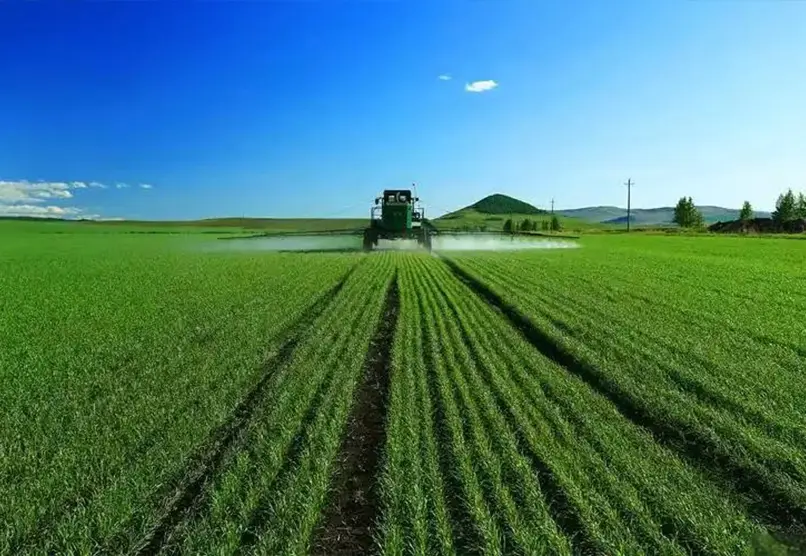
Broad-scale herbicide and pesticide systems optimized for high-yield food crops.

Bio-friendly agrochemical treatments featuring low residual toxicity profiles.
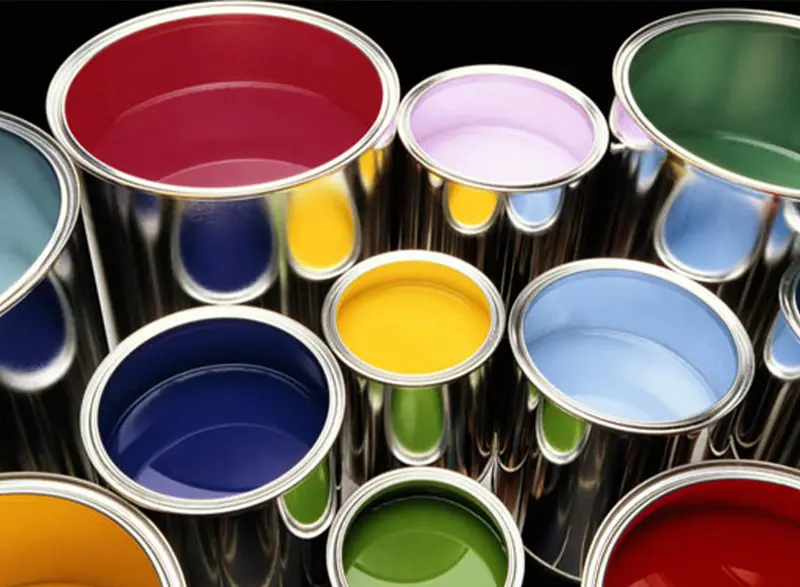
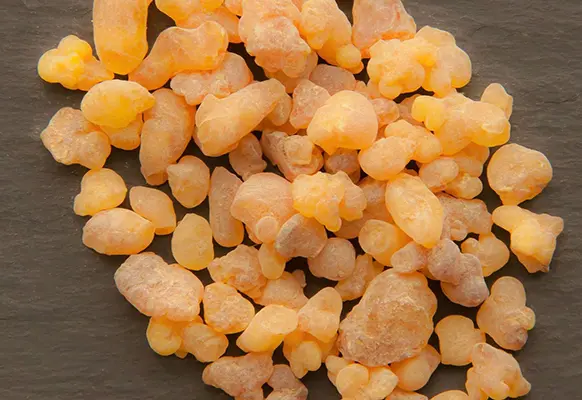
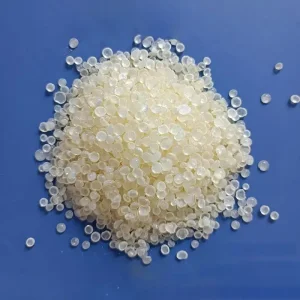
Using hydrocarbon resins to improve adhesion, gloss, and water resistance in protective paints.
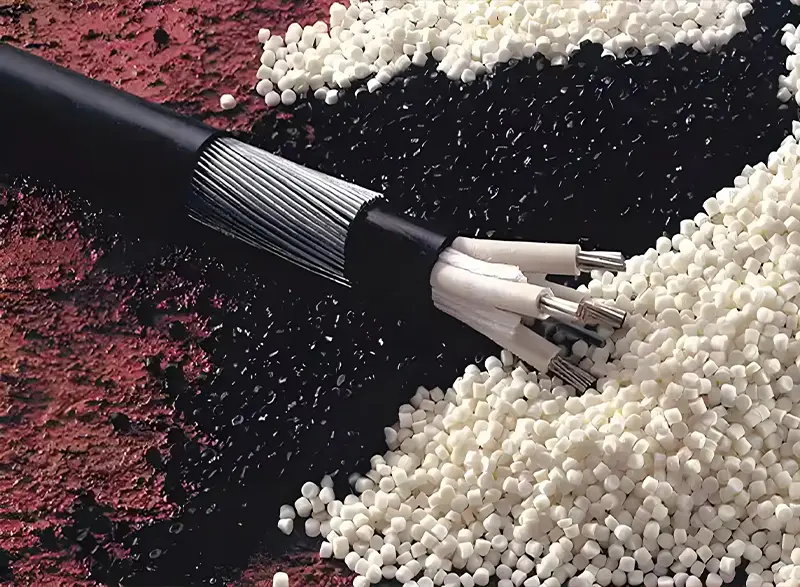
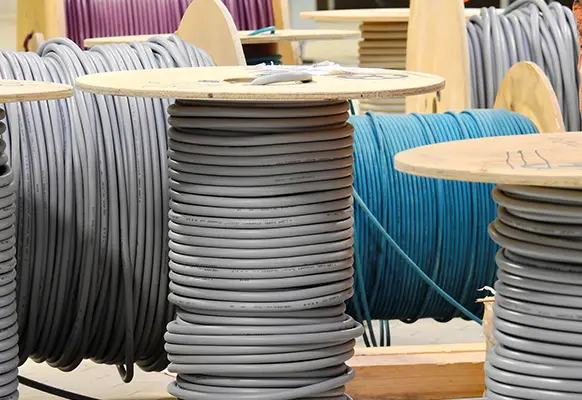
Delivering high dielectric strength and flame-retardant silicone matrices for critical power transmission.
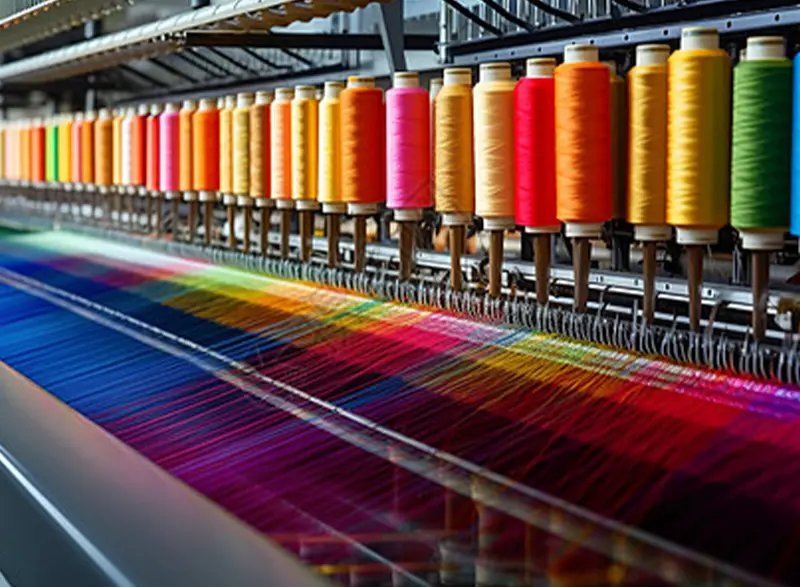
Providing durable soft-touch feel and high water repellency in high-performance synthetic fabrics.
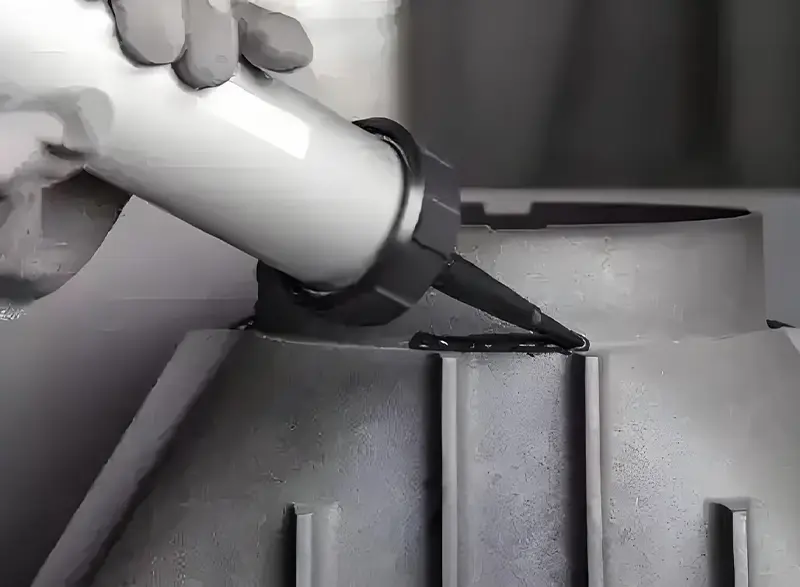
Formulating high-tack, heat-resistant sealants for automotive glass and electronic assemblies.
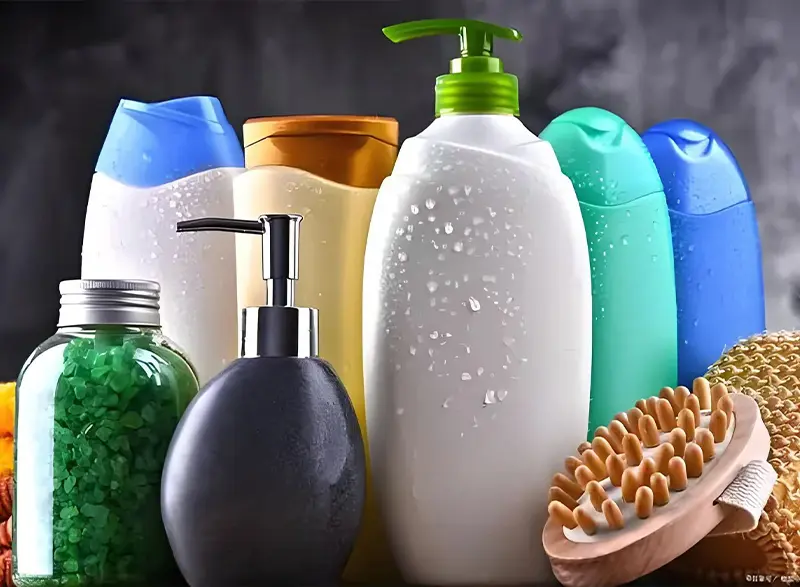
Delivering sensory modification and film-forming capabilities to personal care and cosmetic creams.
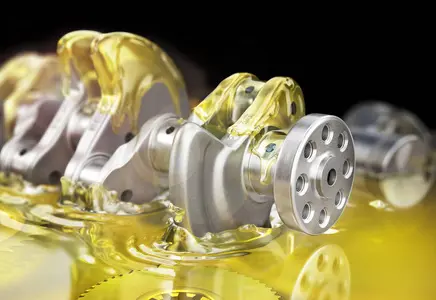
From heavy wind turbines to delicate medical-grade elastomers, discover where our specialty compounds excel.


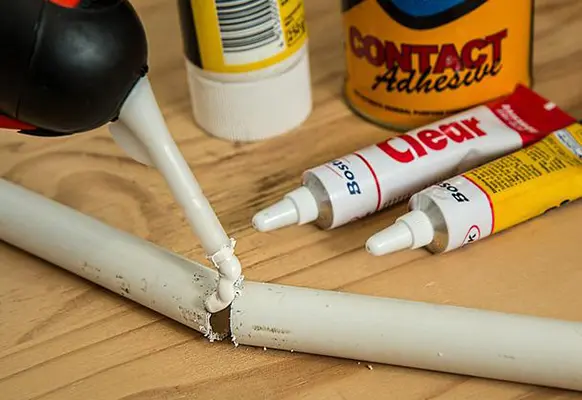
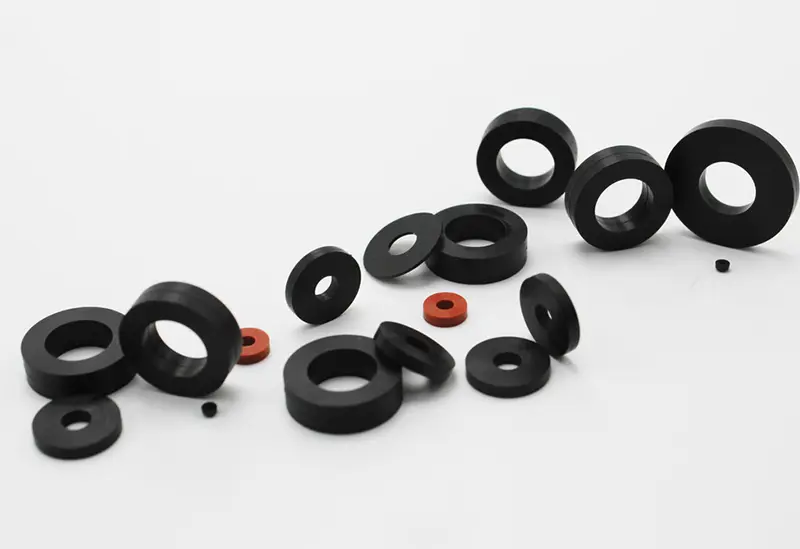









Key technical queries resolved by our senior silicone chemistry research and development team.
Providing industrial silane crosslinkers, raw polymers, and specialized adhesives for global enterprises.
 Boctok Chemical
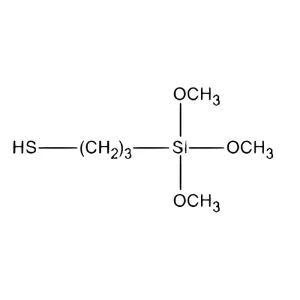
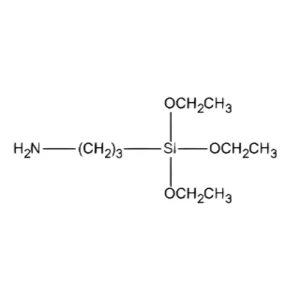
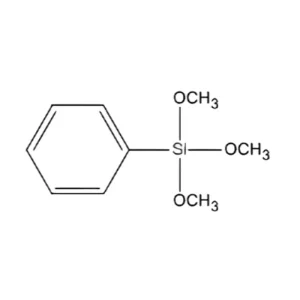
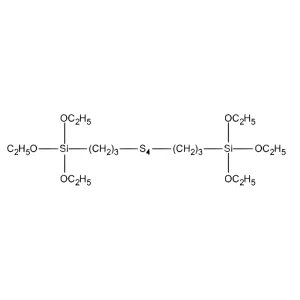
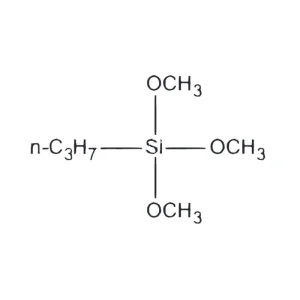
![Bis-[3-(trimethoxysilyl)-propyl]amine CAS 82985-35-1](https://site.cdnfile.io/www.boctoksilicone.com/b7a8c47713f462756c9e61cb65cea17f300_300.webp)
![Bis-[3-(triethoxysilyl)-propyl]amine CAS 13497-18-2](https://site.cdnfile.io/www.boctoksilicone.com/837bedcc9470a3ee1f202feb49d8ce69300_300.webp)