Precision-engineered silicone polymers matching Japanese industrial compliance and raw purity requirements.
Understanding regional constraints, global supply networks, and the role of high-tier chemical manufacturers.
Osaka, as the commercial and industrial beating heart of the Kansai region in Japan, has long been a hub for metallurgical, electronic, and high-performance chemical manufacturing. Sourcing managers and procurement engineers in Sakai, Higashiosaka, and Yodogawa consistently face the challenge of sourcing high-purity siloxanes, room temperature vulcanizing (RTV) polymers, and custom compounding matrices that align with domestic environmental laws and precise thermal-conductivity indexes.
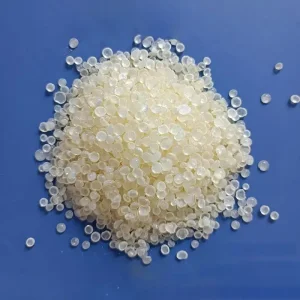
While Japanese domestic production lines offer remarkable precision, global procurement frameworks require strategic partnerships with cost-efficient chemical manufacturers. High-volume silicone gums, such as Methyl Silicone Vinyl Gum (CAS 67762-87-2) and Phenylsilicone Rubber (PVMQ), must be sourced from high-capacity plants capable of maintaining quality consistency under automated DCS-controlled systems to satisfy high-throughput Osaka assembly lines.
To address the stringent demands of global markets including North America, Europe, and the highly specialized industrial belts of Osaka, Japan, and South Korea, Shandong Boctok Chemical Co. has leveraged advanced manufacturing bases in mainland China. Founded in 2012, Boctok achieved sales of US$280 million in 2023, expanding its footprint across Eastern Europe, Russia, and key industrial zones in Japan.
By coupling raw material reserves with optimized logistics and rigorous ISO9001 compliance, Boctok provides Osaka-based compounding factories with reliable silicone intermediates. Our three operating hydrocarbon resin factories (Zibo, Fushun, Nanjing) capitalize on stable feedstock from SINOPEC and PetroChina, delivering uniform C5/C9 hydrocarbon resins and high-hydrogen silicone fluids crucial for localized sealant formulations.
Shandong Boctok Chemical Co. was founded in 2012 as a marketing and sales center for Boctok™ domestic and overseas businesses and achieved sales of US$280 million in 2023. The BOCTOK brand specializes in serving the Russian market.
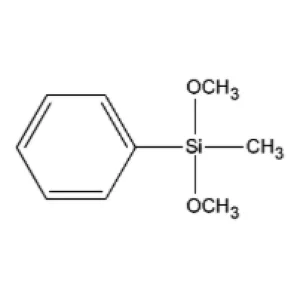
Boctok has three main product categories, the first core business of organosilicone covers twelve series of silane coupling agents and crosslinkers, including aminosilane, methacrylate silane, epoxy silane, vinyl silane, mercaptosilane, alkyl silane, ethyl silicate, chlorosilane, silane isocyanates, phenyl silane, ureidosilane and serosilane.
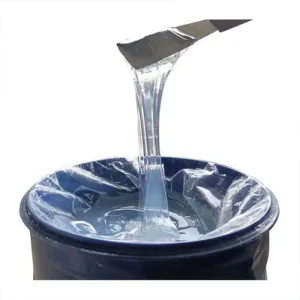
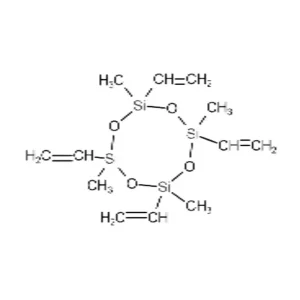
Boctok also focuses on silicon oil, silicon resin, and silicon rubber, covering high-hydrogen silicone oil, dimethicone, vinyl silicone oil, polyphenylmethyldimethylsiloxane, phenyl silicone oil, silanol silicone oil and OH polymer, alkoxy silicone oil, methyl MQ resin, vinyl VMQ resin, room-temperature vulcanized methyl silicone rubber, 110 methyl vinyl silicone rubber, 120 methyl phenyl rubber. They are widely used in glass fiber, electronics, wind energy, daily necessities, chemical industry, coatings, adhesives, XLPE electric cables and hot water pipes, oil field drilling, textiles, rubber and molding, etc. to improve the quality and performance of the applied products.
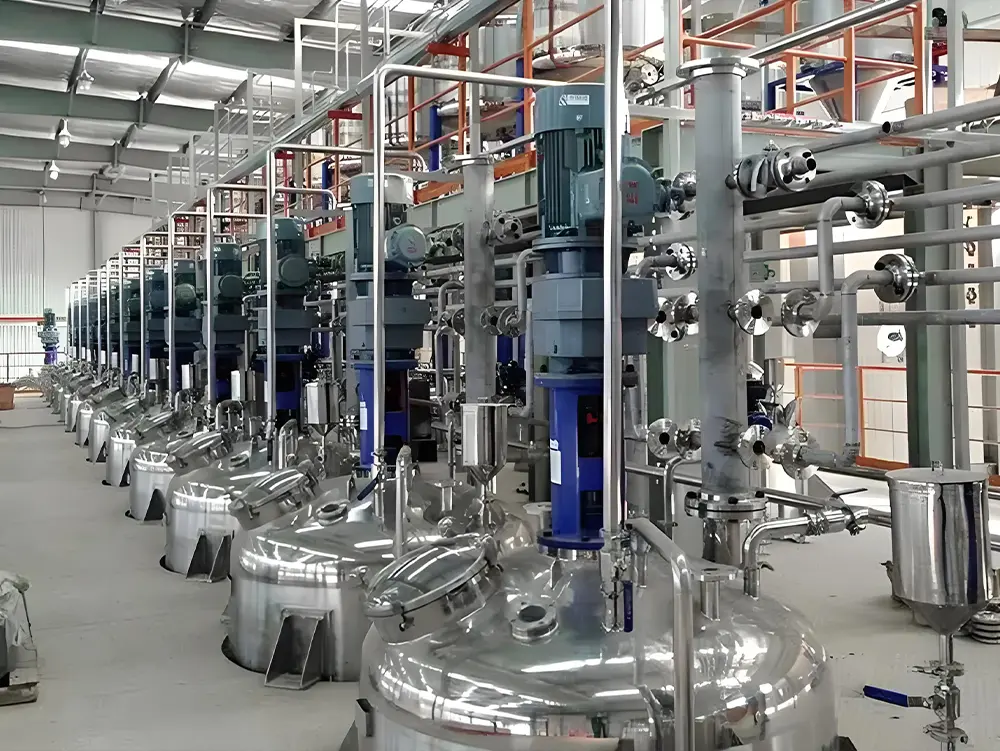
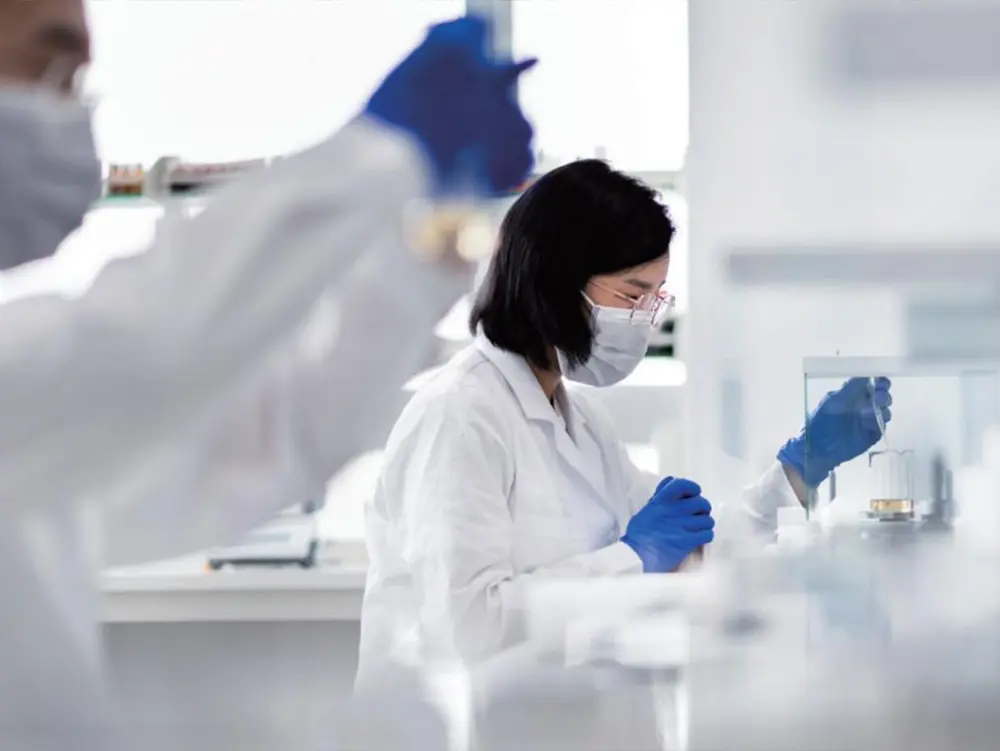
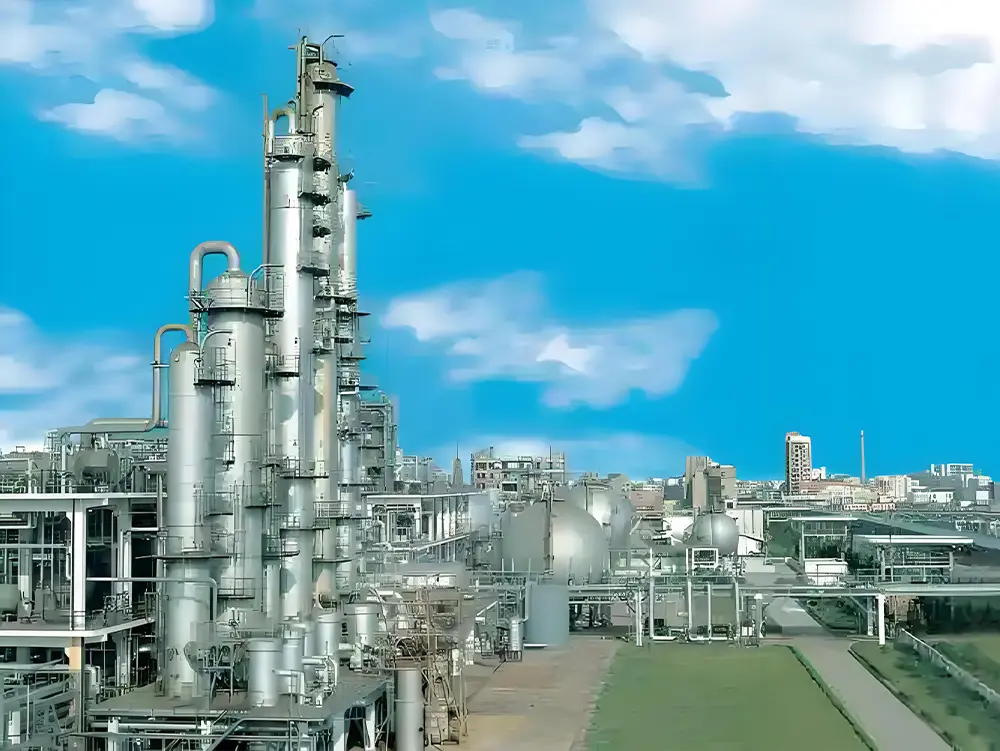
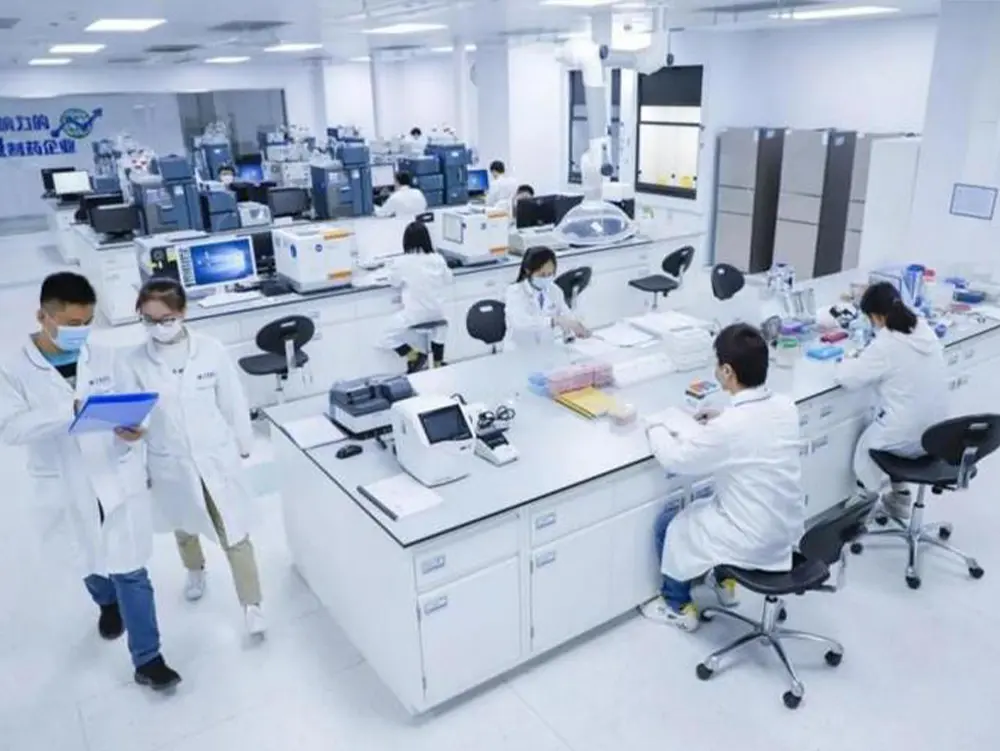
Boctok's Tier II core business is petroleum resins. We have invested in a key hydrocarbon resin manufacturer in China. We currently have three operating hydrocarbon resin factories located in Zibo, Fushun, and Nanjing. Taking advantage of reliable and abundant raw materials from SINOPEC and PetroChina, our advanced production facilities, and our decades of marketing experience, our products are widely used by customers, including many Fortune 500 companies, in both domestic and overseas markets.
These products include C9 hydrogenated resins, C5 hydrocarbon resins, C5 modified C9 hydrocarbon resins, C9 hydrocarbon resins, dicyclopentadiene, and methyl cyclopentadiene dimer.
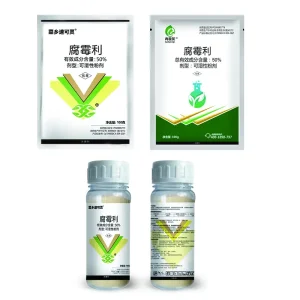
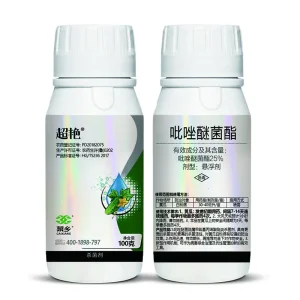
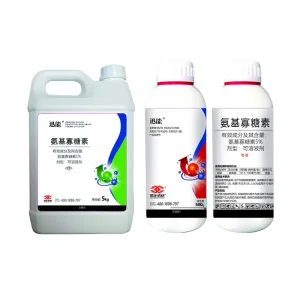
Additionally, Boctok focuses on the agrochemical industry. It produces intermediates and raw materials for the production of pesticides, fungicides, insecticides, seed treatments, herbicides, plant growth regulators, and more.
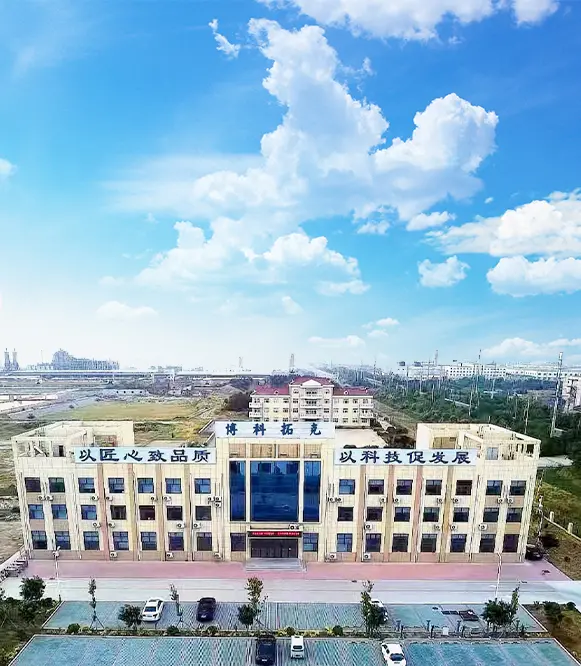
Boctok recently invested US$65 million to build a new plant located in Bohai Industrial Park, a provincial chemical industry park in Shouguang City, Shandong Province, to expand the production chain of silane coupling agents. This state-of-the-art site contains 6 automatic DCS production lines with an annual output of 30,000 tons of silane coupling agents.
Why Osaka and global procurement teams select Boctok Chemical as a key supply partner.

Our products undergo rigorous testing to ensure that every aspect meets the highest quality standards, exceeding Japanese automotive and component specifications.

We have advanced production lines that allow us to effectively expand production capacity and meet the demand for mass customization and bulk shipments.

Our professional technical support and sales teams are available 24 hours a day to provide attentive service and solve your complex compounding questions.

An optimized logistics system ensures fast order processing and timely delivery directly to Osaka port and Kansai area distribution depots.
Delivering optimized polymers, resins, and agricultural compounds to critical industrial sectors.
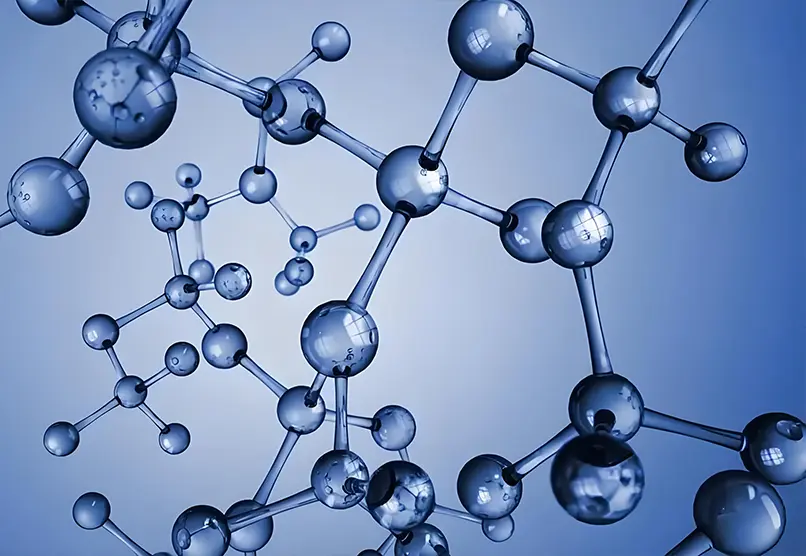
From organosilicon resins to hydrocarbon resins, driving material innovations globally.

Providing custom intermediates and surfactants to improve crop yields and stability.
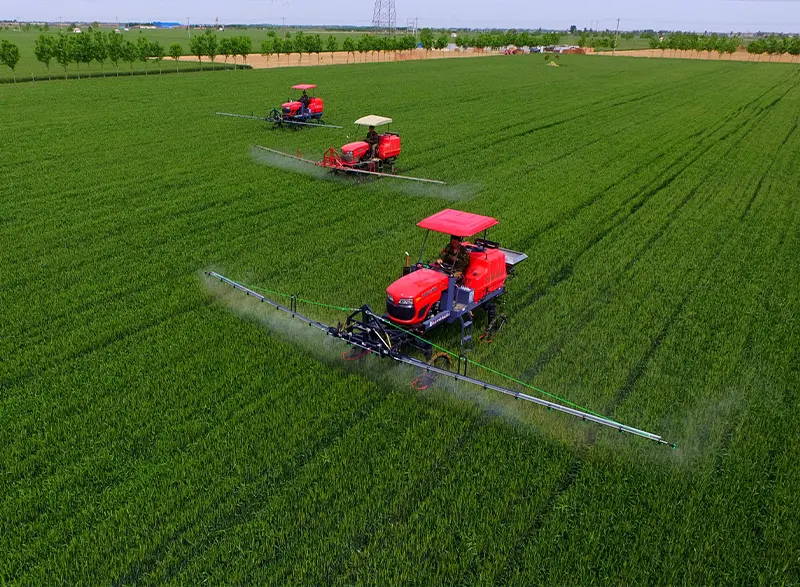
Delivering raw formulations specifically targeted for flora and agricultural crops.


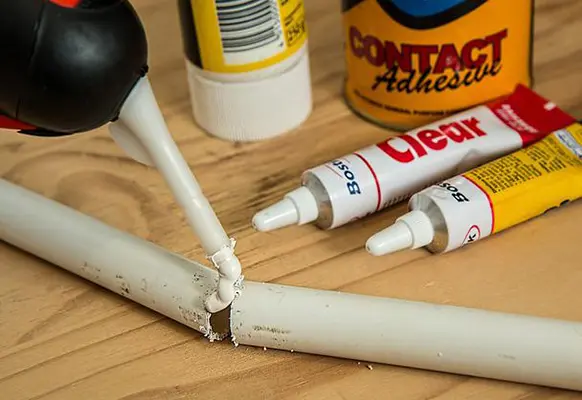

How modern factories are responding to changing environmental demands and high-performance requirements.
Industrial demands in the Kansai area are pivoting toward Liquid Silicone Rubbers (LSR) and Fluorosilicones due to their superior chemical resistance and high-temperature performance in next-generation electric vehicle (EV) battery packs. By introducing phenyl groups into the vinyl polysiloxane chain (yielding PVMQ rubbers like the Y-120 series), manufacturers can achieve operational flexibility at extreme cold (-100°C) and hot (+300°C) boundaries, a key specification for aerospace and specialized heavy machinery parts made in Osaka.
Regulatory alignment with international standards has led to the phased replacement of heavy-metal catalysts and high-VOC crosslinkers. The market is shifting to silane coupling agents that utilize precise alkoxysilane chemistry, minimizing methanol and ethanol emissions during curing. Boctok’s state-of-the-art DCS automation allows for strict control over free silanol concentrations, ensuring stable storage lives for final industrial adhesives.
Industrial chemical manufacturing is no longer just about blending ingredients; it relies heavily on process safety and quality repeatability. With our recent US$65 million investment in Bohai Industrial Park, Boctok Chemical operates 6 DCS-controlled automated production lines. Real-time sensor networks and automated safety interlocks (SIS) prevent temperature and pressure spikes during delicate condensation polymerization stages, assuring that every batch of siloxane meets the high standards required by Japanese partners.
As microprocessors and power transistors shrink, high-conductivity silicone rubber pads filled with alumina or boron nitride are in extreme demand. High-purity vinyl siloxane polymers serve as the matrix base for these advanced TIMs.
Complete listing of high-quality formulations, chemical intermediates, and specialized additives. Click to view specifics.
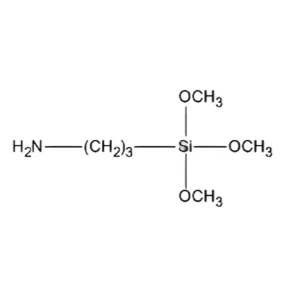
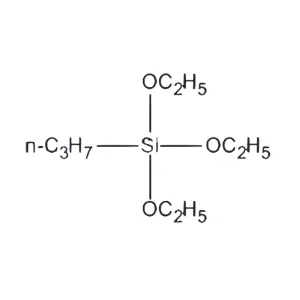
Critical knowledge answers for chemical distributors, procurement specialists, and compounding engineers.
Whether you require customized packaging, specialized viscosity values, or high-hydrogen siloxanes sent directly to your Osaka production facilities, Boctok provides premium technical alignment.
Send Inquiry Now Boctok Chemical