Advanced organofunctional monomers designed to meet the strict technical standards of Tokyo, Osaka, and Kyushu technology hubs.
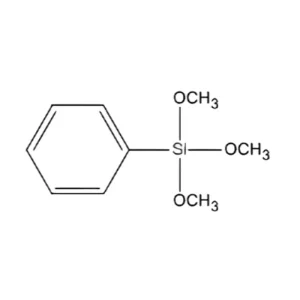
Essential adhesion promoter and hydrophobic modifier for electronic packaging resins and silicone rubbers.
View Details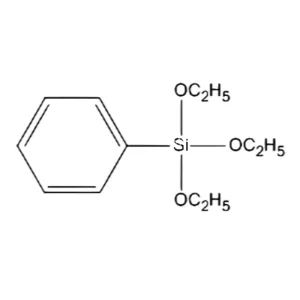
Exceptional thermal stability with clean ethanol release, matching METI safety and eco-compliance profiles.
View Details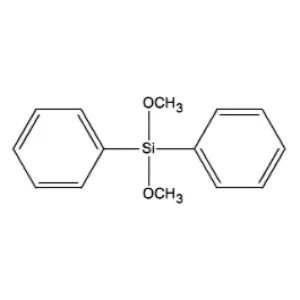
Ultra-pure stereospecific electron donor utilized heavily in polymerization processes within Japanese chemical plants.
View Details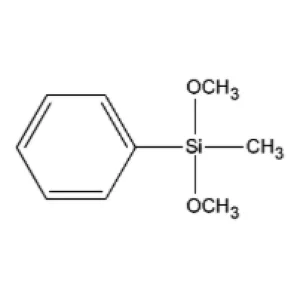
Excellent structural block builder for heat-resistant silicone resins and high-grade copolymer synthesis.
View DetailsNavigating high-tech demand, environmental mandates, and domestic manufacturing structural shifts.
Japanese industrial units are systematically shifting from methoxy-based coupling agents to ethoxy-based alternatives. Ethoxy silanes release ethanol upon hydrolysis instead of toxic methanol, aligning perfectly with Japan’s Ministry of Health, Labour and Welfare (MHLW) guidelines for workplace air safety and worker protection. This safety preference dominates current design parameters in local automotive, textile, and electronics assembly lines.
Kyushu ("Silicon Island"), Tohoku, and Kanto manufacturing clusters require extremely low trace metal content (often parts-per-billion level) for encapsulation materials, photoresists, and low-k dielectrics. Phenyl silanes and high-purity ethoxy silanes provide key crosslinking bridges. Concurrently, the rise of Japanese electric vehicles (EVs) demands high-performance thermal interface materials (TIMs) containing customized silicone oils.
To import or manufacture chemical substances in Japan, strict compliance with the Chemical Substances Control Law (CSCL or Kaseihin) and the Industrial Safety and Health Law (ISHL) is non-negotiable. Importers require complete ENCS (Existing and New Chemical Substances) number tracing and exact safety data sheet (SDS) compliance formatted in Japanese, presenting a high administrative barrier that only sophisticated global supply partners can meet.
Understanding hydrolysis rates, volatile organic compound (VOC) generation, and steric hindrance in surface treatment applications.
Alkoxy silanes undergo a two-step reaction mechanism to bond organic polymers to inorganic substrates: hydrolysis (replacing alkoxy groups with silanol Si-OH groups) and condensation (forming siloxane Si-O-Si bonds). While methoxy groups hydrolysis proceeds at a faster rate due to lower steric hindrance, they release toxic methanol. In contrast, ethoxy silanes (hydrolyzed to release ethanol) offer a slower, more controllable reaction rate, which is critical for uniform thin-film coatings, glass fiber finishing, and dental coupling formulations favored by Japanese processing plants.
| Parameter | Methoxy Silanes (-OCH3) | Ethoxy Silanes (-OCH2CH3) | Significance to Japanese Clients |
|---|---|---|---|
| Hydrolysis Rate | Fast (10x compared to Ethoxy) | Moderate, controlled | Prevents premature gelation in humid environments. |
| Byproduct Toxicity | Methanol (Highly Toxic, VOC) | Ethanol (Low Toxicity, Safe) | Complies with MHLW indoor air quality and workspace safety rules. |
| Boiling Point of Monomer | Lower | Higher | Reduced flash points improve fire safety protocols in storage facilities. |
| Condensation Density | Dense and brittle polymer matrix | Flexible, uniform distribution | Better impact strength and toughness in glass fiber reinforced plastics. |
Advancements in synthesis pathways to achieve chlorine-free silanes (Cl < 5ppm), reducing risk of micro-corrosion in next-generation high-density semiconductor packaging (3D-IC and chiplets).
Sourcing alcohol components from bio-derived ethanol to reduce carbon footprints, helping Japanese downstream customers hit Scope 3 decarbonization targets.
Formulating ready-to-use oligomeric silanes that exhibit multi-functional properties (e.g., amine and vinyl combinations) for advanced water-borne protective coatings.
Engineered chemical interfaces designed to enhance durability, structural performance, and chemical stability.
The incorporation of Bis(3-triethoxysilylpropyl) tetrasulfide (CAS 40372-72-3) into silica-reinforced rubber tires significantly lowers rolling resistance and increases fuel efficiency. For structural composites used in EVs, vinyl and amino-functional ethoxy silanes provide robust coupling between carbon/glass fibers and resin matrices, reducing structural weight without sacrificing tensile strength.
Epoxy and phenyl silanes act as structural crosslinkers in epoxy molding compounds (EMC) for semiconductors. By modifying silica filler surfaces, they lower formulation viscosity, allowing for higher loading of thermal dissipation fillers. This provides critical protection against humidity, thermal cycling fatigue, and structural delamination.
Japanese infrastructure, exposed to coastal salinity and high precipitation, relies heavily on silicone-based hydrophobizers and structural sealants. Alkylalkoxysilanes provide excellent concrete sealers, penetrating deeply to prevent water damage and salt scaling. Additionally, vinyl silicone gum formulations serve as base resins for high-voltage outdoor cable insulations.
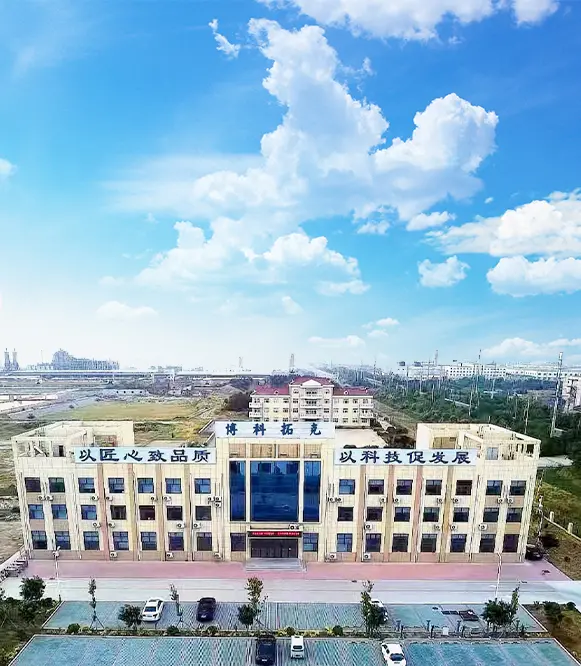
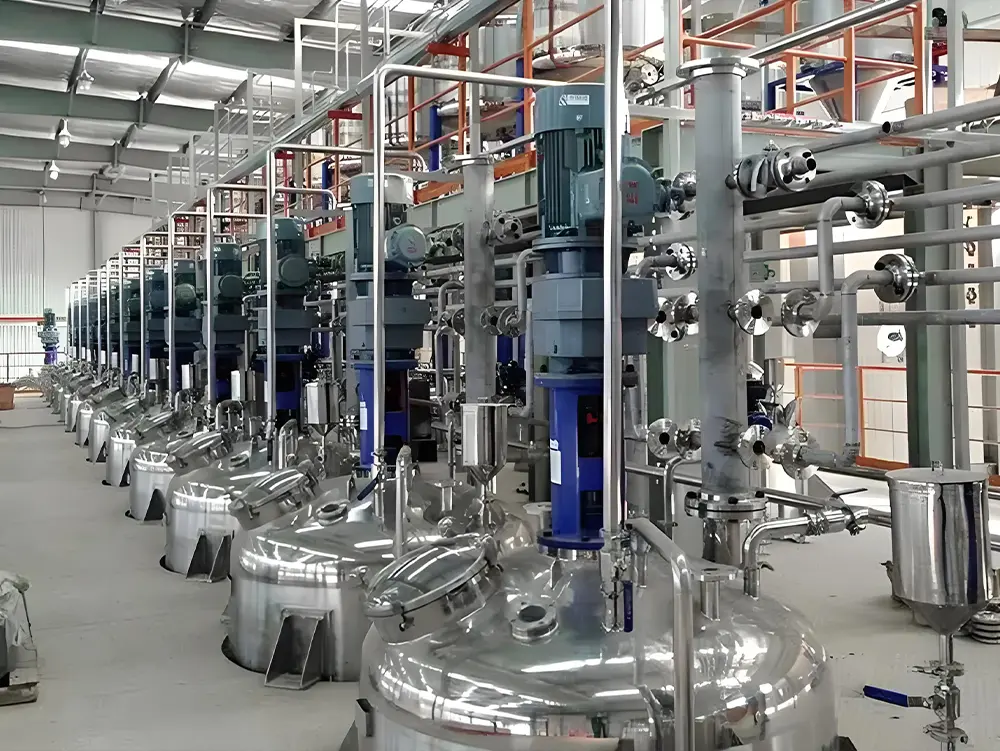
Shandong Boctok Chemical Co. has invested US$65 million to build a modern, high-capacity production base inside Shouguang’s chemical park in Shandong Province. By integrating advanced digital systems, we achieve consistent chemical synthesis, high yields, and reliable material tracking.
Annual Sales (2023)
Annual Silane Capacity
100% Automated Safety
Transit Time to Japan
Founded in 2012, Shandong Boctok Chemical Co. has grown to become a prominent supplier of organosilicone materials, petroleum resins, and agrochemical products. In 2023, our annual sales reached US$280 million, driven by our commitment to quality, reliable delivery, and technical partnership.
We offer twelve core series of silane coupling agents and crosslinkers—including amino, epoxy, vinyl, and phenyl chemistry. We also supply silicone fluids, gums, and hydrocarbon resins. Our products support high-performance applications in wire and cable, electronics, protective coatings, wind energy, and automotive systems worldwide.

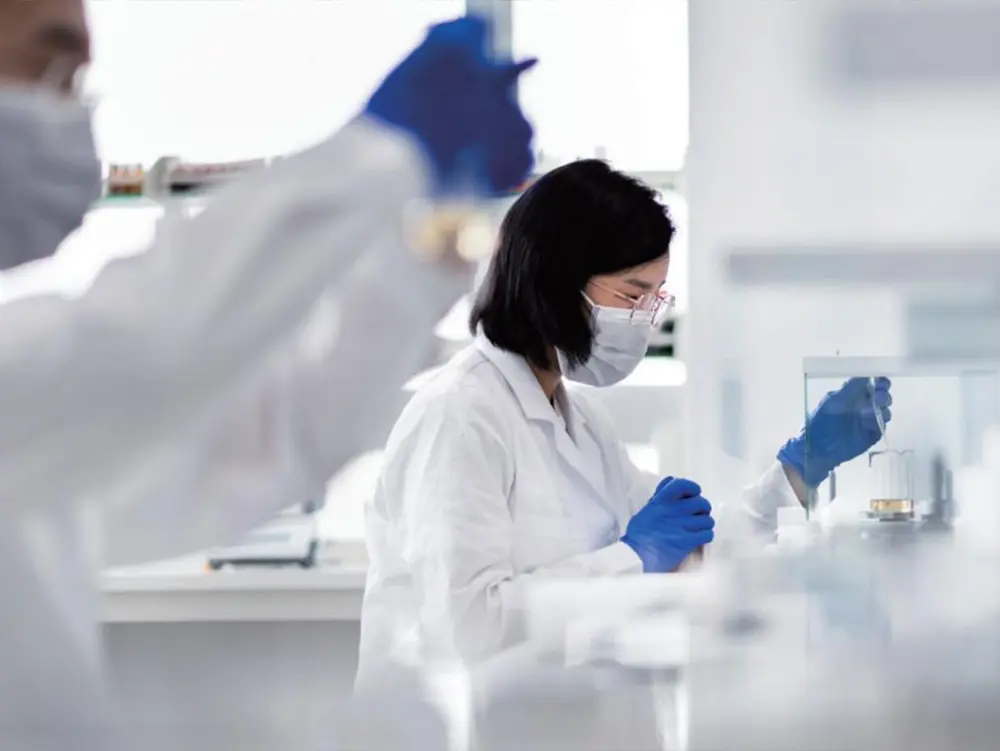
Rigorous QA processes testing raw materials to final products for consistent performance.

High capacity that supports both bulk shipments and custom product development.

Fast customs clearance and reliable maritime shipping to major destinations.

Assisting clients with product selection, safety regulations, and application testing.
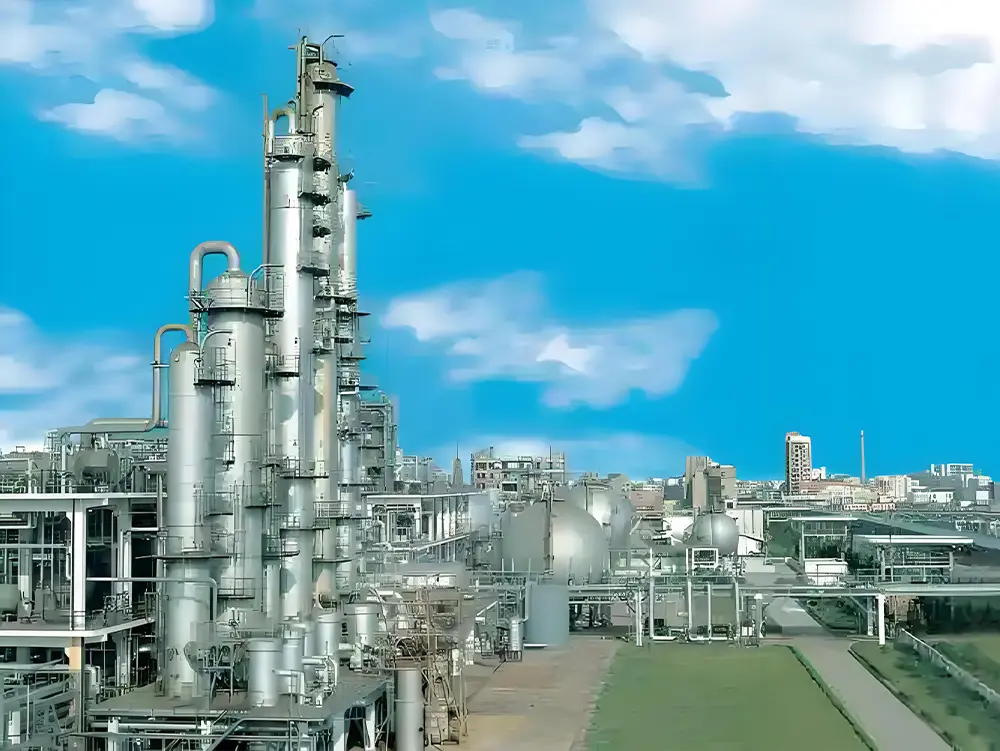
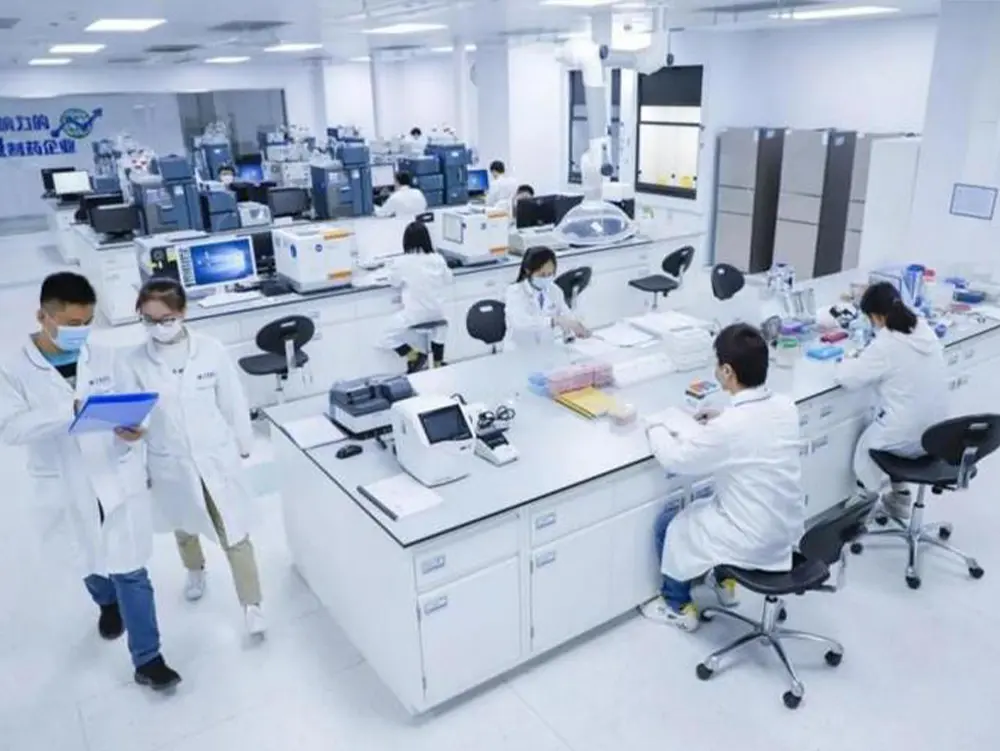
From raw chemical materials to active ingredients, we provide reliable products across diverse industries.
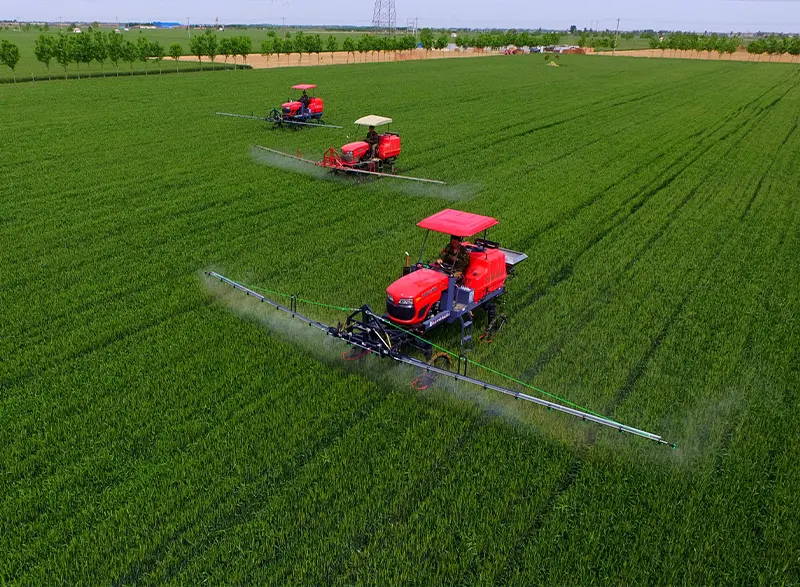




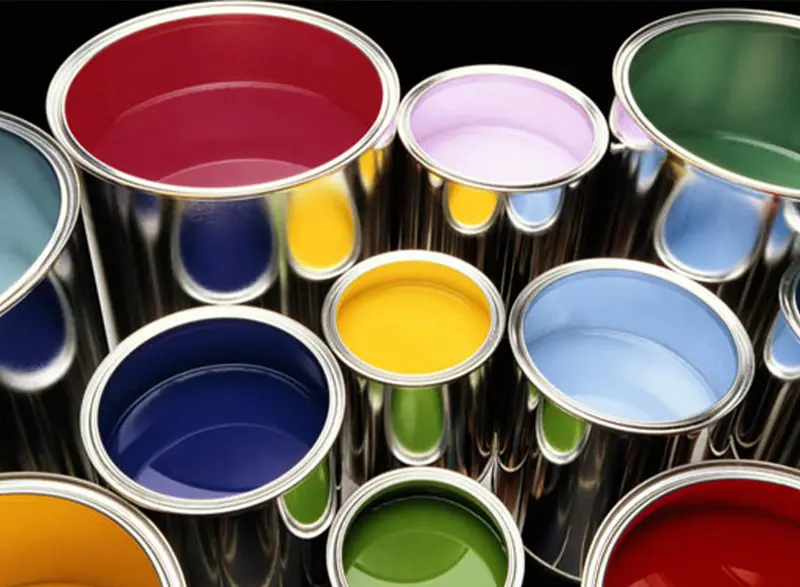
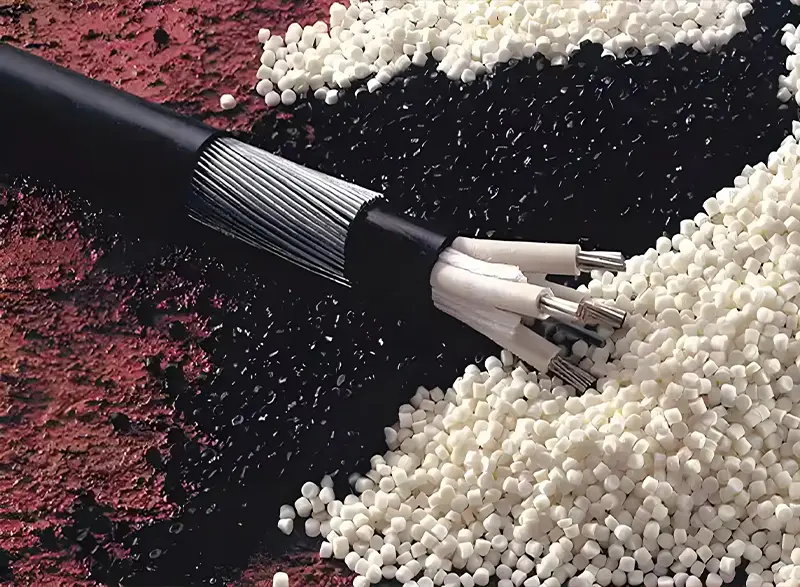
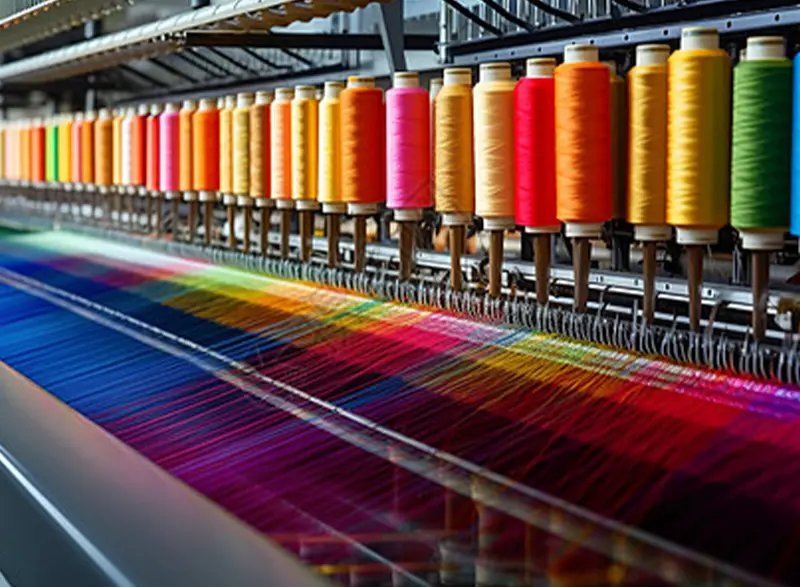
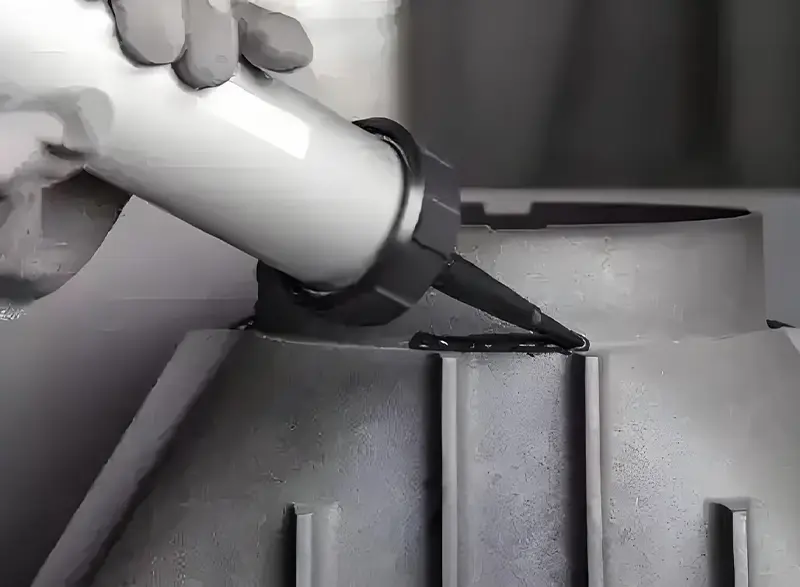
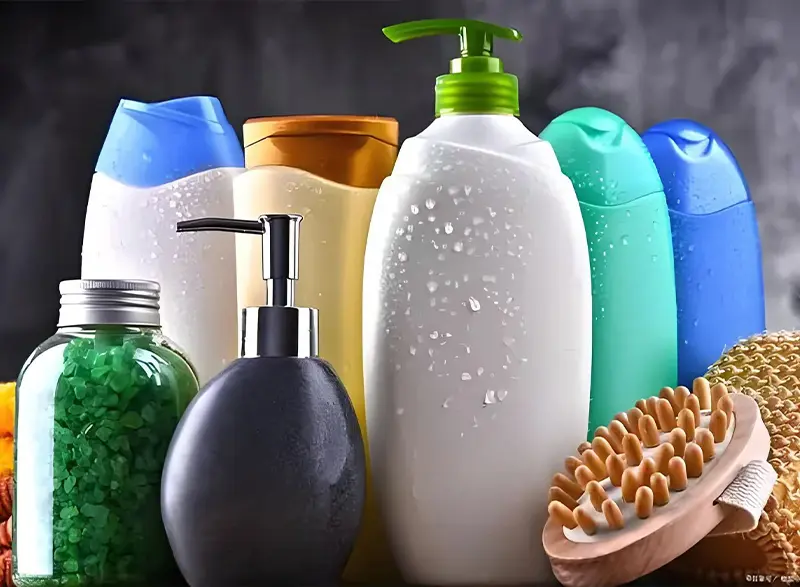
High-purity intermediates and additives developed for precise industrial demands in Japan.
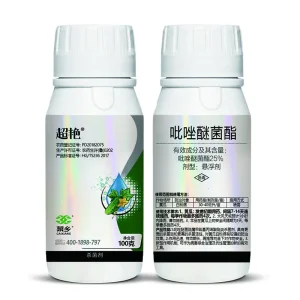
Agrochemical intermediate used in the synthesis of selective pesticides and crop protective coatings.
View Details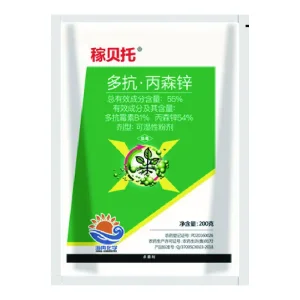
Specialty heat-stabilizer and vulcanization compound for automotive plastic components.
View Details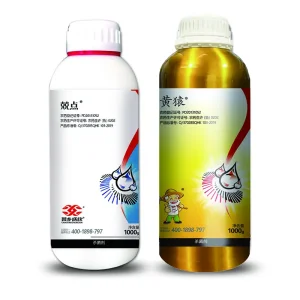
Formulated agricultural intermediate, designed to protect high-yield horticultural crops.
View Details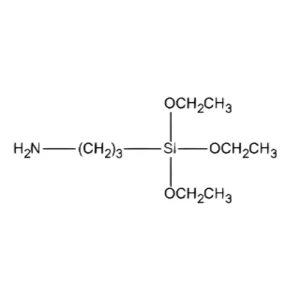
High-efficiency amino-functional coupling agent used for fiber finishes and mineral fillers.
View Details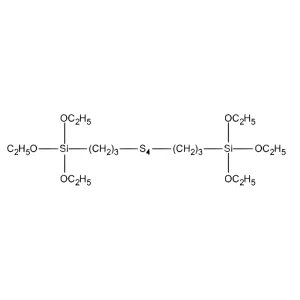
Key sulfur-silane coupler that improves wear resistance and fuel economy in automotive tires.
View Details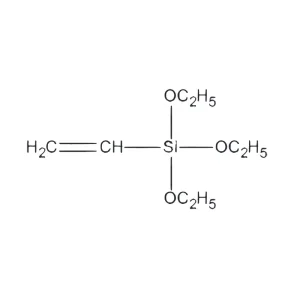
Excellent moisture-cure crosslinker for polyethylene pipes and power cable insulations.
View Details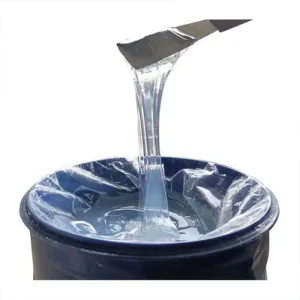
High-purity raw gum base with balanced vinyl content, ideal for precision compression molding.
View Details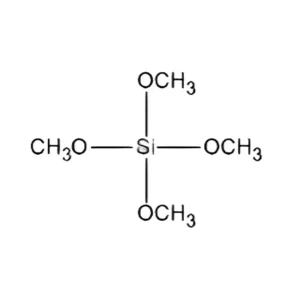
Ultra-pure liquid silicate precursor used in optical glass coatings and silica gel synthesis.
View Details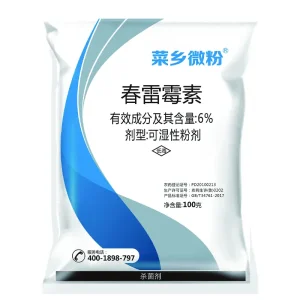
An agricultural fungicide designed to protect stone fruits and leaf crops from mold and rot.
View Details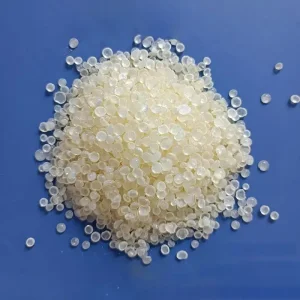
Tackifier resin with excellent pigment wetting, used in hot-melt adhesives and road markings.
View Details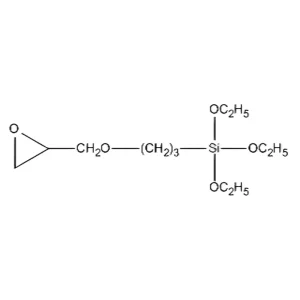
Epoxy-functional coupling agent designed to improve resin adhesion to glass and metal surfaces.
View Details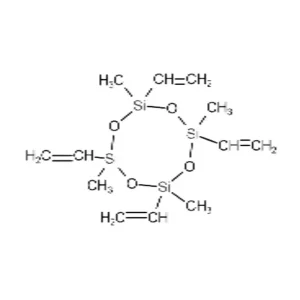
Specialty vinyl siloxane compound used as an inhibitor or modifier in platinum-cure silicones.
View DetailsCommon questions regarding silanes, compliance, logistics, and quality assurance for the Japanese market.
Contact our technical support and logistics specialists to discuss raw material availability, technical requirements, or customized silane formulations.
 Boctok Chemical