Explore our enterprise-grade silicone oils, organofunctional silanes, and reactive crosslinkers manufactured under rigorous DCS automation standards for global industrial applications.
The global silicone adhesive and organofunctional silane market has entered a transformative era driven by rapid technological advancements in electric vehicle (EV) thermal management, high-frequency microelectronics packaging, wind turbine blade composite structural bonding, and energy-efficient architectural curtain walls. Modern industrial engineering demands bonding solutions capable of enduring extreme thermal fluctuations (-60°C to +300°C), aggressive chemical exposures, and severe UV radiation while maintaining exceptional dielectric strength and mechanical flexibility.
Leading international procurement directors and chemical formulation engineers actively benchmark famous silicone adhesive factories to secure long-term supply stability, batch-to-batch chemical purity, strict REACH/RoHS compliance, and competitive scale economies. As regulatory pressures surrounding Volatile Organic Compounds (VOCs) tighten across North America, Europe, and East Asia, manufacturers capable of producing high-purity silanol polymers, alkoxy-curing silicone fluids, and solvent-free hydrocarbon tackifying resins are outperforming traditional adhesive compounders.
Shandong Boctok Chemical Co. was founded in 2012 as a marketing and sales center for Boctok™ domestic and overseas businesses and achieved sales of US$280 million in 2023. The BOCTOK brand specializes in serving the Russian market while establishing deep commercial partnerships across Europe, North America, South America, East Asia, Southeast Asia, Australia, India, and the Middle East.
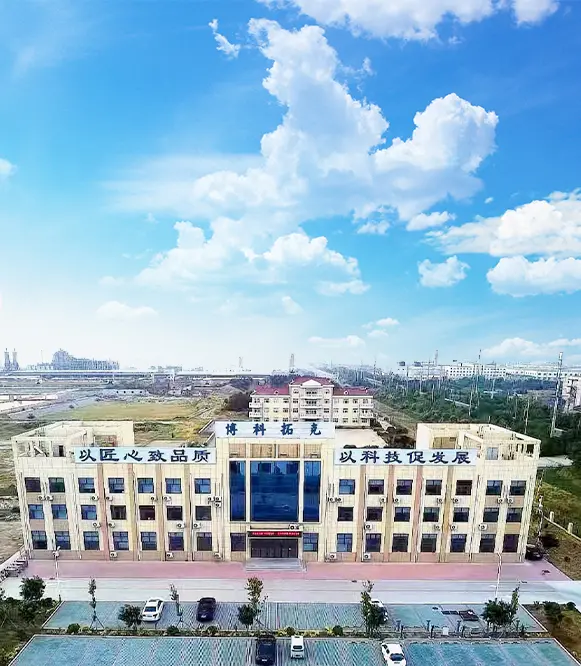
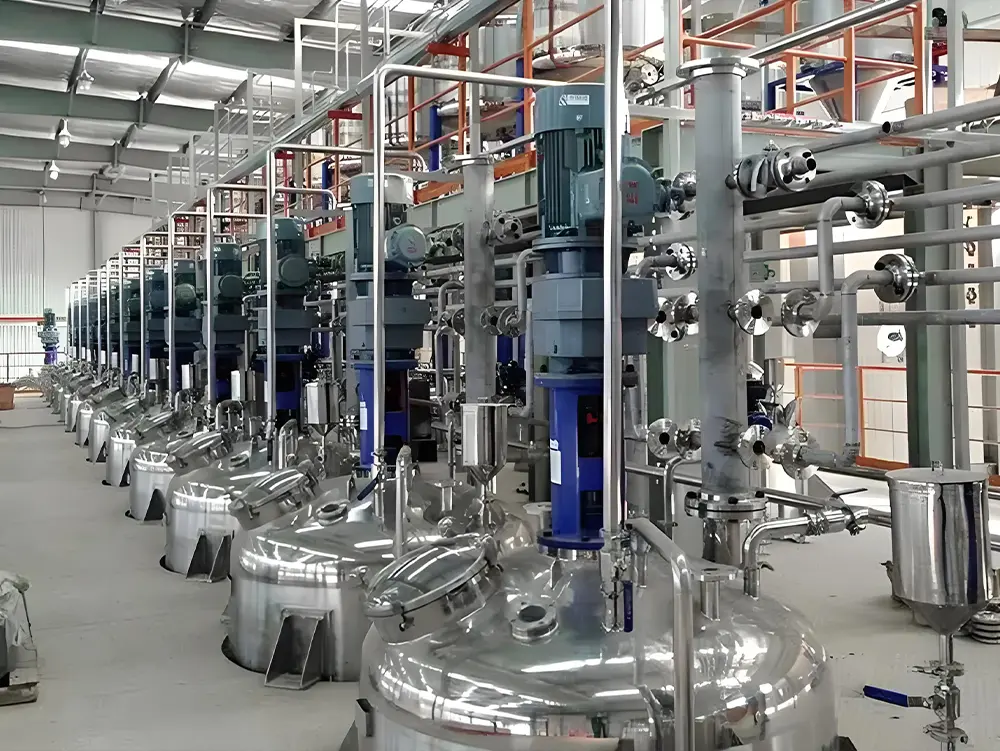


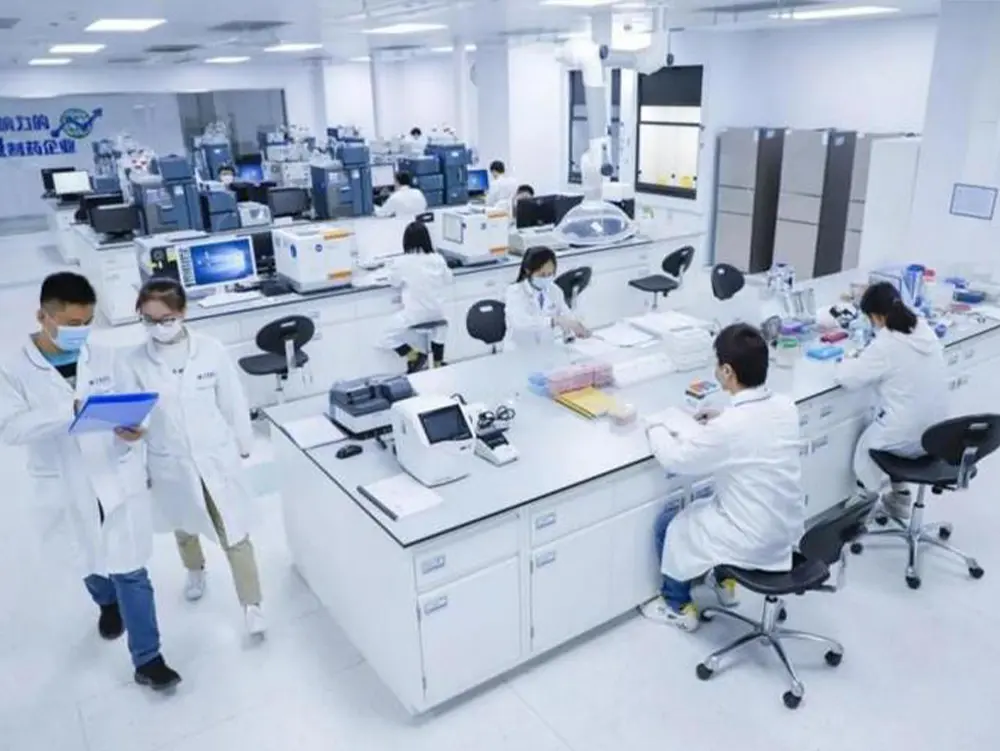
To accommodate expanding global demand for premium organosilicon materials, Boctok recently invested US$65 million to build a new flagship plant located in Bohai Industrial Park, a provincial chemical industry park in Shouguang City, Shandong Province. This strategic expansion broadens the production chain of silane coupling agents, featuring 6 automatic Distributed Control System (DCS) production lines with an annual output of 30,000 tons of silane coupling agents.
The production lines in the new factory are equipped with automatic remote control system DCS, safety instrument system SIS and other safety equipment, ISO9001 quality management system standards are implemented throughout the process to ensure stable quality.
Treatment facilities have been built to protect the environment, including an advanced closed-loop waste gas collection and incineration system alongside a specialized chemical wastewater treatment system.
Boctok's Tier II core business focuses on petroleum resins. We have invested in a key hydrocarbon resin manufacturer in China, operating three facilities in Zibo, Fushun, and Nanjing powered by reliable feedstock from SINOPEC and PetroChina.
Boctok maintains three main product divisions, synthesizing high-purity organosilicon compounds, hydrocarbon resins, and agricultural active intermediates tailored for global industrial manufacturing.
| Category | Series / Specific Chemical Compounds | Primary Industrial Function & Application |
|---|---|---|
| Organosilicone (12 Silane Series) | Aminosilane, Methacrylate silane, Epoxy silane, Vinyl silane, Mercaptosilane, Alkyl silane, Ethyl silicate, Chlorosilane, Silane isocyanates, Phenyl silane, Ureidosilane, Serosilane | Adhesion promoters, moisture crosslinkers, coupling agents for glass fiber, XLPE cables, foundry sand, and structural sealants. |
| Silicone Oils & Polymers | High-hydrogen silicone oil, Dimethicone (CAS 9006-65-9), Vinyl silicone oil, Polyphenylmethyldimethylsiloxane (CAS 63148-52-7), Phenyl silicone oil, Silanol silicone oil & OH polymers (CAS 63148-60-7, CAS 70131-67-8), Alkoxy silicone oil | Dielectric fluids, high-temperature lubricants, damping fluids, RTV silicone sealant base polymers, cosmetic conditioning agents. |
| Silicone Resins & Rubbers | Methyl MQ resin, Vinyl VMQ resin, Room-Temperature Vulcanized (RTV) methyl silicone rubber, 110 methyl vinyl silicone rubber, 120 methyl phenyl rubber | Pressure-sensitive adhesives (PSAs), high-voltage insulator coatings, self-lubricating LSR components, aerospace high-temp gaskets. |
| Hydrocarbon / Petroleum Resins | C9 hydrogenated resins, C5 hydrocarbon resins, C5 modified C9 resins, C9 hydrocarbon resins, Dicyclopentadiene (DCPD), Methyl cyclopentadiene dimer (MCPD) | Tackifiers for hot-melt adhesives, solvent-based adhesives, tire rubber compounding, protective coatings, road marking inks. |
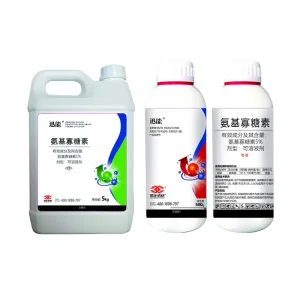
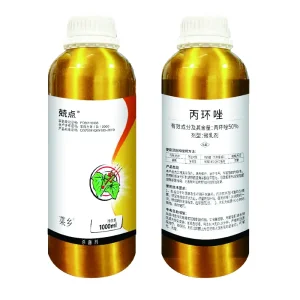
| Agrochemical Intermediates | 25% Procyclizole (проциклизола), 5% Aminolitroglycine / Aminoacetic acid (аминолитроглицина), 40% Bacterial cleaning (бактериальной очистки), fungicide/insecticide intermediates | Crop protection formulations, seed treatments, herbicides, plant growth regulators, and agricultural surfactants. |
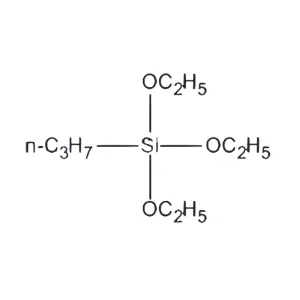
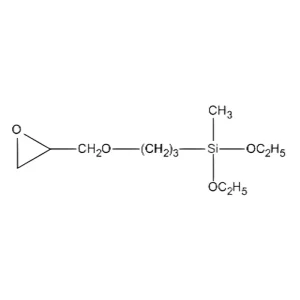
Organofunctional silanes possess a dual chemical reactivity represented by the general formula Y-R-Si(OR)₃, where Y represents an organofunctional group (amino, epoxy, vinyl, methacrylate, mercapto) that bonds chemically with organic polymers, while the hydrolyzable alkoxy groups (OR) form strong siloxane bonds (Si-O-Si) with inorganic substrates like silica, glass fiber, and metal oxide surfaces.
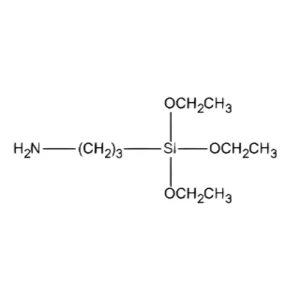
A primary amino-functional silane widely utilized as an adhesion promoter in phenolic, epoxy, acrylic, and polyurethane adhesives. It significantly increases wet adhesion strength, moisture resistance, and corrosion inhibition on glass and metal surfaces.
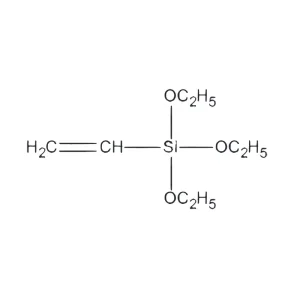
Crucial for crosslinking polyethylene (XLPE) in wire, cable, and PEX hot-water piping systems. Grafted onto polymer backbones via free-radical reactions, it enables moisture-induced room-temperature curing, boosting heat deformation resistance.
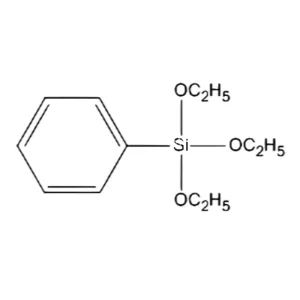
Contains a rigid phenyl ring structure providing exceptional thermal stability exceeding 300°C, improved hydrophobic performance, and elevated refractive index, making it ideal for LED encapsulants and aerospace silicone sealants.
Global chemical buyers and enterprise supply chain executives increasingly partner with Chinese silicone adhesive factories to optimize material costs, ensure volume scalability, and tap into fully integrated raw material value chains.
China possesses the world's most complete silicone production ecosystem—from quartz ore reduction to metallic silicon synthesis, methyl chloride reaction, dimethyldichlorosilane distillation, silane monomer cracking, and end-polymer compounding. Companies like Shandong Boctok source basic petrochemical feedstocks directly from giants like SINOPEC and PetroChina, minimizing exposure to international freight disruptions.
Modern manufacturing centers like Boctok's 30,000 MT Bohai Industrial Park plant leverage state-of-the-art DCS and SIS automated production control. This ensures tight control over viscosity, volatile content, molecular weight distribution, and functional group substitution rates, resulting in batch-to-batch consistency that rivals traditional Western suppliers at a 20–35% cost advantage.
Chinese organosilicone leaders offer extensive custom blending options, adjusting silanol viscosity, alkoxy reactivity, filler loading, and color specs to customer requirements. Full adherence to ISO 9001, ISO 14001, REACH registration, and SVHC/RoHS safety guidelines allows seamless integration into European and American manufacturing supply chains.
Boctok's organosilicone polymers, silane coupling agents, and hydrocarbon tackifiers are engineered to deliver high-performance solutions across diverse high-tech and traditional industrial sectors.
Silicone adhesives provide structural module bonding, thermal gap filling, dynamic gasket sealing, and moisture protection for lithium-ion battery packs, power electronics, and sensor units exposed to extreme road vibrations and thermal cycles.
Ultra-pure dimethicone, silanol fluids, and phenyl silanes form the basis for conformal coatings, die-attach adhesives, LED encapsulants, and optical gel potting compounds that prevent micro-fractures and corrosion in sensitive microchips.
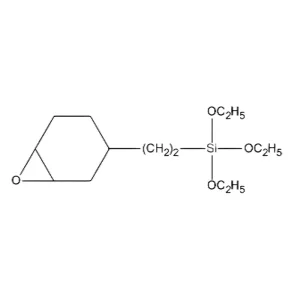
Epoxy and vinyl silane coupling agents enhance glass fiber wet-out and structural resin adhesion in wind turbine blade composites, while RTV silicone sealants provide decade-long weatherproofing for photovoltaic panel junction boxes.
High-modulus RTV methyl silicone rubber and silanol OH polymers create dynamic seals for high-rise unitized glass curtain walls, resisting structural wind loads, seismic shocks, ambient moisture, and thermal expansion mismatch.
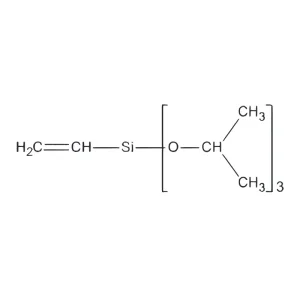
Vinyl silane crosslinkers (Vinyltriethoxysilane, Vinyltriisopropoxysilane) graft onto polyolefin backbones to yield high-density XLPE electrical cable jacketing and PEX hot-water pipes with elevated temperature deformation resistance.
High-purity Dimethicone and Hydroxysilicone fluids serve as silky, non-greasy conditioning bases in cosmetic formulations, while siloxanes impart durable water repellency and soft hand-feel to technical textiles.
When evaluating silicone adhesive factories and silane suppliers, enterprise procurement teams must execute rigorous quality audits across five critical chemical metrics to guarantee production seamlessness.
| Quality Assurance Parameter | Testing Methodology / Standard | Critical Target Specification | Industrial Risk Mitigated |
|---|---|---|---|
| Purity & Active Content | Gas Chromatography-Mass Spectrometry (GC-MS) | ≥ 99.0% - 99.5% Active Silane Monomer | Prevents unintended side-reactions, incomplete polymer crosslinking, and residual odor. |
| Moisture Content (Water) | Karl Fischer Titration (ASTM E203) | ≤ 100 - 300 ppm (0.01% - 0.03%) | Eliminates premature hydrolysis and viscosity degradation in moisture-sensitive alkoxy silanes. |
| Kinematic Viscosity | Rotational Rheometer / Ubbelohde (ASTM D445) | Strict cSt Range per Grade (e.g., 100 to 100,000 cSt) | Ensures predictable dispensing flow rate and layer thickness in automated robotic application. |
| Refractive Index & Clarity | Abbe Refractometer (25°C) | Matches standard optical grade targets (±0.002) | Guarantees optical transparency in optical adhesives, display potting, and LED encapsulants. |
| Volatile Organic Content (VOC) | Thermogravimetric Analysis (TGA / ISO 11890) | Low VOC / Low Cyclic Siloxane (D4-D6 < 0.1%) | Ensures compliance with European REACH SVHC regulations and automotive fogging tests. |
In-depth technical answers addressing common chemical engineering and procurement queries regarding silane coupling agents, silicone fluids, and tackifying resins.
Browse our secondary selection of specialized silane monomers, reactive intermediates, agrochemicals, and functional silanol polymers tailored for global industrial supply chains.
 Boctok Chemical
![China Bis-[3-(triethoxysilyl)-propyl]amine CAS 13497-18-2](https://site.cdnfile.io/www.boctoksilicone.com/837bedcc9470a3ee1f202feb49d8ce69300_300.webp)