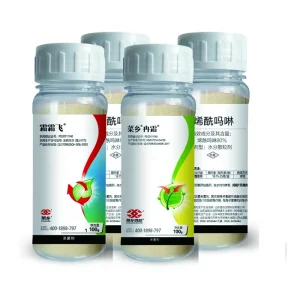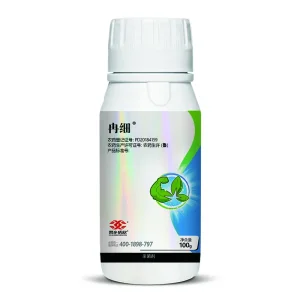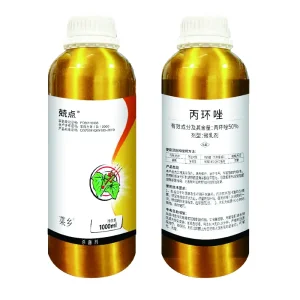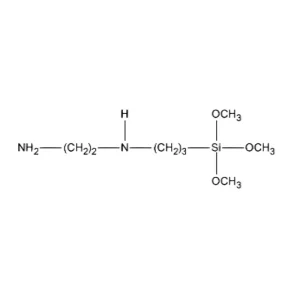
Shandong Boctok Chemical Co. was founded in 2012 as a highly integrated marketing, sales, and manufacturing center for Boctok™ domestic and overseas businesses, achieving global sales of US$280 million in 2023. Our registered trademark, BOCTOK, specialized in serving the Russian market and CIS countries, building deep strategic partnerships. We offer an extensive portfolio consisting of organosilicon compounds, specialized petroleum resins, and high-performance agrochemicals.
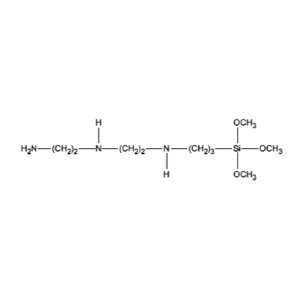
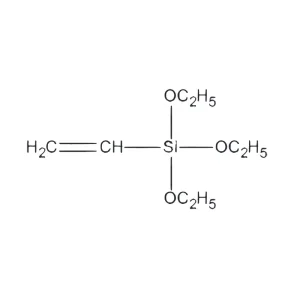
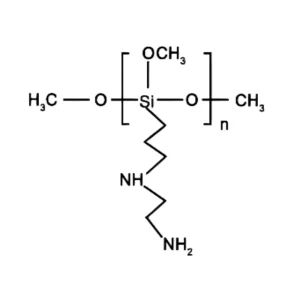
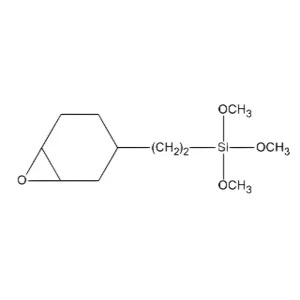
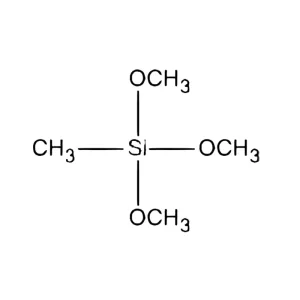
Our premier line of products covers twelve distinct series of silane coupling agents and crosslinkers. These include aminosilane, methacrylate silane, epoxy silane, vinyl silane, mercaptosilane, alkyl silane, ethyl silicate, chlorosilane, silane isocyanates, phenyl silane, ureidosilane, and serosilane. Furthermore, we leverage advanced polymeric synthesis methodologies to produce silicone oils, specialized silicone resins, and high-consistency silicone rubbers, serving industrial developers worldwide.
Polydimethyl Methylvinylsiloxane, widely designated by its industrial abbreviation VMQ (Vinyl Methyl Silicone), represents a class of high-molecular-weight organosilicon elastomers. Structurally, the insertion of vinyl groups ($CH=CH_2$) into the polydimethylsiloxane (PDMS) backbone introduces active crosslinking sites that fundamentally alter the polymer's material behavior. While conventional dimethyl silicone rubbers rely on non-specific free-radical reactions for vulcanization, the presence of vinyl monomers enables high-efficiency, targeted crosslinking through organic peroxides or hydrosilylation addition curing systems.
The performance of Polydimethyl Methylvinylsiloxane is directly dictated by its molecular design, particularly the vinyl content ratio (typically ranging from 0.03% to 2.0% mol). By adjusting the density of vinyl groups along the siloxane backbone, manufacturers can precisely control the crosslinking density of the vulcanized matrix. A higher vinyl density yields an elastomer with higher hardness, elevated tensile strength, and superior resistance to compression set. Conversely, a lower vinyl concentration yields high flexibility, increased elongation at break, and excellent low-temperature performance, maintaining elasticity down to -60°C.
In addition-cure systems, Polydimethyl Methylvinylsiloxane reacts with polyorganosiloxanes containing silicon-bonded hydrogen atoms (Si-H) in the presence of platinum catalysts. This reaction proceeds under mild temperature conditions without releasing volatile byproducts, making it the preferred route for medical-grade components, self-lubricating liquid silicone rubbers (LSR), and precision electronic encapsulation. Peroxide vulcanization, on the other hand, utilizes organic peroxides to initiate crosslinking, forming carbon-carbon bonds between vinyl groups and methyl groups, suitable for high-consistency silicone rubber (HCR) processing such as extrusion and compression molding.
The global demand for Polydimethyl Methylvinylsiloxane has witnessed robust growth, driven by the rapid transition toward high-voltage electric vehicle (EV) architectures, smart grid infrastructure, and demanding industrial sealing environments. As a premier global manufacturer, Shandong Boctok Chemical Co. maintains a complex supply chain network spanning North America, Europe, Japan, South Korea, Australia, South America, the Middle East, India, Southeast Asia, and Russia.
Operating under our dedicated brand, BOCTOK, we provide specialized logistical routes, custom packaging, and custom-clearance documentation optimized for Russian industrial hubs, ensuring continuous supply chains under strict regulatory compliance.
Our Tier II core business leverages strategic partnerships with SINOPEC and PetroChina across our operating hydrocarbon resin factories in Zibo, Fushun, and Nanjing, ensuring cost-efficient procurement of raw monomers.
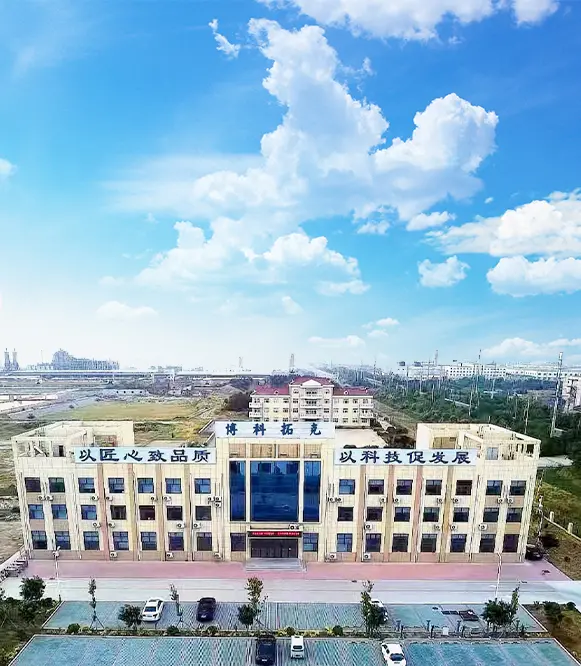
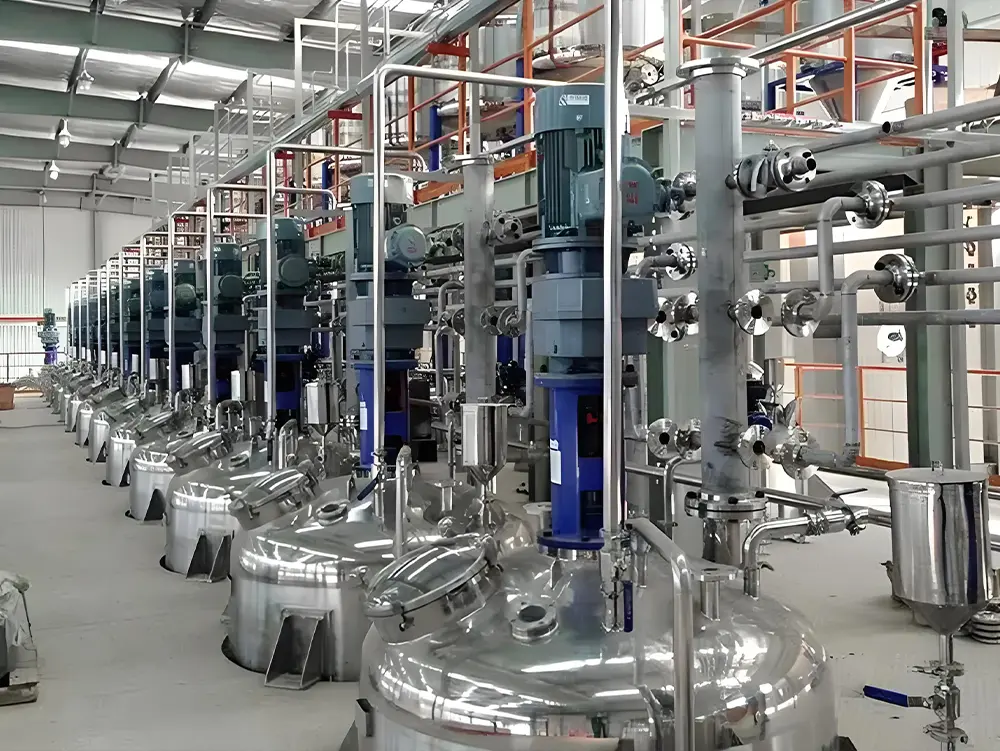
Our newly established plant in Bohai Industrial Park, Shouguang City, Shandong Province utilizes state-of-the-art DCS (Distributed Control Systems) and SIS (Safety Instrumented Systems) to maintain zero-fault product quality.
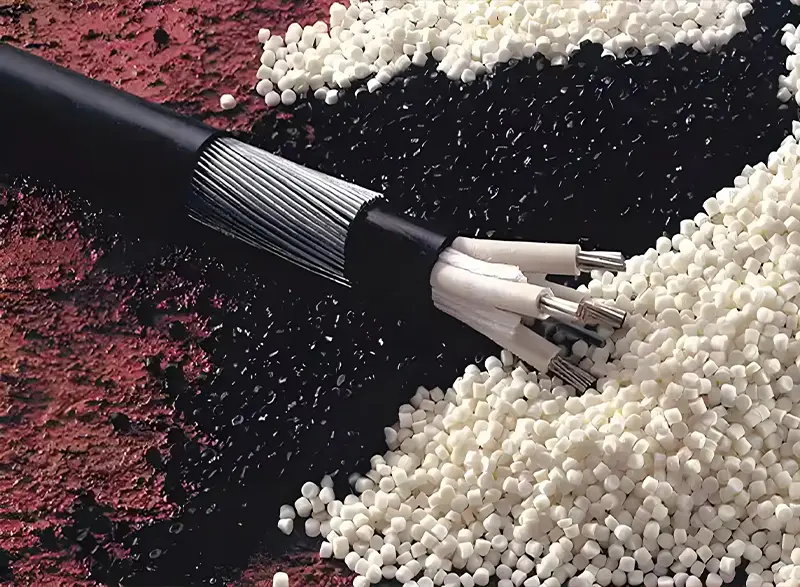
Excellent dielectric properties allow Polydimethyl Methylvinylsiloxane to serve as key insulation jackets for high-voltage power transmission cables, automotive wiring harnesses, and high-stability casting materials.
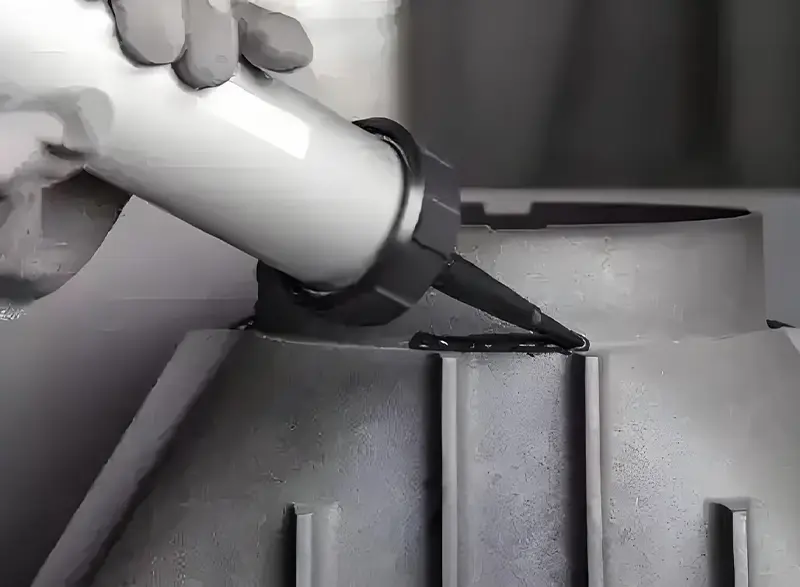
Synthesized with silane crosslinkers to form high-strength construction sealants, automotive structural adhesives, and weatherproofing barriers capable of resisting UV radiation and extreme weather cycle degradation.
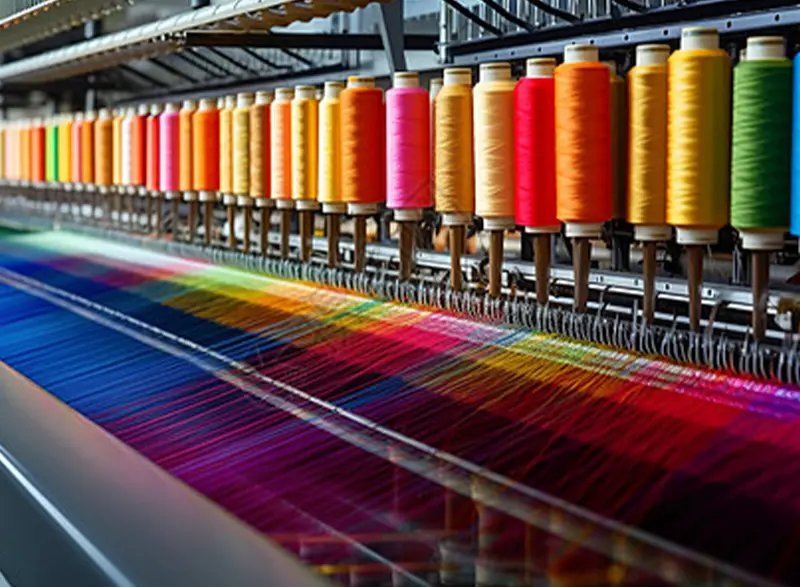
Formulated into water-dilutable emulsions that chemically bond with natural and synthetic fibers, delivering high softness, tear-resistance, wash durability, and hydrophobic characteristics to modern fabrics.
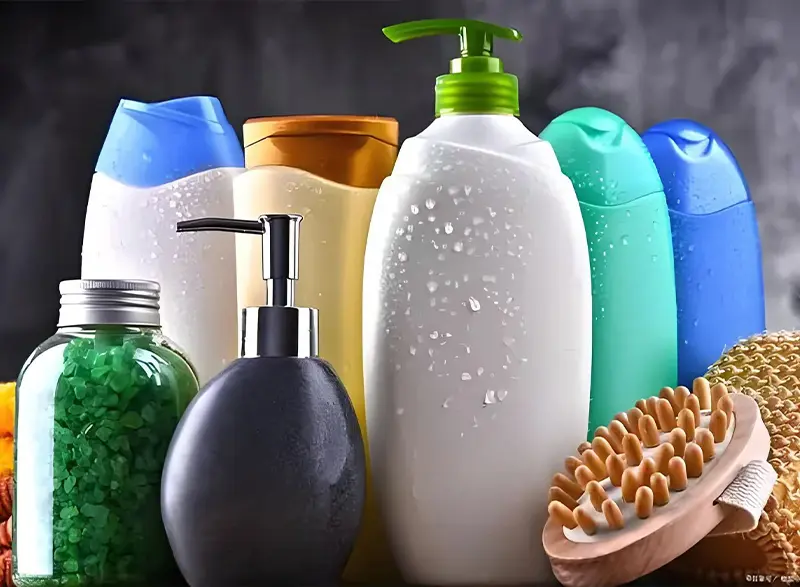
Utilized as volatile and non-volatile carrier fluids in daily chemical formulations, providing silky sensory profiles, water-repellent protective films, and superior pigment dispersion properties.
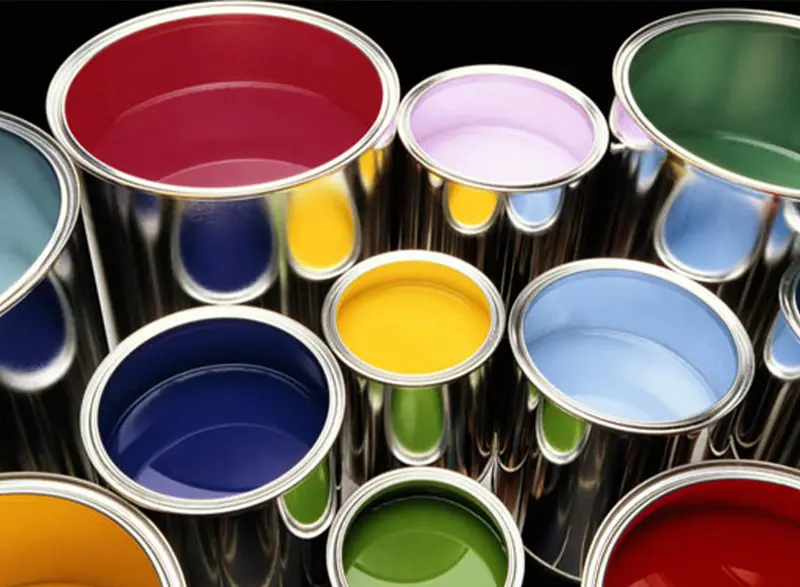
Integrating C5 and C9 hydrocarbon resins into polymer formulations to optimize glass transition temperature (Tg), melt viscosity, and surface adhesion in heavy-duty protective paints and hot-melt road markings.
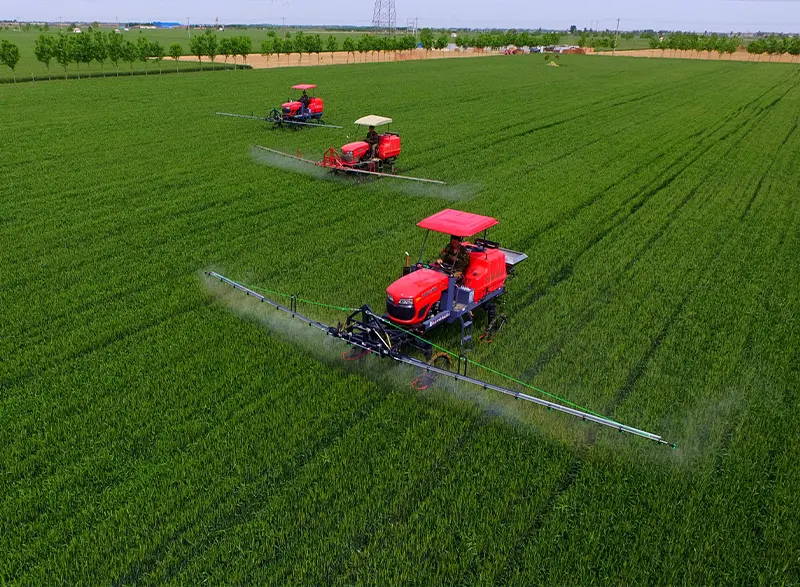
Organosilicon surfactants serve as superior wetting agents in pesticide formulations, decreasing surface tension to allow rapid spreading and systemic absorption across agricultural crops.
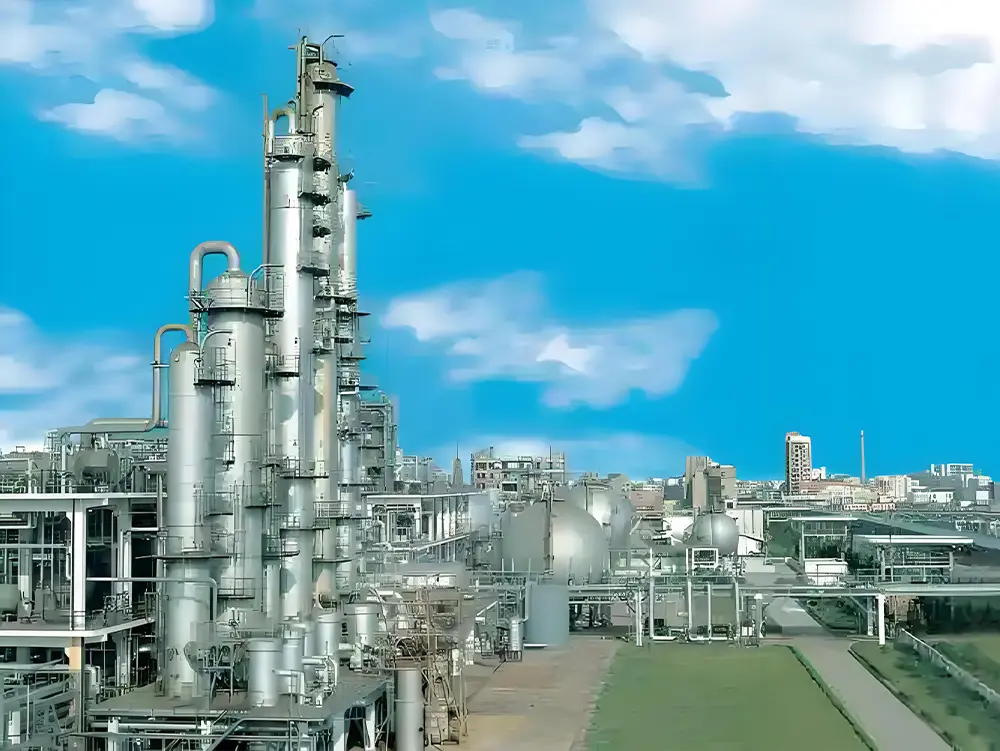
To support the massive expansion of the global electronics and clean energy sectors, Shandong Boctok Chemical Co. has invested US$65 million to construct a modern manufacturing facility located in Bohai Industrial Park, Shouguang City, Shandong Province. Bohai Industrial Park is a fully certified, high-standard chemical park that provides integrated waste treatment, secure raw material feedstock piping, and robust logistics interfaces.
Our manufacturing footprint includes three operating petroleum hydrocarbon resin factories in Zibo, Fushun, and Nanjing. Combining our silane chemistry with local C5/C9 raw materials allows us to offer hybrid resin-organosilicon compounds. This synergistic structure enables us to provide optimized solutions for adhesives and coatings, serving global companies across automobile, marine, and construction sectors.
As the global chemical industry moves toward a low-carbon, circular economy, Shandong Boctok Chemical Co. is actively directing research and development toward eco-friendly organosilicon synthesis. Our long-term technical roadmap is focused on three fundamental pillars designed to deliver high information gain and technological value to our global industrial partners.
Traditional silicone coatings and vulcanized rubbers often release traces of cyclic methylsiloxanes (such as D4, D5, D6) and volatile alcohols. Boctok’s R&D department is currently developing next-generation Polydimethyl Methylvinylsiloxane series featuring ultralow volatile cyclics (below 0.1% content by weight). This satisfies the most stringent EU REACH requirements and automotive interior air quality standards.
We are establishing collaborative projects with academic institutes to introduce bio-based feedstocks into the silane production chain. By replacing petroleum-derived alcohols with bio-ethanol and bio-glycerol, we aim to reduce the carbon footprint of our silane coupling agents and crosslinkers, helping downstream clients meet their Scope 3 greenhouse gas reduction targets.
By optimizing the molecular weight distribution (polydispersity index) of our vinyl silicone oil and OH polymers, we are enhancing the efficiency of addition-cure liquid silicone rubbers (LSR). These systems cure rapidly at lower temperatures, reducing energy consumption in plastic injection molding lines and high-speed cable extrusion factories.

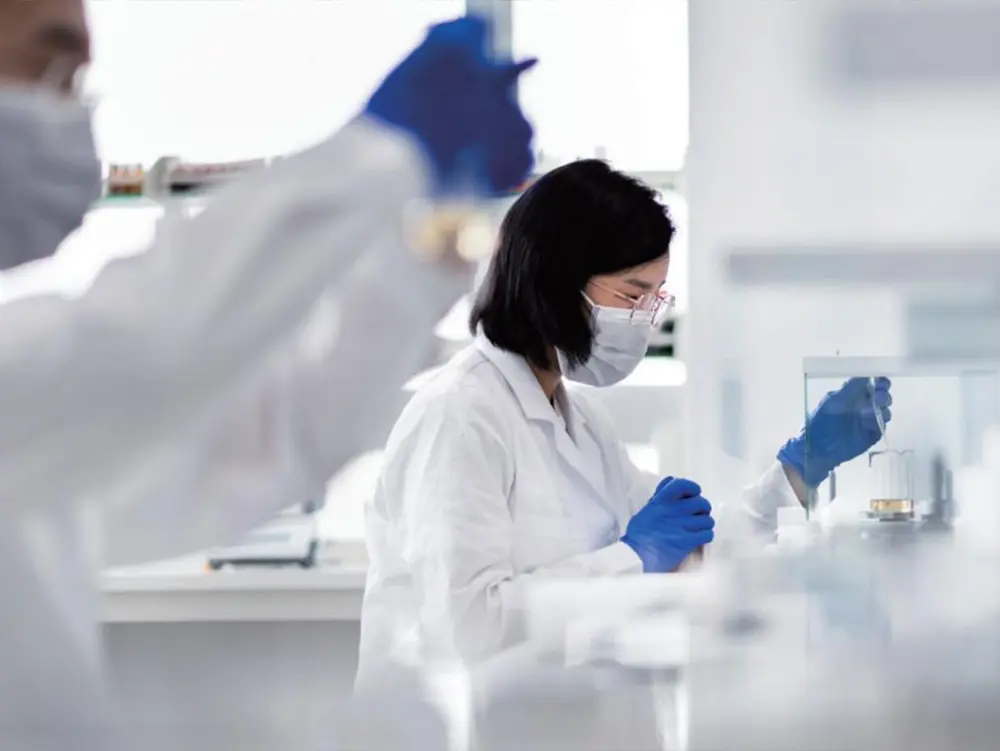
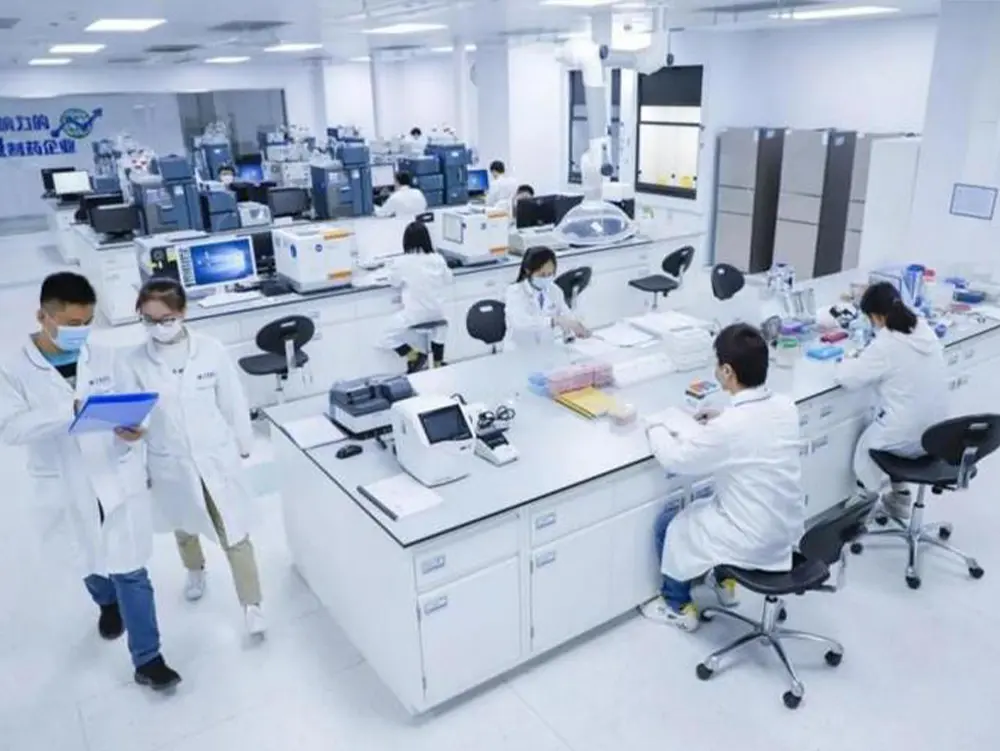
Our products undergo rigorous testing at every phase, utilizing high-pressure liquid chromatography (HPLC) and gas chromatography-mass spectrometry (GC-MS) to ensure complete molecular purity.

Advanced production lines allow us to effectively expand production capacity and meet the demand for mass customization, offering consistent batch-to-batch polymerizations.

Our professional team is available online 24 hours a day to provide attentive service and answer all your technical, logistics, and formulation questions.

An optimized logistics system ensures fast order processing, robust sea-rail transport integration, and timely delivery to global customers.
The vinyl group ($CH=CH_2$) acts as an active crosslinking site. In contrast to standard polydimethylsiloxanes that require harsh peroxide treatment, vinyl-functionalized silicones can undergo rapid, clean addition curing (hydrosilylation) with silicon-hydride (Si-H) crosslinkers using a platinum catalyst. This improves structural strength, curing speed, and thermal stability.
Through our specialized brand BOCTOK, we provide specialized logistical routes, custom packaging, and custom-clearance documentation optimized for Russian industrial hubs, ensuring continuous supply chains under strict regulatory compliance.
Yes. In formulation chemistry, C5 and C9 petroleum resins serve as tackifiers, modifying the glass transition temperature (Tg) and viscoelasticity of adhesives. When combined with silane coupling agents (e.g., vinylsilanes or aminosilanes), it creates hybrid coatings and adhesives with enhanced adhesion to metals, concrete, and organic polymers.
Our new plant is equipped with an automated Distributed Control System (DCS) for process control, and a Safety Instrumented System (SIS) for emergency shutdown. Environmental protection facilities include advanced waste gas recovery/treatment networks and a high-efficiency biological wastewater purification plant.
 Boctok Chemical