Explore our first tier of globally trusted organosilicon compounds, specialized monomers, and advanced chemical agents engineered for maximum compatibility and performance.
In modern macromolecular chemistry, monomeric silane coupling agents have long served as the bridges between inorganic substrates (such as glass fibers, silica, and mineral fillers) and organic polymers. However, the industrial demand for higher safety, lower environmental impact, and superior structural integrity has pushed technology toward Oligomeric Silanes. Oligomeric silanes are pre-condensed, low-molecular-weight siloxane polymers that contain multiple reactive silicon-alkoxy groups and organic functional groups within a single structural framework.
By utilizing oligomeric silanes instead of monomeric silanes, manufacturers gain significant technical advantages. The condensation level is finely controlled during production, which drastically reduces the amount of volatile organic compounds (VOCs) released during the hydrolysis and curing phases. Typically, traditional monomeric silanes release substantial amounts of methanol or ethanol during crosslinking. Oligomers minimize this release, satisfying modern international environmental and safety standards such as REACH and TSCA. Additionally, oligomeric silanes possess higher flash points and lower vapor pressures, which dramatically improves process safety in high-temperature extrusion, compounding, and coating applications.
Founded in 2012, Shandong Boctok Chemical Co. serves as the marketing, sales, and technical service center for Boctok™ domestic and international operations. Over more than a decade of aggressive expansion, we achieved an annual sales volume of US$280 million in 2023. The BOCTOK brand has established an exceptional market reputation globally, with specialized services focused heavily on the Russian and CIS markets, alongside growing footprints in North America, Europe, the Middle East, and the Asia-Pacific region.
Our primary chemical portfolio spans twelve comprehensive series of silane coupling agents and crosslinkers. These include:
Beyond silane coupling agents, Boctok is a prominent developer of silicone oils, silicone resins, and silicone rubbers. Our product range includes high-hydrogen silicone oil, dimethicone, vinyl silicone oil, polyphenylmethyldimethylsiloxane, phenyl silicone oil, silanol silicone oil, OH polymer, alkoxy silicone oil, methyl MQ resin, vinyl VMQ resin, room-temperature vulcanized (RTV) methyl silicone rubber, 110 methyl vinyl silicone rubber, and 120 methyl phenyl rubber.
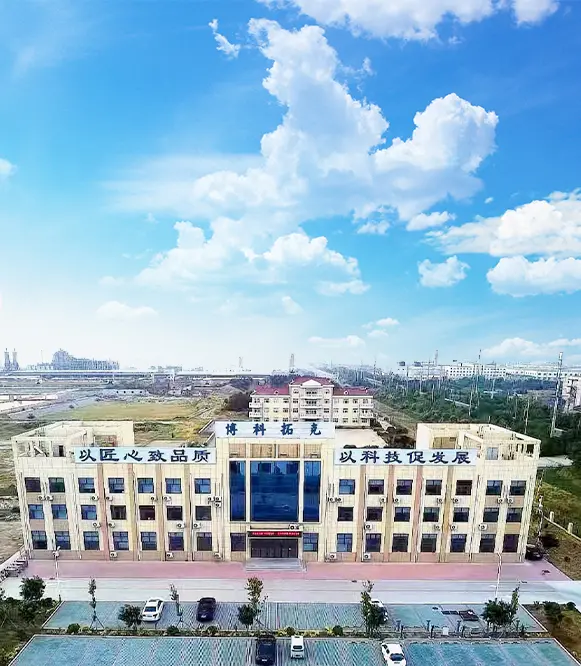
Boctok's integrated manufacturing architecture is designed to supply crucial raw materials to three distinct sectors: organosilicon, petroleum hydrocarbon resins, and agricultural formulations.
Spanning 12 distinct chemical families. These coupling agents improve compatibility in glass fibers, electronic packaging materials, wind energy composites, XLPE power cables, hot water piping systems, oil field drilling, and specialty adhesives.
Invested in key manufacturing hubs in Zibo, Fushun, and Nanjing. Utilizing raw materials from SINOPEC and PetroChina, we produce C9 hydrogenated resins, C5 hydrocarbon resins, C5/C9 copolymerized resins, dicyclopentadiene (DCPD), and methyl cyclopentadiene dimer.
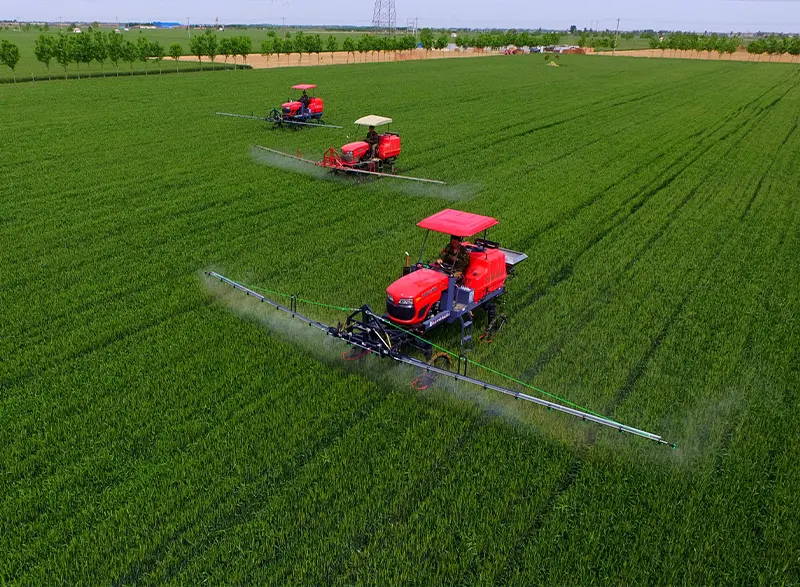
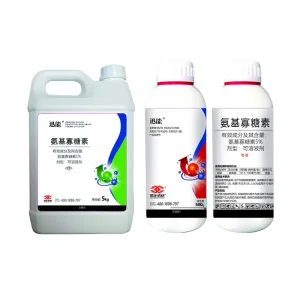
Advanced manufacturing of critical intermediates and raw active components for crop protection. This includes high-efficiency herbicides, insecticides, fungicides, seed treatment agents, and plant growth regulators.
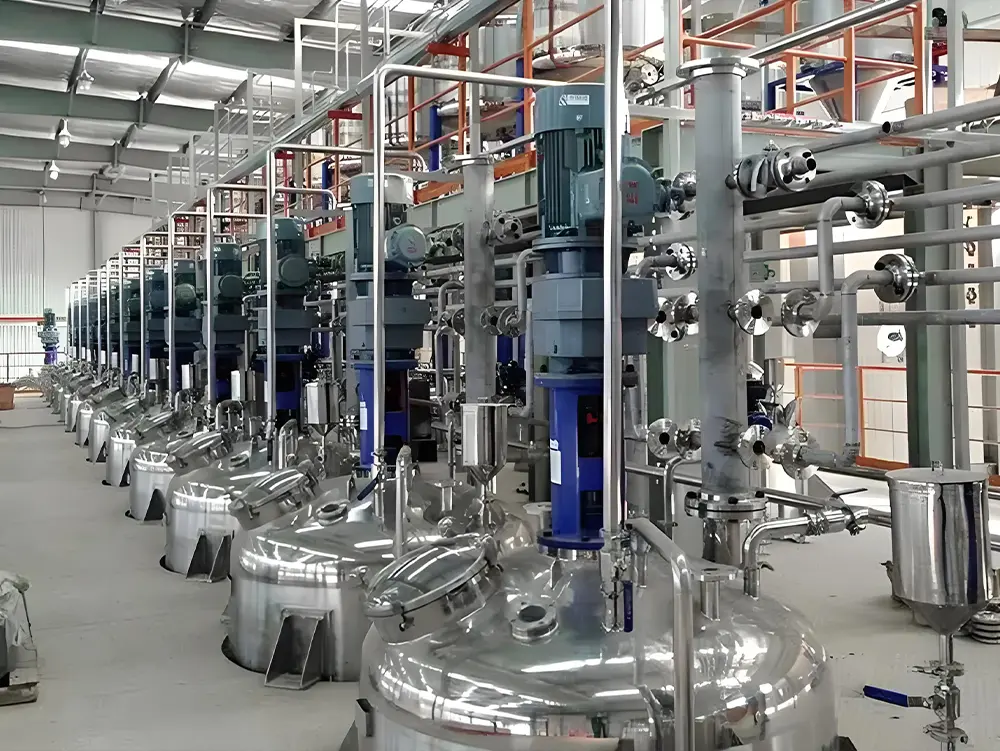


Our production capabilities represent a state-of-the-art chemical ecosystem. We recently invested US$65 million to construct a high-capacity manufacturing base in Shouguang City, Shandong Province (situated in Bohai Industrial Park, a highly rated provincial chemical industry park). This facility houses 6 automated production lines with a total capacity of 30,000 tons of silane coupling agents per year.
Strategic raw material partnerships with state-owned giants SINOPEC and PetroChina guarantee an uninterrupted, price-stable upstream supply chain. This raw material resilience shields our clients from volatile chemical market shifts.
Every production line in our new facility is equipped with automated remote Distributed Control Systems (DCS) and Safety Instrumented Systems (SIS). These tools ensure precise heat management, chemical ratios, and stable polymerization cycles.
Sustainable production is a core focus. We run comprehensive multi-tier exhaust air filtration and closed-loop wastewater recovery plants, which align with strict national environmental guidelines and guarantee green production.
Procuring specialty chemicals like oligomeric silanes requires rigorous compliance standards, secure transit networks, and reliable documentation. Large global operations need partners who can navigate strict chemical import frameworks seamlessly.
Our exports to North America, the European Union, Japan, and South Korea comply with localized chemical registration guidelines, including EU REACH pre-registration, safety data sheets, and GHS-compliant warning labels.
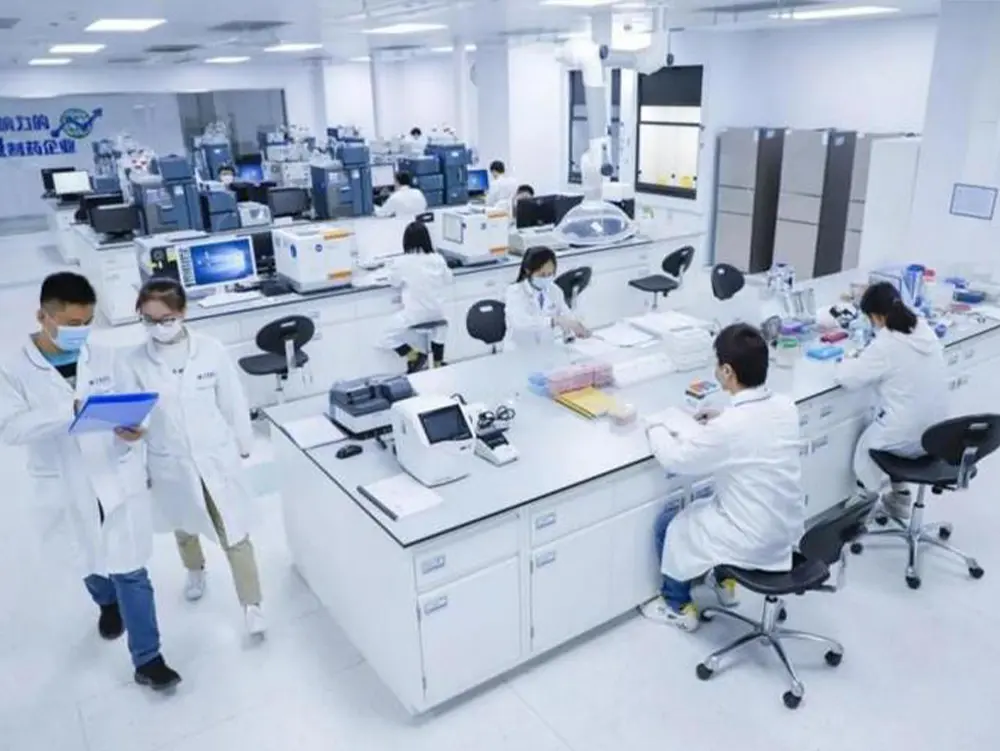
We provide custom oligomer configurations tailored to specific viscosity profiles, flashpoint minimums, and functional organic ratios. Our application engineering labs can develop customized formulations to match customer processes.
We offer robust logistics setups including customs clearances, localized intermediate storage warehouses in key distribution hubs, and flexible packing solutions ranging from 25kg canisters to 1000kg IBC totes.
Oligomeric silanes and hydrocarbon resins serve as hidden enhancers across a wide range of everyday industrial applications, including high-performance cables, coatings, and heavy-duty composites.




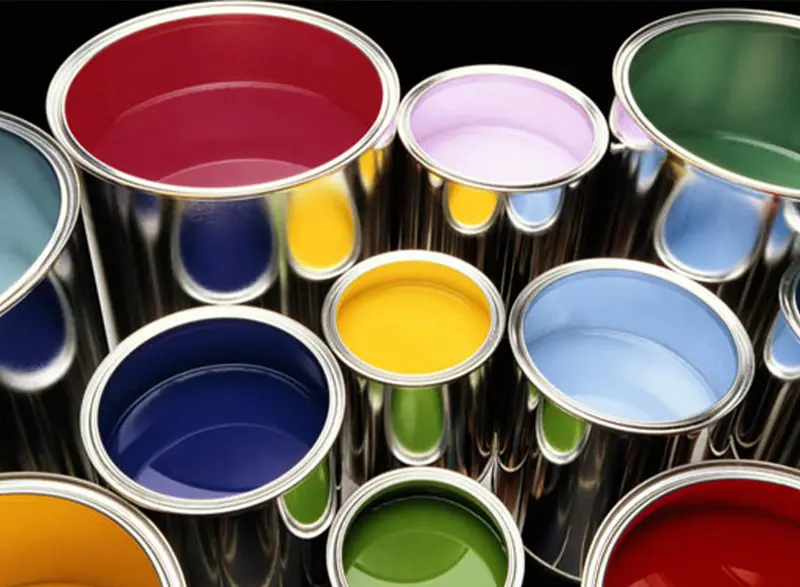
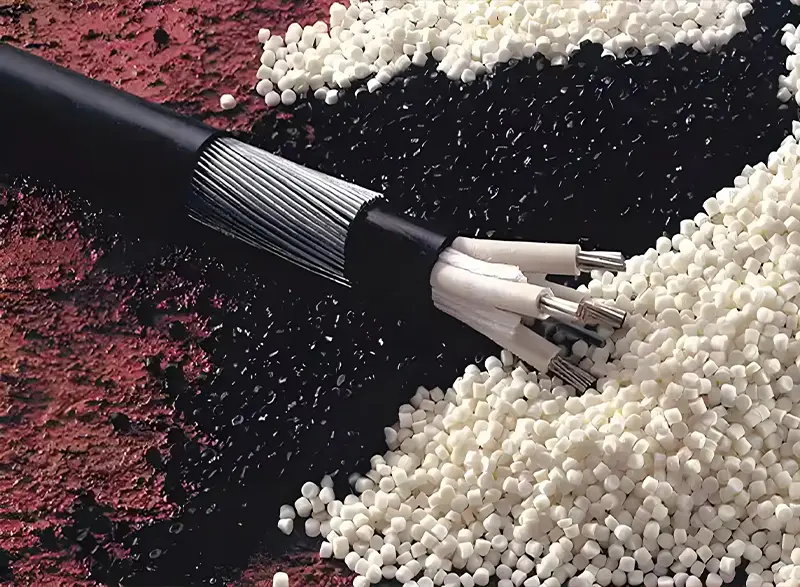

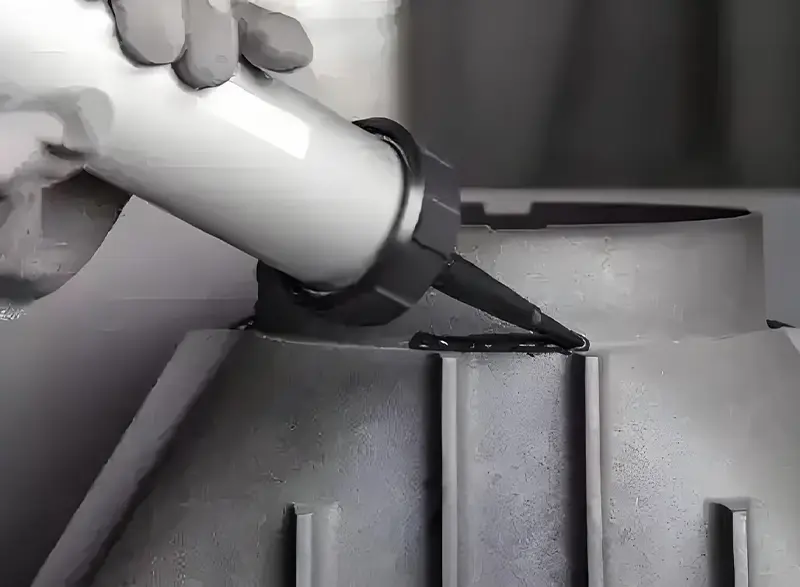

The international silane coupling agent market is undergoing deep transitions driven by shifting global regulations and performance requirements. High-performance oligomeric silanes are now leading the charge in several core development areas:
Environmental protection standards are driving development toward water-soluble, alcohol-free silane coupling agents. These systems hydrolyze without releasing volatile organic solvents, making them ideal for green coatings and architectural sealants.
Developing complex networks that combine multiple organofunctional groups (e.g., amine/alkyl or epoxy/vinyl) within a single molecule allows formulators to achieve tailored crosslinking profiles in demanding hybrid polymer systems.
Oligomeric silanes are increasingly used in nano-scale surface modification of fillers. This provides uniform distribution in high-density polyethylene (HDPE), thermoplastic elastomers, and electronic packaging matrices.
Here are answers to key technical questions from engineers and procurement managers regarding the application, structure, and chemical properties of oligomeric silanes.
Review our second tier of advanced silane intermediates, epoxy-functionalized coupling agents, and specialty active ingredients designed to meet demanding industrial specifications.
 Boctok Chemical
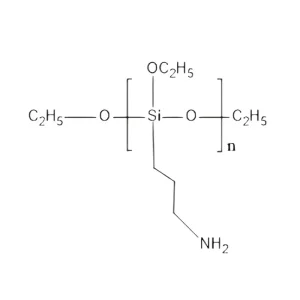
![Famous Bis-[3-(trimethoxysilyl)-propyl]amine CAS 82985-35-1](https://site.cdnfile.io/www.boctoksilicone.com/b7a8c47713f462756c9e61cb65cea17f300_300.webp)
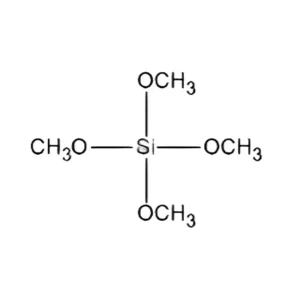
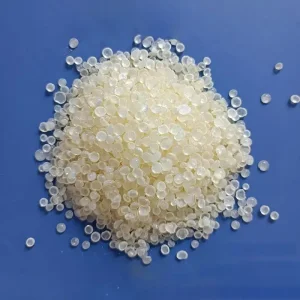
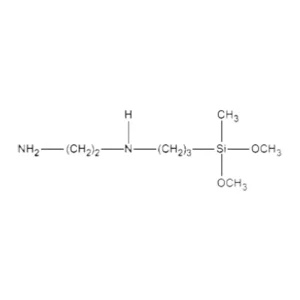
![China Bis-[3-(triethoxysilyl)-propyl]amine CAS 13497-18-2](https://site.cdnfile.io/www.boctoksilicone.com/837bedcc9470a3ee1f202feb49d8ce69300_300.webp)