Discover our cutting-edge chemical agents, customized petroleum resins, and high-purity siloxanes tailored for demanding global applications.
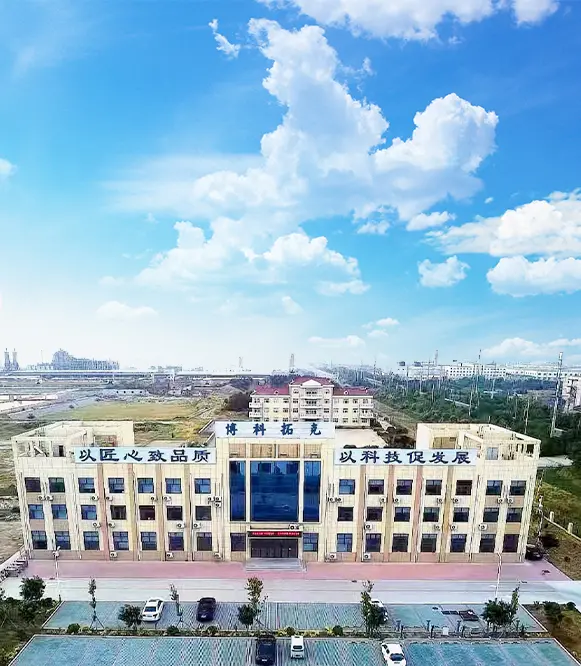
Founded in 2012, Shandong Boctok Chemical Co. has emerged as a premier global hub for the design, synthesis, and distribution of advanced organosilicon structures, premium petroleum resins, and high-purity agrochemical materials. In 2023, Boctok consolidated its operational supremacy by recording an annual sales volume of US$280 million, emphasizing our role as a trusted supply chain partner for complex chemical systems.
Under our specialized brand BOCTOK™, we have committed significant resources to localized supply chains, particularly serving the highly demanding Russian industrial market. By bridging the gap between molecular innovation and heavy industrial scaling, Boctok provides critical competitive advantages to global manufacturers through superior interface chemistry.
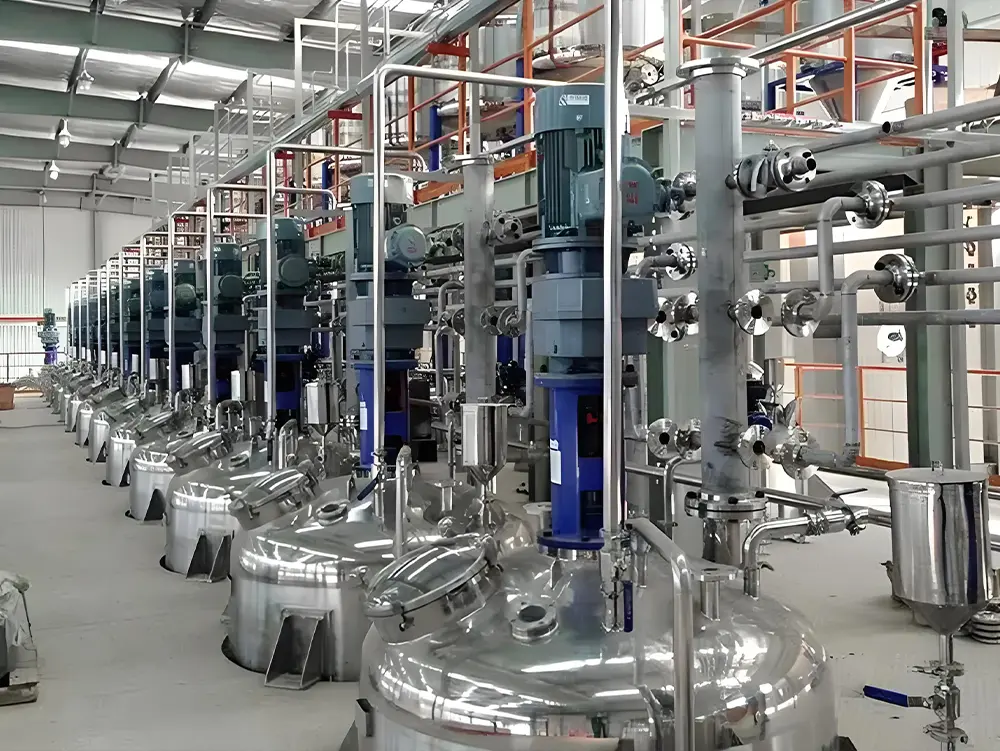
Our operational footprint encompasses advanced production facilities with state-of-the-art logistics nodes. We recently invested US$65 million to construct a high-capacity production facility located in the Bohai Industrial Park, Shouguang City, Shandong Province. This high-tier chemical industry park houses 6 fully automated DCS/SIS production lines, boasting a specialized annual output of 30,000 tons of silane coupling agents.
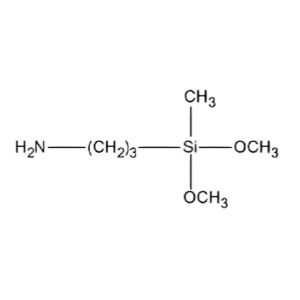
Amino-functional silane coupling agents are critical dual-reactive chemicals. They possess a hydrolyzable alkoxy group on one end (e.g., methoxy, ethoxy) and an organofunctional amino group on the other (e.g., primary, secondary, or tertiary amines). When introduced into composite matrices, they chemically bridge inorganic fillers (like silica, glass fibers, or minerals) with organic polymers (like epoxy, polyurethanes, phenolic resins, or acrylics).
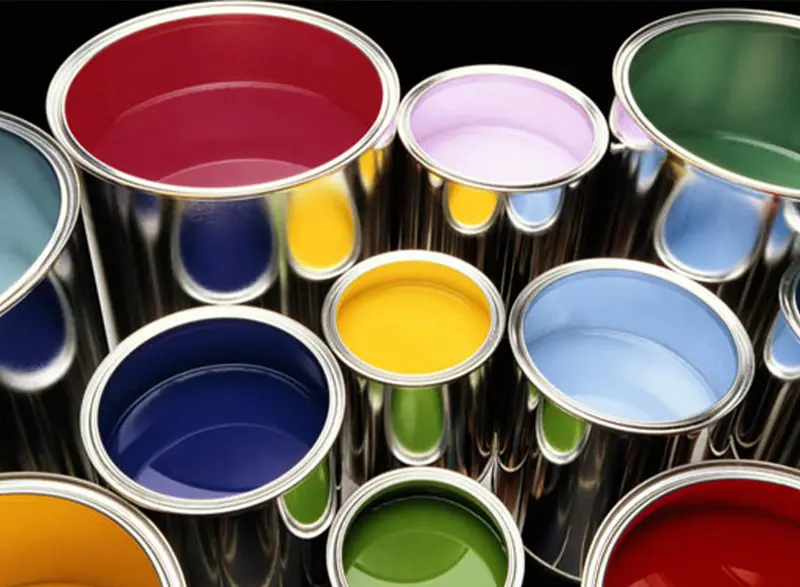
At Boctok, our Modified Amino Silane Coupling Agents undergo precise architectural modifications at the molecular level. By introducing secondary amines, alkyl groups, cyclohexyl rings, or ether links, we alter properties such as thermal stability, reaction kinetics, hydrophobicity, and yellowing resistance. This makes them ideal for structural adhesives, wind turbine blades, high-end electronics, and automotive coatings.
| Silane Type & Chemical Structure | Primary Application Matrices | Key Performance Enhancement |
|---|---|---|
| Mono-Aminosilanes (e.g., AMEO, AMIMO) | Epoxy, Phenolics, Polyurethanes | Excellent initial adhesion, dispersion of silica filler |
| Diamino-functional Silanes (e.g., DAMO) | Acrylics, Sealants, Glass Fiber composites | Higher crosslinking density, enhanced flexural strength |
| Triamino-functional Silanes | RTV Sealants, High-performance adhesives | Rapid cure times, high water-immersion resistance |
| Secondary/Alkyl-Modified Aminosilanes | Polyurethane sealants, Wind energy composites | Reduced yellowing, controlled cure rate, high elongation |
Boctok Chemical balances research and capacity across three synergistic business lines to stabilize global supply chains.
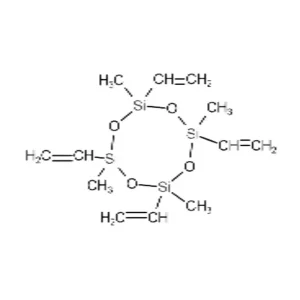
Covers twelve complex series of silane coupling agents and crosslinkers including:
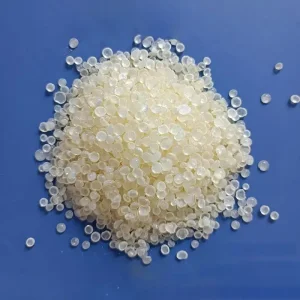
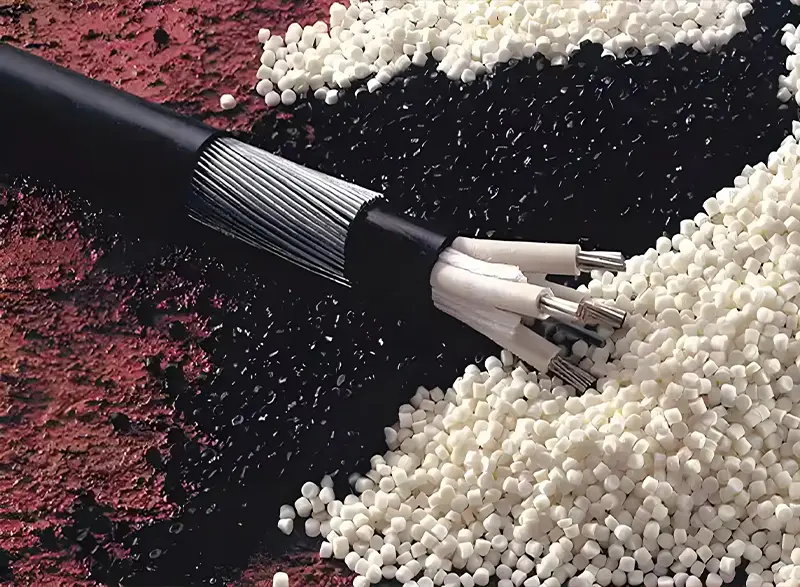
We operate three dedicated hydrocarbon resin factories in Zibo, Fushun, and Nanjing, leveraging high-grade feedstock from SINOPEC and PetroChina:
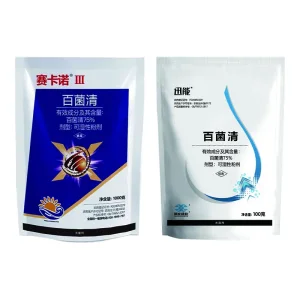
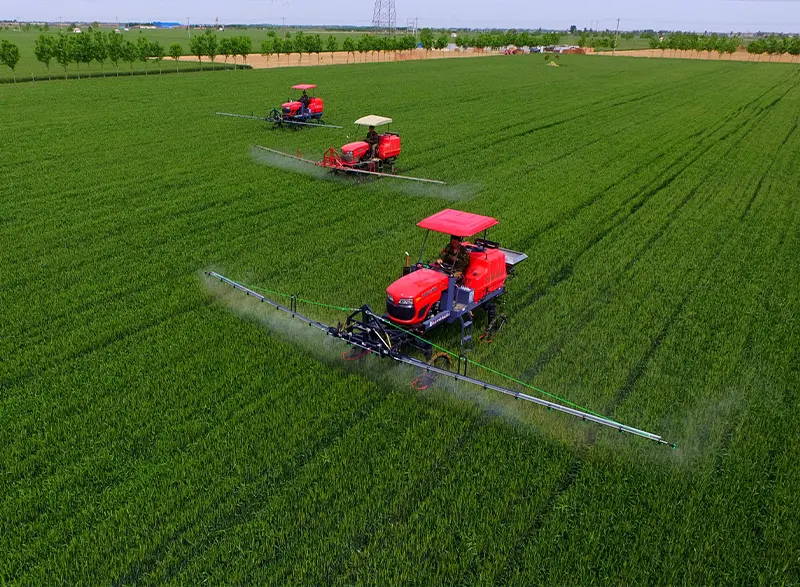
Supplying intermediate compounds, protective chemical agents, and customized raw materials for the agricultural protection sector:
To support multi-national companies and Tier-1 suppliers, Boctok maintains strict regulatory compliance. We operate in full compliance with REACH, TSCA, RoHS, and GHS standards, ensuring seamless cross-border shipments to North America, Europe, Japan, South Korea, Australia, South America, the Middle East, India, Southeast Asia, and Russia.
Our plants are governed by advanced process control loops. The integration of safety instrument systems (SIS) alongside automatic DCS (Distributed Control System) technology enables reproducible quality with zero manual variation. This technological backbone ensures that every metric ton of modified amino silane coupling agent matches precise specifications, avoiding batch-to-batch inconsistencies.
Boctok’s environmental mitigation strategy includes closed-loop waste gas thermal oxidizers and advanced biochemical wastewater treatment units, ensuring ecological harmony in local zones while guaranteeing uninterrupted plant operations during regulatory clean-air inspections.
Our ISO9001 standard procedures govern raw material inspection, reaction kinetics monitoring, and gas chromatography testing for final purity verification.
Strategic chemical packaging units (IBC tanks, isotanks, steel drums) coupled with regional distribution warehouses ensure fast, secure global transit.
From heavy wind turbine composites to precision electronics and high-temperature rubbers, Boctok's silanes optimize cross-phase interfaces.
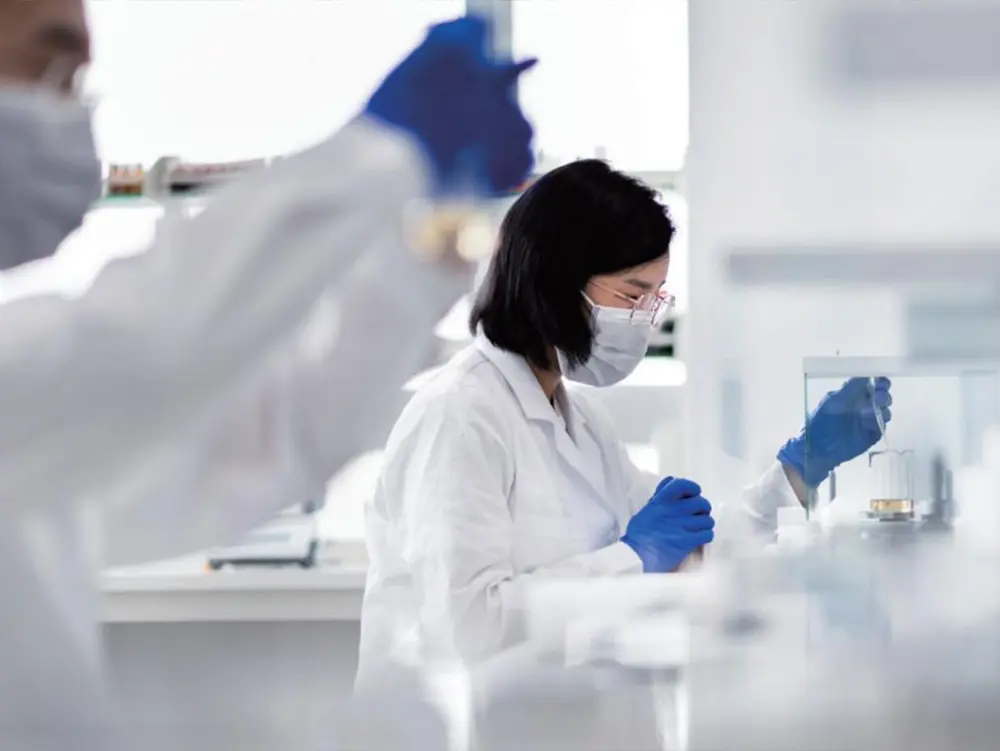

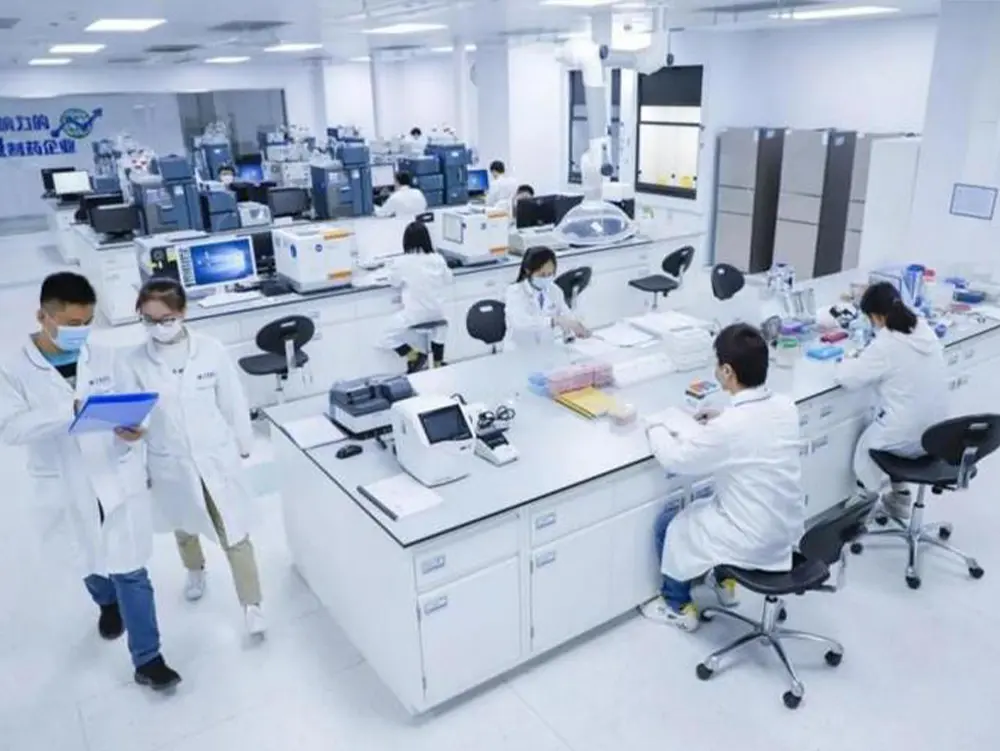



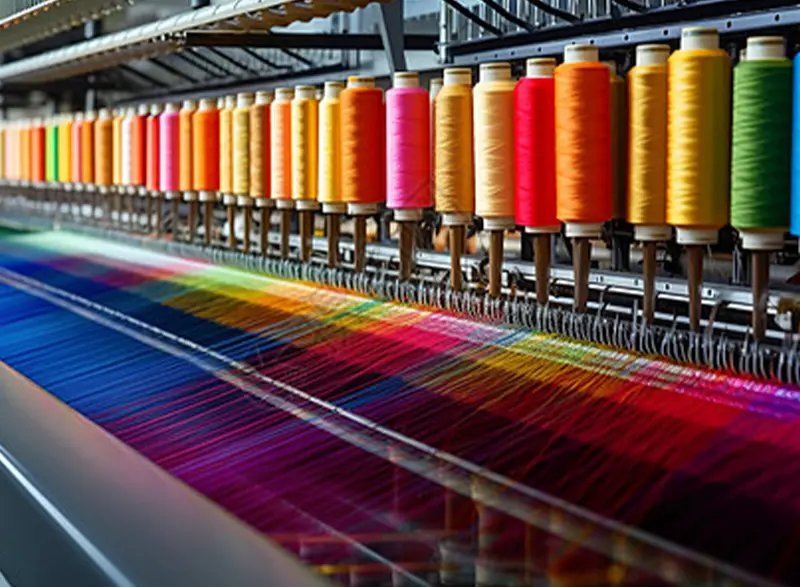
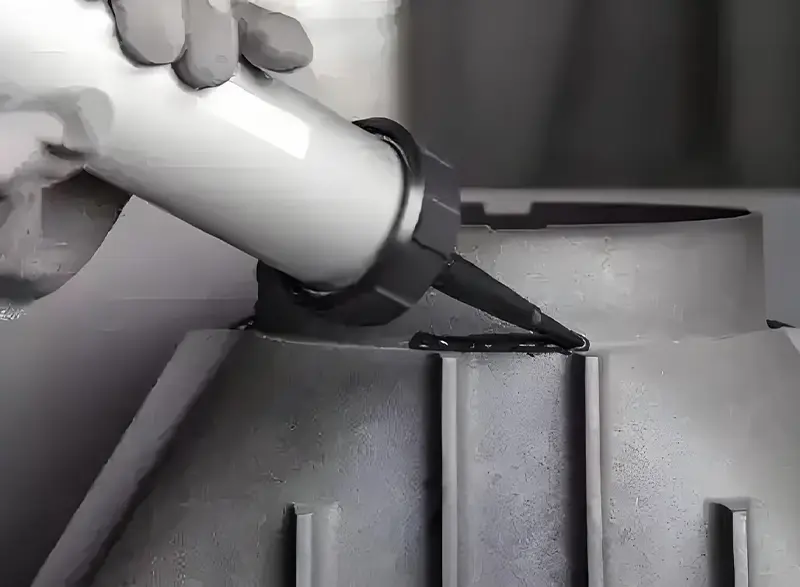
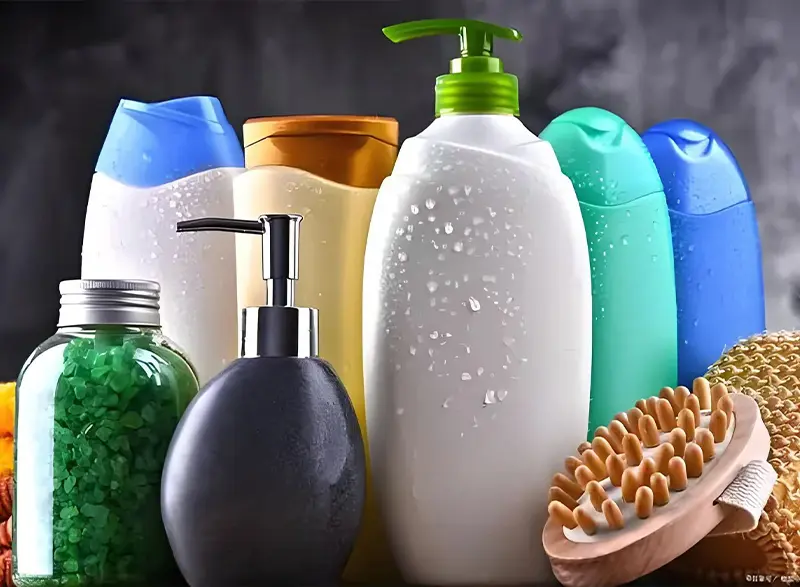


As regulatory landscapes push for low-VOC compounds, Boctok’s R&D department is actively pioneering the next generation of bio-based and waterborne modified amino silanes. By replacing traditional methanol and ethanol-releasing alkoxy groups with longer-chain or bulkier organic leaving groups, we aim to drastically reduce the volatile organic compound profile of industrial adhesives during high-temperature curing cycles.
Furthermore, our materials research lab is engineering next-gen silanes tailored for hybrid polymer systems, such as silylated polyurethanes (SPUR) and silane-modified polyethers (MS Polymers). These advanced coupling agents provide the durability of silicones combined with the mechanical strength of polyurethanes, paving the way for sustainable infrastructure coatings and green mobility systems.
Expert technical insights regarding selection, application, and kinetics of modified amino silanes.
Modified amino silanes are engineered with specific organic substituents (e.g., secondary amines, cyclohexyl, or alkyl branches). These alterations control reaction kinetics, slow down the curing phase to prevent stress cracking, reduce yellowing tendencies under UV exposure, and increase thermal stability for high-temperature service conditions.
Distributed Control Systems (DCS) monitor chemical flows, temperature ramps, and distillation pressures in real-time, preventing batch variation. Safety Instrumented Systems (SIS) act as an automated protective layer, initiating shut-down procedures in milliseconds if deviation bounds are crossed, maintaining safety and production reliability.
Boctok’s amino silanes are highly compatible with polar and non-polar organic solvents, including alcohols (ethanol, isopropanol), aliphatic hydrocarbons, aromatics (toluene, xylene), and ketones. However, due to their hydrolytic sensitivity, anhydrous solvents must be utilized to prevent premature self-condensation.
Yes. We actively work with global regulatory frameworks. By adjusting the alkyl leaving group structure, we can engineer custom silane formulations that generate low VOCs (reducing methanol release in favor of ethanol or non-volatile glycol byproducts), helping clients comply with strict local environmental rules.
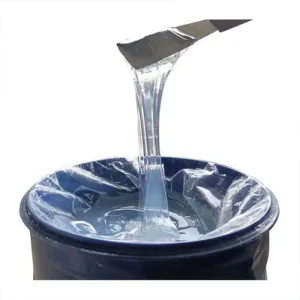
Explore our specialized silicone rubbers, modified copolymer resins, and protective chemical formulations.
 Boctok Chemical