Explore our premium selection of industrial compounds, silane coupling agents, and high-purity chemical components engineered for extreme environments.
Liquid Silicone Rubber (LSR) represents a pinnacle in elastomer technology. Chemically formulated as a two-component addition-cure (platinum-catalyzed) system, LSR consists of high-molecular-weight vinyl-terminated polydimethylsiloxanes (PDMS) crosslinked with methyl hydrogen siloxanes. This sophisticated crosslinking mechanism occurs without releasing toxic byproducts, yielding high-purity elastomer components that exhibit remarkable physiological inertness, thermal endurance, and mechanical resilience.
Unlike traditional high-consistency rubbers (HCR) processed via compression molding, LSR's pumpable viscosity enables rapid injection molding cycles, high-precision replication of complex geometries, and fully automated flash-less production. Understanding the interaction between silane coupling agents and silicone polymer backbones is crucial for optimizing adhesion profiles, mechanical strength, and moisture protection across demanding applications.
A global leader in silicones, hydrocarbon resins, and agricultural science chemicals.
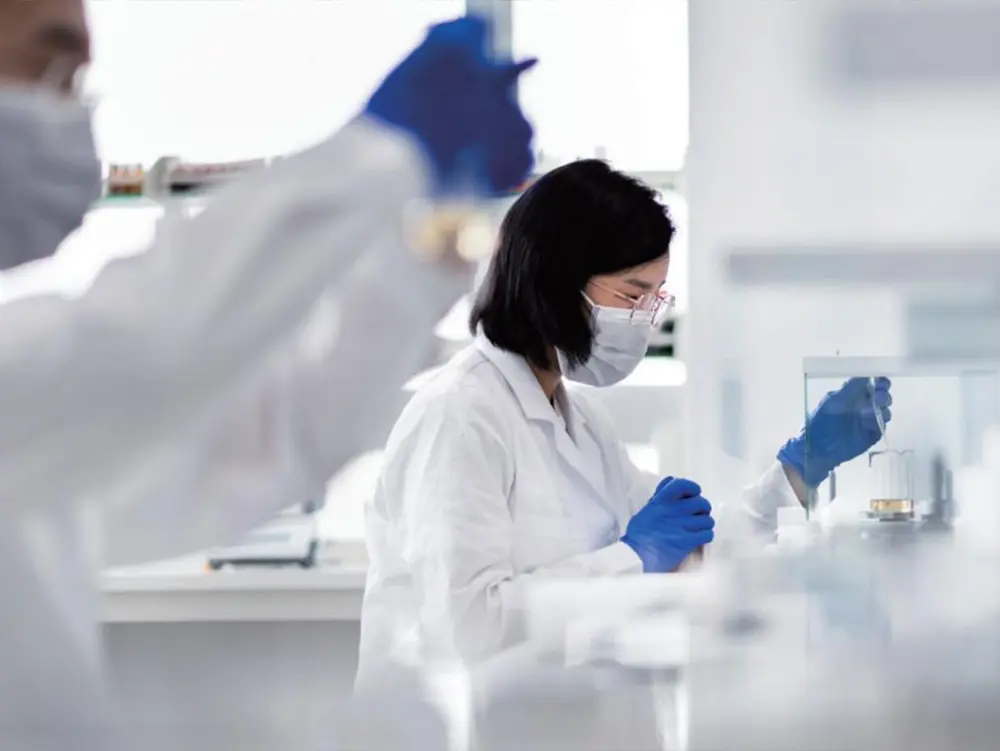
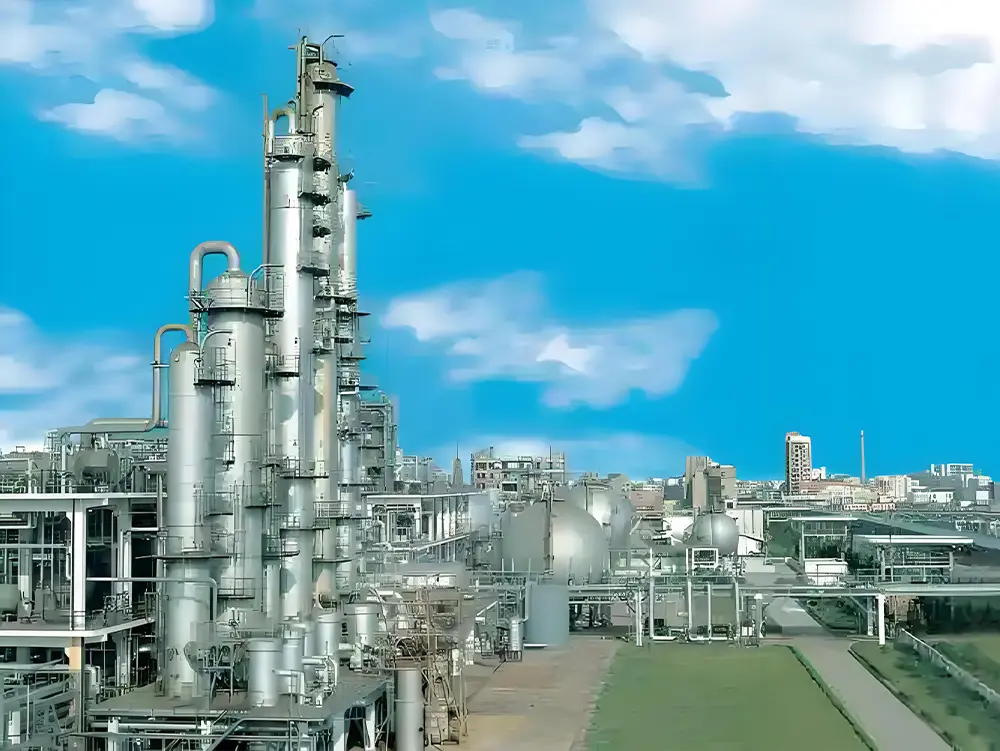
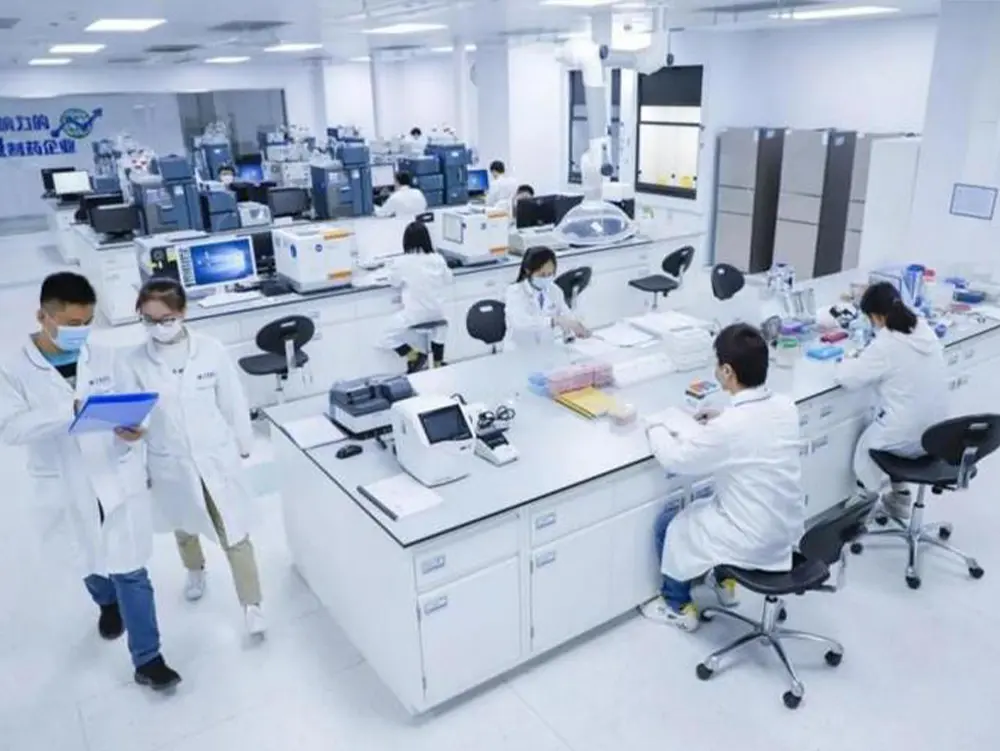
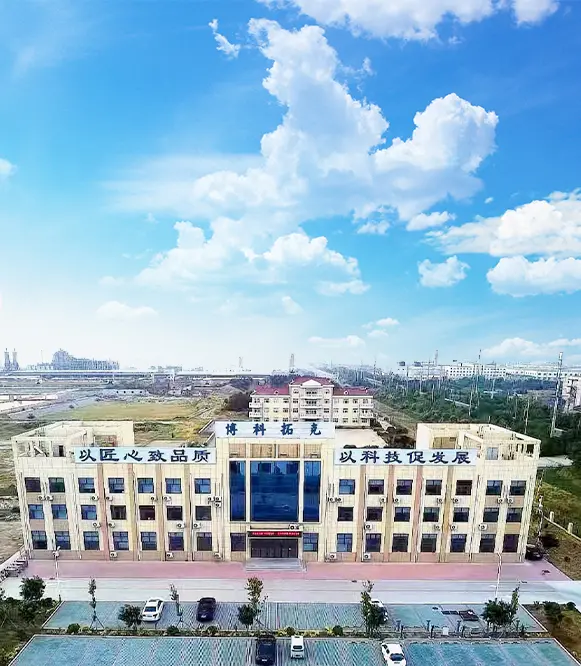
Founded in 2012, Shandong Boctok Chemical Co. was established as the primary marketing, sales, and technical development hub for Boctok™ domestic and overseas businesses, achieving a record sales volume of US$280 million in 2023. The BOCTOK brand is highly recognized globally, with specialized divisions focused heavily on meeting the specific demands of the Russian and Eurasian markets.
Boctok operates across three dominant product pillars:
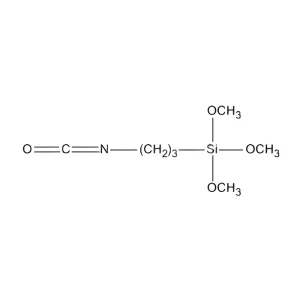
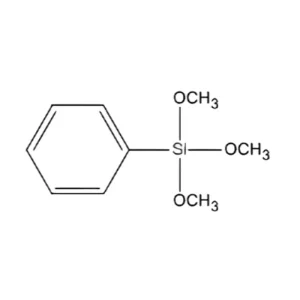
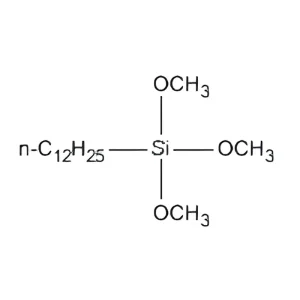
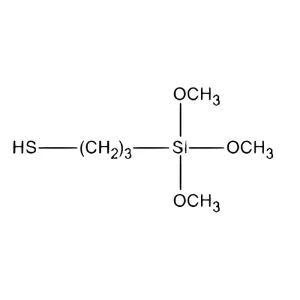
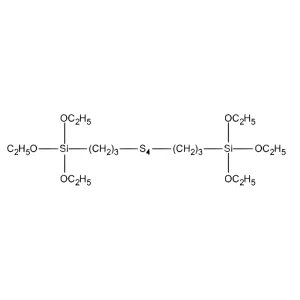
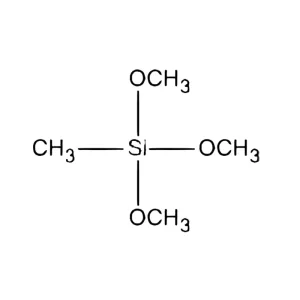
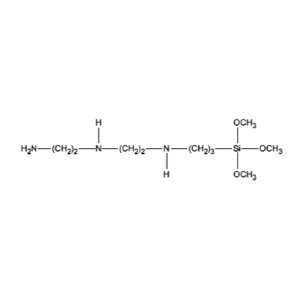
1. Organosilicone Material Matrix: Over 12 distinct silane coupling agent and crosslinker series (including aminosilane, methacrylate silane, epoxy silane, vinyl silane, mercaptosilane, alkyl silane, ethyl silicate, chlorosilane, silane isocyanates, phenyl silane, ureidosilane, and serosilane). We also manufacture specialized silicone oils (dimethicone, vinyl silicone oil, high-hydrogen silicone oil, polyphenylmethyldimethylsiloxane, phenyl silicone oil, silanol silicone oil / OH polymer, alkoxy silicone oil), MQ resins (methyl MQ, vinyl VMQ), and room-temperature/high-temperature vulcanized rubbers.
2. Petroleum Resins: Boctok has invested in a key hydrocarbon resin manufacturer in China, with three core factories in Zibo, Fushun, and Nanjing. Powered by reliable raw materials from SINOPEC and PetroChina, we supply C9 hydrogenated resins, C5 hydrocarbon resins, C5 modified C9 resins, dicyclopentadiene, and methyl cyclopentadiene dimer.
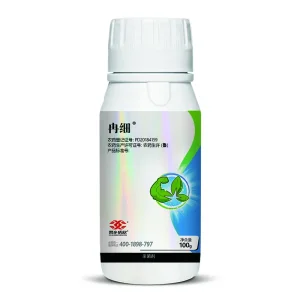
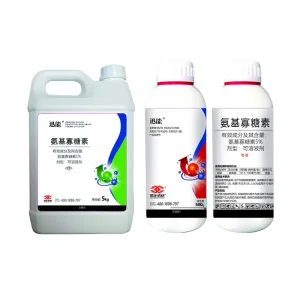
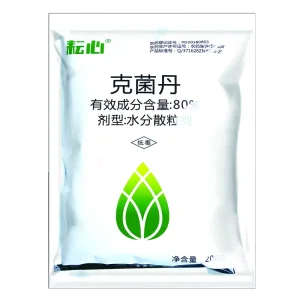
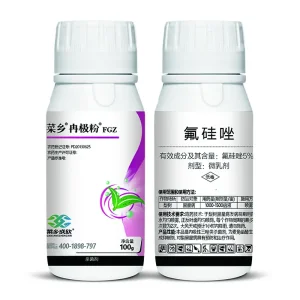
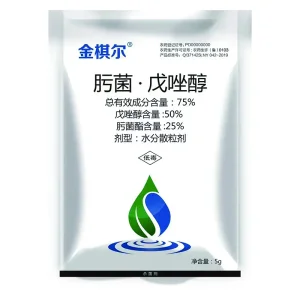
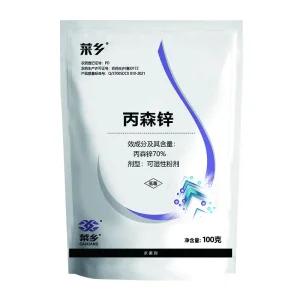
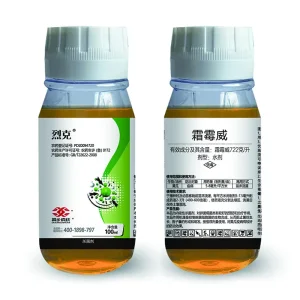
3. Agrochemical Formulations: Intermediates and active raw materials for pesticide, fungicide, insecticide, and plant growth regulator manufacturing.
An analysis of raw material integration, production automation, and cost engineering superiority.
Chinese plants benefit from direct integration with massive domestic silicon refineries and chlorosilane producers. Raw materials from petrochemical giants like SINOPEC and PetroChina secure uninterrupted supply chains, protecting buyers from market volatility.
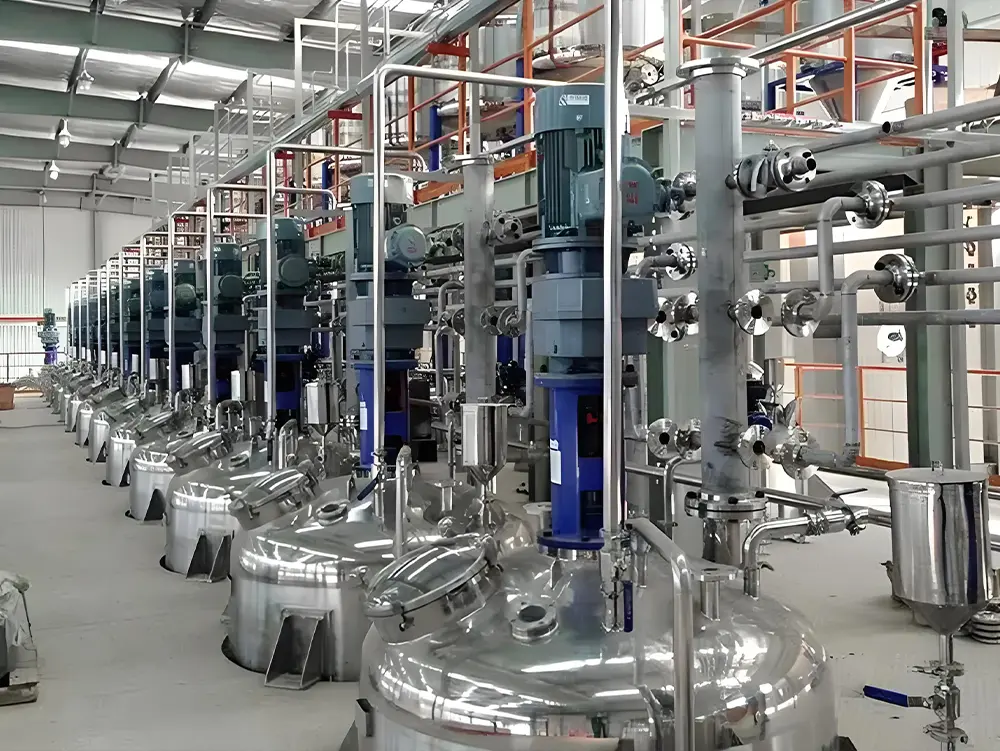
Boctok invested US$65 million in a state-of-the-art facility inside the Shouguang Bohai Industrial Park, featuring 6 automatic DCS production lines. This eliminates human error, ensures ultra-tight batch consistency, and scales output to 30,000 tons annually.
Implementing ISO9001 and ISO14001 guidelines across manufacturing workflows. Safety and reliability are reinforced via automated Safety Instrumented Systems (SIS), and waste is managed using advanced in-house gas/water treatment facilities.
The global demand for LSR raw materials is undergoing rapid transformation, propelled by technological advances in secondary markets. A significant driver is the transition to electric vehicles (EVs). High-voltage battery systems, electric powertrains, and sensor housings demand specialized elastomers that offer both thermal resistance and electrical shielding. This has accelerated the production of custom silane coupling agents that strengthen mineral-filled flame retardant compounds.
To address these developments, Boctok’s R&D center is expanding its silane capabilities. We focus on vinyl silicone polymers, silanol polymers, and customized MQ resins that allow compounding factories to tailor tensile parameters, durometer ratings (from Shore A 5 to 80), and thermal dissipation efficiency for high-tech applications.
By providing high-grade intermediates to resin manufacturers, we enable the formulation of high-adhesion coatings, primers, and heat-resistant rubbers suited for extreme environments.
Bridging raw materials with real-world engineering across industrial verticals.
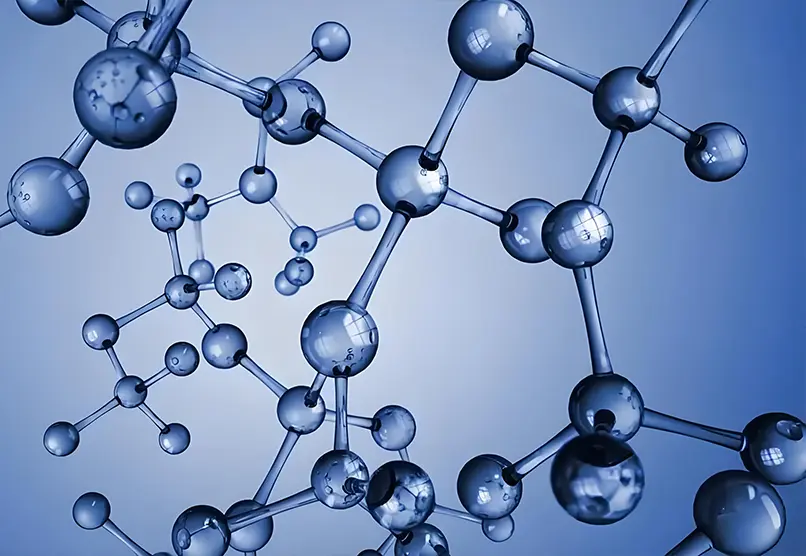

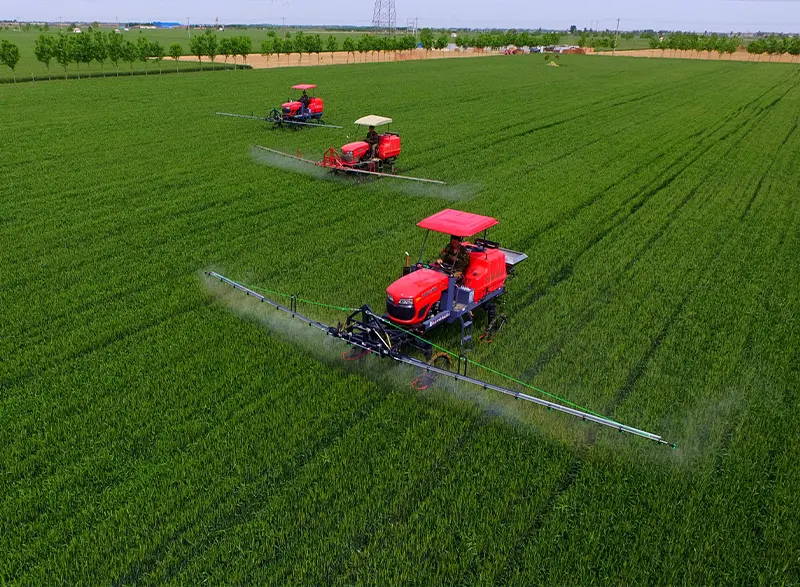
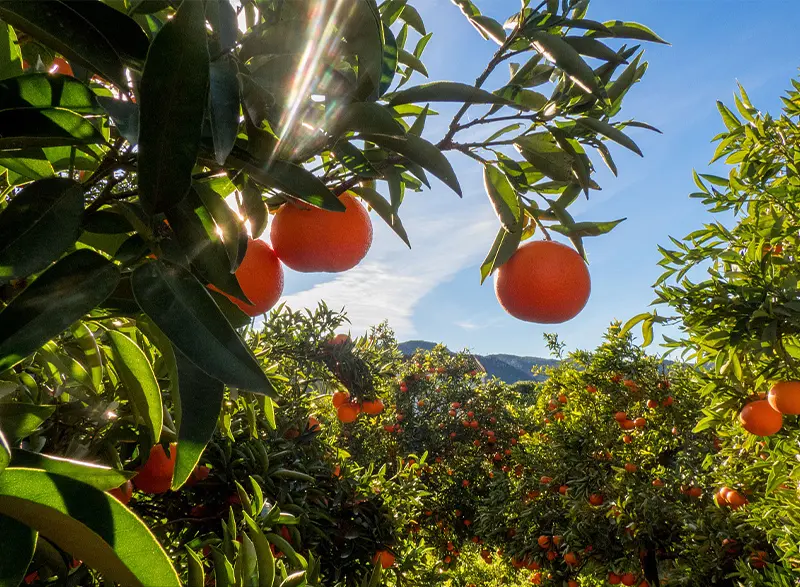



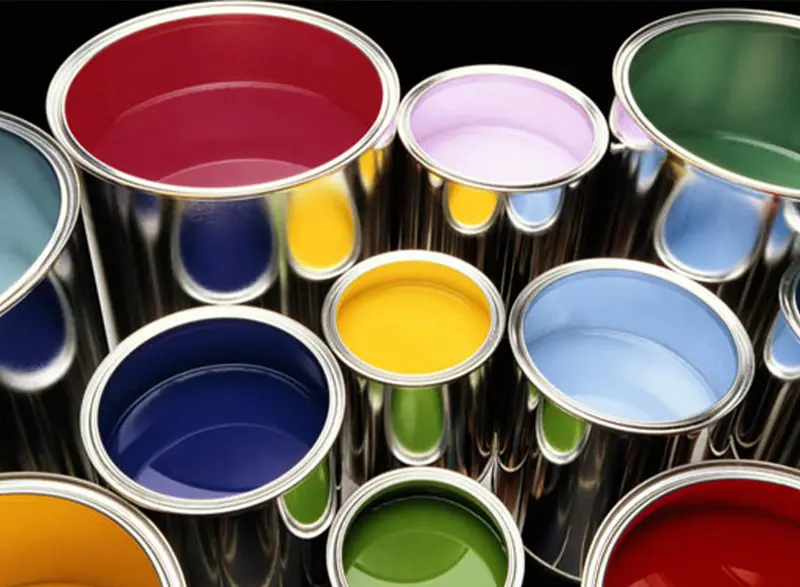
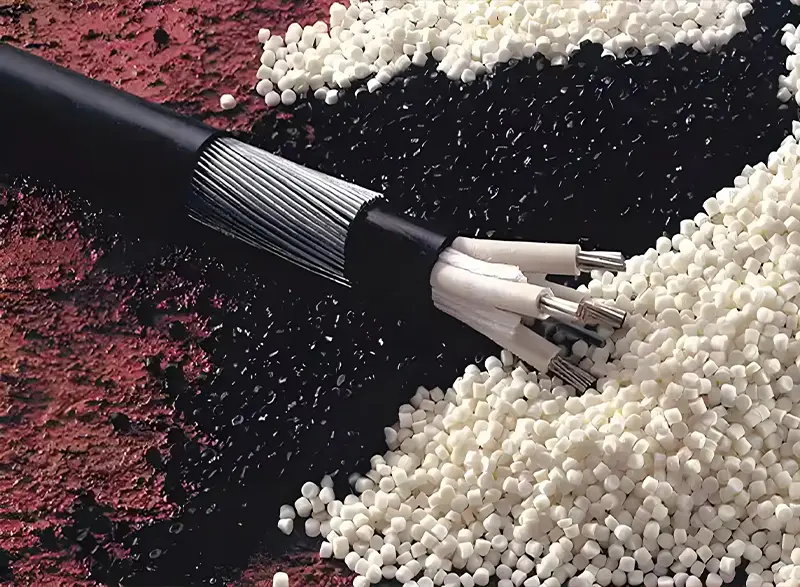
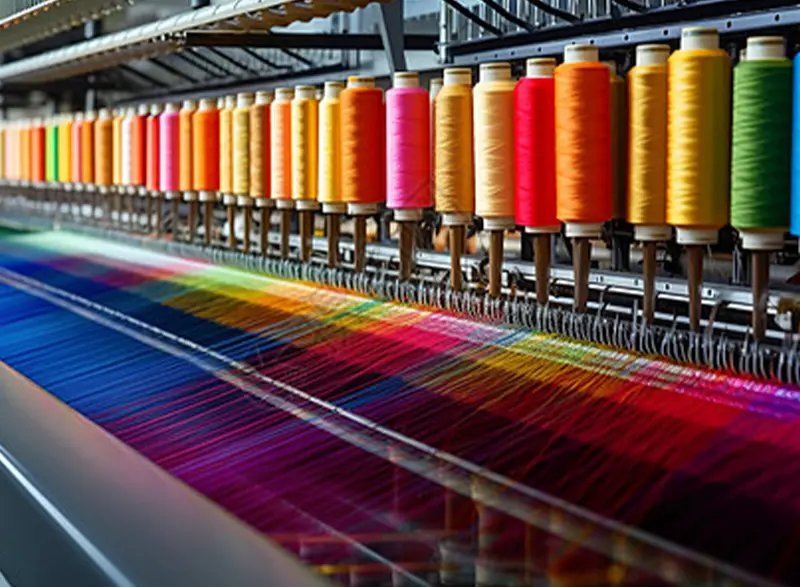
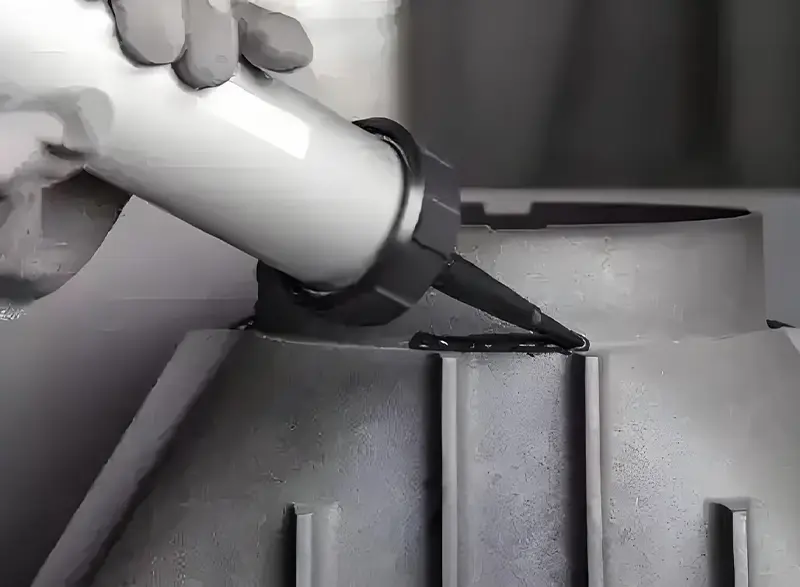
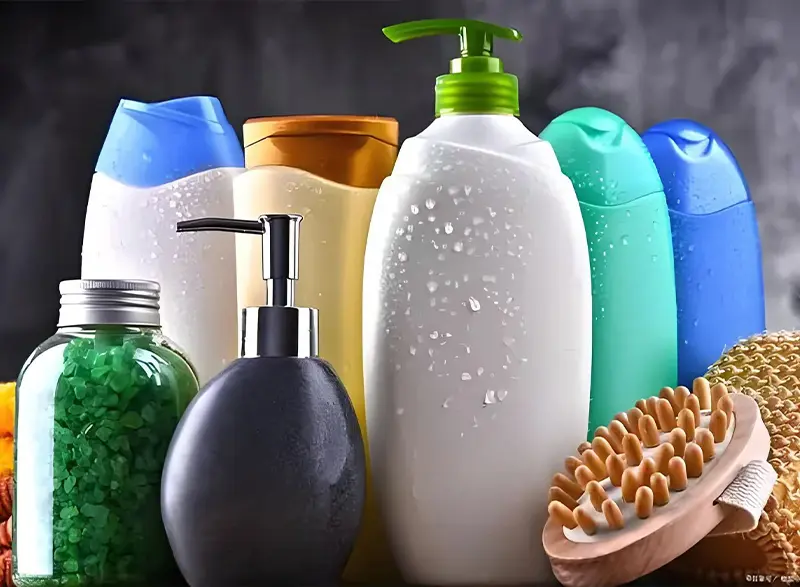
Our chemical products serve diverse global industrial needs. In the pharmaceutical and pesticide industries, our chemical intermediates act as critical reagents. In the sector of cosmetics and personal care products, both our petroleum resins and silicone oils function as essential emollients, conditioning agents, and film-formers, improving sensory texture and water-resistance.
For industrial adhesives and the rubber industry, hydrocarbon resins improve tackiness and cohesion. In the paints and coatings sector, our silane coupling agents act as adhesion promoters between organic resins and inorganic substrates. In the automotive, marine, aviation, and electronics industries, addition-cured LSR, high-hydrogen silicone fluids, and potting resins protect components from humidity, thermal shocks, and mechanical stress.
Additionally, our chemicals are widely used in drywall manufacturing (as water repellents), construction adhesives and sealants, metal surface treatments, wire and cable insulation (via XLPE crosslinkers), resin synthesis and casting, wind turbine manufacturing, biomedical devices, and the processing of minerals and fillers to enhance mechanical compatibility.
Procurement managers from Tier 1 automotive suppliers, medical device companies, and global electronics manufacturers face strict chemical and supply chain criteria. Boctok addresses these challenges with structured technical support and reliable logistics systems:
Every batch of Boctok silane and silicone compound undergoes a quality review process. Using gas chromatography (GC), Fourier-transform infrared spectroscopy (FTIR), and rheological testing, our QA engineers verify purity and performance against technical sheets before delivery.
"Our automated SIS (Safety Instrumented System) and DCS remote monitoring ensure stable synthesis parameters, reducing process deviations to near-zero levels."
Detailed technical answers to common queries regarding LSR materials, silanes, and industrial procurement.
Addition-cure (platinum-catalyzed) systems cure via a hydrosilylation reaction, where vinyl-functional polymers react with hydride-functional crosslinkers. This reaction releases no byproducts, resulting in low shrinkage, excellent dimensional stability, and high biocompatibility. Condensation-cure systems typically use tin catalysts and release byproducts such as alcohol or acetic acid upon contact with atmospheric moisture. Addition-cure is favored for medical, optical, and high-precision electronic sealing, whereas condensation-cure is used in general construction sealants and industrial molds.
Silane coupling agents feature dual reactivity. Their hydrolyzable groups (e.g., methoxy or ethoxy) bond with inorganic fillers like silica, glass fiber, or metal substrates. Their organofunctional groups (e.g., vinyl, amino, or epoxy) chemical link with the silicone polymer matrix. This creates a molecular bridge that improves filler dispersion, reduces compound viscosity, and increases tensile strength, tear resistance, and moisture resistance in the cured elastomer.
The shelf life is determined by storage temperature, moisture exposure, and inhibitor concentration. Part A (containing the platinum catalyst) and Part B (containing the hydride crosslinker) are stable when stored separately below 30°C in sealed containers. Exposure of Part B to moisture can generate hydrogen gas and degrade the active crosslinker, while exposure of Part A to trace compounds like sulfur, nitrogen, or organotin can poison the platinum catalyst, preventing complete curing.
Quality control is managed through our automated DCS production lines in Shouguang. These automated systems control reaction temperature, raw feed rates, and pressure cycles within narrow tolerances. Every batch is analyzed using gas chromatography and rheological testing to confirm it meets specification ranges before packaging.
Self-lubricating LSR contains controlled concentrations of incompatible phenyl silicone fluids. Over time, these fluids migrate slowly to the molded part's surface, forming a thin lubricating film. This reduces friction, facilitates cable installation through rubber grommets, and helps maintain connector seal integrity against dust and moisture.
Review our second series of high-specification silanes, silicone polymers, and specialty agricultural chemicals developed for global supply networks.
 Boctok Chemical