Explore our highly integrated matrix of organosilicones, specialized co-polymers, and advanced resin architectures optimized for industrial application.

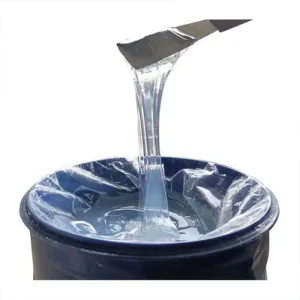
In the modern electrical power transmission and high-density microelectronics industries, thermal and electrical stress limits are constantly being pushed. Silicone oil, specifically customized polymethylsiloxanes and polyphenylmethyldimethylsiloxanes, functions as an exceptional insulating medium silicone oil. Unlike standard mineral oils or synthetic hydrocarbons, these silicon-oxygen backed fluids feature unparalleled thermal oxidation stability, low viscosity-temperature coefficients, high dielectric breakdown voltage, and excellent compatibility with standard solid insulating components.
Shandong Boctok Chemical Co., founded in 2012, operates at the heart of this global materials transformation. Achieving an annual sales revenue of US$280 million in 2023, Boctok has emerged as a premier manufacturer and marketing center, specifically optimizing formulations for the Russian, European, Middle Eastern, and Asian markets. By integrating vertical industrial supply chains and high-technology automation, Boctok provides premium organic silicones engineered for the most demanding insulation scenarios.
The structural secret to silicone oil's performance as an insulating medium lies in the Si-O-Si backbone. With a bond energy of approximately 460 kJ/mol (compared to C-C bond energy of 348 kJ/mol), the siloxane chain is significantly less susceptible to thermal cleavage, chemical breakdown under electrical stress, or carbonization during localized discharge events.
As power transmission networks migrate to Extra-High Voltage (EHV) and Ultra-High Voltage (UHV) systems, the requirements placed on dielectric fluids have intensified. The technical roadmap for insulating medium silicone oil focuses on key vectors:
Insulating medium silicone oils do not function in isolation; they are part of comprehensive, macro-scale engineering projects. Boctok’s materials serve critical nodes across several industrial pillars:
In transformers, high-voltage switchgear, and traction grid installations, silicone oils replace mineral oils where safety, fire prevention, and extended lifetimes are critical. Due to their K-class classification (high fire point fluids), silicone-insulated transformers can be installed inside residential towers, subway tunnels, and offshore wind turbines without the risk of explosive fires.
Modern EV architectures operate at 800V or higher, requiring direct cooling of electric motors and battery packs. High-voltage insulation and thermal management must be managed simultaneously. Low-viscosity silicone fluids act as direct immersion cooling agents, preventing thermal runaway while maintaining strict electrical isolation.
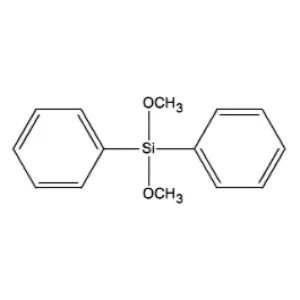
In defense and aerospace systems, electronics encounter severe atmospheric changes. Diphenyl dimethoxysilane and polyphenylmethyldimethylsiloxane-based fluids ensure that radar arrays, navigational transponders, and deep-sea repeaters maintain stable insulating boundaries despite extreme pressure and thermal fluctuations.
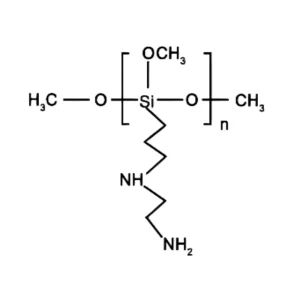
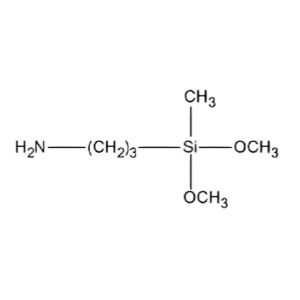
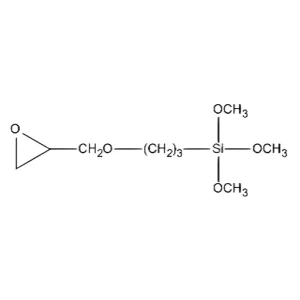
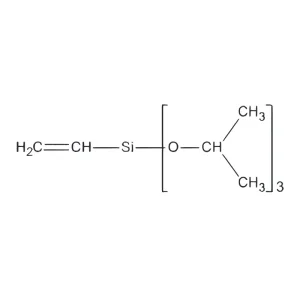
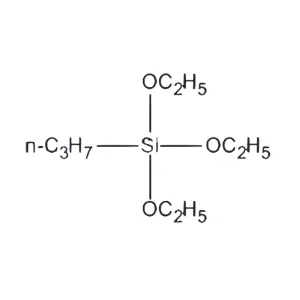
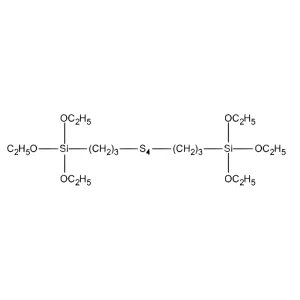
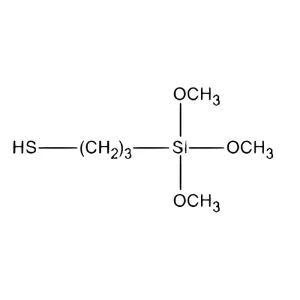
Our core organosilicone portfolio covers 12 series of silane coupling agents and crosslinkers. These include: aminosilane, methacrylate silane, epoxy silane, vinyl silane, mercaptosilane, alkyl silane, ethyl silicate, chlorosilane, silane isocyanates, phenyl silane, ureidosilane, and serosilane.
This wide range is supplemented by high-hydrogen silicone oil, dimethicone, vinyl silicone oil, polyphenylmethyldimethylsiloxane, phenyl silicone oil, silanol silicone oil, alkoxy silicone oil, and specialized MQ/VMQ resins.
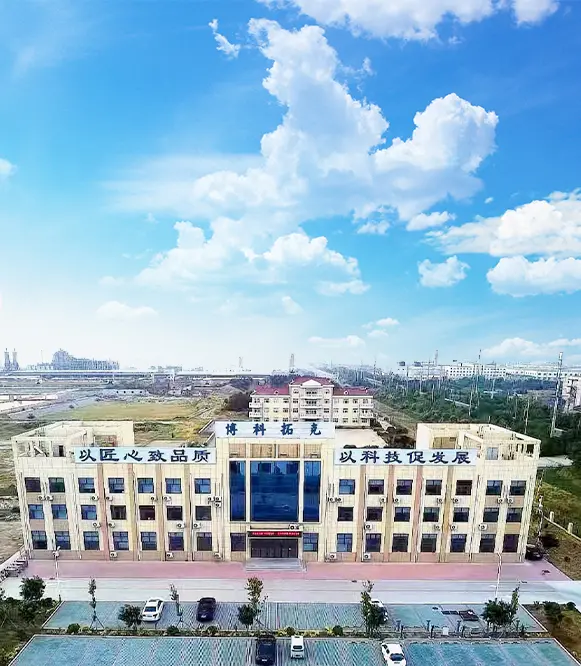
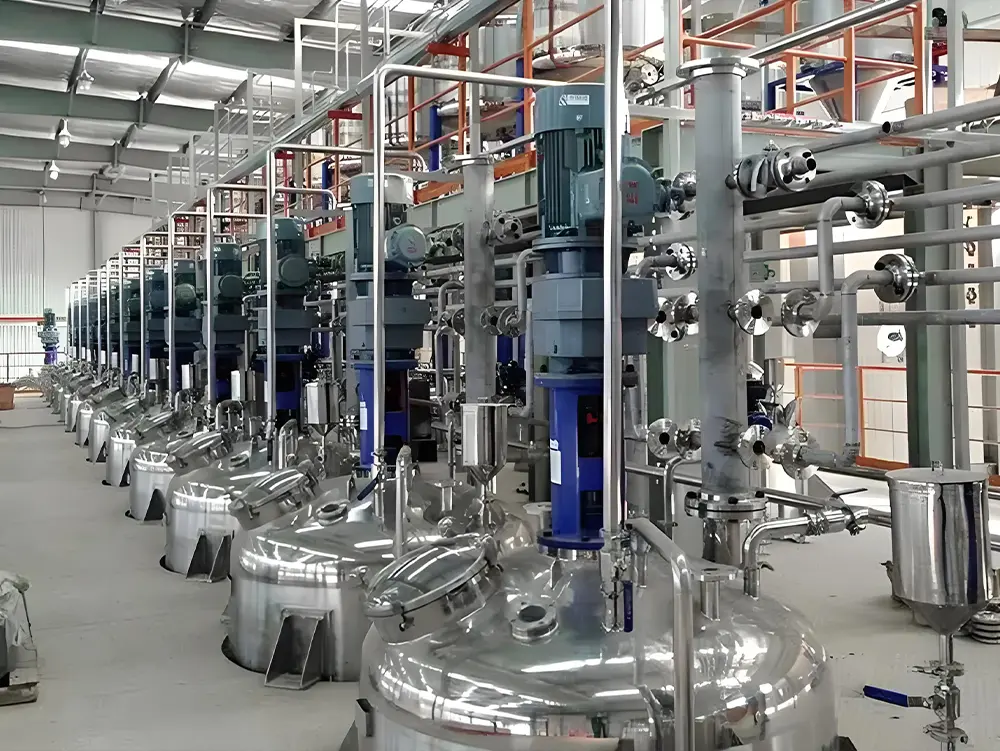
Boctok has invested US$65 million to construct a state-of-the-art manufacturing facility located in the Bohai Industrial Park, Shouguang City, Shandong Province. This complex operates as a regional benchmark for Industry 4.0 integration:
Leveraging high-quality raw materials from energy leaders SINOPEC and PetroChina, Boctok ensures continuous production, shielding global buyers from market supply-chain disruptions.
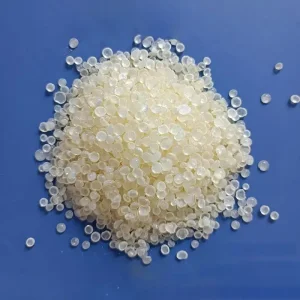
Our Tier II core business focuses on high-purity petroleum resins (C5 and C9 modified variants), produced across three facilities in Zibo, Fushun, and Nanjing. Our integrated footprint serves many Fortune 500 corporations worldwide.


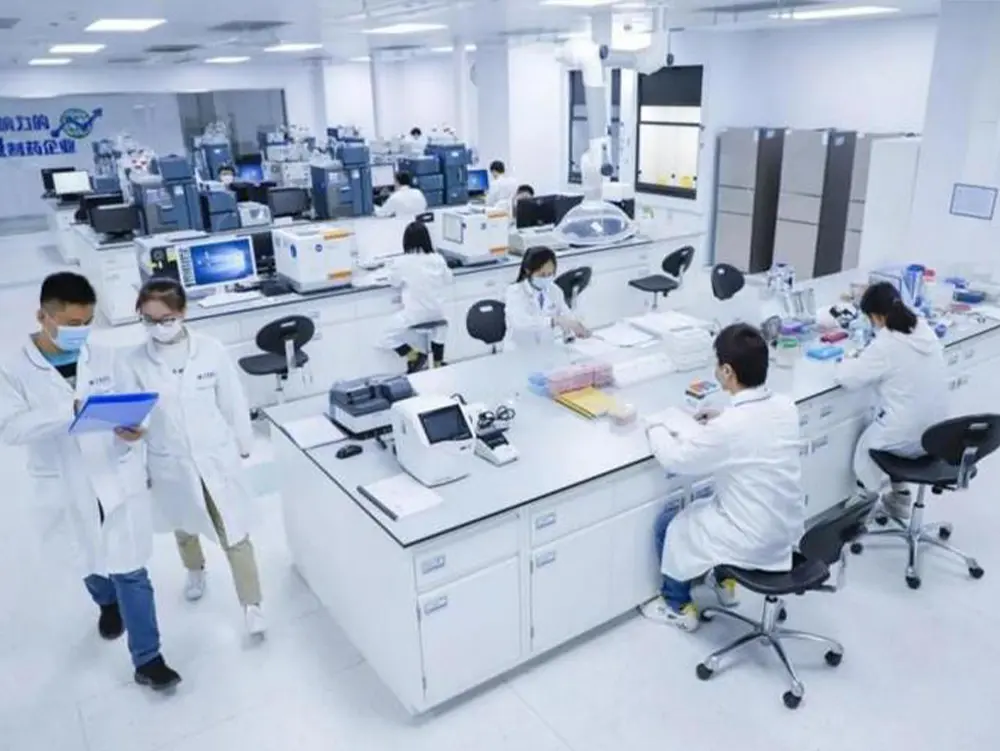
Operating across diverse economic landscapes—including North America, Europe, the Middle East, India, Southeast Asia, South America, and specifically the Russian market—demands rigorous compliance frameworks.
Every shipment of Boctok's insulating medium silicone oil complies with international chemical regulatory guidelines, such as REACH (Europe), TSCA (USA), and specific GOST standards for electrical insulating materials in Russia and CIS nations.
By offering localized technical documentation, localized custom clearance pathways, and specialized packaging (from 200kg drums to 1000kg IBC containers or ISO tanks), we reduce supply chain latency and ensure cargo arriving at our customers' facilities is immediately ready for deployment.
Connect with Boctok's global application engineers for custom formulation requests, pricing packages, or complete SDS documentation. We are available online 24/7 to solve your complex dielectric fluid requirements.
Request Technical Consultation• Found Date: 2012
• 2023 Revenue: $280 Million USD
• Core Base: Shouguang Bohai Industrial Park
• Capacity: 30,000 Tons / Year
• Key Markets: Russia, North America, Europe, Asia
Our materials are utilized in glass fiber, electronics, wind energy, coatings, adhesives, XLPE electrical cables, hot water pipes, oil field drilling, textiles, rubber, and moulding processes globally.
Explore the remaining part of our high-quality product portfolio optimized for reliable industrial insulation and polymer synthesis.
 Boctok Chemical