Explore our leading crosslinkers, antioxidants, silane coupling agents, and specialty resins
![Bis-[3-(trimethoxysilyl)-propyl]amine](https://site.cdnfile.io/www.boctoksilicone.com/b7a8c47713f462756c9e61cb65cea17f300_300.webp)
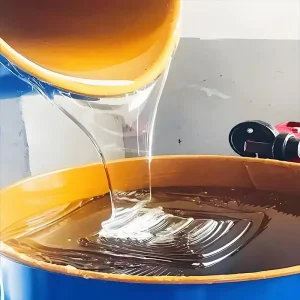
Understanding the chemistry, macroeconomics, and supply dynamics of industrial foam control
In massive manufacturing systems, foam generation presents a persistent, costly hurdle that compromises process security, equipment throughput, and final product quality. From industrial biological fermentations and oilfield drilling muds to high-stress textile printing, municipal wastewater treatment, and advanced polymer synthesis, unwanted air entrainment can lead to structural defects, system overflows, and pump cavitation. High-efficiency defoamer silicone oil—principally composed of polydimethylsiloxane (PDMS) and customized organo-modified siloxanes—acts as the ultimate chemical countermeasure.
Unlike organic surfactant defoamers, silicone-based fluids possess exceptionally low surface tension (typically ranging between 20 to 22 mN/m). This unique physical property allows the silicone oil droplets to disperse rapidly across high-tension aqueous and non-aqueous surfaces. Once the silicone defoamer enters the liquid-gas interface, it destabilizes the surfactant layer by spreading over the thin liquid films (lamellae), leading to rapid film thinning and immediate bubble rupture.

To deliver true high-efficiency performance, defoamer silicone oil formulation chemistry depends on a fine equilibrium between *insolubility* in the foaming medium and *dispersibility*. High-purity silica nanoparticles are typically hydrophobicized and dispersed within the silicone matrix to form a synergistic system. This mixture breaches the surfactant double layer at the bubble wall, triggering structural instability and mechanical collapse.
The global demand for high-efficiency defoamer silicone oil is projected to expand consistently over the coming decades, propelled by heavy industrialization, stricter environmental mandates, and the optimization of downstream manufacturing processes. Key chemical consumption zones including North America, Western Europe, and East Asia demand rigorous standards regarding chemical purity, volatile organic compound (VOC) levels, and thermal stability. Suppliers must prove their capability to engineer specialty modified silicones (such as polyether-modified silicone oil) that can withstand high temperatures, intense shear forces, and strong acidic or alkaline systems without phase separation.
Our Path to US$280 Million in Annual Sales
Founded in 2012 as a dedicated marketing and sales engine for domestic and global chemical distribution, Shandong Boctok Chemical Co. has secured its position as a major organosilicone and petroleum resin authority, achieving annual sales of US$280 million in 2023. Under the recognized BOCTOK™ brand, we have built a dominant footprint serving international markets with an emphasis on the Russian Federation, Eastern Europe, Central Asia, and Southeast Asia.
Our organosilicone portfolio spans twelve core silane coupling agent and crosslinker series, as well as a comprehensive selection of high-hydrogen silicone oils, dimethicones, vinyl silicone oils, polyphenylmethyldimethylsiloxanes, phenyl silicone oils, and OH polymers. To secure sustained growth and supply chain security for our global partners, Boctok recently invested US$65 million to construct a state-of-the-art facility in Shouguang City, Shandong Province (Bohai Industrial Park), operating 6 automated DCS production lines with an annual capacity of 30,000 tons.
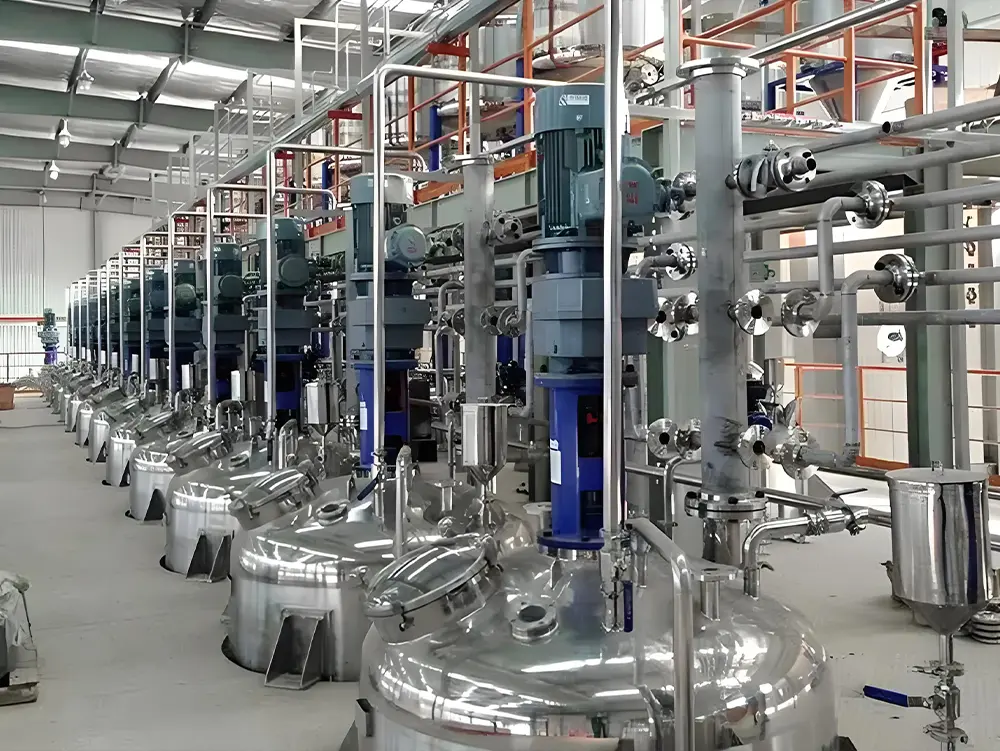
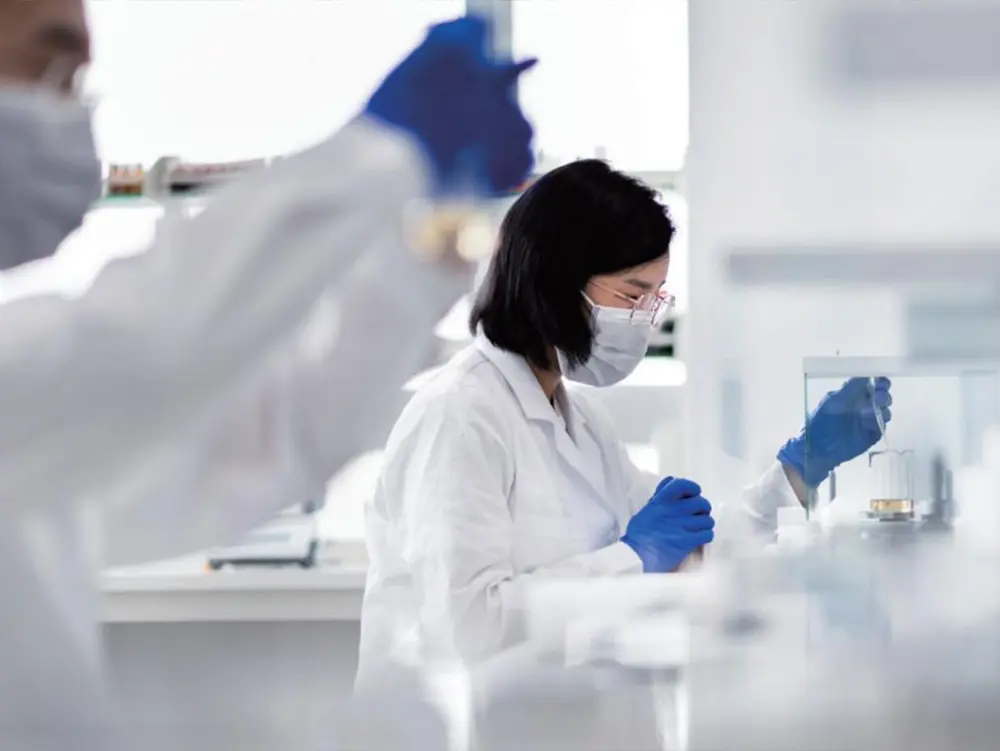
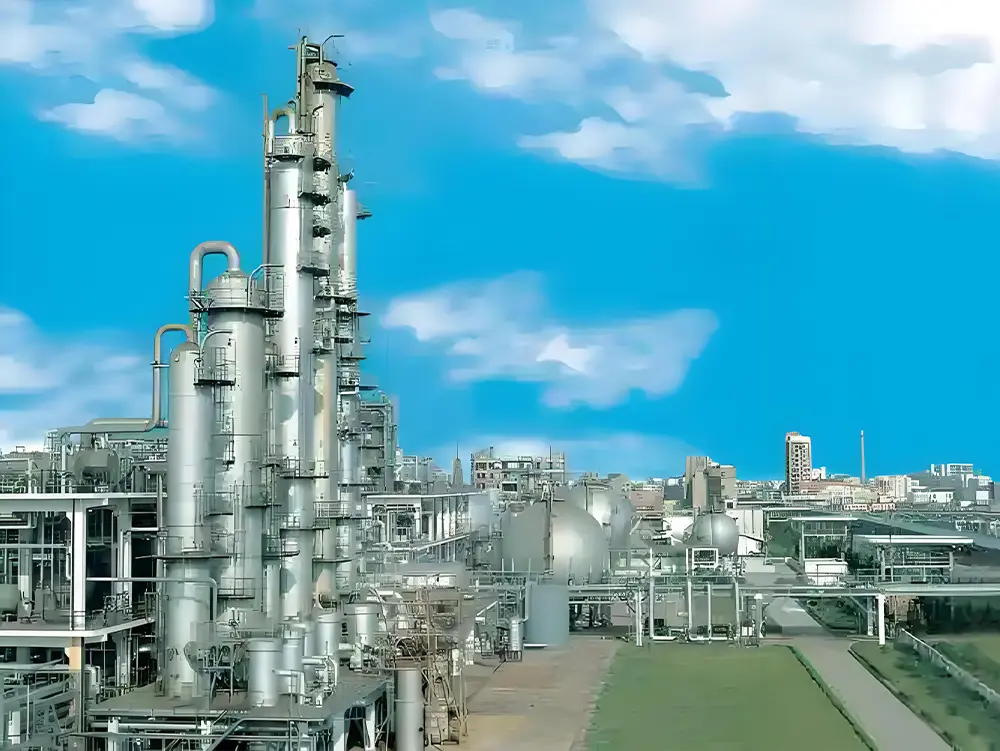
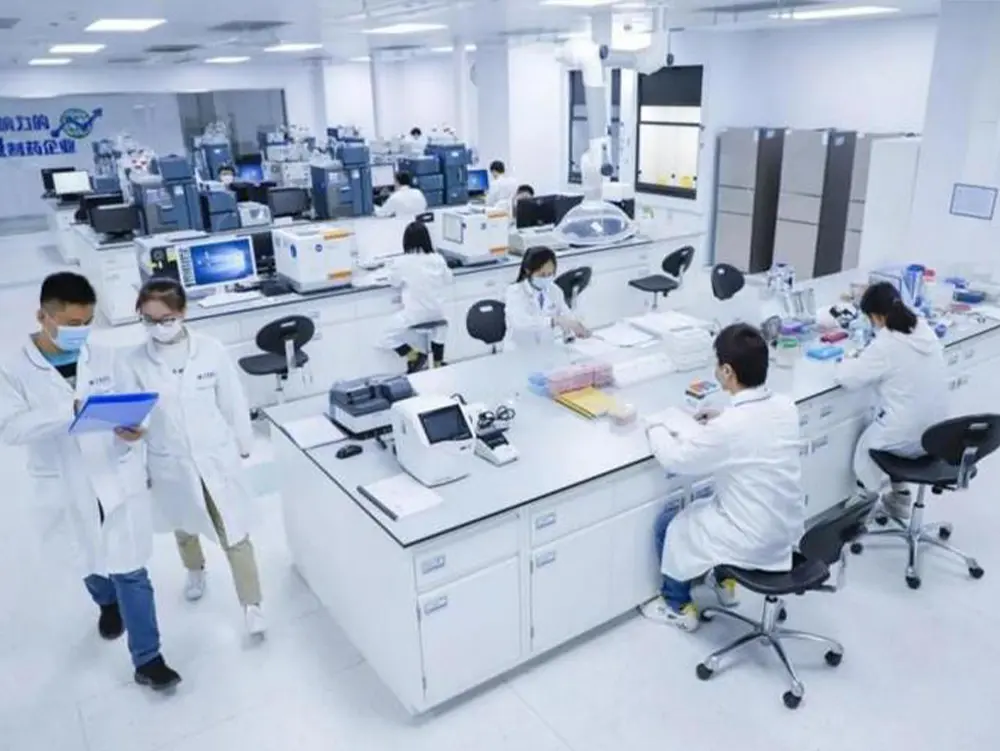
China is currently the global epicentre for high-efficiency organosilicone production, offering massive advantages in raw material integration, manufacturing efficiency, and logistical agility:
By leveraging consistent, raw material supply links with domestic giants like SINOPEC and PetroChina, Boctok secures uninterrupted access to petroleum derivatives and monomer silicon metal inputs, insulating global buyers from supply spikes.
Our Shouguang facility is equipped with automated Distributed Control Systems (DCS) and Safety Instrumented Systems (SIS) remote controls. This minimizes human intervention, enforces consistent polymerization heat-exchange cycles, and ensures zero batch-to-batch chemical variance.
Our plant integrates custom waste gas capture thermal systems and specialized chemical wastewater treatment infrastructure. This protects local water resources and ensures our products meet global supply compliance requirements.
Empirical data demonstrating our global manufacturing footprint
Providing significant advantages for enterprise-level global purchasers

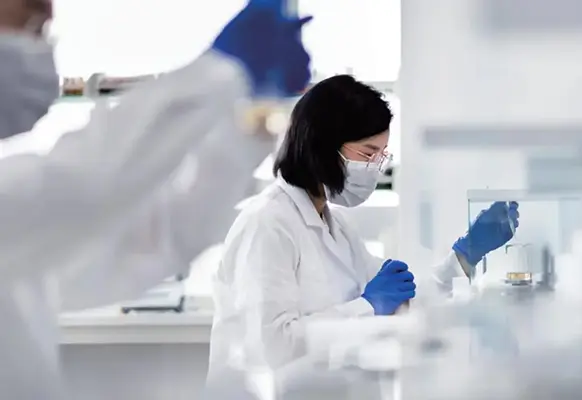
Every single raw material input is strictly cross-referenced and analyzed. Our final products undergo rigorous gas chromatography and viscosity verification to match the highest quality standards before shipping.

By leveraging multi-line DCS reactors, Boctok satisfies heavy container commitments without breaking batch integrity, facilitating mass customization and continuous product feed.

Our chemical application engineers work around the clock, providing technical support, dynamic product matching, and logistical status reports to global buyers.

Situated in proximity to coastal shipping lanes and key rail distribution networks, we process custom paperwork rapidly to ship to destinations across the globe on time.
Optimizing system efficiency and output quality across multiple industrial verticals
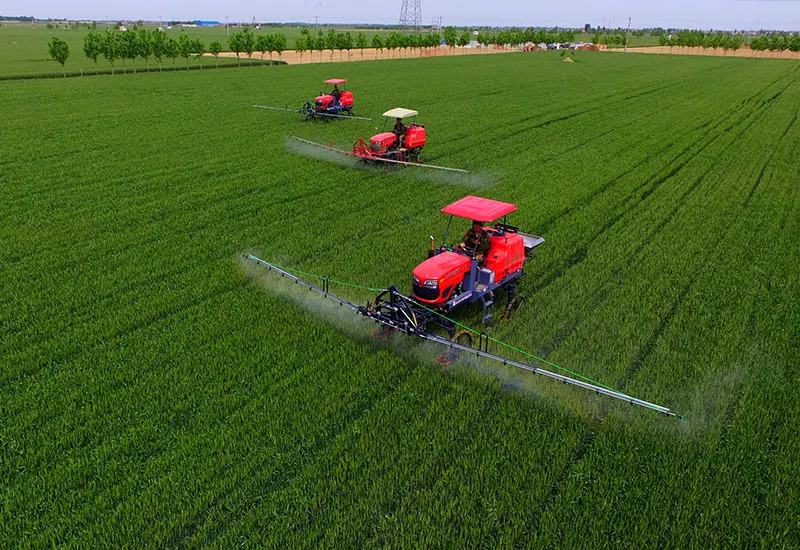
Agrochemical spray formulations rely heavily on high-spread silicone oils to control foaming in transport tanks. Our products lower surface tension, facilitating uniform droplet deposition on waxy leaves while protecting active pesticide compounds from chemical breakdown.
Specialized emulsified defoamers control bubbles in orchard spray systems, reducing overspray and environmental runoff. This improves agricultural yield and boosts pesticide application efficiency.
Our silicone fluids lower foam profiles in hydroponic nutrients and liquid floral fertilizers. They remain highly active across diverse pH levels, preventing nutrient tank overflow while remaining non-toxic to plants.
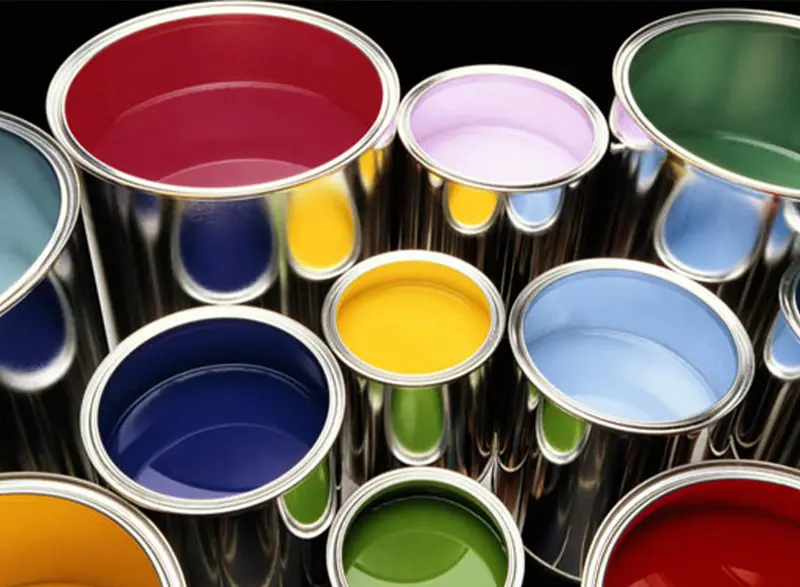
Silicone additives prevent micro-foam formation in solvent-borne paints and varnishes during dispersion and high-shear coating operations. This stops pinholes and orange-peel defects in dried paint films.
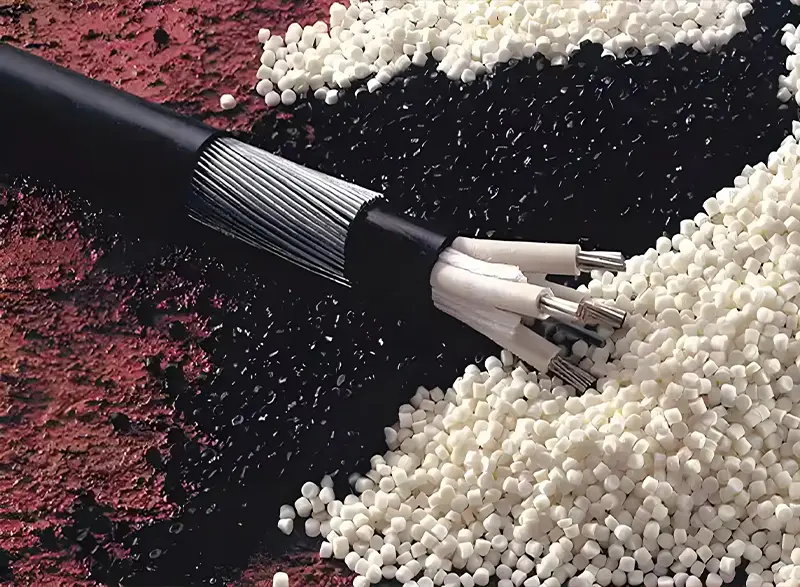
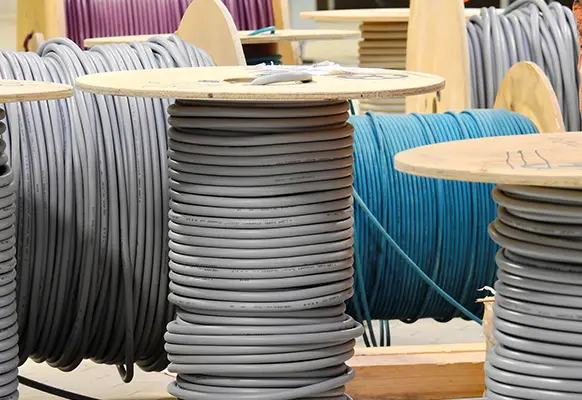
High-voltage power cables, XLPE lines, and casting rubbers require foam-free resin matrices to prevent dielectric breakdown. Our silanes and OH polymers strengthen insulation stability and increase humidity resistance.
High-speed textile jet dyeing machines subject processing baths to heavy mechanical agitation. Our modified silicone defoamers withstand shear forces and hot chemical baths, preventing fabric spot damage and uneven dye uptake.
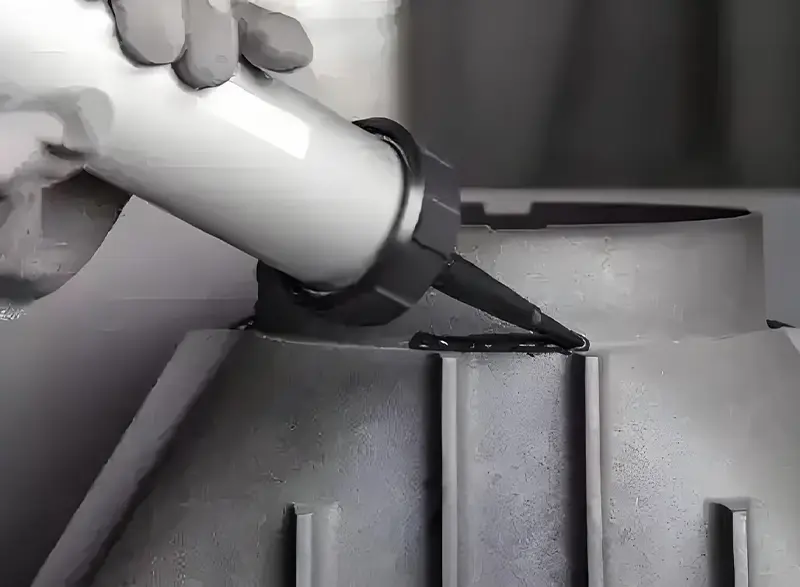
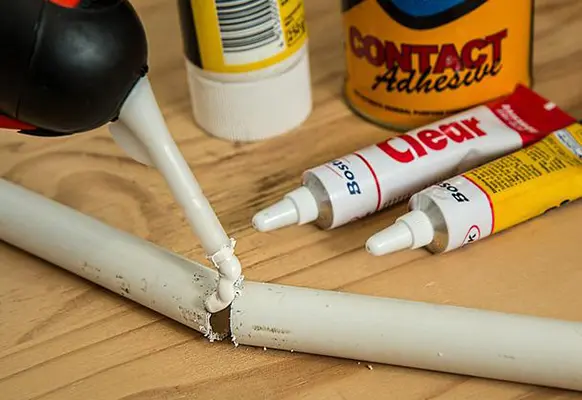
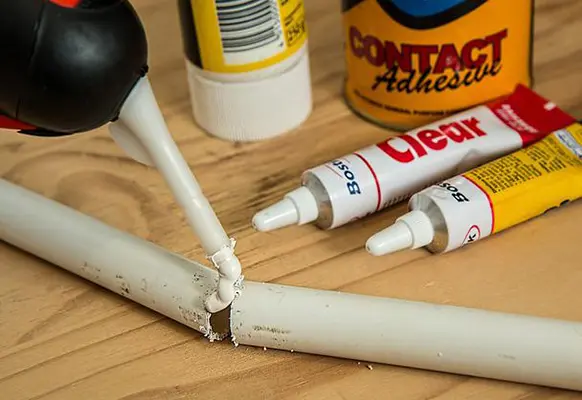
Air bubbles trapped during industrial adhesive formulation degrade bond strength. Adding small quantities of our silicone defoamer ensures a void-free polymer structure, providing reliable shear and peel resistance.
Cosmetics, skin creams, and personal hair treatments utilize high-purity dimethicone and siloxanes to improve skin-feel, spreadability, and water resistance, providing a smooth finish without leaving a greasy residue.
Delivering high-purity silanes, specialized petroleum resins, and silicone fluids to demanding global industries











Navigating environmental regulations, formulation challenges, and strategic purchasing
As chemical regulations tighten under initiatives like EU REACH, USA TSCA, and regional volatile organic compound (VOC) limits, the defoaming industry is pivoting towards environmentally responsible formulations. Historically, traditional silicone defoamers relied on heavy aromatic solvents for dispersion. Modern developments focus on solvent-free emulsions, bio-derived carriers, and high-efficiency polyether-modified block copolymers (such as AB or ABA block structures).
These advanced block structures combine the low surface tension of polydimethylsiloxane with the cloud-point properties of polyethers, offering self-emulsifying characteristics. This ensures the defoamer remains stable under high thermal stresses and returns to its active phase once temperatures exceed the cloud point, preventing chemical dropout and residue deposition.
For chemical procurement officers, choosing a supplier requires looking beyond price. Essential procurement check points include:
In-depth insights from our technical support team
While often used interchangeably, they target different parts of the foaming process. Defoamers act at the liquid surface to break existing macro-foam bubbles by weakening the liquid-gas interface. Deaerators act within the liquid body, encouraging small, dissolved micro-bubbles to merge and rise to the surface faster. Modern, high-efficiency silicone defoamers from Boctok are engineered to perform both actions effectively.
This drop in efficiency is typically caused by phase separation or the gradual settling of the hydrophobic silica particles suspended within the polydimethylsiloxane oil matrix. Formulators can resolve this by adding custom thickening agents and applying high-shear blending during production. Boctok maintains stable, long-lasting emulsification profiles across our entire product range.
Traditional silicone defoamers can break down or lose surface activity under high temperatures or in extreme pH environments. For these challenging applications, we recommend polyether-modified silicones. These specialty formulations are engineered to withstand extreme conditions, maintaining reliable defoaming action in high-alkalinity chemical processing and hot dyeing systems.
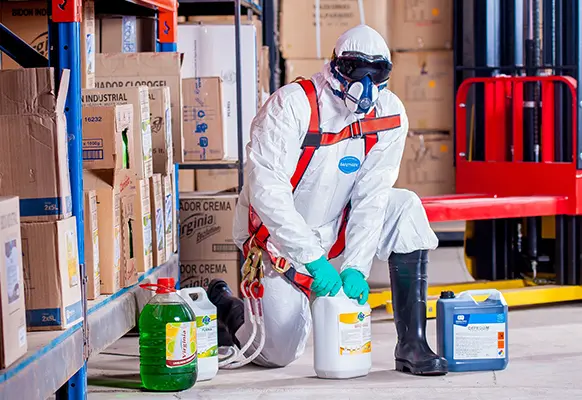
At our Shouguang facility, environmental safety is a top priority. We operate comprehensive waste gas collection systems and advanced wastewater treatment plants. These systems capture and treat by-products, ensuring our production processes comply with local and global environmental standards.
Our Distributed Control System (DCS) manages reactor temperatures, chemical addition feeds, and mixing speeds in real time. The Safety Instrumented System (SIS) continuously monitors for process anomalies. Together, these systems keep our chemical reactions within optimal parameters, producing highly consistent products batch after batch.
Direct supply options for agrochemicals, vinyl silanes, and premium intermediates
![Bis-[3-(triethoxysilyl)-propyl]amine](https://site.cdnfile.io/www.boctoksilicone.com/837bedcc9470a3ee1f202feb49d8ce69300_300.webp)
 Boctok Chemical