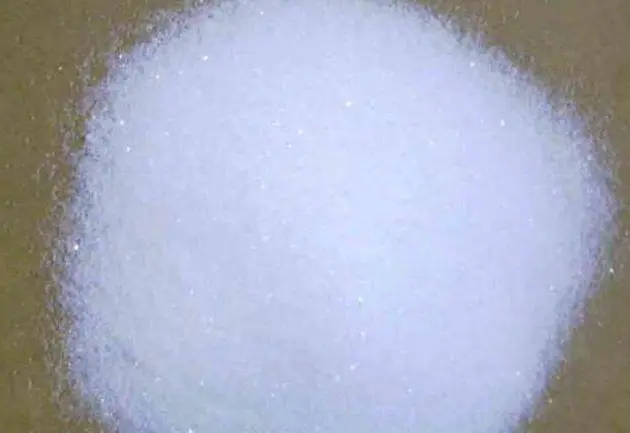
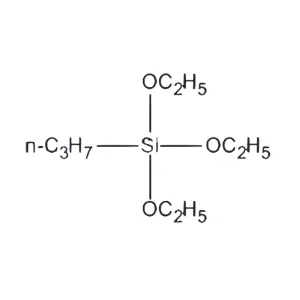
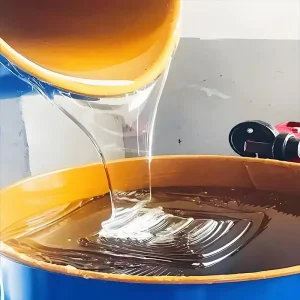
Ethyl Silicate, systematically designated as Tetraethyl Orthosilicate (TEOS, CAS No. 78-10-4), represents a foundational compound in modern organosilicon chemistry. Consisting of four ethyl groups attached to a central orthosilicate nucleus ($Si(OC_2H_5)_4$), TEOS functions as a liquid source of silicon dioxide (silica). Under controlled environments, it undergoes a complex sequence of chemical shifts: hydrolysis and condensation.
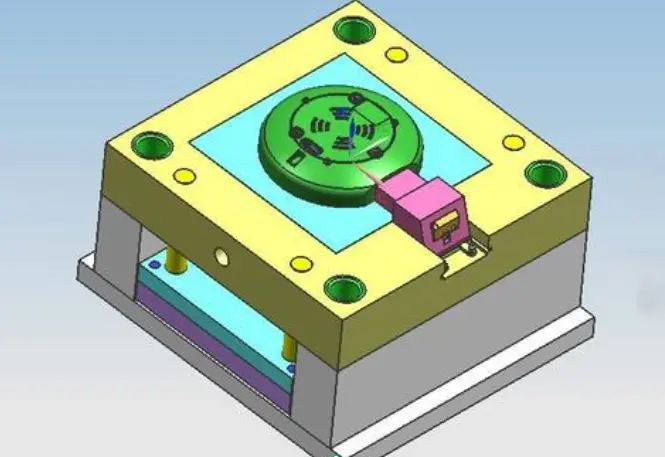
Hydrolysis occurs when TEOS reacts with water in the presence of acidic or basic catalysts. This replaces the ethoxy ($OC_2H_5$) ligands with hydroxyl ($OH$) groups, generating silanol intermediates ($Si(OH)_4$). As condensation proceeds, these silanols cross-link to form siloxane bonds ($Si-O-Si$), releasing water and ethanol. This gelation creates a solid, amorphous silica matrix. This process is key in precision casting, anti-corrosive coatings, and ceramic modification.
For top industrial applications, selecting high-grade Ethyl Silicate is essential. The monomolecular variant (Ethyl Silicate 28) and the pre-condensed oligomeric mixtures (Ethyl Silicate 40) offer different silica yields (approx. 28% and 40% respectively). Knowing which option fits your manufacturing system is critical to maintaining thermal resistance, mechanical durability, and optimal drying speed.
The international market for ethyl silicates is expanding due to demand in high-performance metallurgy, electronics, and specialty building finishes. Key economic regions, including the Asia-Pacific, North America, and Europe, are modernizing their chemical plants. These updates focus on improving environmental metrics while maintaining supply reliability.
Historically, the industry faced challenges from volatile prices of silicon metal and anhydrous silicon tetrachloride, the key raw materials. Today, leading manufacturers prioritize vertical integration. This secures supply chains and shields industrial buyers from sudden price increases.
Current industrial developments emphasize green synthesis methods. These methods reduce volatile organic compound (VOC) emissions during hydrolysis. By replacing conventional monomers with pre-hydrolyzed ethyl silicate polymers, manufacturers reduce the quantity of ethanol released during curing. This helps global industrial users comply with strict clean air regulations.
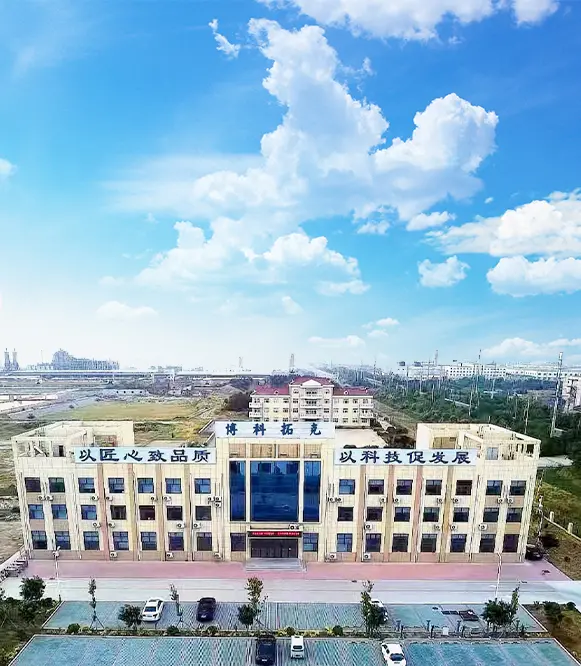
Shandong Boctok Chemical Co. was founded in 2012 as a marketing and sales center for Boctok™ domestic and overseas businesses and achieved sales of US$280 million in 2023. The BOCTOK brand specializes in serving the Russian market.
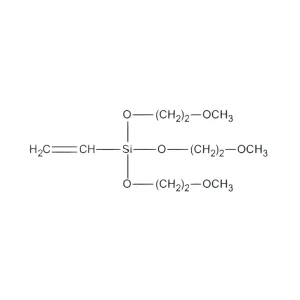
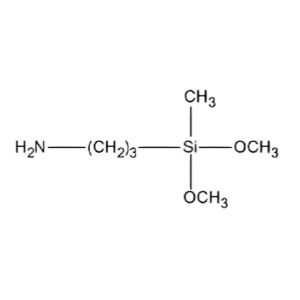
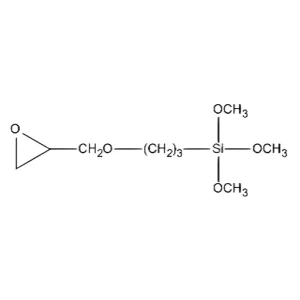
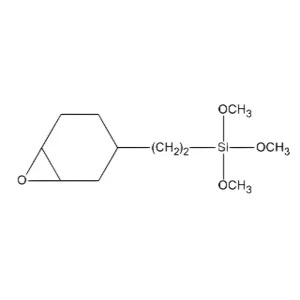
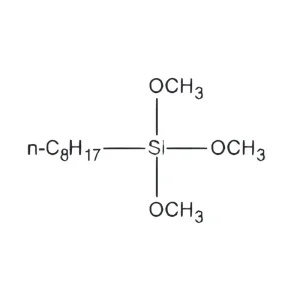
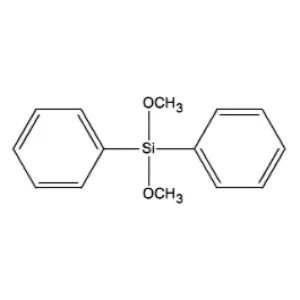
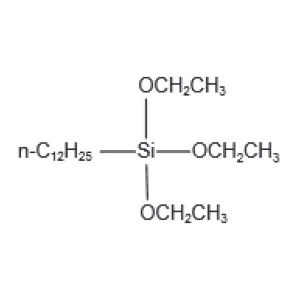
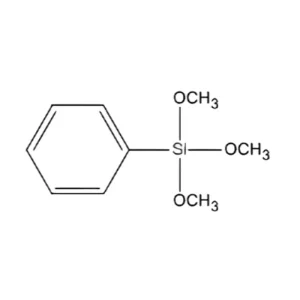
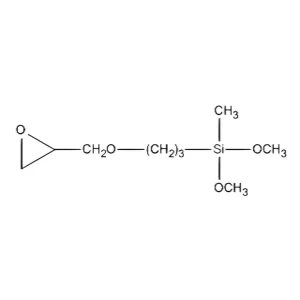
Boctok has three main product categories. Our core organosilicone business covers twelve series of silane coupling agents and crosslinkers. These include aminosilane, methacrylate silane, epoxy silane, vinyl silane, mercaptosilane, alkyl silane, ethyl silicate, chlorosilane, silane isocyanates, phenyl silane, ureidosilane, and serosilane.
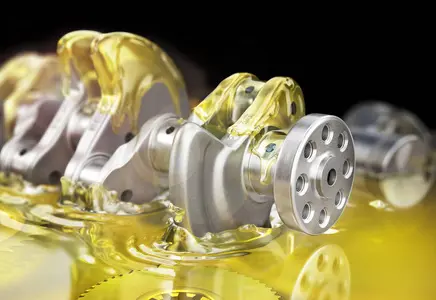
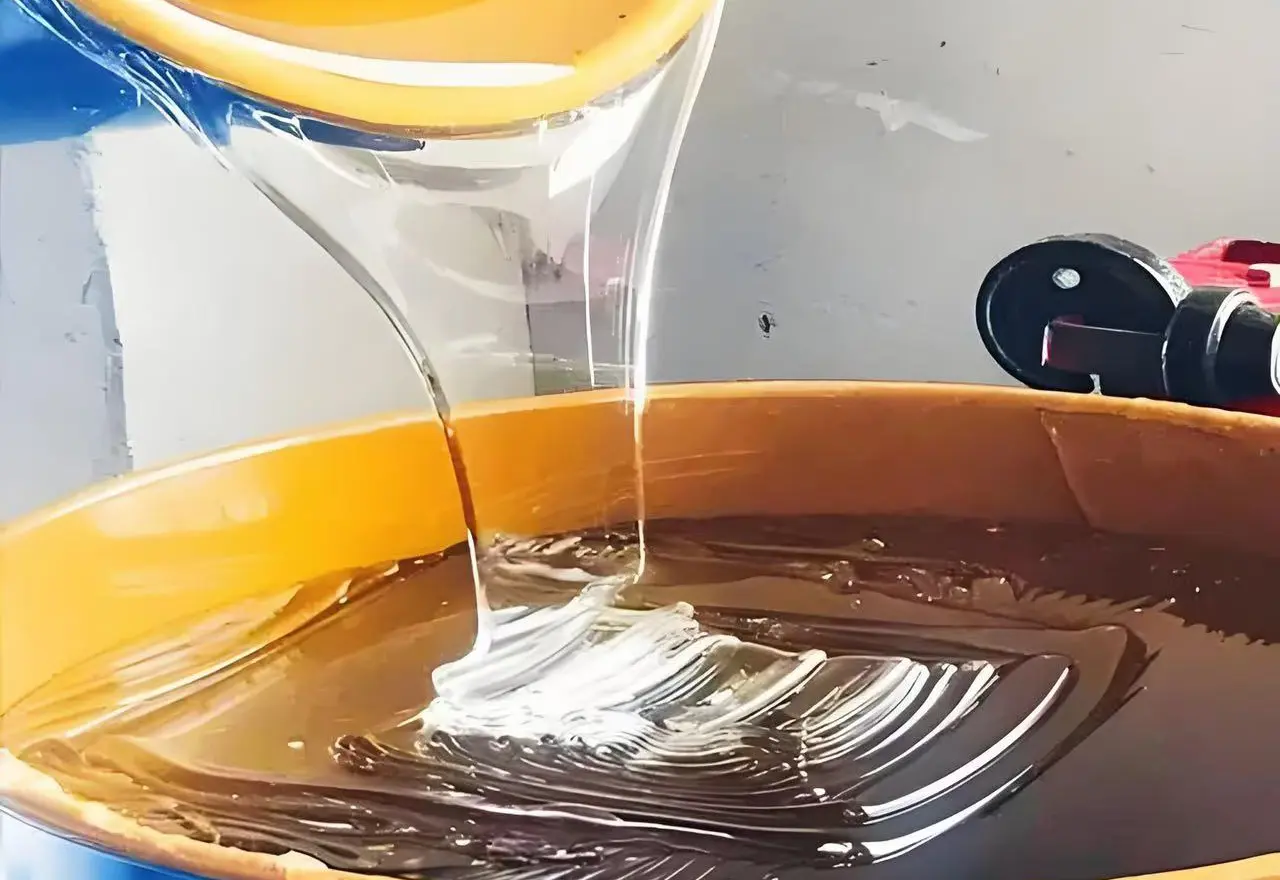
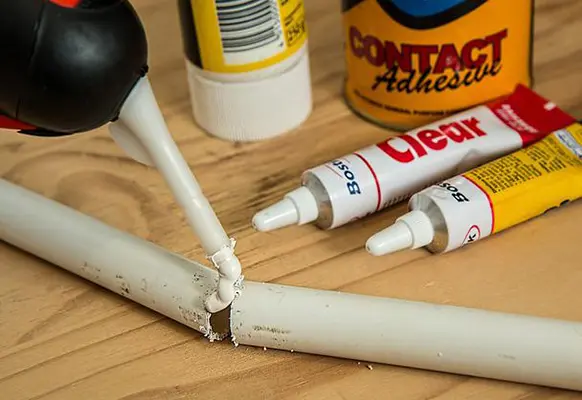
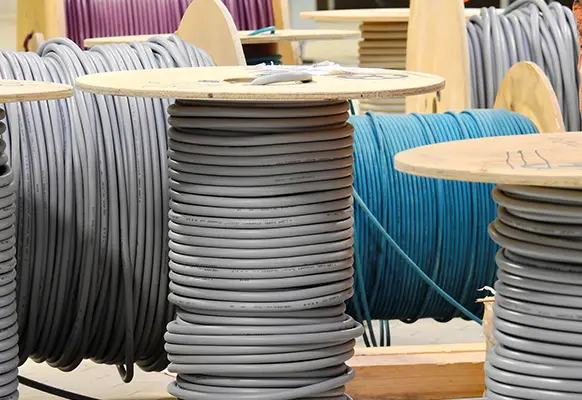
Boctok also focuses on silicone oil, silicone resin, and silicone rubber. This range includes high-hydrogen silicone oil, dimethicone, vinyl silicone oil, polyphenylmethyldimethylsiloxane, phenyl silicone oil, silanol silicone oil and OH polymer, alkoxy silicone oil, methyl MQ resin, vinyl VMQ resin, room-temperature vulcanized methyl silicone rubber, 110 methyl vinyl silicone rubber, and 120 methyl phenyl rubber. These materials are widely used in glass fiber, electronics, wind energy, consumer goods, chemical industries, coatings, adhesives, XLPE electric cables, hot water pipes, oil field drilling, textiles, rubber, and molding.
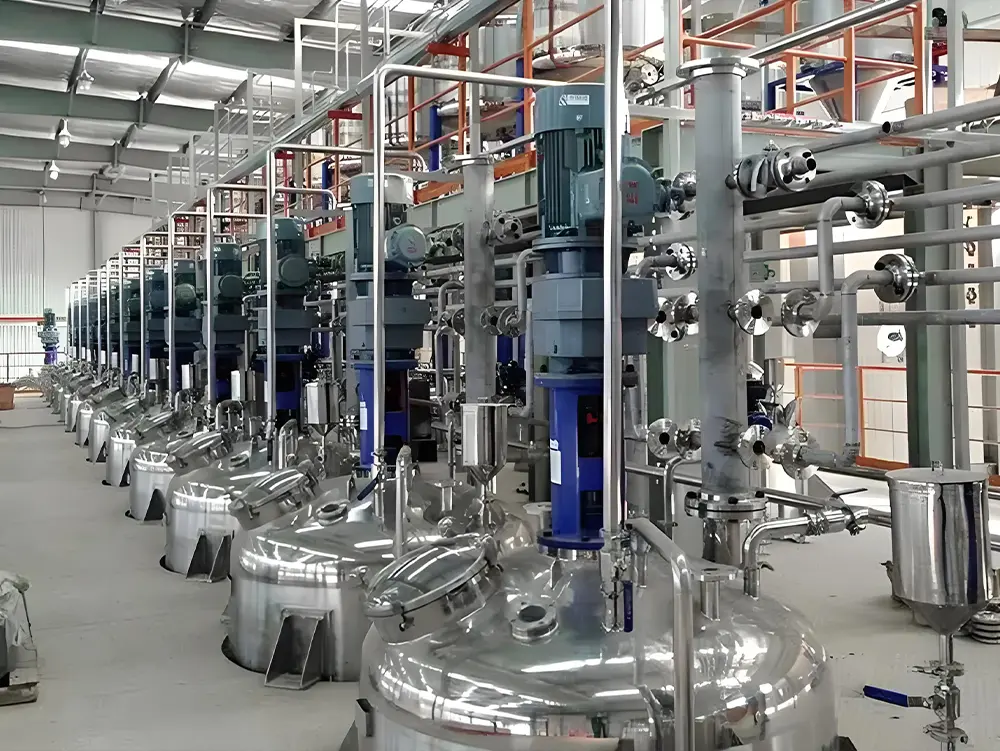
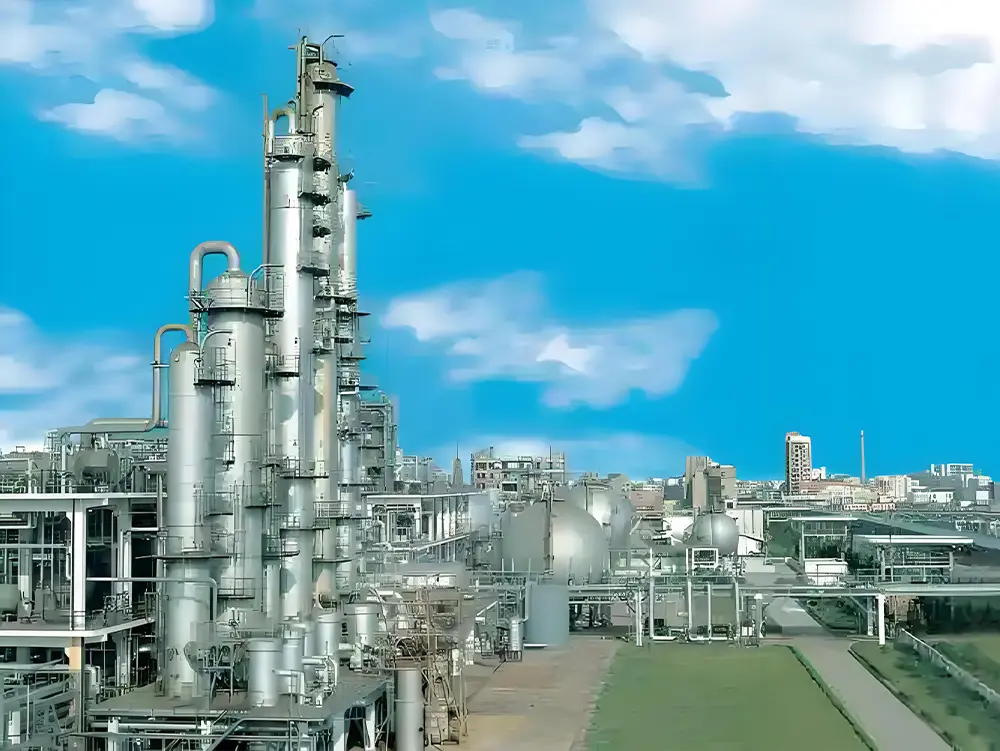
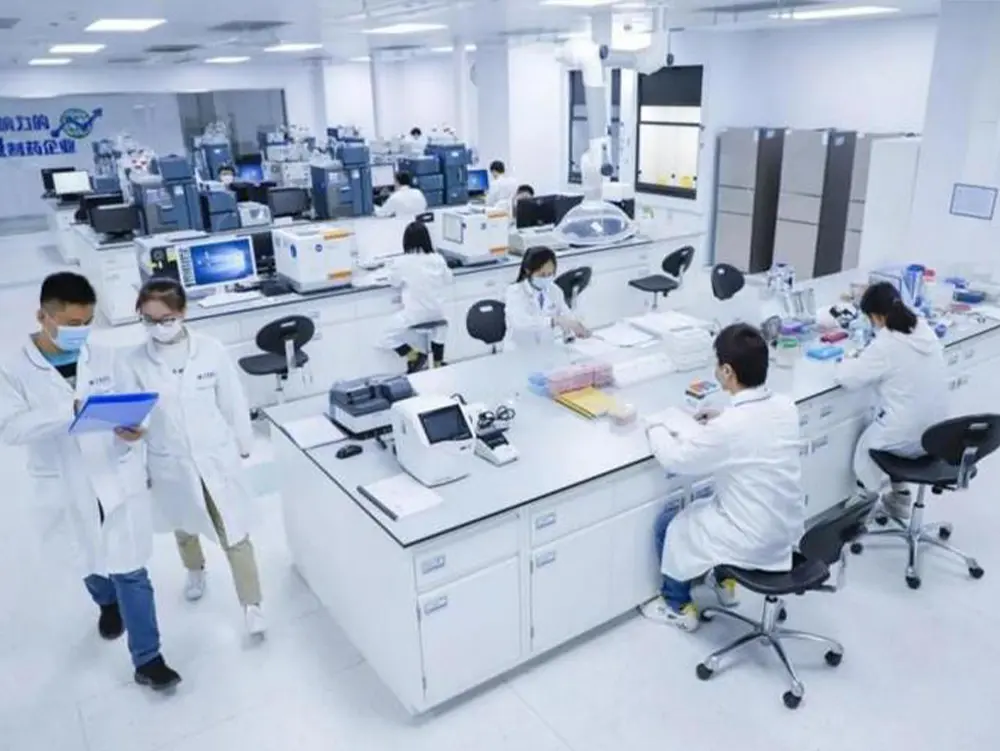
In addition to our organosilicone operations, Boctok's Tier II core business focuses on petroleum resins. We have invested in a key hydrocarbon resin manufacturer in China, operating three production facilities in Zibo, Fushun, and Nanjing. With raw materials from SINOPEC and PetroChina, our products are used by global companies, including Fortune 500 enterprises. We supply C9 hydrogenated resins, C5 hydrocarbon resins, C5 modified C9 hydrocarbon resins, C9 hydrocarbon resins, dicyclopentadiene, and methyl cyclopentadiene dimer.
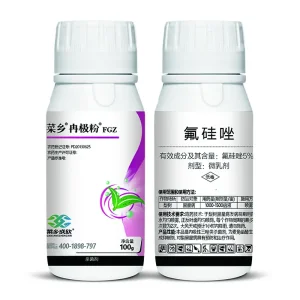
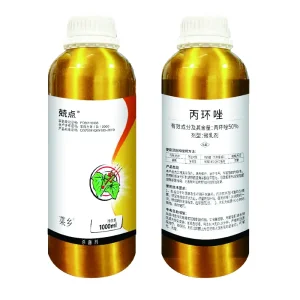
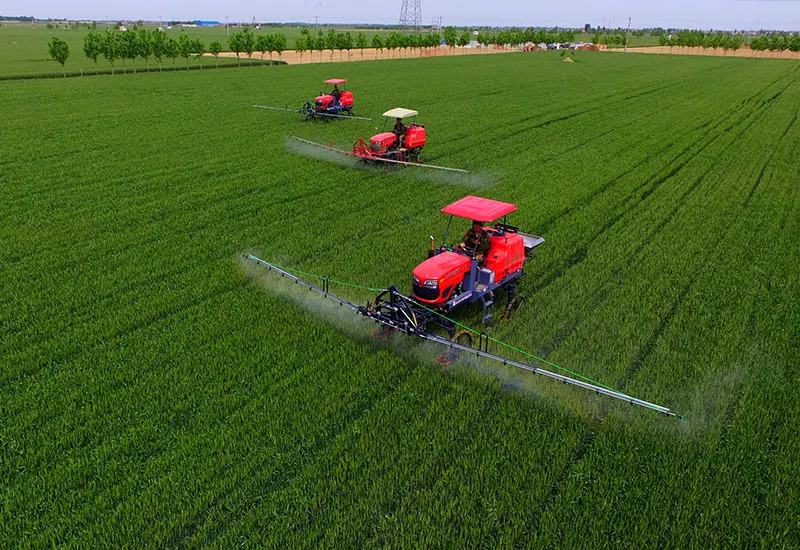
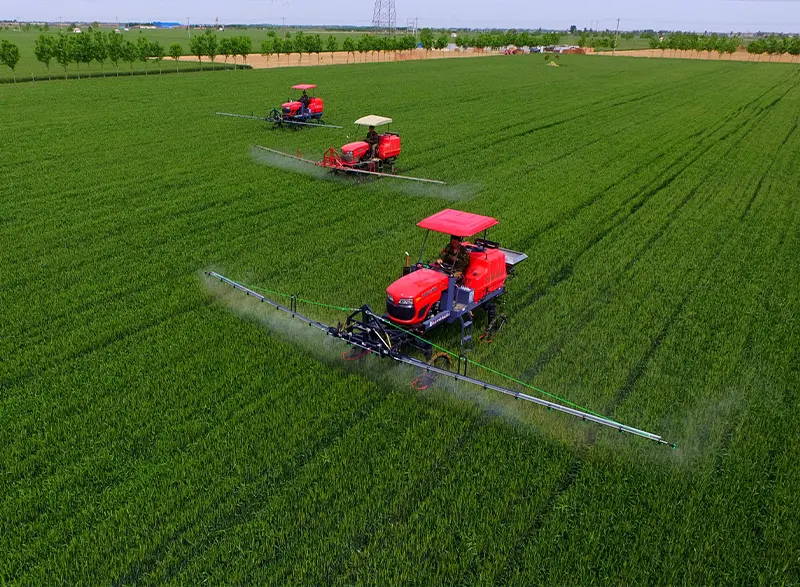
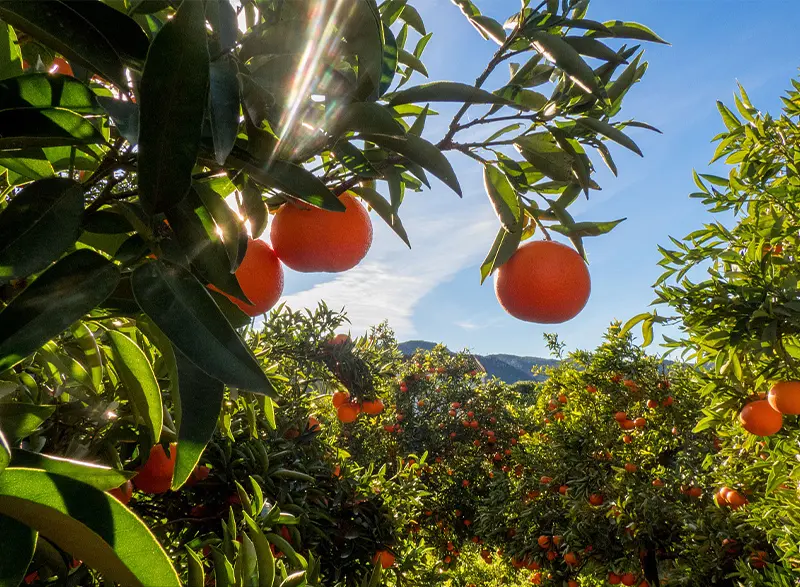
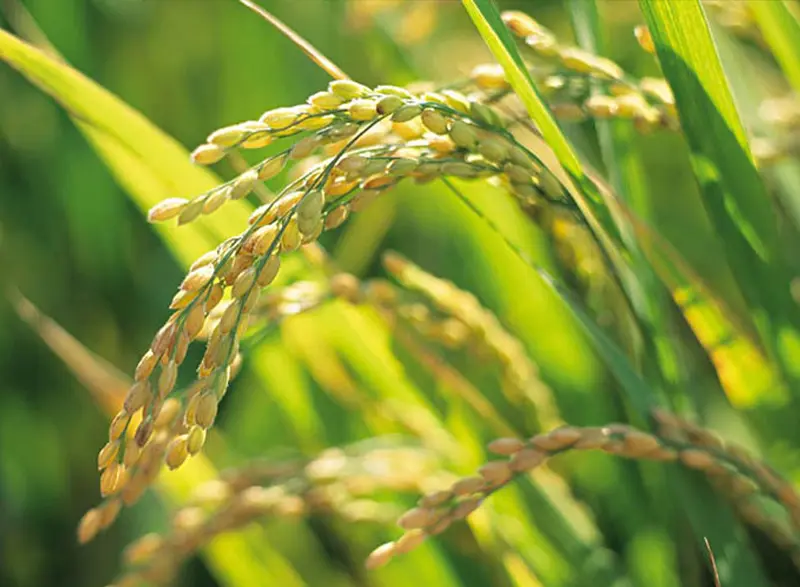
Boctok also serves the agrochemical industry, producing intermediates and raw materials for pesticides, fungicides, insecticides, seed treatments, herbicides, and plant growth regulators.
Boctok's products are sold across China and exported to North America, Europe, Japan, South Korea, Australia, South America, the Middle East, India, Southeast Asia, and Russia. We recently invested US$65 million to build a new facility in the Bohai Industrial Park in Shouguang City, Shandong Province. This site expands our production of silane coupling agents, featuring six automated DCS lines with a combined annual capacity of 30,000 tons.
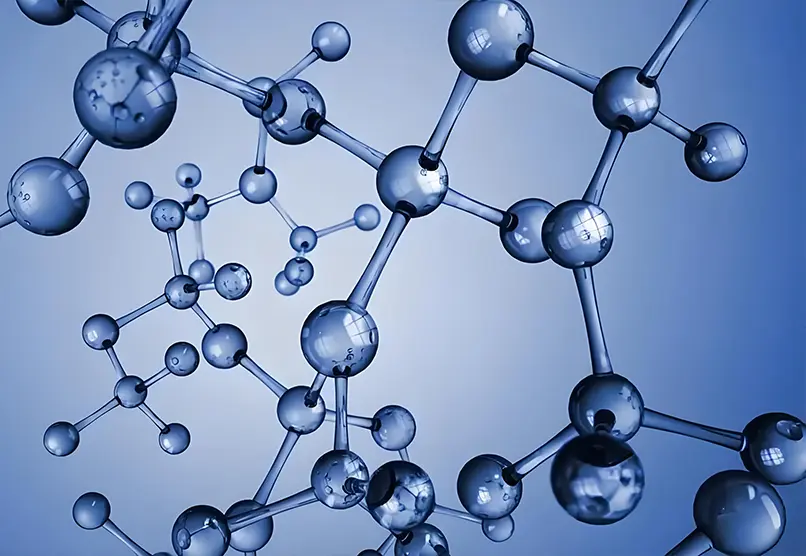
The future of ethyl silicate production depends on improving process safety, energy efficiency, and functional customization. The industry is moving from standard monomeric TEOS to specialized oligomeric variants. These changes aim to improve application speeds and bonding performance.
Next-generation catalyst systems help minimize trace chlorine and heavy metals in final mixtures. This improves stability and shelf-life, which is key for electronic-grade materials.
Pre-condensed polymers are engineered to maintain stable viscosity under varying storage temperatures. This makes handling more reliable for international shipping.
Modifying silicas with active organic groups improves compatibility with resin matrices. This enables tougher coatings with higher wear resistance.
Furthermore, digital integration via DCS (Distributed Control Systems) enables real-time tuning of the esterification process. This leads to higher batch consistency, reducing raw material waste and lowering carbon footprints per ton produced.
As a major supplier, Shandong Boctok Chemical Co. coordinates raw material procurement, automated production, and global logistics. This integration ensures reliable deliveries for our partners.

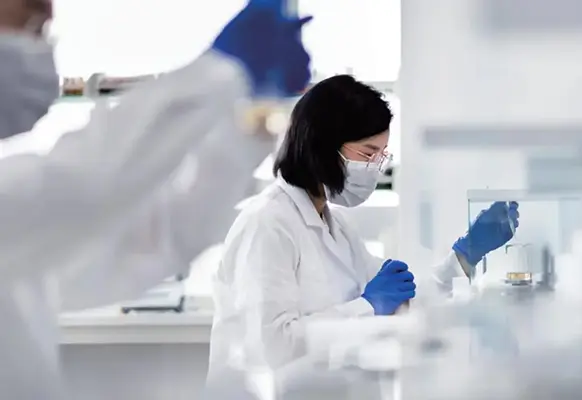
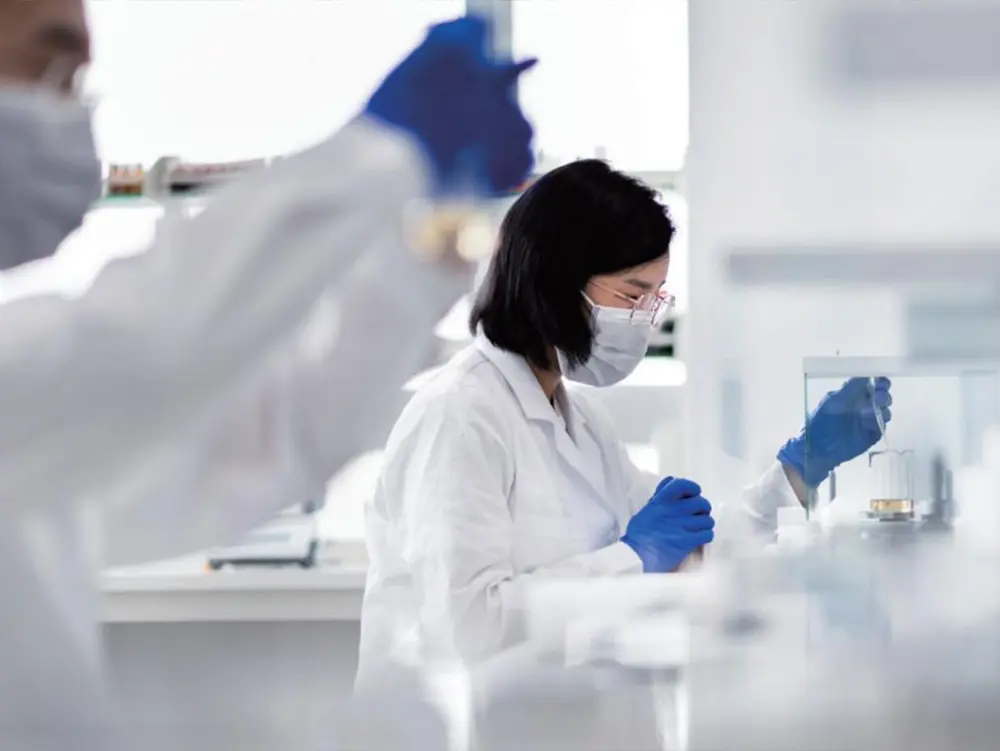
Our products undergo rigorous testing to ensure that every aspect meets the highest quality standards.

We have advanced production lines that allow us to effectively expand production capacity and meet the demand for mass customization.

Our professional team is available online 24 hours a day to provide attentive service and answer all your questions.

An optimized logistics system ensures fast order processing and timely delivery to customers.
We divide our production output into focused business lines. This ensures specialized quality control and technical support for every product series we ship.
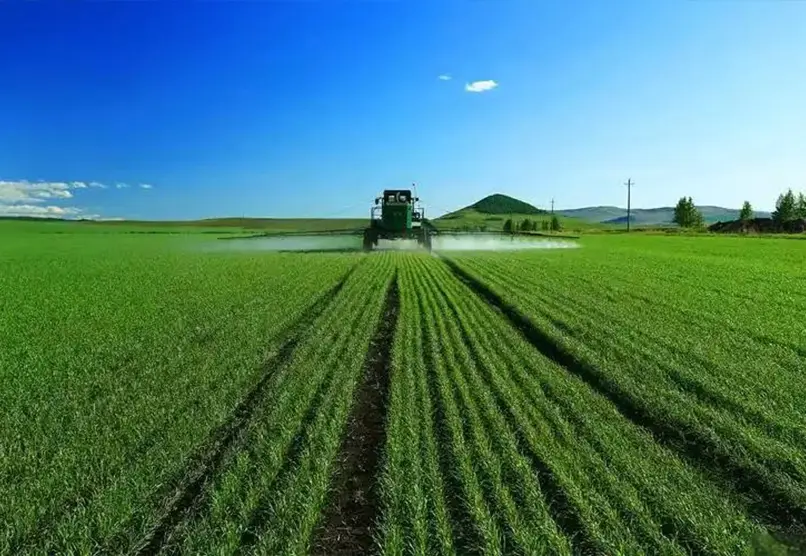
Specialized chemical intermediates designed to synthesize modern crop protection compounds. Our focus includes herbicides, plant growth regulators, fungicides, and seed treatments.
Our comprehensive organosilicone line ranges from silane coupling agents and crosslinkers to specialized resins and rubbers, serving key industrial markets worldwide.
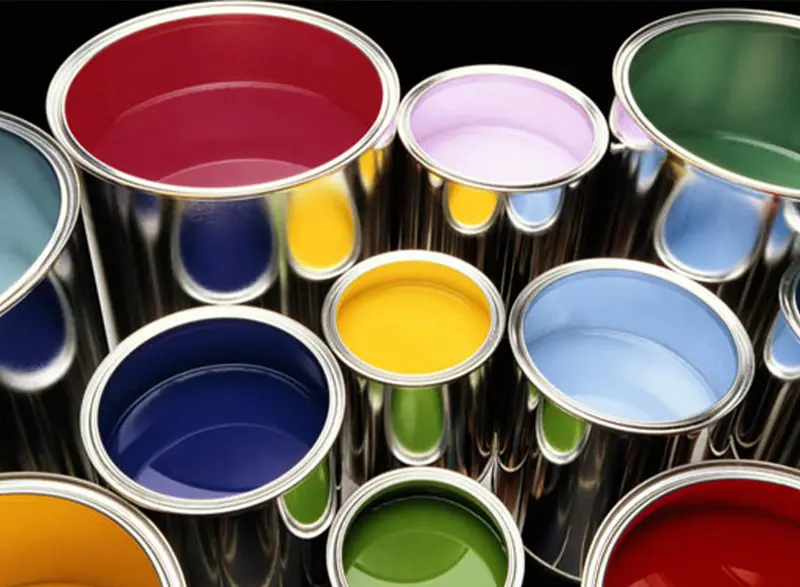
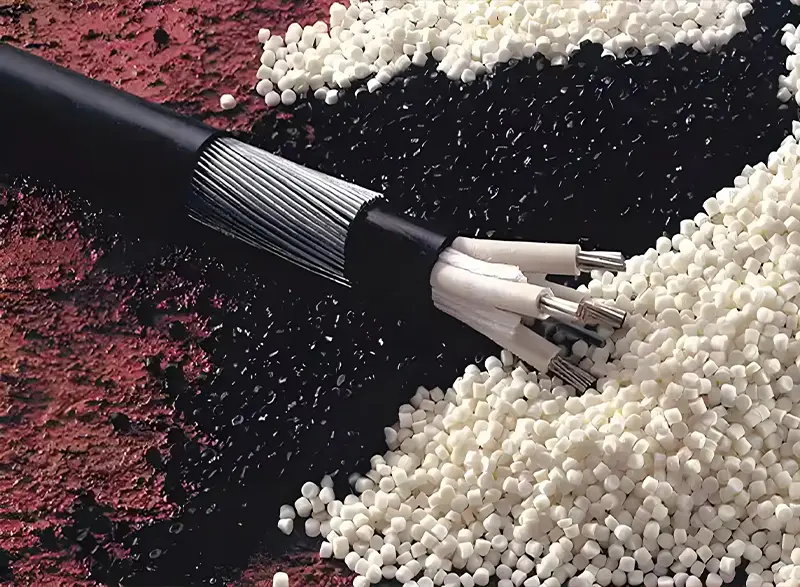
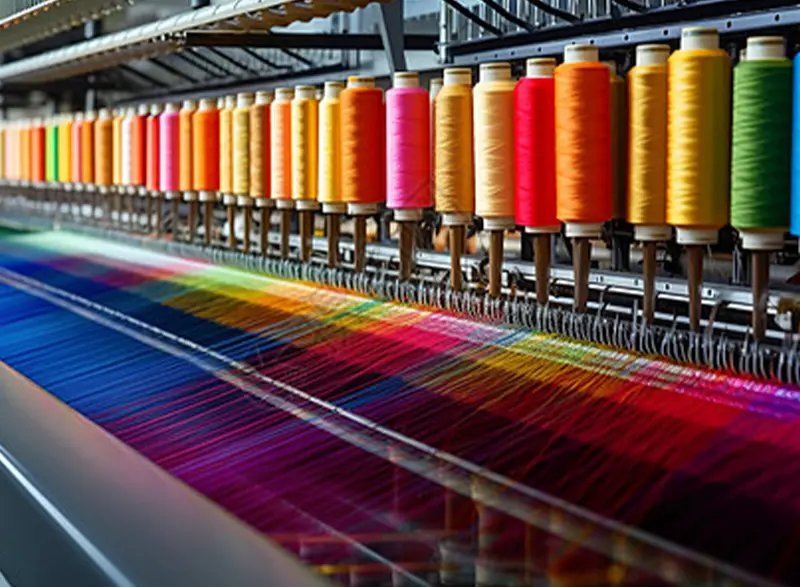
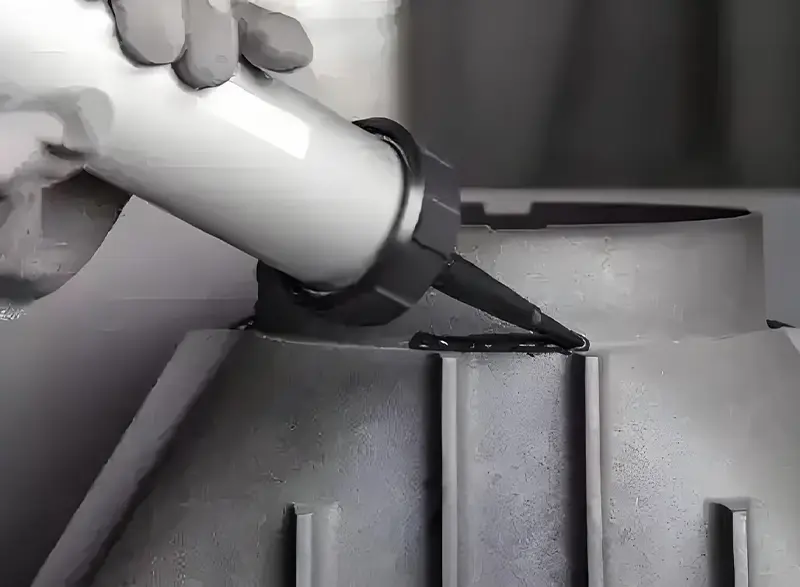
Boctok's organosilicone products and hydrocarbon resins serve as core materials across multiple global industries. Here is a breakdown of their primary roles in key target fields:

Below, we address technical questions frequently raised by procurement departments, chemical engineers, and process designers when sourcing and using ethyl silicates.
 Boctok Chemical