
As a critical organosilicon crosslinking agent, 3-Mercaptopropyltrimethoxysilane (CAS 4420-74-0) is highly regarded in the high-performance elastomers and rubber compounding sectors. Commonly referred to as a mercapto-functional silane coupling agent, this molecule plays an irreplaceable role in bridging inorganic mineral fillers—most notably precipitated silica—with organic polymers.
In today's global market, the demand for low-rolling-resistance tires ("green tires") has driven unprecedented consumption of mercapto-silanes. Unlike sulfur-silane alternatives such as TESPT, 3-Mercaptopropyltrimethoxysilane yields highly active sulfhydryl ($-\text{SH}$) moieties that directly vulcanize with unsaturated rubber networks at lower activation energy thresholds. This properties configuration dramatically reduces compound heat build-up and energy loss, translating directly to reduced automotive fuel consumption and decreased emissions.
From a supply chain perspective, top manufacturers in regions like Shandong, China, are scaling up DCS-controlled automation setups to achieve consistent high-purity outputs. Modern industries require purity values exceeding 98.5% with strictly controlled levels of hydrolyzed oligomers to preserve shelf life and reactivity.

The international organofunctional silane sector is experiencing structural transitions toward regulatory compliance, environmental sustainability, and tailored performance characteristics. Manufacturers of 3-Mercaptopropyltrimethoxysilane must respond to strict regulations such as EU REACH, Russian GOST standards, and North American EPA regulations. These frameworks favor chemical processes with minimized volatile organic compound (VOC) emissions, driving the development of oligomeric and waterborne mercaptosilanes.
In cold climate regions, mercaptosilanes are crucial for maintaining the flexibility and dynamic elasticity of silicone sealants, rubber cables, and automotive components exposed to low temperatures. The BOCTOK brand specializes in serving this sector with high-efficiency supply networks.
In North America and Europe, strict fuel economy standards mandate the use of silica-filled tire compounds. 3-Mercaptopropyltrimethoxysilane acts as a highly efficient coupling agent, reducing rolling resistance by up to 20% compared to traditional carbon black compounds.
In electronics manufacturing hubs in Southeast Asia, mercaptosilanes are integrated into epoxy resin molding compounds (EMC) and polyurethane adhesives to enhance moisture resistance and electrical insulation stability.
3-Mercaptopropyltrimethoxysilane is synthesized via the hydrosilylation of trichlorosilane with allyl chloride, followed by esterification with methanol to form 3-chloropropyltrimethoxysilane. This intermediate undergoes nucleophilic substitution with sodium hydrosulfide under phase transfer catalysis to yield the target mercaptosilane.
The coupling reaction proceeds through a dual-mechanism pathway:
| Property Parameter | Typical Specification Range | Analytical Reference Standard |
|---|---|---|
| Appearance | Colorless, transparent clear liquid | Visual Assessment |
| Active Content (CAS 4420-74-0) | ≥ 98.5% (Chromatographic grade) | Gas Chromatography (GC) |
| Refractive Index ($n_D^{20}$) | 1.4420 - 1.4460 | Refractometer Method |
| Density ($20^\circ\text{C}$, g/cm³) | 1.050 - 1.060 | Density Hydrometer |
| Hydrolyzable Chloride | ≤ 10 ppm | Potentiometric Titration |
Founded in 2012, Shandong Boctok Chemical Co. serves as the marketing, sales, and technical service center for Boctok™ domestic and international businesses. Leveraging our commitment to quality and service, the group achieved consolidated sales of US$280 million in 2023. The BOCTOK brand is highly recognized across global markets, specializing in serving the Russian market and delivering reliable chemical solutions to Eurasian industrial clusters.
Boctok’s core operations are structured around three main product categories:
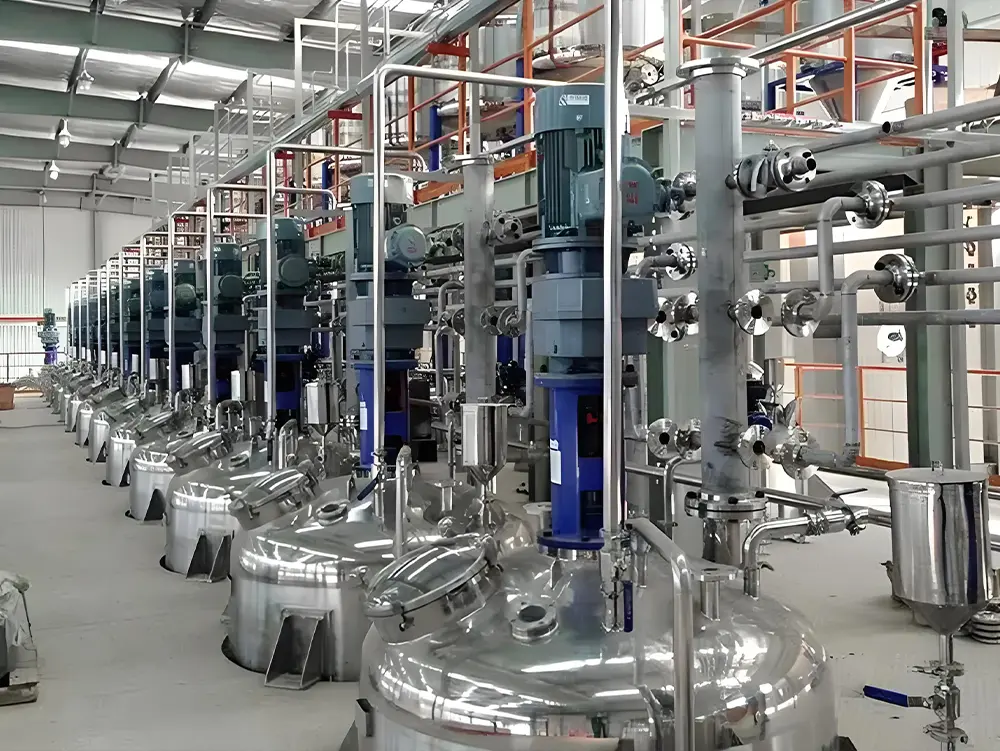


To address the growing demand for silane coupling agents like 3-Mercaptopropyltrimethoxysilane, Boctok recently invested US$65 million to construct a new plant located in Bohai Industrial Park, a provincial chemical industry park in Shouguang City, Shandong Province. This facility expands our production chain with 6 automatic DCS production lines, reaching an annual capacity of 30,000 tons of silane coupling agents.
Equipped with automatic Distributed Control Systems (DCS) and Safety Instrumented Systems (SIS), our production lines ensure safety and precise control over temperatures and reaction kinetics during the hydrosilylation and esterification processes.
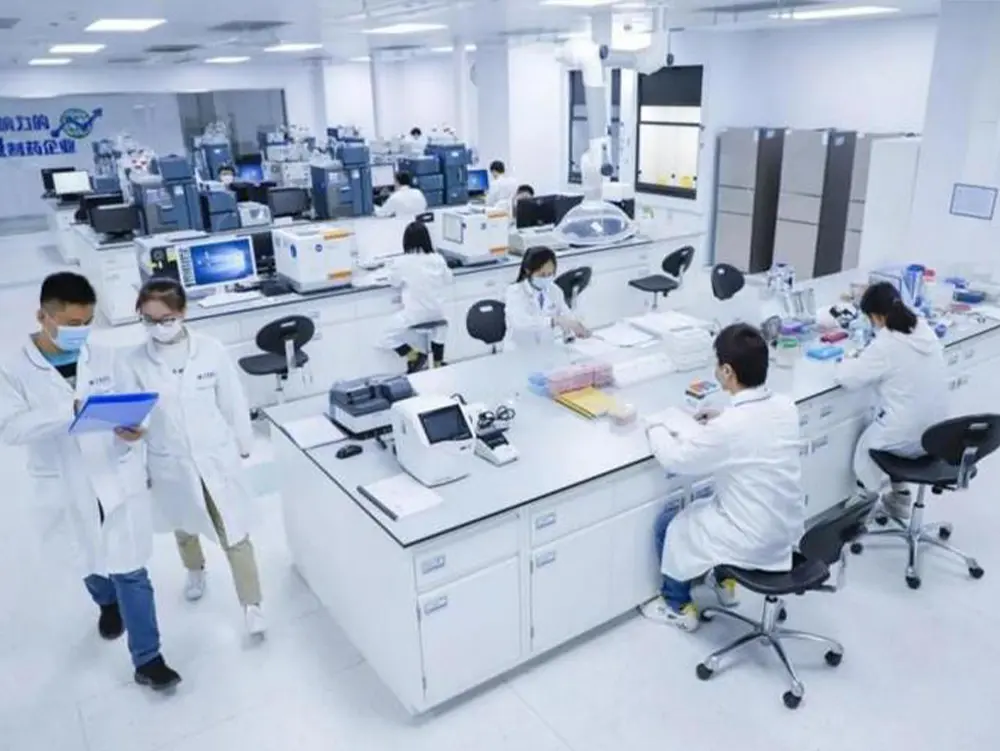
We implement ISO9001 quality management standards throughout the process. Every batch of silane coupling agent undergoes chemical analysis to verify purity, density, and refractive index parameters before dispatch.
Our facilities feature integrated waste gas collection systems and wastewater treatment processes, meeting chemical industry environmental requirements and reducing emissions of volatile organic compounds (VOCs).
We utilize advanced manufacturing technology, reliable SINOPEC & PetroChina raw material pipelines, and technical support to deliver consistent chemical solutions.

Our products undergo testing to ensure that every parameter matches international chemical standards and technical specifications.

With our new Shouguang plant and three hydrocarbon resin facilities, we can meet demands for bulk orders and customization.

Our technical support and sales team are available online to provide advice, compatibility analyses, and support.

An optimized logistics system ensures fast processing, packaging safety, and prompt shipping to customers worldwide.
Beyond our focus on mercaptosilanes and coupling agents, Boctok Chemical operates two strategic divisions to supply chemical raw materials globally.
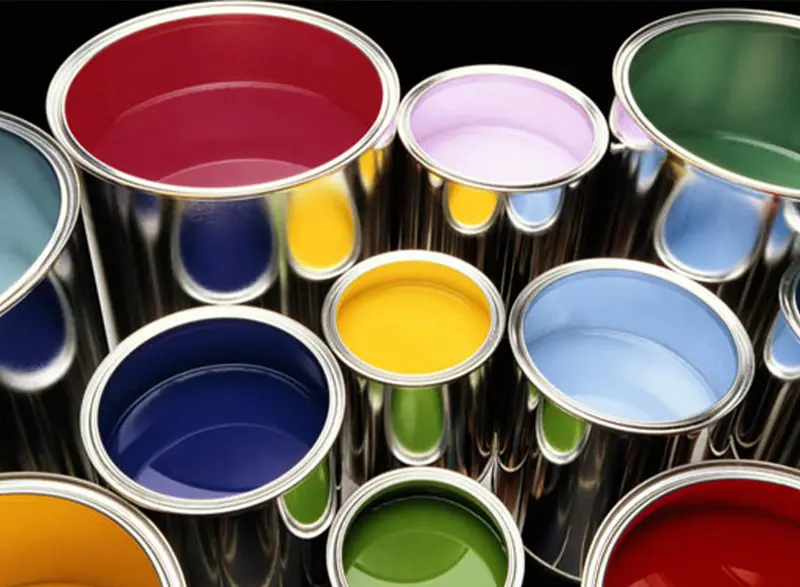
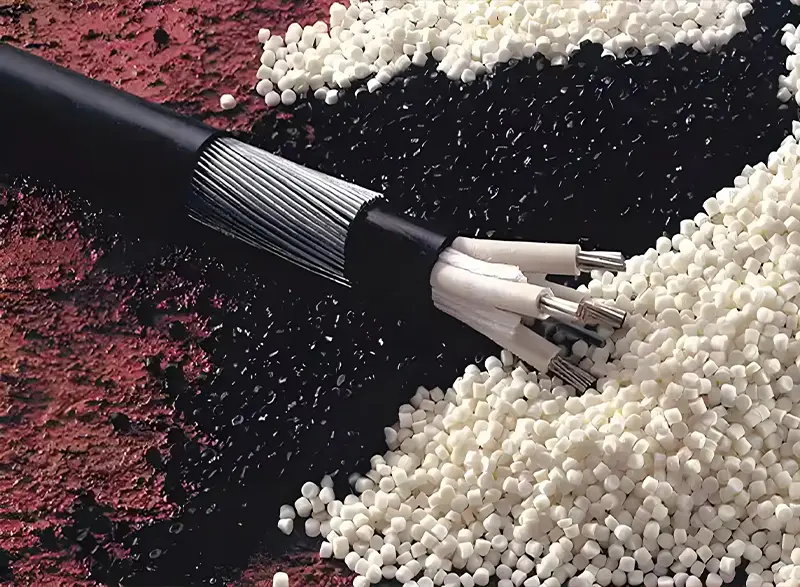
Our products are applied across various industries, from automotive tire vulcanization to protective coatings, electronics, and agricultural formulations.

























Below, our technical engineers address common questions regarding the usage, stability, and chemical interactions of 3-Mercaptopropyltrimethoxysilane.
The mercapto ($-SH$) group acts as a sulfur donor and reacts with the double bonds of unsaturated elastomers (such as NR, SBR, BR) during vulcanization. This establishes covalent carbon-sulfur bonds, linking the elastomer to the silanized silica fillers and forming a stable network.
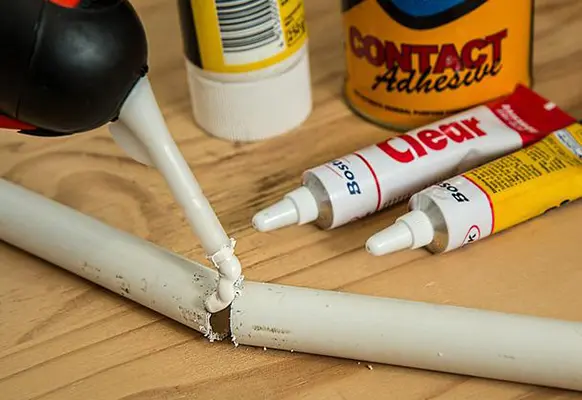
Yes, it serves as an adhesion promoter in acrylics, polyurethanes, and epoxies. The mercapto group can participate in free-radical polymerization or react with isocyanate and epoxy groups, while the trimethoxysilyl groups bond to inorganic substrates like glass, metals, or minerals.
3-Mercaptopropyltrimethoxysilane is highly sensitive to moisture. It must be stored in sealed containers under a dry nitrogen blanket in a cool, well-ventilated area. Exposure to moisture initiates hydrolysis of the methoxy groups, leading to self-condensation into insoluble gel structures.
While TESPT releases sulfur at vulcanization temperatures to participate in crosslinking, it can cause premature vulcanization (scorch) during compounding. 3-Mercaptopropyltrimethoxysilane provides higher coupling efficiency at lower loading levels but requires careful temperature management during mixing to avoid scorch due to the reactivity of the free thiol group.
Due to the release of trace methanol upon hydrolysis, proper local exhaust ventilation is required. Handlers must wear protective equipment, including chemical-resistant gloves and safety goggles. Avoid contact with skin and eyes, and keep away from heat sources and open flames.
 Boctok Chemical