Direct procurement pathways for top-tier organosilicon intermediates, active agrochemical components, and petroleum resins.
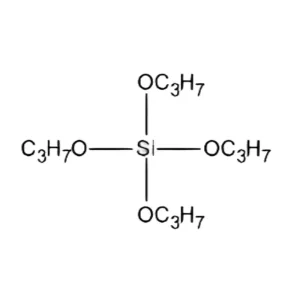
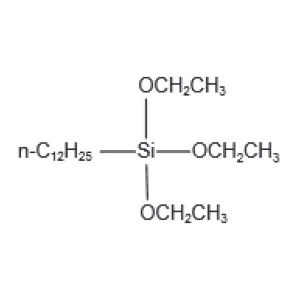
Vinyltrimethoxysilane (CAS No. 2768-02-7) stands as a foundational organofunctional monomer within the organosilicon chemistry sector. Featuring a dual-reactive structure comprised of a vinyl functional group and three hydrolyzable trimethoxy groups, VTMS serves as an indispensable bridge connecting organic polymers and inorganic substrates.
This unique molecular configuration allows VTMS to facilitate high-performance crosslinking in polyethylene (XLPE), moisture-curable polymers, and functional coatings. As global demands scale up for resilient infrastructure, automotive modernization, and sustainable raw materials, manufacturers in China have streamlined automated synthesize processes to deliver unmatched purity, cost efficiency, and volume stability.
Excellent speed of hydrolysis, making it an ideal additive for moisture-sensitive formulations.
Grafts efficiently onto PP, PE, EPDM, and acrylics to boost physical resistance.
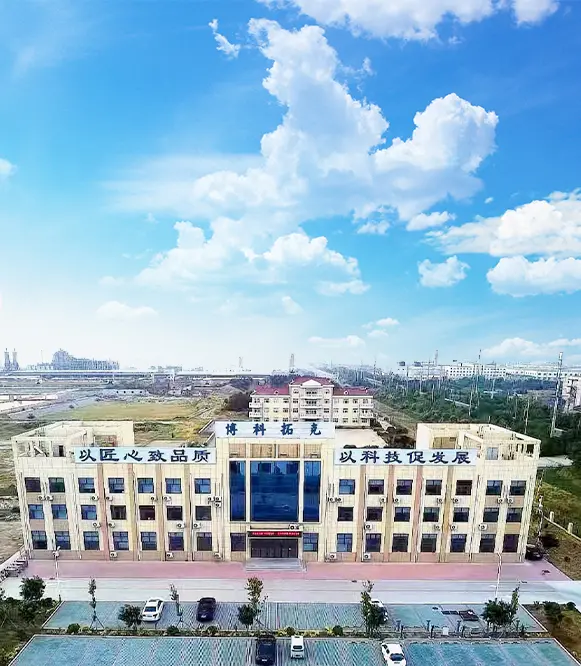
Established in 2012, Shandong Boctok Chemical Co. functions as the premier marketing, manufacturing, and distribution focal point for Boctok™ overseas and domestic chemical businesses. In 2023, Boctok successfully achieved a global sales volume of US$280 million, emphasizing our status as a reliable chemical exporter.
Our key expertise in the organosilicon landscape spans twelve comprehensive series of silane coupling agents and crosslinkers. These include specialized aminosilanes, methacrylates, epoxies, mercaptosilanes, alkylsilanes, ethyl silicates, phenyl silanes, and crucially, vinyl silanes (including premium Vinyltrimethoxysilane and Vinyltriethoxysilane).
Furthermore, our chemical synthesis networks produce high-quality silicone oils (such as dimethicone, silanol silicone oil, and high-hydrogen fluid), methyl MQ resins, and room-temperature vulcanized rubbers. In addition, Boctok manages a Tier II core business specializing in C5 and C9 petroleum hydrocarbon resins, working in partnership with Chinese petro-giants like SINOPEC and PetroChina to guarantee chemical precursor stability.
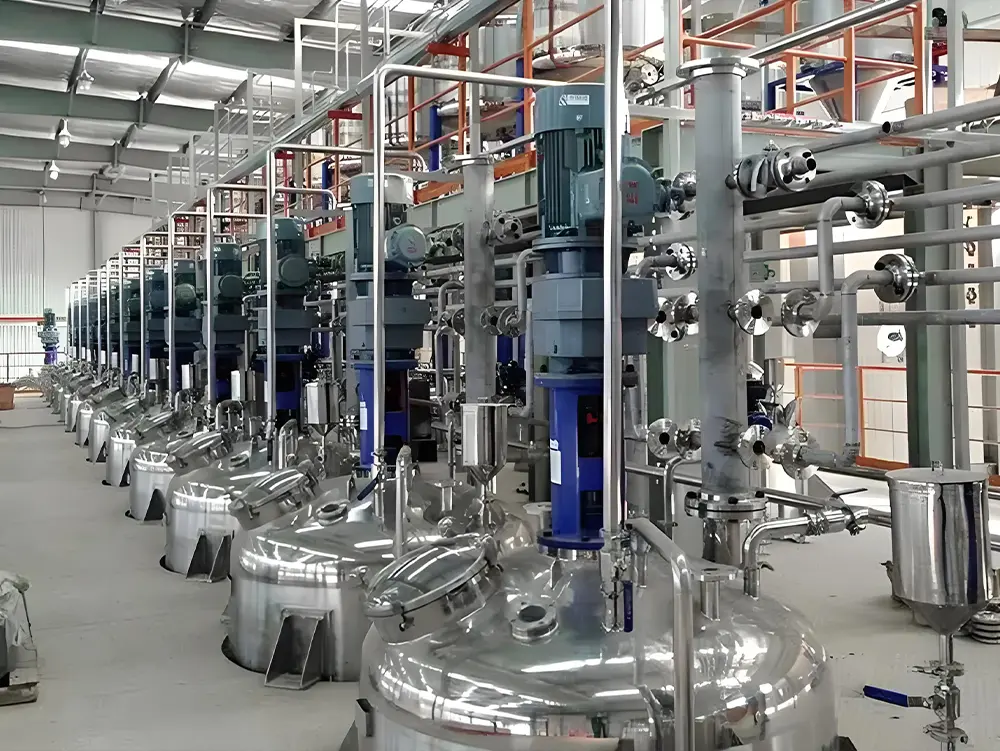
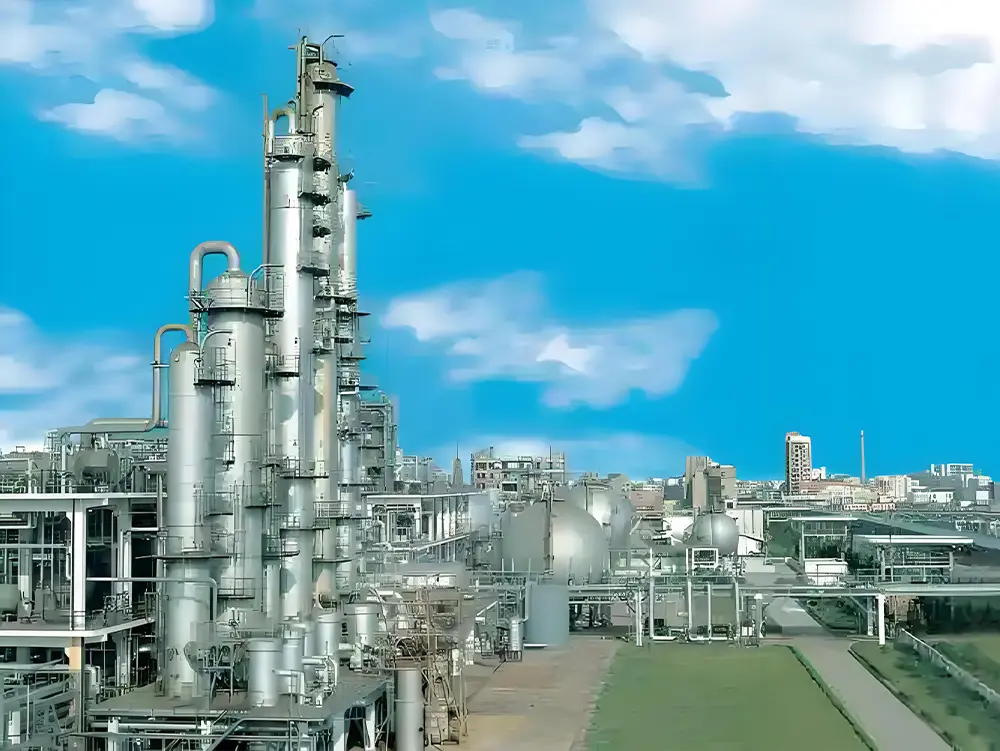
Recently, Boctok invested US$65 million to establish a state-of-the-art facility located in the Bohai Industrial Park, Shouguang City, Shandong Province. This chemical industrial park expansion incorporates 6 automated Distributed Control System (DCS) production lines, raising our annual silane coupling agent capacity to 30,000 tons.


Providing clear chemical data is vital for global chemical buyers evaluating manufacturing standards. The table below highlights the physical-chemical properties of standard industrial Vinyltrimethoxysilane supplied by Shandong Boctok Chemical.
| Property Parameter | Standard Range (VTMS Value) | Test Methodology / Instrument | Primary Industrial Significance |
|---|---|---|---|
| CAS Number | 2768-02-7 | IUPAC Standard Identification | Regulatory registration and custom compliance tracking |
| Molecular Formula | C5H12O3Si | Mass Spectrometry Verified | Formula weight calculation and polymer grafting calculation |
| Active Content Purity | ≥ 99.0% (Optimum Grade) | Gas Chromatography (GC) | Prevents volatile secondary reactions in cable compounds |
| Refractive Index (25°C) | 1.3900 - 1.3930 | Abbe Refractometer | Consistency screening during continuous production phases |
| Density (g/cm³ at 25°C) | 0.960 - 0.970 | Densitometer Calibration | Precise volumetric calculation in compound blending |
| Color (APHA) | ≤ 10 (Clear, Colorless) | Colorimetry Comparator | Ensures no discoloration in transparent plastics or sealants |
Vinyltrimethoxysilane operates as a functional monomer across diverse high-performance manufacturing sectors. By bridging polymer compounds with inorganic particles, it enhances durability and weatherability.
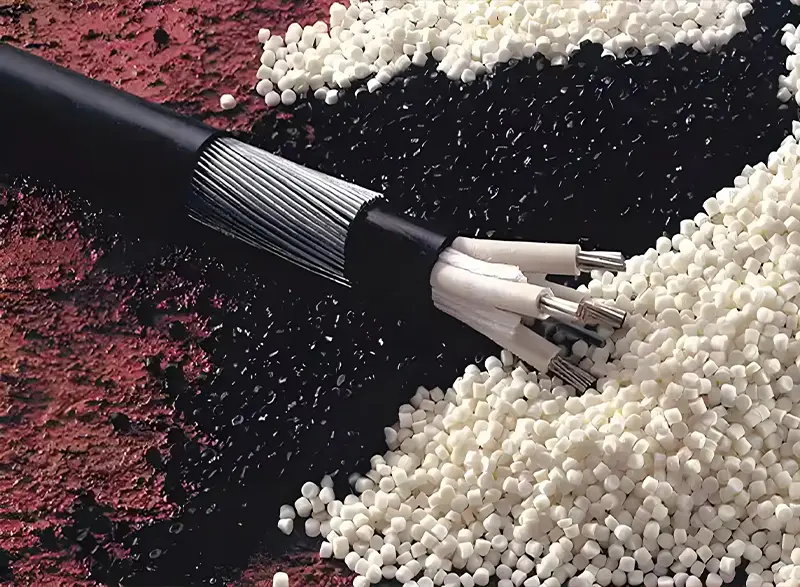
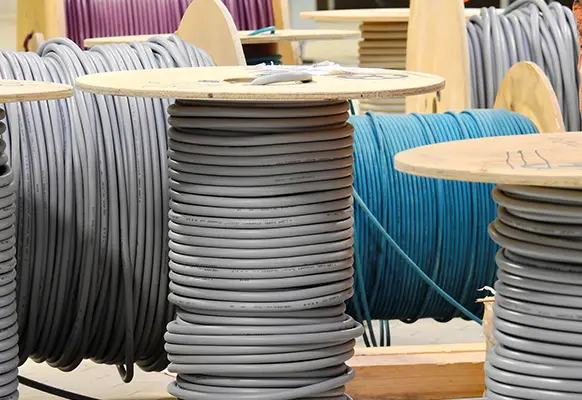
Used as a moisture-curable crosslinking agent in silane-crosslinked polyethylene (XLPE) power lines and crosslinked polyethylene hot water pipes (PEX-b). Grafting VTMS onto PE backbones enhances thermal limits, tensile strength, and high-voltage resistance.
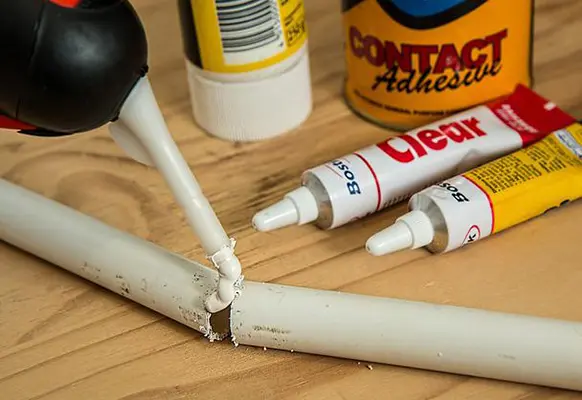
Acts as a moisture-scavenger and adhesion promoter in RTV silicone, polyurethane, and MS polymer formulations. By reacting with ambient humidity, VTMS prevents premature curing inside storage tubes and improves bond strength on glass and metal surfaces.
Optimizes structural adhesion by treating minerals like silica, talc, and glass fibers. VTMS modification reduces viscosity in resin dispersions, allowing for higher mineral loading while maintaining mechanical properties in industrial fiberglass composites.
Modified acrylic emulsions and silicone resins containing VTMS display high UV stability, chemical resistance, and scrubbability. The inclusion of vinyl silanes forms a dense organic-inorganic barrier layer, protecting coatings against environmental degradation.
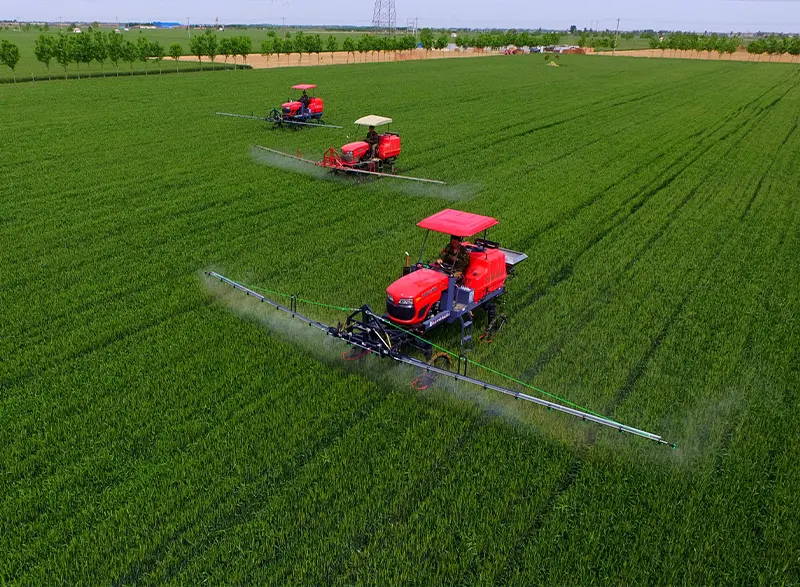
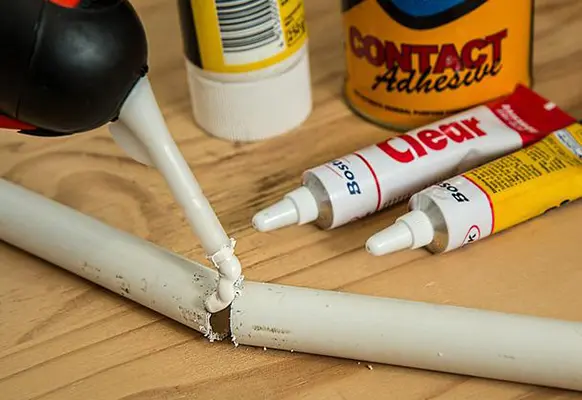
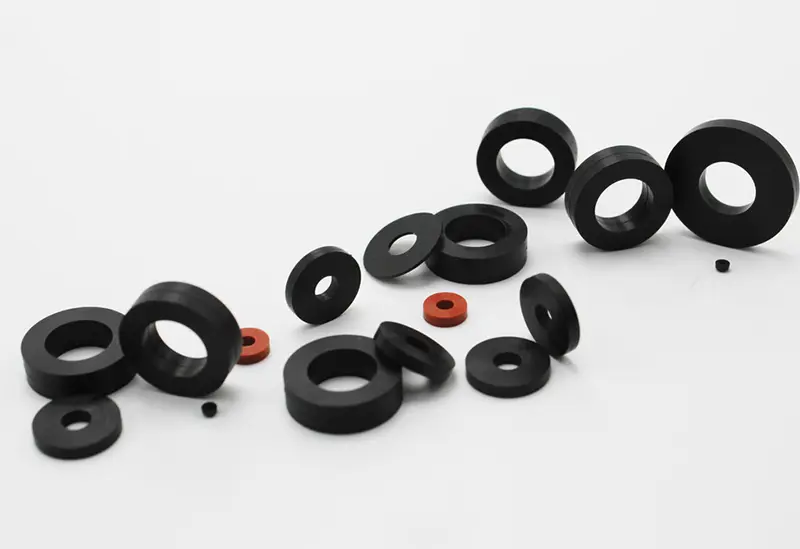
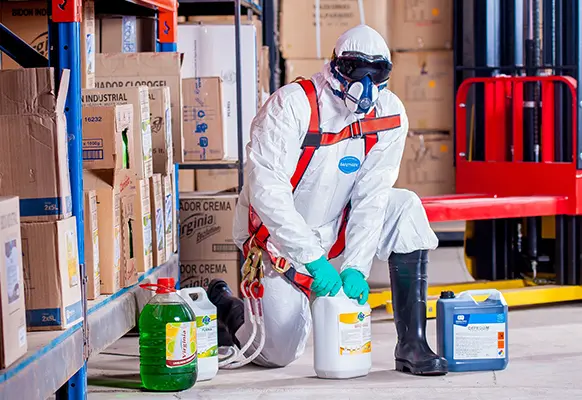
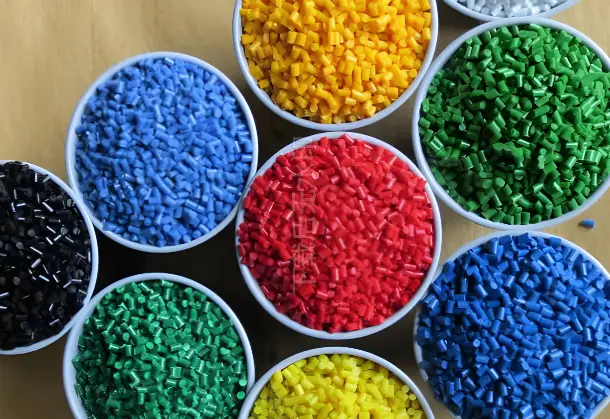
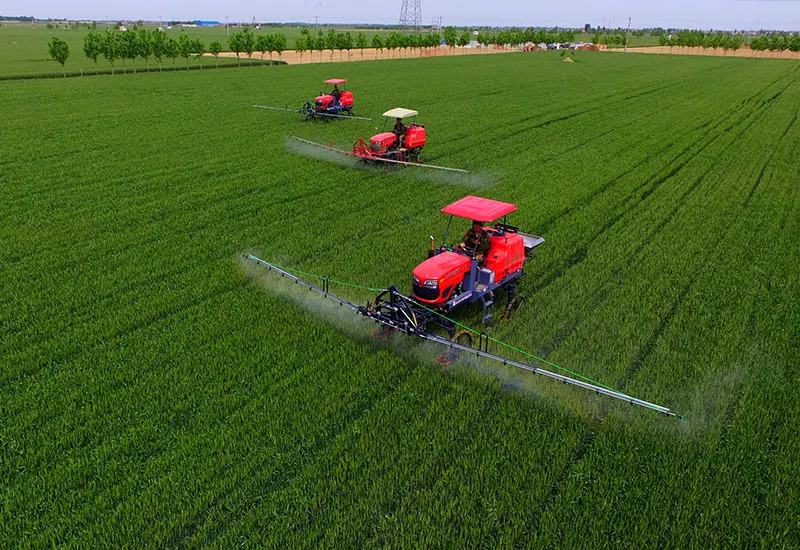
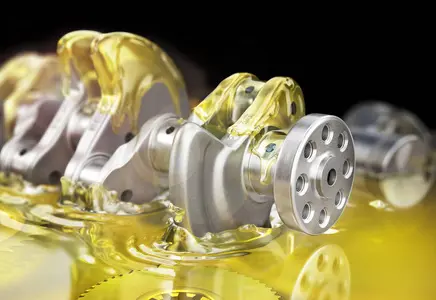
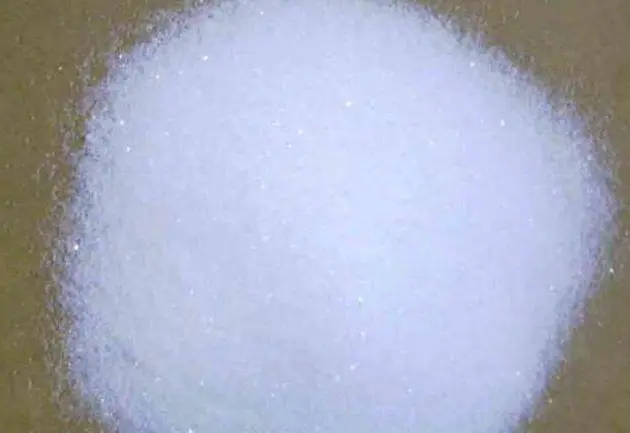
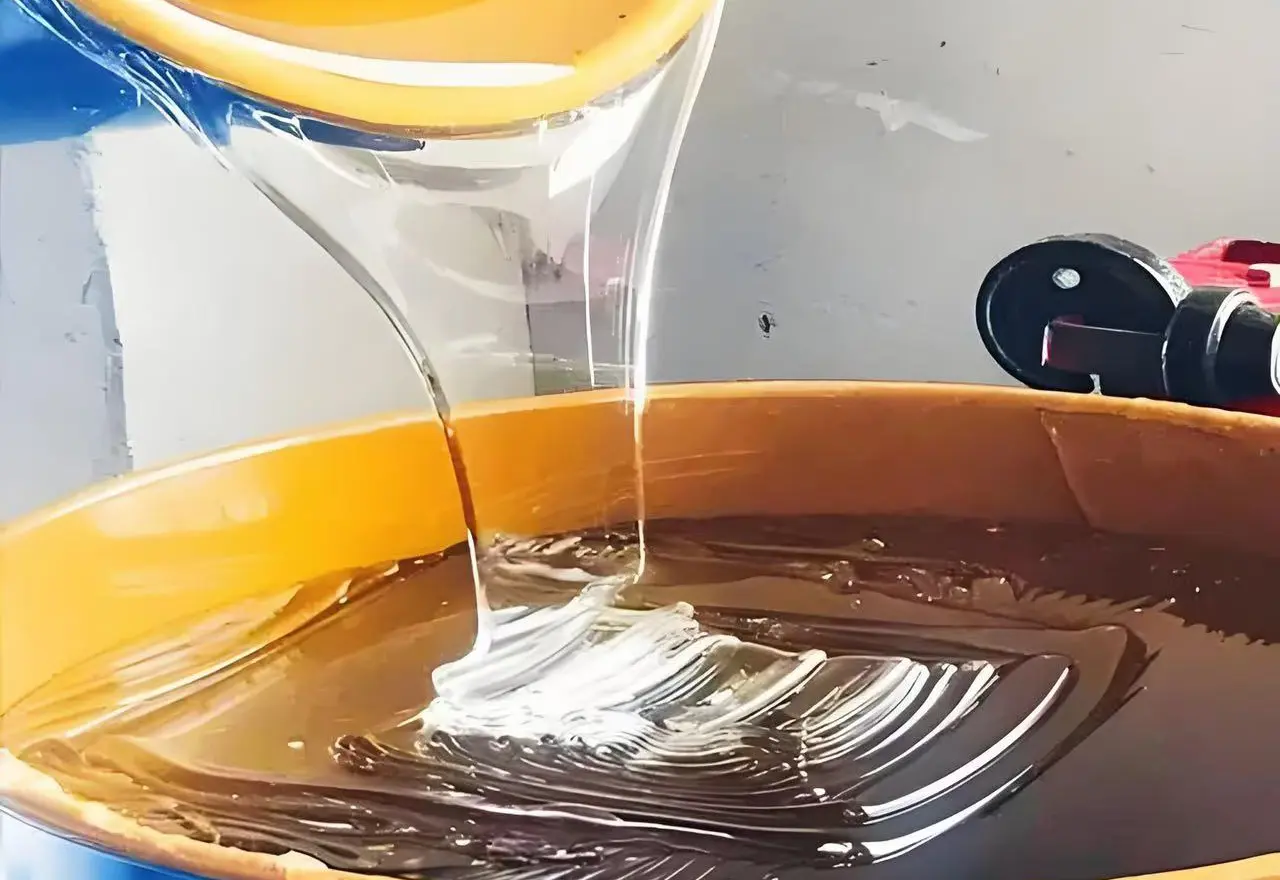
Boctok serves global buyers across multiple sectors, including silicone formulations, petroleum resins, and agricultural materials.

















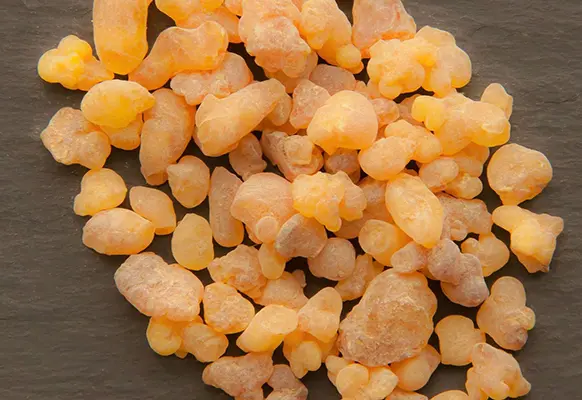





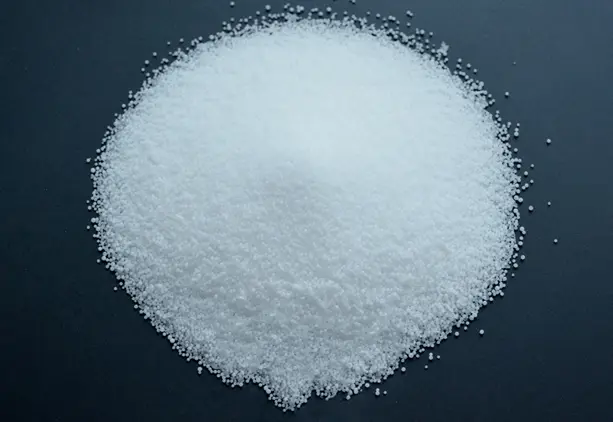
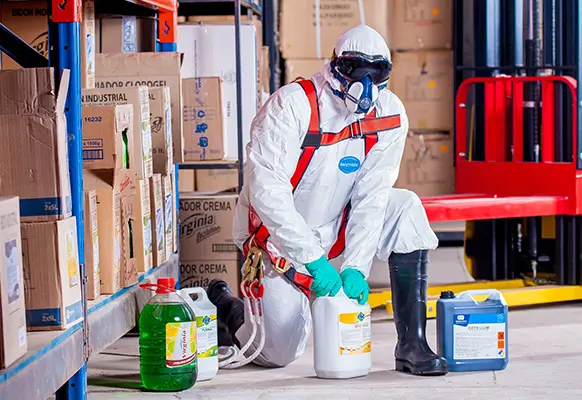
Procuring directly from leading Chinese chemical plants like Shandong Boctok offers distinct chemical-supply chain advantages for international buyers.
Our Shouguang facility operates 6 automated lines controlled by DCS (Distributed Control Systems) and monitored by SIS (Safety Instrumented Systems). This reduces human error, guarantees molecular weight distribution consistency, and prevents batch-to-batch deviation.
Located in Shandong Bohai Industrial Park, we maintain direct partnerships with SINOPEC and PetroChina. This proximity secures a stable supply of starting precursors, stabilizing our prices even amid global shipping fluctuations.
We prioritize sustainability, investing heavily in dedicated waste gas collection and chemical wastewater treatment plants. Operating strictly under ISO9001 and ISO14001, we offer sustainable and compliant sourcing pathways for MNC audit requirements.
Vinyltrimethoxysilane acts primarily as a crosslinking agent and adhesion promoter. Its vinyl group copolymerizes or grafts onto organic polymer chains (like polyethylene) under free-radical initiation. Meanwhile, its three trimethoxy groups hydrolyze in the presence of moisture to form silanols. These silanols condense to form a strong crosslinked network (-Si-O-Si-), converting thermoplastic polymers into robust thermoset materials with higher thermal and chemical resistance.
Quality assurance is maintained through our integrated ISO9001 management protocols. Each batch is synthesized via automated DCS (Distributed Control Systems), reducing human error in temperature and feedstock control. Finished products undergo Gas Chromatography (GC) testing to ensure the active vinyltrimethoxysilane content meets or exceeds 99.0%, and refractive index and density tests are performed to confirm batch-to-batch stability.
The primary difference lies in the hydrolysis rate and the byproduct released during crosslinking. VTMS contains methoxy groups, which hydrolyze faster than the ethoxy groups in VTES. However, VTMS releases methanol as a byproduct of hydrolysis, whereas VTES releases ethanol. Manufacturers choose between them based on desired curing speeds and volatile organic compound (VOC) emissions restrictions.
Because VTMS is moisture-sensitive and flammable, it must be stored in airtight, nitrogen-purged containers. Shandong Boctok Chemical ships VTMS in standard 190kg steel drums, 950kg IBC containers, or ISO tanks. Our logistics systems are optimized to ensure secure transit, keeping the product dry and shielded from high temperatures to prevent premature polymerization.
Yes. VTMS can be copolymerized with acrylic monomers during emulsion polymerization to form silane-functionalized acrylic latex. This process improves wet adhesion to glass, metal, and concrete substrates, while increasing the paint's scrub resistance, water resistance, and overall outdoor weathering stability.
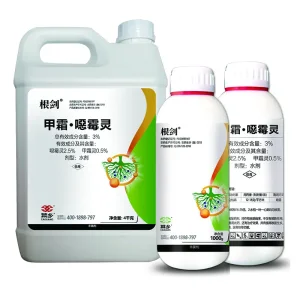
Browse our certified chemical range, including active agricultural solutions, custom silane crosslinkers, and specialized oligomers.
![Famous Bis-[3-(trimethoxysilyl)-propyl]amine CAS 82985-35-1](https://site.cdnfile.io/www.boctoksilicone.com/b7a8c47713f462756c9e61cb65cea17f300_300.webp)
 Boctok Chemical