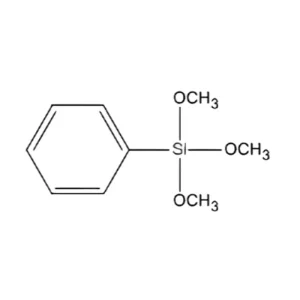
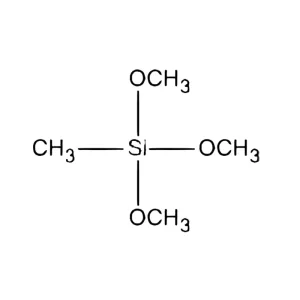
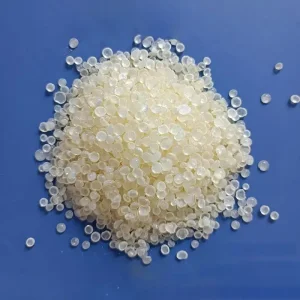
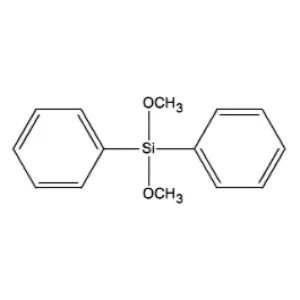
Explore our foundational chemical products engineered for glass priming, surface modification, and high-performance adhesion. Each formula supports structural integrity in harsh industrial applications.
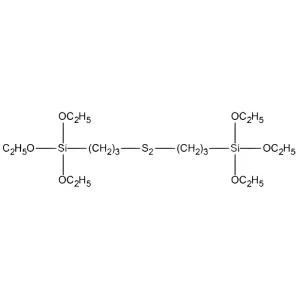
Glass is highly hydrophilic, characterized by a surface layer of hydroxyl (silanol) groups that readily attract moisture. In structural glazing, automotive assembly, solar module encapsulation, and high-frequency electronic displays, forming a durable, water-resistant bond between inorganic glass substrates and organic polymers represents a significant engineering challenge. Silicone primers function as molecular bridges that resolve this interfacial energy mismatch.
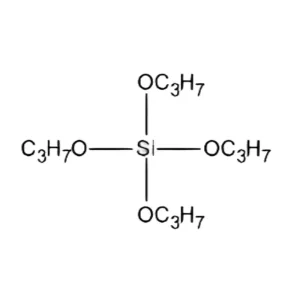
Modern industrial silicone primers for glass contain reactive organofunctional silanes dissolved in specialized carrier solvents. The classic molecular formula of these coupling agents is represented as R-Si-(OR')₃, where the OR' represents hydrolyzable alkoxy groups (typically methoxy or ethoxy) and the R represents an organofunctional group tailored to react with specific polymeric matrices (such as epoxy, polyurethane, acrylic, or vulcanized silicone rubbers).
"The interfacial durability of a glass-to-silicone bond relies on the hydrolytic stability of the covalent siloxane (Si-O-Si) network established by the primer. Under exposure to heat, moisture, and ultraviolet radiation, untreated physical bonds fail rapidly; chemically bridged interfaces using advanced silane technology maintain structural integrity."
During application, atmospheric moisture or water molecules present on the glass surface trigger hydrolysis, converting the alkoxy groups into highly reactive silanol (Si-OH) intermediates. These silanols engage in hydrogen bonding with the glass surface's silanol sites. Upon curing and heat exposure, a condensation reaction occurs, converting the hydrogen bonds into covalent Si-O-Si siloxane bonds. Simultaneously, the organofunctional tail extends into the organic adhesive layer, co-vulcanizing or cross-linking during the adhesive curing cycle. This results in a continuous chemical transition layer that resists hydrolytic cleavage and thermal stress.
The global demand for high-performance silicone glass primers is closely linked to shifts in the construction and green energy sectors. The rise of structural glazing systems for commercial facades, the rapid expansion of double-glazed insulated units (IGUs) in green buildings, and the growing integration of building-integrated photovoltaics (BIPV) demand glass sealants that can withstand constant environmental stress. Additionally, the automotive industry requires high-durability primers for windshield installation to support driver-safety cameras and ADAS sensor arrays.
However, industrial procurement managers face several challenges in today's market. Environmental regulations have tightened restrictions on volatile organic compounds (VOCs) and halogenated solvents. Solvents like toluene and xylene, traditionally used in primers to accelerate evaporation, are being phased out in favor of eco-friendly alternatives. Finding low-VOC, high-flashpoint solvent carriers that still deliver rapid drying and uniform film formation requires advanced formulations. Supply chain volatility also makes consistent sourcing of high-purity monomeric silanes difficult, directly impacting the quality of downstream formulations.
Shandong Boctok Chemical Co. serves as an integrated chemical manufacturer delivering high-purity organosilicon materials, specialty hydrocarbon resins, and agricultural intermediates to global markets.
Established in 2012, Shandong Boctok Chemical Co. has grown into a major producer of silane coupling agents and crosslinkers, achieving sales of US$280 million in 2023. Operating under the BOCTOK brand, the company specializes in serving the Russian market and industrial centers across the globe.
Our organosilicon catalog spans twelve major series of silane coupling agents and crosslinkers: aminosilanes, methacrylatesilanes, epoxysilanes, vinylsilanes, mercaptosilanes, alkylsilanes, ethyl silicates, chlorosilanes, silane isocyanates, phenylsilanes, ureidosilanes, and serosilanes. We also supply silicone fluids, MQ resins, VMQ resins, room-temperature vulcanized (RTV) methyl silicone rubbers, and phenyl rubbers designed for demanding industrial environments.
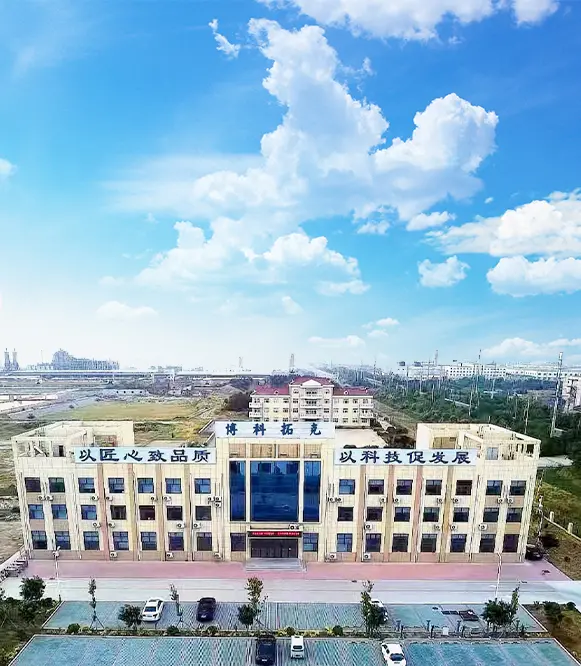
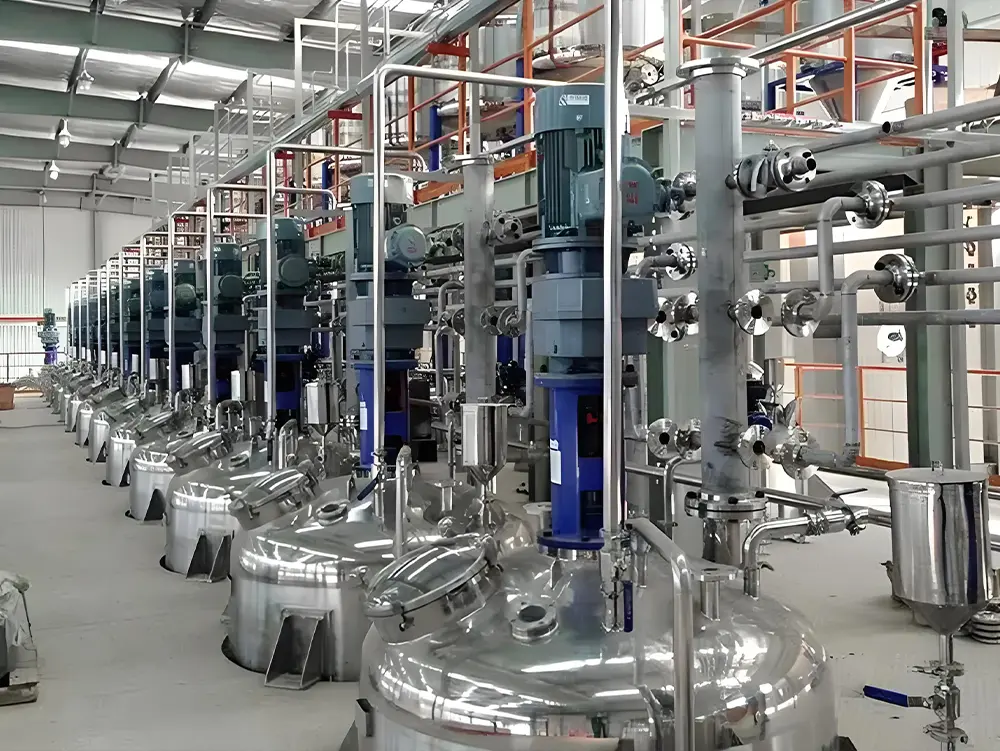
Boctok recently invested USD 65 million to build a new plant in Shouguang City's Bohai Industrial Park, a provincial chemical industry park in Shandong. This facility expands our production chain with 6 automated Distributed Control System (DCS) production lines, delivering an annual capacity of 30,000 tons of silane coupling agents.
These advanced lines are integrated with a Safety Instrument System (SIS) and other safety equipment. We follow strict ISO9001 quality management system standards at every stage of synthesis to ensure consistent quality from run to run. To minimize environmental impact, the site features integrated waste gas collection and treatment units alongside an on-site wastewater treatment plant, helping us meet strict environmental guidelines.

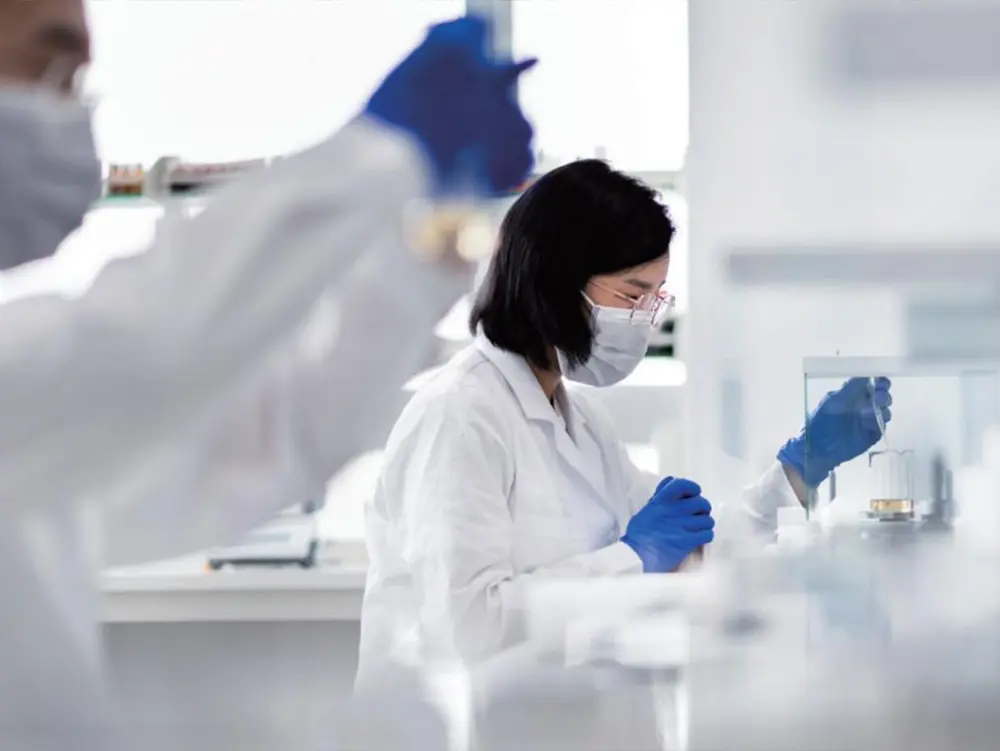
Our products undergo rigorous testing to ensure that every aspect meets the highest quality standards.

We have advanced production lines that allow us to effectively expand production capacity and meet the demand for mass customization.

Our professional team is available online 24 hours a day to provide attentive service and answer all your questions.

An optimized logistics system ensures fast order processing and timely delivery to customers.
Beyond our primary organosilicon business, Boctok's Tier II core operation focuses on hydrocarbon resins. We have invested in a leading manufacturer in China, operating three production sites in Zibo, Fushun, and Nanjing. These plants utilize high-quality raw materials from SINOPEC and PetroChina to produce key hydrocarbon resins used by Fortune 500 companies in domestic and international markets.
Our resin catalog includes C9 hydrogenated resins, C5 hydrocarbon resins, C5/C9 copolymerized resins, standard C9 resins, dicyclopentadiene (DCPD), and methyl cyclopentadiene dimer. In addition, Boctok supports the agrochemical industry by producing intermediates and raw materials for pesticides, fungicides, insecticides, seed treatments, herbicides, and plant growth regulators.


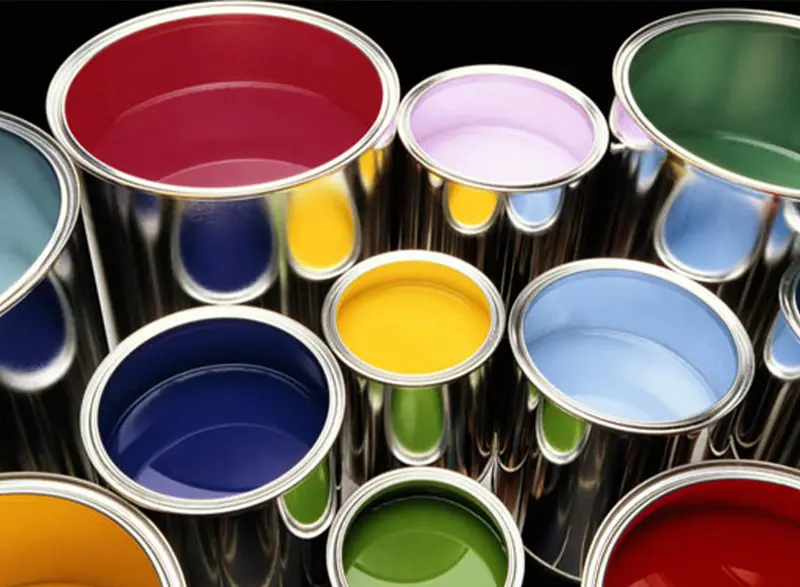
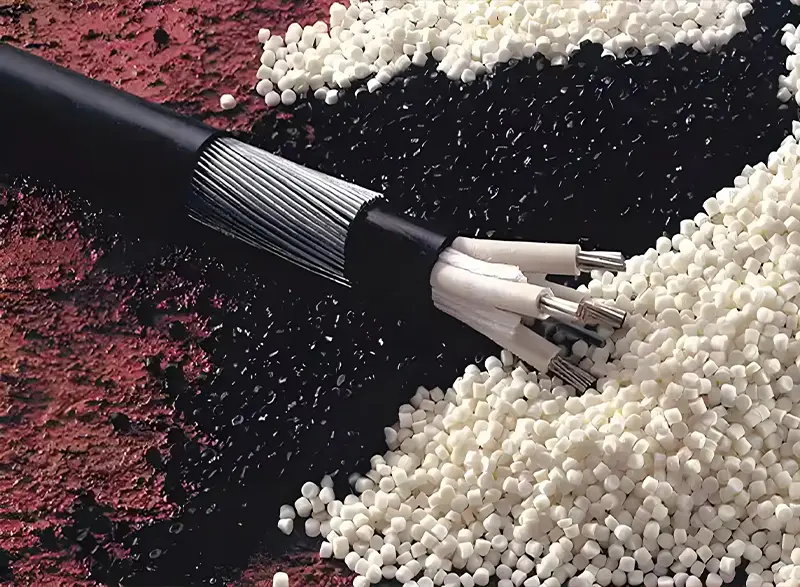
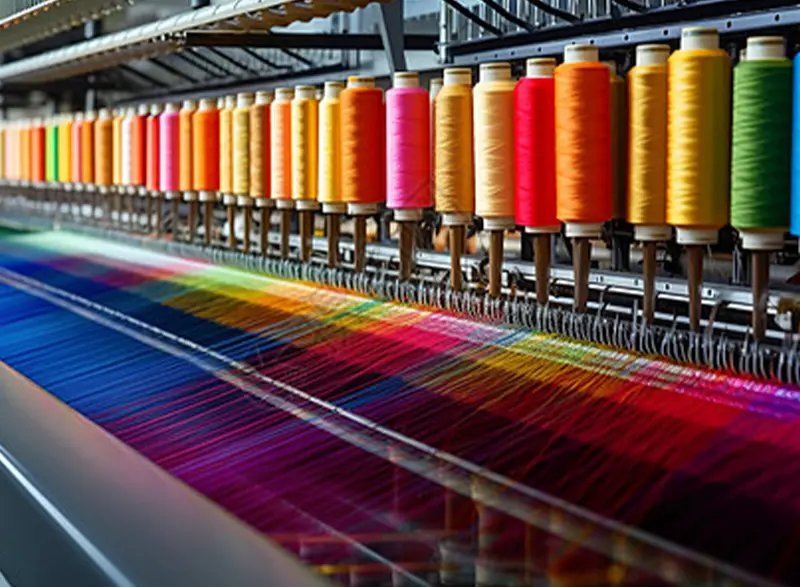
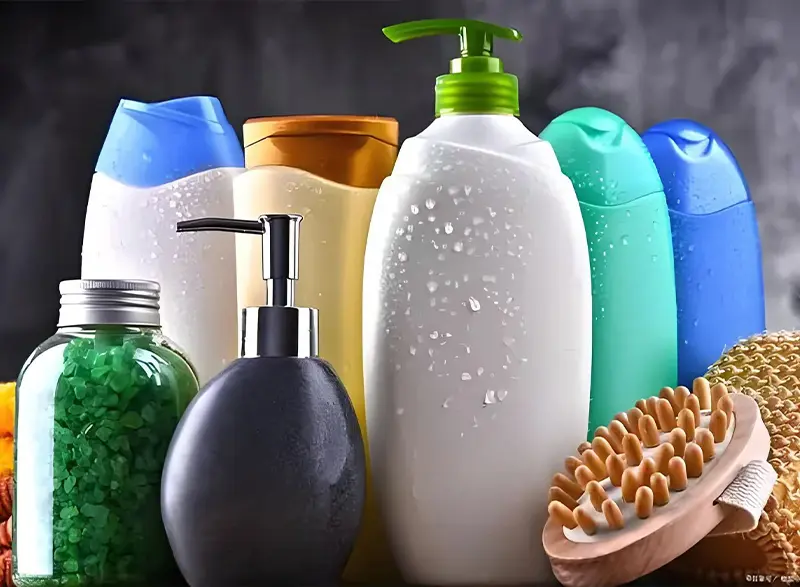
Our materials deliver reliable performance across diverse sectors, including high-tech manufacturing, structural glass engineering, agriculture, and performance textiles.





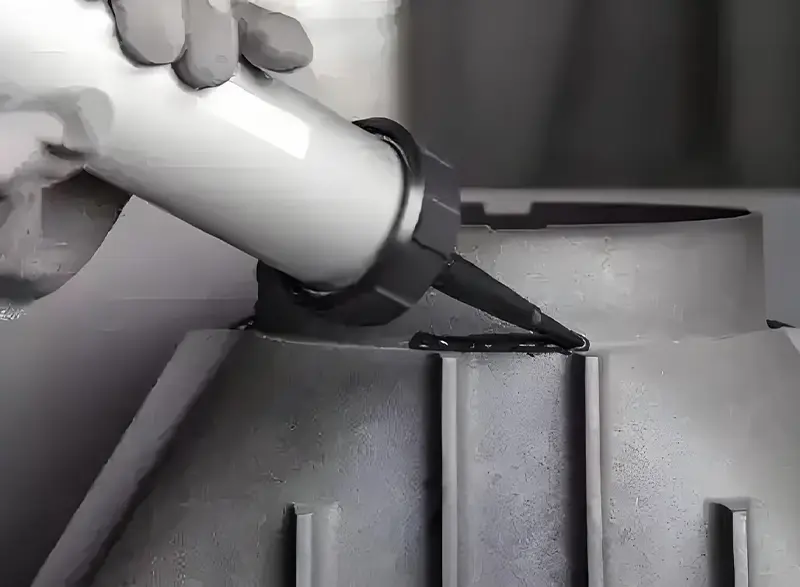
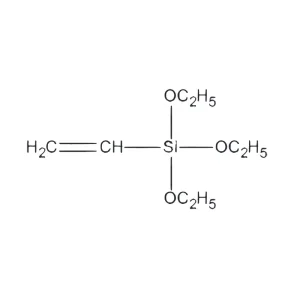
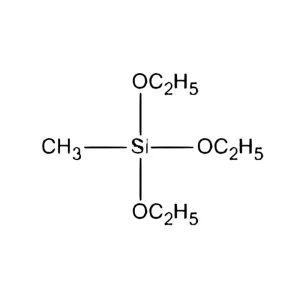
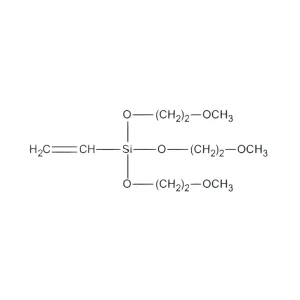
Choosing the right silicone primer depends on the specific polymers in use. For example, condensation-curing RTV silicone adhesives are highly compatible with methoxy- or ethoxy-terminated alkylsilanes. For addition-curing liquid silicone rubbers (LSR) used in microelectronics or medical devices, primers with vinyl functionality (such as Vinyltriethoxysilane or Vinyltris(2-methoxyethoxy)silane) provide the necessary double bonds to cross-link with the silicone matrix.
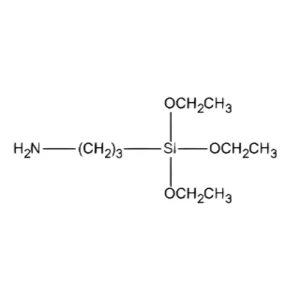
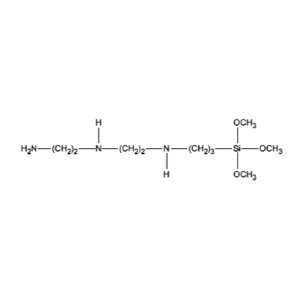
For epoxy resins or polyurethane adhesives, primers with amine functional groups (like 3-Aminopropyltriethoxysilane) or epoxy functional groups provide chemical compatibility. The amino groups react directly with the epoxide rings or isocyanate components in the adhesive, forming covalent bonds that resist shear forces and environmental exposure.


The organosilicon industry is shifting toward more sustainable formulations. Key trends include the development of water-based silane systems and solvent-free options to meet strict VOC regulations. We are also seeing growing demand for multi-functional primers that combine priming and cleaning steps, helping to simplify assembly lines and reduce cycle times.
For procurement managers, maintaining quality and consistency requires assessing several key factors during selection:



Technical clarifications concerning the chemical reactions, application parameters, and storage of organosilicon glass primers.
Browse our secondary selection of silanes and performance compounds. These materials support adhesion, moisture resistance, and cross-linking across a variety of industrial substrates.
 Boctok Chemical