Explore our top-tier chemical selections, combining precise molecular weights, robust copolymer resins, and reactive silane coupling agents.
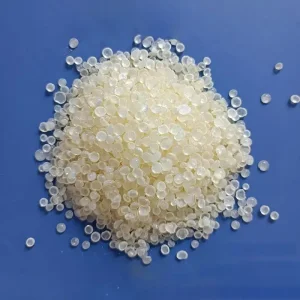
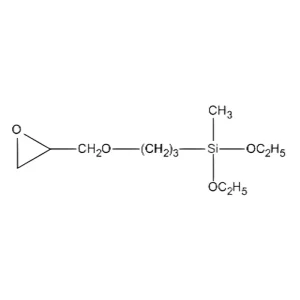
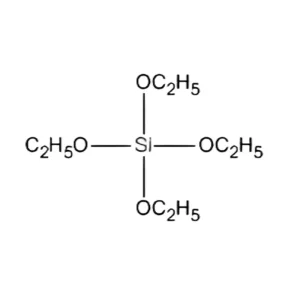
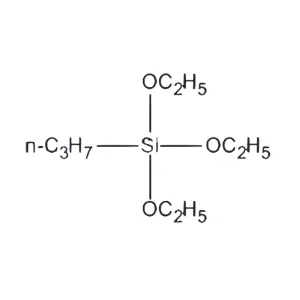
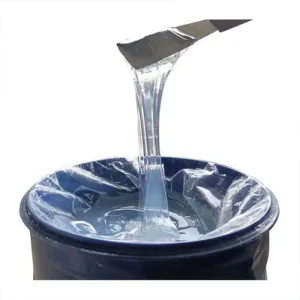
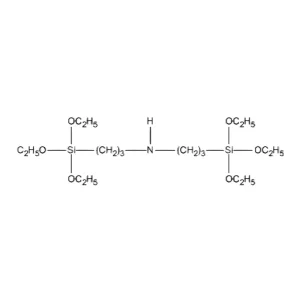
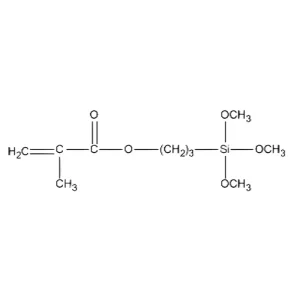
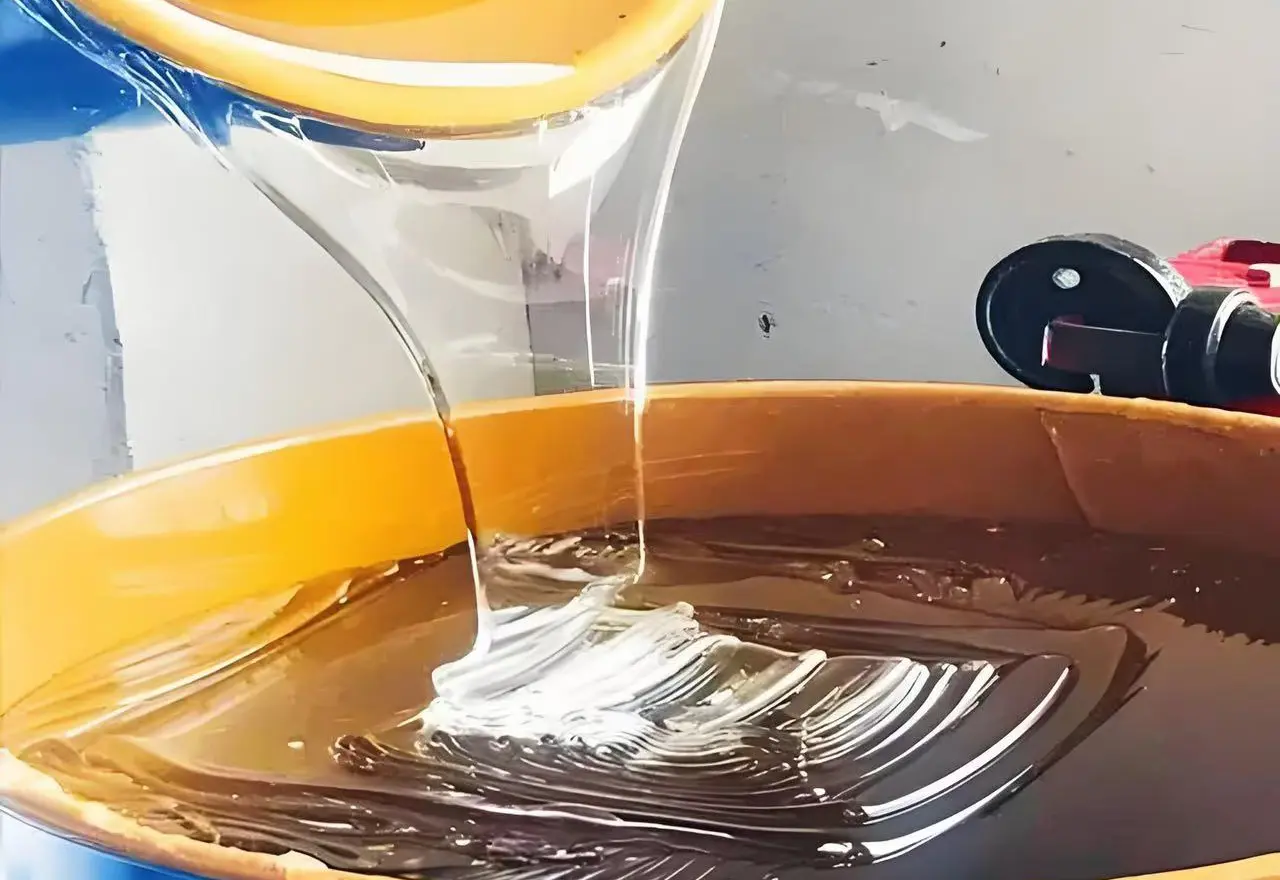
Technical Overview: Silanol-terminated polydimethylsiloxane, commercially known as Silanol Silicone Oil or 107 Liquid Silicone Rubber (OH Polymer), is characterized by the presence of terminal hydroxyl (-OH) groups attached to the silicon atoms at the ends of the polydimethylsiloxane chain. This unique structural framework yields outstanding chemical reactivity, thermal stability, and low temperature flexibility, rendering it a foundational molecule across the global organosilicon industry.
From an industrial engineering standpoint, the reactive hydroxyl groups allow for swift cross-linking via condensation reactions when exposed to crosslinkers (such as alkoxysilanes, acetoxysilanes, or oximinosilanes) under the influence of structural organometallic catalysts (like tin or titanium compounds). This process facilitates room temperature vulcanization (RTV), leading to the formation of elastomeric networks that possess superb water repellency, dielectric strength, and resistance to environmental degradation.
Available in a wide viscosity range (from low-viscosity 20 cSt liquids used for coatings to ultra-high viscosity 500,000+ cSt polymers optimized for heavy-duty sealing compounds).
Terminal silanol groups undergo rapid condensation with alkoxy, acetoxy, and amino silane coupling agents to construct highly resilient three-dimensional networks.
Operates stably within a broad temperature spectrum (-50°C to +250°C) with minimal degradation, showing high immunity to UV exposure, ozone, and oxidative stress.
The global demand for Silanol Silicone Oil is driven by the rapid expansion of key sectors such as electronic manufacturing, green building construction, and high-precision chemical formulations. In Europe and North America, regulatory shifts toward lowering volatile organic compound (VOC) levels have forced manufacturers to seek higher-purity OH polymers. In Asia-Pacific, particularly China, massive expansions in urban infrastructure and electronic assemblies have cemented silanol-terminated fluids as critical materials.
Procurement Priorities: Contemporary B2B buyers emphasize not just raw material volume, but specific chemical behaviors. Crucial requirements include volatile content constraints (often demanding D4, D5, and D6 cyclics level reduction to below 0.1% for automotive and semiconductor use), strict viscosity tolerance deviations, and reliable packaging integrity to prevent moisture contamination during transit.
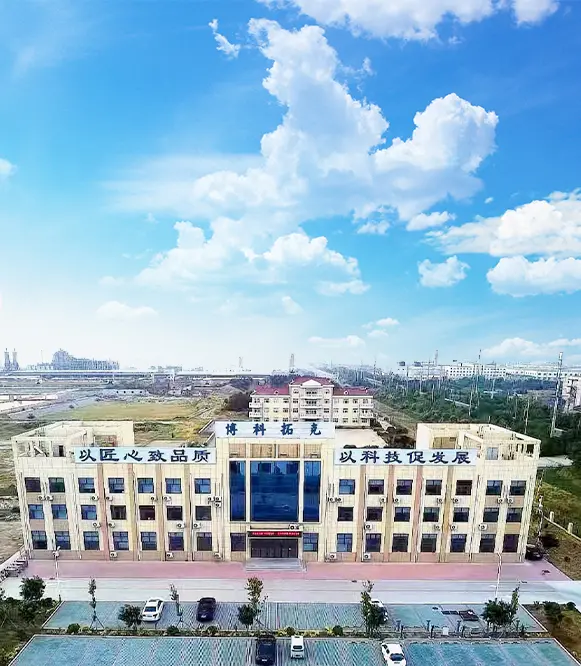
Combining strategic supply partnerships, advanced process engineering, and localized resource access to ensure absolute product reliability.
Shandong Boctok Chemical Co. was established in 2012, serving as the central marketing and sales nerve center for the domestic and international business of the Boctok™ brand. Highlighting our global commercial reach, our organization successfully generated US$280 million in sales revenue in 2023, establishing ourselves as a reliable strategic supplier, particularly within the Russian and Eastern European markets.
To meet the rising global demand for top-grade organosilicon and coupling agents, Boctok invested US$65 million to construct a state-of-the-art facility located in the Bohai Industrial Park, Shouguang City, Shandong Province. This chemical complex features six automated DCS (Distributed Control System) production lines, delivering an annual output of 30,000 tons of high-performance silane coupling agents and silicone intermediates.
By leveraging consistent raw material feedstock configurations from Chinese petroleum giants such as SINOPEC and PetroChina, Boctok guarantees stable supply chains and competitive cost frameworks. Our manufacturing sites integrate the safety-focused Safety Instrumented Systems (SIS) alongside full ISO9001 quality management guidelines, ensuring that batch-to-batch consistency is rigorously maintained.
Additionally, Boctok has dedicated significant capital toward environmental mitigation facilities, including comprehensive waste gas collection/treatment assemblies and modern wastewater processing systems, aligned with clean-production mandates.
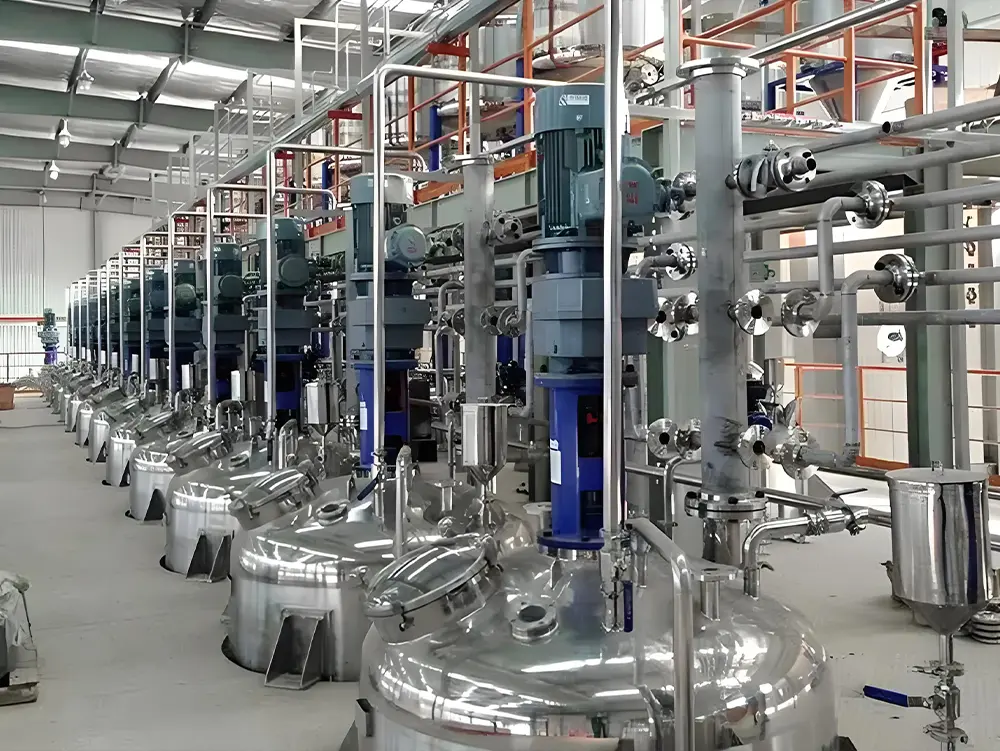


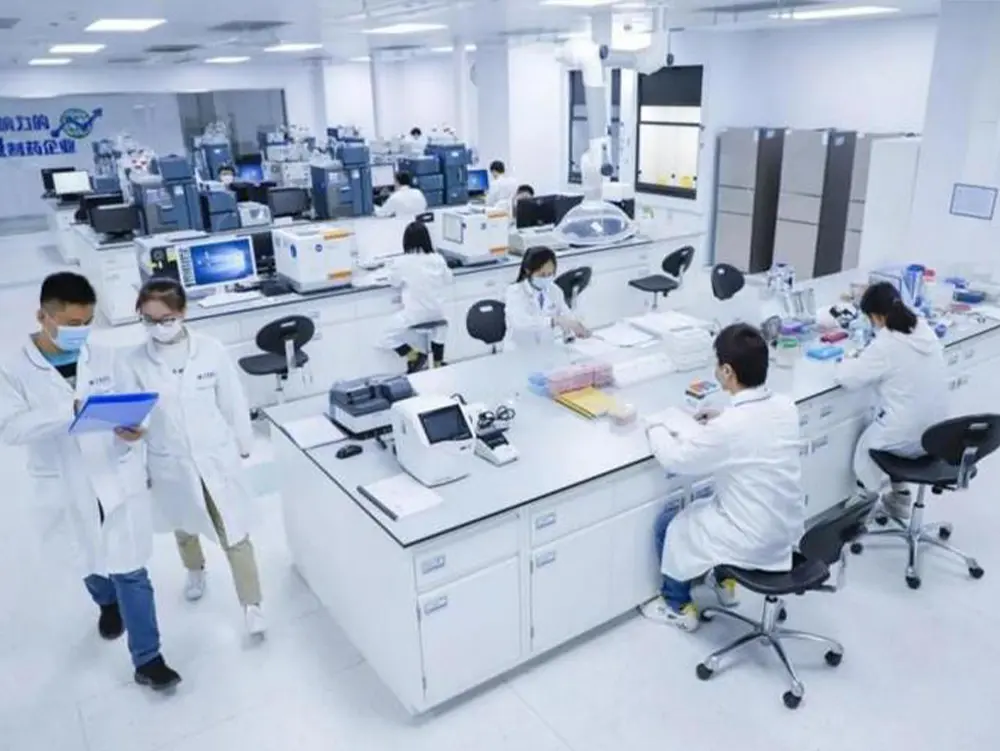
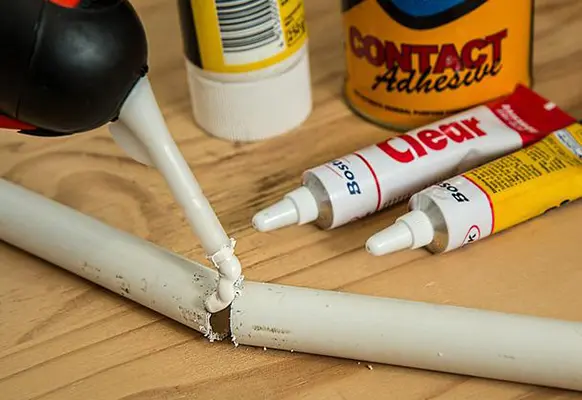
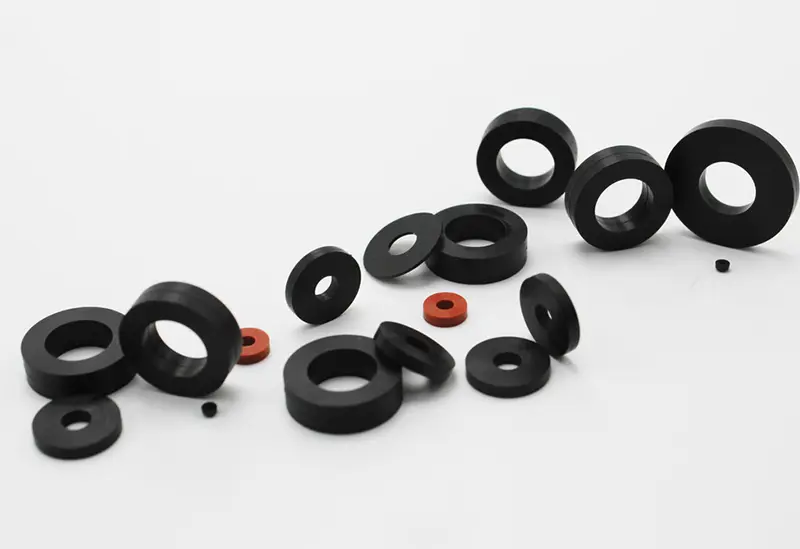
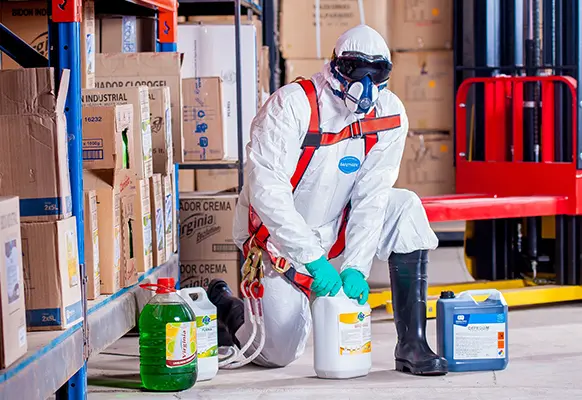
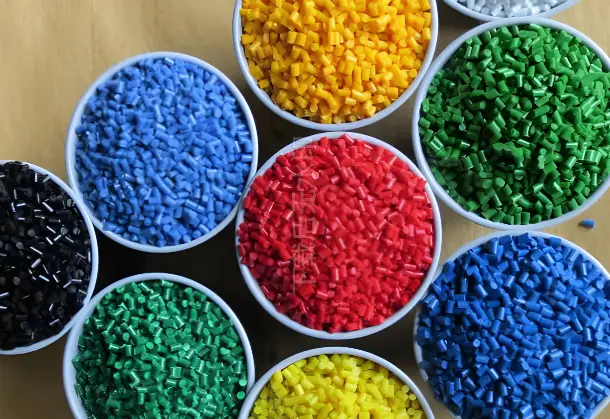
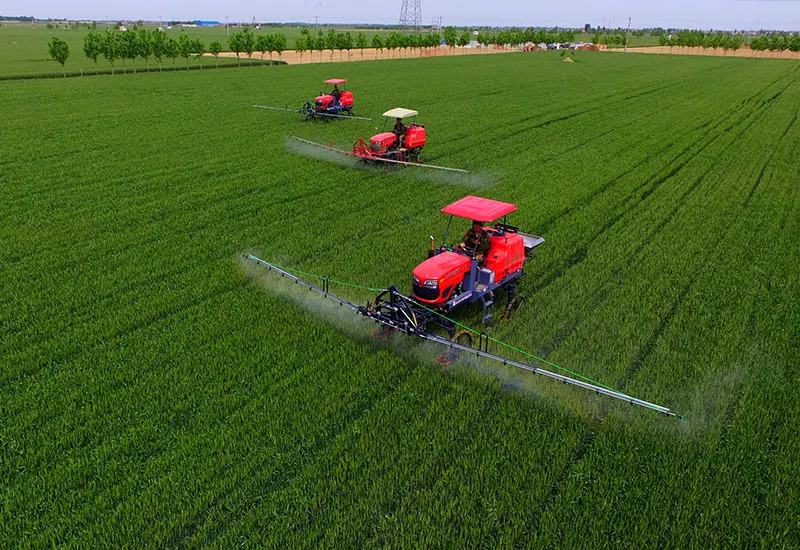
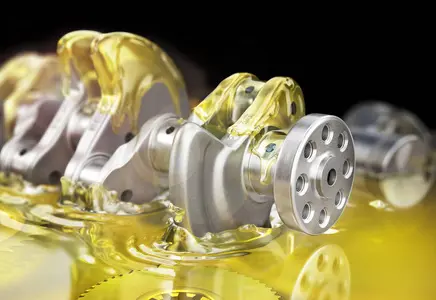
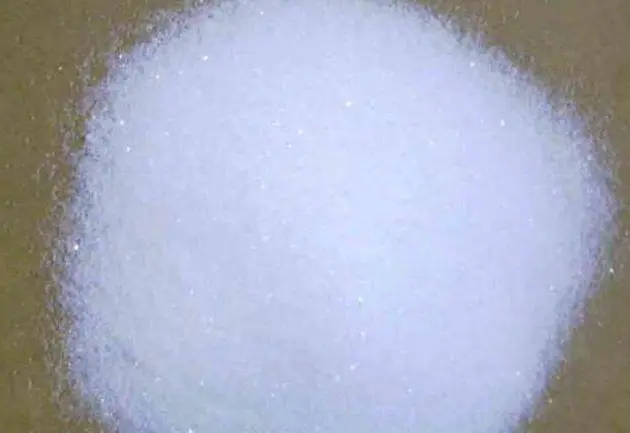
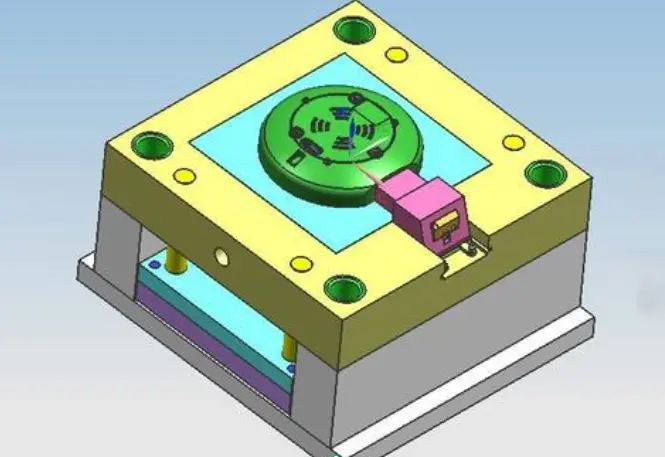
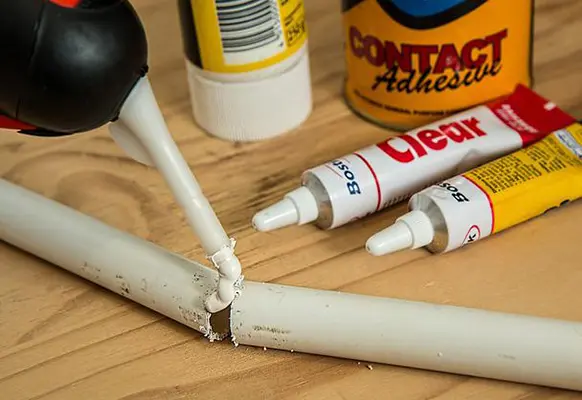
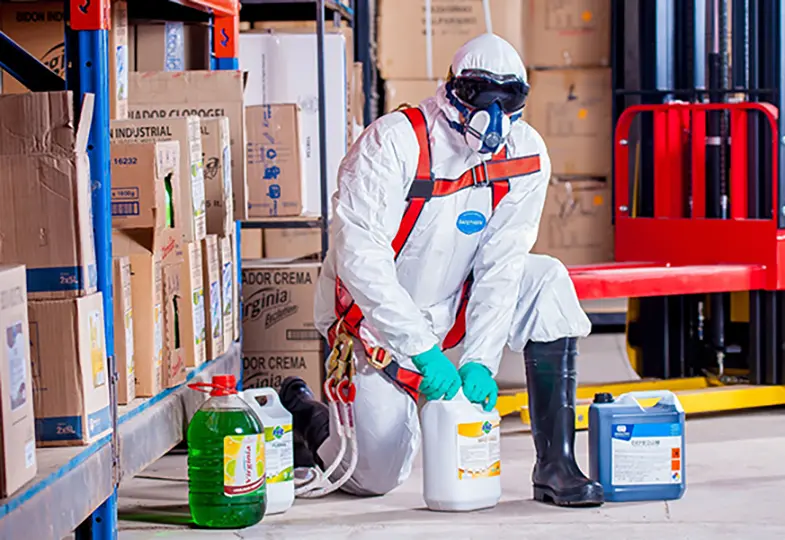
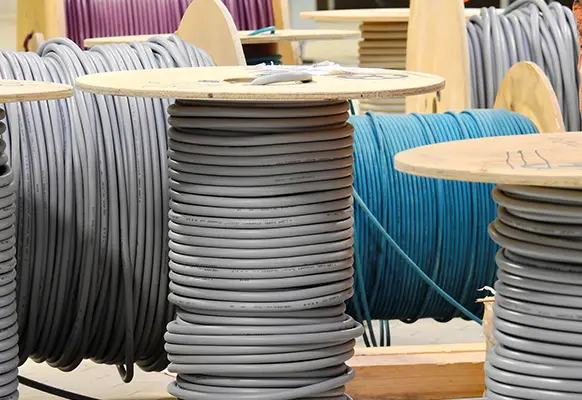
From elastomer synthesis to industrial adhesives and agricultural formulations, our products enhance cross-industry performance.


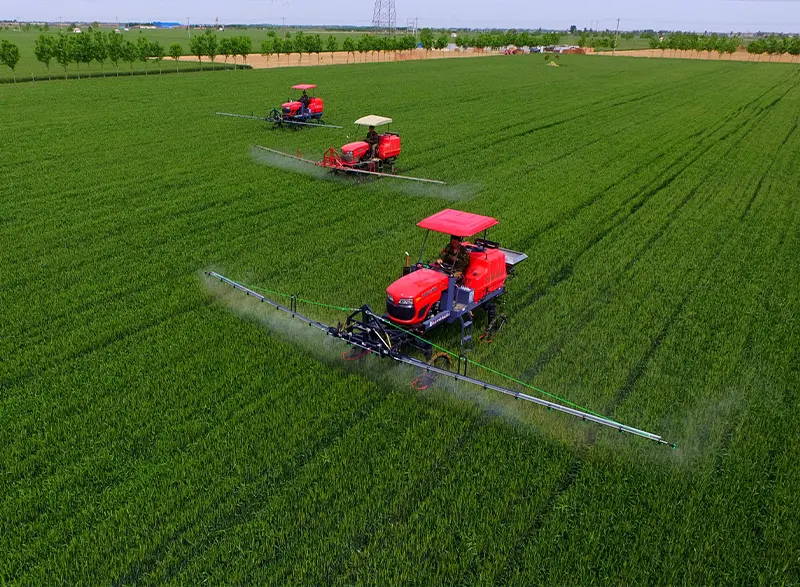




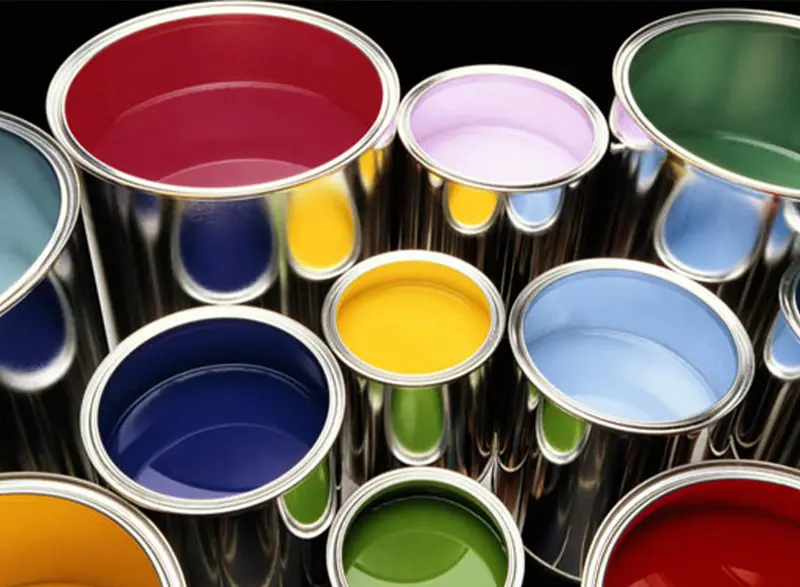
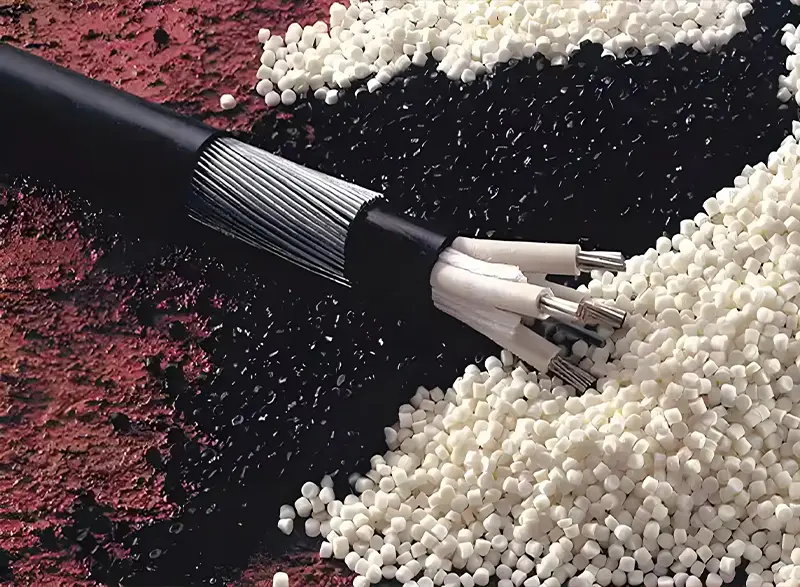

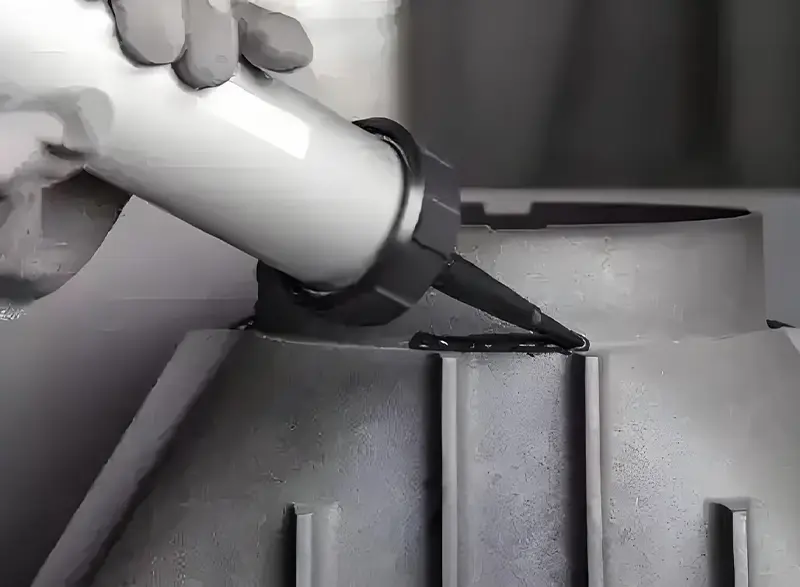
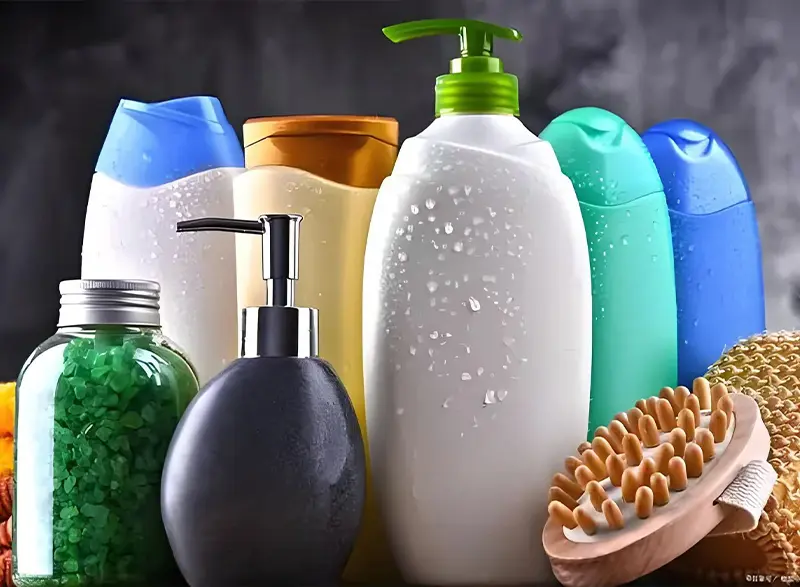
Our silanol silicone oil and associated copolymer resins support industries worldwide, addressing diverse compounding challenges.












As sustainability mandates and performance parameters tighten globally, the silanol silicone oil market is experiencing critical technical transitions. Research shows three clear developments heading into the future:
With regulations tightening under REACH in Europe and similar initiatives globally, modern production lines focus heavily on removing cyclics from OH-terminated polymers. Our manufacturing research is prioritizing enhanced post-polymerization stripping processes to keep cyclic levels below 0.1wt% for highly regulated electronics and medical markets.
To reduce reliance on petro-chemical precursors, chemical engineers are developing hybrid networks using bio-based crosslinkers in combination with high-purity silanol oils. This helps lower the overall carbon footprint of architectural sealants without reducing their elastomeric lifespan.
Modern applications require fast cure speeds at low temperatures. By matching silanol silicone oils with specialized, highly active alkoxy silane crosslinkers, formulators can design sealants that cure effectively in cold regions or dry, low-humidity environments.
Browse our collection of functional silanes, MQ silicone resins, and specialty chemical intermediates.
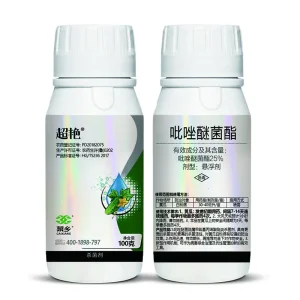
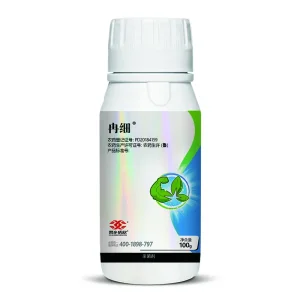
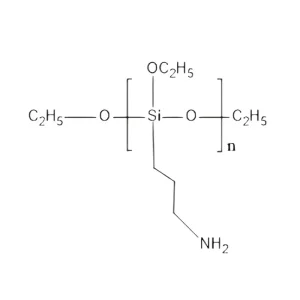
Get answers to critical procurement and compounding questions from our technical support team.
 Boctok Chemical