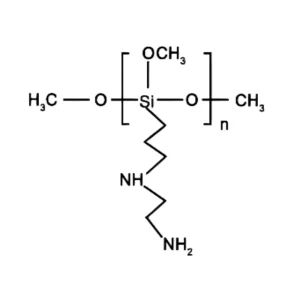
![Famous Bis-[3-(trimethoxysilyl)-propyl]amine](https://site.cdnfile.io/www.boctoksilicone.com/b7a8c47713f462756c9e61cb65cea17f300_300.webp)
In modern industrial applications, materials are subjected to increasingly extreme thermal and physical conditions. Ordinary methyl silicone oils, while effective for standard applications, fail under structural oxidative breakdown above 150°C. This limit paved the way for the synthesis of Phenyl Silicone Oil (Polyphenylmethylsiloxane). By introducing phenyl groups into the siloxane molecular backbone, manufacturers dramatically enhance the thermal stability, radiation resistance, and high-temperature lubrication of the fluid.
China has established itself as a leading global manufacturing hub for these advanced organosilicon compounds. Leveraging vast raw material supplies and integrated industrial parks, Chinese factories produce highly resilient silicone fluids that meet global specifications. As industries transition to electric vehicles, aerospace exploration, deep-well drilling, and advanced solar fields, the need for high-stability heat transfer media has skyrocketed, positioning phenyl-modified siloxanes as a crucial component of modern industrial engineering.
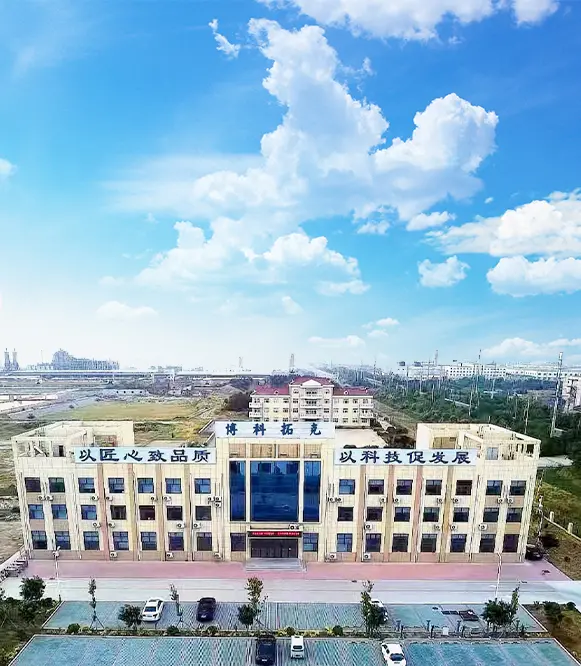
Founded in 2012, Shandong Boctok Chemical Co. serves as an international powerhouse for organosilicones, petroleum resins, and high-performance chemical manufacturing.
Corporate History & Footprint: Shandong Boctok Chemical Co. was founded in 2012 as a marketing and sales center for Boctok™ domestic and overseas businesses, achieving sales of US$280 million in 2023. The BOCTOK brand specializes in serving the Russian and CIS markets while expanding to global destinations including North America, Europe, Japan, South Korea, Australia, South America, the Middle East, India, and Southeast Asia.
Boctok recently invested US$65 million to build a new advanced production facility located in Shouguang City, Shandong Province (Bohai Industrial Park, a provincial chemical industry park). This facility houses 6 automatic DCS production lines with an annual output of 30,000 tons of silane coupling agents, engineered with safety instrument systems (SIS) and ISO9001 quality management standard practices.

Our products undergo meticulous analytical testing utilizing Gas Chromatography (GC), Gel Permeation Chromatography (GPC), and FTIR spectroscopy to guarantee physical-chemical properties comply with aerospace and electronics standards.

Equipped with state-of-the-art DCS systems and continuous synthesis units, we maintain stable manufacturing lines to support large-scale industrial orders and customized chemical structural requirements.

Our chemical application engineers work round-the-clock to assist clients in selecting correct viscosity ranges, surface treatments, and resin formulations for their specific working parameters.
The core structure of polydimethylsiloxane (PDMS) consists of alternating silicon-oxygen bonds with methyl groups attached. While the Si-O bond is strong (460 kJ/mol), methyl groups are susceptible to thermal oxidation above 150°C, causing radical-induced crosslinking and volatilization. Replacing methyl groups with bulky, electron-stabilized phenyl groups introduces several critical features:
Production processes at advanced Chinese plants, including Boctok's integrated chemical networks, typically involve the hydrolysis of chlorosilanes followed by catalytic polymerization. The reaction starts with:
This intermediate hydrolysate undergoes equilibration using acidic or basic catalysts (such as phosphonitrilic chloride or tetramethylammonium hydroxide) to reach targeted molecular weights and viscosities. End-blocking with trimethylsilyl groups provides structural termination, ensuring long-term thermal performance.
From high-speed aviation mechanisms to chemical processing machinery, our phenyl silicone products solve fundamental engineering problems.
Used as high-temperature damping fluids, hydraulic actuators, and thermal control coatings. The low vapor pressure and high flash point minimize vacuum evaporation in low-pressure altitudes.
Designed for ultra-high vacuum systems. High-phenyl silicones resist thermal shock, oxygen exposure at running temperatures, and chemical back-streaming, achieving clean vacuums up to 10-10 torr.
Functions as dielectric coolants in high-density traction motors and battery modules. Excellent thermal conductivity coupled with electrical insulation prevents thermal runaway events.
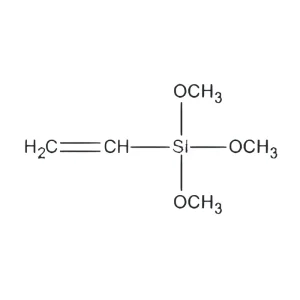
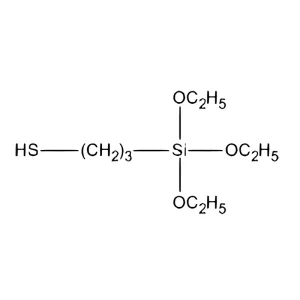
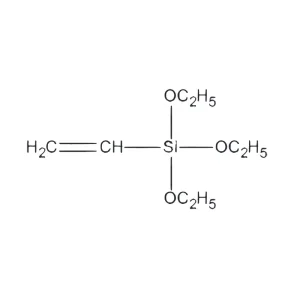
Covers twelve series of silane coupling agents and crosslinkers, including aminosilane, methacrylate silane, epoxy silane, vinyl silane, mercaptosilane, alkyl silane, ethyl silicate, chlorosilane, silane isocyanates, phenyl silane, ureidosilane, and serosilane.
Also focuses on high-hydrogen silicone oil, dimethicone, vinyl silicone oil, polyphenylmethyldimethylsiloxane, phenyl silicone oil, silanol silicone oil and OH polymer, alkoxy silicone oil, methyl MQ resin, vinyl VMQ resin, and room-temperature vulcanized methyl silicone rubber.
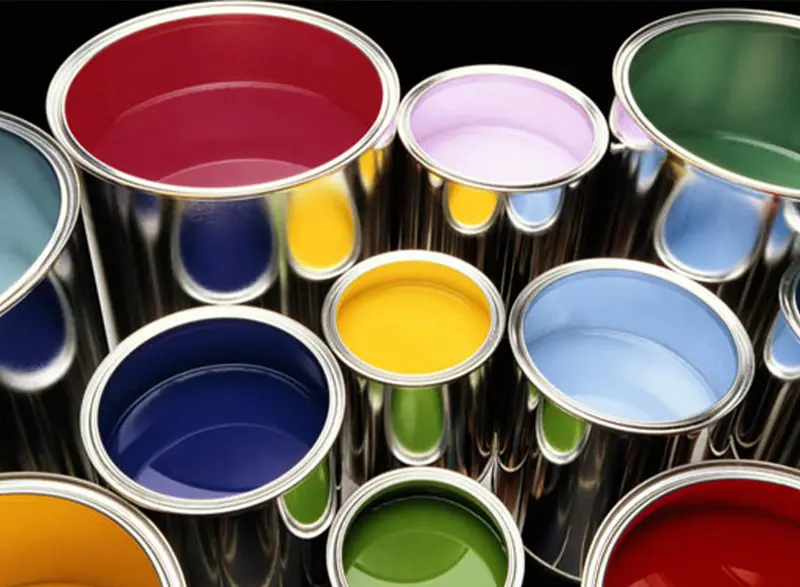
Operating out of three strategically positioned manufacturing sites in Zibo, Fushun, and Nanjing. We process high-purity C9 hydrogenated resins, C5 hydrocarbon resins, C5 modified C9 hydrocarbon resins, C9 hydrocarbon resins, dicyclopentadiene, and methyl cyclopentadiene dimer, catering to leading adhesive and paint formulations globally.
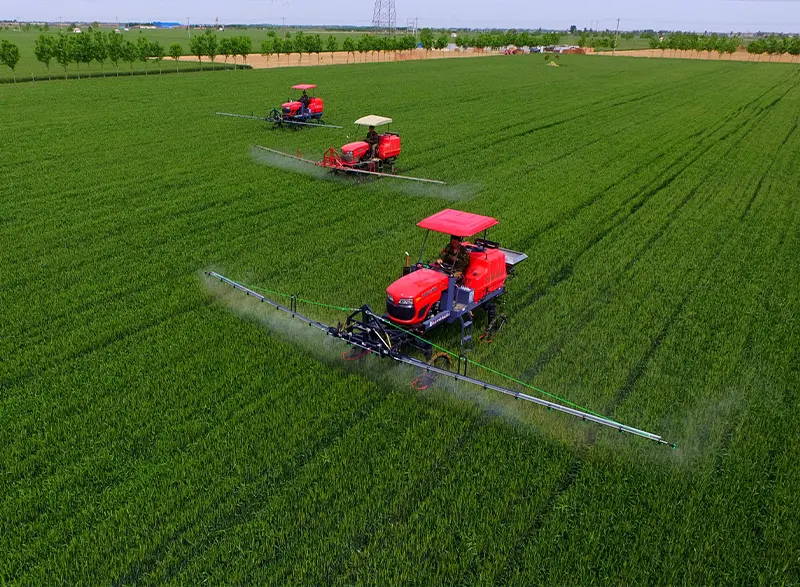
Synthesis and packaging of raw intermediates for pesticides, systemic fungicides, insecticides, seed treatments, herbicides, and plant growth regulators to enhance agricultural crop yield and protection against common plant diseases.





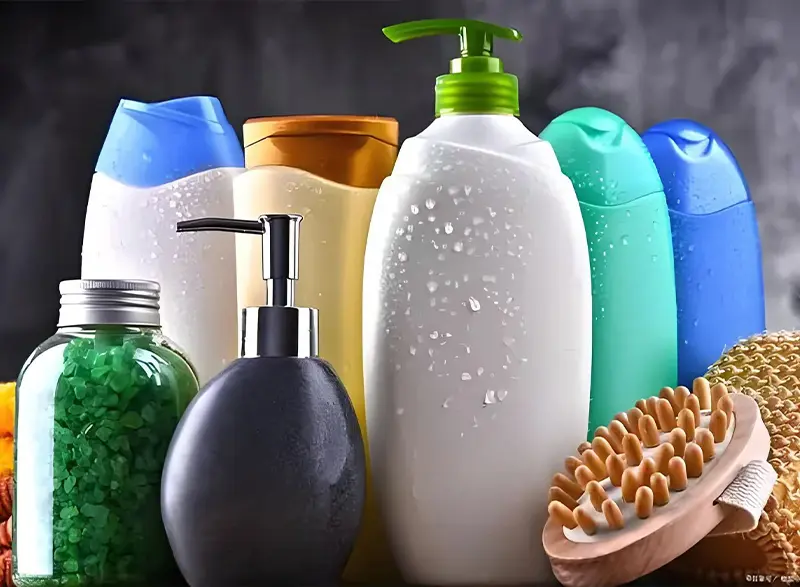
Silicone liquids modified with phenyl structures provide exceptional refractive index metrics (>1.46) yielding premium shine and softness qualities in haircare and makeup formulations.
Lubricating greases formulated with high-phenyl silicone base oils exhibit long-term shear stability and high temperature operability inside offshore generator units.
High purity levels render specific phenyl-functional fluids ideal as non-reactive lubricants, syringe coatings, and materials within specialized diagnostic machinery.
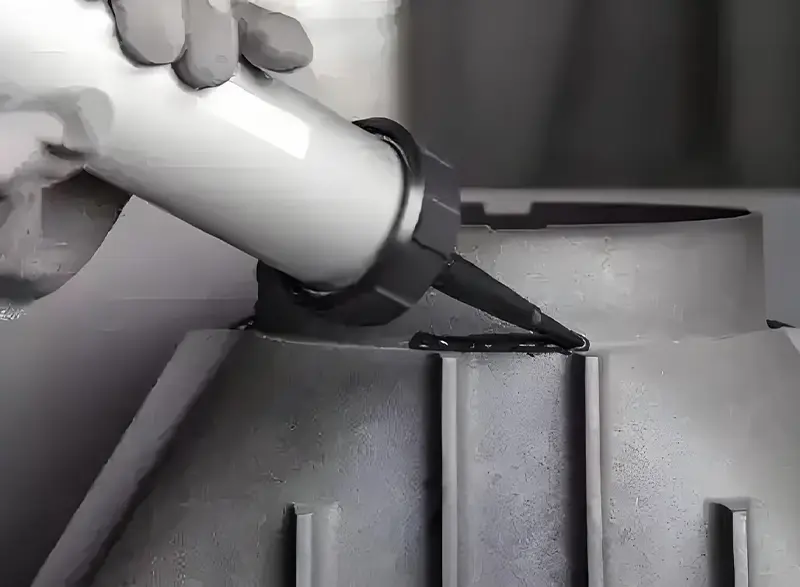
Weatherproofing elastomeric sealants compound structural room-temperature vulcanized (RTV) rubbers with phenyl silicates for enhanced ultraviolet light resistance.
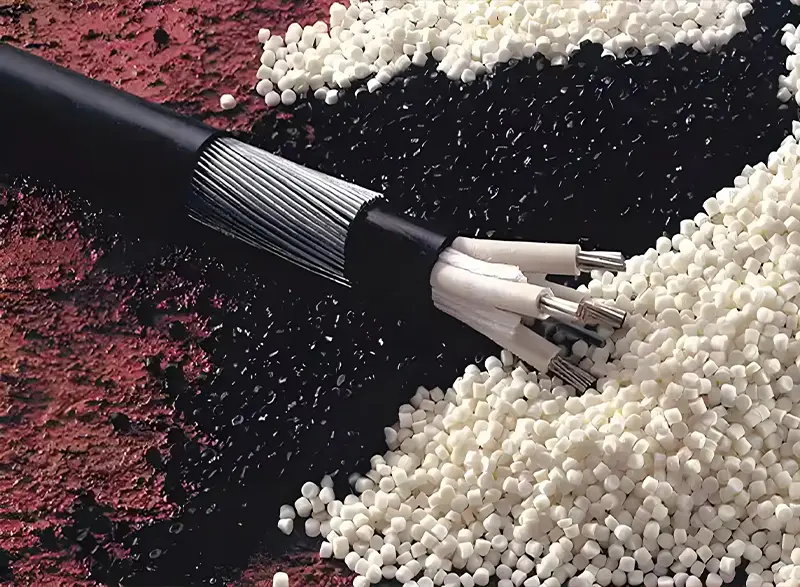
High-voltage crosslinked polyethylene (XLPE) power lines apply silane coupling crosslinkers for mechanical and chemical endurance under ground humidity.
Potting materials protect power semiconductors and optoelectronics from high heat while maintaining excellent dielectric characteristics.
In modern industrial applications, the trend points toward ultra-low volatility high-phenyl oils. As space missions and microelectronics packages operate in increasingly constrained spatial arrangements, any structural outgassing can cause catastrophic failures on lens optics or gold contact structures. The developmental efforts focus on narrowing the molecular weight distribution (polydispersity index) during the ring-opening polymerization process.
Furthermore, by optimizing the structural ratio of diphenyl groups to dimethyl groups, chemists are striving to synthesize molecules that exhibit negligible volatility while keeping viscosity relatively flat across a working range from -50°C to 300°C.
Compliance directives like REACH and RoHS are pushing factories to minimize residual organic solvents and volatile organic compounds (VOCs). The future of phenyl silicone production involves solvent-free hydrolysis and solid acid/base catalysis to eliminate washing stages that yield massive industrial wastewater. By adopting continuous micro-reactor systems, factories reduce reaction footprints, improve thermodynamic yield control, and dramatically drop carbon footprints per ton produced.
Standard methyl silicone oil (PDMS) starts degrading chemically via oxidation around 150°C. By substituting a portion of the methyl side groups with phenyl rings, we obtain phenyl silicone oil. The resonance structures of phenyl groups stabilize the siloxane backbone, extending continuous service limits in open air to 250°C, and in closed anaerobic chambers to above 300°C. Phenyl silicone oil also provides superior lubricating parameters under heavy loads, improved radiation resistance, and high-vacuum characteristics.
Phenyl content is generally classified into low-phenyl (5-15% mole ratio), medium-phenyl (around 25% mole ratio), and high-phenyl (above 45% mole ratio). Low-phenyl content interrupts the polymer crystallization sequence, giving it the lowest pour points (down to -70°C). High-phenyl silicone oils maximize thermal oxidation resistance, radiation resistance, and offer higher refractive indices, though they exhibit higher pour points (around -30°C).
Diffusion pumps operate under heavy heat and low pressures. Phenyl silicone oils (specifically those based on pentaphenyltrimethyltrisiloxane or tetraphenyltetramethyltrisiloxane structures) provide extremely low vapor pressures, high flash points, and incredible resistance to oxidation if the system experiences sudden accidental atmospheric exposure while running hot. This minimizes mechanical downtime and avoids system contamination from hydrocarbon breakdown residues.
Shandong Boctok has integrated automated Distributed Control Systems (DCS) and Safety Instrument Systems (SIS) across its production lines. By monitoring thermal parameters, reactant feeding ratios, and reaction timing in real-time, our manufacturing processes eliminate human error. Furthermore, each output batch undergoes extensive testing, including viscosity checks, flash point determination, and molecular composition profiling prior to packaging.
Generally, phenyl silicone oils demonstrate good compatibility with fluorosilicone and fluoroelastomers (such as Viton). However, they can cause shrinkage or swelling in standard silicone rubbers, depending on the similarity in crosslink structures. We highly recommend talking to our application specialists to run compatibility compatibility tests with your specific elastomeric seals.
Stored in their original, unopened containers in cool, dry conditions, high-temperature resistant phenyl silicone oils maintain physical stability for up to 36 months from the date of manufacture. Because they are highly hydrophobic, moisture exposure must be prevented to avoid catalyst-free silanol degradation or hydrolysis over time.
Yes. By adjusting the chain termination steps and blending low-viscosity fractions with high-molecular-weight polymers, we produce customized viscosities ranging from 20 cSt to over 100,000 cSt. Contact our customer service center with your technical specifications and application requirements.
Boctok has invested heavily in state-of-the-art waste gas absorption towers and integrated biological wastewater treatment units. Volatile organic compounds and acidic process byproducts (like hydrogen chloride) are captured at source points and neutralized. We run our operations in complete compliance with China's national environmental protection standards and regional chemical park mandates.
 Boctok Chemical