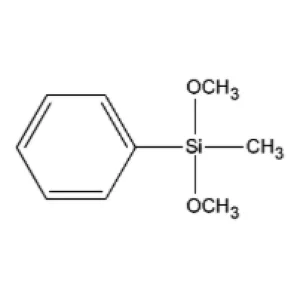
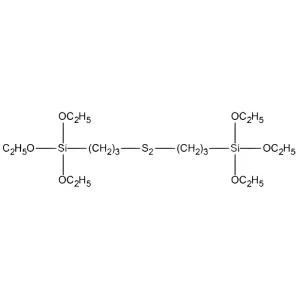
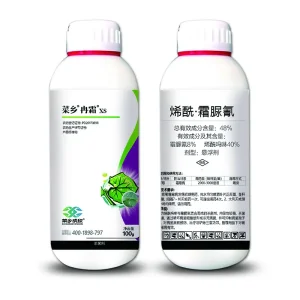
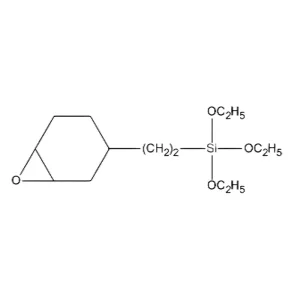
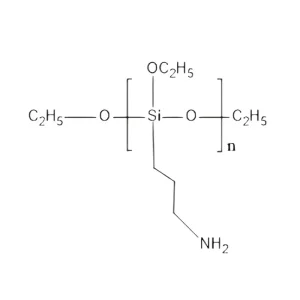
Explore our core product portfolio, showcasing high-grade silanes, functionalized hydrocarbon resins, and specialty chemical materials engineered for demanding applications.
Liquid Silicone Rubber (LSR) has emerged as a critical material class across the automotive, aerospace, electronics, and medical fields. The fundamental stability of LSR stems from its alternating silicon-oxygen (Si-O-Si) backbone. The bond dissociation energy of a siloxane bond is approximately 460 kJ/mol, which is substantially higher than the carbon-carbon (C-C) bonds (348 kJ/mol) found in typical organic elastomers. This organic-inorganic structural duality grants LSR inherent resistance to heat, ultraviolet radiation, and ozone.
To withstand extreme thermal operating thresholds—often reaching continuous exposure temperatures of up to 250°C and short-term peaks up to 300°C or higher—customary polydimethylsiloxane structures must be strategically modified. Standard silicone rubbers tend to undergo depolymerization and thermo-oxidative degradation at elevated temperatures. Our chemical engineers mitigate these structural failure points through several advanced mechanisms:
For international procurement directors, identifying a reliable supply partner in China for High-Temperature LSR is not merely about finding a competitive price. Procurement teams must navigate complex technical parameters, long-term stability matrices, and strict regulatory frameworks to minimize supply chain disruption. Global procurement programs prioritize several criteria when qualifying LSR products:
Thermal Endurance Profiling: Material data sheets must prove retention of tensile strength, elongation at break, and hardness (typically measured in Shore A) after continuous thermal aging tests at 200°C for at least 1,000 hours. A stable compression set—representing the material's ability to retain elastic sealing force under heat—is paramount for automotive gaskets and EV battery modules.
Regulatory and Compliance Standards: High-Temperature LSR products must comply with international frameworks, including REACH, RoHS, and specific regional requirements such as the Russian market standards. In consumer-adjacent fields like food contact and medical technologies, materials must be verified to conform with FDA and LFGB requirements. Boctok Chemical's dedicated compliance framework ensures that all raw materials and chemical intermediates meet these strict global standards.
Shandong Boctok Chemical Co. was founded in 2012 as a marketing and sales center for Boctok™ domestic and overseas businesses, and achieved sales of US$280 million in 2023. The BOCTOK brand specializes in serving the Russian market and global high-performance industrial corridors.
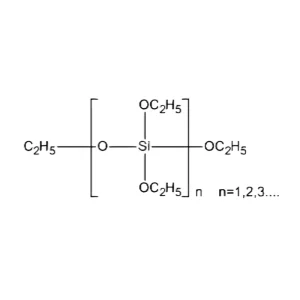
Boctok has three main product categories. Our first core business of organosilicone covers twelve series of silane coupling agents and crosslinkers, including aminosilane, methacrylate silane, epoxy silane, vinyl silane, mercaptosilane, alkyl silane, ethyl silicate, chlorosilane, silane isocyanates, phenyl silane, ureidosilane and serosilane.
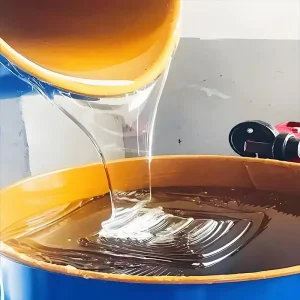
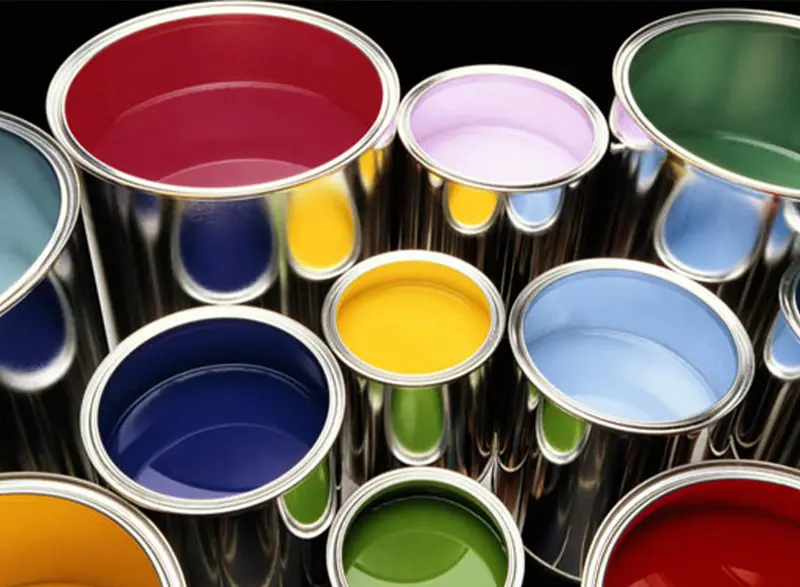
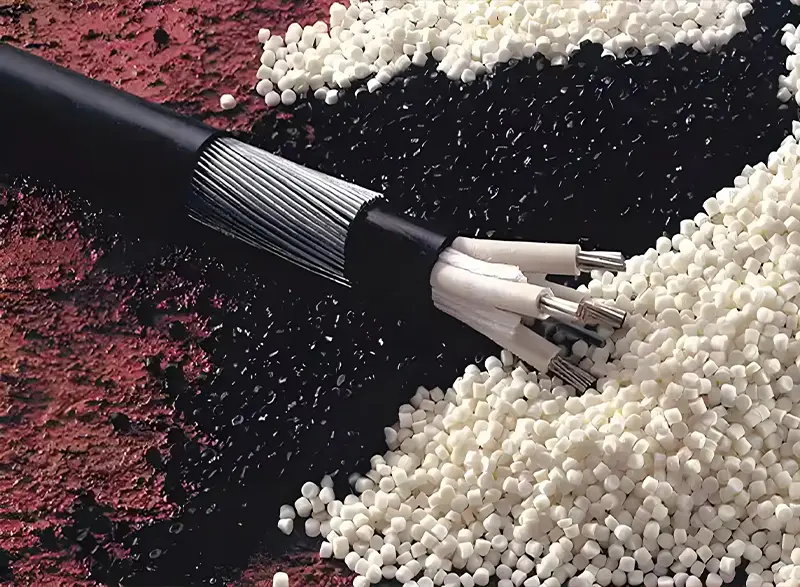
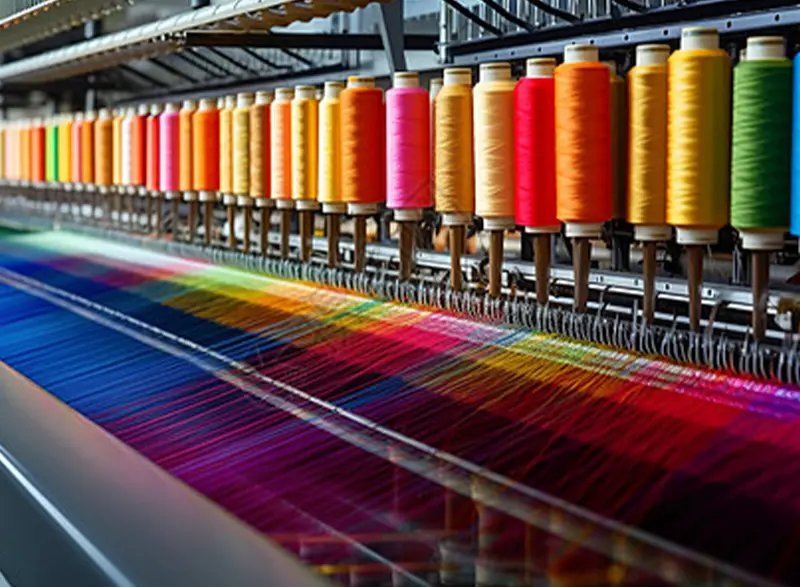
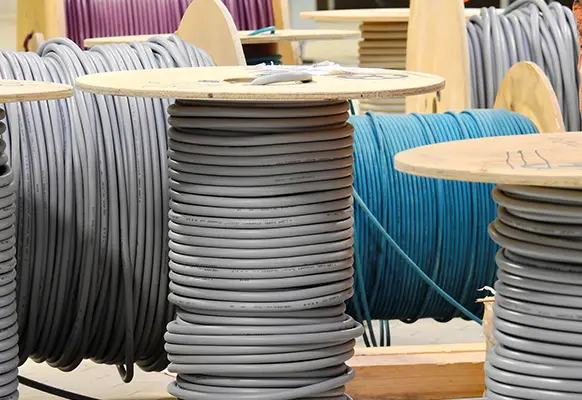
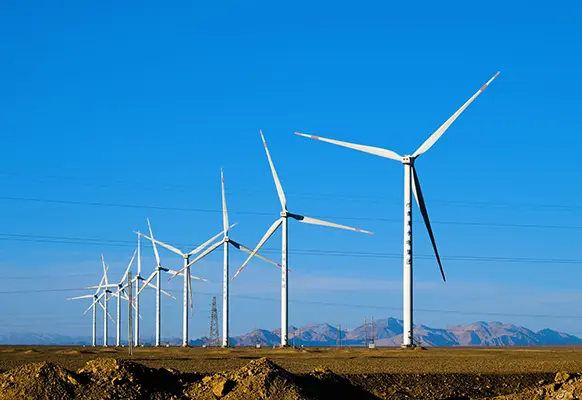
Boctok also focuses on silicon oil, silicon resin, and silicon rubber, covering high-hydrogen silicone oil, dimethicone, vinyl silicone oil, polyphenylmethyldimethylsiloxane, phenyl silicone oil, silanol silicone oil and OH polymer, alkoxy silicone oil, methyl MQ resin, vinyl VMQ resin, room-temperature vulcanized methyl silicone rubber, 110 methyl vinyl silicone rubber, 120 methyl phenyl rubber. These materials are widely used in glass fiber, electronics, wind energy, daily necessities, chemical industry, coatings, adhesives, XLPE electric cables, hot water pipes, oil field drilling, textiles, rubber and molding, to improve the quality and performance of the finished products.
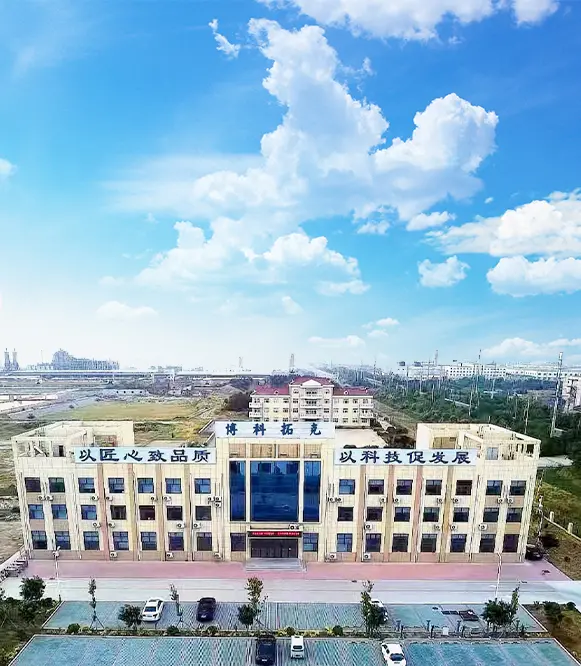
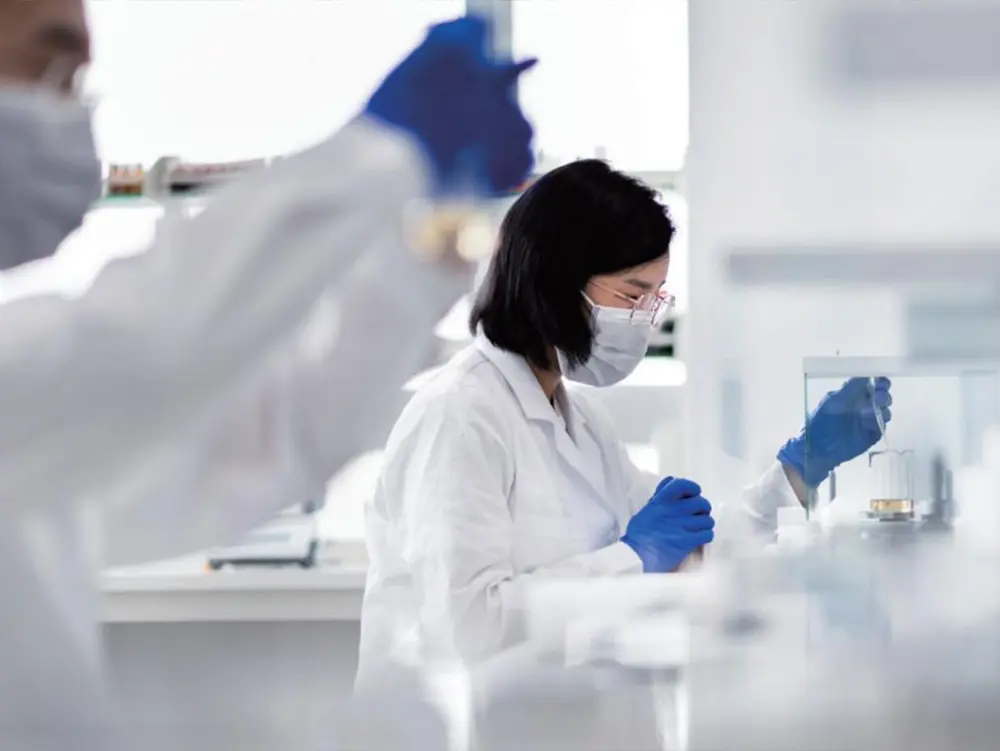
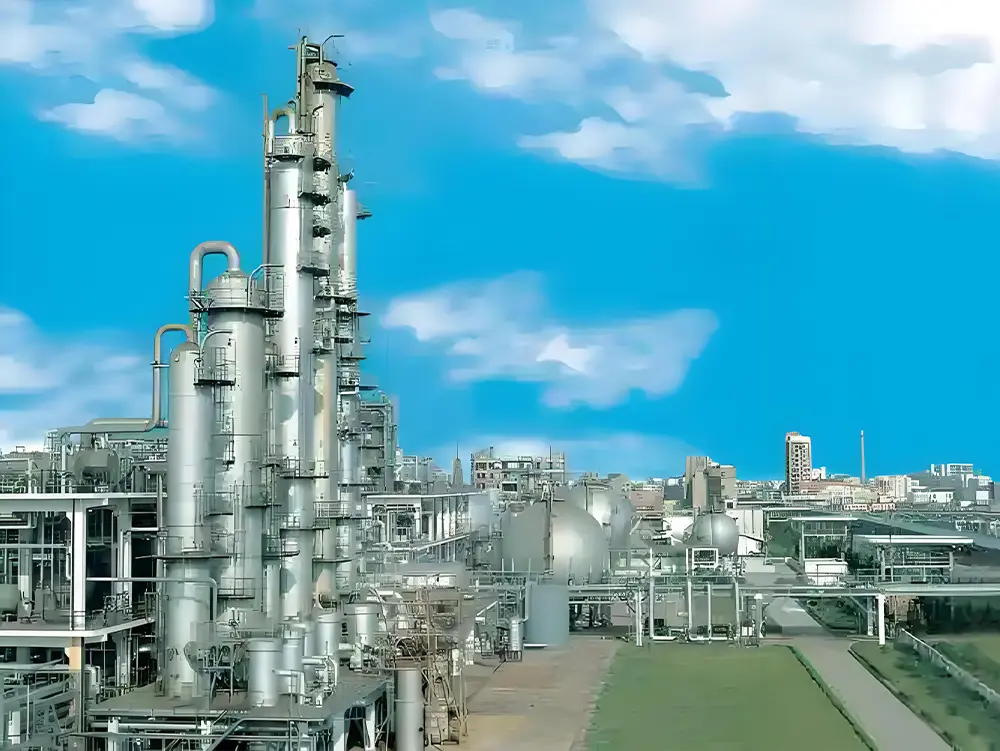
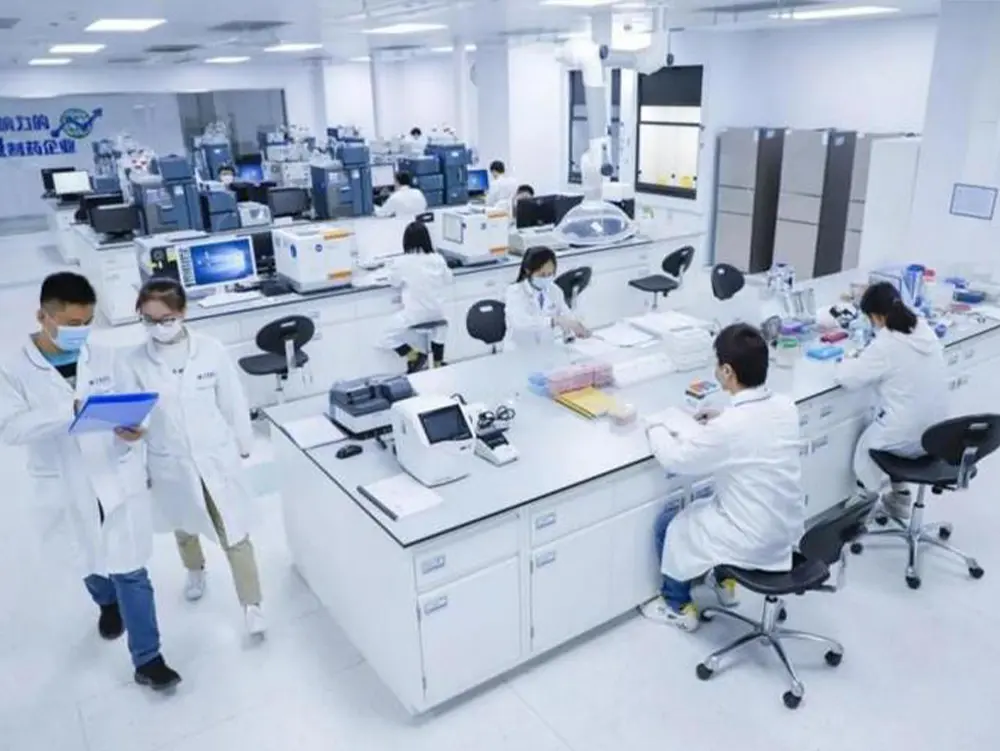
Boctok's Tier II core business is petroleum resins. We have invested in a key hydrocarbon resin manufacturer in China. We currently have three operating hydrocarbon resin factories located in Zibo, Fushun, and Nanjing. Taking advantage of reliable and abundant raw materials from SINOPEC and PetroChina, our advanced production facilities, and our decades of marketing experience, our products are widely used by customers, including many Fortune 500 companies, in both domestic and overseas markets.
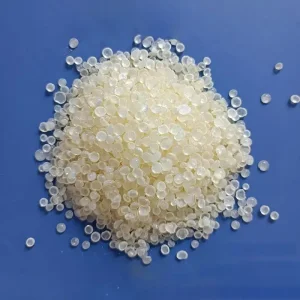
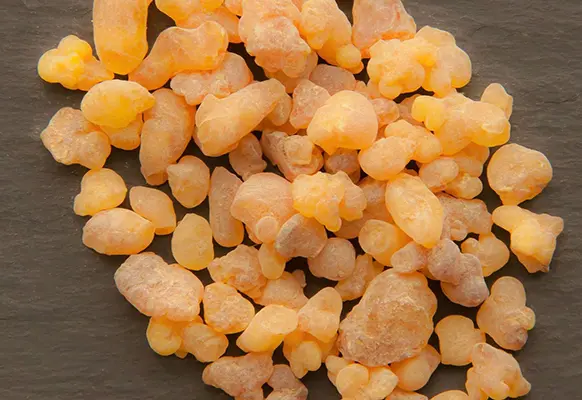
These products include C9 hydrogenated resins, C5 hydrocarbon resins, C5 modified C9 hydrocarbon resins, C9 hydrocarbon resins, dicyclopentadiene, and methyl cyclopentadiene dimer. For instance, our Famous C5 Hydrocarbon Resin Petroleum Resin for Thermoplastic Road Marking Paint CAS 68131-99-7 provides exceptional thermal stability and adhesion strength, enabling long-lasting visibility and road safety under extreme seasonal temperature variations.
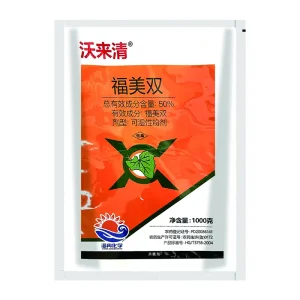
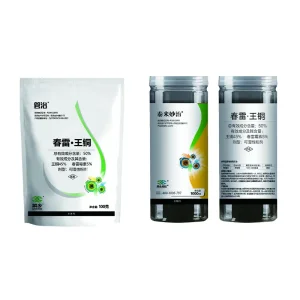
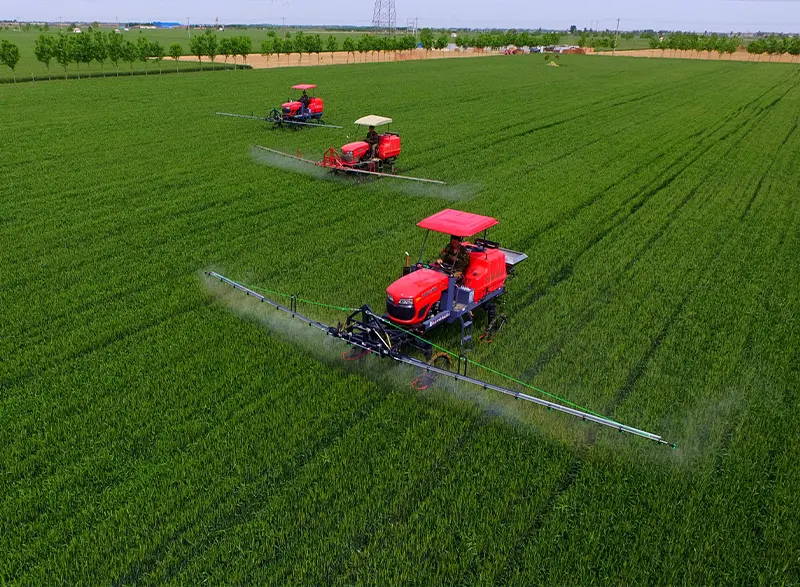
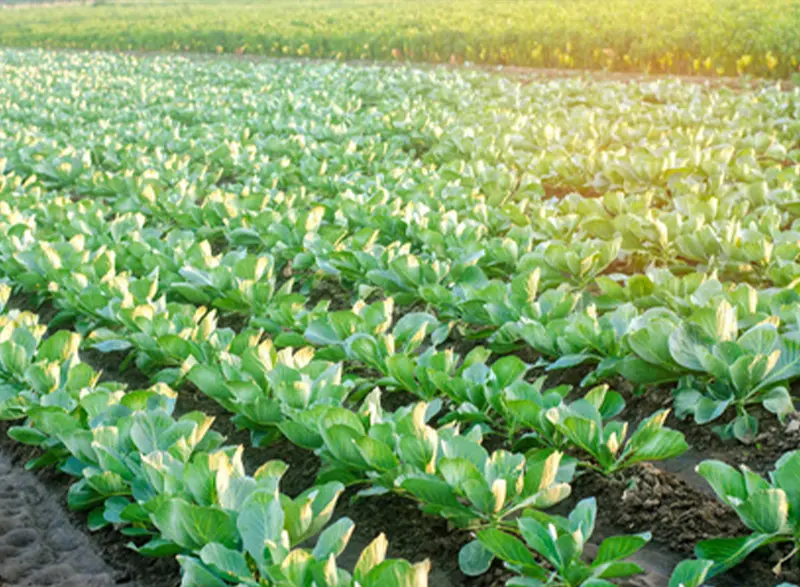
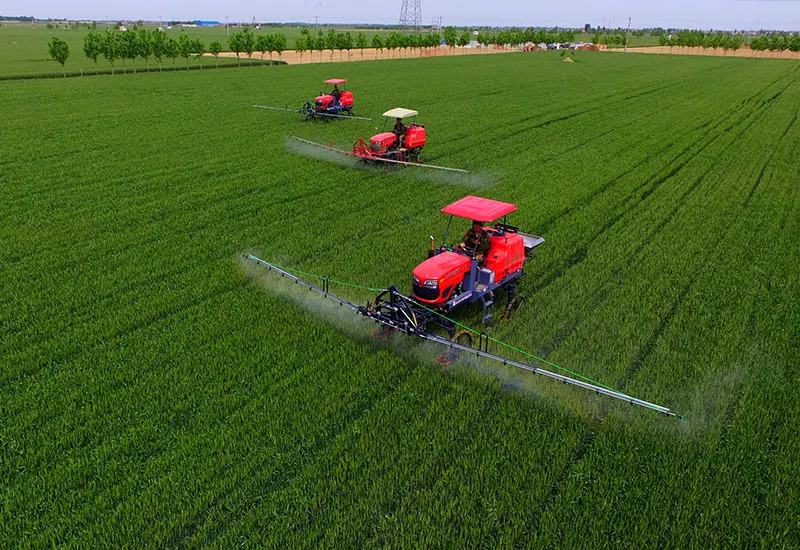
Beyond our silicone and resin divisions, Boctok also focuses on the agrochemical industry. It produces intermediates and raw materials for the production of pesticides, fungicides, insecticides, seed treatments, herbicides, and plant growth regulators. This agricultural chemical synthesis portfolio leverages our deep understanding of reaction chemistry, distillation, and high-purity compound manufacturing, creating a robust, multi-dimensional business model.

Our products undergo rigorous testing to ensure that every aspect meets the highest quality standards, ensuring consistency across every single batch.

We have advanced production lines that allow us to effectively expand production capacity and meet the demand for mass customization and wholesale supply.

Our professional team is available online 24 hours a day to provide attentive technical support and respond promptly to all your procurement questions.

An optimized logistics system ensures fast order processing and timely global delivery, keeping your production schedules uninterrupted.
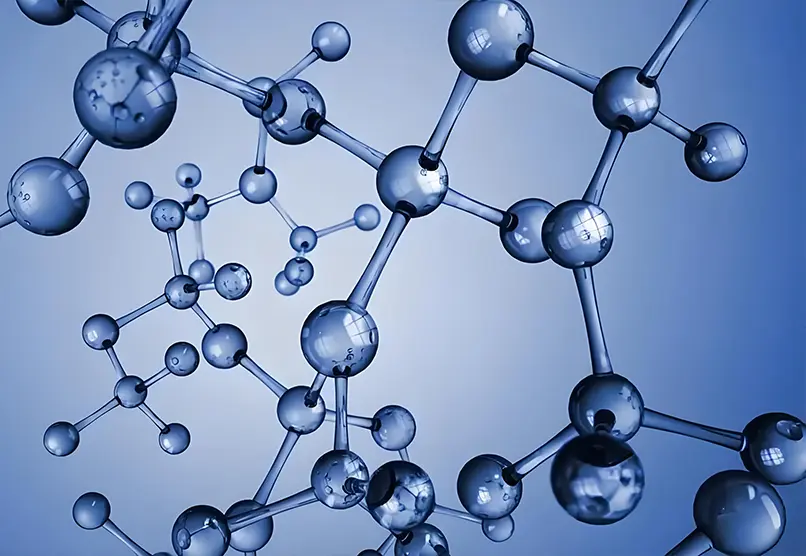
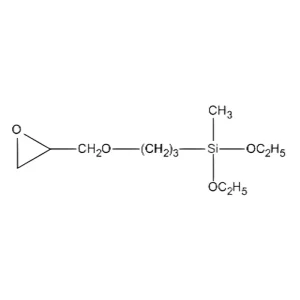
We offer high-performance organosilicones, specialty crosslinkers, and silane coupling agents that enhance structural adhesion, heat stability, and molecular cross-linking in demanding applications.
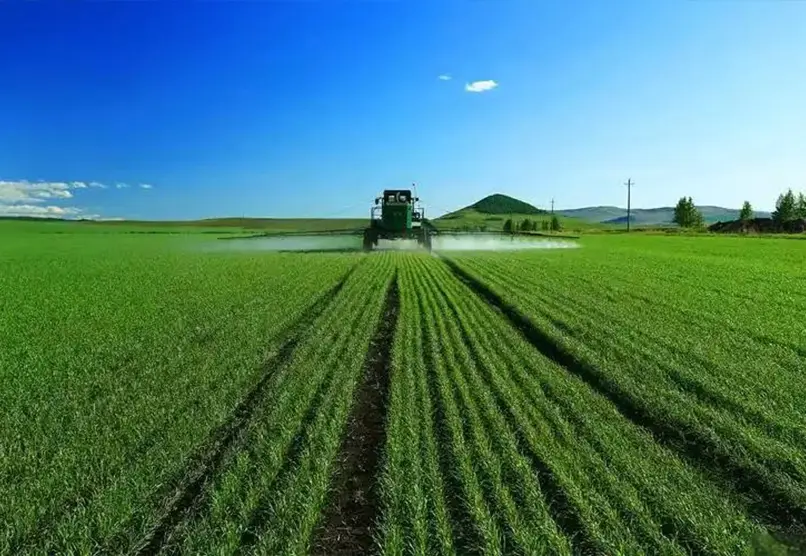
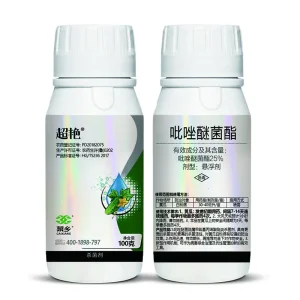
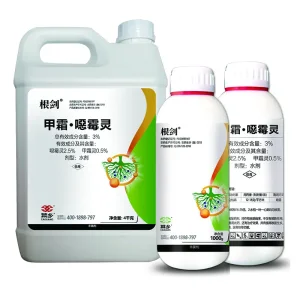
Our pesticide intermediates, fungicides, herbicides, and custom plant growth regulators are manufactured to high purities, ensuring optimized yields and crop protection.
High-Temperature LSR, modified organosilicones, and high-performance resins are critical for optimizing system lifetimes in several modern industrial applications. Shandong Boctok Chemical Co. supports these industries through targeted product offerings and custom formulation engineering:










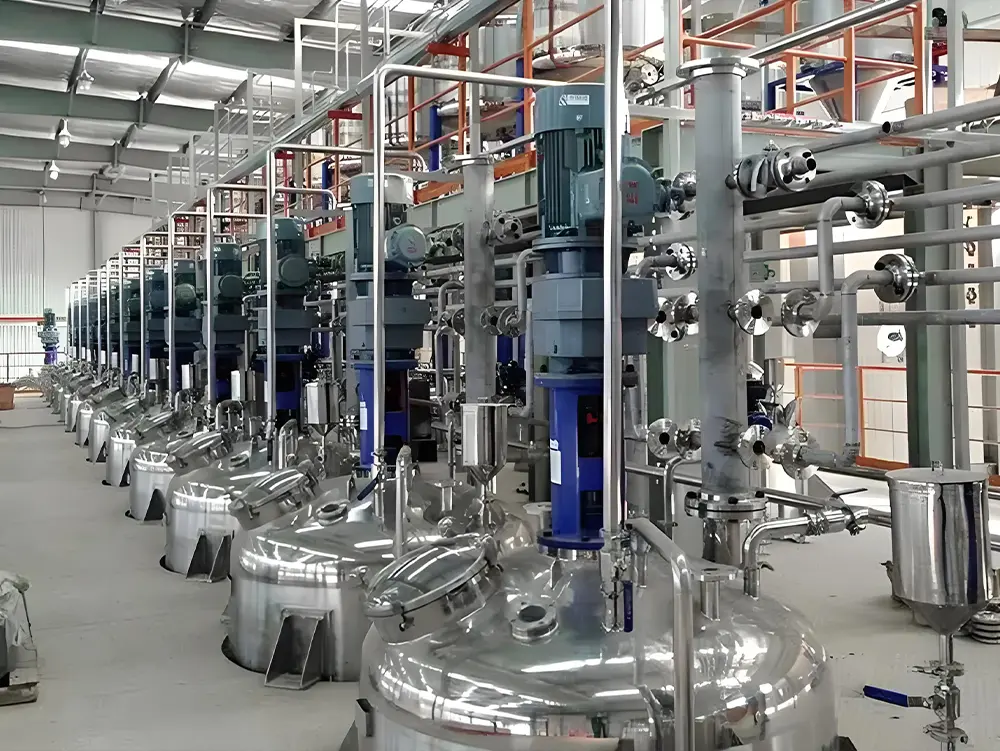
Boctok recently invested US$65 million to build a new plant located in Bohai Industrial Park, a provincial chemical industry park in Shouguang City, Shandong Province. This state-of-the-art facility is designed to expand the production chain of silane coupling agents, featuring 6 automatic DCS production lines with an annual output of 30,000 tons.
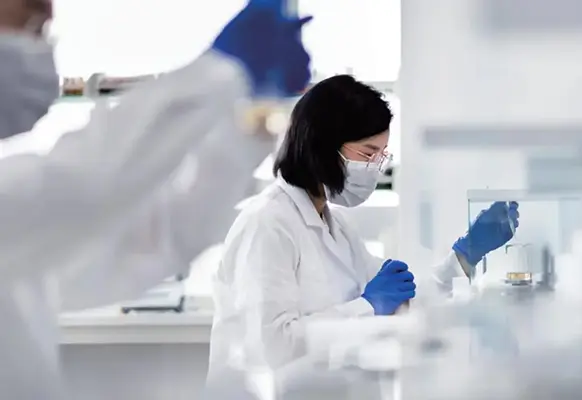
By implementing a safety instrument system (SIS) and other computerized safety equipment alongside the automatic remote control system DCS, the entire Shouguang plant operates with precise parameters to minimize temperature fluctuations and reaction variability. Raw material inputs and reaction kinetics are constantly monitored. We enforce the ISO9001 quality management system standard throughout our production flows, guaranteeing batch-to-batch consistency that matches international tier-one standards.
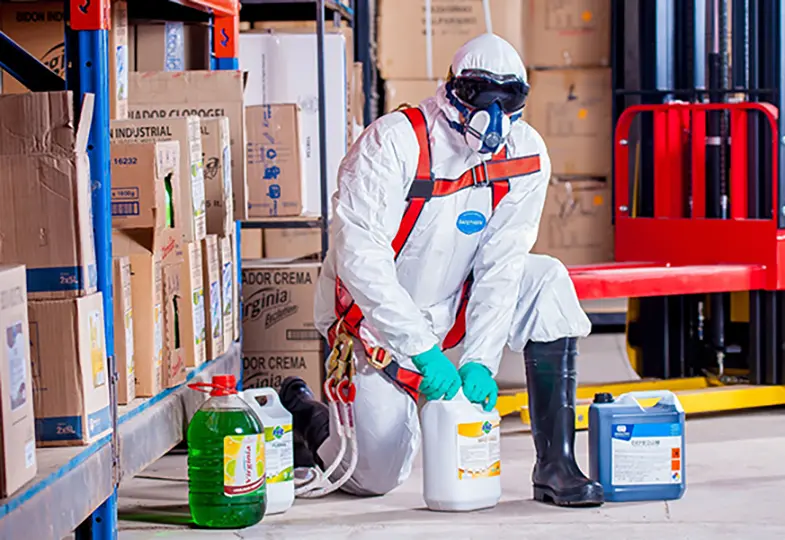
Furthermore, Boctok prioritizes green manufacturing and strict environmental compliance. Our plant has custom-designed waste gas collection and treatment systems and advanced wastewater purification facilities. This ensures we minimize the environmental footprint of organosilicone manufacturing, supporting our clients' sustainable sourcing and corporate social responsibility (CSR) programs.
Operating a global supply chain requires robust localization capability. Boctok’s products are distributed throughout China and exported to North America, Europe, Japan, South Korea, Australia, South America, the Middle East, India, Southeast Asia, and Russia. By partnering with regional warehousing networks and dedicated technical distributors, we guarantee high-efficiency logistics and minimized delivery times.
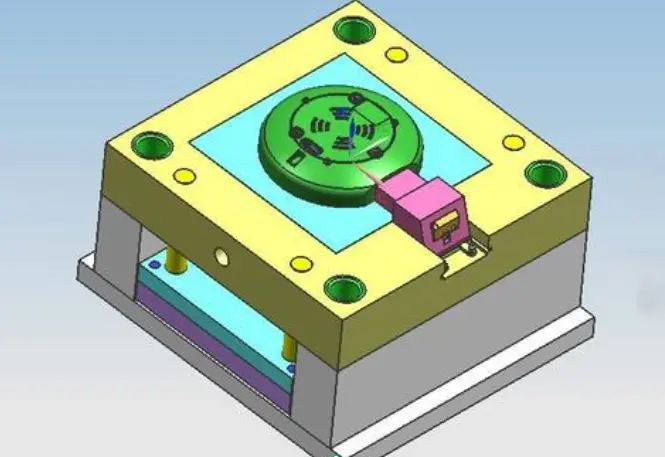
For custom engineering projects, Boctok provides client-centric technical consulting. Our polymer scientists and chemical engineers work closely with industrial buyers to adjust viscosity, cure rates, and hardness levels of silicone formulations to match specific machinery configurations—such as cold runner injection molding setups or structural extrusion profiles. This specialized technical support helps speed up production setup and troubleshooting.
The next decade of high-temperature elastomeric engineering is defined by two key requirements: expanding the operating temperature limits and increasing chemical resistance to aggressive lubricating oils and coolants. Boctok’s R&D roadmap focuses on several technological advancements:
Professional insights regarding chemical composition, thermal stability, application guidelines, and procurement options.
Standard silicone rubbers typically tolerate continuous exposure up to 180°C. High-Temperature Resistant LSR is formulated with thermal stabilizers (often organo-metallic compounds or specific phenyl silicones like Polysiloxane, di-Me, di-Ph CAS 63148-52-7) and fumed silica surface-treated with advanced coupling agents. This allows the polymer matrix to resist cross-linking degradation and remain flexible at temperatures exceeding 250°C for extended periods, and up to 300°C during transient peaks.
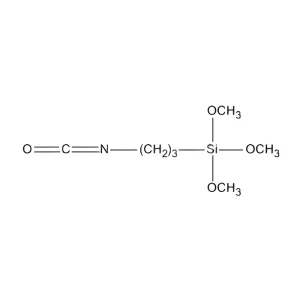
Silane coupling agents act as molecular bridges. Organosilicon monomers like Gamma-isocyanato-propyltrimethoxysilane CAS 15396-00-6 contain inorganic-reactive methoxy groups and organic-reactive groups. They chemically bond the silica reinforcement phase with the silicone polymer matrix. This significantly increases mechanical performance, reduces compression set, and prevents polymer swelling under heat and moisture exposure.
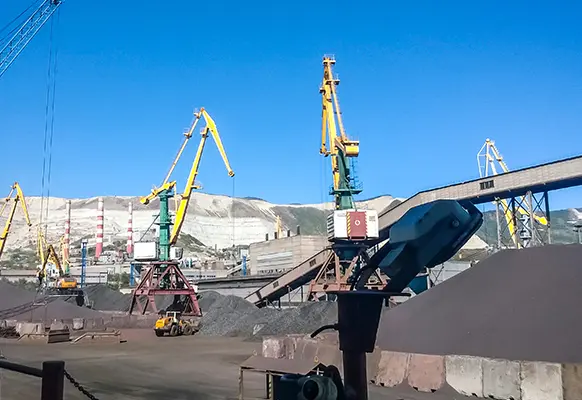
Our petroleum resin facilities in Zibo, Fushun, and Nanjing source raw materials directly from SINOPEC and PetroChina. This direct integration with state-backed oil refiners ensures a continuous supply of monomers, protecting our global buyers from volatility in raw material availability.
Organosilicone reactions are highly exothermic and require precise temperature and pressure profiles to avoid side-product formations and polymerizations. Our remote control Distributed Control System (DCS) and Safety Instrumented System (SIS) manage our Shouguang plant's 30,000-ton capacity, keeping reaction dynamics consistent and safe.
CAS 68131-99-7 refers to copolymerized C5/C9 hydrocarbon resins. In road markings, it serves as a binder resin. Its high thermal stability prevents degradation during hot-melt applications, while its specific molecular structure provides strong adhesion to asphalt and concrete, ensuring long-term wear resistance.
Explore our specialized silane coupling agents, reactive monomers, and modified resin polymers designed to optimize adhesion, crosslinking, and durability.
 Boctok Chemical