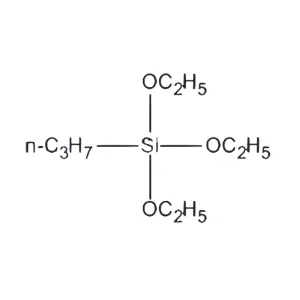
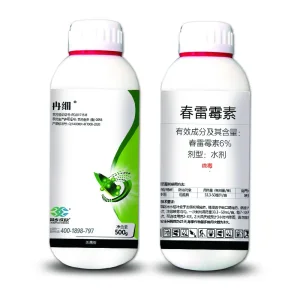
Advanced coupling agents tailored for the high-end industrial rubber and silica tire sectors in Slovakia.
Slovakia is globally recognized as an automotive powerhouse, leading the world in per-capita car manufacturing with major operations by Stellantis, Jaguar Land Rover, Volkswagen, and Kia. This immense automotive cluster demands highly advanced elastomeric polymers, low rolling-resistance green tires, and robust sealants. Crucial to this supply chain are organosilicon compounds, particularly mercaptosulfur silanes.
As EU environmental regulations (such as Euro 7 and REACH updates) pressure manufacturers to lower particulate tire wear and carbon footprints, local Slovak rubber compounders are shifting to highly dispersible silica (HDS) formulations. Mercaptosulfur silanes act as the dual-functional bridging agent that links hydrophobic rubber polymers with hydrophilic silica, dramatically reducing rolling resistance while increasing wet traction and abrasion durability.
Understanding the molecular-level coupling that drives performance in green tires and industrial polymers.
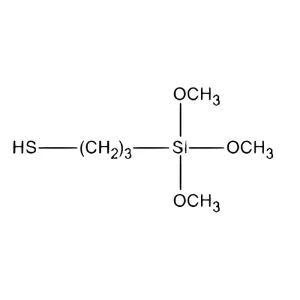
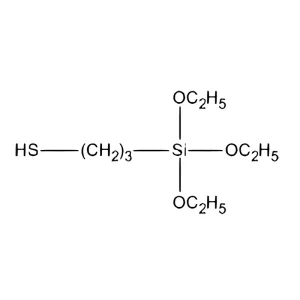
These silanes possess an alkoxy group (which hydrolyzes and binds covalently to inorganic silica surfaces via silanol networks) and a mercapto/sulfur group (which bonds with the unsaturated organic rubber matrix during vulcanization).
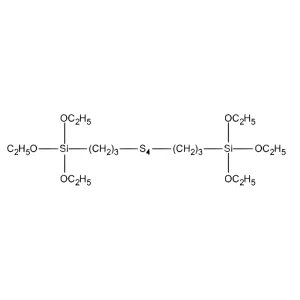
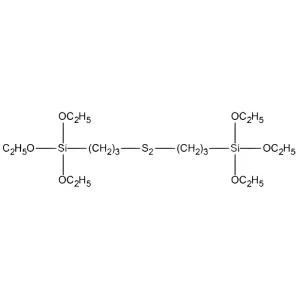
Integrating bis(3-triethoxysilylpropyl) disulfide or tetrasulfide into sulfur-cured elastomers decreases Mooney viscosity, improves processing behavior, and optimizes compound curing times (prevents premature scorching).
By maximizing polymer-filler interactions and minimizing filler-filler interaction (Payne effect), our mercaptosilanes yield lower heat buildup (hysteresis) and excellent dynamic durability under heavy loads.
Shandong Boctok Chemical Co. was founded in 2012 as a global marketing, sales, and manufacturing center for Boctok™ domestic and international organosilicone operations. In 2023, our collective manufacturing and supply channels achieved global sales of US$280 million. The BOCTOK brand specializes in serving precision-oriented industrial markets across Europe and Russia, delivering superior chemical raw materials tailored to modern automotive and polymer sectors.
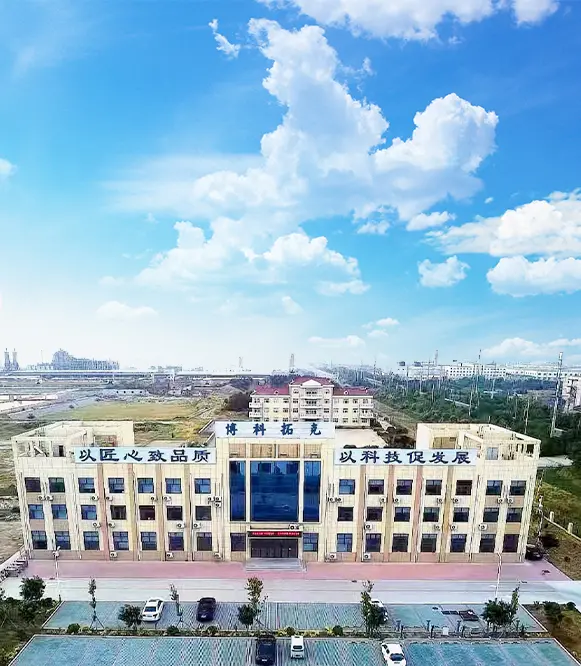
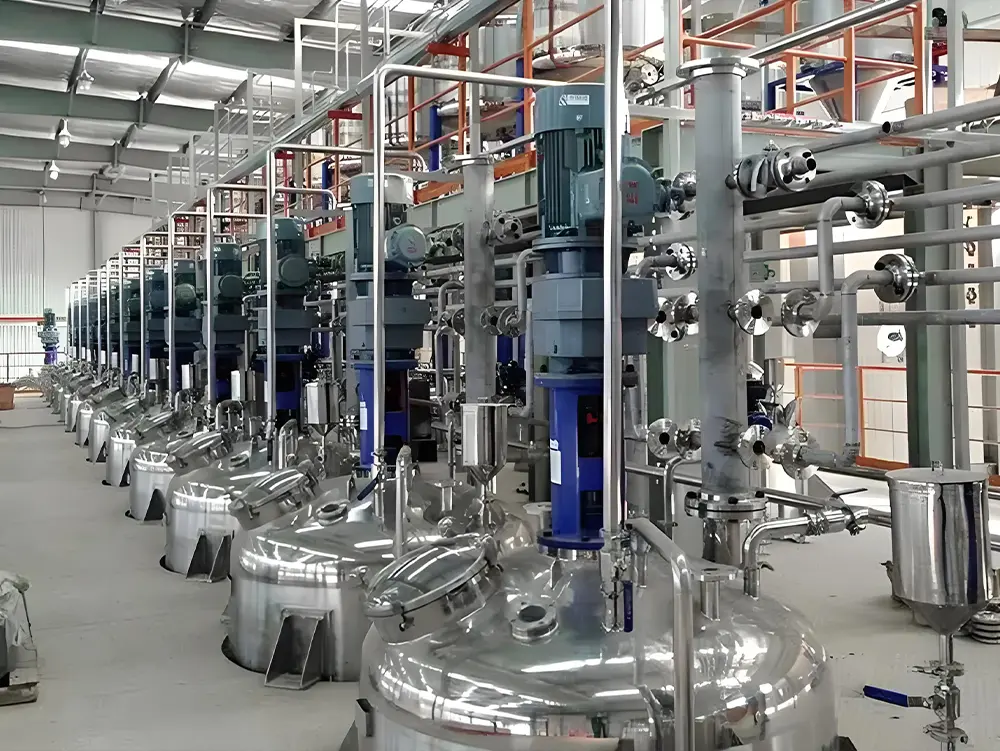
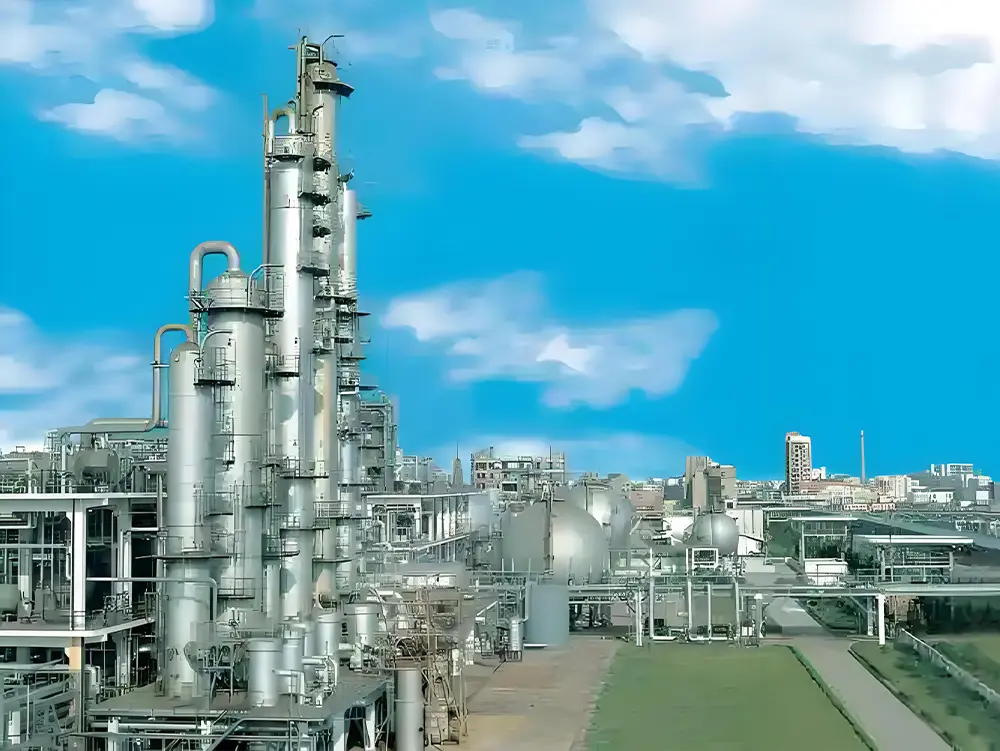
Boctok recently invested US$65 million to construct a state-of-the-art facility in the Bohai Industrial Park, a highly regulated, provincial-level chemical industry park in Shouguang City, Shandong Province. This facility expands our organosilicone value chain with 6 fully automated DCS (Distributed Control System) production lines, driving an annual capacity of 30,000 tons of high-purity silane coupling agents.
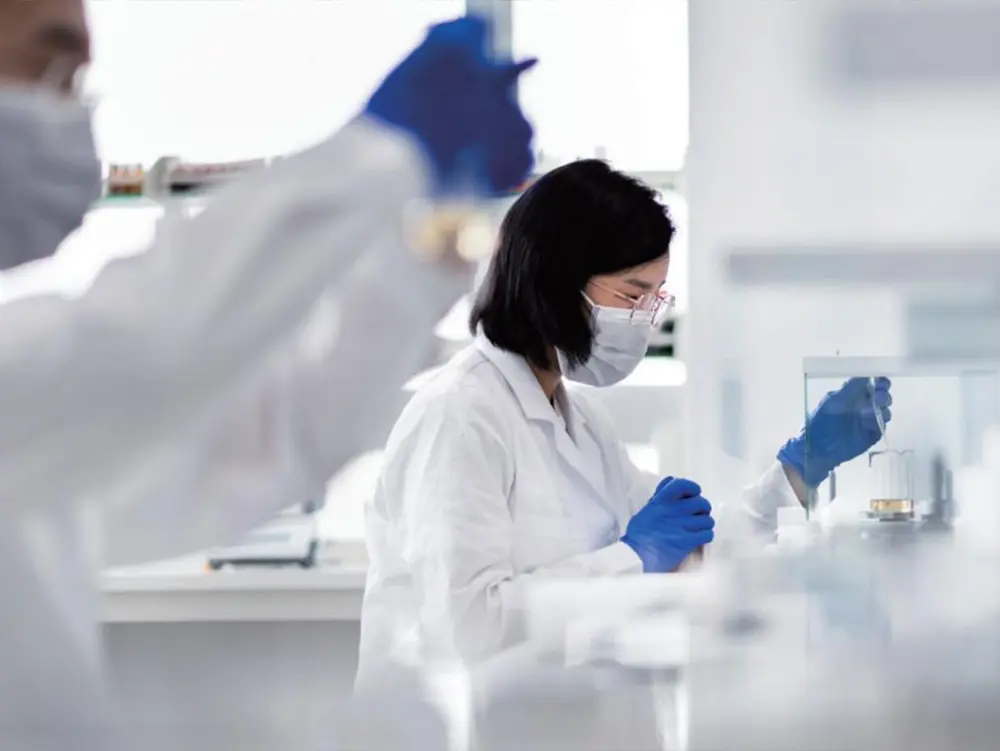
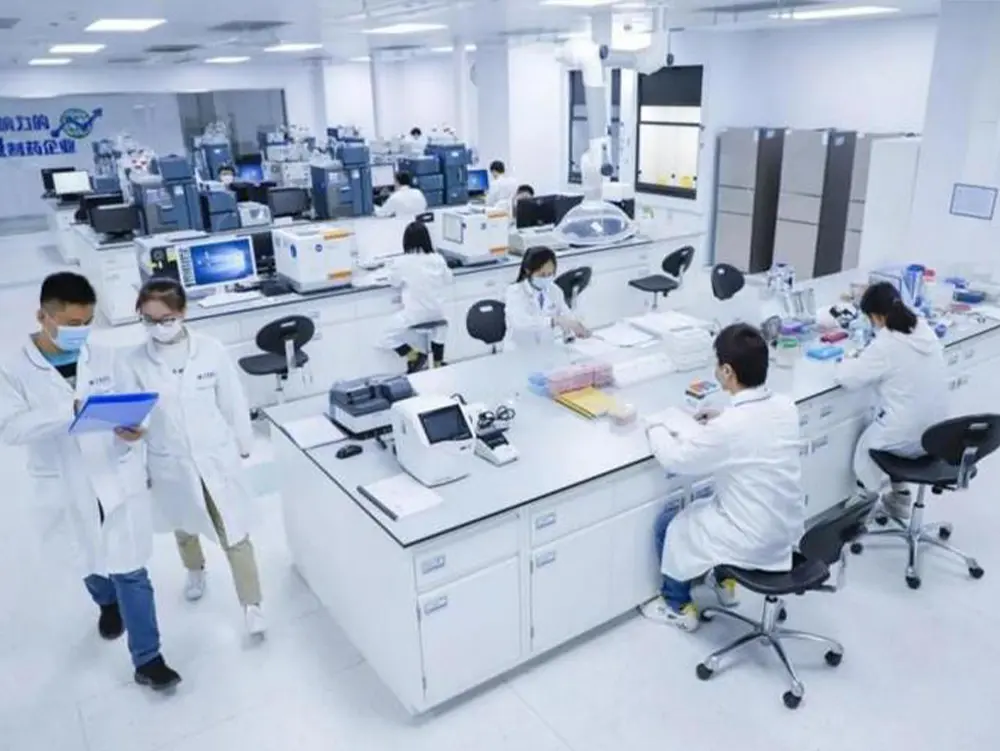
Beyond our primary mercaptosulfur silanes, Shandong Boctok Chemical Co. coordinates three core corporate divisions serving global industries in North America, Western/Central Europe (including the growing Slovak manufacturing sector), Japan, and South Korea.
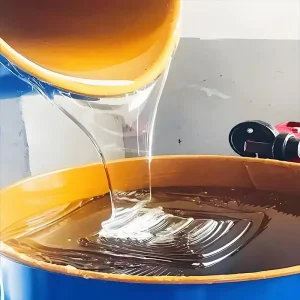
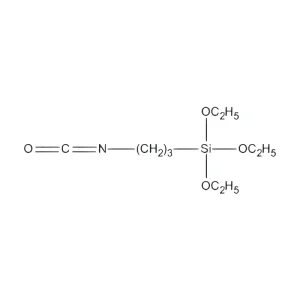
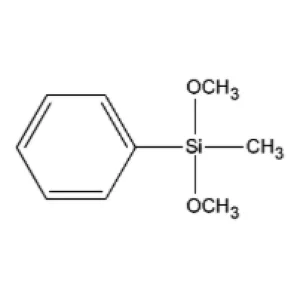
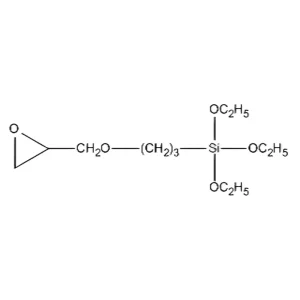
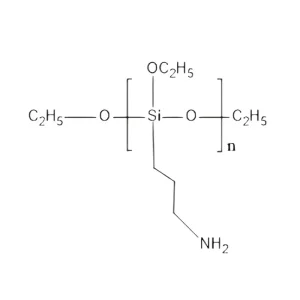
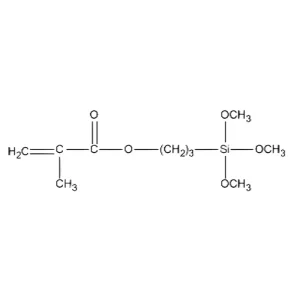
Covering 12 series of silane coupling agents and crosslinkers: aminosilanes, methacrylate silanes, epoxy silanes, vinyl silanes, alkyl silanes, chlorosilanes, phenyl silanes, and isocyanates. Additionally, we provide phenyl silicone oil, vinyl silicone oil, silanol fluids (OH polymer), alkoxy silicone oils, and specialty RTV silicone rubbers for building, electronics, and automotive assembly.
Invested in leading Chinese petrochemical sites utilizing feedstocks from SINOPEC and PetroChina. Operating three dedicated resin facilities in Zibo, Fushun, and Nanjing. We produce C9 hydrogenated resins, C5 hydrocarbon resins, dicyclopentadiene (DCPD), and modified resins used by global Fortune 500 adhesive, paint, and road-marking manufacturers.
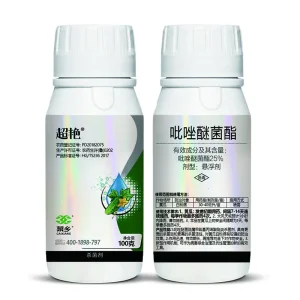
Synthesizing critical chemical intermediates, precursors, and raw materials for the production of advanced fungicides, herbicides, seed treatment chemicals, and plant growth regulators to secure regional agricultural productivity.
Slovakia's chemical sector demands strict compliance with EU standards. Our logistical and regulatory teams ensure that Slovak manufacturers receive uninterrupted shipments and fully compliant documentation.
We work in close cooperation with accredited European representatives to ensure our key organosilicon products comply with the Registration, Evaluation, Authorisation and Restriction of Chemicals (REACH) regulations. This guarantees safe customs clearance, zero disruption at European ports (such as Rotterdam or Hamburg), and seamless transportation to industrial centers in Bratislava, Trnava, Žilina, and Košice.
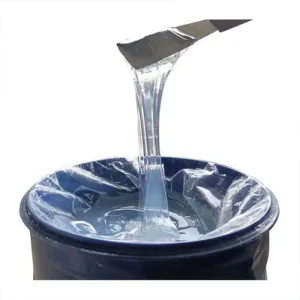
By leveraging partnerships with major maritime and European intermodal transport networks, Boctok provides flexible shipping configurations. We offer ISO tanks for large-scale compounders and IBC totes or 200L steel drums for specialized polymer processing facilities. We can establish dedicated inventory buffers in Central European hubs to support just-in-time delivery schedules for Slovak automotive plants.
The tire and rubber sectors are transitioning toward sustainability. Our R&D division is focused on addressing the environmental challenges of traditional silane crosslinking:
Expert answers to common compound engineering, storage, and application questions.
Explore our wider range of organosilicones, specialty resins, and agrochemical formulations serving Slovakia.
 Boctok Chemical