High-efficiency organofunctional coupling agents and crosslinkers designed to bridge organic polymers with inorganic mineral fillers.
An in-depth analysis of coupling chemistry in the burgeoning manufacturing sectors of the Western Balkans.
Serbia has rapidly consolidated its position as a key automotive manufacturing and industrial rubber hub in Central and Eastern Europe. Bolstered by extensive foreign direct investment (FDI) and the expansion of modern tire facilities—such as those in Pirot, Kruševac, Zrenjanin, and Inđija—the demand for highly specialized chemical intermediates has experienced a dramatic surge. Among these, mercaptosulfur silanes stand out as indispensable materials for polymer modification and dynamic mechanical performance optimization.
Mercaptosulfur silanes, which feature a unique combination of dual-reactive sulfur links and alkoxy-silane groups, act as the molecular bridges between silica fillers and organic elastomers. With the global shifts toward automotive decarbonization, tire companies operating within Serbia require sustainable solutions to reduce rolling resistance. These solutions demand premium coupling agents to manufacture low-rolling-resistance "green tires," durable industrial conveyor belts, and heavy-duty mechanical sealants.
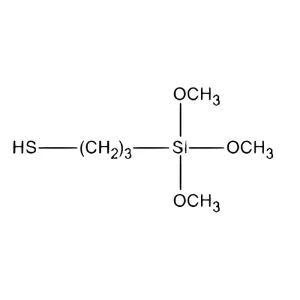
From a global perspective, the mercaptosulfur silane market is heavily governed by the growth of environment-friendly automotive systems. Precipitated silica has largely replaced carbon black as the reinforcing filler of choice in modern passenger car tire treads. However, silica is highly hydrophilic and is incompatible with hydrophobic hydrocarbon rubbers like solution styrene-butadiene rubber (S-SBR) and polybutadiene rubber (BR) without a coupling agent. Mercaptosilanes, particularly organo-functionalized silanes like 3-mercaptopropyltrimethoxysilane and polysulfidic silanes (disulfide and tetrasulfide equivalents), offer the chemistry required to chemically bond these dissimilar materials.
Furthermore, European regulatory frameworks regarding automotive emissions and microplastic tire-wear particles are prompting manufacturers to seek highly efficient silanization reactions. By optimizing the dosage and processing temperatures of mercaptosulfur silanes, chemical engineers can lower the processing energy of compounds, improve vulcanization kinetics, and increase the wear resistance of the final rubber products.
Annual Silane Production Capacity
Global Sales Achieved in 2023
Automatic DCS Production Lines
Continuous Quality Assurance & Support
In Serbia, the practical deployment of these silane coupling agents is divided into four main domains:
Your authoritative partner in organosilicone technology, hydrocarbon resins, and agricultural intermediates.
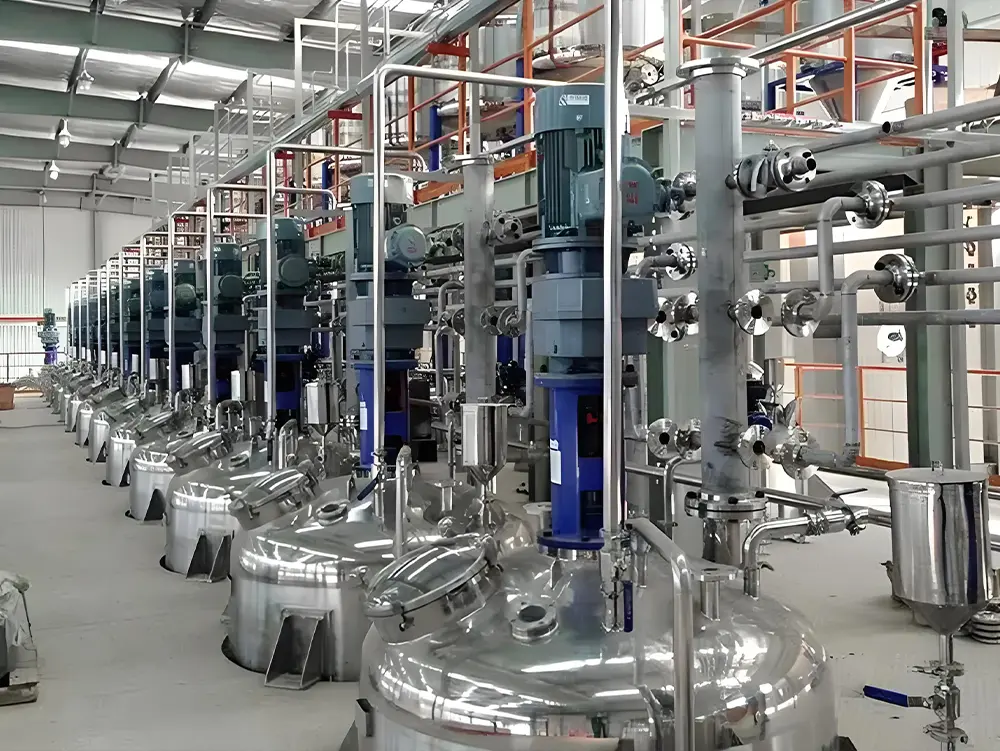
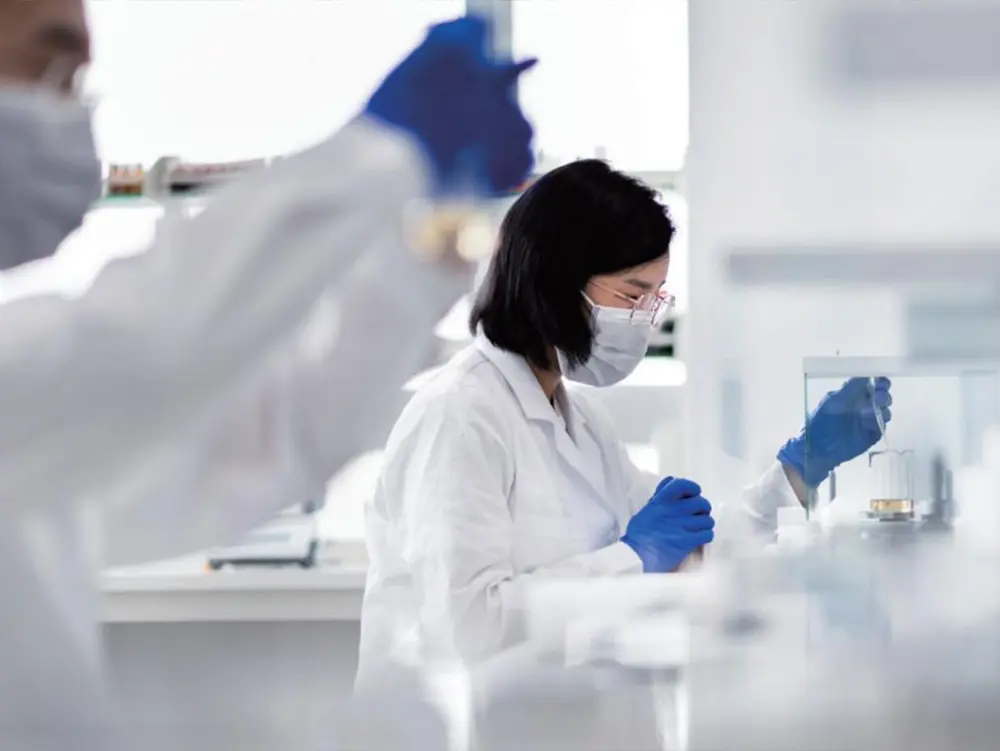

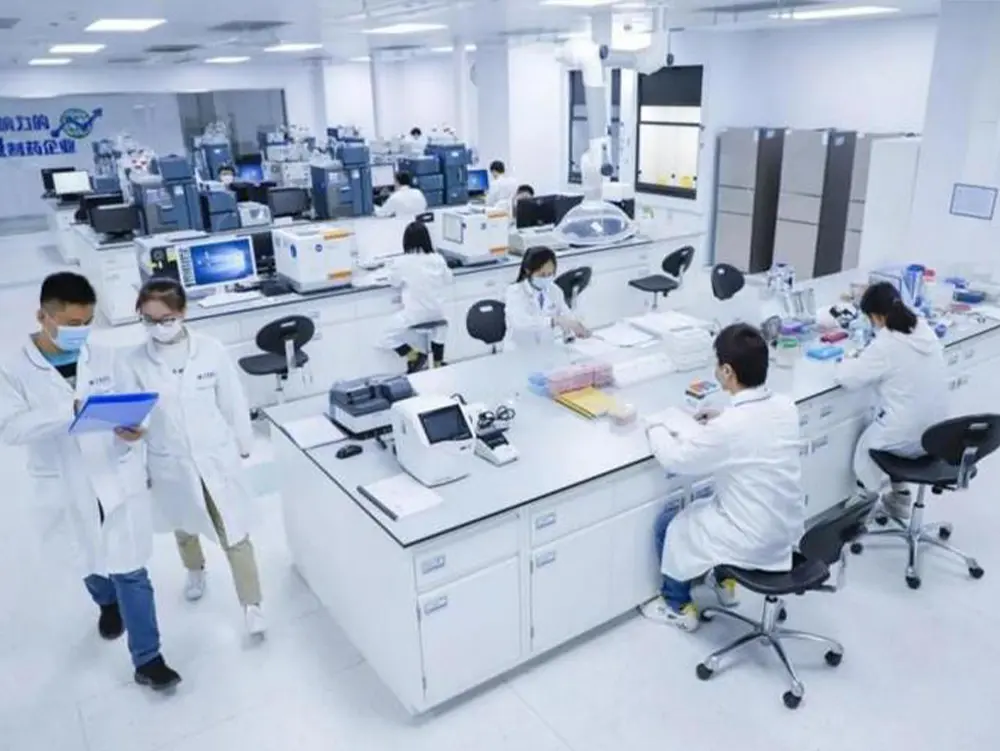
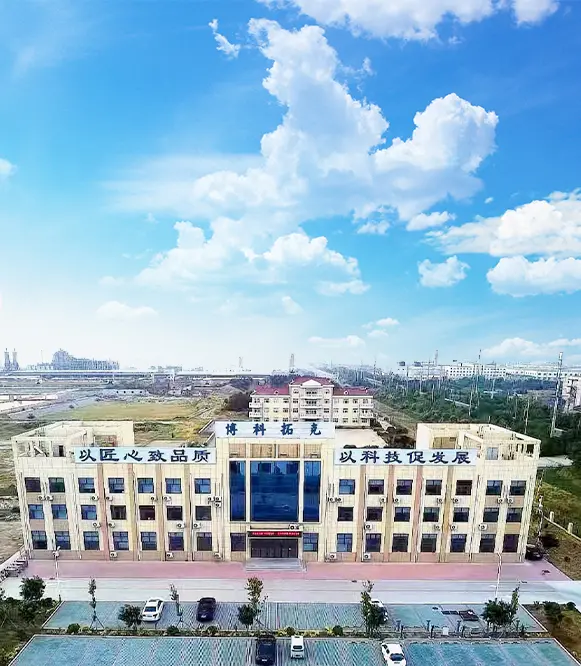
Shandong Boctok Chemical Co. was founded in 2012 as a marketing and sales center for Boctok™ domestic and overseas businesses and achieved sales of US$280 million in 2023. The BOCTOK brand specializes in serving the Russian market and European industrial hubs.
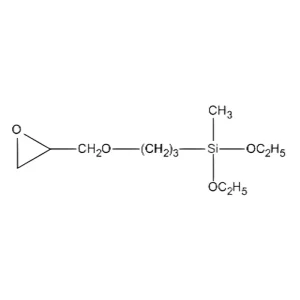
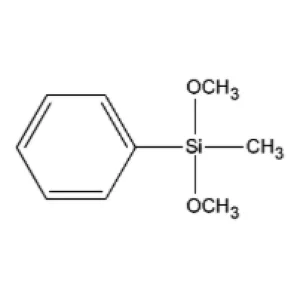
Boctok has three main product categories, the first core business of organosilicone covers twelve series of silane coupling agents and crosslinkers, including aminosilane, methacrylate silane, epoxy silane, vinyl silane, mercaptosilane, alkyl silane, ethyl silicate, chlorosilane, silane isocyanates, phenyl silane, ureidosilane and serosilane.
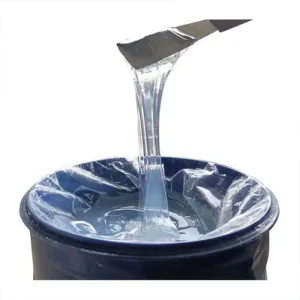
Boctok also focuses on silicon oil, silicon resin, and silicon rubber, covering high-hydrogen silicone oil, dimethicone, vinyl silicone oil, polyphenylmethyldimethylsiloxane, phenyl silicone oil, silanol silicone oil and OH polymer, alkoxy silicone oil, methyl MQ resin, vinyl VMQ resin, room-temperature vulcanized methyl silicone rubber, 110 methyl vinyl silicone rubber, 120 methyl phenyl rubber. They are widely used in glass fiber, electronics, wind energy, daily necessities, chemical industry, coatings, adhesives, XLPE electric cables and hot water pipes, oil field drilling, textiles, rubber and molding, etc. to improve the quality and performance of the applied products.
Boctok's Tier II core business is petroleum resins. We have invested in a key hydrocarbon resin manufacturer in China. We currently have three operating hydrocarbon resin factories located in Zibo, Fushun, and Nanjing. Taking advantage of reliable and abundant raw materials from SINOPEC and PetroChina, our advanced production facilities, and our decades of marketing experience, our products are widely used by customers, including many Fortune 500 companies, in both domestic and overseas markets. These products include C9 hydrogenated resins, C5 hydrocarbon resins, C5 modified C9 hydrocarbon resins, C9 hydrocarbon resins, dicyclopentadiene, and methyl cyclopentadiene dimer.
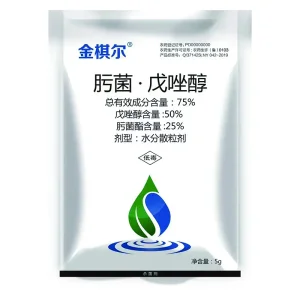
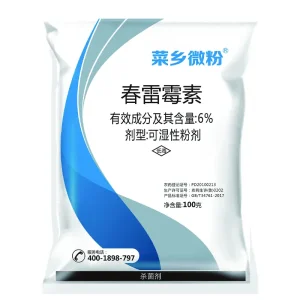
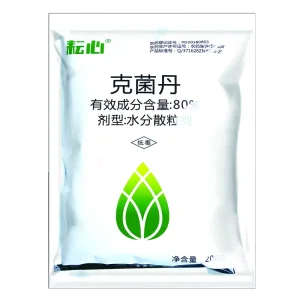
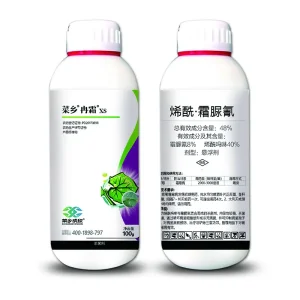
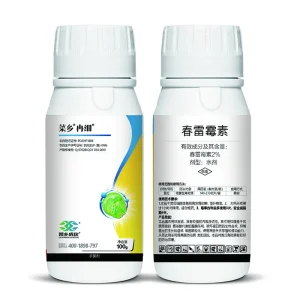
Boctok also focuses on the agrochemical industry. It produces intermediates and raw materials for the production of pesticides, fungicides, insecticides, seed treatments, herbicides, plant growth regulators, and more.
Boctok's products are sold throughout China and exported to North America, Europe, Japan, South Korea, Australia, South America, the Middle East, India, Southeast Asia, Russia, etc., enjoying the well-deserved trust of customers.
Ensuring operational reliability, product consistency, and supply chain security for businesses in Serbia and Europe.

Our products undergo rigorous testing to ensure that every aspect meets the highest quality standards, conforming to global rubber formulation guidelines.

With an annual output of 30,000 tons, our advanced production lines allow us to effectively expand production capacity and meet mass customization requirements.

Our professional team is available online 24 hours a day to provide attentive technical support, formulation guidance, and answer your commercial questions.

An optimized logistics system ensures fast order processing and timely container delivery to major ports and industrial zones across Serbia.
Targeted solutions developed for rubber compounding, agrochemical manufacturing, and polymer engineering.

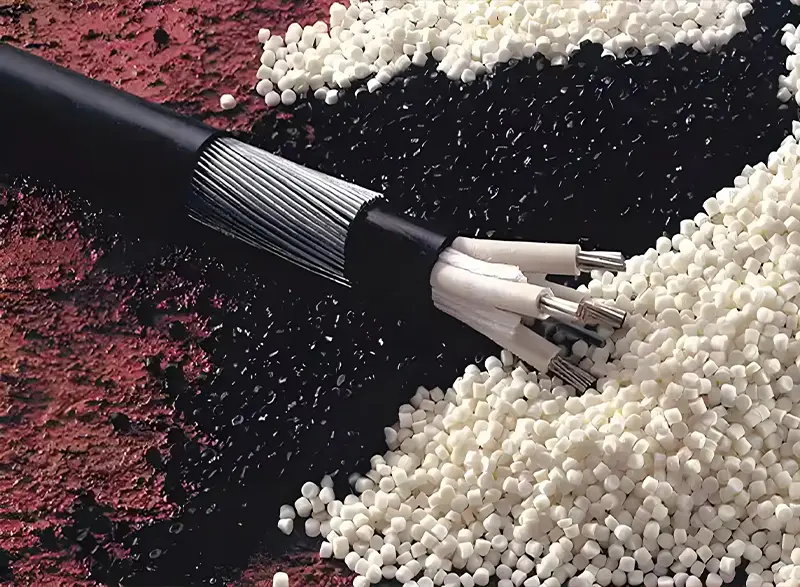
Including silane coupling agents, organosilicones, crosslinkers, and specialized functional fluids for rubber compounding and surface modifications.
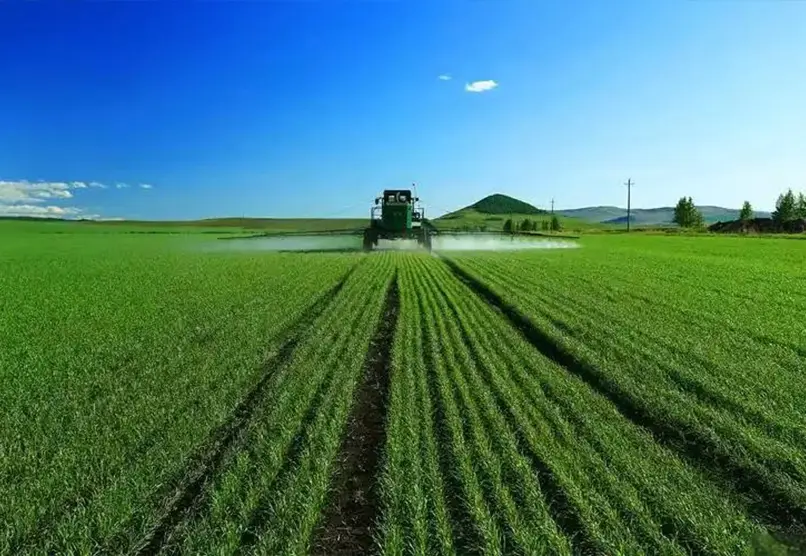
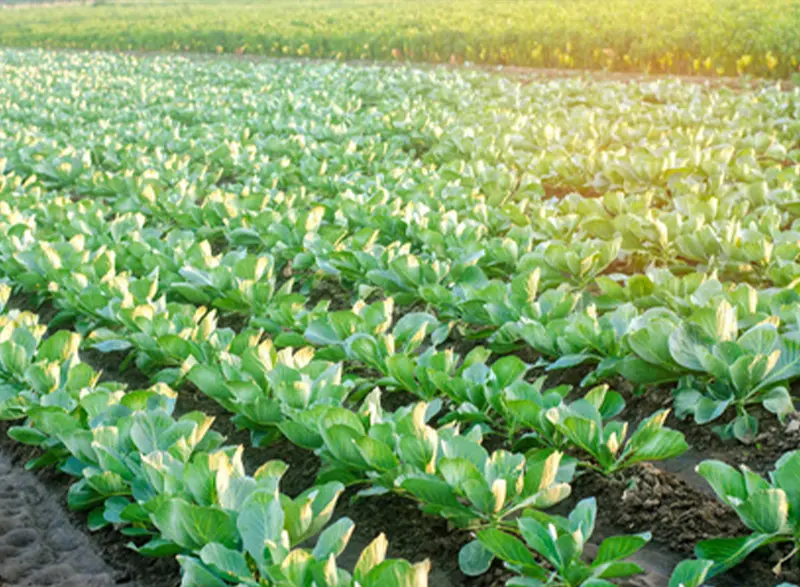
Intermediates and raw materials for the production of active ingredients, seed treatments, and crop protection systems.
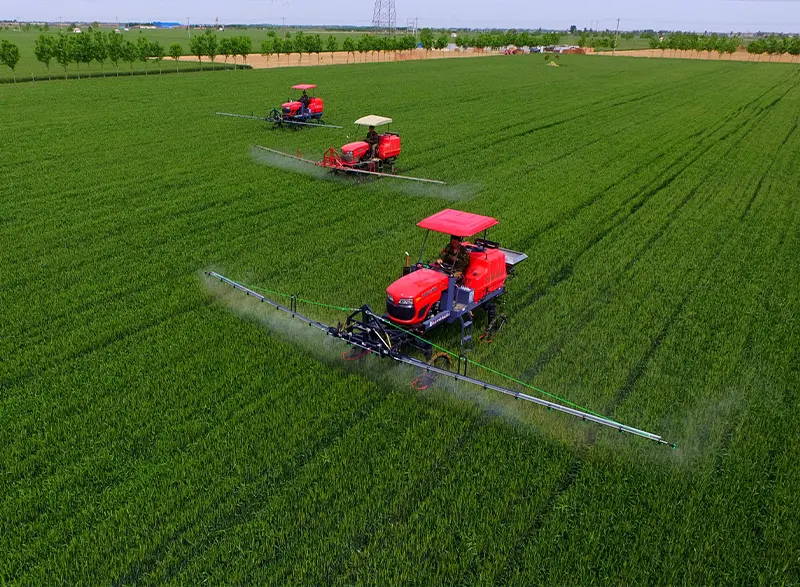
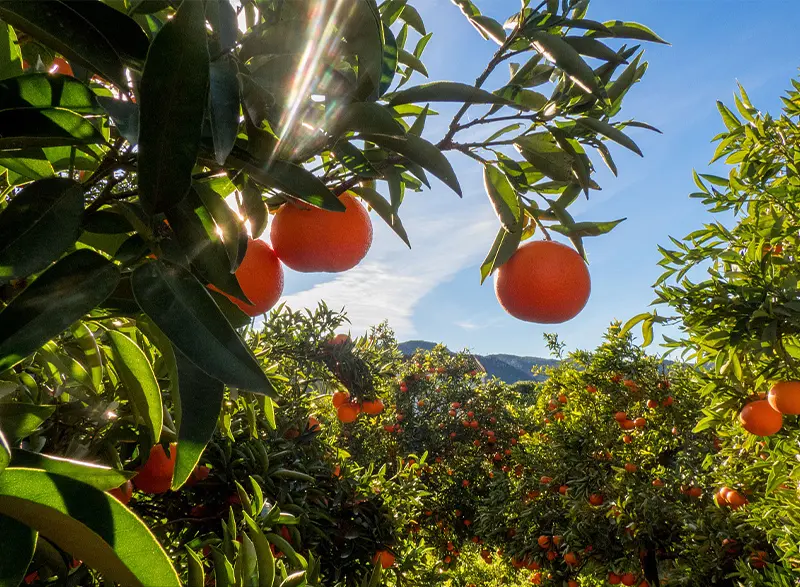

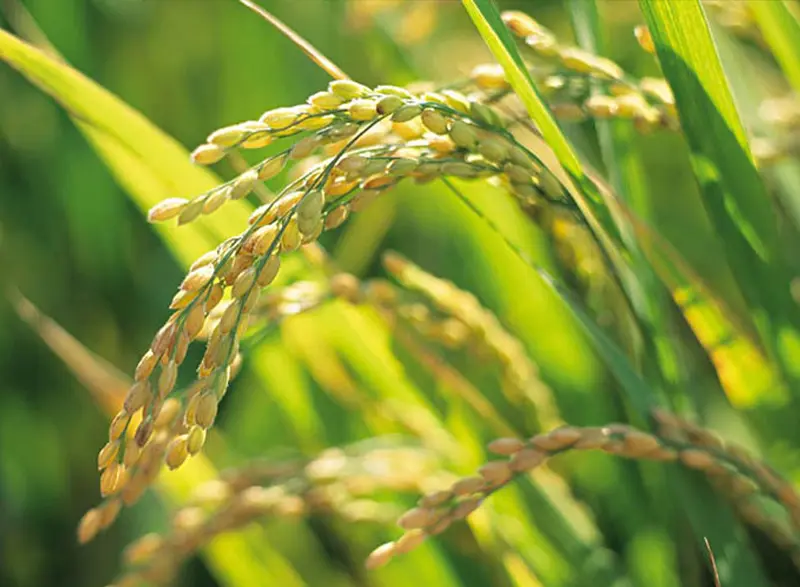

An engineering view on chemical pathways, hydrolysis control, and polymer crosslinking dynamics.
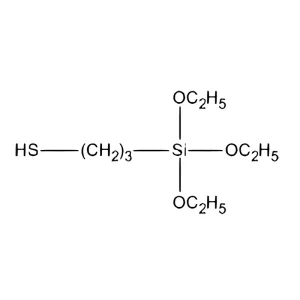
The performance benefits of using mercaptosulfur silanes are fundamentally rooted in their molecular design. A typical mercaptosulfur coupling agent contains a functional organic group (such as a mercapto group -SH or polysulfide chain -Sx-) linked to a silicon atom, which features three hydrolyzable alkoxy groups (usually methoxy -OCH3 or ethoxy -OC2H5).
The Silanization Reaction (Fillers): During compound mixing, atmospheric moisture or moisture on the surface of the silica triggers the hydrolysis of the alkoxy groups, forming reactive silanols (Si-OH). These silanol groups then undergo a condensation reaction with the hydroxyl groups on the surface of the silica, creating a covalent siloxane bond (Si-O-Si). This process covers the hydrophilic silica particles, rendering them hydrophobic and dispersible in organic polymers.
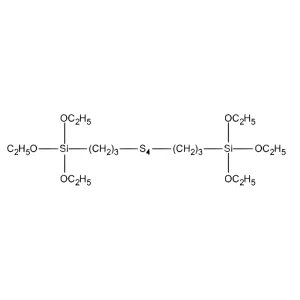
The Vulcanization Reaction (Rubber Matrix): The organic end of the silane remains free to react. In sulfur-cured systems, the mercapto group or polysulfidic bond breaks during the high-temperature vulcanization stage. The sulfur radical then reacts with the carbon double bonds in the elastomer backbone (e.g., SBR or NR), integrating the filler directly into the rubber crosslinked network. By substituting standard compounds with Bis(3-triethoxysilylpropyl) tetrasulfide, manufacturers can achieve superior wear resistance, optimized tan delta values at 60°C (indicative of lower rolling resistance), and enhanced wet grip index.
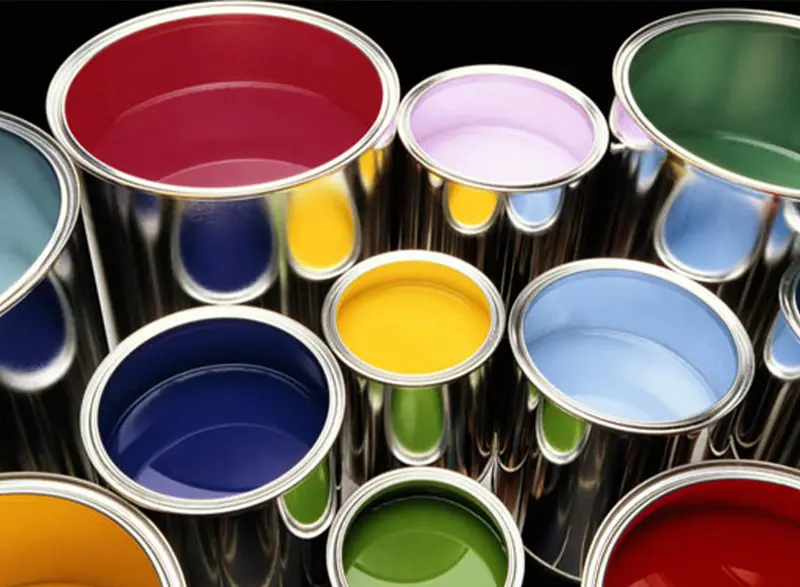
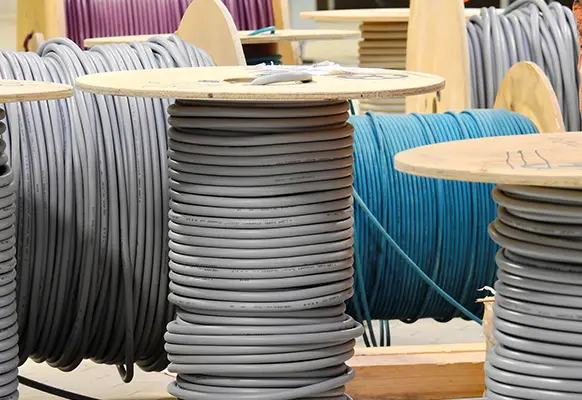
Optimized formulations tailored for key industrial processes, infrastructure construction, and transport logistics.

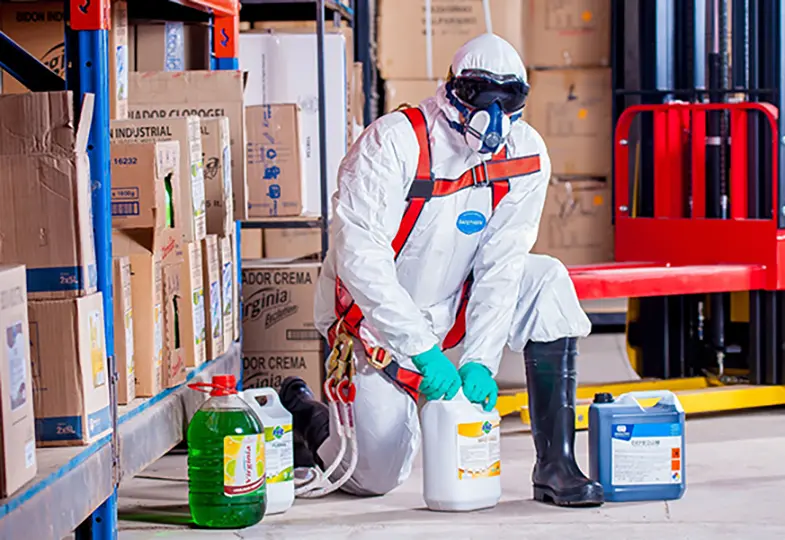
High-purity organic intermediates and auxiliary agents to synthesize protective agricultural compounds.
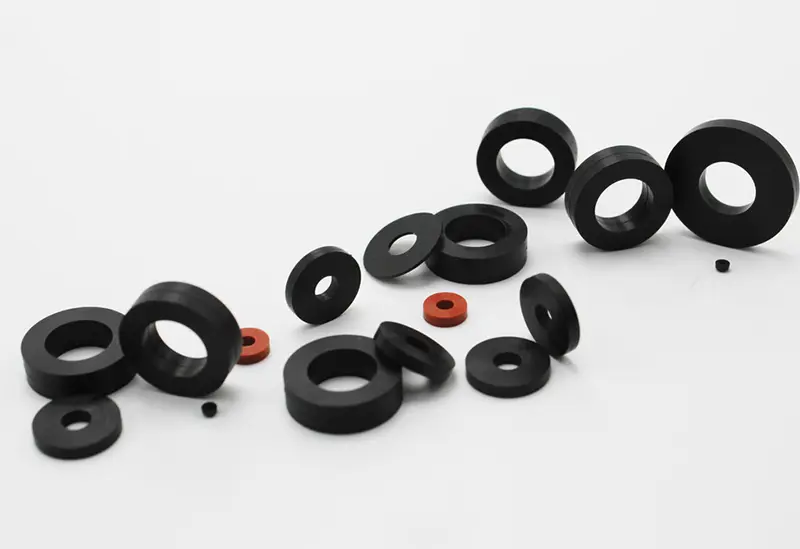
Comprehensive solutions leveraging mercaptosilanes to reinforce tread compounds and minimize rolling drag.
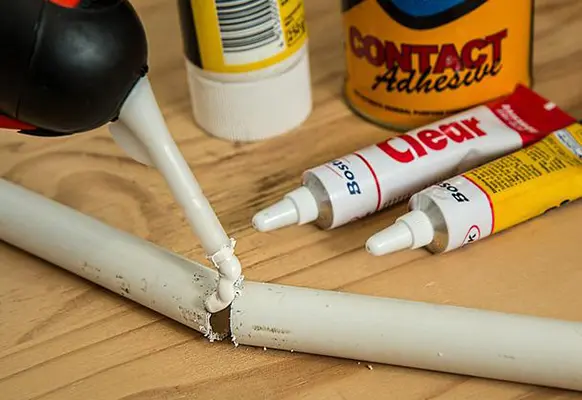
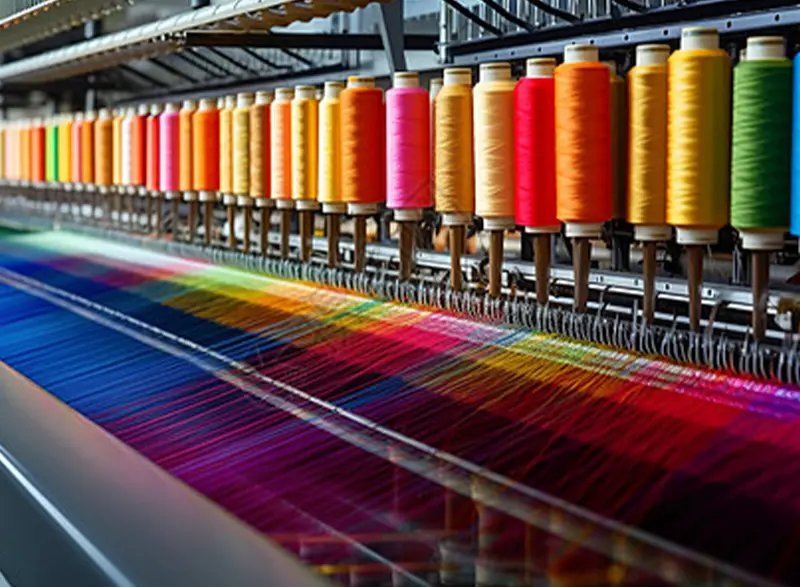
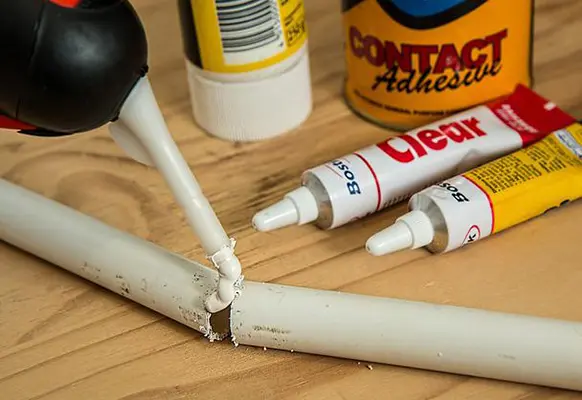
Adhesion promoters using mercaptosilane chains to bind diverse materials under extreme environmental stress.








Explore our extensive range of silanes, silicone gums, specialized resins, and agrochemical active ingredients.
Answering key engineering questions on handling, reaction mechanisms, and dosage requirements.
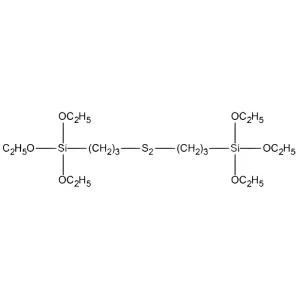
Bis(3-triethoxysilylpropyl) tetrasulfide (commonly comparable to Si-69) contains a mixture of polysulfides with an average chain length of 3.75 sulfur atoms. It is highly reactive and works exceptionally well at lower mixing temperatures. In contrast, the disulfide version (comparable to Si-75) contains an average of 2.2 sulfur atoms, providing significantly higher thermal stability. This allows rubber compounders in Serbia to mix at higher temperatures (up to 160°C) without risking premature vulcanization or "scorch."
The mercapto group (-SH) within 3-mercaptopropyltrimethoxysilane exhibits high affinity for organic resins such as polyurethanes, epoxies, and acrylics. Simultaneously, the trimethoxysilyl group hydrolyzes in the presence of ambient moisture to bond with silicate surfaces (like glass or concrete). This creates a robust covalent network that prevents moisture penetration and adhesive failure, making it ideal for the extreme weather cycles seen in Eastern Europe.
Typically, the dosage of mercaptosulfur silanes is calculated relative to the total silica content in the compound. For standard passenger tire treads reinforced with precipitated silica, the dosage ranges from 8% to 10% by weight of the silica. Insufficient silane content leads to poor silica dispersion and high viscosity, while excess silane can cause compounding scorch and higher material costs.
When alkoxy silanes undergo hydrolysis, they release volatile organic compounds (VOCs) in the form of alcohols (ethanol from triethoxy-silanes and methanol from trimethoxy-silanes). Methanol is toxic and requires strict industrial extraction systems. Consequently, triethoxysilyl-based agents like Bis(3-triethoxysilylpropyl) disulfide are preferred in EU and Serbian manufacturing facilities to maintain compliance with health and environmental safety guidelines.
Request customized product samples, arrange warehouse logistics to Belgrade or Niš, or consult with our chemical experts to optimize your formulation chemistry.
Send Inquiry Now Boctok Chemical