As global supply chains pivot toward precision chemistry and eco-friendly manufacturing, the demand for specialized isocyanate functional silanes in the Seoul Capital Area is growing rapidly. From the automobile assembly lines in Gyeonggi to the semiconductor R&D laboratories in Magok M-Valley, our high-purity chemicals supply the fundamental building blocks for next-generation coatings, industrial sealants, and structural adhesives.
Shandong Boctok Chemical Co. serves as an expert partner, delivering stable molecular profiles like Gamma-Isocyanatopropyltriethoxysilane and other critical coupling agents directly to manufacturing centers across South Korea.
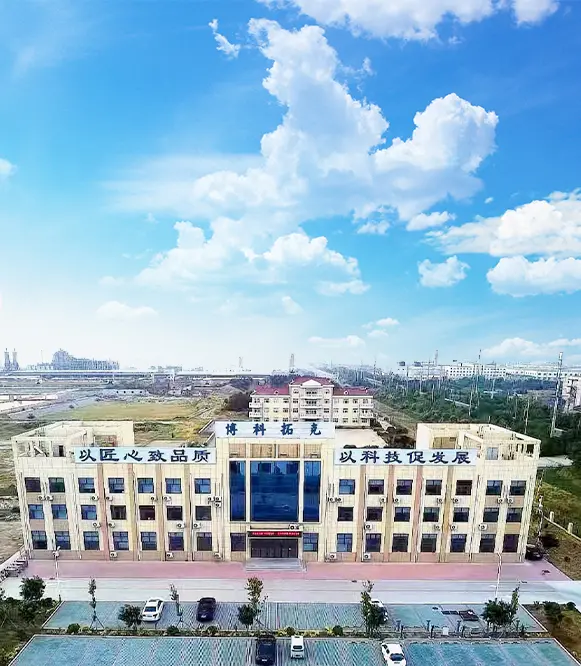
Core chemical structures engineered to optimize crosslinking density, adhesion profiles, and moisture curing in advanced industrial formulations across Seoul.
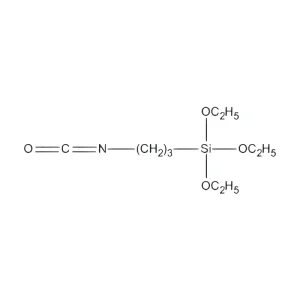
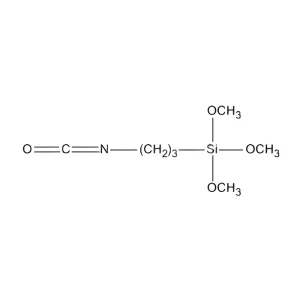
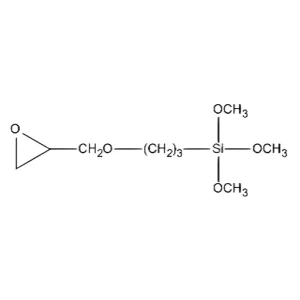
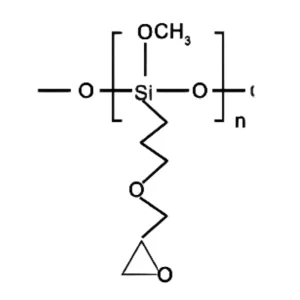
Understanding the technical challenges and material needs of South Korea's high-tier chemical manufacturers.
The Seoul Capital Area—comprising Seoul, Incheon, and Gyeonggi province—constitutes one of the most technologically advanced industrial hubs globally. Central to this powerhouse is the electronics, automotive, and heavy engineering industries. For these sectors, the demand for isocyanates and organosilicon coupling agents has shifted from basic formulations to high-purity, environmentally compliant chemicals.
Local Macro Trend: Incheon's automotive clusters and Gyeonggi-do's semiconductor manufacturing operations require highly specialized adhesives that can withstand thermal cycling without degradation. Isocyanate-silane dual-functional linkages serve as the bridge between organic polymers and inorganic silicates.
Global megatrends directly impact regional chemical distribution in Seoul. Modern architectural guidelines in South Korea strictly limit the emissions of Volatile Organic Compounds (VOCs) in building sealants. Consequently, standard polyurethane formulations are being phased out in favor of Silylated Polyurethanes (SPUR). In these hybrid systems, isocyanate silanes are critical for end-capping polyurethane prepolymers, allowing room-temperature moisture curing without releasing harmful free diisocyanates.
Shandong Boctok Chemical Co. has positioned itself to support this high-performance market. Founded in 2012, our organization has established a strong presence globally, generating US$280 million in sales in 2023. Under our specialized BOCTOK brand, we supply precision silane coupling agents and crosslinkers tailored for demanding applications.
To ensure reliable supply chains, Boctok recently invested US$65 million to construct a state-of-the-art facility in the Bohai Industrial Park (Shouguang City, Shandong Province). This modern facility operates 6 automated DCS production lines, producing up to 30,000 tons of high-grade silane coupling agents annually. Each system utilizes Distributed Control Systems (DCS) and Safety Instrumented Systems (SIS) to ensure chemical consistency, which is vital for the precise chemical parameters required by Korean manufacturers.
Annual Sales (2023)
Annual Silane Production
New DCS Factory Investment
ISO9001 Quality System Compliance
How isocyanate groups integrate with silane compounds to deliver high-performance bonding.
The chemical utility of the isocyanate group (-N=C=O) bonded to a silicon center via a propyl spacer is unique in its reactivity. The structure features:
By combining these two mechanisms, isocyanate-silanes improve adhesion under humid conditions and prevent delamination in electronic potting and automotive windshield assemblies.
Alkoxy groups on the silane undergo moisture-driven cleavage to produce active silanol structures, preparing the molecule for inorganic binding.
The isocyanate group reacts with active hydrogen groups (hydroxyl or amine) on the organic polymer chain, forming stable carbamate or urea link points.
Silanol terminals form covalent oxane bonds with oxides on metals, glass, or mineral fillers, forming a durable chemical bridge.
Providing industrial grade stability, specialized processing capability, and reliable supply chains to Seoul's chemical sectors.
Our products undergo rigorous testing and process verification to ensure consistent molecular purity and crosslinking behavior.
Equipped with DCS remote control technology and automated lines to easily scale mass production and meet dynamic market demands.
Our application engineering team is available to assist you with chemical compatibility, formulation adjustments, and scale-up support.
Our chemical intermediates support a range of critical modern applications throughout South Korea and global markets.
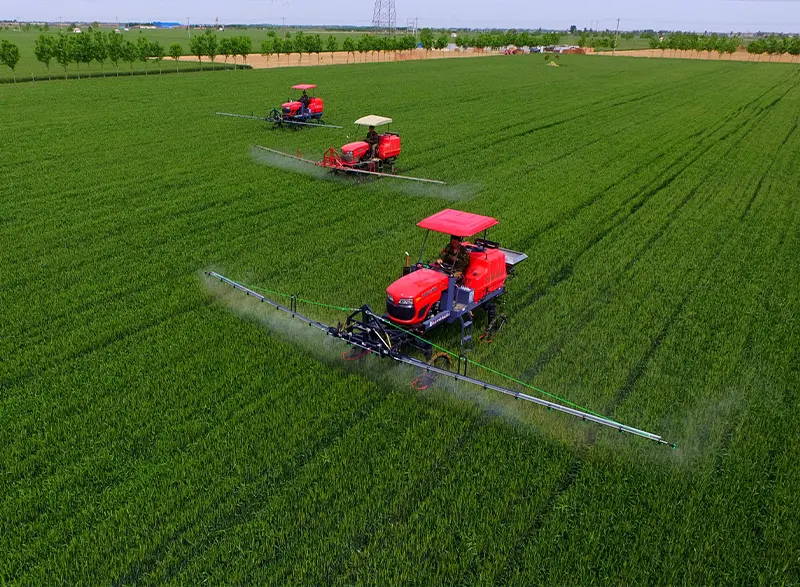
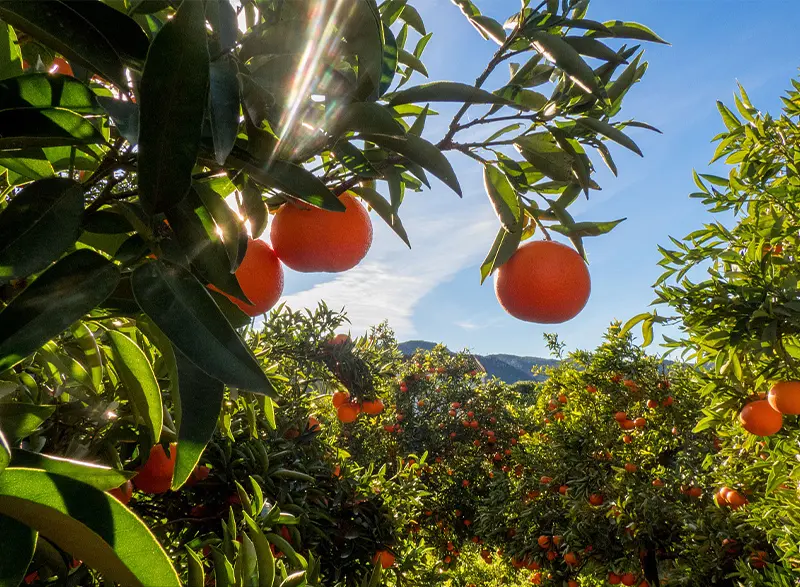

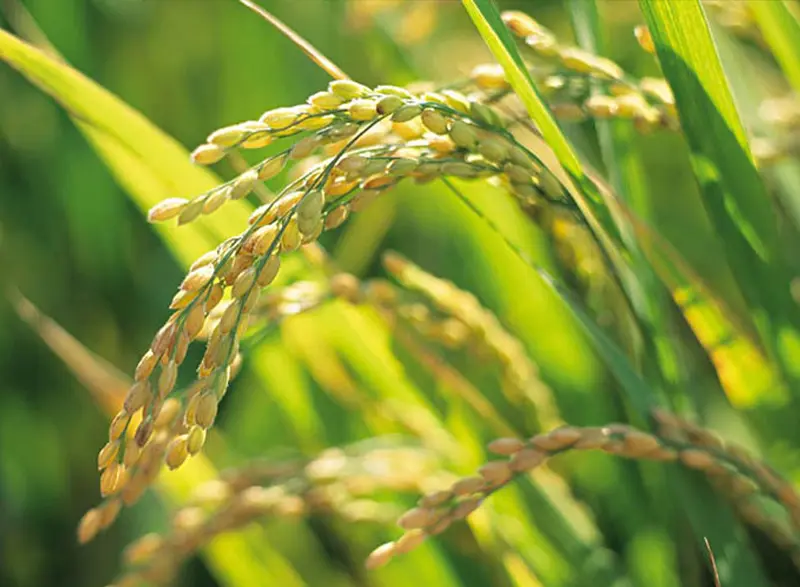
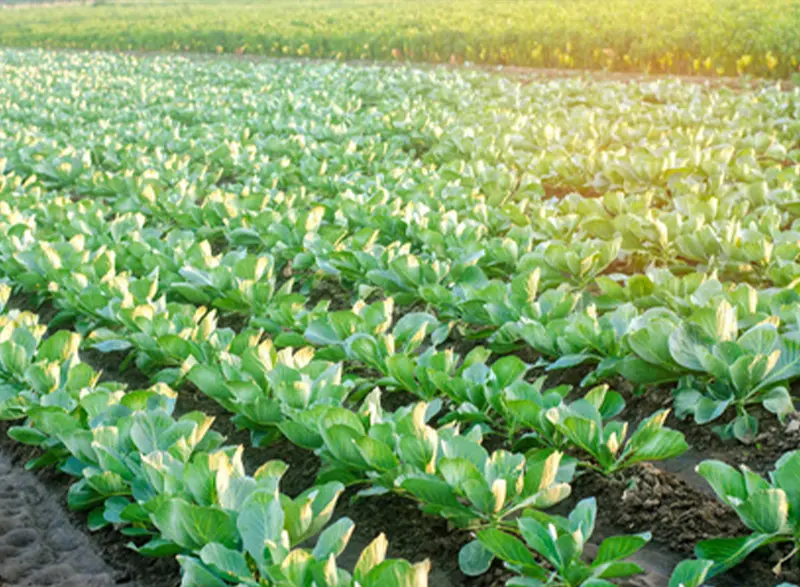
Used to produce water-borne PUD systems for automotive basecoats, leather finishes, and structural wood glues, meeting modern environmental requirements.
Improves wet adhesion and heat resistance in high-temperature applications, such as under-the-hood automotive sealing, industrial gaskets, and cable jacket compounds.
Improves weather resistance, UV stability, and substrate adhesion for architectural sealants and road marking formulations exposed to high environmental stress.
Choosing the appropriate organosilicon and resin platforms for industrial formulations.
In manufacturing high-performance composites, matching polymer chemistry with the appropriate silane coupling agent is critical to final component strength. Organofunctional silanes are classified by their organic group reactivity, which includes amino, epoxy, vinyl, mercapto, and isocyanate classes.
| Product / Compound Class | Primary Reactive Group | Target Resin / Polymer Systems | Key Property Improvement |
|---|---|---|---|
| Isocyanate Silanes (CAS 24801-88-5) | -N=C=O (Isocyanate) | Polyurethanes, Acrylics, Epoxies | Moisture-cure initiation, high wet adhesion |
| Epoxy Silanes (CAS 2530-83-8) | Epoxy (Glycidoxy) | Epoxy Resins, PBT, Polyamides | Excellent flexural strength, electrical properties |
| Vinyl Silanes | Vinyl (-CH=CH2) | XLPE Cables, EPDM Rubber, Polyolefins | Moisture crosslinking of cable insulation |
| Hydrocarbon Resins (C5/C9) | Hydrocarbon Ring Structures | EVA Hot Melts, Rubbers, Coatings | Improved tackification, thermal stability |
Selecting the correct chemical linkage is essential for long-term component reliability. For instance, in structural glazing and automotive manufacturing, components are exposed to temperature extremes and UV radiation. In these cases, the hydrolytic stability of the silicon-carbon linkage in Gamma-Isocyanatopropyltriethoxysilane helps prevent joint failures and delamination.
Additionally, environmental policies in both the EU and South Korea are tightening regulations around free diisocyanate monomers. By using isocyanate-functionalized alkoxysilanes to end-cap polymer chains, manufacturers can create prepolymers that cure via atmospheric moisture condensation. This method reduces diisocyanate monomer content below strict regulatory thresholds while maintaining target cure rates.
Providing specialized silicon oils, vinyl gums, hydrocarbon resins, and agricultural intermediates for South Korean industrial buyers.
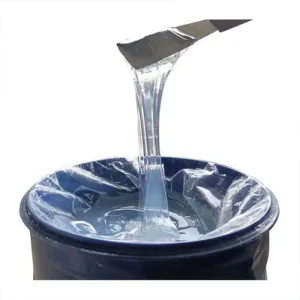
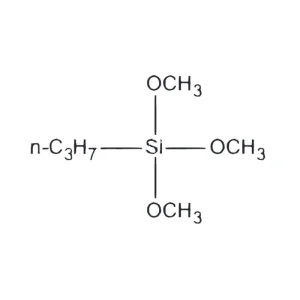
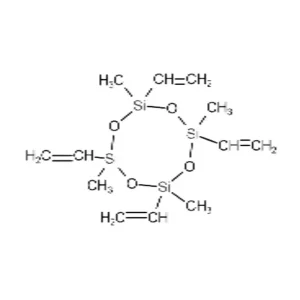
Find technical and logistical answers regarding our chemical products and supply chain operations for South Korea.
Get in touch with our technical sales division today to discuss custom specifications, request samples, or secure bulk pricing for your production facilities.
 Boctok Chemical