Precision engineered raw materials adapted for the environmental demands and industrial workflows of Panama's canal operations, maritime coatings, and logistics sectors.
Panama occupies a unique geographic position at the nexus of global commerce. As the host of the Panama Canal and the home of the Colon Free Zone, it serves as the ultimate maritime and logistical gateway to the Americas. This unique status places specialized requirements on industrial inputs, particularly in sectors such as high-performance marine coatings, structural sealants, civil engineering polymers, and agricultural chemical carriers.
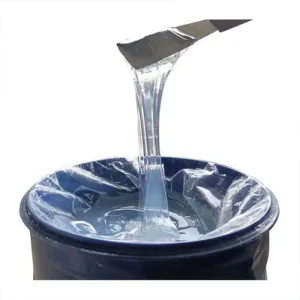
In tropical environments characterized by high ambient relative humidity, constant salinity, and intensive UV exposure, traditional polymer coatings deteriorate rapidly. Organosilicon chemistry, specifically Cyclosiloxanes, offers the molecular structure necessary to resist these demanding environmental stressors. As a critical intermediate for synthesizing silicone fluids, gums, and room-temperature vulcanized (RTV) rubbers, Cyclosiloxanes form the backbone of coatings designed to protect vessels, canal infrastructure, and regional commercial builds from bio-fouling and galvanic corrosion.
Additionally, Panama's position as a regional hub for chemical distribution allows local manufacturers to source bulk intermediates and distribute refined products directly to neighboring Latin American markets, reducing transit times and improving supply chain resilience.
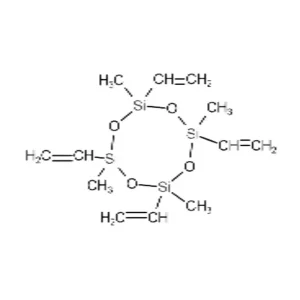
Cyclosiloxanes (such as Tetramethyltetravinylcyclotetrasiloxane and other cyclical methyl siloxanes) are the primary building blocks for the production of silicone polymers. The ring-opening polymerization (ROP) of cyclosiloxanes permits precise control over polymer chain lengths, molecular weight distribution, and functional terminal groups. This process produces high-performance compounds ranging from vinyl silicone oils to complex MQ and VMQ resins.
On a global scale, the demand for high-purity cyclosiloxanes is driven by the electronics, automotive, cosmetics, and construction industries. The presence of trace impurities, particularly water or reactive hydroxyl groups, can disrupt subsequent polymerization or compromise the dielectric properties of the final silicone rubber.
Consequently, global chemical procurement departments require suppliers that provide strict quality assurance, consistent batch-to-batch chemical properties, and compliance with environmental regulations (including VOC limits and SVHC evaluations under EU REACH guidelines). The international chemical industry is moving away from low-technology, energy-intensive batch production toward automated, continuous processes that limit environmental emissions and improve purity.
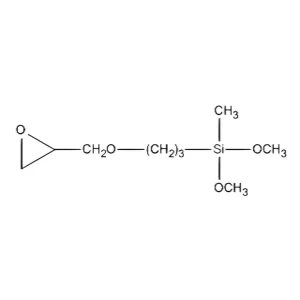
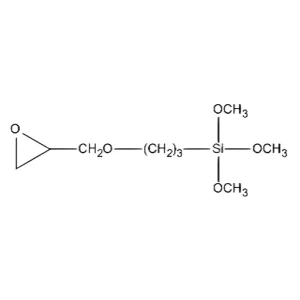
Ensuring interfacial adhesion and polymer matrix compatibility in composite materials, coatings, and industrial compounds.
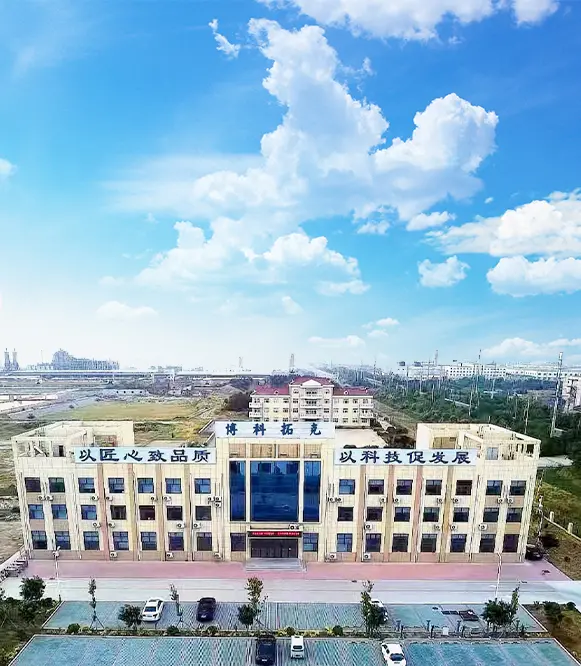
The production of organosilicon materials relies heavily on feedstock availability, energy infrastructure, and continuous process control. Chinese manufacturers, led by Shandong Boctok Chemical Co., have established significant production advantages that translate into reliable supply and cost-efficiency for international buyers.
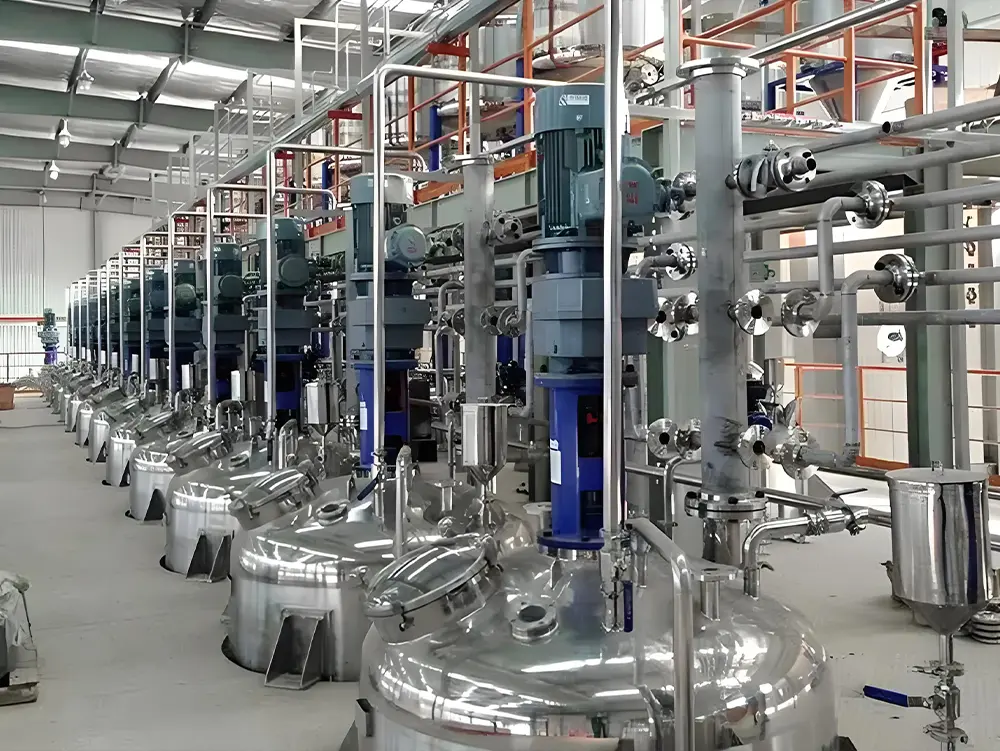
Shandong Boctok Chemical Co.'s new manufacturing plant in Shouguang, Shandong Province, reflects an investment of US$65 million. This facility is equipped with 6 automated Distributed Control System (DCS) production lines, enabling continuous process automation. Critical parameters, such as reaction temperature, molar ratios, and reflux rates, are monitored and adjusted in real time.
This continuous process control reduces batch-to-batch variance compared to manual operations. It is integrated with a Safety Instrumented System (SIS) that ensures stable operation and process safety. The facility operates under ISO 9001 quality management guidelines, ensuring high product consistency.
Modern chemical production requires robust emissions management. Boctok's Shouguang facility features integrated closed-loop waste gas capture and wastewater treatment systems. In cyclosiloxane production, byproduct recovery is critical to control costs and minimize emissions.
Chlorosilane and hydrogen chloride byproducts are recycled back into the production loop, lowering resource consumption and matching global sustainability initiatives. This makes Boctok a reliable supplier for international procurement teams with strict sustainability standards.
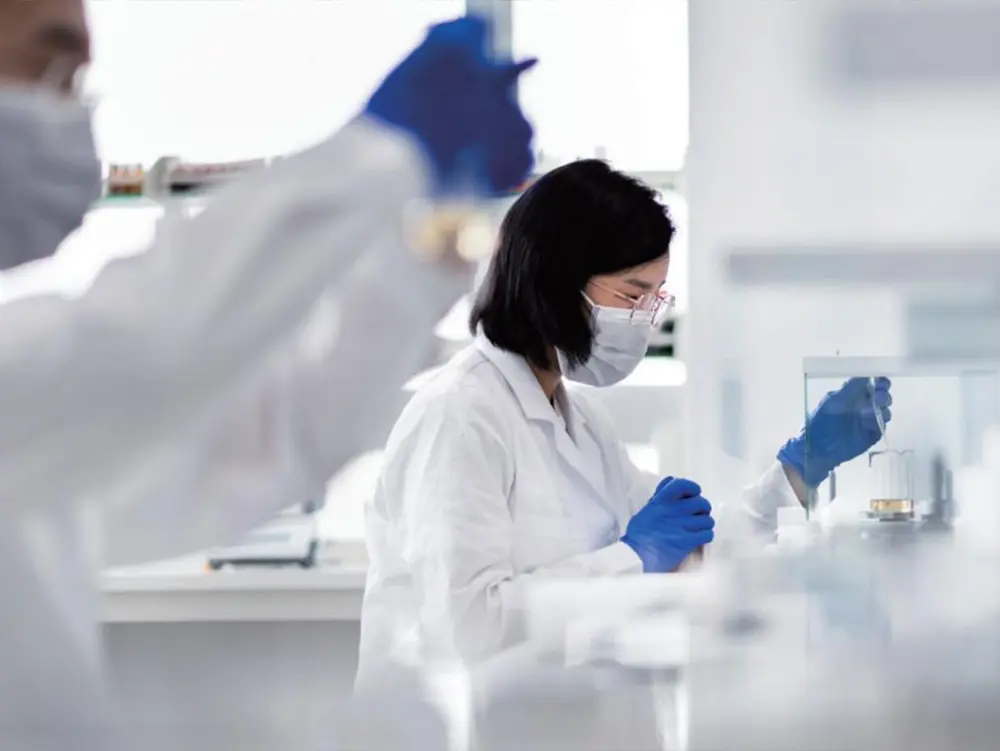
The unique economic and climatic context of Panama dictates specific application scenarios for organosilicon products, where performance must meet severe local demands:
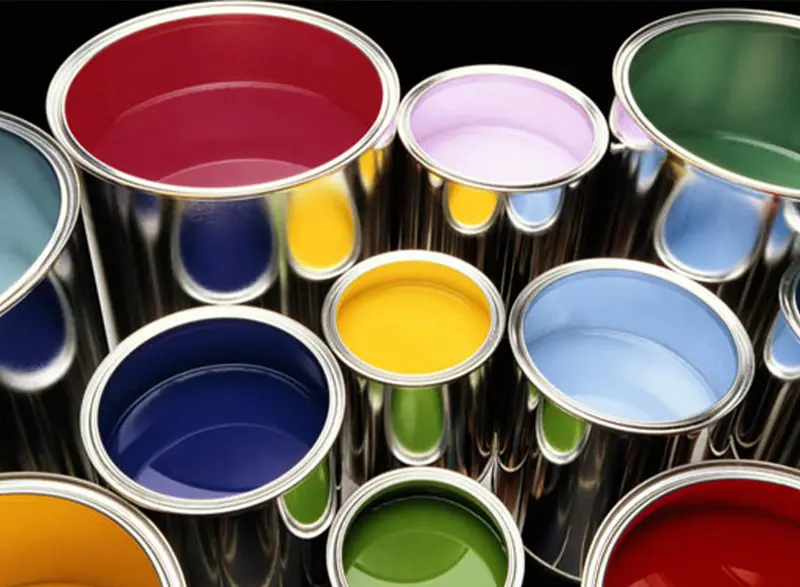
The Panama Canal and surrounding ports handle thousands of ocean-going vessels daily. These structures and hulls face severe bio-fouling and saltwater corrosion. Custom anti-fouling coatings rely on vinyl-functionalized silicone gums, such as Methyl Silicone Vinyl Gum (CAS 67762-87-2), synthesized from high-purity cyclosiloxanes.
These silicones create low-surface-energy, hydrophobic coatings that prevent marine organisms from adhering without releasing toxic biocides. This helps ship operators reduce drag, lower fuel consumption, and meet international environmental regulations.

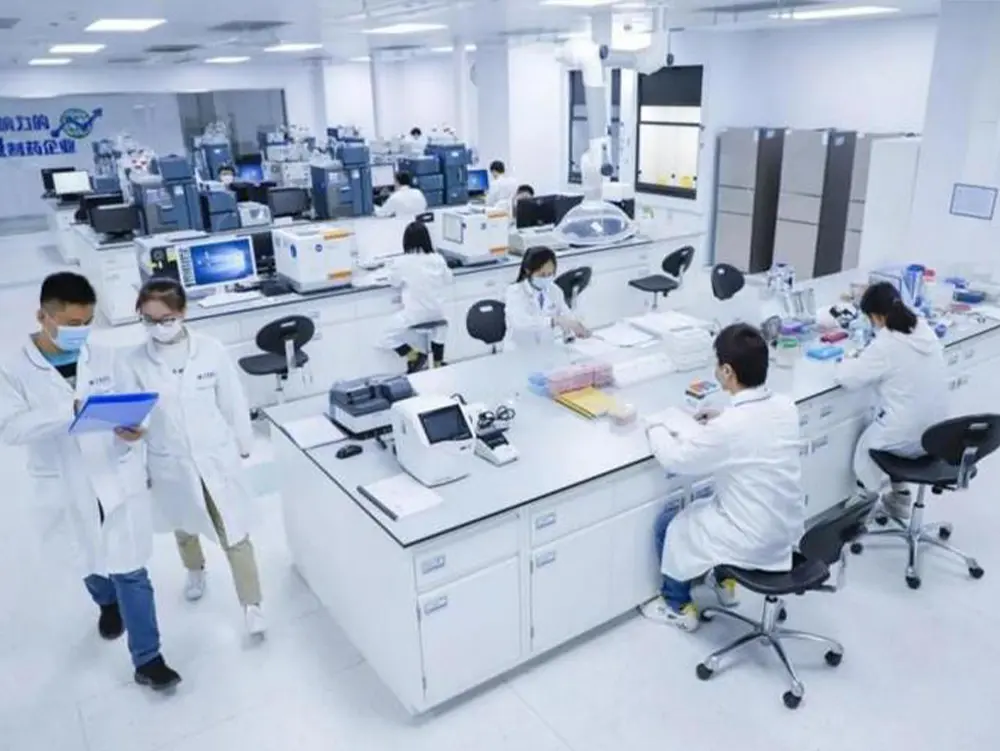
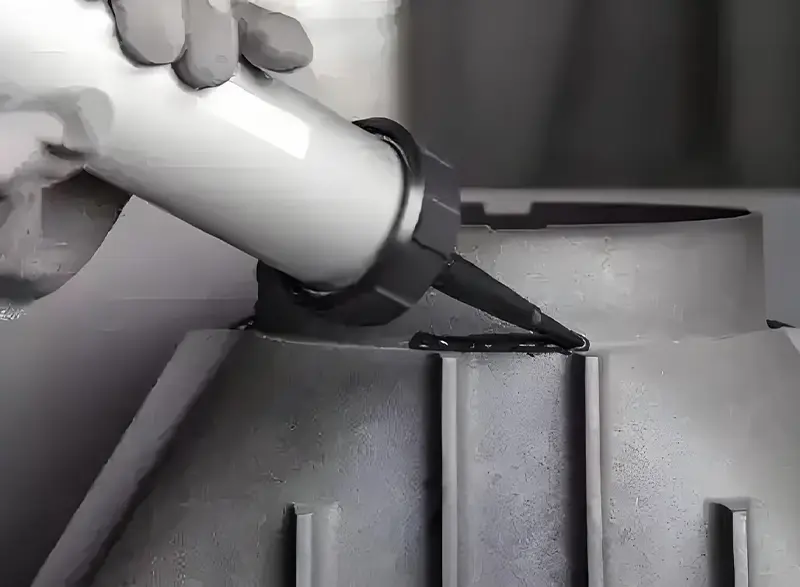
Panama's high humidity and rainfall require sealants that maintain adhesion under constant moisture and thermal expansion. Alkoxy-terminated silicone oils, such as Trimethoxy-terminated Polydimethylsiloxane (CAS 68440-70-0), act as the base polymers for high-modulus structural RTV sealants.
During curing, they release alcohol byproducts instead of acetic acid, preventing corrosion on sensitive metals, concrete, and glass surfaces common in modern urban projects in Panama City.
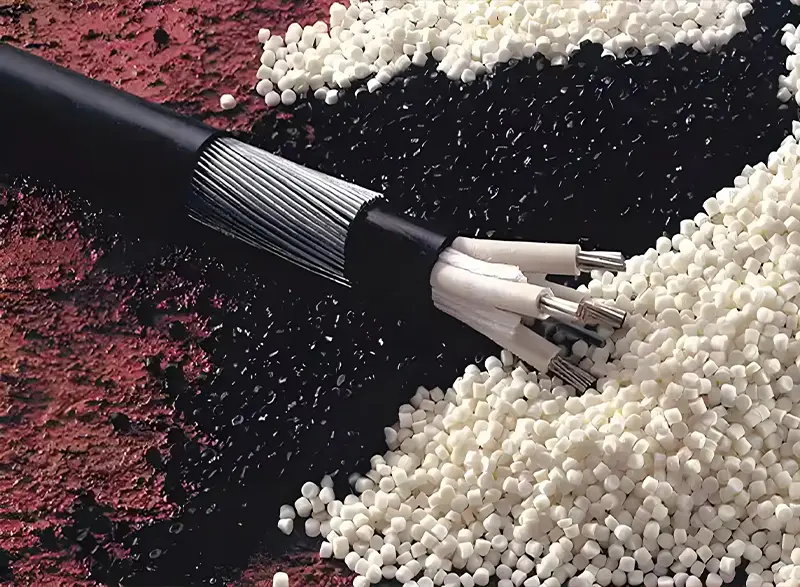
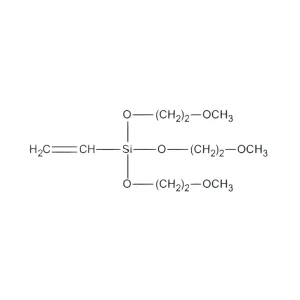
High humidity and salinity present insulation challenges for regional power grids. Silicone rubbers synthesized using silane coupling agents like Vinyltris(2-methoxyethoxy)silane (CAS 1067-53-4) provide high dielectric strength and tracking resistance. These materials are used for cable terminations, insulators, and moisture-resistant electrical accessories.
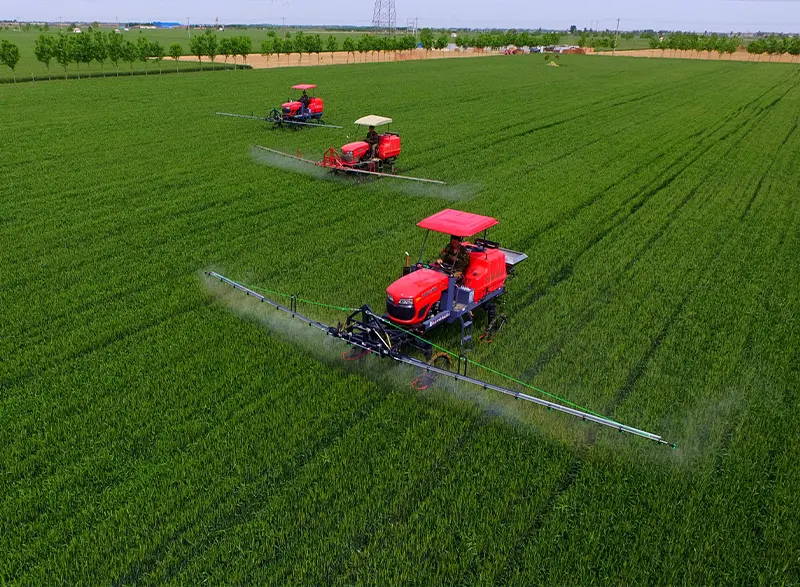
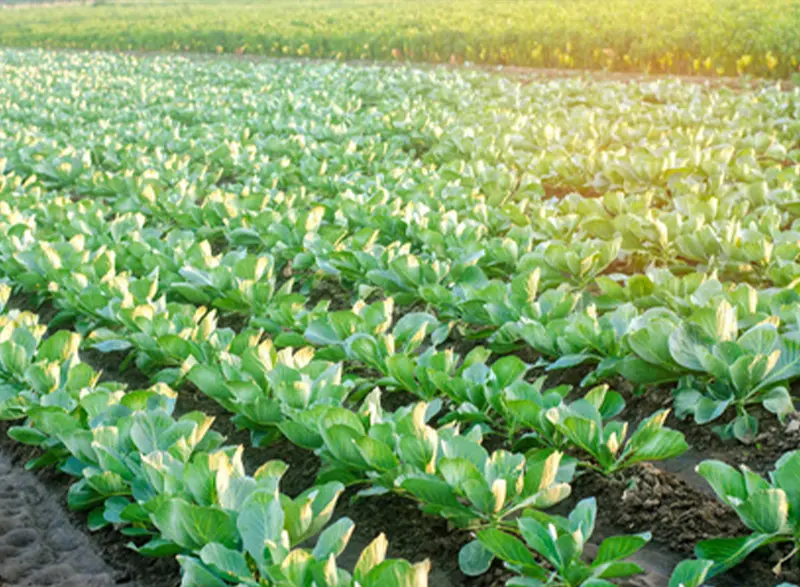
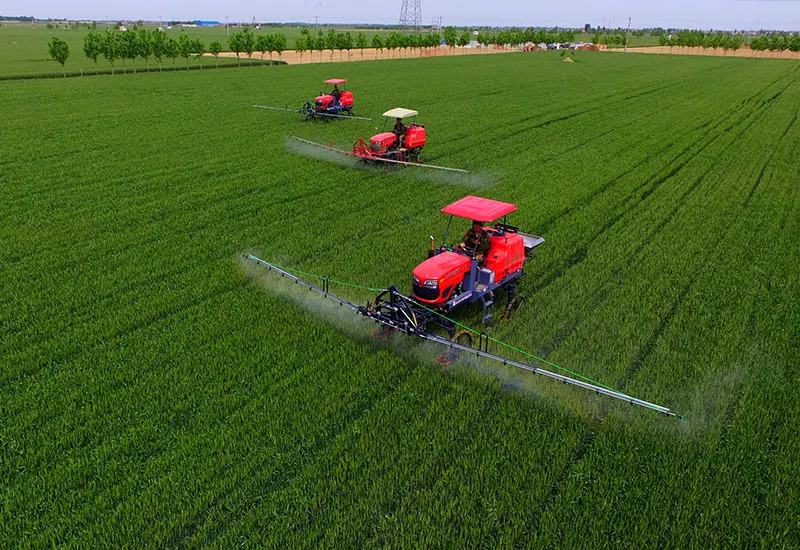
Panama’s agricultural sector, particularly banana and sugarcane cultivation, relies on pesticide adjuvants to protect crops during rainy seasons. Specialty trisiloxanes act as super-spreaders, lowering the surface tension of aqueous sprays. This allows active ingredients to spread and penetrate leaves quickly, preventing wash-off from tropical rains.
Why global procurement agencies trust Shandong Boctok Chemical Co. as their primary supply chain partner.

Our products undergo rigorous testing, including GC analysis and moisture checks, to ensure compliance with international industrial standards.

Our DCS-automated production lines in Shandong provide a stable supply of silane coupling agents and cyclosiloxanes for large orders.

Our engineering and logistics teams are available online to provide formulation assistance, safety sheets, and custom packaging support.

We work with international shipping lines to route shipments from China directly to Panamanian hubs like Balboa and Cristobal, ensuring reliable delivery.
Our siloxanes, hydrocarbon resins, and agricultural formulations are used across diverse global industries.
Delivering high thermal stability, hydrophobic protection, and flexibility for complex industrial processes.
Tailored additives designed to improve durability and surface performance in harsh industrial environments.
Founded in 2012, Shandong Boctok Chemical Co. acts as the central marketing and sales channel for Boctok™ domestic and international business. In 2023, the brand achieved global sales of US$280 million. The company focuses on specialty organosilicone chemistry, supplying twelve series of silane coupling agents and crosslinkers, including amino, methacrylate, epoxy, vinyl, mercapto, alkyl, phenyl, and ureido functional silanes.
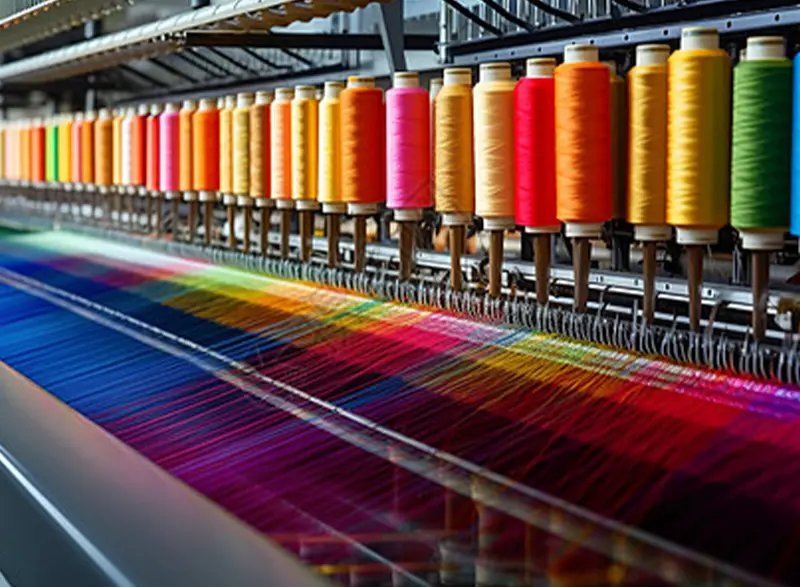
Boctok's product portfolio includes high-hydrogen silicone fluids, dimethicone, vinyl silicone oils, phenyl silicone fluids, alkoxy-terminated silicone oils, MQ/VMQ resins, and vulcanized rubbers. These materials are used globally in glass fiber, electronics, renewable energy, coatings, adhesives, electrical cables, oilfield drilling, and textiles.
Additionally, Boctok operates a specialized business line focused on petroleum resins, with investments in three key hydrocarbon resin factories in Zibo, Fushun, and Nanjing. Sourcing raw materials from SINOPEC and PetroChina, these facilities produce C9 hydrogenated resins, C5 hydrocarbon resins, and dicyclopentadiene (DCPD) resins for coatings and adhesives. The company also supplies chemical intermediates and raw materials for agricultural formulations, including pesticides, fungicides, and insecticides.
Common questions regarding the sourcing, chemical stability, and storage of Cyclosiloxanes and Silanes in tropical climates.
Explore our full line of silanes, hydrocarbon resins, specialty silicone fluids, and industrial chemical intermediates.
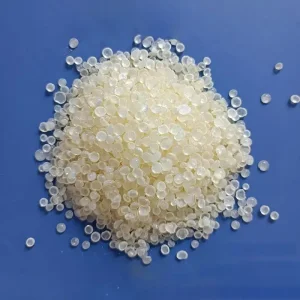
 Boctok Chemical