Engineered to enhance interfacial adhesion, moisture resistance, and longevity across composite, coating, and polymer matrix applications.
Romania has rapidly emerged as a strategic hub for automotive engineering, electronics, wind energy, and construction polymer materials in Central and Eastern Europe. With major manufacturing corridors concentrated in regions like Pitești, Craiova, Ploiești, and the western tech clusters of Timișoara and Arad, the local industrial base demands highly specialized raw materials to secure process efficiency and product durability.
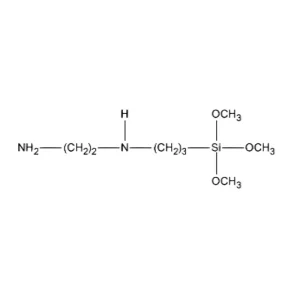
Amino-functional silanes serve as a critical bridge in this ecosystem. By chemical design, the active amino group interacts with organic resin matrices (such as polyurethanes, epoxies, acrylics, and phenolics), while the hydrolyzable alkoxy groups form stable covalent siloxane bonds with inorganic fillers like glass fiber, silica, quartz, and metals. This dual reactivity is fundamental in manufacturing high-performance tire components, weather-resistant structural sealants, and fire-retardant XLPE power cables.
Romania’s national infrastructure expansion, coupled with EU-funded green initiatives, has accelerated the consumption of low-emission, highly durable adhesives, mineral-filled polymer composites, and eco-friendly protective coatings.
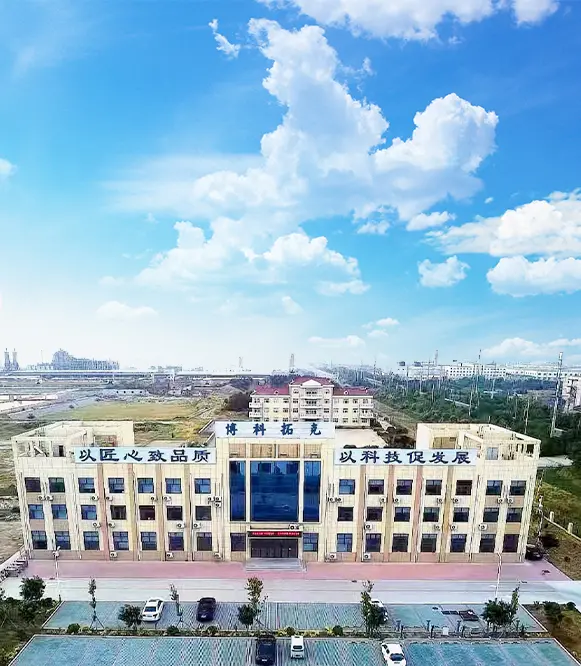
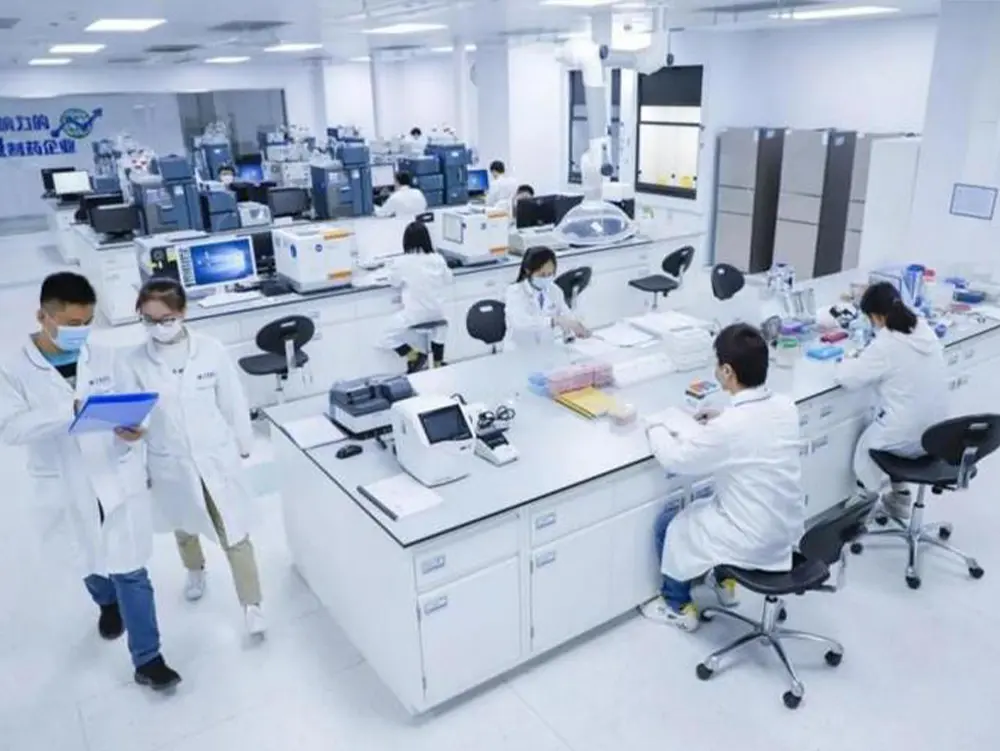
A premier global chemical manufacturer delivering advanced polymer performance enhancers, organosilicon systems, and high-performance resins.
Founded in 2012, Shandong Boctok Chemical Co. was established as the primary domestic and international marketing, sales, and technical service center for Boctok™ polymer systems. Leveraging decades of chemical synthesis expertise, our organization reached global consolidated sales of US$280 million in 2023. While our dedicated BOCTOK brand continues to provide reliable, high-capacity logistics and technical solutions for Eastern European and neighboring markets, our global footprint extends across North America, the European Union, Japan, South Korea, India, and Southeast Asia.
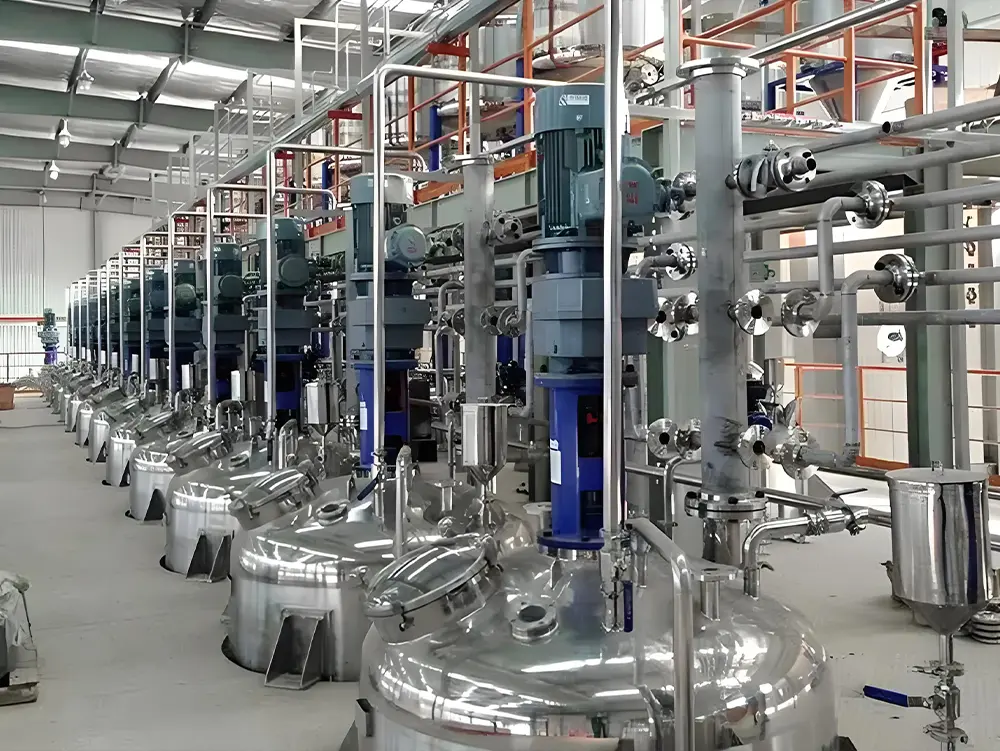
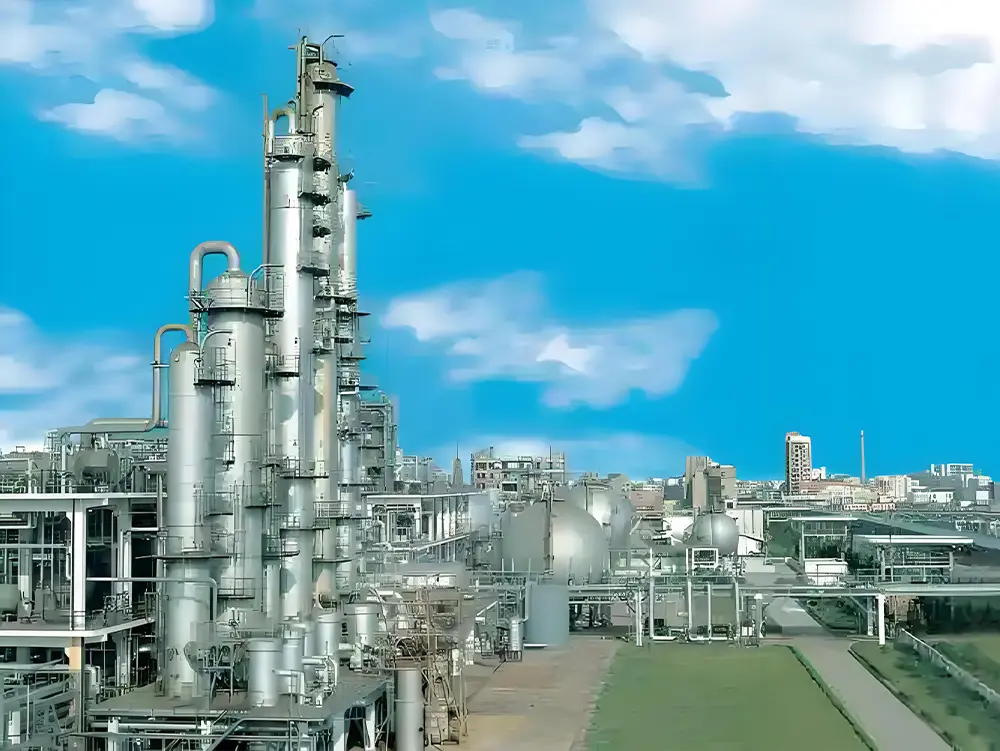
To sustain this trajectory, we recently invested US$65 million in a state-of-the-art manufacturing facility located in the Bohai Industrial Park, a highly regulated, provincial chemical industry hub in Shouguang City, Shandong Province. Featuring six fully automated DCS (Distributed Control System) production lines, the new facility guarantees a consistent annual output of 30,000 tons of silane coupling agents.
Understanding the interfacial chemistry that bridges polymers and minerals.
Upon exposure to moisture or system-dissolved water, the hydrolyzable alkoxy groups (methoxy or ethoxy groups) attached to the silicon atom undergo hydrolysis. This reaction generates highly reactive silanol (Si-OH) groups while releasing a small quantity of alcohol byproduct (methanol or ethanol).
The newly formed silanols orient themselves toward the inorganic substrate. They form strong hydrogen bonds with surface-bound hydroxyl (metal-OH or silicon-OH) groups present on materials like glass fibers, mineral fillers, or metallic substrates. Subsequent curing drives off water, condensing these bonds into permanent covalent siloxane (Si-O-Si or Si-O-Metal) bonds.
Simultaneously, the non-hydrolyzable organic part of the silane contains an amine group (primary or secondary) that projects outwards into the polymer matrix. This amino group reacts chemically with the organic resin (e.g., ring-opening reaction with epoxy groups, addition reaction with isocyanates, or physical chain entanglement in thermoplastics), establishing an integrated network.
By forming a molecular-level bridge, the interfacial boundary becomes hydrophobic, highly resistant to moisture ingress, thermal degradation, and mechanical shear. This prevention of micro-delamination significantly prolongs the service life of automotive coatings, composites, and structural components.
Tailoring advanced chemical additives to the specific operational demands of Eastern Europe's fast-growing value chains.
In cooperation with Romania’s extensive automotive tier-1 supply networks, aminosilanes are utilized to couple precipitated silica in green tire compounds. This decreases rolling resistance, increases grip, and improves abrasion resistance. It also assists in dispersing glass fibers inside polyamides for under-the-hood structural brackets.
Romania’s cable industry relies heavily on silane cross-linkable polyethylene (XLPE) for low- and medium-voltage distribution systems. Utilizing organosilanes during the compounding phase provides moisture-cured crosslinking. This increases maximum continuous operating temperatures and enhances electrical insulation stability under damp environments.
For structural construction adhesives and silicone sealants used in modern commercial and residential infrastructure, aminosilanes acts as essential adhesion promoters. They allow silicone, polyurethane, and MS polymer sealants to adhere securely to porous mineral surfaces (concrete, mortar) and glassy facades without priming.
High-purity chemical structures optimized for manufacturing stability and international regulatory compliance.
Ensuring complete continuity in advanced synthetic chemicals and polymer formulation lines.
Why top automotive components, structural sealants, and adhesive compounders in Europe partner with Boctok.
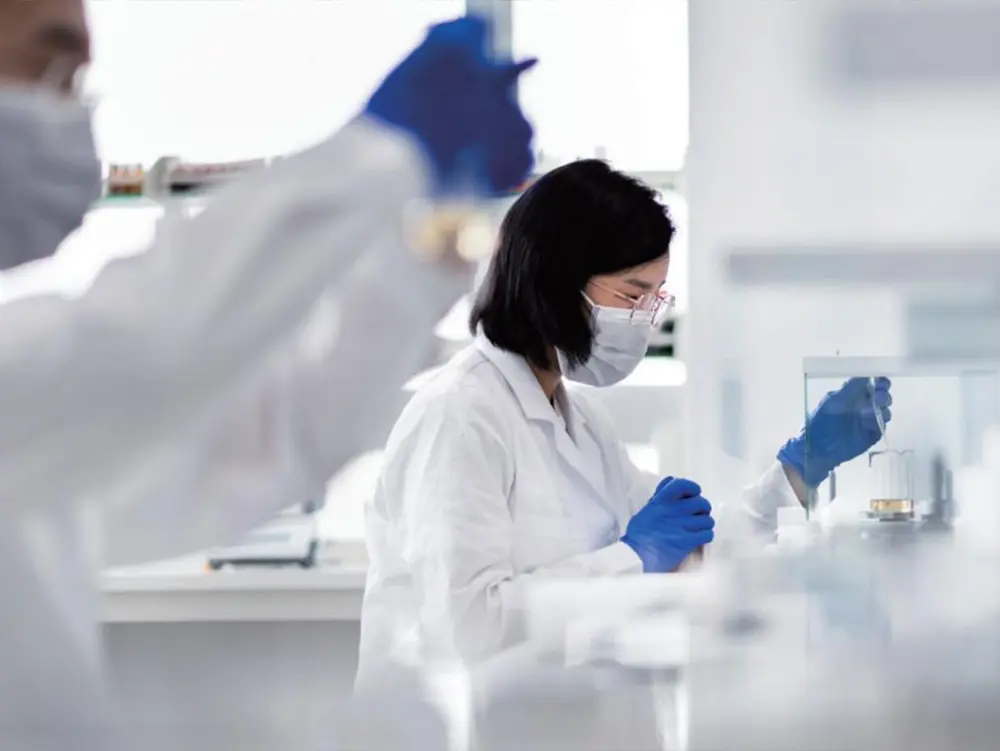
Every single batch of organosilicon coupling agents and petroleum resins undergoes strict testing to meet our Quality Assurance requirements. We follow the ISO9001:2015 quality management system closely throughout the production sequence—from raw chemical checking to output packaging.
Our manufacturing facility in Shouguang City features comprehensive DCS (Distributed Control Systems) alongside SIS (Safety Instrumented Systems). These systems maintain strict control over temperature, pressure, reaction rates, and feedstock ratios, minimizing batch-to-batch variation.
Our logistics network is fully optimized for continuous delivery to major industrial hubs across Romania and neighboring regions. By combining marine container shipments via the Port of Constanța with organized regional warehouse distribution, we offer short lead times for high-volume orders.
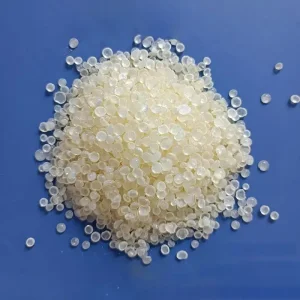
Hydrocarbon Resins: Boctok manages specialized operations across three Chinese facilities in Zibo, Fushun, and Nanjing. Operating using direct feedstock from SINOPEC and PetroChina, we provide consistent supply lines for C9 hydrogenated, C5 hydrocarbon, and C5 modified C9 resins globally.
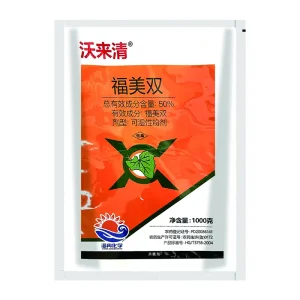
Additionally, our growing portfolio supports regional agricultural demands through the supply of high-grade agrochemical intermediates, crop protectants, fungicides, and plant development regulators.
Answers to common chemical engineering and logistics questions from our technical support team.
Aminosilanes act as molecular bridges. The alkoxy portion hydrolyzes and forms stable siloxane bonds with the mineral filler surface (such as silica, talc, or glass fiber), while the amine group reacts with the resin matrix during compounding or curing. This dual connection reduces viscosity, improves filler dispersion, and increases tensile strength and moisture resistance.
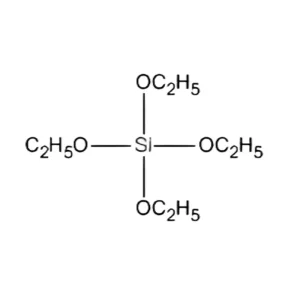
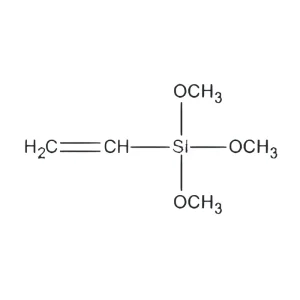
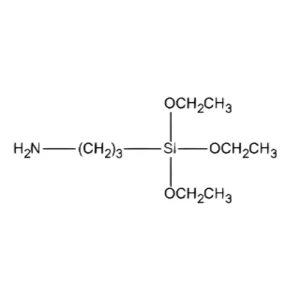
Trimethoxysilanes (such as CAS 13822-56-5) hydrolyze faster, making them suitable for fast-curing formulations. However, they release small amounts of methanol as a byproduct. Triethoxysilanes (such as CAS 919-30-2) hydrolyze more slowly and release non-toxic ethanol, making them preferred for applications with strict VOC or safety requirements.
Yes. Shandong Boctok Chemical Co. coordinates closely with REACH representatives to ensure our chemical exports meet ECHA regulations. We provide full compliance documentation for our primary silanes and polymer resins imported into the EU.
Aminosilanes are highly sensitive to moisture. They must be stored in original, tightly sealed containers under a dry nitrogen blanket, in a cool, well-ventilated warehouse away from direct sunlight. Proper storage prevents premature hydrolysis and gelation, preserving performance for at least 12 months.
Our standard MOQ for international shipments is typically 1 metric ton. Transit times to the Port of Constanța generally range from 30 to 40 days from our Chinese manufacturing sites. We also offer customized packaging options, including 200L drums and 1000L IBC containers, to suit different handling systems.
 Boctok Chemical
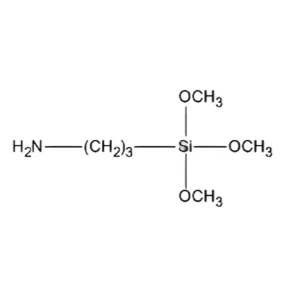
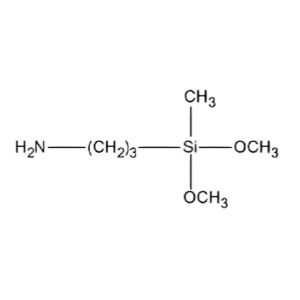
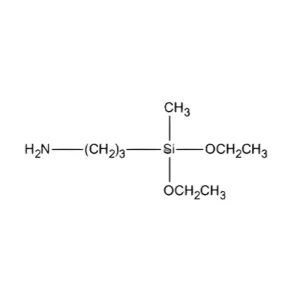
![Bis-[3-(trimethoxysilyl)-propyl]amine CAS 82985-35-1](https://site.cdnfile.io/www.boctoksilicone.com/b7a8c47713f462756c9e61cb65cea17f300_300.webp)
![Bis-[3-(triethoxysilyl)-propyl]amine CAS 13497-18-2](https://site.cdnfile.io/www.boctoksilicone.com/837bedcc9470a3ee1f202feb49d8ce69300_300.webp)