Explore our top-tier hydrophobic silanes, resin intermediates, and specialized chemical stabilizers manufactured to international quality benchmarks.
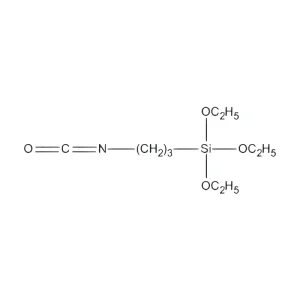
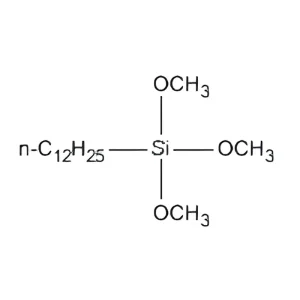
Water ingress is the primary catalyst for degradation in modern infrastructure, electronics, and coatings. Hydrophobic silanes represent a revolutionary shift in materials science. Unlike traditional superficial coatings that form thin, vulnerable barrier films, silane monomer technology modifies surfaces at the molecular level.
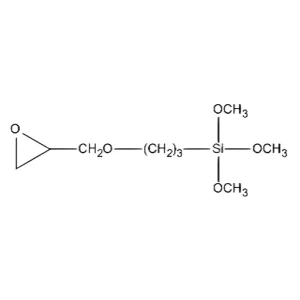
Silane coupling agents work through a dual-reactivity mechanism. The hydrolyzable alkoxy groups react with moisture to form silanol intermediates, which then chemically bond with hydroxyl-rich inorganic substrates (such as concrete, minerals, glass, and metal oxides) via covalent siloxane (Si-O-Si) bonds. Concurrently, the non-polar organofunctional groups (such as long-chain alkyl or fluoroalkyl chains) orient outward, drastically lowering the surface energy and forming a robust hydrophobic barrier that repels liquid water while maintaining gas permeability.
Empowering global supply chains with advanced silicone chemistry and specialized petroleum resins.
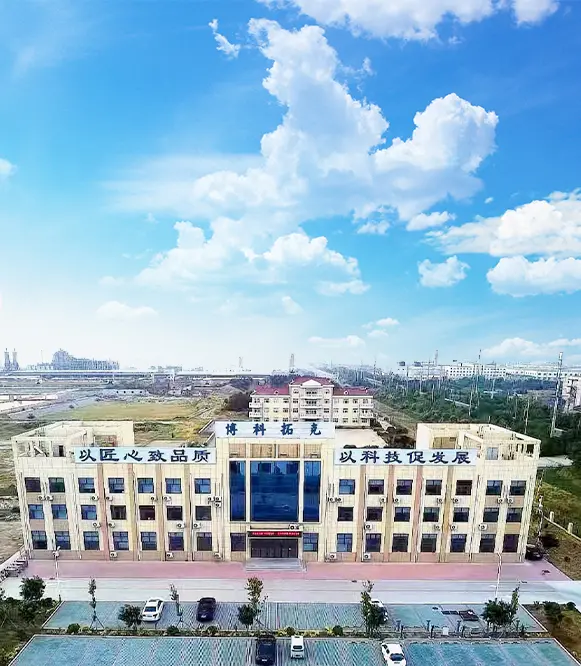
Established in 2012, Shandong Boctok Chemical Co. serves as the unified global sales and strategic marketing nerve center for our international business, achieving US$280 million in sales revenue in 2023.
Through our dedicated BOCTOK trademark, we deliver tailored chemical products, technical support, and logistical workflows designed for industrial applications in the Russian market.
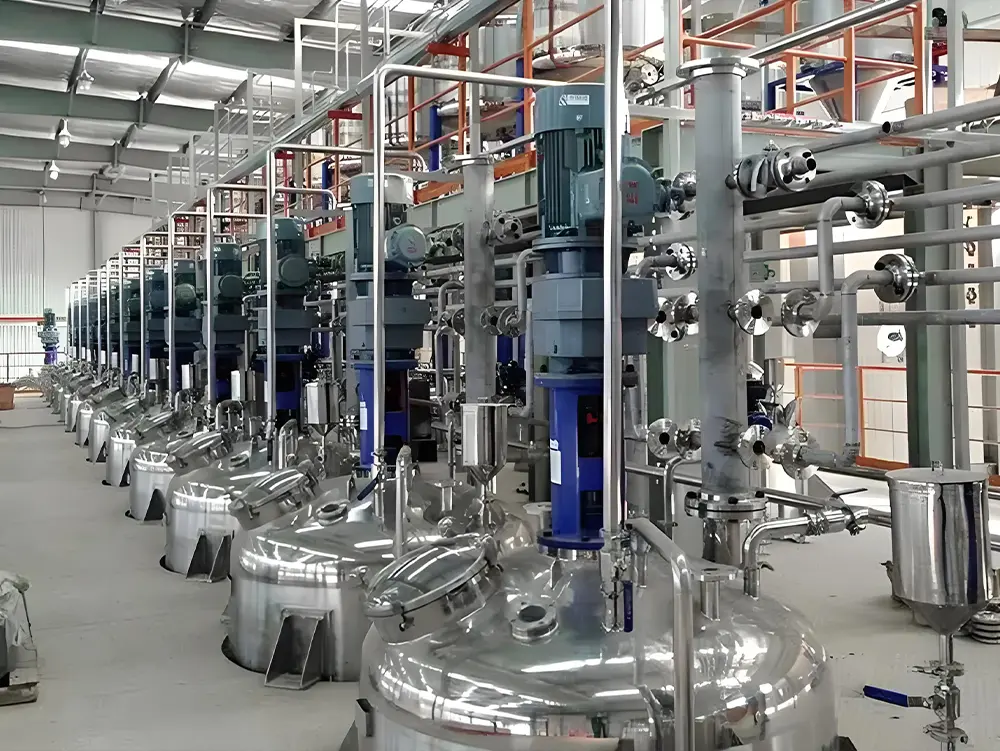
Our Shouguang facility, built with a US$65 million investment in the Bohai Industrial Park, features 6 state-of-the-art DCS automation lines with an annual capacity of 30,000 tons of silane coupling agents.
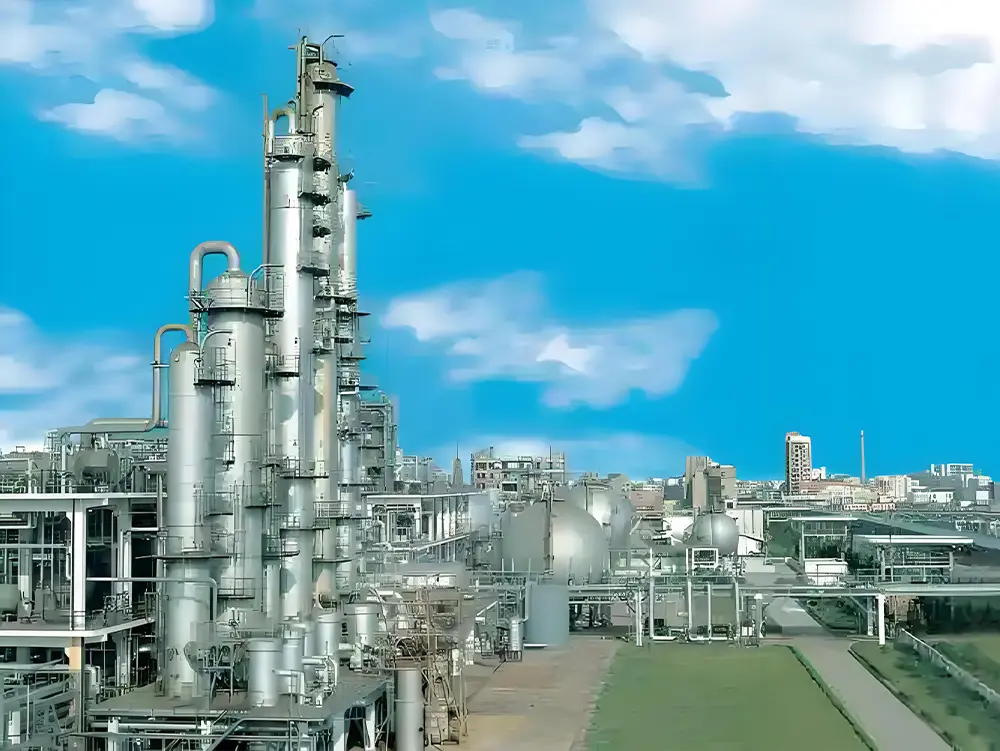
Boctok’s secondary core business is hydrocarbon resins. We have invested in a leading hydrocarbon resin manufacturer in China, operating three production sites strategically situated in Zibo, Fushun, and Nanjing.
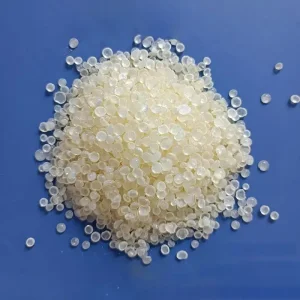
Benefiting from raw materials supplied by SINOPEC and PetroChina, our advanced manufacturing capabilities produce high-demand hydrocarbon resins including C9 hydrogenated resins, C5 hydrocarbon resins, C5 modified C9 hydrocarbon resins, C9 hydrocarbon resins, dicyclopentadiene (DCPD), and methyl cyclopentadiene dimer.
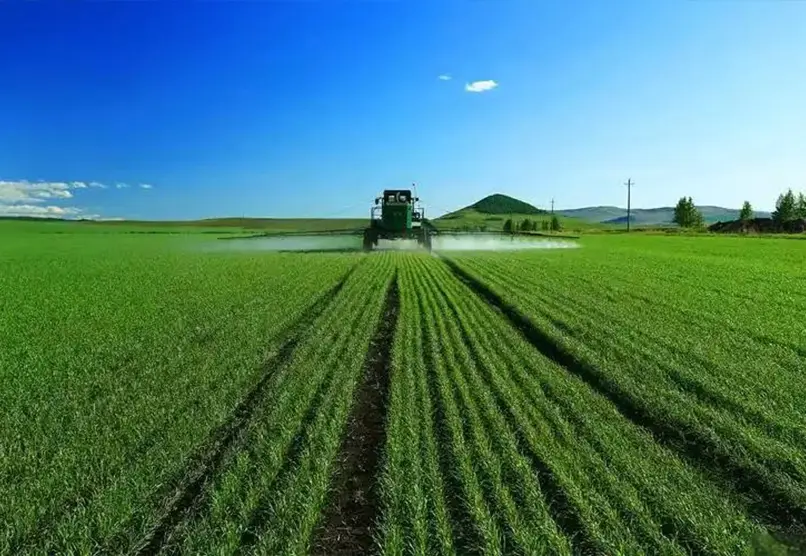
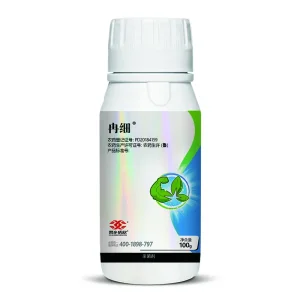
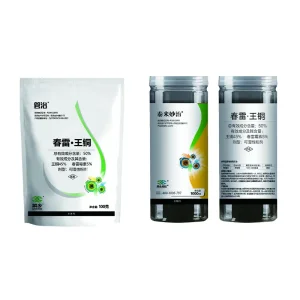
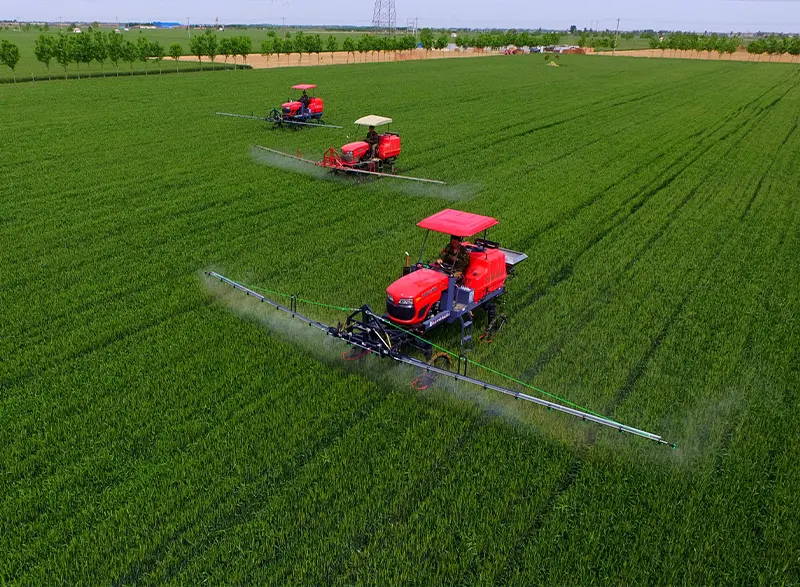
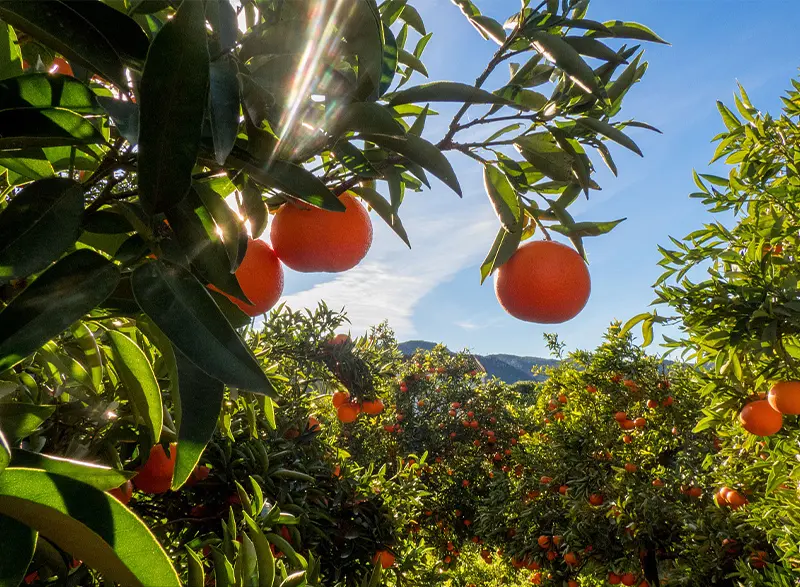
Additionally, we supply active ingredients and key intermediates to the agrochemical industry, producing fungicides, insecticides, seed treatment protection systems, herbicides, and plant growth regulators.
Our primary divisions provide specialized materials for critical industrial projects.
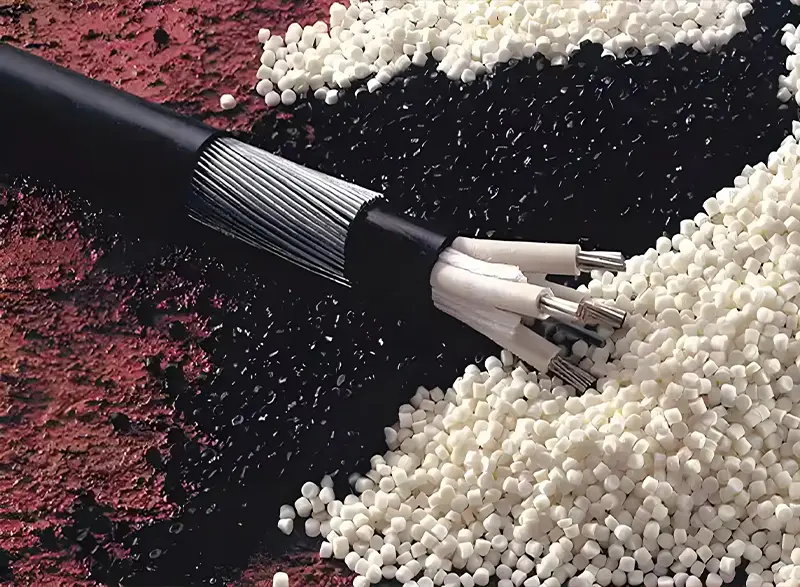
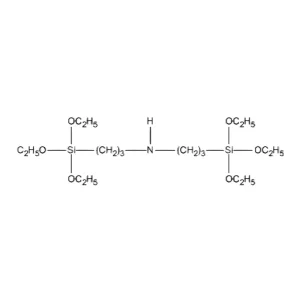
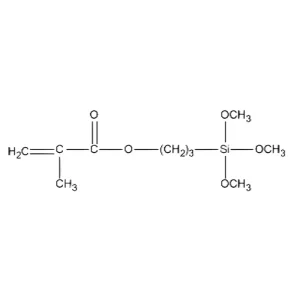
By using vinyl, amino, and alkyl silanes, our solutions improve mechanical strength, heat resistance, and water repellency in XLPE power cables, hot water pipelines, and mineral-filled polymer composites.
Deep-penetrating monomeric silanes like alkyltriethoxysilanes provide high depth of penetration into concrete, creating a chemical barrier that protects infrastructure from freeze-thaw cycles and deicing salts.
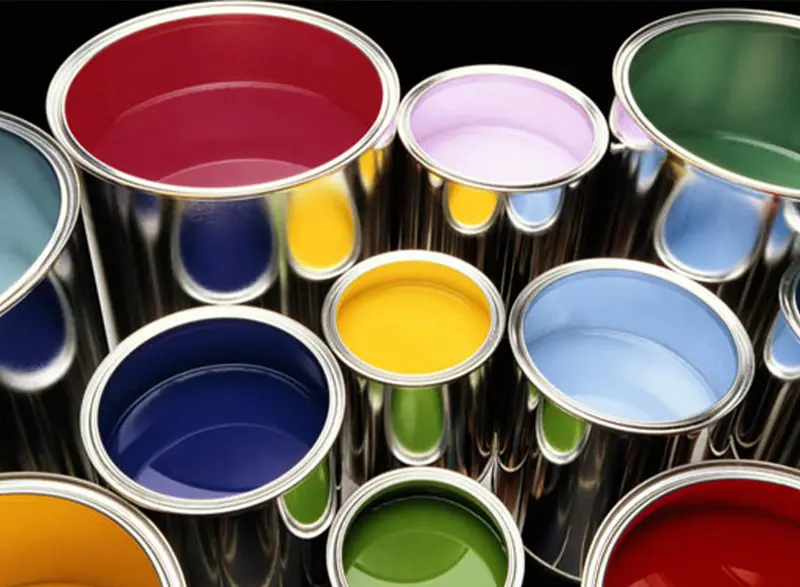
MQ resins (CAS 68554-70-1) and alkoxy silicone fluids provide thermal stability, chemical resistance, and strong adhesion for demanding marine and aviation applications.

The demand for organosilicon products has seen continuous growth, driven by infrastructure development and high-performance coatings. Boctok maintains a strong export network to North America, Europe, Japan, South Korea, Australia, South America, the Middle East, India, and Southeast Asia.
By tailoring specific product lines, such as our specialized BOCTOK brand, we provide chemical solutions that meet regional regulations and technical requirements across diverse international markets.
Our direct access to raw feedstocks through local petrochemical networks allows us to maintain stable production and cost efficiency, helping insulate our customers from global supply chain fluctuations.
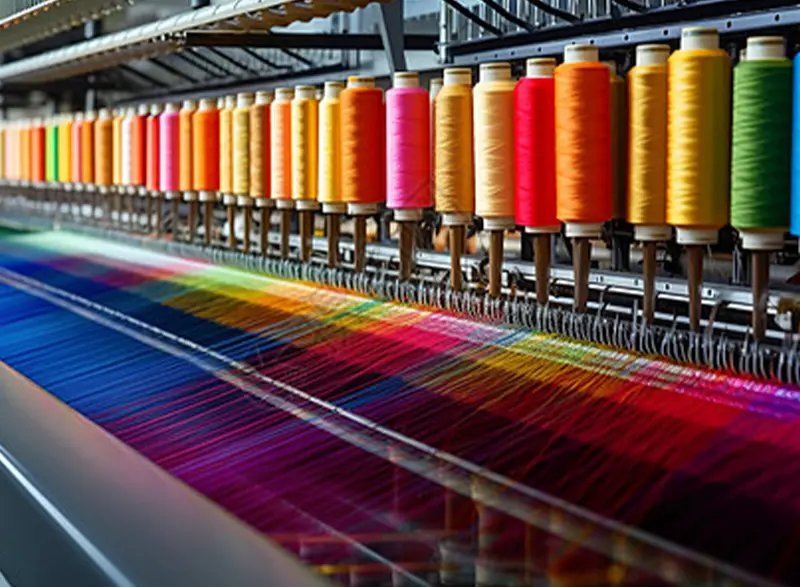
Our diverse range of chemical intermediates supports multiple key applications.


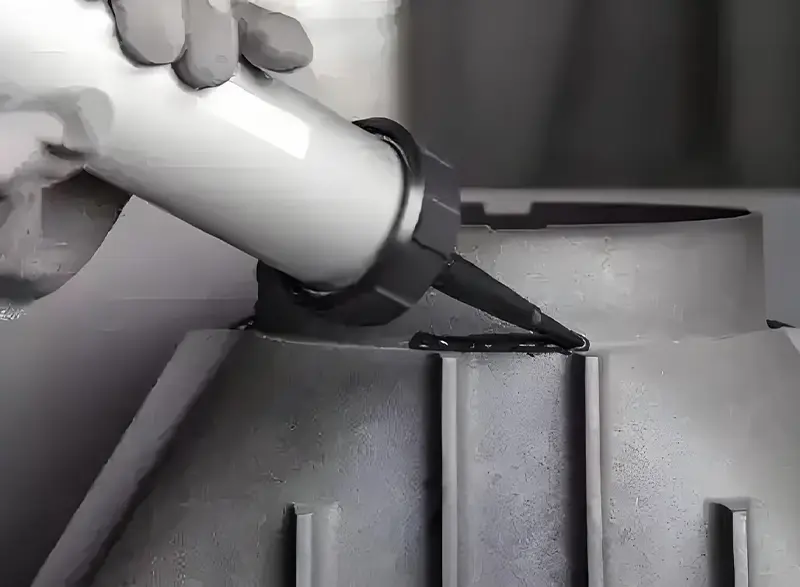
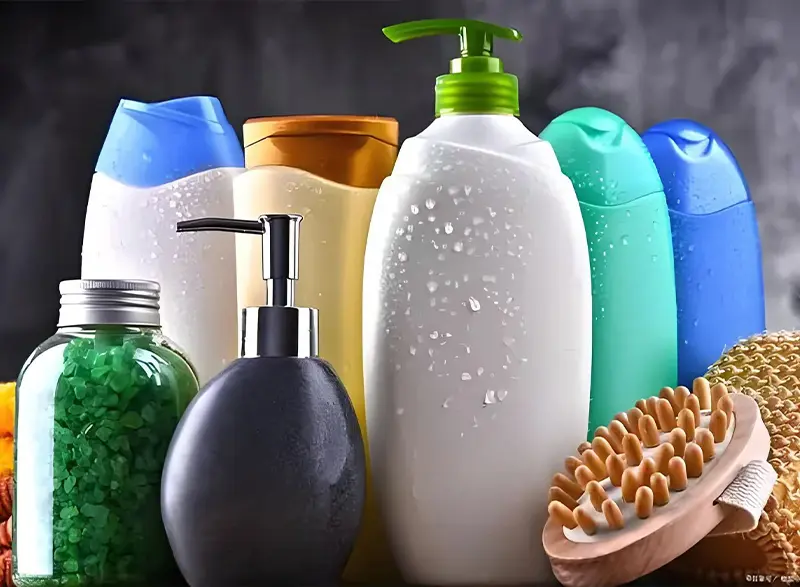
Boctok maintains a strong focus on chemical safety, regulatory compliance, and environmental protection. Our production lines conform to ISO9001 Quality Management Standards, providing consistent quality controls across all production batches.
The production lines in our Shouguang facility utilize automated remote control DCS and Safety Instrument Systems (SIS) to ensure safe, stable manufacturing processes.
We operate fully integrated waste treatment systems, including specialized exhaust gas combustion networks and closed-loop wastewater purification systems, aligning our manufacturing with modern environmental expectations.
Standardized management protocols implemented at every level of our manufacturing facilities.
Automated safety and sensor systems protect operational safety and prevent chemical leakages.
Regulatory compliance strategies to support chemical registrations in Russia, Europe, and Asia.
Integrated treatment of waste gases and industrial process water to minimize environmental impact.
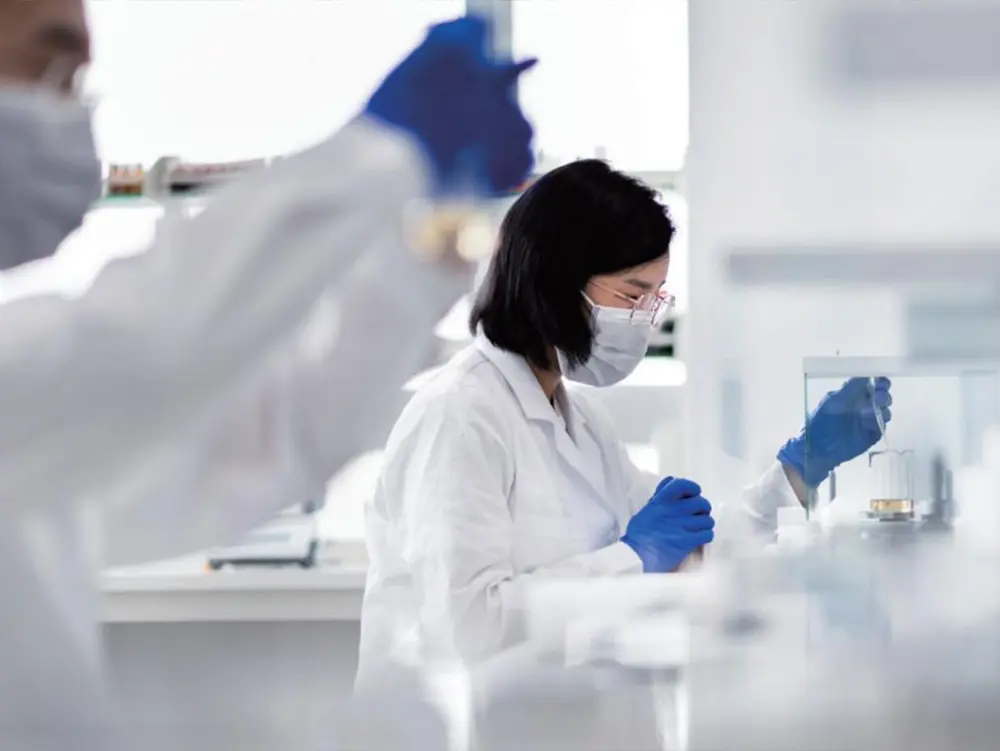
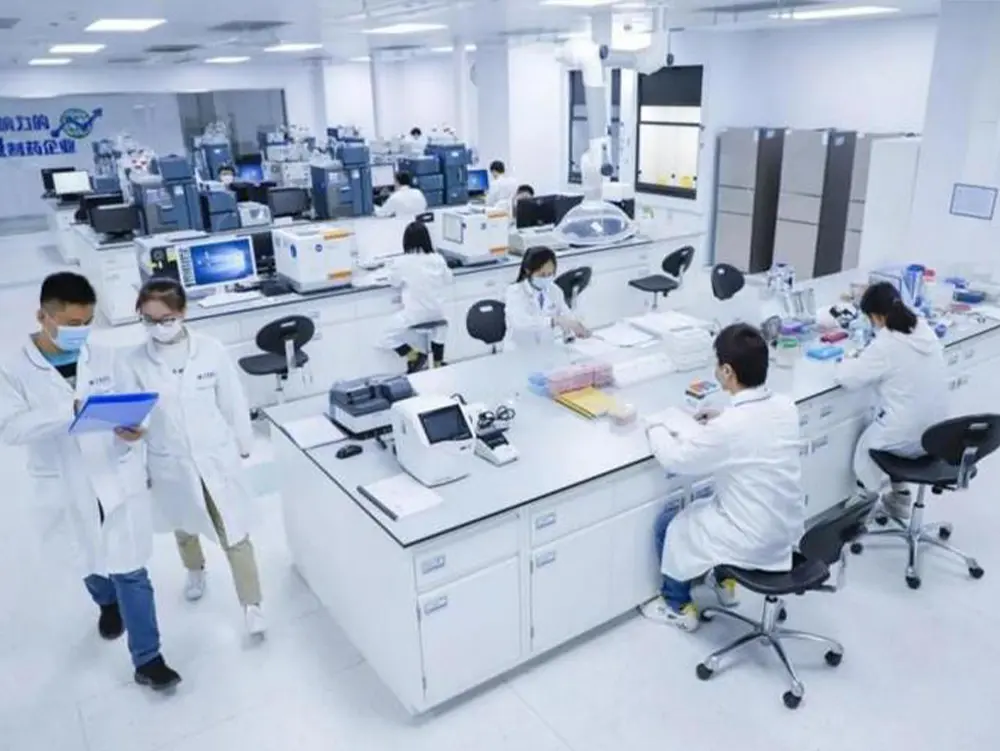
Our ongoing research efforts address key challenges in materials science.
Developing advanced formulation methods for high peel strength MQ silicone resins to meet growing demand in aerospace and automotive electronics applications.
Researching water-based and zero-VOC silane systems to help clients comply with increasingly strict international environmental regulations.
Investigating the integration of organosilicon technologies with nanostructured fillers to improve durability and scratch resistance in premium coating systems.
Expert responses to common technical questions about hydrophobic silanes and industrial chemical resins.
Hydrophobic silanes react chemically with the substrate to line the internal capillary pores rather than sealing them shut. This leaves the pores open, allowing water vapor to escape from the structure while preventing liquid water from entering due to the high surface tension created by the alkyl chains.
C5 and C9 petroleum resins serve as tackifiers and modifiers. They improve initial adhesion, bond strength, and water resistance in adhesive formulations, paints, and hot-melt road markings by optimizing polymer compatibility and surface wetting.
MQ resins (trimethylsiloxysilicates) are structured silicate networks that act as reinforcing agents. In pressure-sensitive adhesives (PSA), they balance tack, peel strength, and cohesive strength, ensuring performance under mechanical stress and extreme temperatures.
Distributed Control Systems (DCS) monitor and regulate production parameters like temperature, pressure, and feeding rates in real-time. Safety Instrumented Systems (SIS) provide automated emergency shut-offs. Together, they reduce human error and maintain batch-to-batch consistency.
Premium grade chemical intermediates, coupling agents, and resin stabilizers.
 Boctok Chemical