High-Purity Silicones, Functional Silanes, and Strategic Bio-Chemical Products
![Famous Bis-[3-(trimethoxysilyl)-propyl]amine CAS 82985-35-1 Products, Product](https://site.cdnfile.io/www.boctoksilicone.com/b7a8c47713f462756c9e61cb65cea17f300_300.webp)
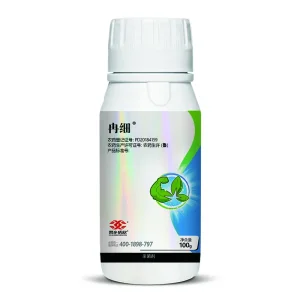
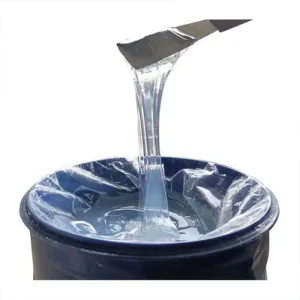
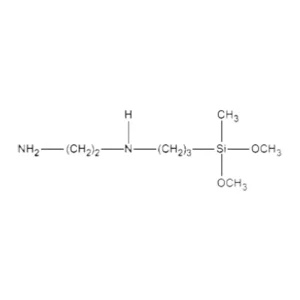
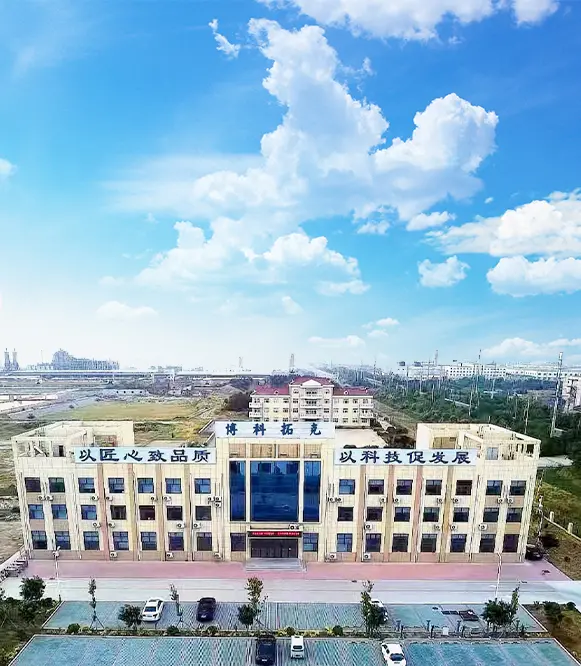
Established in 2012 as a consolidated marketing and sales engine for national and international operations, Shandong Boctok Chemical Co. has emerged as a key supplier in the organosilicon and polymer sector, achieving a landmark sales volume of US$280 million in 2023. Represented prominently in Russian and CIS markets via the dedicated Boctok™ brand, the enterprise has configured its operational matrices to address high-precision industrial elastomer needs globally.
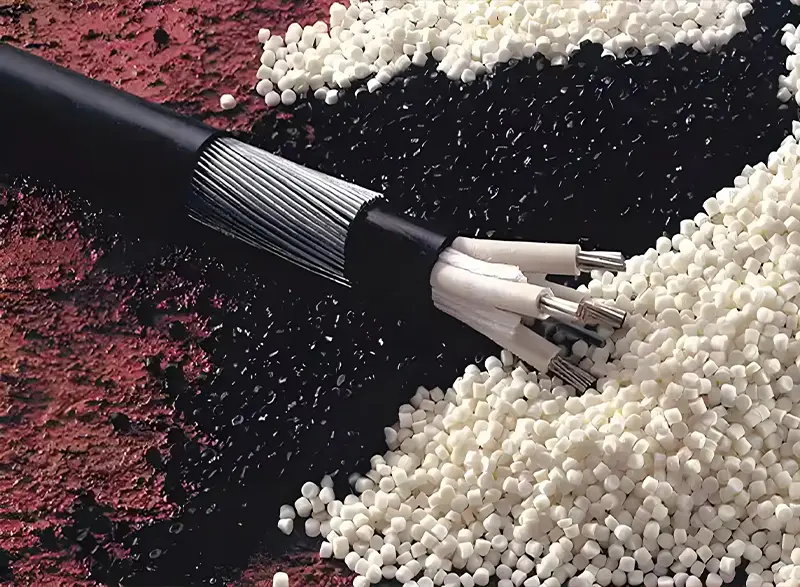
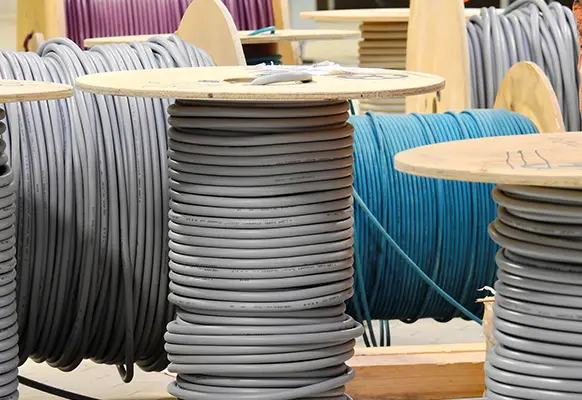
Our core manufacturing focuses on three main segments. The premier tier covers twelve distinct series of silane coupling agents and crosslinkers—including specialized aminosilane, methacrylate silane, epoxy silane, vinyl silane, mercaptosilane, alkyl silane, ethyl silicate, chlorosilane, silane isocyanates, phenyl silane, ureidosilane, and serosilane compounds. By integrating vertical lines for high-hydrogen silicone oil, dimethicone, vinyl silicone oil, polyphenylmethyldimethylsiloxane, phenyl silicone oil, silanol silicone oil (OH polymer), alkoxy silicone oil, methyl MQ resin, vinyl VMQ resin, and various vulcanized rubbers (such as room-temperature vulcanized methyl silicone rubber, 110 methyl vinyl silicone rubber, and 120/Y-120 methyl phenyl rubber), Boctok supplies raw materials to high-growth areas like wind energy, advanced electronics packaging, XLPE electric cables, drilling systems, and complex rubber compounding.
How Molecular Architecture Dictates Thermal Stability, Mechanical Integrity, and Crosslinking Kinetics
Vinyl silicone rubber, structurally categorized as methyl vinyl silicone gum or VMQ, represents a highly versatile segment within the elastomer market. Unlike conventional saturated hydrocarbon rubbers, the siloxane backbone (repeating Si-O-Si bonds) provides inherent resistance against ozone, UV radiation, thermal degradation, and environmental aging. The strategic integration of vinyl groups (typically ranging from 0.03% to 2.0% molar concentration) alters the curing characteristics, allowing transition from peroxide-initiated free-radical reactions to highly controlled platinum-catalyzed addition-cure reactions.
Our standard 110 Gum grade features low vinyl molar concentrations distributed uniformly along the polydimethylsiloxane network. This is optimized for high-consistency silicone rubber (HCR) formulations, providing excellent tensile strength, elongation at break, and low compression set parameters for general industrial gaskets, keypads, and insulation tubes.
By substituting a portion of the methyl groups with phenyl groups (CAS 63148-52-7), the crystallization point of the polymer network is suppressed. This achieves operating performance in extreme environments, allowing the elastomer to remain flexible down to -120°C while increasing radiation resistance for aerospace and deep-sea systems.
We synthesize customized three-dimensional vinyl-terminated MQ and VMQ resins. These function as reinforcing agents and viscosity modifiers for liquid silicone rubbers (LSR), modifying hardness levels (Shore A/D) and tear strength profiles in precision optical lenses and electronic potting compounds.
From a chemical engineering standpoint, the crosslinking density of vinyl silicone rubber directly determines its elastic recovery. High-consistency formulas rely on vinyl gum configurations with high molecular weights (typically 500,000 to 700,000 g/mol). When coupled with reactive silane crosslinkers and specialized catalysts, these materials form a resilient three-dimensional network resistant to thermal cycling, chemical ingress, and mechanical shear.
Mitigating Risks, Stabilizing Feedstocks, and Auditing Supplier Quality Profiles
Industrial procurement of silicone compounds requires strict evaluation of feedstocks and manufacturing reliability. Buyers face challenges with commodity price fluctuations, supply line gaps, and purity variations that can lead to processing failures. Boctok addresses these risks through strategic raw material partnerships with industry majors SINOPEC and PetroChina. This ensures consistent supplies of upstream organosilicon monomers and hydrocarbon streams, safeguarding production continuity even during market volatility.
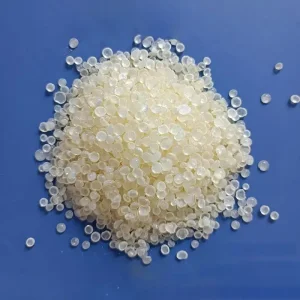
Our Tier II operational divisions manage hydrocarbon resin facilities in Zibo, Fushun, and Nanjing. This structural integration allows us to supply both the silicone networks and the corresponding modifying agents (such as C9 hydrogenated resins, C5 hydrocarbon resins, C5/C9 copolymerized resins, and cyclopentadiene derivatives) required for specialized adhesives, coatings, and compound sealing tapes. By consolidating your silicone rubber and modifier procurement with Boctok, you simplify your supply chain, lower transaction costs, and ensure consistent batch-to-batch chemical compatibility.

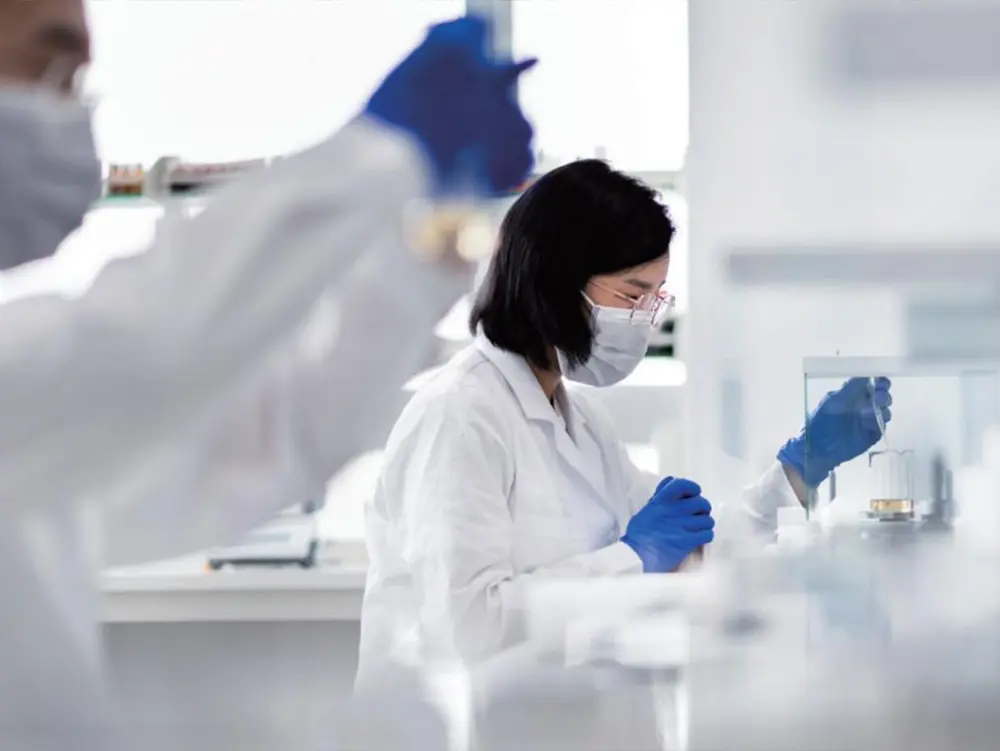
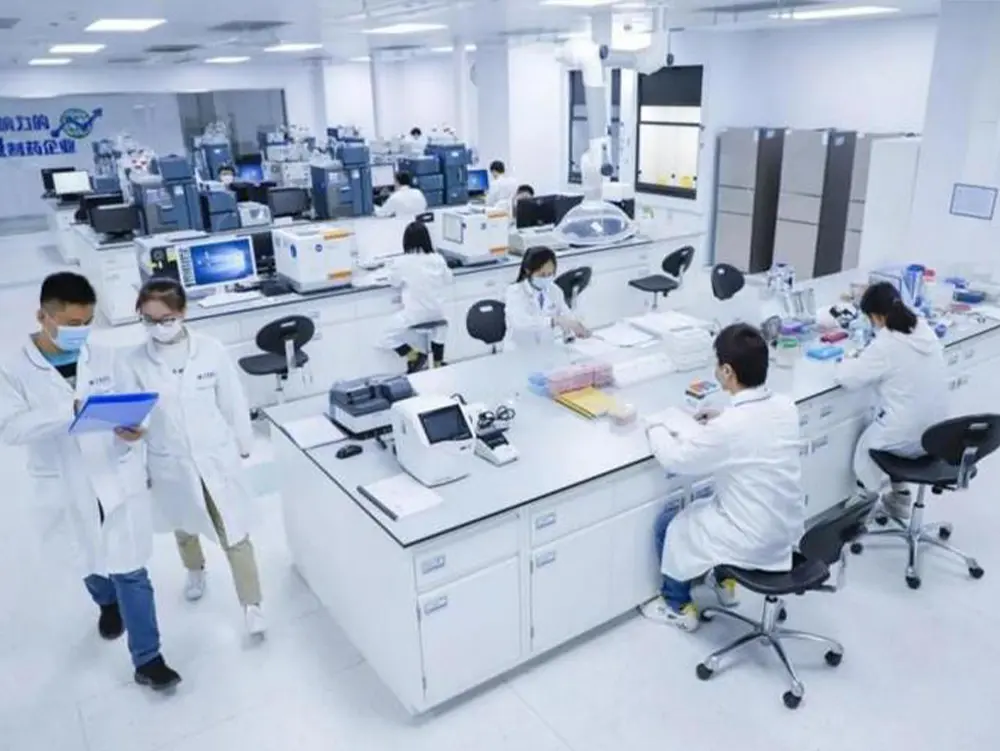
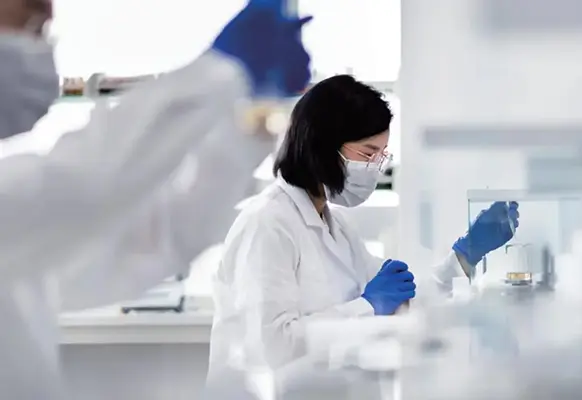
Every production run undergoes gas chromatography (GC), gel permeation chromatography (GPC), and rheological testing. This guarantees that parameters like vinyl density and molecular weight distribution remain within tight tolerances.

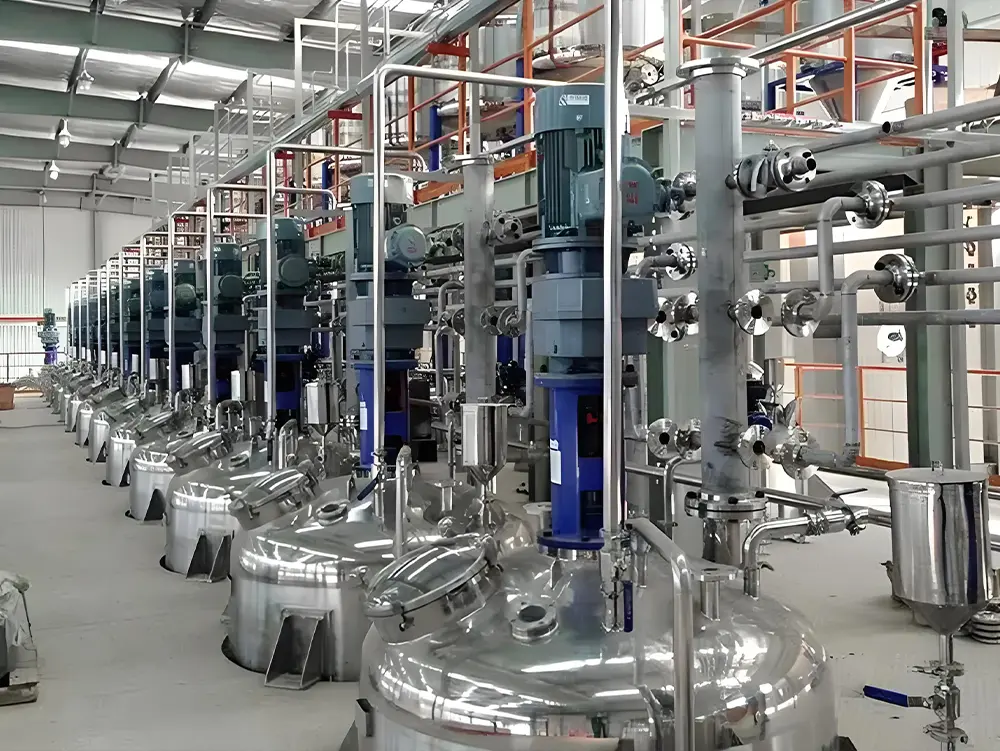
With our recent $65 million investment in Bohai Industrial Park, Shouguang City, our facilities handle high-volume demands, running DCS-automated production lines with an annual output of 30,000 tons.

Our chemical engineers assist with product selection, process optimization, and troubleshooting, providing prompt technical support across international time zones.

Located near major shipping ports and transportation hubs in Shandong, we coordinate efficient freight shipping to European, Asian, and American markets, ensuring secure delivery.
Tailored Elastomer Formulations and Silane Chemistry for Demanding Industrial Sectors
The applications for our specialized organosilicon systems extend across multiple high-performance industries. Because our materials maintain structural integrity under extreme thermal, chemical, and electrical stress, they serve as critical inputs in modern engineering applications:


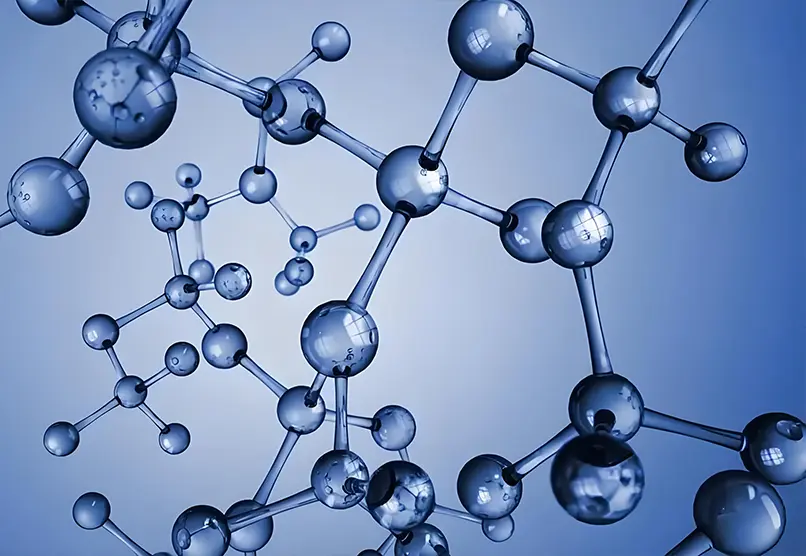
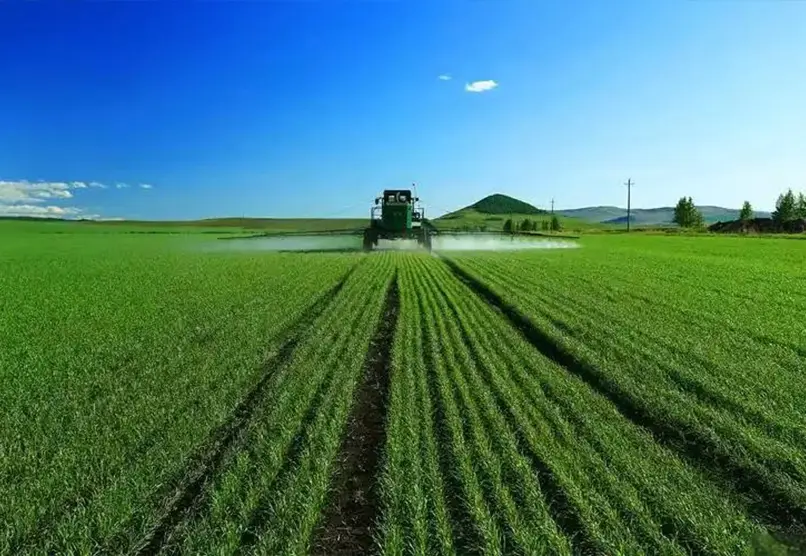
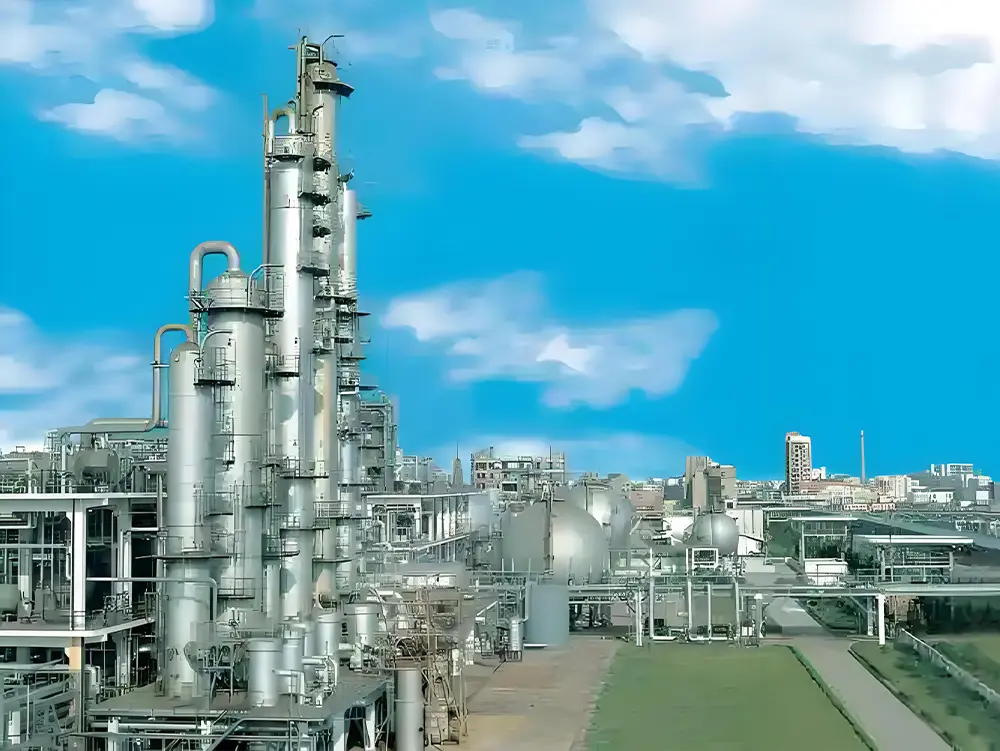
To support global supply needs, Boctok invested US$65 million to establish a manufacturing plant in the Bohai Industrial Park, Shouguang City, Shandong Province. This specialized facility houses 6 automated, continuous-feed DCS production lines dedicated to expanding the production chain of silane coupling agents, achieving an annual capacity of 30,000 tons.
Our production facilities utilize modern process control architectures to ensure product quality and safety:
Our research and development pipeline focuses on three key areas to support the transition toward sustainable industrial chemistry:
1. Low-VOC Crosslinkers: Developing methoxy-free silane compounds that release non-hazardous byproducts during moisture-curing. This helps compliance with strict environmental regulations like REACH and VOC restrictions.
2. High-Efficiency Platinum Curing: Developing micro-encapsulated hydrosilylation catalysts that remain stable during storage but activate rapidly at low temperatures. This reduces energy consumption for downstream compounders.
3. Bio-sourced Intermediates: Formulating sustainable alternatives for petroleum-based additives by incorporating bio-succinic acid and related building blocks into our hydrocarbon resin lines.
Delivering Reliable Silicone Materials Globally with Strict Environmental Standards
Boctok’s products are exported to demanding markets globally, including North America, Europe, Japan, South Korea, Australia, South America, the Middle East, India, Southeast Asia, and Russia. We operate dedicated logistics hubs and support teams to assist international clients with import processes, customs clearance, and technical requirements.
We operate dedicated wastewater treatment systems that neutralize chemical process water, recycle clean water back into cooling systems, and minimize environmental discharge.
Our Shouguang plant features closed-loop gas capture hoods connected to catalytic oxidizers, ensuring process emissions are scrubbed clean before venting.
We work to register our core products under EU-REACH, ensuring conformity with RoHS, TSCA, and localized environmental restrictions globally.
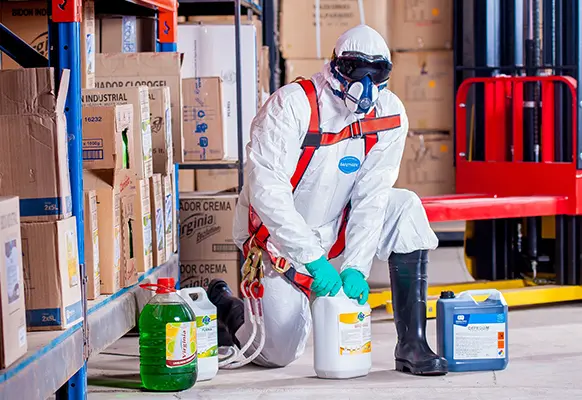
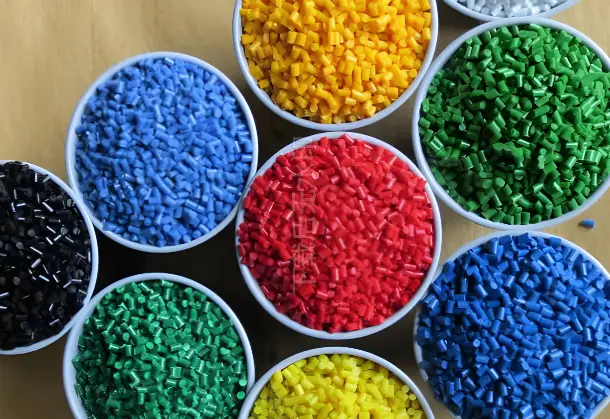
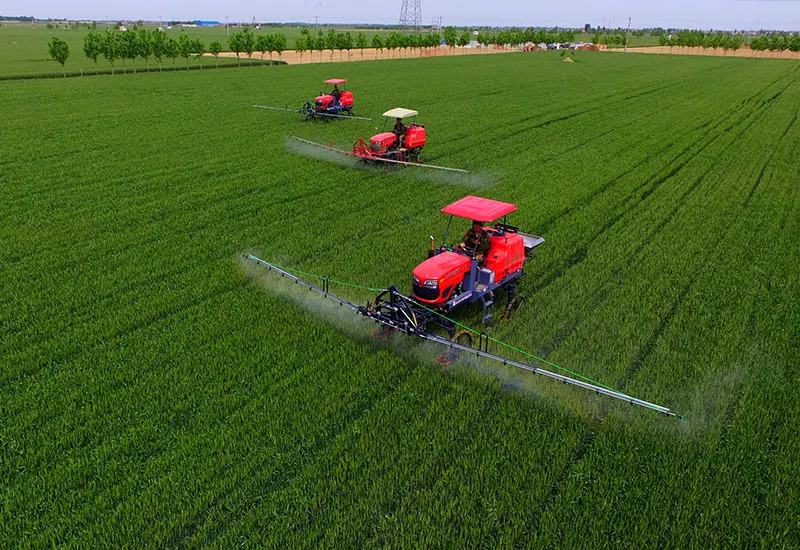
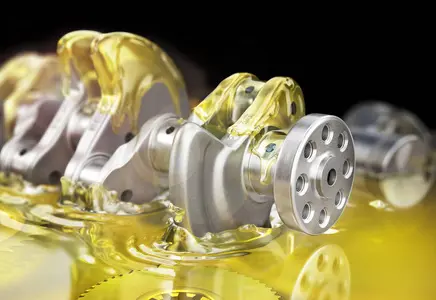
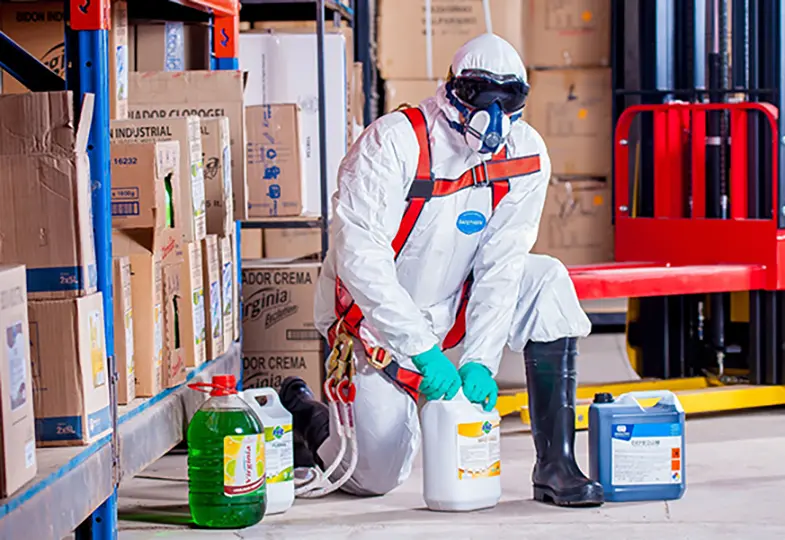
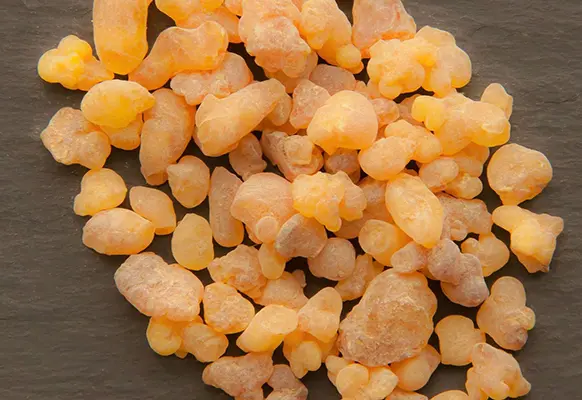
Visualizing the Versatility of Boctok's Polymer & Silicone Systems


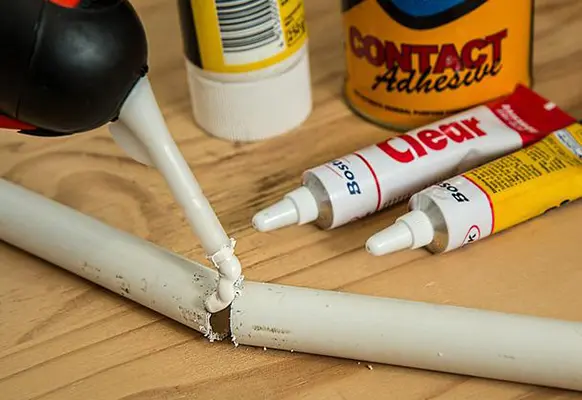
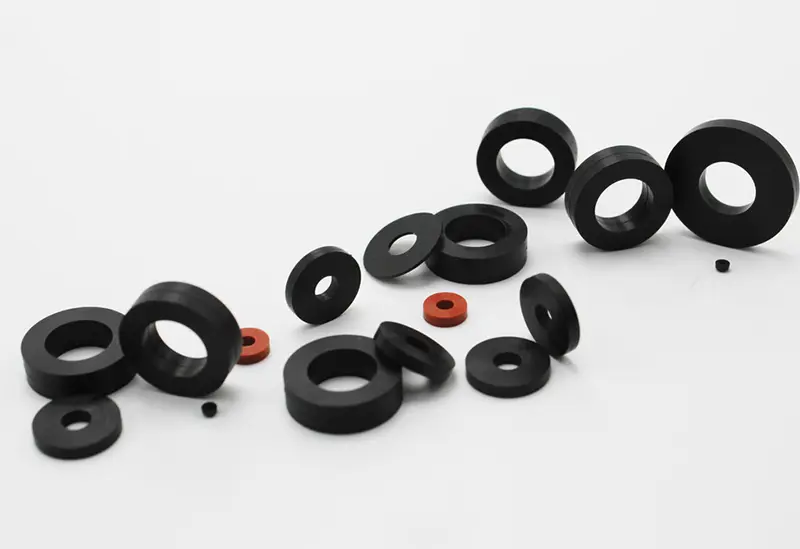








Answers to Technical Questions Regarding Cure Chemistry, Vinyl Content, and Application Optimization
The vinyl molar concentration directly controls the crosslinking density of the cured rubber. Higher vinyl levels speed up the cure rate and increase hardness, modulus, and tear resistance. However, excessive vinyl can reduce elongation and flexibility under low-temperature conditions. Our technical team can help you select the optimal grade for your specific application requirements.
110 Methyl Vinyl Gum is our standard high-consistency base, optimized for general industrial insulation and electrical profiles. The 120/Y-120 Phenyl Gum introduces phenyl groups along the siloxane backbone. This prevents crystallization at low temperatures, expanding the working range down to -120°C and improving radiation resistance for specialized applications.
Our materials are compatible with both peroxide-based free-radical curing (using crosslinkers like DBPH or BP for HCR extrusion/molding) and platinum-catalyzed addition-curing systems. Addition-curing provides fast cycle times, leaves no chemical byproducts, and is preferred for medical, food-contact, and optical applications.
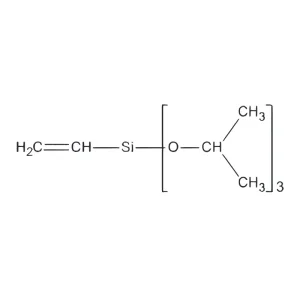
Silica fillers have polar surface silanol groups that make them incompatible with non-polar silicone polymers. Silane coupling agents (like vinyl silanes or aminosilanes) act as molecular bridges. They chemically bond to both the silica surface and the elastomer backbone, lowering compound viscosity, improving filler dispersion, and increasing tear strength and abrasion resistance.
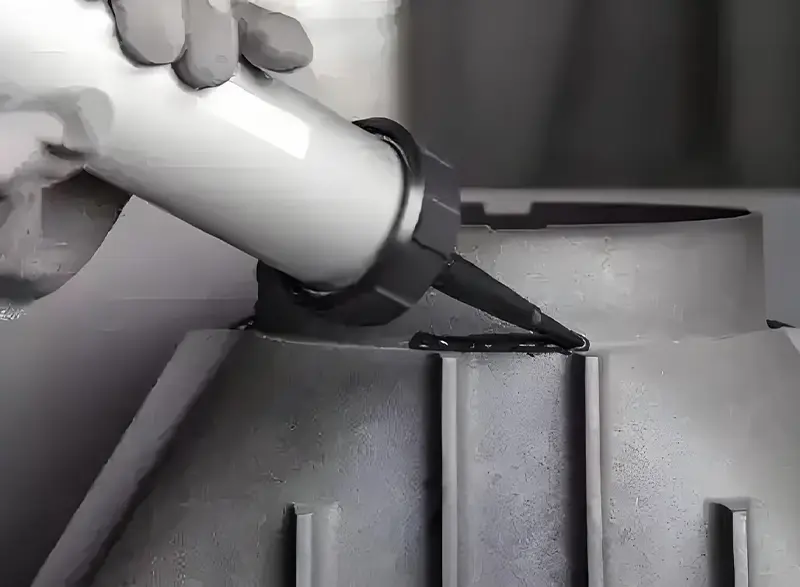
Yes, our hydrocarbon resins (such as C5, C9, and C5/C9 copolymerized resins) can be blended into adhesive formulations to modify tack, shear strength, and peel adhesion. These combinations are widely used in industrial hot-melt sealants, road marking formulations, and specialized rubber compounds.
Functional Monomers, Specialized Silanes, and Agrochemical Preparations
 Boctok Chemical