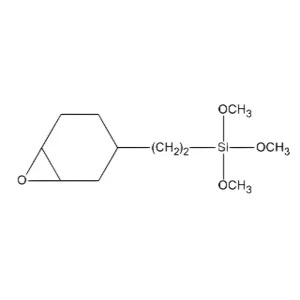
Explore our high-performance organic silicon compounds, silane coupling agents, and functional monomers engineered to boost formulation performance.
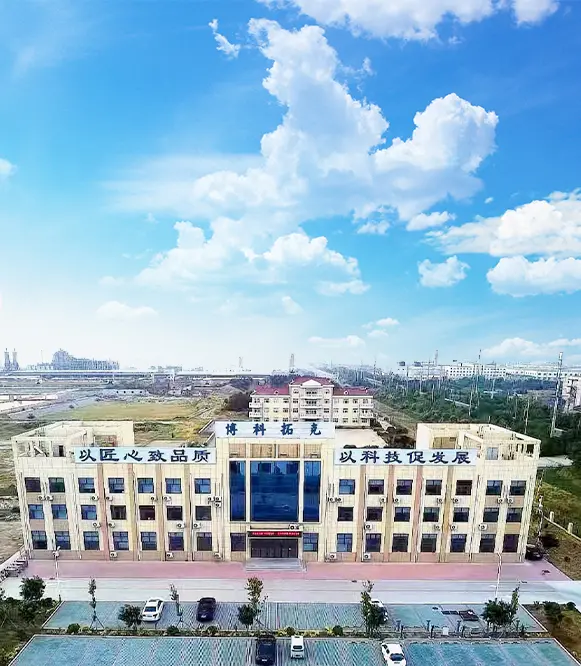
Shandong Boctok Chemical Co. was founded in 2012 as a consolidated marketing, sales, and technology innovation center for Boctok™ domestic and overseas operations. Benefiting from continuous advancements in silicone chemistry, the corporation achieved a milestone sales volume of US$280 million in 2023. Under the BOCTOK brand, we specialize in serving the Russian market and CIS countries while expanding our reach globally.
Our comprehensive organosilicone pipeline encompasses twelve series of silane coupling agents and crosslinkers. This includes specialized aminosilane, methacrylate silane, epoxy silane, vinyl silane, mercaptosilane, alkyl silane, ethyl silicate, chlorosilane, silane isocyanates, phenyl silane, ureidosilane, and serosilane.
Beyond coupling agents, Boctok focuses on silicone oil, silicone resin, and silicone rubber derivatives. Our standard catalog features high-hydrogen silicone oil, dimethicone, vinyl silicone oil, polyphenylmethyldimethylsiloxane, phenyl silicone oil, silanol silicone oil and OH polymer, alkoxy silicone oil, methyl MQ resin, vinyl VMQ resin, room-temperature vulcanized methyl silicone rubber, 110 methyl vinyl silicone rubber, and 120 methyl phenyl rubber. These compounds provide properties essential for industries like glass fiber, wind energy, coatings, XLPE cables, oil drilling, and medical engineering.
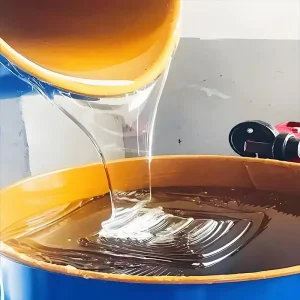
An in-depth chemical profile, reaction mechanisms, and viscosity mapping for industrial crosslinking applications.
Vinyl Silicone Oil, chemically identified as Vinyl-Terminated Polydimethylsiloxane (Vi-PDMS), is the foundational polymer class utilized in addition-cure silicone systems. Structurally, it consists of a linear siloxane backbone of repeating dimethylsiloxy [-(CH3)2SiO-] units terminated at chain ends by dimethylvinylsiloxy [-(CH3)2(CH=CH2)SiO-] groups. In specialty applications requiring high crosslink density or modification of polymer networks, lateral vinyl groups are incorporated along the methylsiloxane chain to yield methylvinylsiloxane copolymers.
The terminal vinyl groups act as highly reactive sites for addition reaction crosslinking. Because the vinyl configuration exhibits high thermodynamic stability under normal conditions, the polymer remains stable during storage, showing no self-polymerization tendency in the absence of silicon-bonded hydrogen (Si-H) crosslinkers and active group-VIII metal catalysts.
The manufacturing of vinyl-functionalized silicone oil at Boctok Chemical leverages clean, equilibrium-controlled ring-opening polymerization of octamethylcyclotetrasiloxane (D4) or dimethyl cyclosiloxanes (DMC), using 1,3-divinyl-1,1,3,3-tetramethyldisiloxane as the endblocker (chain transfer agent).
The commercial value of Vinyl Silicone Oil lies in its reaction with polymethylhydrosiloxane (crosslinker) via platinum-catalyzed hydrosilylation. The reaction proceeds at room temperature or under accelerated thermal conditions.
Key Process Advantages:
Unlike peroxide-initiated free-radical systems (often used in HTV rubbers), addition curing via hydrosilylation produces zero volatile byproducts (such as organic acids or alcohols), minimizing shrinkage, bubble formation, and post-cure treatment requirements.
| Property Parameter | Vi-PDMS (Vinyl Terminated) | OH Polymer (Silanol Terminated) | Dimethicone (Methyl Terminated) |
|---|---|---|---|
| Curing Chemistry | Hydrosilylation (Pt catalyzed, addition) | Condensation (Tin/Titanium cat.) | Non-reactive (Physical fluid) |
| Byproducts | None (Addition reaction) | Alcohols / Oximes / Water | N/A |
| Thermal Stability | Up to 250°C (optimized formulations) | Up to 200°C | Up to 180°C |
| Primary Application | LSR, Gel encapsulation, LED packaging | RTV Sealants, mold-making rubbers | Lubricants, personal care, damping |
How our polymer architectures are utilized across specialized industrial and commercial sectors globally.
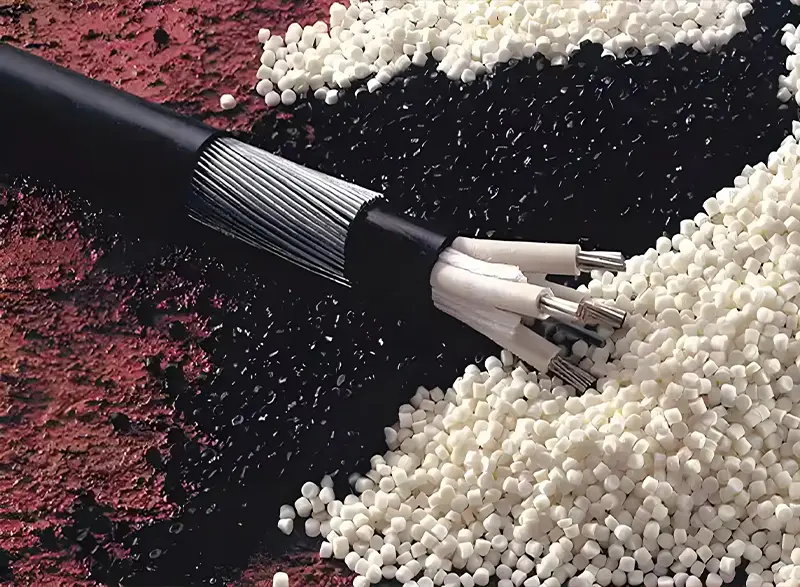
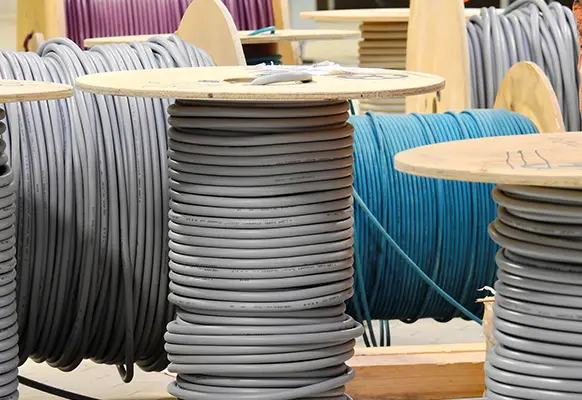
Formulations with high-viscosity vinyl fluid combined with silica fillers serve as base polymers for high-voltage cable accessories and cold-shrink joints, ensuring reliable dielectric performance.
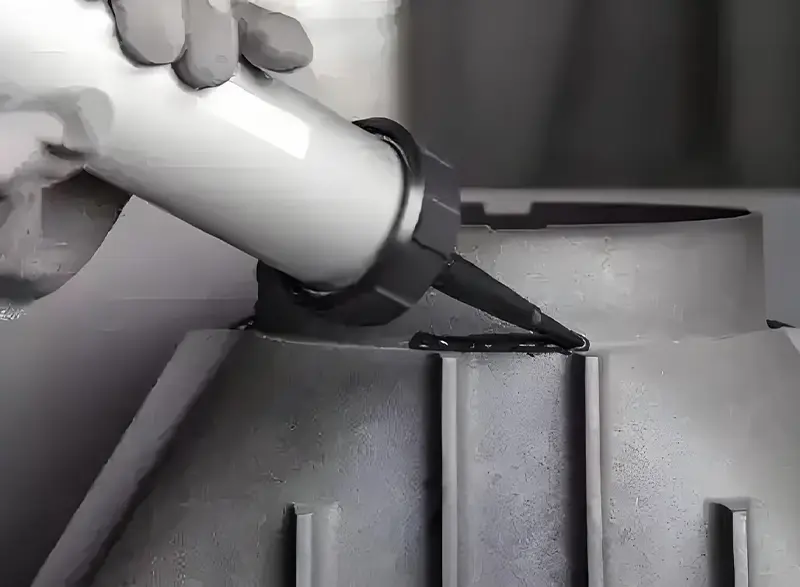
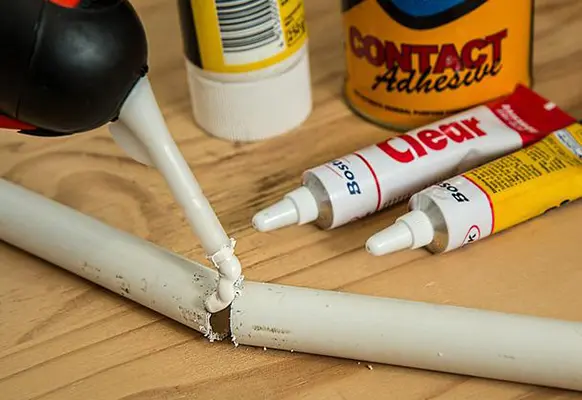
Our vinyl oils, blended with MQ resins, formulate adhesives designed for electronics, thermal tapes, and specialty masks requiring clean removal properties.
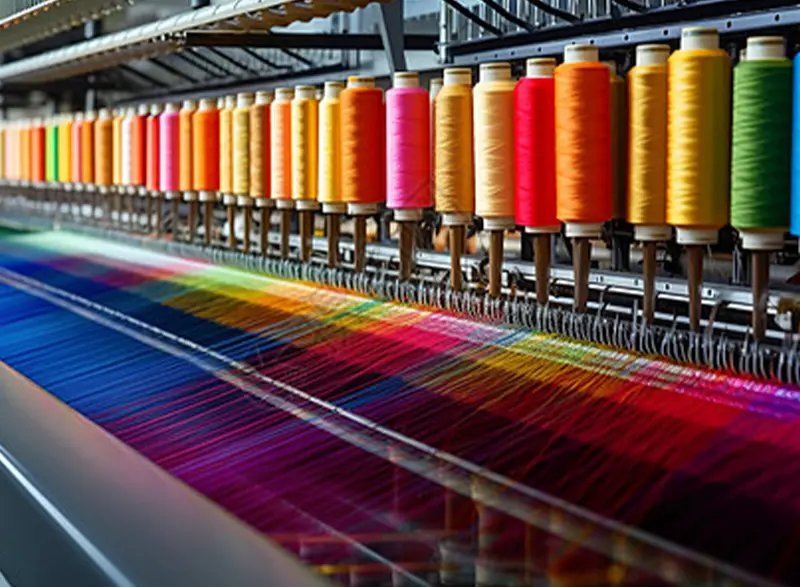
Low-viscosity vinyl silicone oil helps construct crosslinked elastomeric coatings on fabrics, imparting soft hand-feel, durability, and hydrophobic wash resistance.
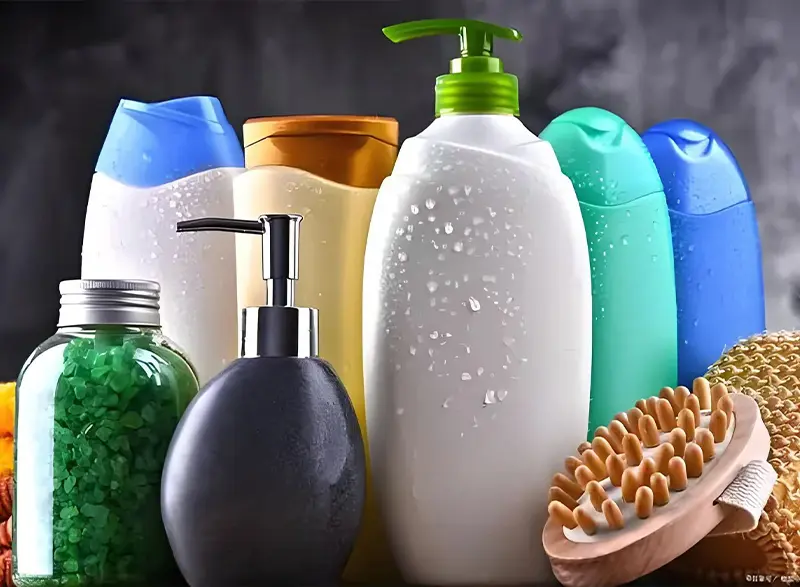
Custom molecular-weight vinyl copolymers serve as sensory modifiers in skin care and hair care preparations, forming protective, breathable films.
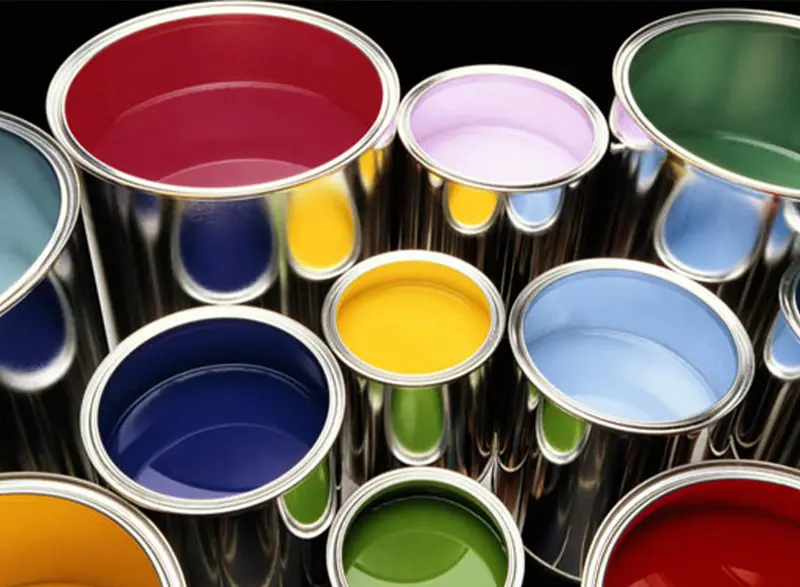
Incorporated with petroleum resins, silicone hybrid systems provide long-term weatherability, UV resistance, and corrosion barriers in maritime and outdoor steel construction.
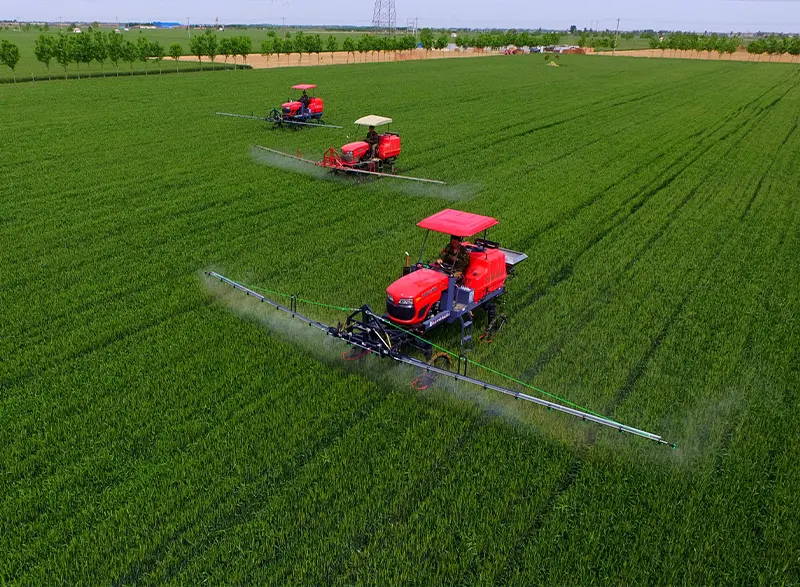
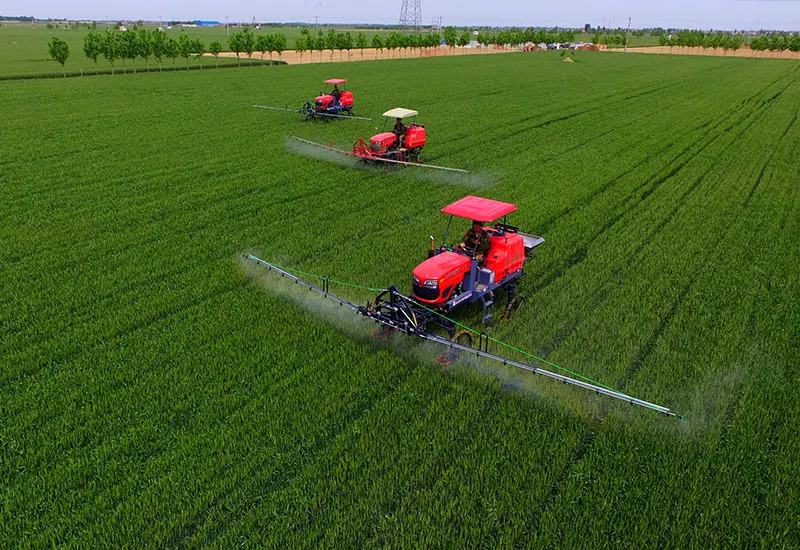
Modified silicone fluids function as spreading agents, improving pesticide absorption and rainfastness on crops.
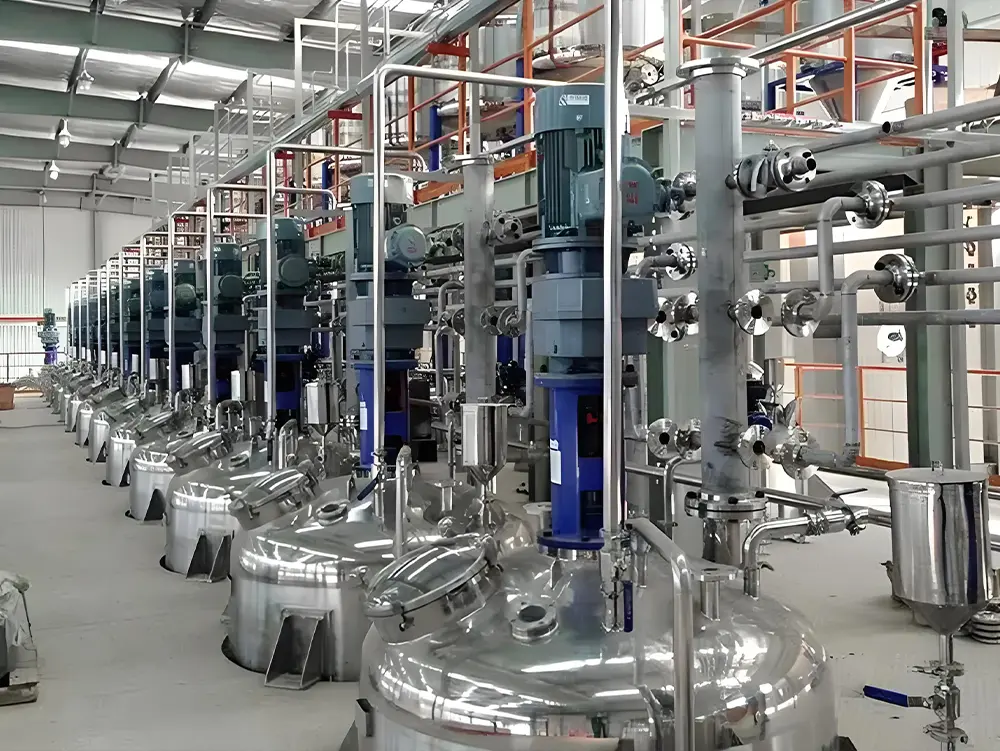
To support global demand for organosilicone compounds, Boctok invested US$65 million to build a modern production facility in the Bohai Industrial Park, a certified chemical zone in Shouguang City, Shandong Province.
This expansion integrates 6 automated DCS production lines with an annual capacity of 30,000 tons of silane coupling agents and silicone intermediates.
Our plants employ remote-control DCS systems alongside SIS safety instrument loops to maintain production consistency. Integrated treatment facilities handle waste gas and wastewater streams, adhering to international environmental standards.

Our Tier II businesses complement our primary silicone pipeline to serve the petroleum resin and agricultural sectors.
Operating three factories located in Zibo, Fushun, and Nanjing, Boctok utilizes petrochemical streams from SINOPEC and PetroChina to refine high-purity C5 and C9 hydrocarbon resins.
Our portfolio includes C9 hydrogenated resins, C5 hydrocarbon resins, C5 modified C9 resins, dicyclopentadiene (DCPD), and methyl cyclopentadiene dimer, catering to adhesive, coating, and rubber manufacturers worldwide.

Boctok supports the crop protection market by producing agricultural chemical intermediates, active ingredients, and formulation adjuvants.
Our agrochemical catalogue includes components for the synthesis of targeted pesticides, systemic fungicides, insecticides, seed treatments, selective herbicides, and plant growth regulators.



Why Tier-1 industrial buyers partner with Boctok for high-performance chemical sourcing.

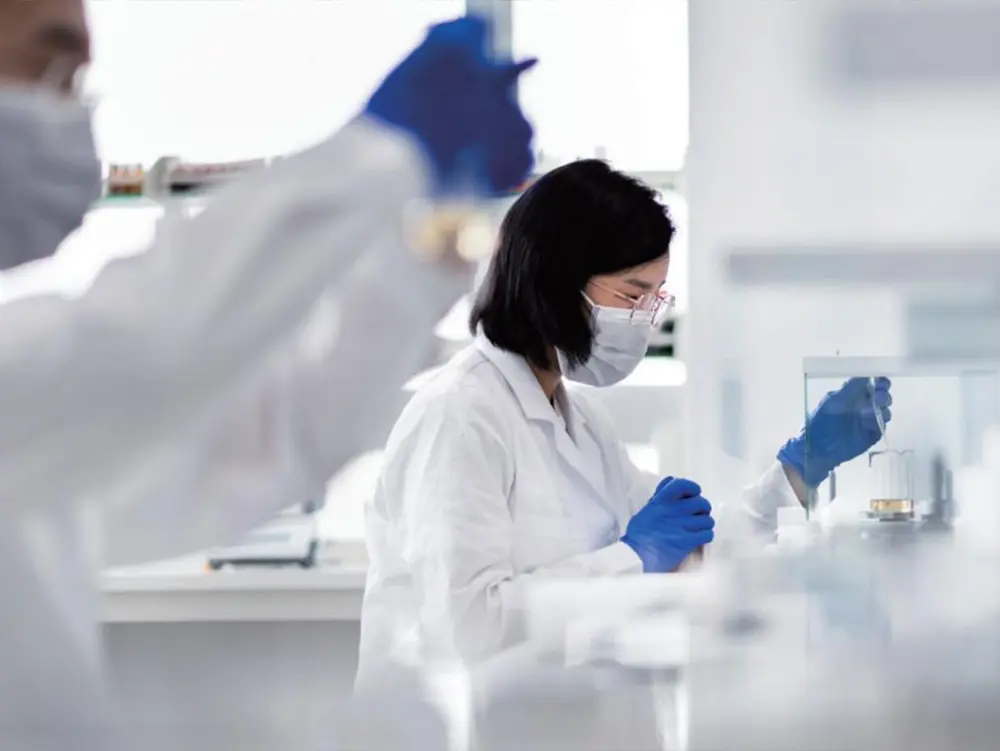
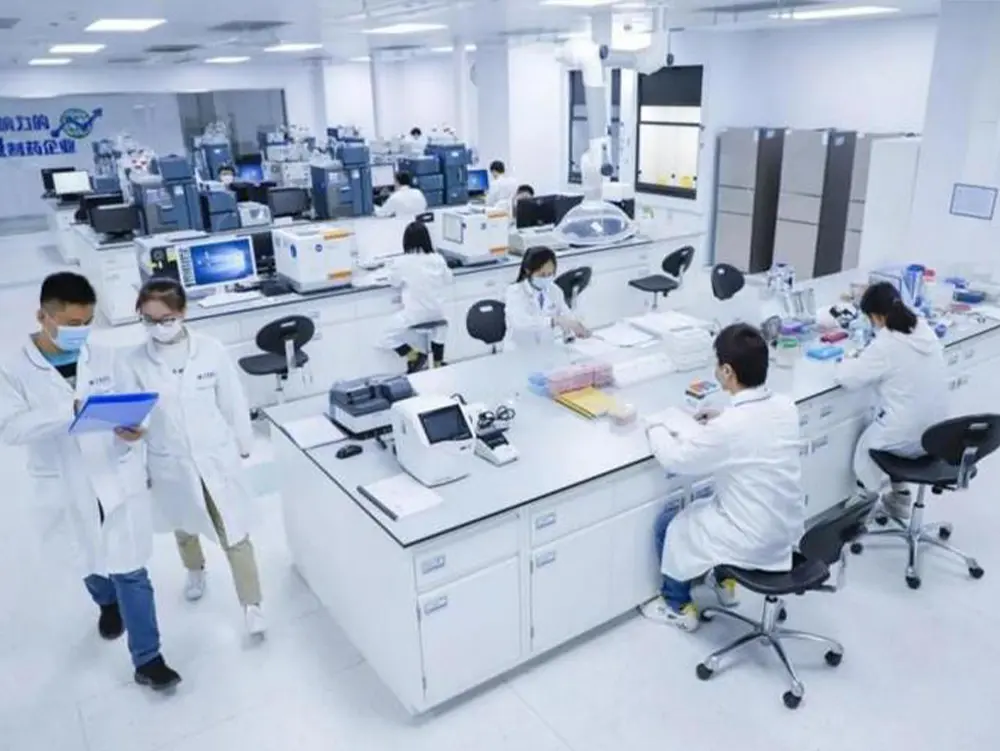
Every product batch is tested by gas chromatography (GC) and FTIR spectroscopy to ensure vinyl content, volatile limits, and viscosity standards match technical specifications.

With 6 automated DCS-controlled loops producing 30,000 tons of silane coupling agents annually, we handle scale orders and custom modification requests.

Our technical team is available online to support formulation troubleshooting, viscosity adjustments, and custom packaging designs.

Direct routes to key trade corridors enable timely transport of raw materials and formulations to European, North American, Russian, and Asian hubs.
Browse the full list of industries and segments served by our functional fluids and polymers.












Targeting top technical queries from procurement engineers, polymer chemists, and production managers.
Performance is primarily determined by viscosity (typically ranging from 50 cSt to over 100,000 cSt, reflecting molecular weight) and vinyl content (expressed in weight percent or mol percent). Low-viscosity fluids yield rigid matrices due to higher concentration of terminal groups per unit volume, whereas high-viscosity variants impart flexibility and tear strength in elastomers.
Addition curing utilizing platinum catalysts avoids the formation of byproducts, ensuring low shrinkage and clean post-cure surfaces. Peroxide curing, which relies on free-radical extraction, produces organic acid residues that can cause outgassing and require long post-curing cycles.
These elements acts as "catalyst poisons." Traces of amines, organosulfur compounds, or tin stabilizers chemically coordinate with the platinum center, blocking coordination sites and preventing hydrosilylation curing.
Standard Vinyl-terminated PDMS fluids remain stable for over 36 months when stored in sealed containers under dry conditions below 30°C. Once blended with hydrogen-containing crosslinkers and catalysts, the working life varies depending on the inhibitor formulation.
Select from our targeted chemical synthesis line for coatings, composites, polymer modification, and formulation stabilizers.
 Boctok Chemical
![Famous Bis-[3-(trimethoxysilyl)-propyl]amine CAS 82985-35-1 Products, Product](https://site.cdnfile.io/www.boctoksilicone.com/b7a8c47713f462756c9e61cb65cea17f300_300.webp)