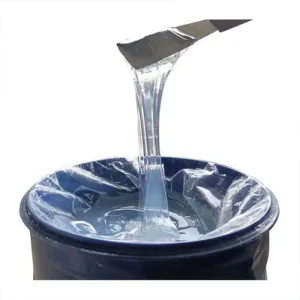
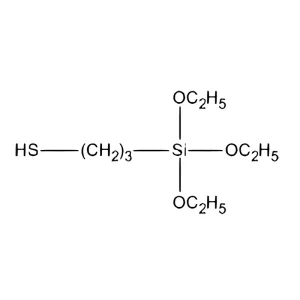
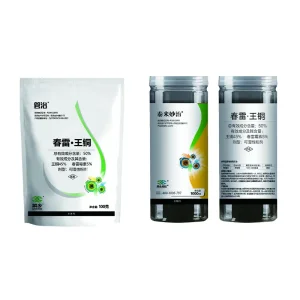
Featured organosilicon agents, structural silanes, and industrial compounds sourced from our state-of-the-art manufacturing facilities.
Silanol-Modified Silicone Oil (typically referred to as silanol-terminated polydimethylsiloxane) represents a crucial evolutionary branch in high-performance polymer chemistry. Featuring active hydroxyl (OH) groups bonded to silicon terminals, this molecular architecture exhibits an exceptional propensity for cross-linking. Unlike inert methyl silicone fluids, these reactive functional sites enable developers to formulate materials that easily transition from fluid monomers to dense elastomeric structures under ambient or accelerated temperatures. This chemical dynamism forms the bedrock of advanced adhesives, high-durability coatings, elastic sealants, and customized surface modifiers.
The global demand for silanol-modified silicones is shifting rapidly towards high-purity, environmentally compliant, and low-VOC (Volatile Organic Compounds) profiles. For decades, traditional organosilicon processing relied heavily on catalyst-heavy cures that generated environmental challenges. Modern industrial trends emphasize water-borne, solvent-free crosslinkers and silanol-functional emulsions that combine mechanical durability with minimal footprint.
Additionally, integration with organic matrices—known as hybrid polymers—is dominating the market. Modifying polyacrylates, polyesters, and epoxies with silanol-modified silicone oils improves weatherability, UV exposure lifespan, and chemical resistance. Researchers are focusing on precise block copolymerization, optimizing molecular weight distribution to achieve exceptional impact resilience and thermal stability in extreme cold and high-heat applications.
For chemical procurement managers worldwide, identifying premium silanol-modified silicone oil suppliers is a critical task. Key sourcing specifications must align with application requirements:
China's chemical landscape has transitioned from high-output commodity synthesis to high-precision, automated manufacturing. Shandong Boctok Chemical Co. stands at the forefront of this industrial shift. Through a recent investment of US$65 million in Shouguang’s Bohai Industrial Park, Boctok built a modern facility featuring 6 automatic Distributed Control System (DCS) production lines, delivering an annual output of 30,000 tons of silane coupling agents and silicone intermediates.
Factory 4.0 integration at Boctok ensures production is controlled by advanced Safety Instrumented Systems (SIS) alongside DCS automation. This digital infrastructure removes human variables from the synthesis process, guaranteeing uniform molecular distribution. Environmental protection is central to our operations, featuring dedicated waste gas collection systems and state-of-the-art wastewater treaters. This guarantees regulatory compliance and stable delivery of goods globally, even amid strict environmental controls.
Our core capabilities focus on quality, scale, customer support, and supply chain speed.

Our products undergo rigorous testing and molecular validation to ensure that every aspect meets the highest global quality standards.

We feature advanced automated DCS lines that allow us to scale production efficiently and meet the demand for custom viscosities.

Our dedicated chemical application engineers are available 24/7 online to offer technical support and custom synthesis solutions.

Optimized logistics hubs close to major marine ports guarantee rapid packaging, custom clearance, and on-time global shipping.
Silanol-Modified Silicone Oil acts as a vital modifier, binder, and hydrophobic coating agent across several core industries. By varying the chain length and hydroxyl termination density, these formulations are optimized for different application requirements:

Highly refined silicone oils serve as active defoamers and moisture-repelling carriers for critical agricultural active ingredients.

Provides a breathable barrier, silky finish, and high affinity to skin, and serves as a base for hair conditioners.
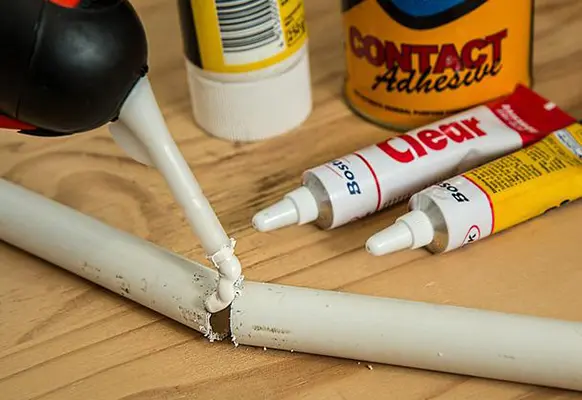
Silanol-terminated bases crosslink to form robust, heat-stable, and weatherproof seals for glass facades and automotive parts.

Guarantees reliable thermal management, moisture exclusion, and electrical insulation in demanding circuit board assemblies.

Used to produce gaskets, heat shields, and dynamic coatings designed to withstand extreme thermal variations.

Provides hydrophobic qualities and excellent softness to synthetic and natural fibers, enduring repeated washing cycles.
Boctok’s core operations are divided into three tiers, ensuring reliable raw material supply across diverse markets:
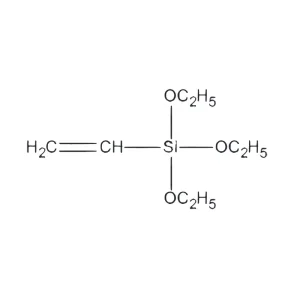
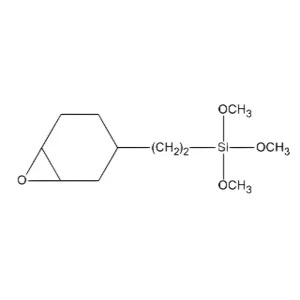
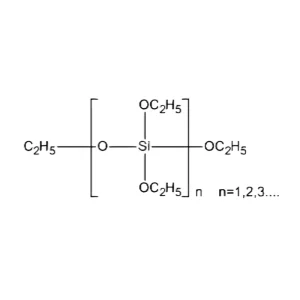
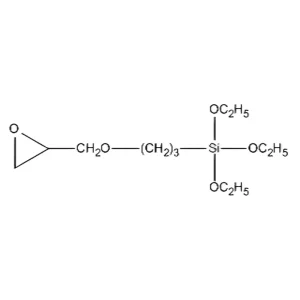
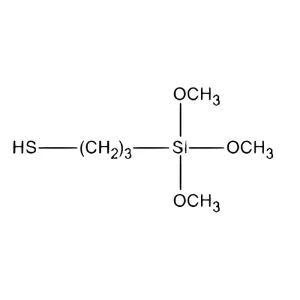
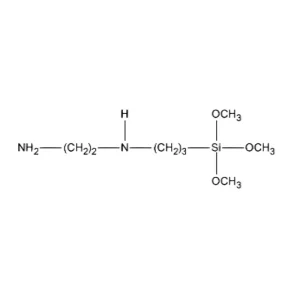
I. Organosilicon Series: Covers twelve specialized silane coupling agents and crosslinkers. This includes *aminosilane, methacrylate silane, epoxy silane, vinyl silane, mercaptosilane, alkyl silane, ethyl silicate, chlorosilane, silane isocyanates, phenyl silane, ureidosilane, and serosilane*. In silicone polymers, Boctok provides *high-hydrogen silicone oil, dimethicone, vinyl silicone oil, polyphenylmethyldimethylsiloxane, phenyl silicone oil, silanol silicone oil (OH polymer), alkoxy silicone oil, methyl MQ resin, vinyl VMQ resin, room-temperature vulcanized methyl silicone rubber, 110 methyl vinyl silicone rubber, and 120 methyl phenyl rubber*. These materials serve critical roles in glass fiber reinforcement, electronics encapsulation, wind energy blade manufacturing, and electric cable compounding (XLPE).
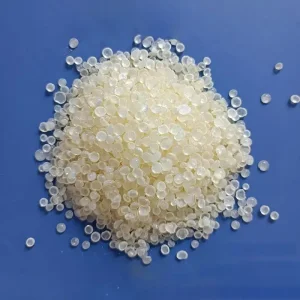
II. Petroleum Resins: Produced in our three operating factories in Zibo, Fushun, and Nanjing. Capitalizing on raw materials from SINOPEC and PetroChina, Boctok provides *C9 hydrogenated resins, C5 hydrocarbon resins, C5 modified C9 hydrocarbon resins, C9 hydrocarbon resins, dicyclopentadiene, and methyl cyclopentadiene dimer*. These resins are essential for hot-melt adhesives, road marking paints, printing inks, and rubber compounding.
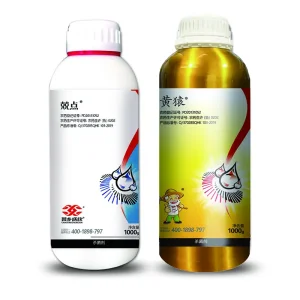
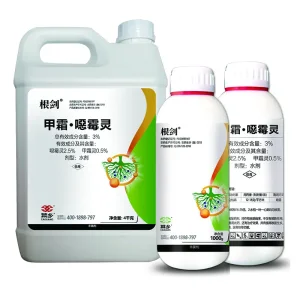
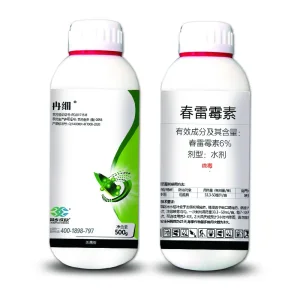
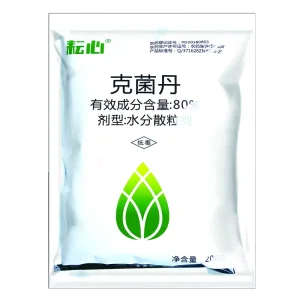
III. Agrochemical Industry: Boctok supplies intermediates and raw materials for the production of pesticides, fungicides, insecticides, seed treatments, herbicides, and plant growth regulators.
Answering key formulation, application, and procurement questions for chemical engineers and sourcers.
Explore our secondary tier of high-purity coupling agents, mercaptosilanes, and petroleum resins.
 Boctok Chemical