Famous Plastic Reinforcement Silane Manufacturers & Supplier

High-Performance Coupling Agents and Organosilicon Materials Driving Polymer Chemistry Evolution & Structural Integrity

Featured Silane Intermediates & Materials

Premium solutions engineered for industrial compound enhancement, surface functionalization, and polymer crosslinking.
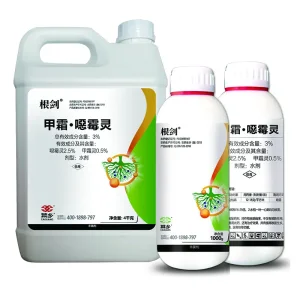
Famous Три процента крема от меха Suppliers

Famous Три процента крема от меха Suppliers, Supplier

Explore Specifications
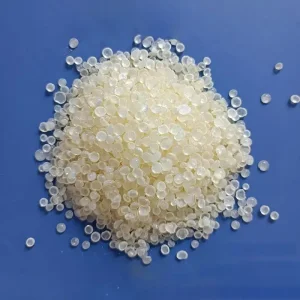
Famous C5 Hydrocarbon Resin

Famous C5 Hydrocarbon Resin Petroleum Resin for Thermoplastic Road Marking Paint CAS 68131-99-7 Company, Products

Explore Specifications
Famous Y-120 Phenylsilicone Rubber

Famous Y-120 Phenylsilicone Rubber/Methylvinylphenylsilicone Gum/PVMQ CAS 63148-52-7 Product, Supplier

Explore Specifications
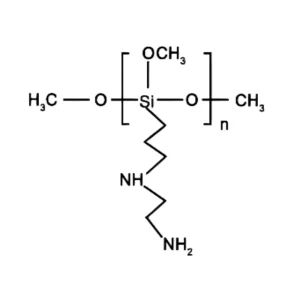
China Bis(aminosilane) polymers

China Bis(aminosilane) polymers CAS 106163-31-5 Manufacturer, Manufacturers

Explore Specifications
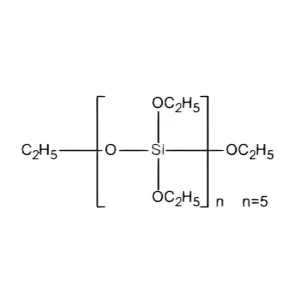
China Ethyl silicate 40

China Ethyl silicate 40 CAS 11099-06-2 Companies, Products

Explore Specifications
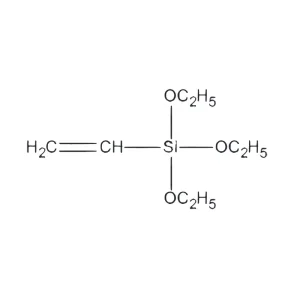
Famous Vinyltriethoxysilane

Famous Vinyltriethoxysilane Cas 78-08-0 Company, Supplier

Explore Specifications
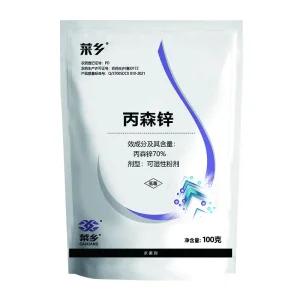
China 70% проксицинка

China 70% проксицинка Products, Product

Explore Specifications
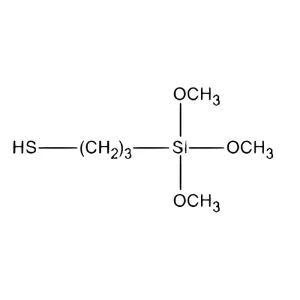
Famous 3-Mercaptopropyltrimethoxysilane

Famous 3-Mercaptopropyltrimethoxysilane Products, Product

Explore Specifications

Industrial Whitepaper: Elevating Polymer Performance with Silane Coupling Chemistry

Shandong Boctok Chemical Co. presents a comprehensive study on plastic reinforcement silanes and organic-inorganic interfacial bonding mechanisms.

1. Executive Summary & Corporate Foundations

In modern polymer engineering, the interface between the inorganic reinforcement phases (such as glass fibers, mineral fillers, or silica) and the organic polymer matrix dictates the final mechanical, thermal, and electrical performance of the composite material. Under environmental stresses, particularly moisture and thermal aging, uncoupled polymer-filler interfaces are highly susceptible to micro-delamination and structural failure. Organofunctional silanes act as the critical chemical bridge that resolves this thermodynamic mismatch.

Founded in 2012, Shandong Boctok Chemical Co. has established itself as a premier developer and international supplier of high-performance organosilicon coupling agents and custom petroleum resins. Serving as the strategic marketing and sales operations hub for domestic and global sectors, Boctok achieved an outstanding annual sales performance of US$280 million in 2023. By positioning the premium BOCTOK™ brand specifically to cater to high-performance demand across global industrial segments, the company provides continuous chemical innovation and deep supply chain security for specialized engineering composites, advanced wiring applications, adhesives, coatings, and agricultural formulations.
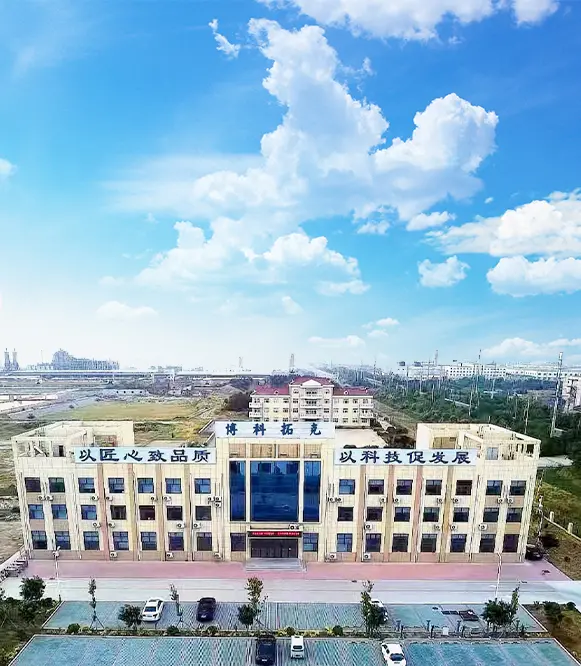
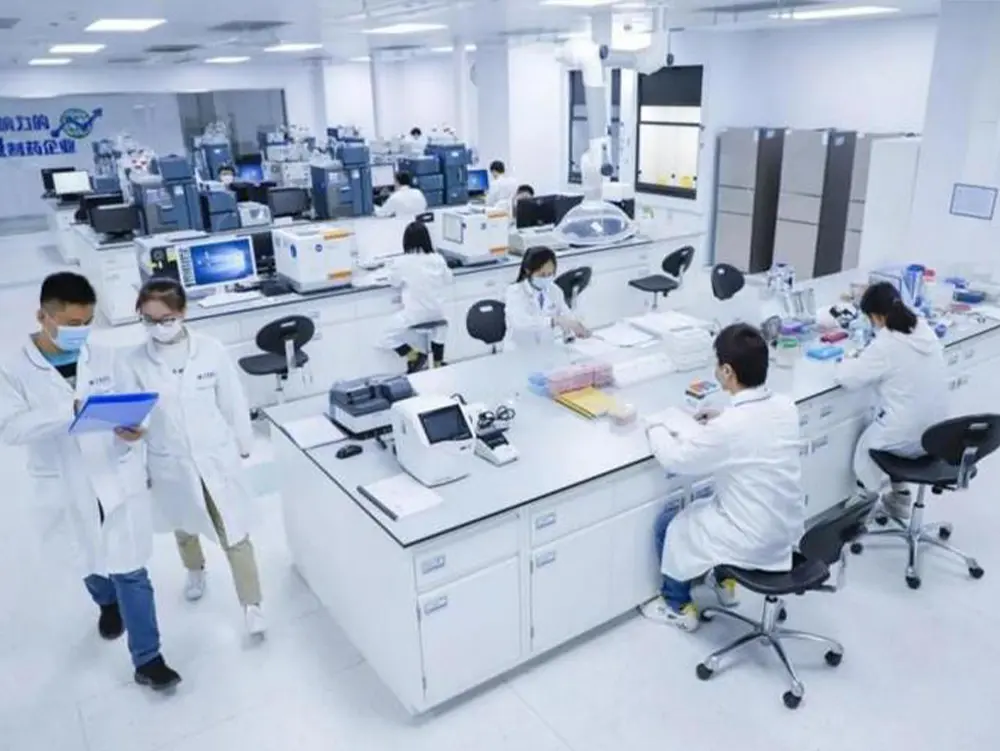
Shandong Boctok Chemical Production Facility
2012
Established Year
$280M
2023 Sales Revenue
30,000T
Annual Silane Output
6
Fully Automated DCS Lines

2. Interfacial Bonding & Reinforcement Mechanisms

Silane coupling agents possess a dual-reactivity molecular structure represented by the general formula Y-R-Si(OR')3. The OR' represents hydrolyzable alkoxy groups (typically methoxy, ethoxy, or acetoxy) that undergo a step-wise reaction process:

  • Hydrolysis: Alkoxy groups react with moisture to form highly reactive silanol ($Si-OH$) intermediates.
  • Adsorption: The silanols form hydrogen bonds with hydroxyl groups on the surface of inorganic substrates such as silica, glass fiber, kaolin, or alumina.
  • Condensation: Heating and curing form covalent oxane bonds ($Si-O-M$, where $M$ is the metal or silicon substrate atom), producing a highly stable siloxane network.

The organofunctional group Y (which can be amino, epoxy, vinyl, methacrylate, or mercapto) is specifically selected to react chemically with the host polymer matrix. This creates a continuous covalent network from the core of the inorganic reinforcement filler directly into the backbone of the synthetic polymer, maximizing load transfer efficiency, raising flexural modulus, and preventing moisture entry.

3. Multi-Tiered Product Line Architecture

Boctok’s material portfolio spans three core industrial verticals, allowing clients to formulate optimized composites and resins:

Organosilicone & Coupling Agents

We supply twelve major product classes: aminosilane, methacrylate silane, epoxy silane, vinyl silane, mercaptosilane, alkyl silane, ethyl silicate, chlorosilane, silane isocyanates, phenyl silane, ureidosilane, and serosilane. Our specialty derivatives include high-hydrogen silicone oils, dimethicone, vinyl silicone oil, and phenyl silicone rubber (PVMQ/RTV).

Petroleum Resins & Tackifiers

Our Tier II business operates out of three premium manufacturing bases in Zibo, Fushun, and Nanjing, drawing raw materials from SINOPEC and PetroChina. The range comprises C5 hydrocarbon resins, C9 hydrogenated resins, modified C5/C9 hybrid resins, dicyclopentadiene (DCPD), and methyl cyclopentadiene dimer.

Agrochemical Intermediates

Providing custom chemical syntheses, active ingredients, and vital intermediates used globally in the production of crop protection compounds, including selective herbicides, industrial fungicides, insecticides, and plant growth regulators.
China Factory 4.0: Supply Chain Resilience & Shouguang Expansion

A benchmark for smart, safe, and sustainable chemical manufacturing in Asia.

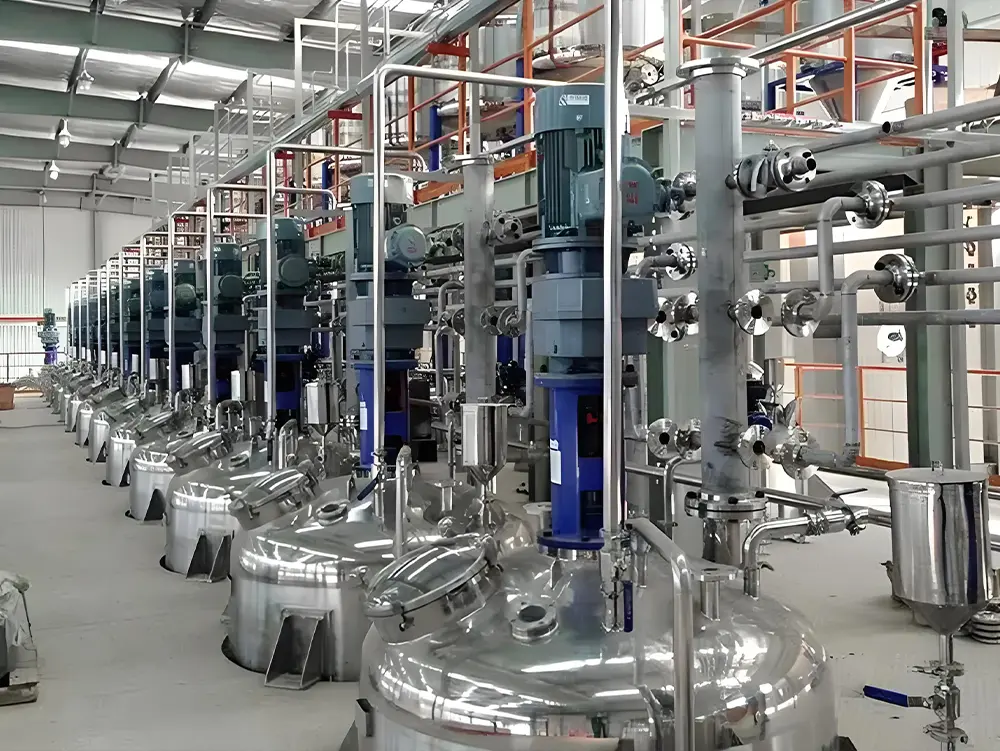
To support growing demands from Fortune 500 enterprises and address international capacity constraints, Boctok recently invested US$65 million to build a modern, high-tech manufacturing plant inside the Bohai Industrial Park, a highly regulated provincial chemical industry development zone in Shouguang City, Shandong Province. This advanced plant expands the manufacturing chain of high-purity silane coupling agents and is capable of an annual production capacity of 30,000 tons across 6 fully automated, state-of-the-art DCS lines.

Smart Process Control (DCS)

Every step of the synthesis, distillation, and packaging process is integrated with high-precision Distributed Control Systems (DCS). This allows real-time, remote management of flow rates, temperature profiles, and reaction pressures, eliminating batch-to-batch inconsistencies and stabilizing product quality.

Safety Instrumented System (SIS)

For high-risk reactions involving chlorosilanes and organic solvents, our plant runs an independent Safety Instrumented System (SIS). The system actively monitors safety metrics to automate plant shutdowns and secure processes during pressure anomalies, protecting workers and ensuring operational uptime.

Environmental Protection & Clean Loop

Boctok operates an advanced environmental management program. The Shouguang facility integrates custom waste gas capture and scrubber systems along with dedicated wastewater recycling loops. This meets the strictest provincial environmental standards, protecting the facility from regulatory shutdowns.

4. Meeting Global Procurement Demands

Large-scale global buyers require raw material suppliers to demonstrate more than just bulk capacity; they demand rigorous technical consistency, multi-layered quality control, and transparency. Boctok addresses these needs with:

  • Regulatory Compliance: We maintain complete chemical registration profiles, providing certified GHS documentation, and aligning with REACH guidelines to allow frictionless import and distribution across the European Union and other international jurisdictions.
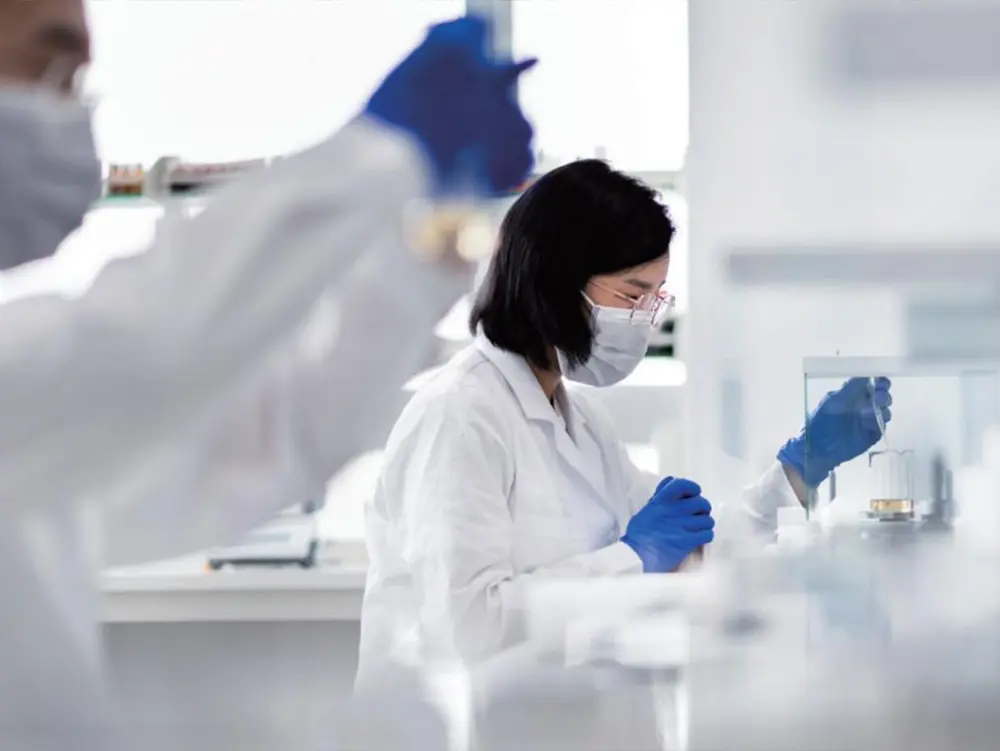
  • Quality Management Standards: Our manufacturing plants operate strictly under the ISO 9001 and ISO 14001 frameworks, ensuring that analytical testing (including GC-MS verification, refractive index monitoring, and colorimetry) is performed on every batch before dispatch.
  • Tailored Logistics Solutions: Leveraging our strategic proximity to major logistics hubs in Qingdao and Tianjin, we deliver products in specialized containers (such as bulk ISO tanks, moisture-barrier IBC containers, and steel drums) with customized desiccant systems to prevent hydrolysis during transit.

5. Technological Roadmap & Future Outlook

The organosilicon industry is rapidly transitioning toward green chemistry and specialized high-temperature applications. Boctok's technology roadmap highlights the development of next-generation chemical solutions:

Eco-Friendly, VOC-Free Silane Blends

Traditional silanes release volatile organic compounds (such as methanol or ethanol) during hydrolysis. Boctok is currently engineering water-borne silane oligomers that release little to no VOCs, directly supporting sustainable green-building and automotive initiatives.

Advanced Phenylsilicone Polymers

To meet the extreme heat demands of aerospace and automotive applications, our research lab is expanding the high-phenyl gum and phenyl resin series, maintaining structural flexibility up to 300°C.

Self-Healing Smart Composite Systems

We are researching micro-encapsulated silane coupling systems that can automatically release reactive silanol monomers to repair micro-cracks inside thermoset composite structures when subjected to mechanical stress.

6. Macro-Industry Solutions & Application Verticals

Boctok’s silanes and resins serve critical functions across diverse industries, enabling advanced material performance and long-term durability:

  • Fiberglass & Wind Energy: Epoxy-silanes applied as sizing agents on glass fibers are critical for fabricating ultra-long wind turbine blades. They provide high load transfer efficiency and resistance to moisture-induced degradation.
  • Automotive Electronics & Potting: Our RTV silicone rubbers and vinyl silanes offer electrical insulation and thermal stability, protecting sensitive electronic control units (ECUs) and sensors in modern vehicles.
  • XLPE Cable Manufacturing: Vinyltriethoxysilane (VTEO) acts as the crosslinking agent for crosslinked polyethylene (XLPE) power cables and hot water piping systems, improving thermal resistance and tensile strength under high electrical currents.
  • Infrastructure and Traffic Safety: Our specialized C5 and C9 petroleum resins serve as high-performance tackifiers for thermoplastic road marking paints, providing excellent wear resistance and adhesion to asphalt and concrete.

Technical Q&A: Understanding Silane Functionality

A compilation of technical queries from material engineers, quality inspectors, and procurement managers.

Q1: How do I select the optimal silane coupling agent for glass-fiber reinforced Polyamide (PA66)?
For thermoplastic polyamides (such as PA6 or PA66), aminosilanes (such as Gamma-Aminopropyltriethoxysilane) are the industry standard. The primary amine group on the silane chemically reacts with the carboxyl and amine end-groups of the polyamide during compound extrusion, while the ethoxy groups bond with the glass fiber surface, maximizing mechanical strength and impact resistance.
Q2: Why is Ethyl Silicate 40 preferred over monomeric Tetraethyl Orthosilicate (TEOS)?
Ethyl Silicate 40 (si-40) is a partially hydrolyzed oligomer with a higher silica content (approximately 40% silica by weight) compared to monomeric TEOS (approx. 28%). This higher silica density enables faster curing, reduced shrinkage, and lower dosage requirements in investment casting, zinc-rich anti-corrosion coatings, and masonry consolidants.
Q3: What precautions must be taken to prevent premature hydrolysis in silane storage?
Organofunctional silanes are highly sensitive to moisture. Containers must be tightly sealed and backfilled with dry nitrogen gas. Storage facilities should maintain temperatures below 25°C, away from direct sunlight, open flames, and incompatible substances such as strong acids or bases which can catalyze spontaneous polymerization.
Q4: How do C5 and C9 hydrocarbon resins differ in adhesive and paint applications?
C5 hydrocarbon resins are aliphatic, making them highly compatible with natural rubber, SIS, and metallocene polyolefins, which is ideal for hot-melt pressure-sensitive adhesives (HMPSA). C9 resins are aromatic, showing better compatibility with polar polymers like SBS, EVA, acrylics, and polyurethane, making them the preferred choice for industrial coatings and road marking formulations.
Q5: How does the new Shouguang plant ensure long-term chemical supply chain resilience?
By operating inside a designated, state-approved chemical park, our plant conforms to long-term zoning regulations. The integrated DCS and SIS systems minimize unscheduled downtime, while our advanced waste treatment facility ensures we remain fully compliant with strict environmental laws, ensuring uninterrupted production schedules.

Specialized Organosilicon Compounds & Resins

Explore our complete technical product listings below for customized industrial formulations.
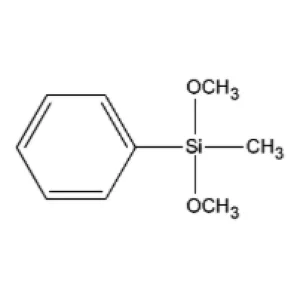
China Methylphenyldimethoxysilane

China Methylphenyldimethoxysilane CAS 3027-21-2 Companies, Supplier

Explore Specifications
China RTV Silicone Rubber Adhesives

China Room Temperature Vulcanization Methyl 107 Silicone Rubber Rtv 63148-60-7 Adhesives and Sealants CAS 70131-67-8 Companies, Company

Explore Specifications
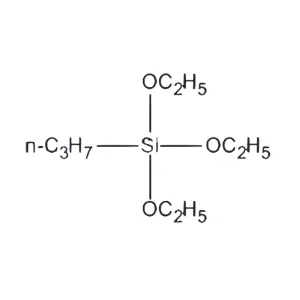
Famous Propyltriethoxysilane

Famous Propyltriethoxysilane Cas 2550-02-9 Products, Factory

Explore Specifications
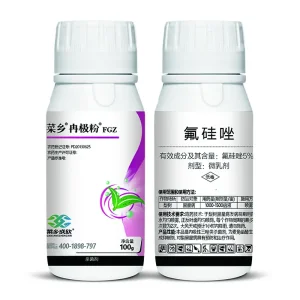
China 5% фторикозизола

China 5% фторикозизола Company, Product

Explore Specifications
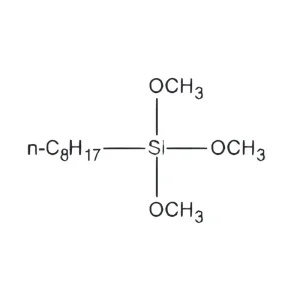
China N-Octyltriethoxysilane

China N-Octyltriethoxysilane Manufacturer, Manufacturers

Explore Specifications
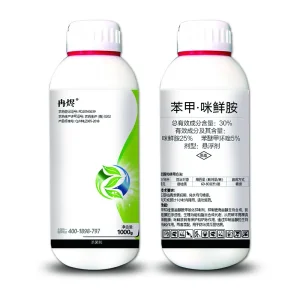
Famous Benzylamine Suppliers

Famous 30% бензола мидамина Suppliers, Products

Explore Specifications
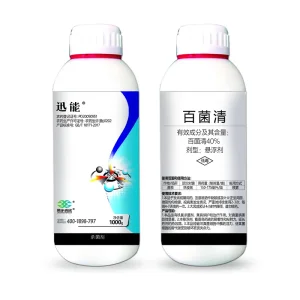
China 40% бактериальной очистки

China 40% бактериальной очистки Company, Factory

Explore Specifications
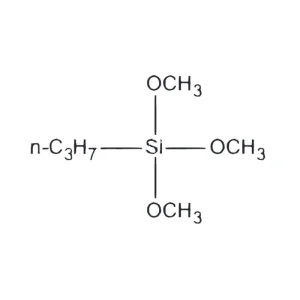
China Propyltrimethoxysilane

China Propyltrimethoxysilane Manufacturer, Products

Explore Specifications