Explore our elite portfolio of organosilicon agents, reactive crosslinkers, and protective coatings engineered for harsh industrial environments.
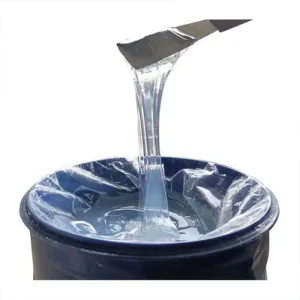
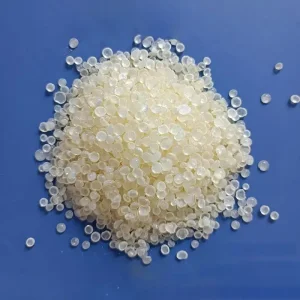
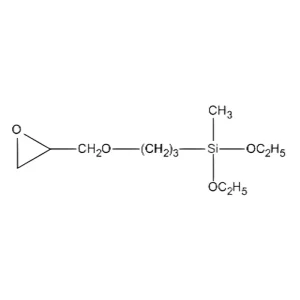
Methyl Vinyl Cyclosiloxane (MVCS) stands at the pinnacle of silicon-carbon chemistry, functioning as a vital regulatory intermediate in producing high-performance Vinyl Methyl Silicone Rubber (VMQ), liquid silicone rubber (LSR), and crosslinked siloxane matrices. The industry is currently undergoing a structural transformation driven by green chemistry mandates, demanding higher purity and precise vinyl density profiles.
Decarbonization and Volatile Reduction: With the global push to reduce Volatile Organic Compounds (VOCs) and low-molecular-weight cyclics (D4, D5, D6), regulatory bodies in the EU and North America are tightening limits. Consequently, advanced manufacturing centers are shifting from simple distillation to multi-stage high-vacuum fractionation to produce ultra-clean MVCS precursors with minimal residual cyclical contaminants.
The Rise of Clean Energy Applications: The exponential growth of Electric Vehicles (EVs) and high-voltage grid infrastructure has created a surge in demand for high-strength, thermal-runaway-resistant silicone elastomers. By incorporating precise fractions of MVCS, engineers can fine-tune the crosslinking density of silicone rubbers, ensuring outstanding dielectric strength, thermal insulation, and elasticity under extreme mechanical stress.
A professional guide for sourcing managers evaluating chemical compliance, quality matrices, and high-performance criteria.
Industrial applications require an MVCS purity of ≥99.0% (specifically the tetramer variant 1,3,5,7-tetramethyl-1,3,5,7-tetravinylcyclotetrasiloxane). Sourcing teams must demand GC (Gas Chromatography) profiles detailing isomer distribution and residual halogen content to protect downstream processing machinery.
To avoid premature hydrolysis and gelation, moisture content must be maintained below 100 ppm (parts per million). Highly stable configurations prevent degradation under extended warehousing conditions, optimizing shelf-life efficiency across transnational trade channels.
The precise vinyl content (typically calculated around 30-32% by weight) governs downstream crosslinking density. Procurement contracts must lock in tight batch-to-batch deviation limits (≤±0.2%) to preserve process stability in automotive sealants and electronic encapsulants.
"Sourcing agents looking to minimize supply chain volatility are pivoting towards integrated manufacturers that combine basic silicon metal smelting, monomer synthesis, and functional polymerization in single chemical clusters."
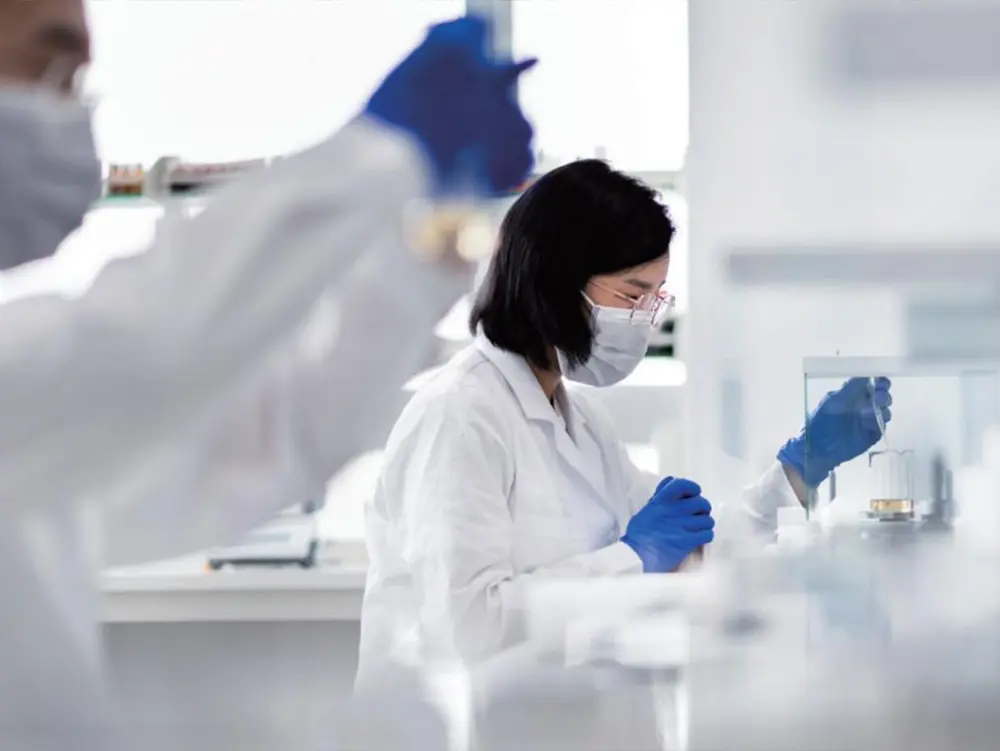
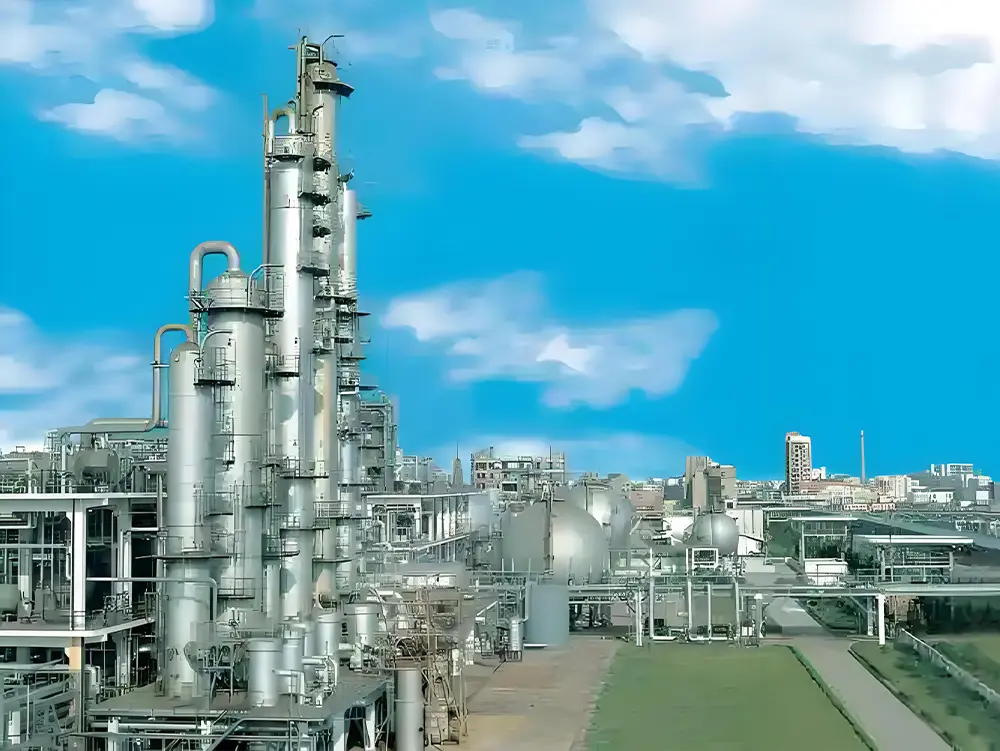
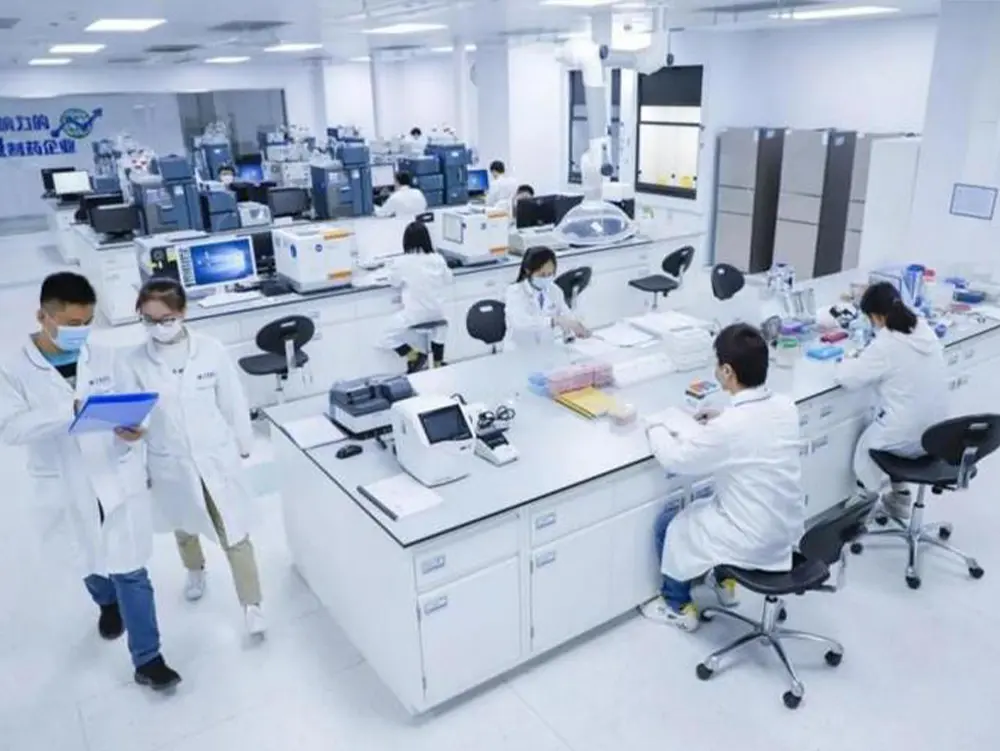
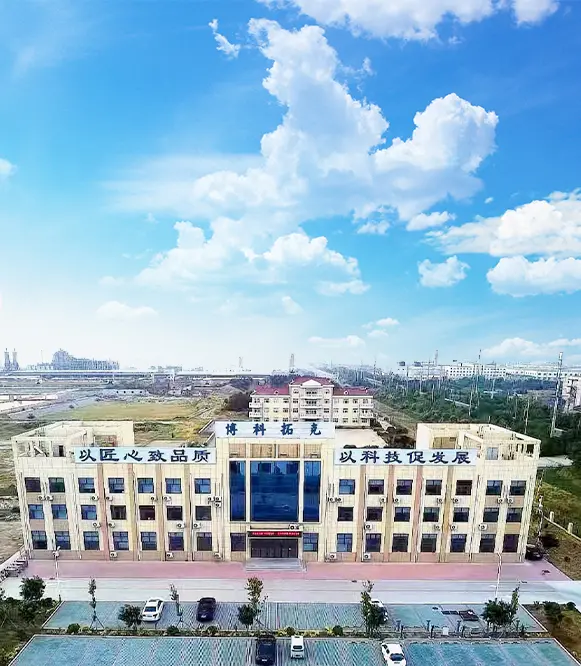
Our Shouguang industrial base located in the Bohai Industrial Park, Shouguang City, Shandong Province, reflects our transition to China's Factory 4.0 manufacturing framework. With a massive investment of US$65 million, this facility features a highly automated production chain for silane coupling agents and vinyl intermediates.
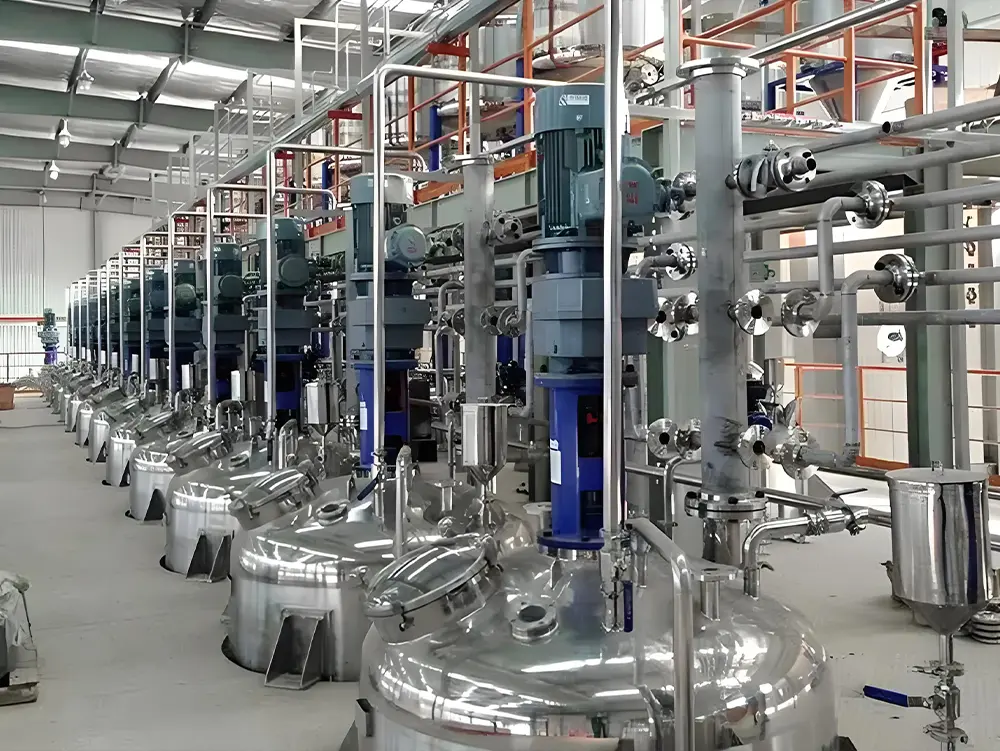
Equipped with 6 automatic DCS production lines with an annual output of 30,000 tons of silane coupling agents, the plant runs on a fully integrated Distributed Control System (DCS) and Safety Instrumented System (SIS). These systems monitor critical variables in real-time, including feed flow rates, reaction pressures, and temperatures, virtually eliminating human-induced variations.
To ensure high quality and environmental safety, our production line implements ISO9001 quality management system standards at every stage. We have also built advanced treatment facilities to protect the environment, including a waste gas collection and treatment system and a wastewater treatment system. This guarantees that our supply lines remain resilient against regulatory audits or environmental disruptions.
Tailoring chemical features to meet regional challenges and distinct industrial environments across the globe.
For high-voltage insulating sleeves, cables, and terminal joints in extremely cold environments, adding methyl vinyl rubbers guarantees structural integrity at temperatures as low as -60°C. This prevents fractures that could disrupt electricity grids in Northern Asia.
In offshore wind installations throughout the North Sea, mechanical vibration and seawater corrode standard polymer coatings. Adhesives formulated with Boctok's high-purity vinyl coupling agents prevent moisture intrusion and provide excellent shear resistance on large turbine blades.
With electric vehicle (EV) battery manufacturing scaling rapidly across Korea, Japan, and China, the demand for custom thermal potting materials is rising. Integrating low-viscosity vinyl silicone oil controls potting flow rates and improves heat management.
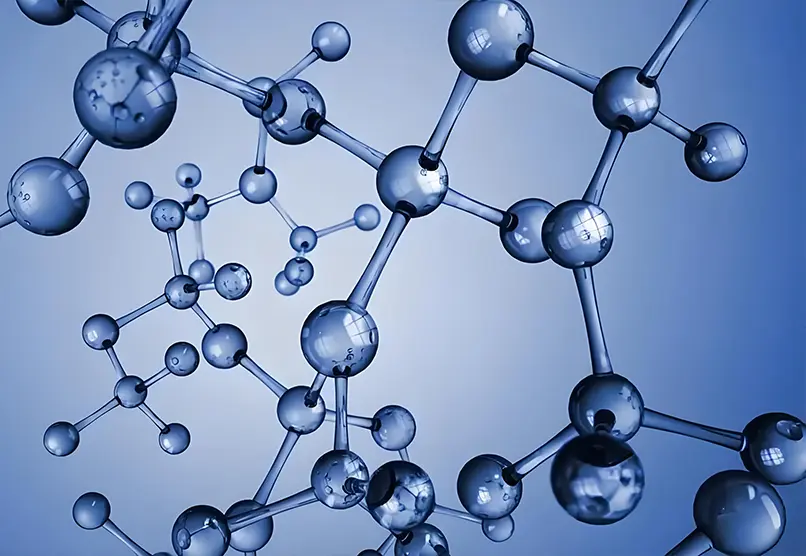
Visualizing the broad spectrum of applications, from protective coatings to high-performance composite matrices.


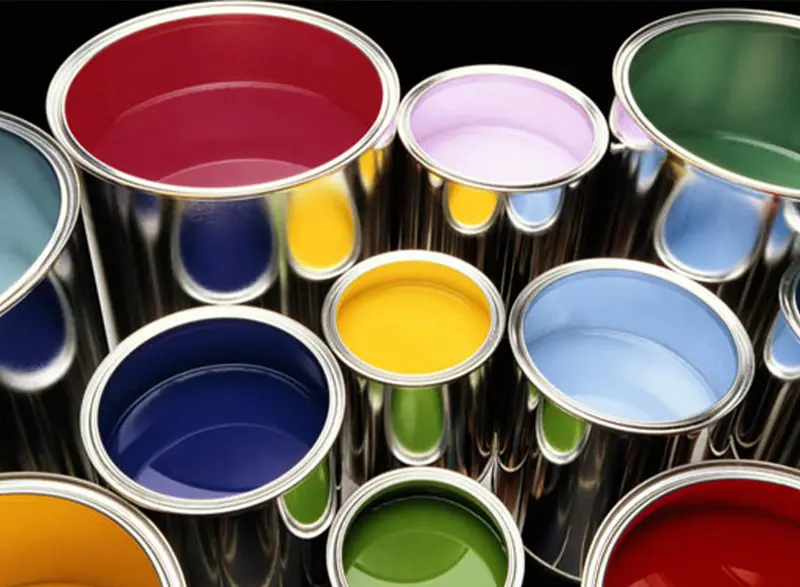
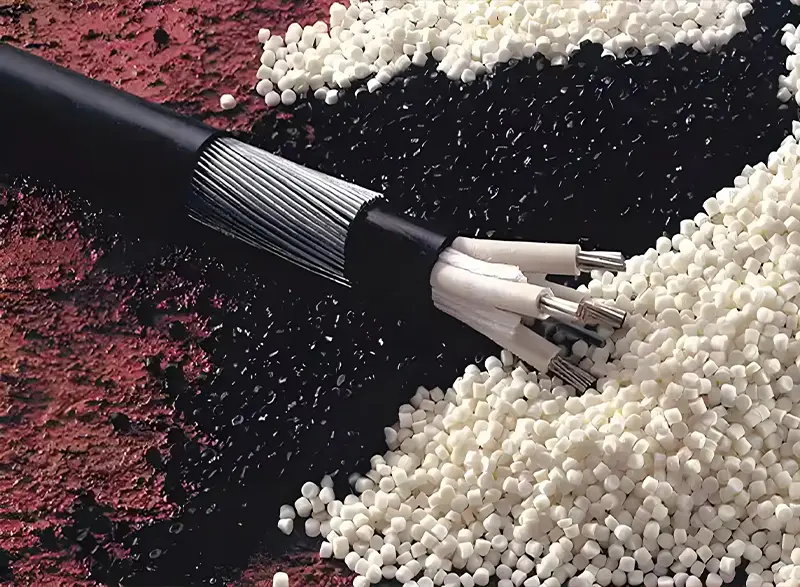
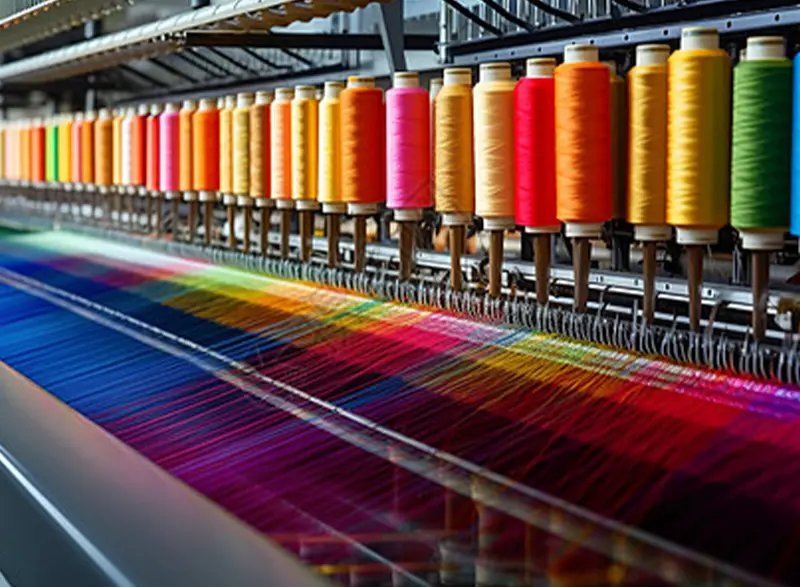
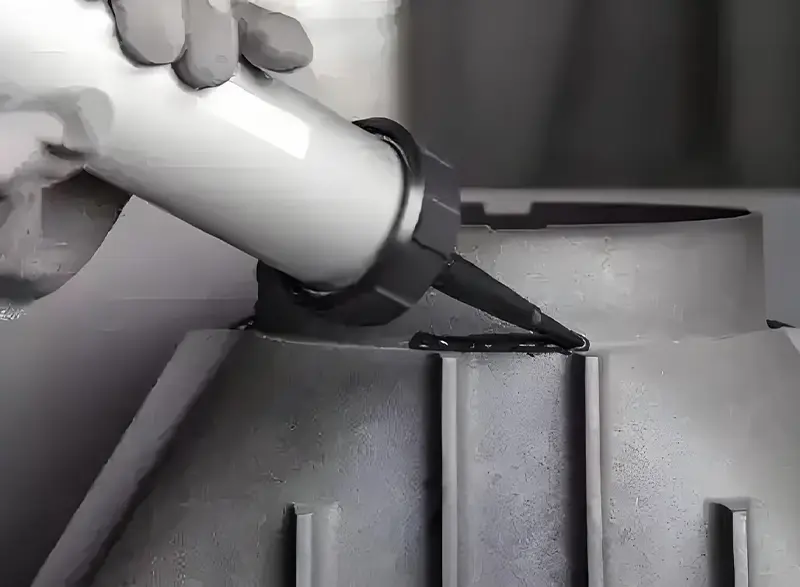
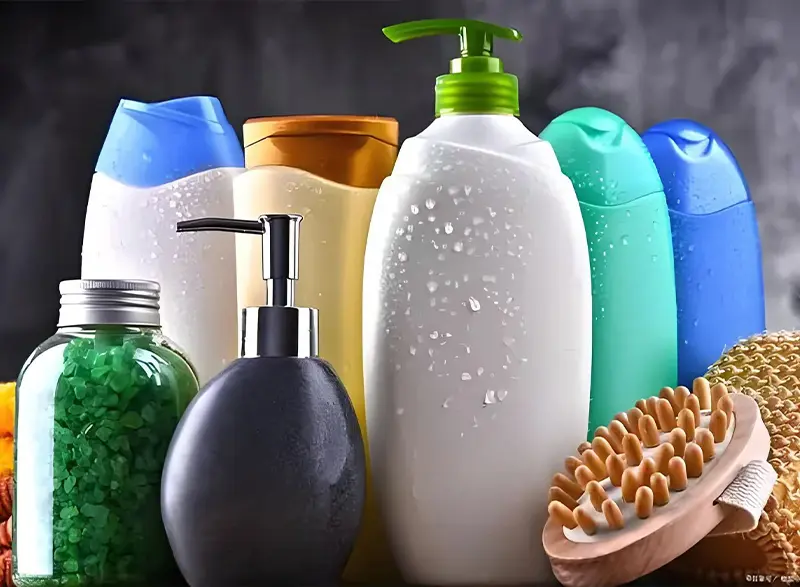
Founded in 2012, Shandong Boctok Chemical Co. functions as the central global marketing and sales operation for Boctok's chemical manufacturing hubs, generating **US$280 million** in total sales in 2023. Under the specialized BOCTOK brand, we serve our clients in Eastern Europe and Central Asia, providing high-purity chemical derivatives engineered to match challenging industrial demands.
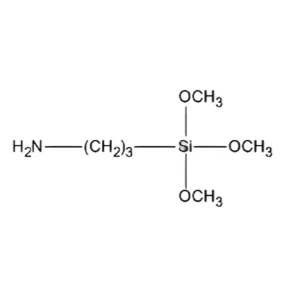
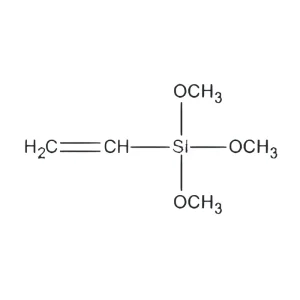
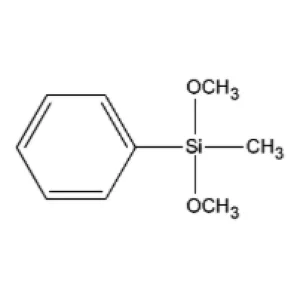
Our organosilicon department covers twelve series of silane coupling agents and crosslinkers. Sourcing partners rely on us for aminosilane, methacrylate silane, epoxy silane, vinyl silane, mercaptosilane, alkyl silane, ethyl silicate, chlorosilane, silane isocyanate, phenyl silane, ureidosilane, and serosilane.
In addition, our silicone portfolio includes high-hydrogen silicone oil, dimethicone, vinyl silicone oil, polyphenylmethyldimethylsiloxane, phenyl silicone oil, silanol silicone oil, OH polymer, alkoxy silicone oil, methyl MQ resin, vinyl VMQ resin, room-temperature vulcanized (RTV) methyl silicone rubber, 110 methyl vinyl silicone rubber, and 120 methyl phenyl rubber. These materials improve mechanical strength and heat resistance across wire insulation, wind energy, oil exploration, and cosmetic formulation industries.
Our second core business is petroleum resins. We have invested in a key hydrocarbon resin manufacturer in China, operating three chemical production facilities in Zibo, Fushun, and Nanjing. Benefiting from stable petrochemical feedstock allocations from **SINOPEC** and **PetroChina**, we supply C9 hydrogenated resins, C5 hydrocarbon resins, C5 modified C9 hydrocarbon resins, dicyclopentadiene (DCPD), and methyl cyclopentadiene dimer to many Fortune 500 chemical companies.
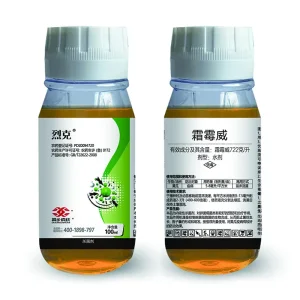
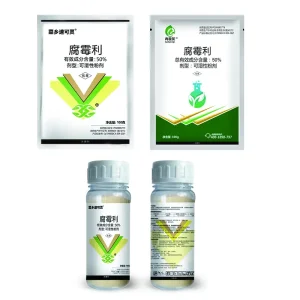
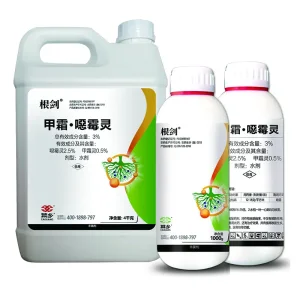
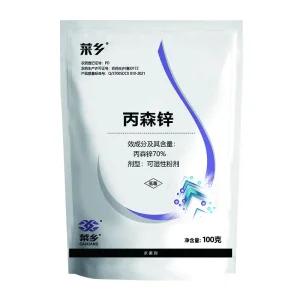
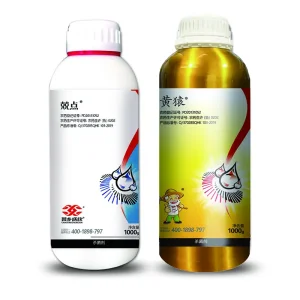
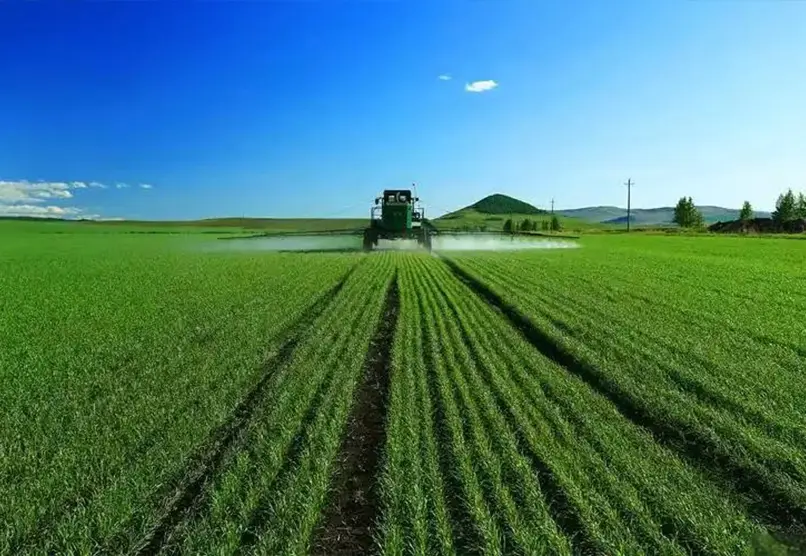
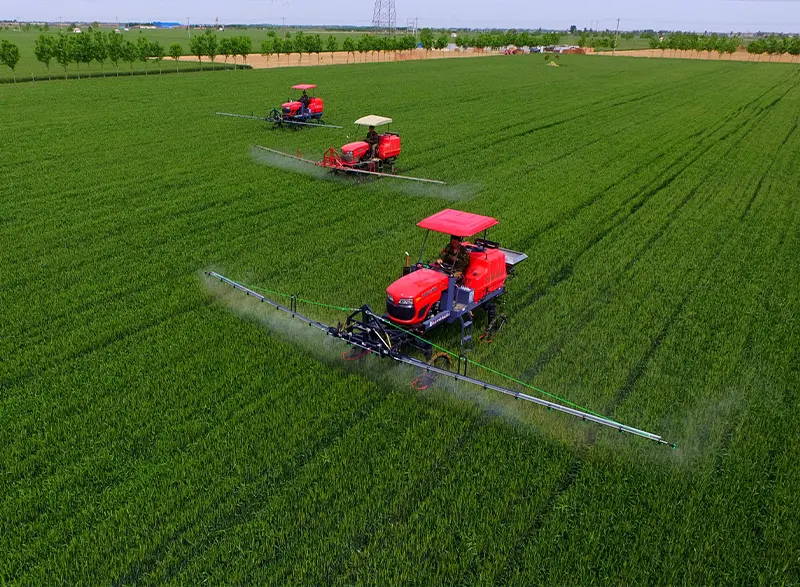
Additionally, Boctok focuses on the agrochemical industry. We synthesize intermediates and raw materials for pesticides, fungicides, insecticides, seed treatments, herbicides, and plant growth regulators. This integration allows us to serve diverse global markets including North America, Europe, Japan, South Korea, Australia, South America, the Middle East, India, and Southeast Asia.
Engineered compounds designed to optimize polymer durability, stability, and adhesion under tough conditions.

Precursor synthesis, high-grade carrier solvents, and bio-protective coatings.

Silicone oils and petroleum resins that improve film formation and water resistance.
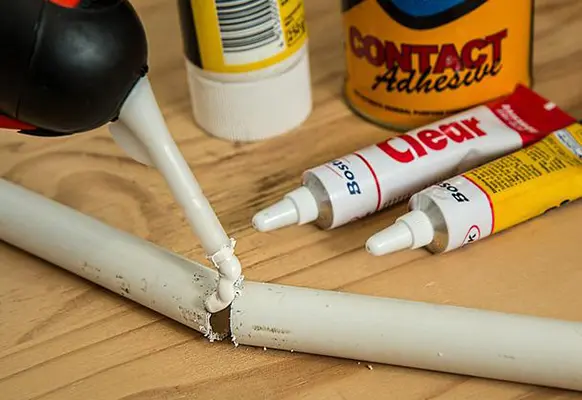
Improves tack, shear stability, and heat aging properties in hot-melt adhesives.
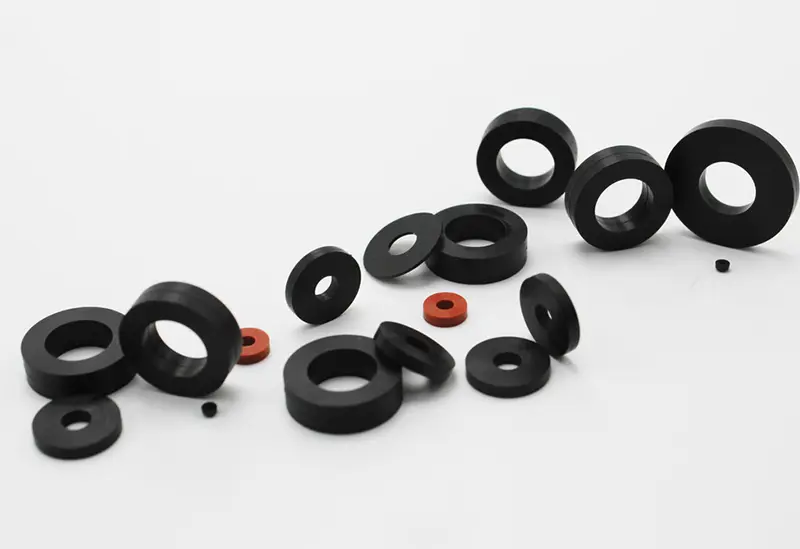
Increases vulcanization efficiency and mechanical properties of rubber parts.
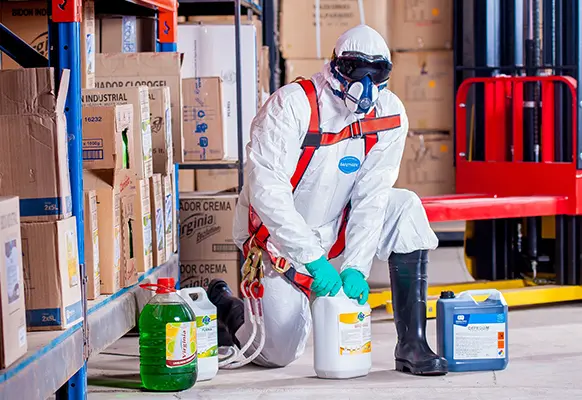
Improves weather resistance, gloss retention, and protection against corrosion.
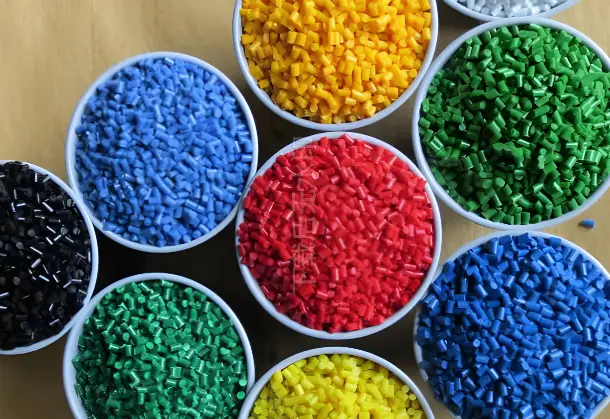
Improves polymer flow properties, compounding speeds, and product stability.
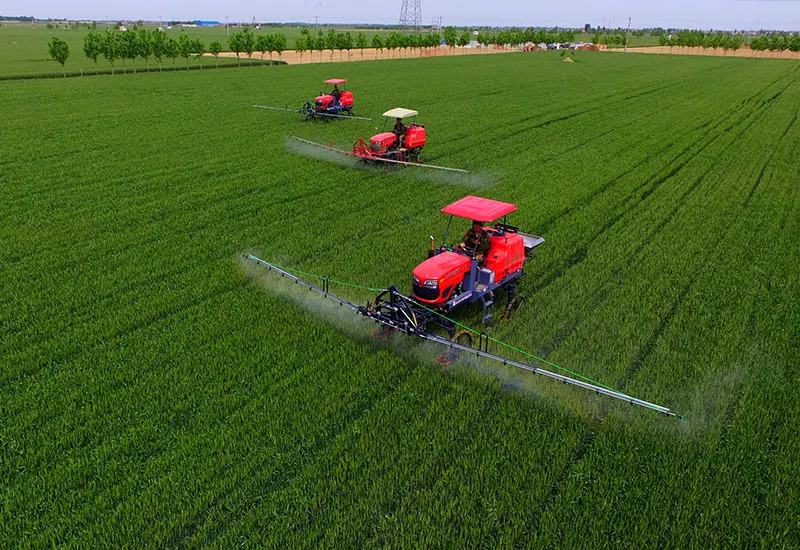
Improves wetting, spreading, and penetration of active ingredients.
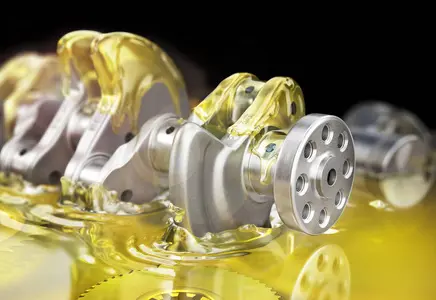
Automotive connectors and medical valves that require consistent slide behavior.
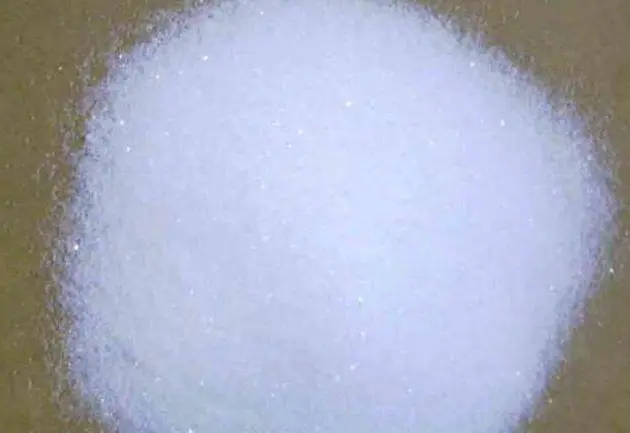
Highly stable defoamer compounds for petroleum refining and water treatment.

Water-repellent additives that reduce moisture absorption in building materials.
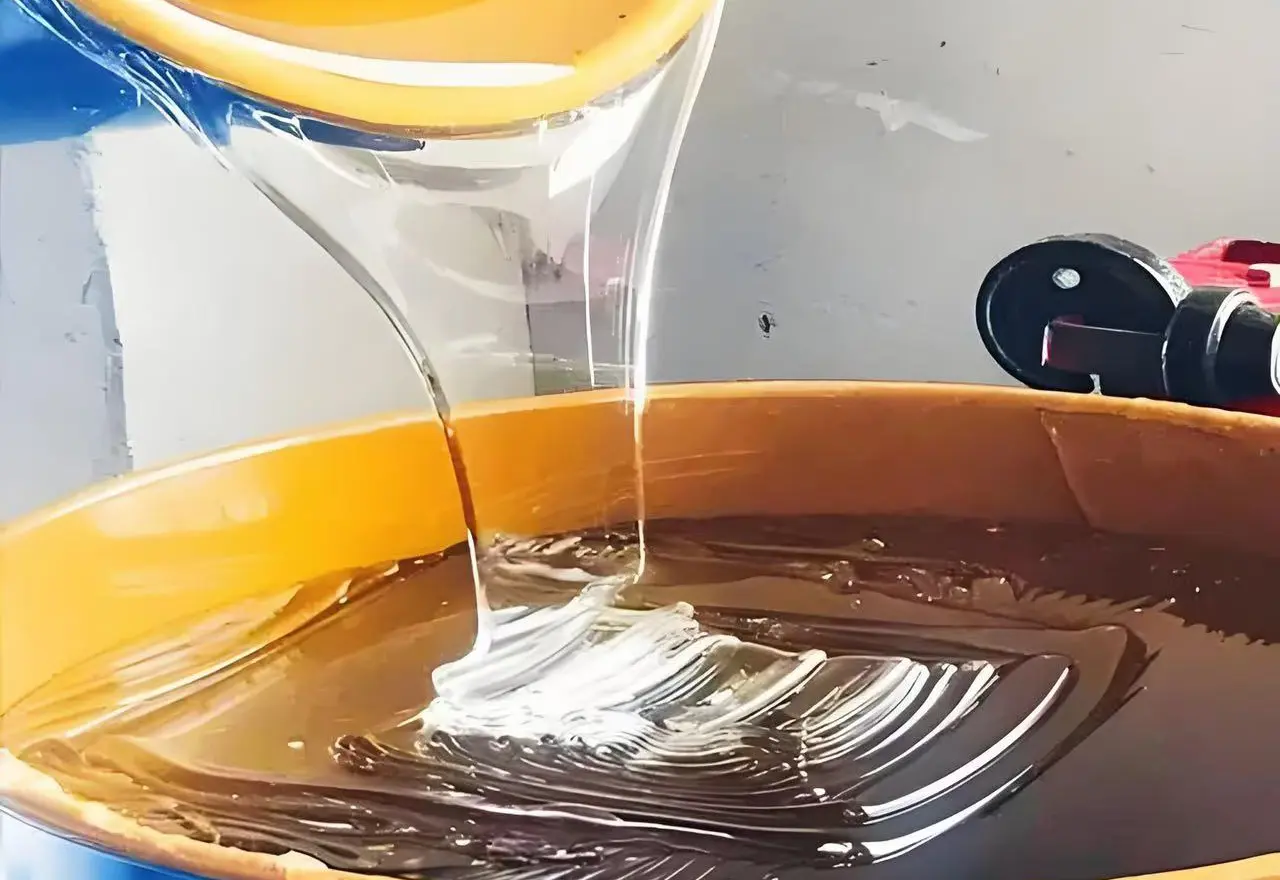
Hydraulic fluid media, dielectric coolants, and heat transfer fluids.

Extruded gaskets, thermal protection, and ozone-resistant rubber components.
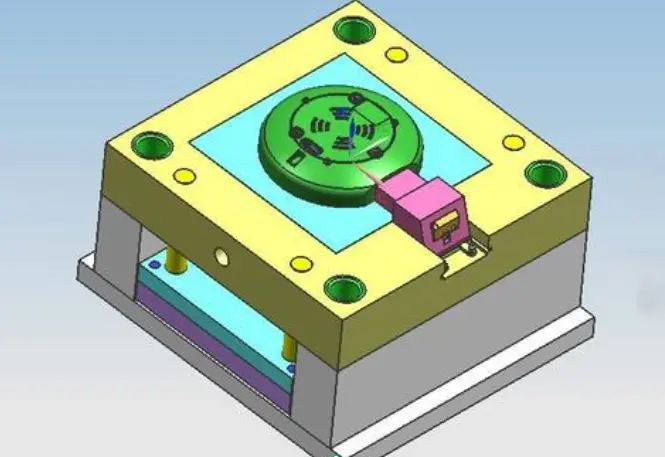
Flexible prototyping molds with high tear strength and mold-release properties.

Semiconductor adhesives and encapsulants for delicate component isolation.

Structural glazing sealants, weatherproofing agents, and joint sealers.
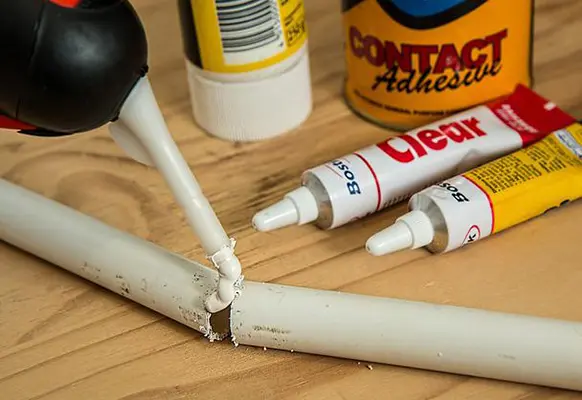
High-modulus sealants with excellent UV stability and structural adhesion.
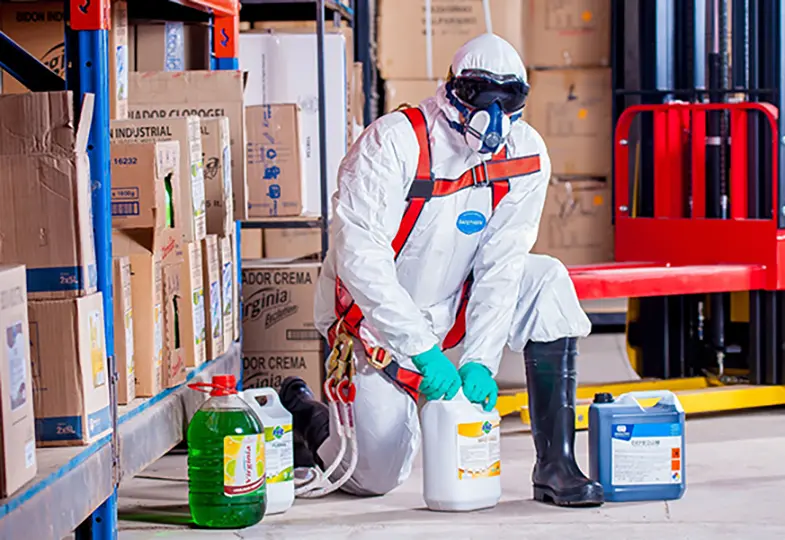
Industrial varnishes with improved scratch resistance and thermal stability.

Silane pretreatment coatings that offer eco-friendly protection against rust.
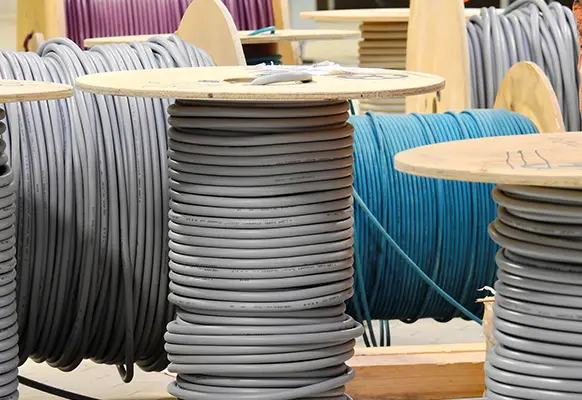
Crosslinked polyethylene (XLPE) compounds for high-voltage power lines.
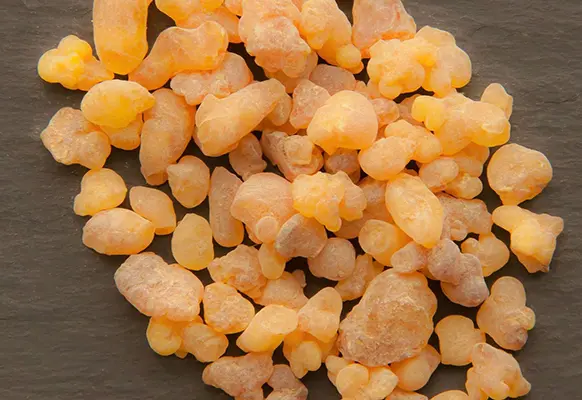
Provides custom hardener additions for epoxy resins and specialized elastomers.

Increases compounding efficiency and durability of building products.

Structural glass-reinforced resins designed for long-term ocean installations.
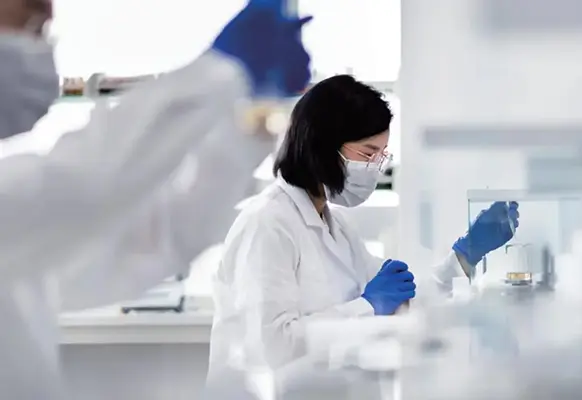
High-purity medical silicone elastomers that are skin-safe and biocompatible.

Imparts water repellency, soft touch, and wrinkle resistance to textiles.
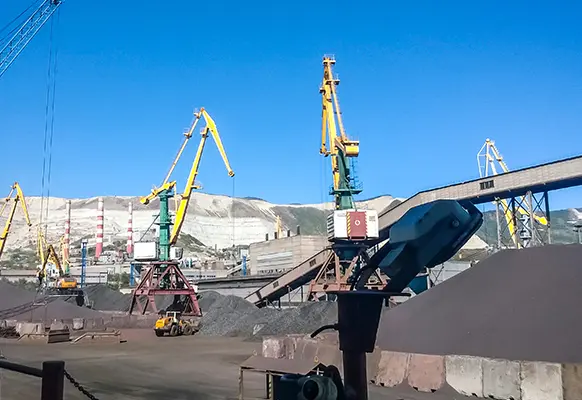
Silane pretreatment coatings that improve dispersion and filler bonding in plastics.
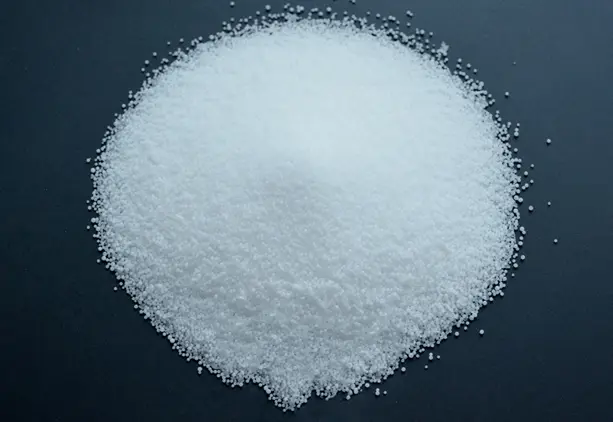
High-precision architectural sealants and structural materials.
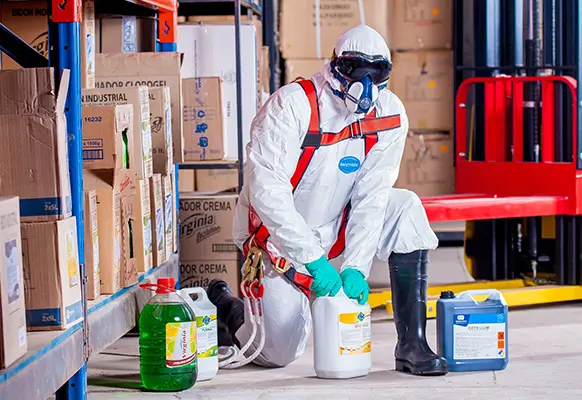
Binds siloxane structures to protect exterior masonry from weathering.
Answers to common technical questions about the synthesis, processing, and application of Methyl Vinyl Cyclosiloxane.
Browse our selection of specialized silanes, crosslinking agents, and functional chemical intermediates.
 Boctok Chemical