Engineered silane derivatives, room-temperature vulcanization bases, and advanced methyl-MQ silicone resins sourced for global supply stability.
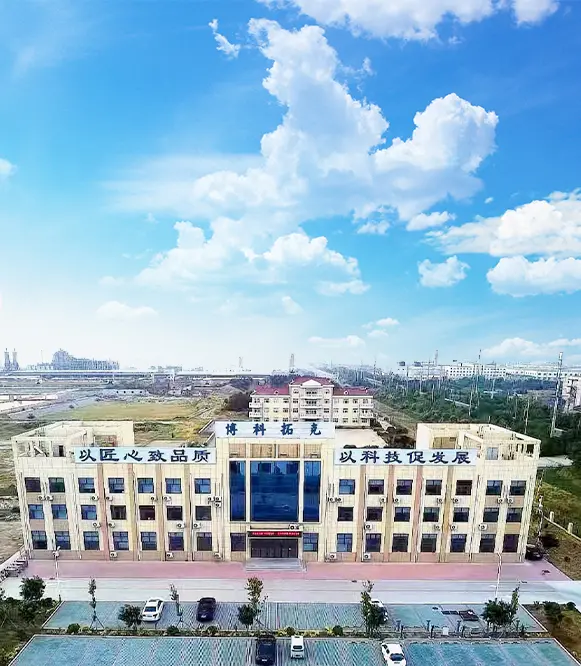
Founded in 2012, Shandong Boctok Chemical Co. has emerged as a premier global chemical innovator, serving as the commercial and strategic nexus for domestic and overseas marketing. Backed by solid research infrastructure and advanced process safety technologies, our brand achieved a record sales milestone of US$280 million in 2023.
Specializing extensively in the high-growth markets—including dedicated supply networks for the Russian and CIS markets under the BOCTOK brand—our organization delivers precise organosilicone configurations to diverse global entities.
A rigorous inspection of interface modification, chemical bonding dynamics, and structure-property relationships.
Methyl silicone resin surface treatment agents are crosslinkable polyorganosiloxane systems primarily comprising trivalent siloxane units (T-units: CH₃SiO₃/₂), complemented by varying proportions of divalent units (D-units: (CH₃)₂SiO₂/₂) and tetravalent units (Q-units: SiO₄/₂). This structural versatility enables the formation of highly crosslinked, three-dimensional siloxane networks. The unique Si-O-Si backbone provides superior bond energy (approx. 460 kJ/mol) relative to traditional organic C-C polymer chains (approx. 348 kJ/mol), imparting outstanding thermal resistance, oxidation resistance, and UV radiation stability.
When applied as surface treatment agents, the hydrolysis of alkoxysilane functional groups (e.g., methoxy or ethoxy) generates silanol intermediates (Si-OH). These silanols undergo hydrogen bonding and subsequent condensation with surface hydroxyl groups present on inorganic substrates (such as glass fiber, silica fillers, and metal oxides). The outcome is a covalently bonded, hydrophobic organic-inorganic interface that significantly reduces surface energy and prevents moisture ingress.
| Chemical Category | Predominant CAS Number | Interface Mechanism | Primary Industrial Utility |
|---|---|---|---|
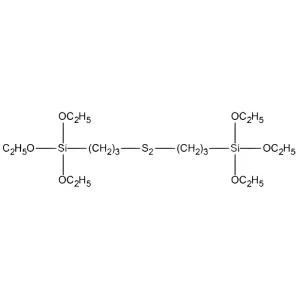
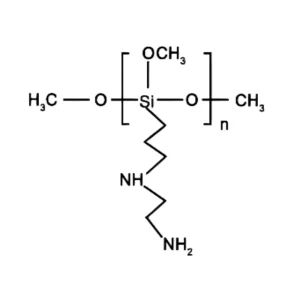
| Bis(aminosilane) Polymers | 106163-31-5 | Hydrolyzable diamino functional coupling | Polymer-metal adhesion promoter, epoxy modifiers |
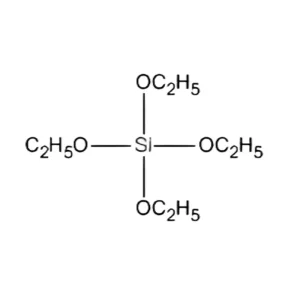
| Tetraethoxysilane (TEOS) | 78-10-4 | Sol-gel network formation, high inorganic silanol density | Silica sol, ceramic binder, glass coatings |
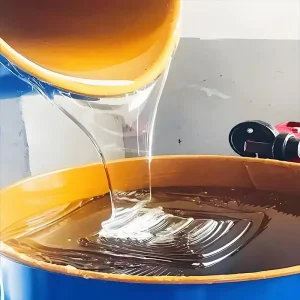
| Methyl MQ / VMQ Resins | 68952-30-7 | Treed structure dispersion and chemical release interface | High-temperature release agents, LSR reinforce, pressure adhesives |
| Bis-[3-(trimethoxysilyl)-propyl]amine | 82985-35-1 | Secondary amine functionality coupled with six hydrolyzable methoxy units | Wind energy structural composites, adhesive crosslinker |
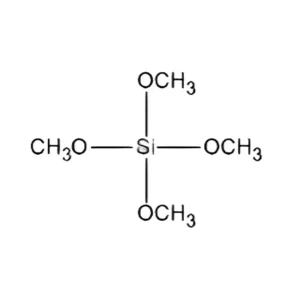
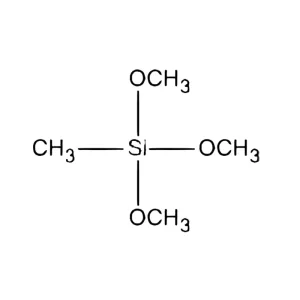
| Methyltrimethoxysilane (MTMS) | 1185-55-3 | Mono-methyl hydrophobic matrix builder | Masonry water repellent, sol-gel anti-scratch coating |
Our infrastructure operates at the absolute frontier of environmental safety and processing precision.
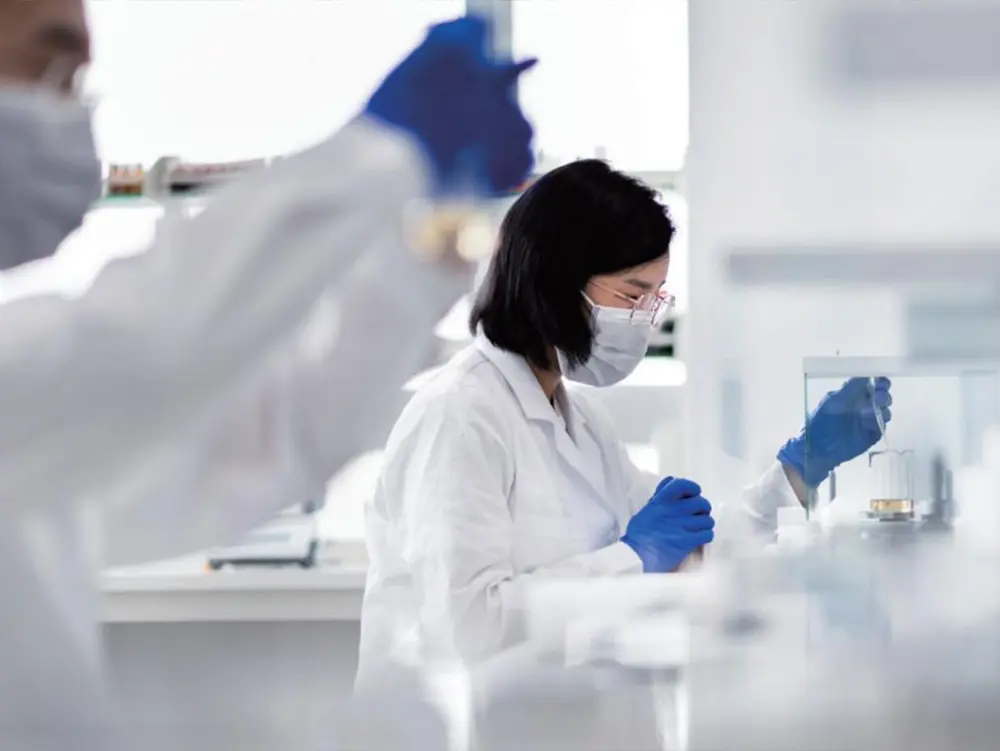
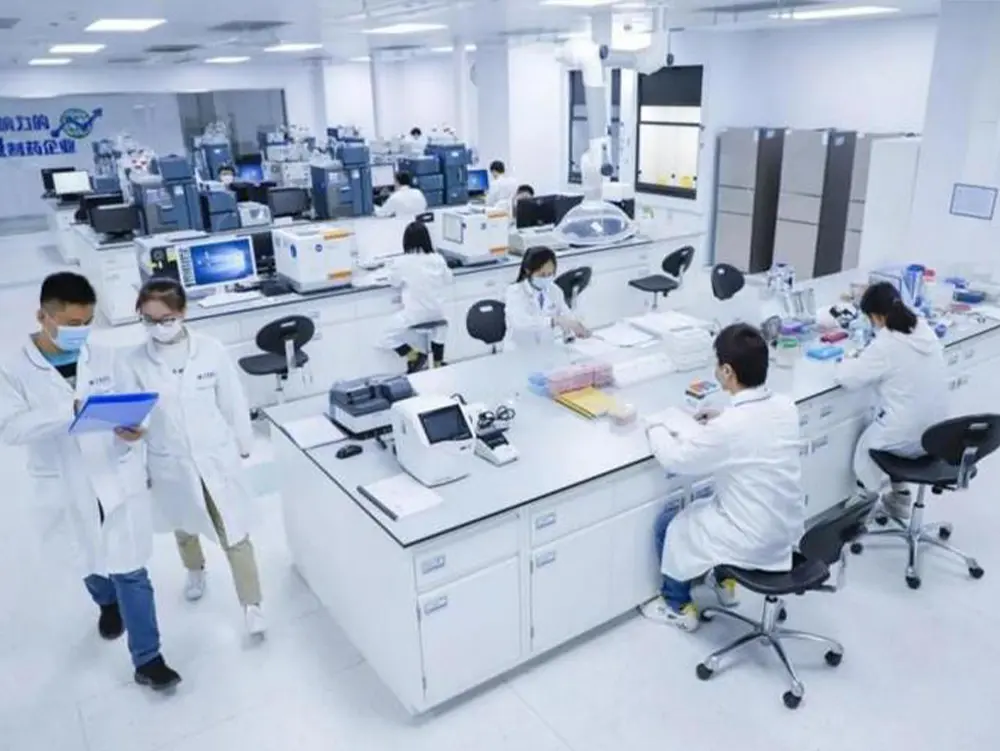
Our products undergo rigorous testing with advanced chromatography (GC-MS) and spectroscopy (FTIR) to ensure that every molecular configuration meets exact purity parameters.
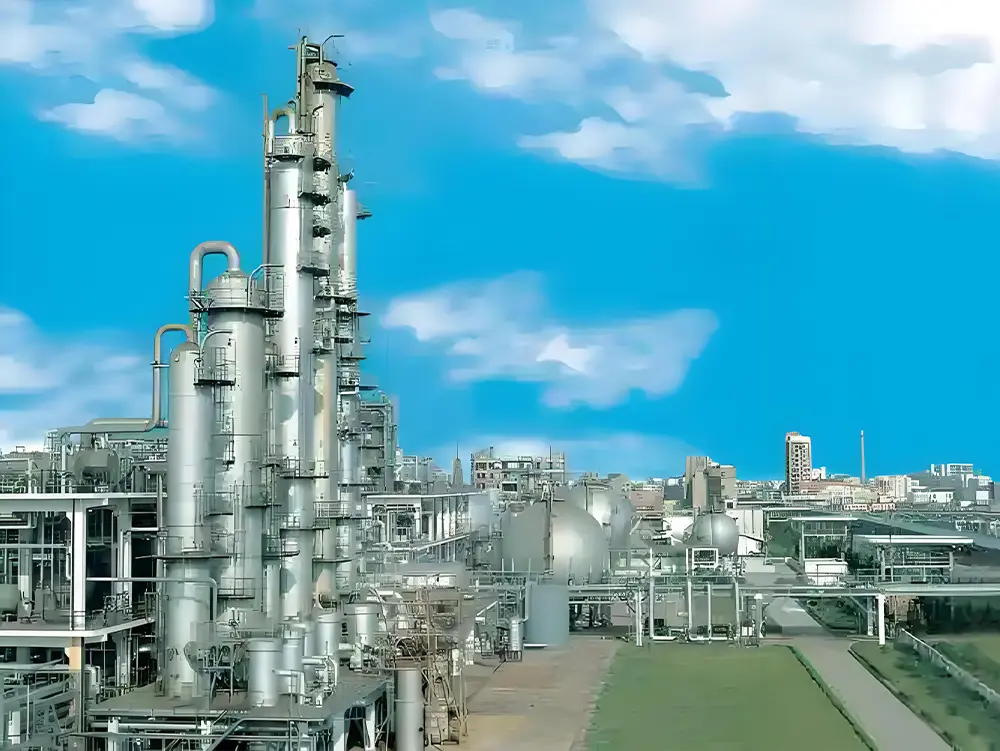
Our new 30,000-ton capacity plant located in Bohai Industrial Park, Shouguang City, is optimized to scale customized batch variations without extending lead times.
Our dedicated applications engineering team remains online 24/7. We provide direct chemical consultation, dosage tuning, and troubleshooting support for complex processes.
With distribution nodes servicing major commercial hubs globally, we manage customs, secure chemical packaging, and logistics schedules for reliable, risk-free delivery.
Our diversified product architectures cover the high-performance material, energy, agricultural, and adhesive sectors.
Covering twelve distinct silane coupling and crosslinker systems: aminosilanes, methacrylates, epoxies, vinyls, alkyls, ethyl silicates, phenyls, and ureidosilanes. This portfolio includes high-hydrogen silicone fluids, dimethicones, vinyl silicone oils, alkoxy silicone oils, and MQ/VMQ resin structures, optimized for structural integrity across polymers, glass fibers, and protective coatings.
Boctok operates three modern manufacturing hubs in Zibo, Fushun, and Nanjing. Capitalizing on pure-feedstock monomer fractions supplied by industry giants SINOPEC and PetroChina, we produce C9 hydrogenated resins, C5 hydrocarbon resins, and C5 modified C9 resins. These chemical matrices serve as critical tackifiers and binders for Fortune 500 adhesive manufacturers.
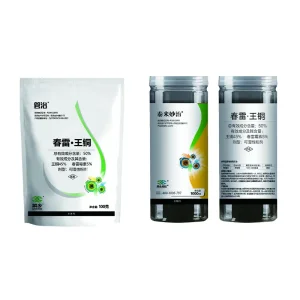
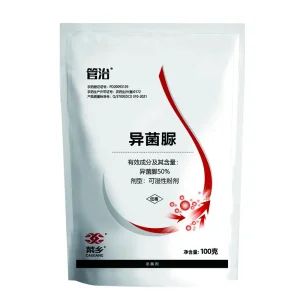
We develop high-performance intermediates and active ingredients for crop protection formulations, including insecticides, fungicides, herbicides, seed treatments, and plant growth regulators. Our advanced organic synthesis lines ensure compliant, high-efficacy chemical solutions for global agrochemical supply networks.
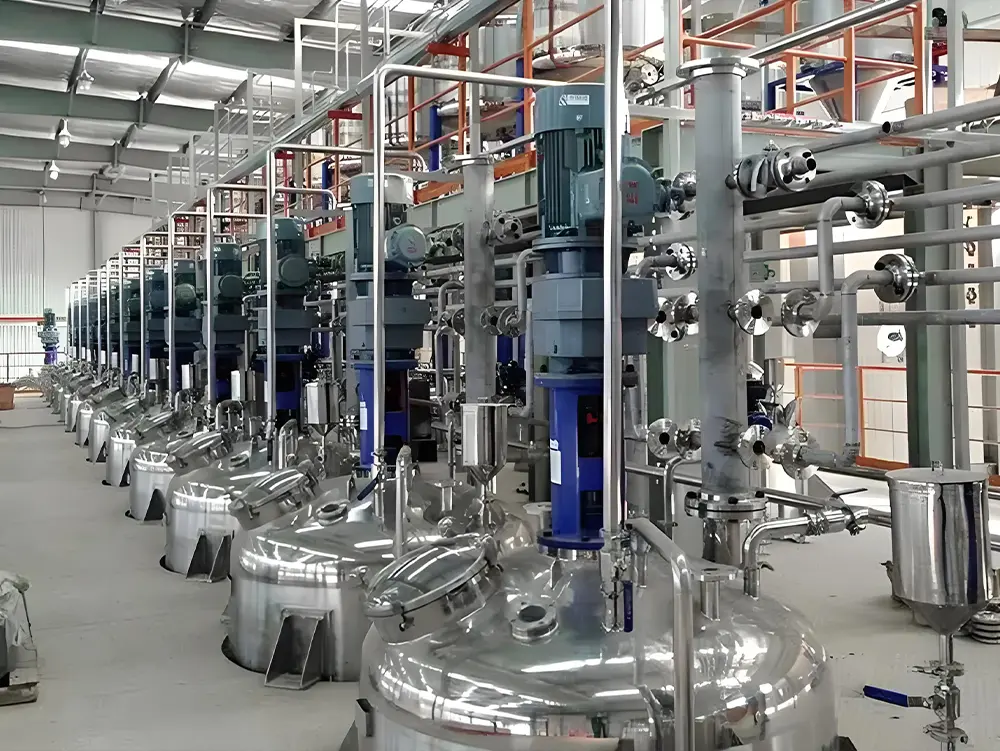
Visualizing our precision manufacturing setups, processing centers, and testing laboratories.
Providing strategic purchasing solutions to offset raw material volatility, logistic risks, and regulatory barriers.
Procuring methyl silicone resins and high-purity silane coupling agents requires navigating complex regulatory standards (REACH, GHS, TSCA) and handling delicate logistics. High chemical activity makes these products sensitive to moisture contamination and atmospheric hydrolysis.
How Boctok Safeguards Global Supply Chains:
Requires high-purity MQ resins to improve dielectric performance and provide thermal insulation up to 250°C.
Utilizes aminosilanes to enhance interfacial adhesion between glass fibers and organic epoxy or phenolic matrices.
Combines alkoxysilane structures with acrylic or polyester matrices to improve weatherability and chemical resistance.
Supplies structural coupling agents for composite wind turbine blade manufacturing and electrical insulation systems.
A forward-looking view into the next generation of silicone surface modification technology.
Traditional silicone resins rely on organic solvent carriers. Our research team is focused on developing water-borne silicone emulsions and solvent-free reactive liquid resins. These formulations reduce VOC emissions during application while maintaining high crosslinking density.
In response to global PFAS restrictions, our research focuses on modifying methyl silicone resins with unique spatial steric structures (3D branched siloxanes). These structural modifications achieve contact angles exceeding 150° without relying on fluorinated compounds.
Integrating organo-functionalized silica particles and graphene structures into MQ methyl resins improves mechanical toughness, structural load distribution, and thermal dissipation in microelectronic assemblies.
Chemical processing requires strict adherence to safety and environmental standards. Our Shouguang facility represents a US$65 million investment in safety and environmental compliance:
How our organosilicone and petroleum resin portfolios support diverse global manufacturing applications.
Low surface-tension siloxanes are used to reduce droplet contact angles, improving the coverage, wetting, and absorption of crop-protection agents on leaf surfaces.
Our hydrocarbon resins improve the drying speed, chemical resistance, and surface gloss of industrial paints and thermoplastic road marking formulations.
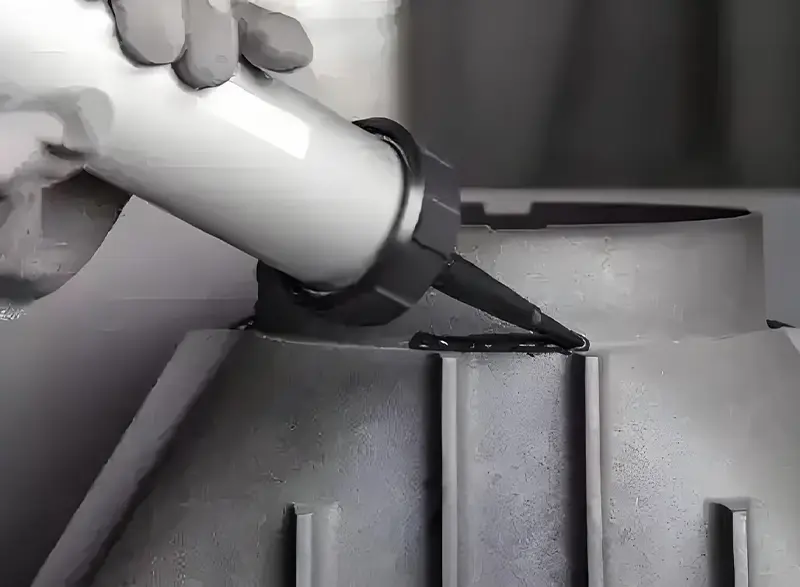
We supply high-efficiency silanes and room-temperature vulcanizing rubbers to improve tracking resistance, dielectric strength, and mechanical toughness in electrical infrastructure.
Emulsified silanol-functional fluids bond with fabric fibers, providing durable softness, wash resistance, and wrinkle recovery properties.
Our silane crosslinkers modify polymer backbones to improve bond durability, moisture resistance, and elasticity in challenging structural applications.
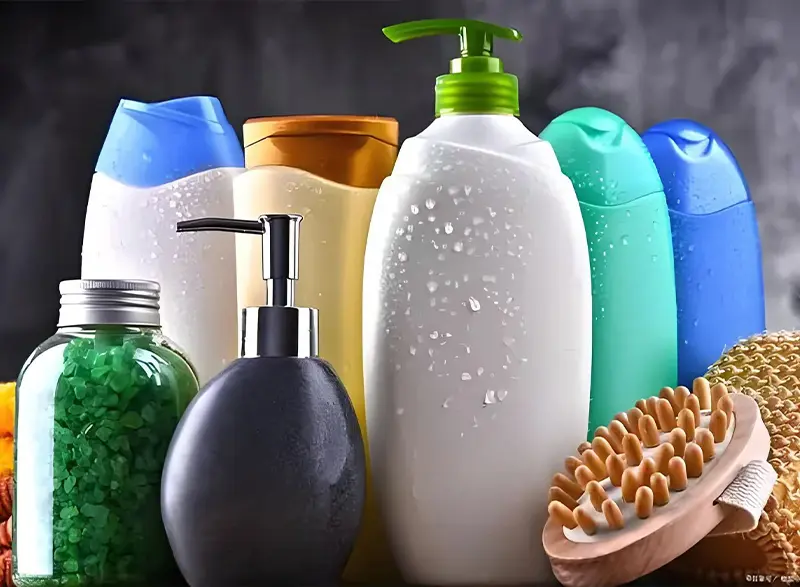
Volatile and low-viscosity silicone fluids (dimethicones) are formulated into hair care and cosmetic systems to improve spreadability and skin feel.
Detailed answers from our application engineering team regarding methyl silicone resin chemistry and supply-chain logistics.
Explore our full range of crosslinkers, siloxanes, and specialty chemical products for diverse industrial applications.
 Boctok Chemical
![Famous Bis-[3-(trimethoxysilyl)-propyl]amine](https://site.cdnfile.io/www.boctoksilicone.com/b7a8c47713f462756c9e61cb65cea17f300_300.webp)