Premium-grade organosilicon and high-efficacy compounds synthesized for specialized industrial applications.
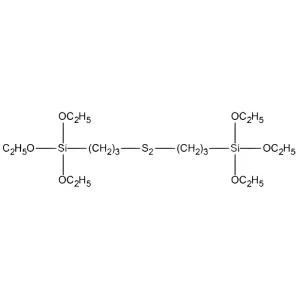
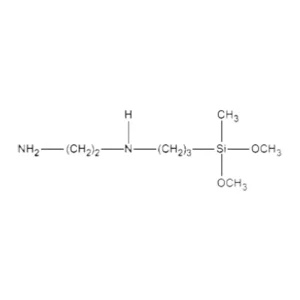
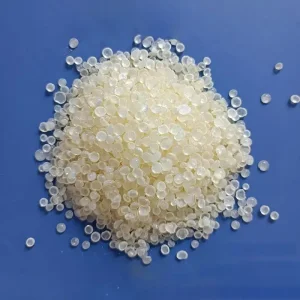
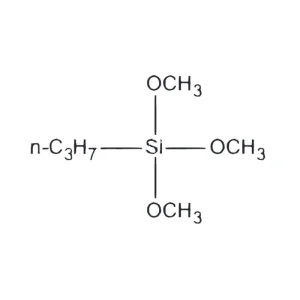
In modern polymer engineering, Methyl MQ Resin represents a foundational class of silicone resins characterized by a unique three-dimensional spherical network structure. Chemically designated as organosilicon compounds composed of monofunctional M units ($R_3SiO_{0.5}$) and tetrafunctional Q units ($SiO_2$), these macromolecular architectures provide unprecedented mechanical strength, high thermal stability, and exceptional surface properties. As leading manufacturers and global suppliers, the demand for customizable M:Q ratios has surged across advanced electronics, protective coatings, high-performance pressure-sensitive adhesives (PSAs), and specialized cosmetic applications.
Unlike linear polydimethylsiloxanes (PDMS), the highly crosslinked, cage-like structure of Methyl MQ Resin enables it to act as a crucial reinforcing filler in liquid silicone rubbers (LSR) and high-consistency rubbers (HCR). By modulating the molecular weight distribution and functional terminations (such as vinyl, hydroxyl, or trimethylsiloxy groups), manufacturers can synthesize materials with tailored glass transition temperatures ($T_g$), mechanical hardness, optical transparency, and surface energies. This whitepaper analyzes the synthetic design, applications, and market landscapes governing this high-value class of materials.
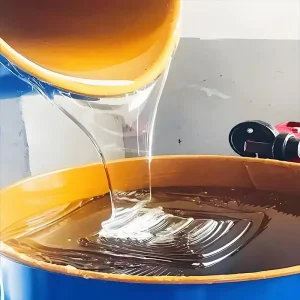
Precise control of the M to Q ratio defines the physical properties of the resin, shifting it from a soft, viscous oil-like fluid to a hard, crystalline powder.
The pure inorganic silicate backbone ensures exceptional thermal stability, weathering resistance, and structural integrity under prolonged thermal stress.
Promotes a continuous hydrophobic barrier film on target substrates, making it highly prized for personal care products and waterproof industrial sealants.
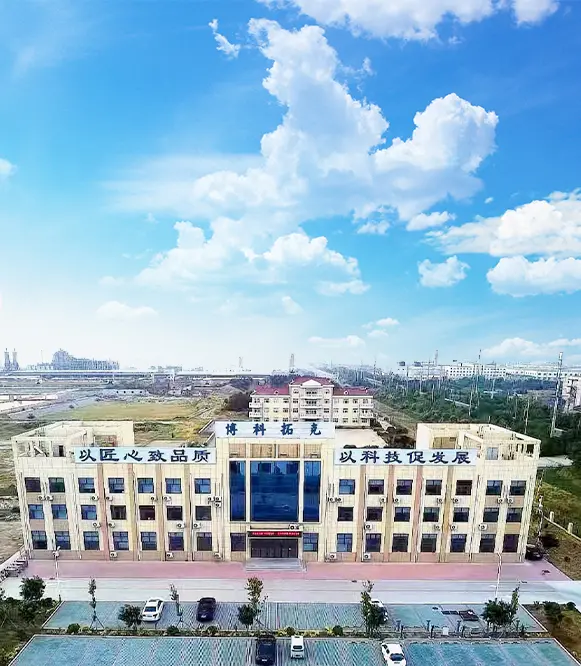
Shandong Boctok Chemical Co. was founded in 2012 as a consolidated marketing and sales center for Boctok™ domestic and overseas businesses. The enterprise has grown dynamically, achieving a record-breaking sales volume of US$280 million in 2023. Under our specialized BOCTOK brand, we have established deep supply partnerships across the Russian market, alongside exports to major chemical hubs globally.
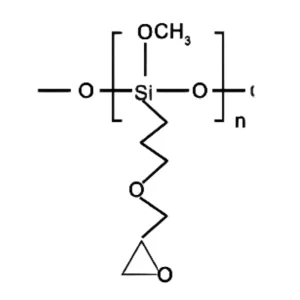
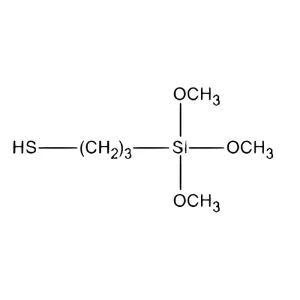
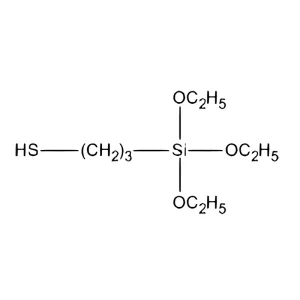
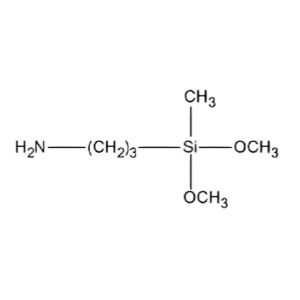
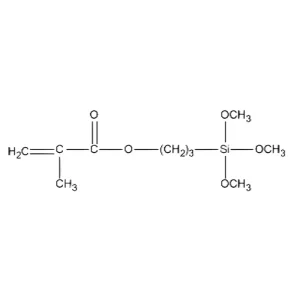
Boctok organizes its extensive industrial capabilities across three core categories. Our flagship organosilicone division manufactures twelve complete series of silane coupling agents and crosslinkers. These product groups encompass aminosilane, methacrylate silane, epoxy silane, vinyl silane, mercaptosilane, alkyl silane, ethyl silicate, chlorosilane, silane isocyanates, phenyl silane, ureidosilane, and serosilane.
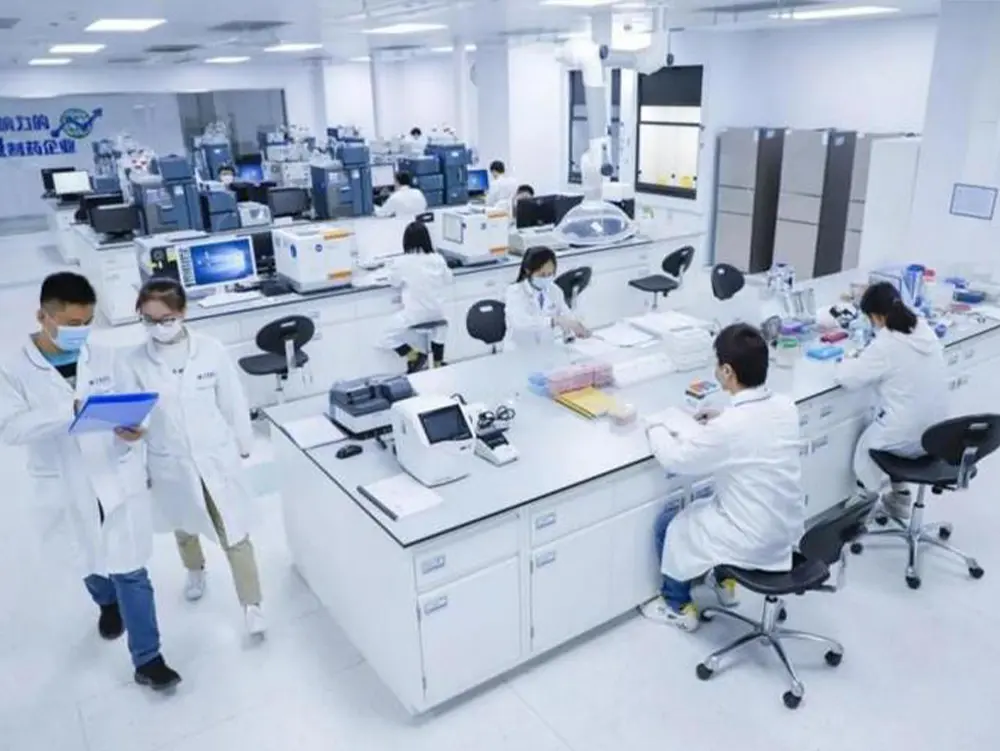
Beyond monomeric silanes, our R&D focus covers sophisticated polymer matrices including silicone oils, silicone resins, and silicone rubbers. Our key production lines synthesize high-hydrogen silicone oil, dimethicone, vinyl silicone oil, polyphenylmethyldimethylsiloxane, phenyl silicone oil, silanol silicone oil, alkoxy silicone oil, methyl MQ resin, vinyl VMQ resin, and various specialized rubbers such as room-temperature vulcanized methyl silicone rubber, 110 methyl vinyl silicone rubber, and 120 methyl phenyl rubber.

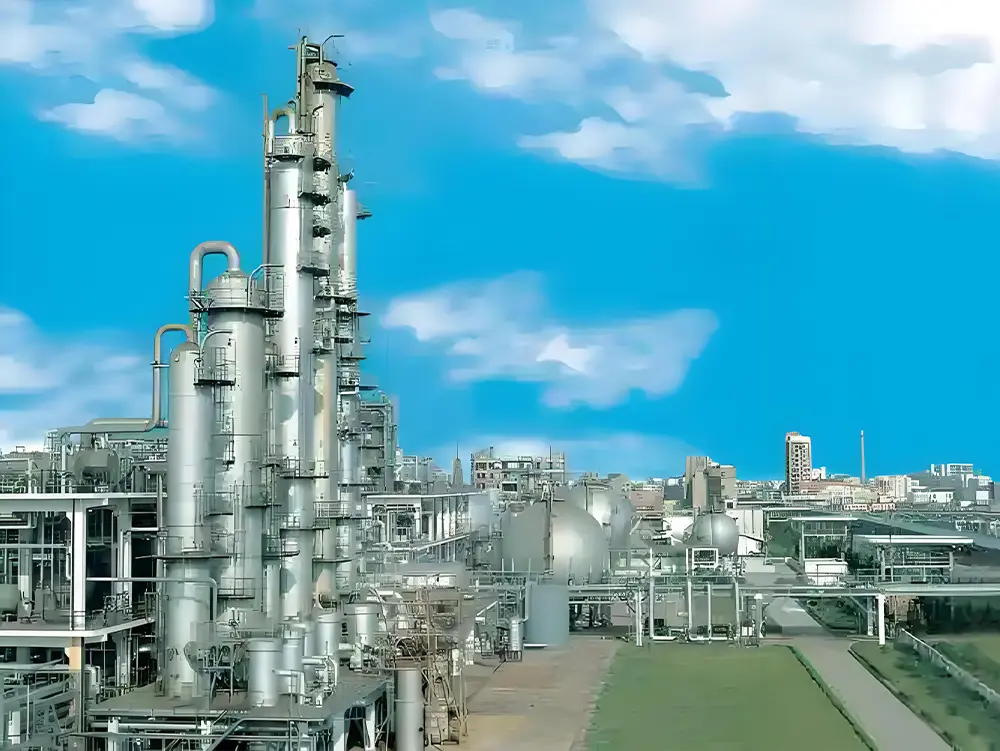
In addition to our primary organosilicon business, Boctok operates a highly integrated Tier II core business in Petroleum Resins. Having invested strategically in leading hydrocarbon resin manufacturers in China, we currently run three state-of-the-art hydrocarbon resin manufacturing factories located in Zibo, Fushun, and Nanjing. Leveraging direct pipeline access and strategic contracts for raw materials with industry titans SINOPEC and PetroChina, we guarantee uninterrupted supply chains for high-purity raw materials. Our petroleum resin product catalog includes C9 hydrogenated resins, C5 hydrocarbon resins, C5 modified C9 hydrocarbon resins, C9 hydrocarbon resins, dicyclopentadiene (DCPD), and methyl cyclopentadiene dimer.
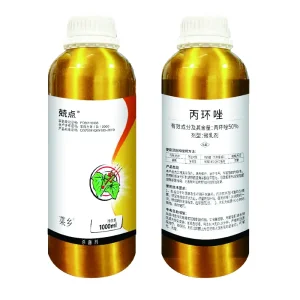
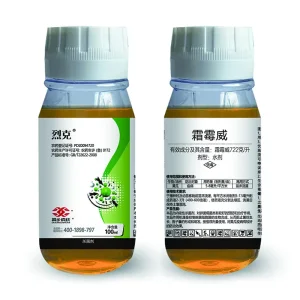
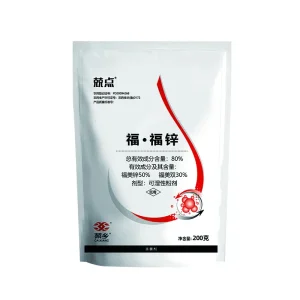
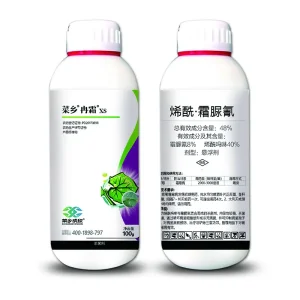
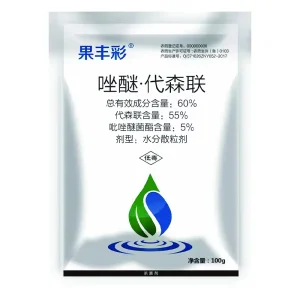
Simultaneously, Boctok has carved out a robust presence in the agrochemical market. We supply and produce critical intermediates and raw active ingredients for the formulating of high-efficacy pesticides, fungicides, insecticides, seed treatments, herbicides, and plant growth regulators.
Through our seamless distribution networks, Boctok's chemical solutions are distributed throughout domestic markets in China and actively exported to high-demand regions including North America, Europe, Japan, South Korea, Australia, South America, the Middle East, India, Southeast Asia, and Russia. This global presence has built strong trust with Fortune 500 companies and regional industrial leaders alike.
The molecular engineering of Methyl MQ resins is moving toward ultra-pure, zero-VOC (Volatile Organic Compound), and functionalized copolymer architectures. Historically, the synthesis of MQ resins relied on the sodium silicate pathway or the hydrolytic condensation of tetraethyl orthosilicate (TEOS). Modern advancements developed by top manufacturers now focus on minimizing silanol content (Si-OH) to improve shelf life and heat stability.
By replacing portions of the monovalent M units with vinyl-functionalized siloxy groups, manufacturers synthesize VMQ resins. These act as covalent reinforcing agents in liquid silicone rubbers (LSR) via hydrosilylation. The resulting polymers display superior tensile strength, tear strength, and optical transparency, which are essential for automotive LED lenses and aerospace sealants.
Over the next decade, the research and development roadmap focuses on:
Exploring how Methyl MQ Resin and associated silicone technologies drive performance across diverse global sectors.
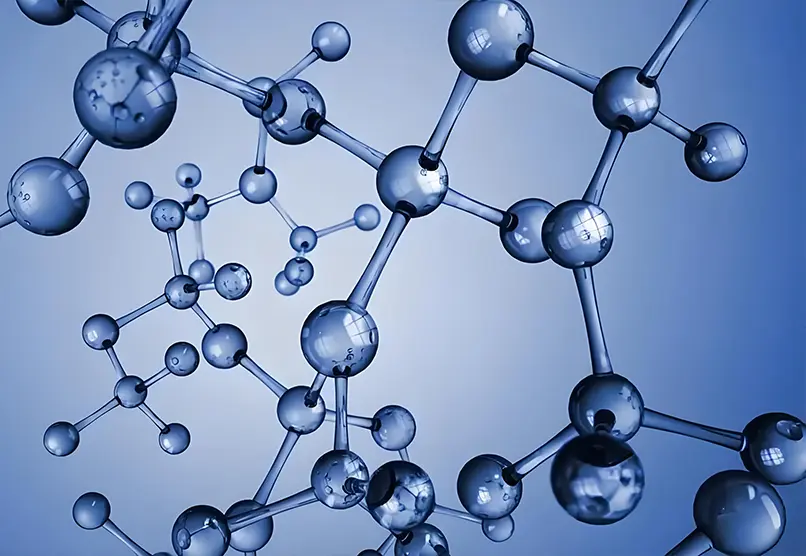
Chemical Material

Pesticides
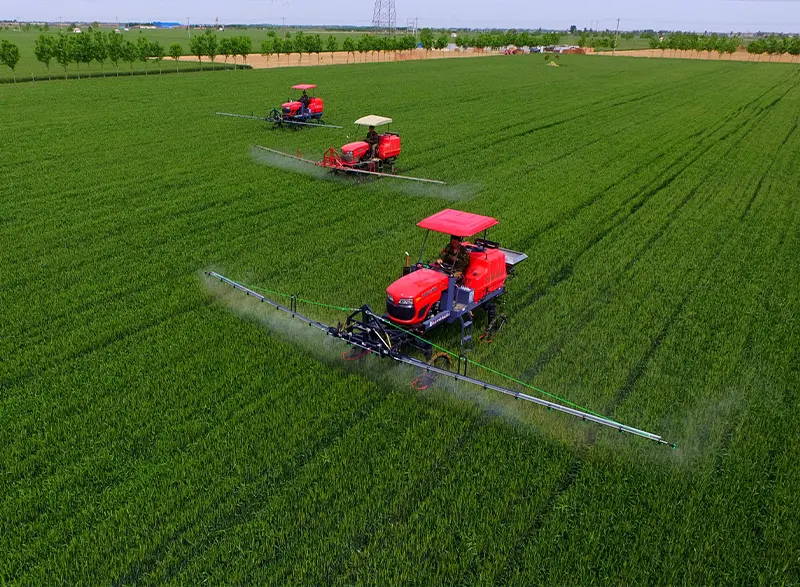
Pesticides - Fertilizers
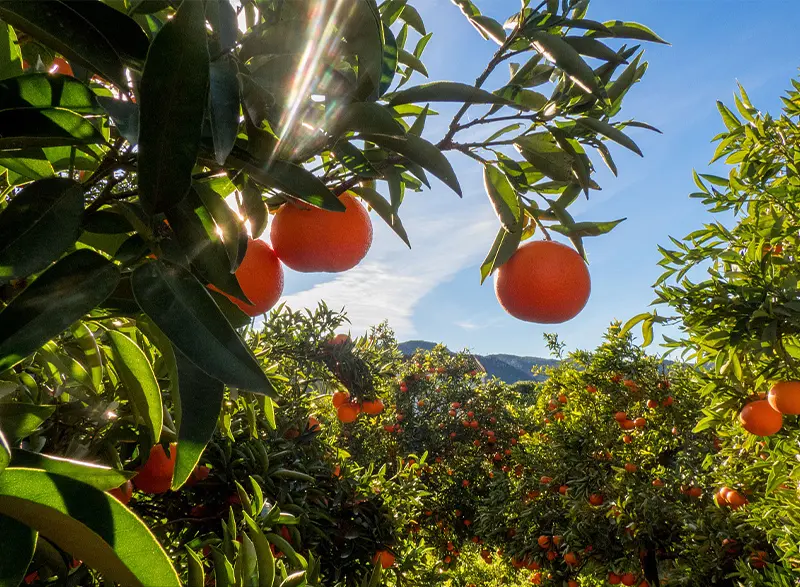
Pesticides - Fruits

Pesticides - Flora
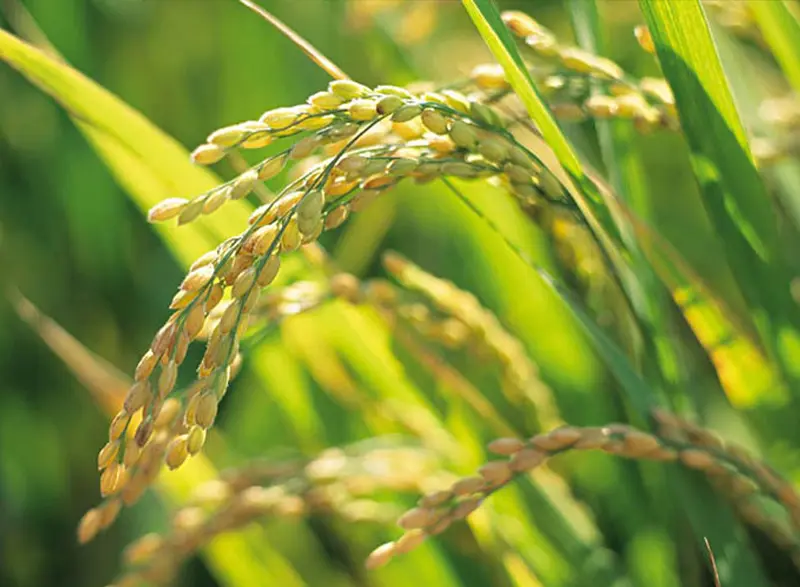
Agricultural Crops

Vegetables Protect
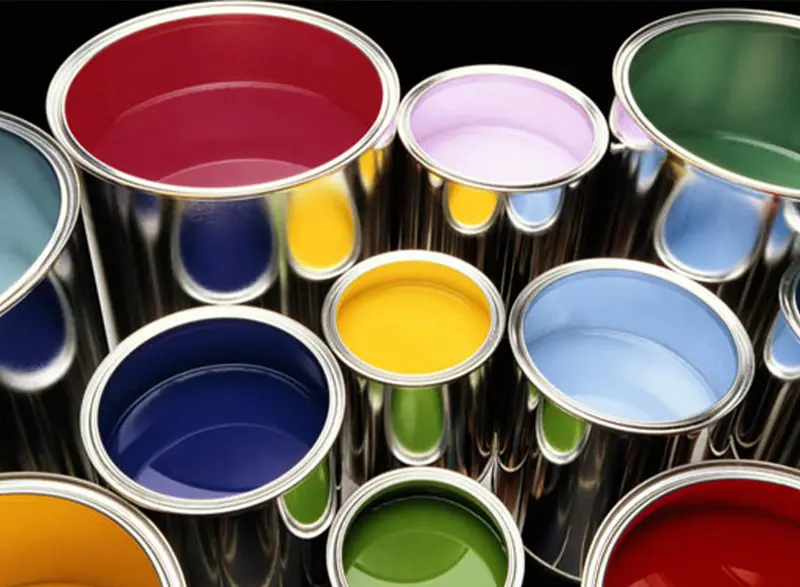
Petroleum Resins
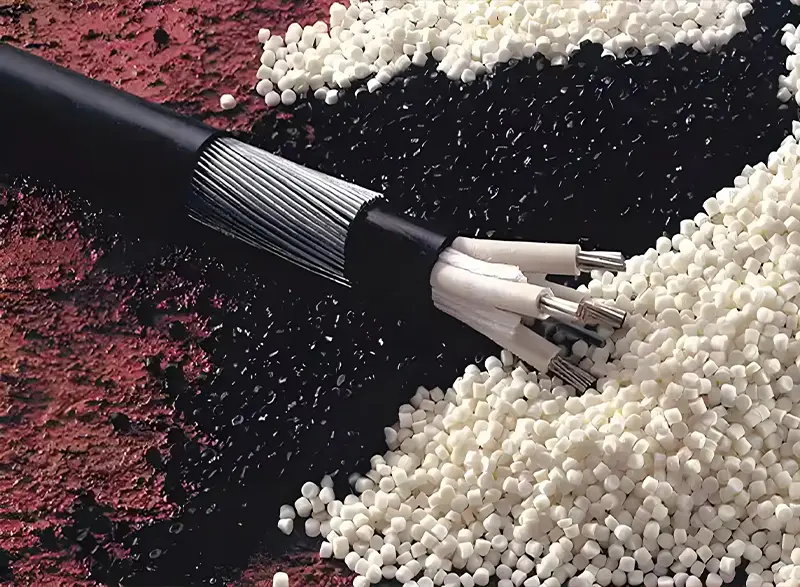
Silicones - Cable
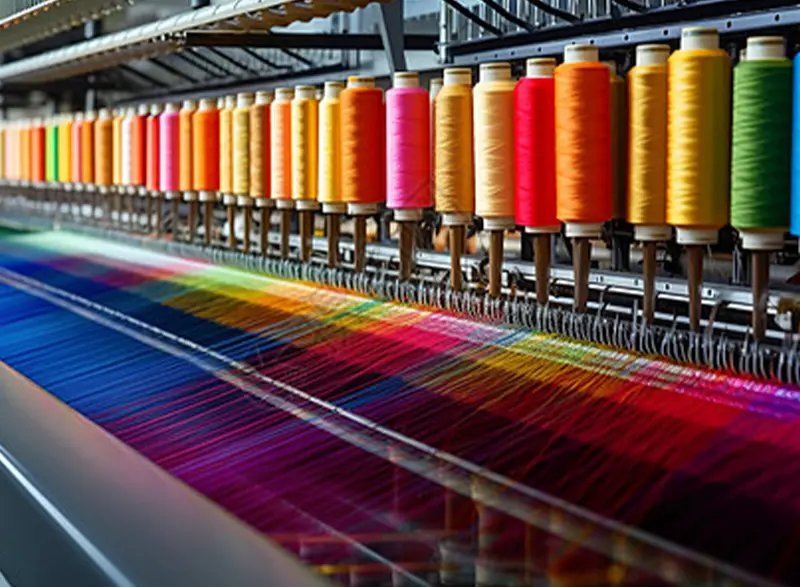
Silicone Textiles
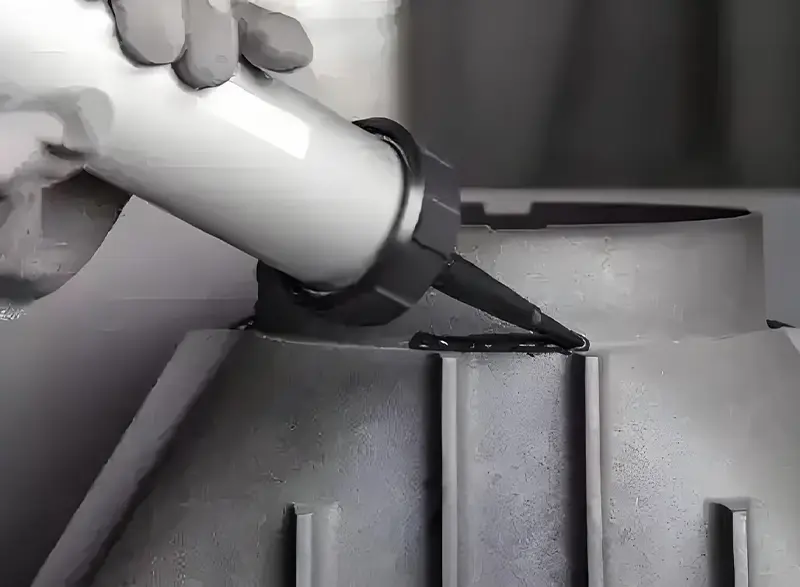
Silicone Adhesives
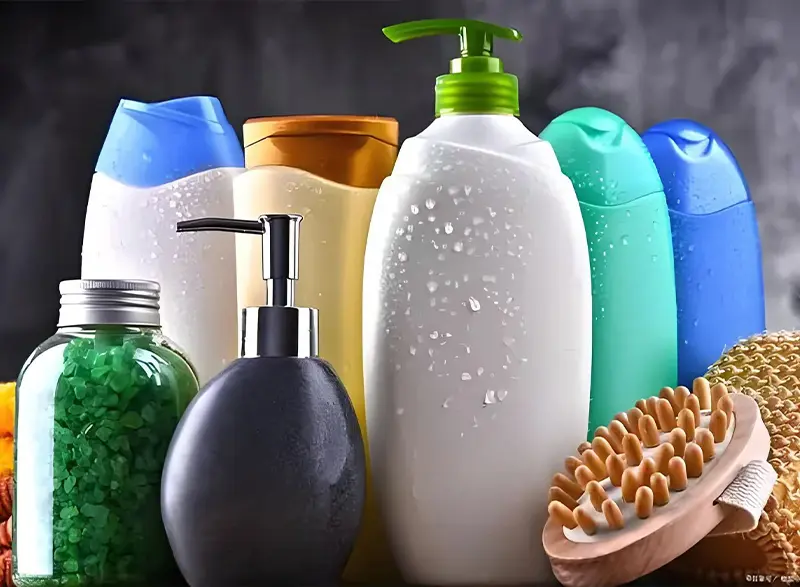
Daily Chemical
From cosmetic formulations to high-stress wind turbine construction, the versatility of customized silicates and resins is unparalleled.

Pharmaceutical & Pesticide

Cosmetics & Care (Resins)
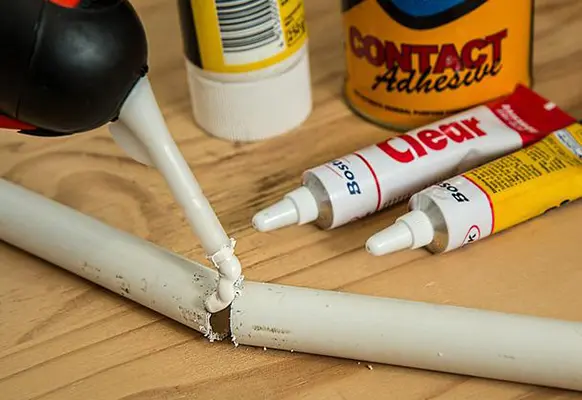
Industrial Adhesives
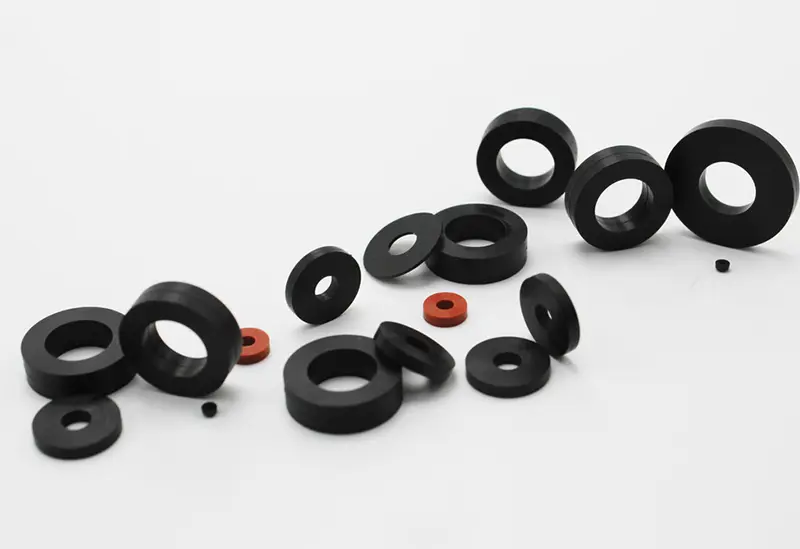
Rubber Industry
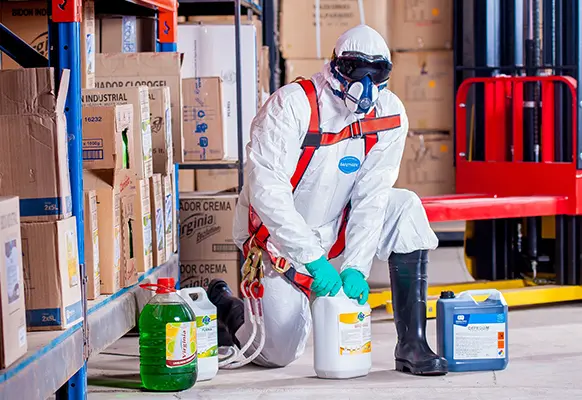
Paints & Coatings
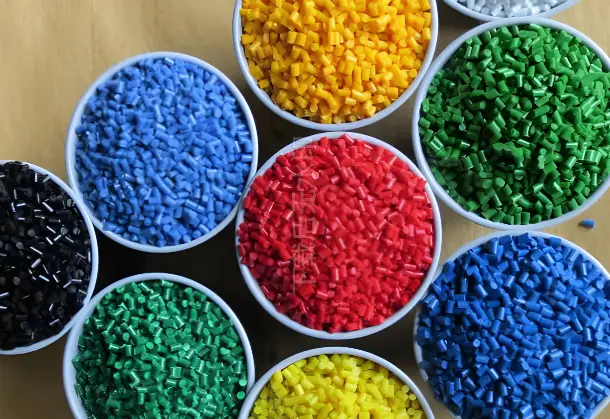
Plastics Industry
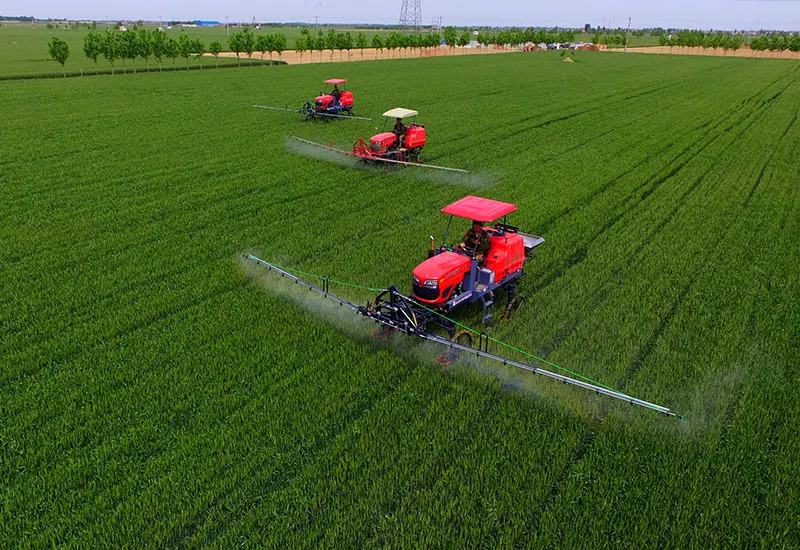
Pesticides Crop
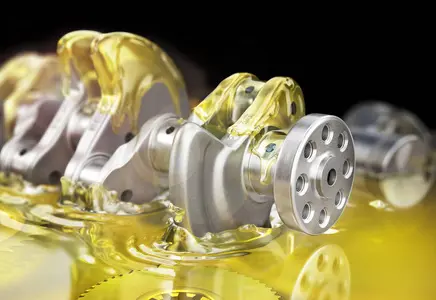
Self-lubricating LSR
Antifoaming Agent

Drywall Treatments
Cosmetics (Silicone Oil)
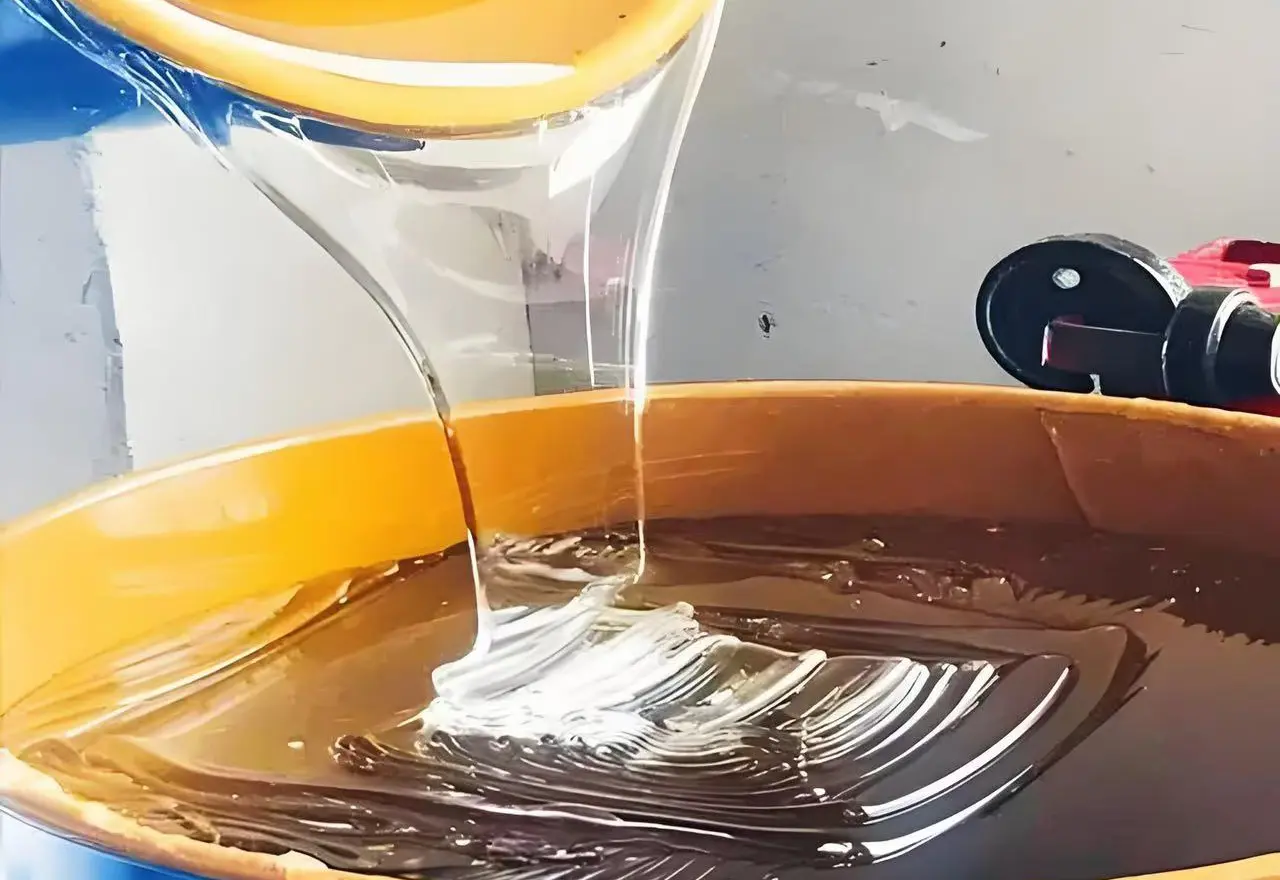
Silicone Liquids

Auto & Marine
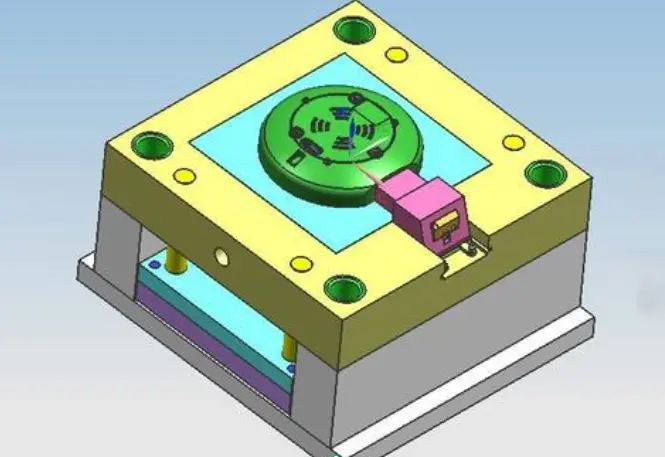
Forming Elements

Electronics Packaging

Construction Industry
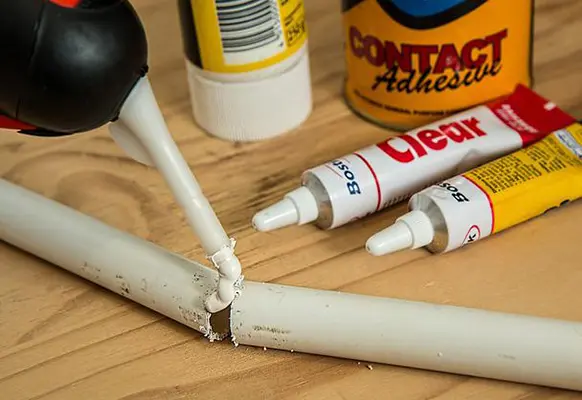
Construction Adhesives
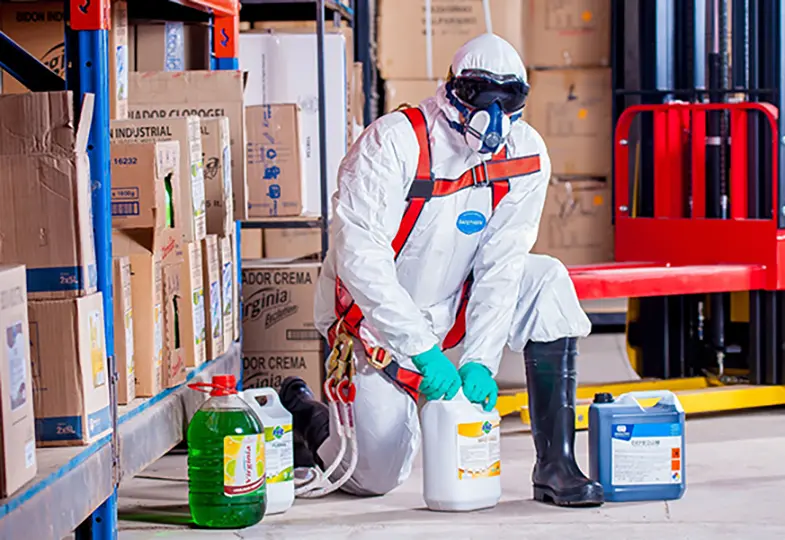
Paint & Varnishes

Metal Treatment
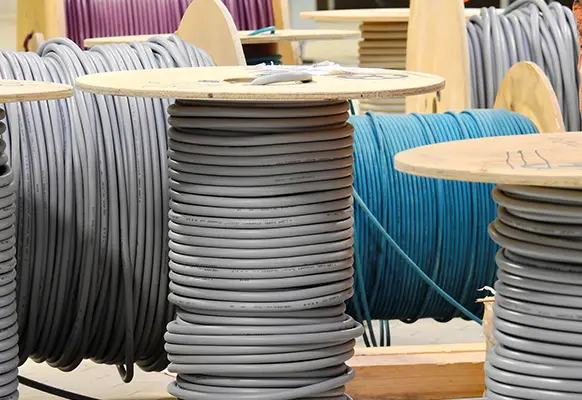
Wire and Cable
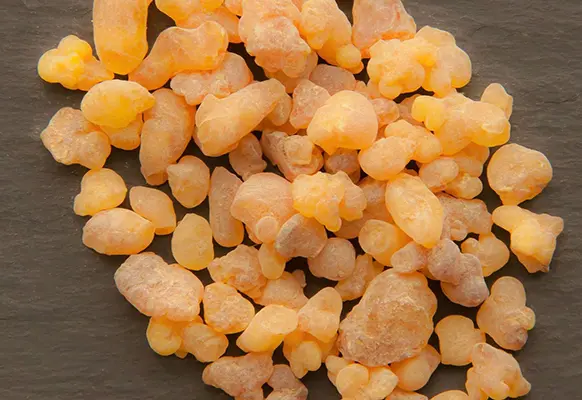
Resin Synthesis

Material Processing

Wind Turbines

Biomedical Use

Textile Industry

Mineral Processing
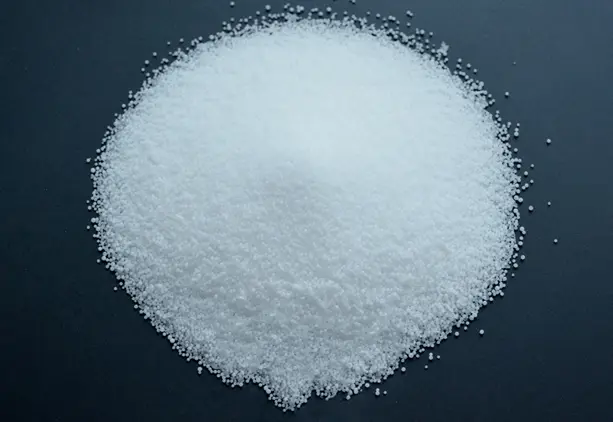
Micro-Polymers
Plastics (Silicon)
Adhesives Spec
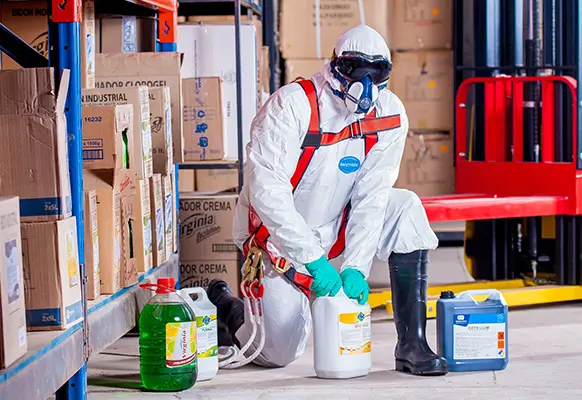
Paints (Silicone)
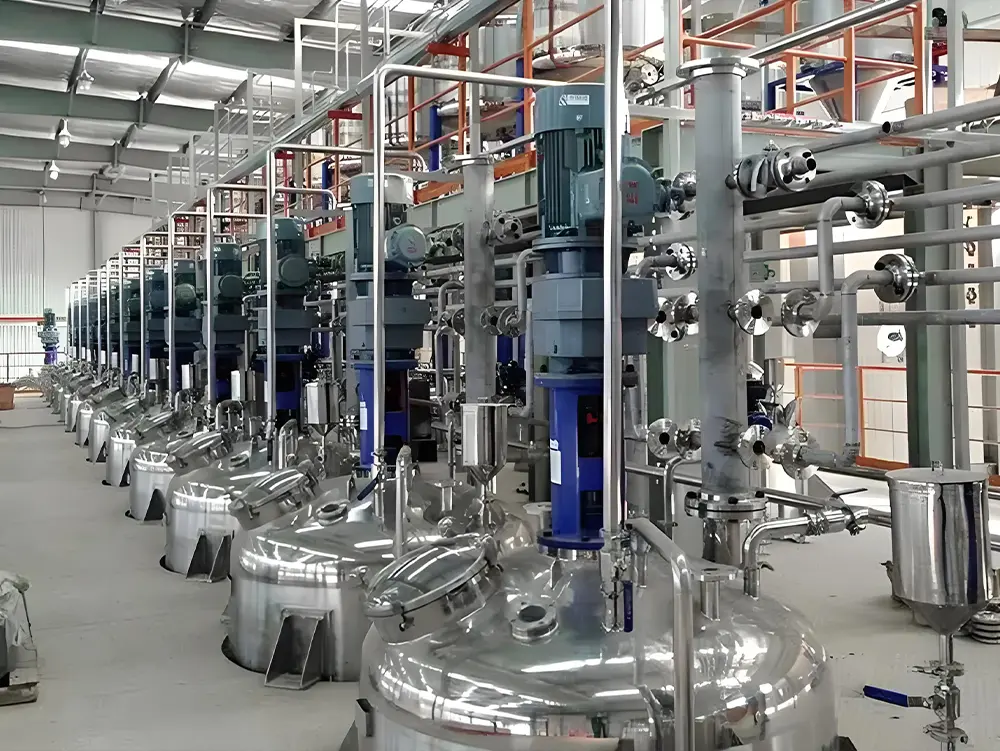
To support high-volume global markets and ensure cost-leadership without compromising quality, Boctok invested US$65 million in a new plant within the Bohai Industrial Park, a certified provincial chemical park in Shouguang City, Shandong Province. This high-tech facility is designed to strengthen the domestic and export chain of our specialized silane coupling agents and advanced silicone resins.
Key indicators of Boctok's smart production include:
Real-time automated control of temperature, pressure, and catalyst injection rates during high-viscosity polymerization.
Immediate automated shutdown sequences in case of pressure fluctuations, guaranteeing worker safety.
Strict operational controls and quality gates at every production phase, from raw materials to delivery.
Advanced scrubbers and biological reactors ensure eco-friendly VOC and salt-water emissions handling.
Purchasing departments of Fortune 500 chemical enterprises must navigate stringent safety, regulatory, and physical specifications when sourcing Methyl MQ Resins. In applications like pressure-sensitive adhesives (PSAs), the resin-to-polymer ratio determines structural tack, peel adhesion, and cohesive shear strength. Chemical stability, volatile content, and hazardous heavy-metal limits are critical properties that require verification.
To support smooth global operations, Boctok provides comprehensive documentation and regulatory support:
Expert technical responses to key questions regarding the synthesis, handling, and application of Methyl MQ Resin.
Methyl MQ Resin is a macromolecular silicone network constructed from monovalent (M) trimethylsiloxy units [$ (CH_3)_3SiO_{0.5} $] and tetravalent (Q) silicate units [$ SiO_2 $]. It is synthesized through the hydrolytic condensation of sodium silicate ($ Na_2O \cdot xSiO_2 $) or tetraethyl orthosilicate (TEOS) in acidic media, co-reacted with hexamethyldisiloxane (MM). Controlling reactor acid concentrations, temperatures, and addition rates determines the final M:Q ratio and molecular weight profile.
The M:Q ratio dictates the resin's crosslinking density and physical state. A lower M:Q ratio (e.g., 0.5 to 0.7) yields a higher relative fraction of Q units, producing a hard, brittle, and glassy structure at room temperature. Conversely, a higher M:Q ratio (e.g., 0.9 to 1.2) increases the presence of modifying methyl groups, resulting in a softer, more flexible resin that easily dissolves in organic solvents.
In cosmetics, Methyl MQ Resin acts as an excellent film-forming agent. It creates a breathable, flexible, and hydrophobic barrier on the skin or hair. This film prevents water loss, enhances color transfer resistance in lipsticks and foundations, and provides rub-off resistance in sunscreens.
VMQ (Vinyl Methyl MQ) resins introduce reactive vinyl groups ($ -CH=CH_2 $) into the silicate network. During the vulcanization of Liquid Silicone Rubber (LSR) via hydrosilylation (using a platinum catalyst), these vinyl groups chemically crosslink into the silicone matrix. This covalent reinforcement significantly increases the rubber's tear strength and elongation properties compared to physically blended, non-reactive MQ resins.
MQ Resins are generally supplied either as dry powders or dissolved in carrier solvents. Standard commercial solutions utilize aromatic hydrocarbons (toluene, xylene) or isoparaffinic solvents. For green building and low-VOC cosmetics, solvent-free powders or formulations in low-viscosity cyclic silicones (D5, D6) and ethyl acetate are preferred.
Explore our downstream resins, silane crosslinkers, and specialty hydrocarbon solutions.
 Boctok Chemical