High-purity specialized formulations engineered for optimal crosslinking, surface treatment, and material interface reinforcement.
A Leading Global Supplier in Silicone Chemistry & High-Performance Resins
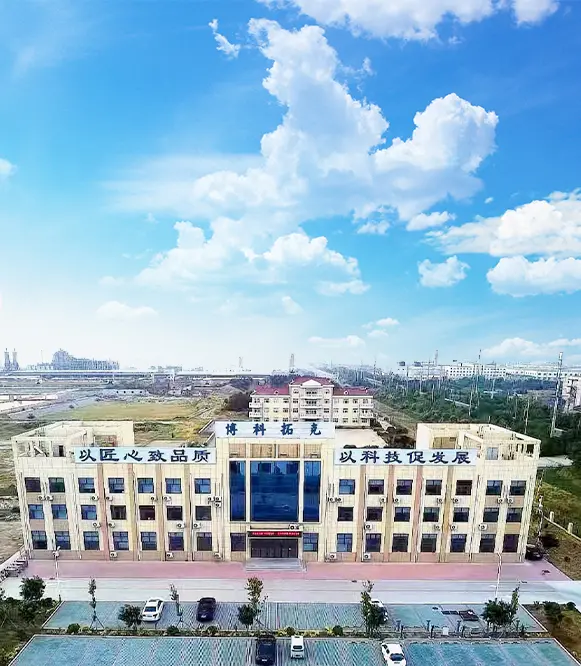
Founded in 2012 as a global marketing and sales powerhouse, Shandong Boctok Chemical Co. has evolved into an international benchmark for high-performance chemical engineering. In 2023, the organization achieved a monumental milestone of US$280 million in sales, driven by our dedicated service channels including the specialized BOCTOK™ brand serving the Russian, CIS, European, and American markets.
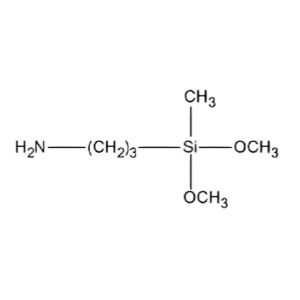
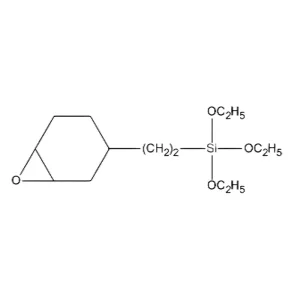
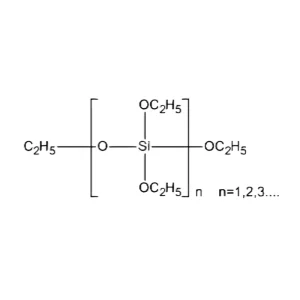
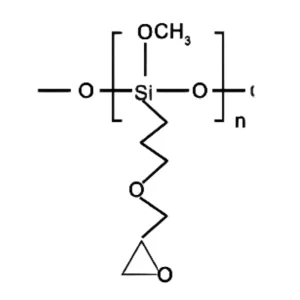
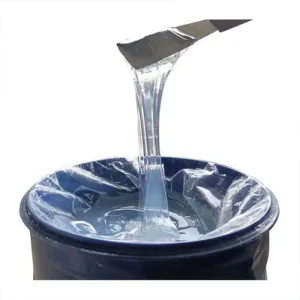
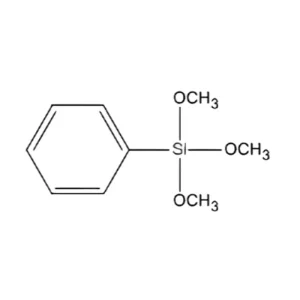
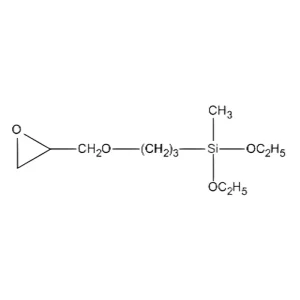
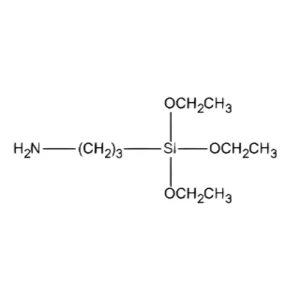
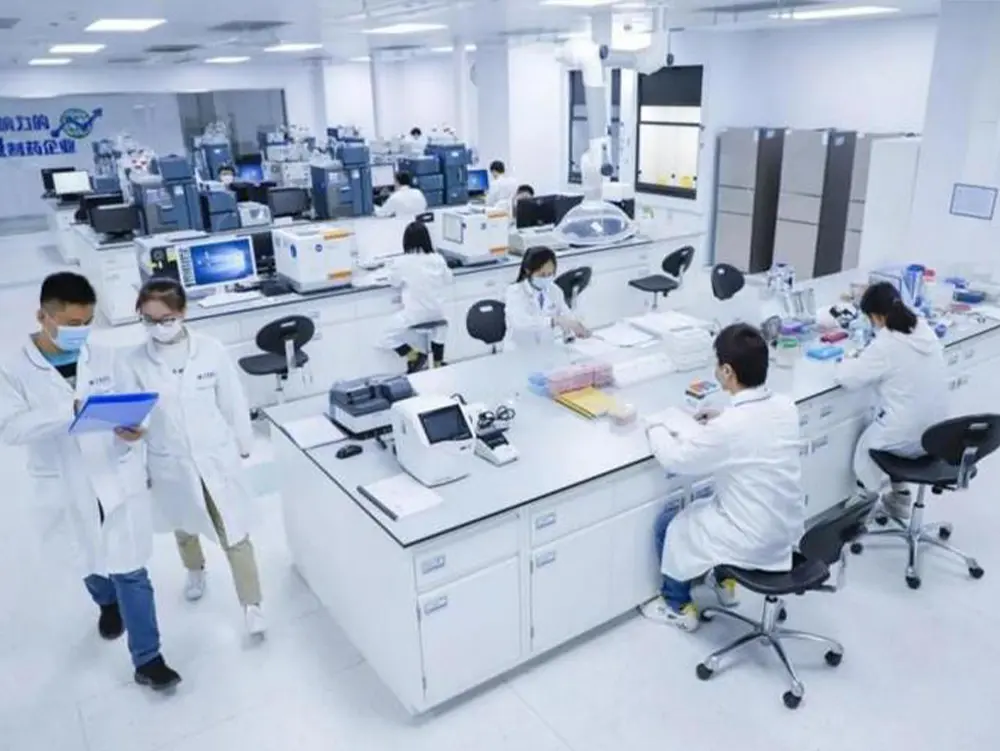
Our core manufacturing infrastructure covers twelve main silane coupling agent and crosslinker series: aminosilane, methacrylate silane, epoxy silane, vinyl silane, mercaptosilane, alkyl silane, ethyl silicate, chlorosilane, silane isocyanates, phenyl silane, ureidosilane, and serosilane. Beyond silanes, we specialize in high-purity silicone fluids, silicone resins, and specialty rubbers (such as PVMQ rubber, high-hydrogen silicone oil, and silanol fluids).
The dual-functionality bridging organic polymeric resins and inorganic glass/mineral structures.
Methacryloyloxy silane coupling agents (primarily represented by 3-methacryloxypropyltrimethoxysilane or MEMO) act as vital molecular bridges. By featuring both a hydrolyzable alkoxy group (silane moiety) and a reactive organic double bond (methacryloxy moiety), these agents chemicalize the link between dissimilar materials. During processing, the alkoxy groups undergo rapid hydrolysis to form reactive silanol (Si-OH) groups. These silanols subsequently form strong siloxane bonds (Si-O-Si) with hydroxyl groups on inorganic surfaces like glass fiber, silica fillers, titanium dioxide, or metallic oxides.
Simultaneously, the methacrylic terminal group participates in free-radical copolymerization with unsaturated polymers. When mixed with thermoset resins (like unsaturated polyesters, vinyl esters, acrylics, and UV-curable formulations), this dual-reaction pathway creates an interpenetrating polymer network (IPN) at the interface. This structural synergy improves mechanical parameters, including flexural strength, tensile modulus, and chemical stability, even under prolonged humid or high-temperature conditions.
Precise methoxy/ethoxy ratios on the silicon head govern the rate of silanol formation. In aqueous processes, controlled pH values maximize bonding efficiency and prevent premature self-condensation.
Our methacryloyloxy silanes optimize polymer matrices like acrylics, polyurethanes, and unsaturated polyesters by ensuring high graft efficiency and improved thermal resistance.
Siloxane network bonds restrict water diffusion along the filler-polymer boundary. This minimizes mechanical degradation, blistering, and dielectric losses in outdoor applications.
Exploring our integrated hydrocarbon (petroleum) resins and agricultural formulations designed to deliver global chemical support.
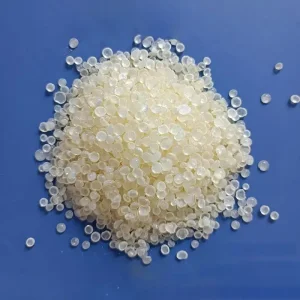
We operate three advanced hydrocarbon resin manufacturing centers strategically positioned in Zibo, Fushun, and Nanjing. Leveraging stable chemical feedstocks from domestic giants SINOPEC and PetroChina, our production plants supply premium grade materials, including:
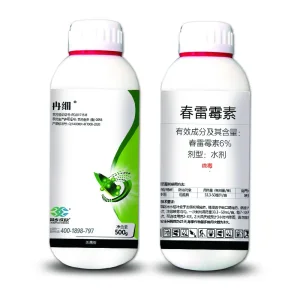
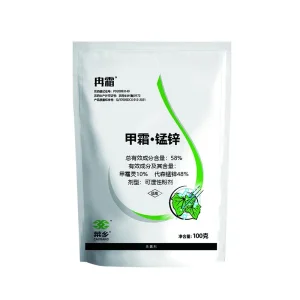
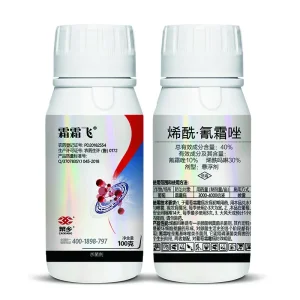
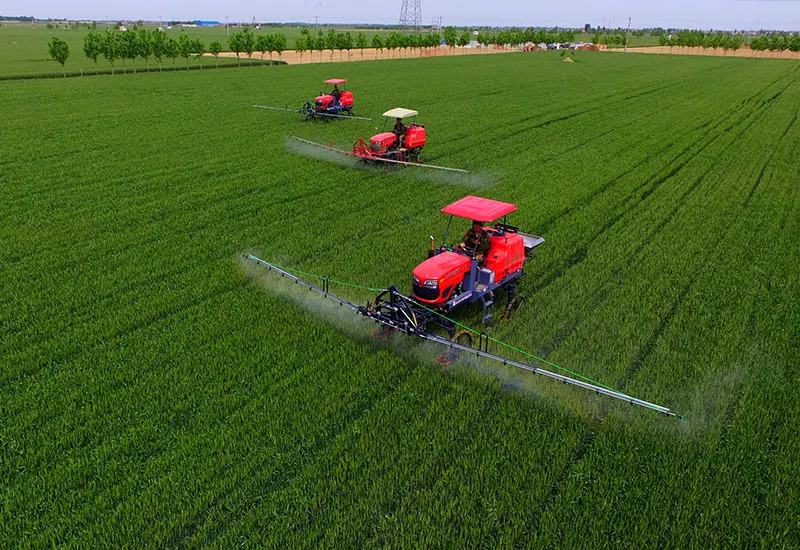
We produce key active ingredients and custom intermediates, serving the global pesticide formulation sector. Our crop protection portfolio supports the Russian and international agricultural supply chains with:
Why Fortune 500 chemical companies choose Shandong Boctok for high-performance silanes and resins.

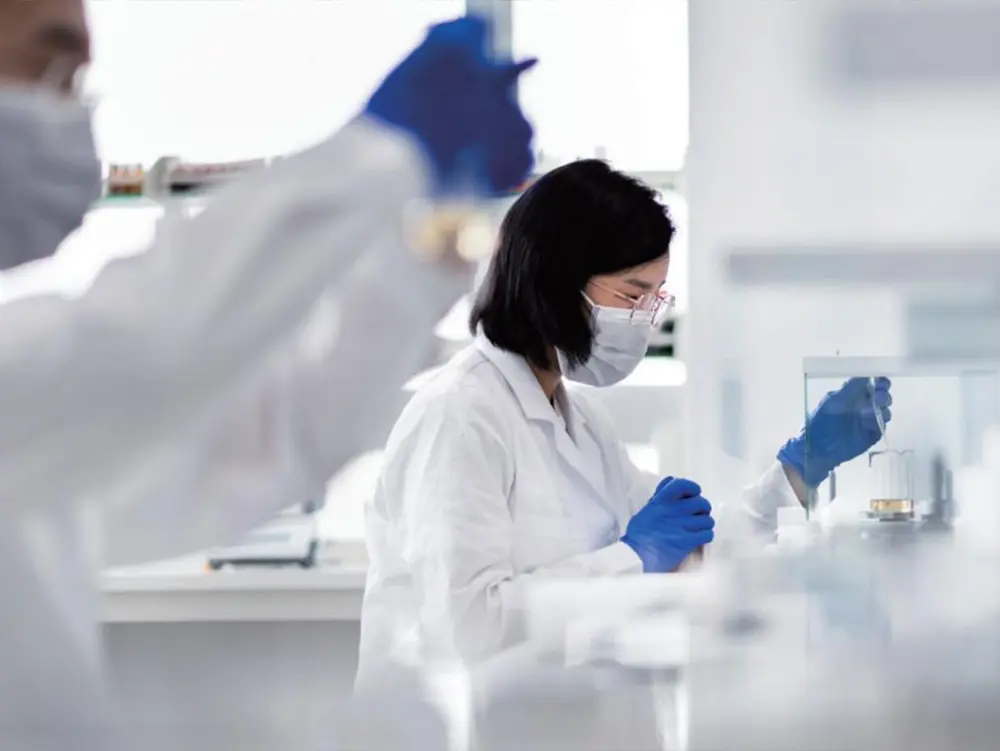
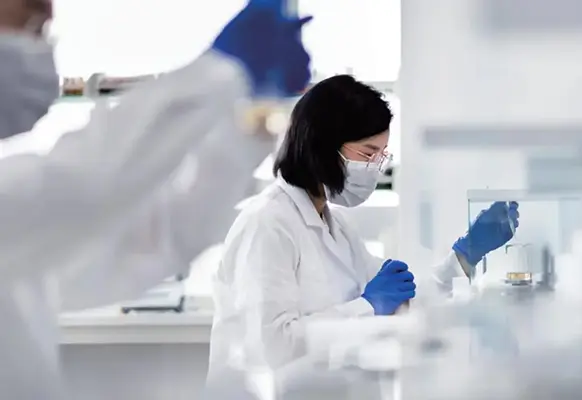
Rigorous laboratory validation, chemical assay testing, and trace tracking profiles verify that every shipment conforms to international specifications.

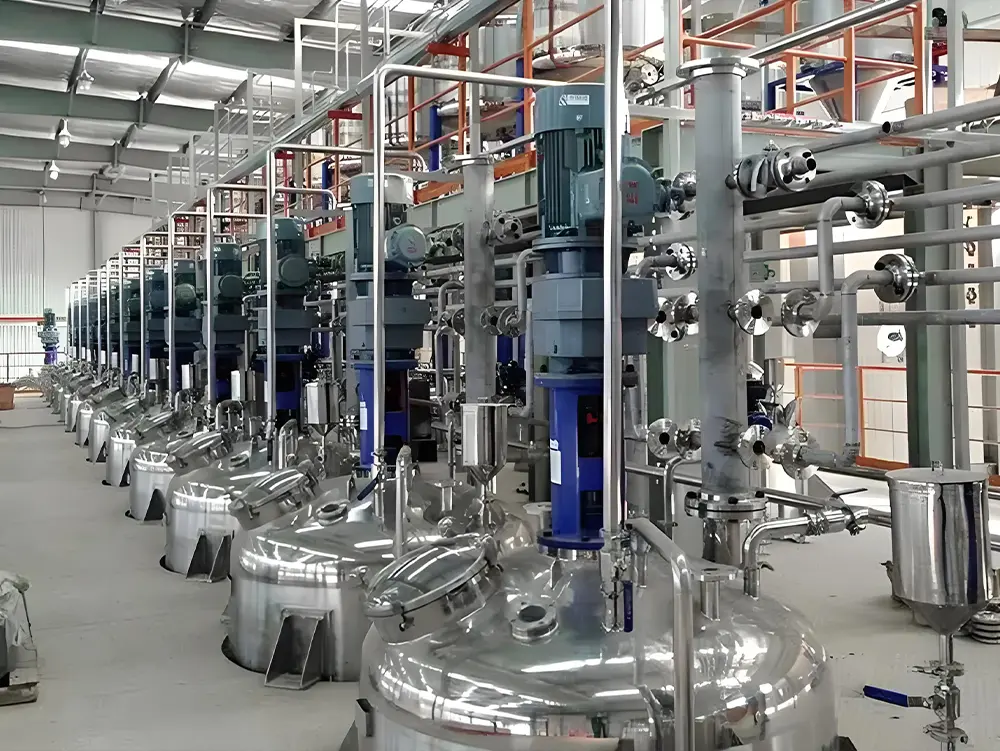
Our advanced continuous synthesis lines allow us to scale production and fulfill demands for custom silane oligomers and bulk orders.

Our technical service team is available 24/7 online, providing guidance on silane hydrolysis, dosage optimization, and compound formulating.

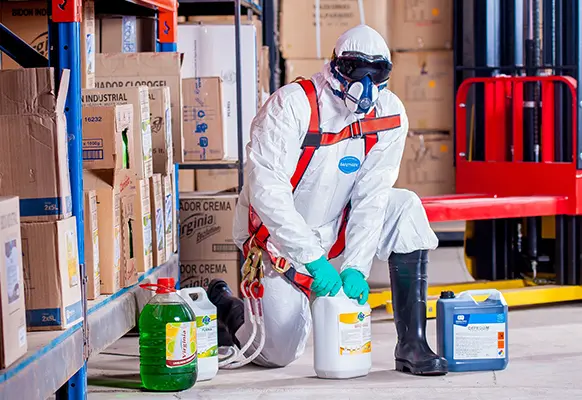
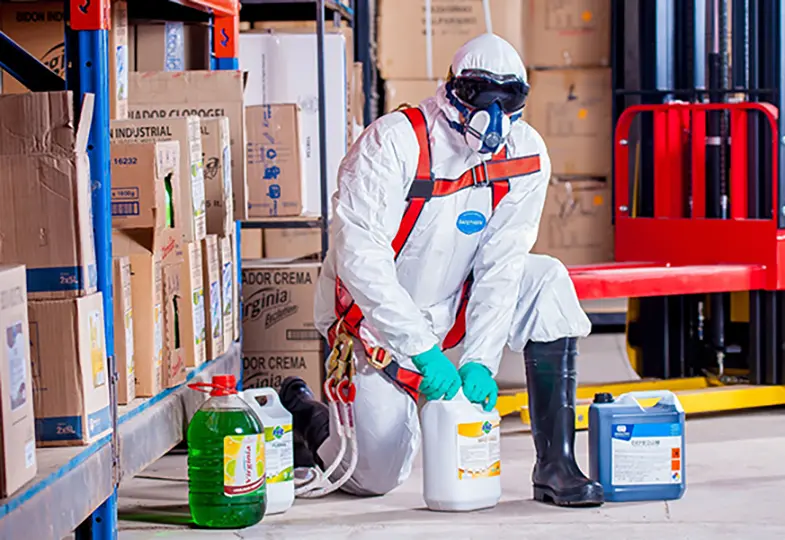
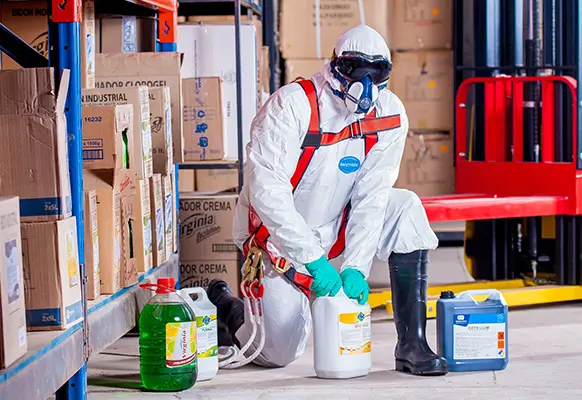
An optimized logistics system ensures fast order processing, proper handling of hazardous materials, and timely delivery to customers.
We deliver core chemistry structures optimized for diverse manufacturing and formulation operations.
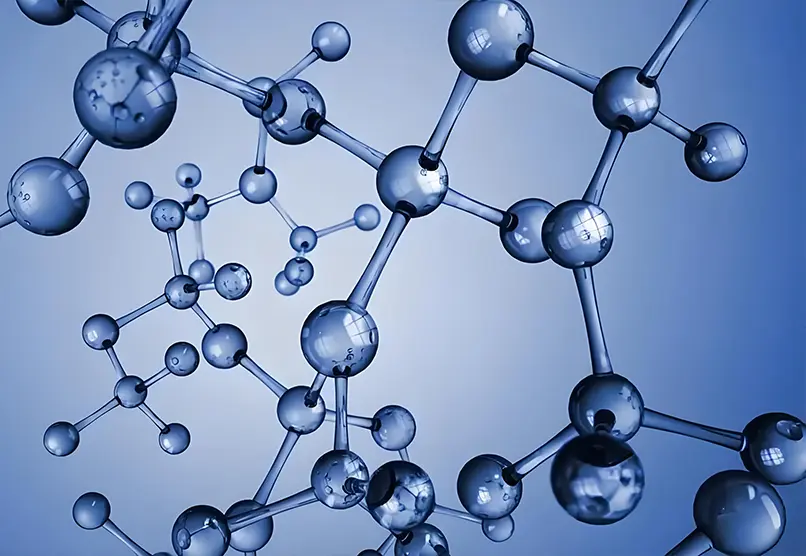
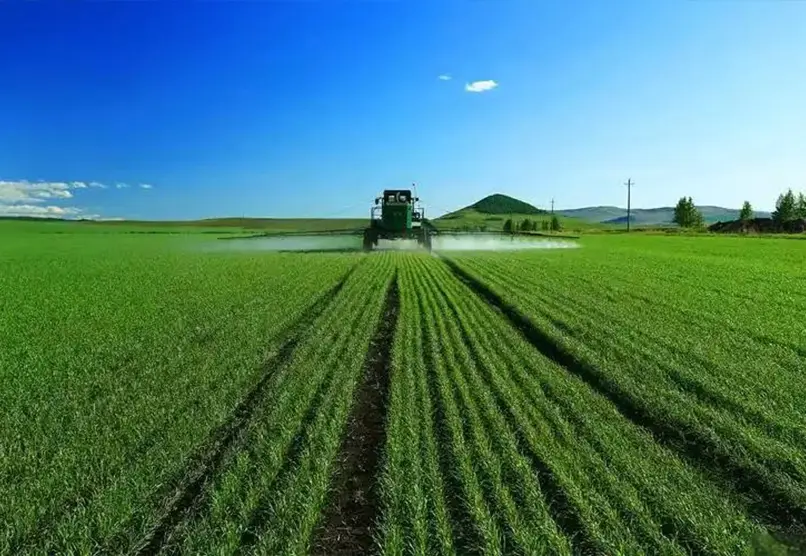
Improving the strength, endurance, and durability of materials across ten essential manufacturing sectors.
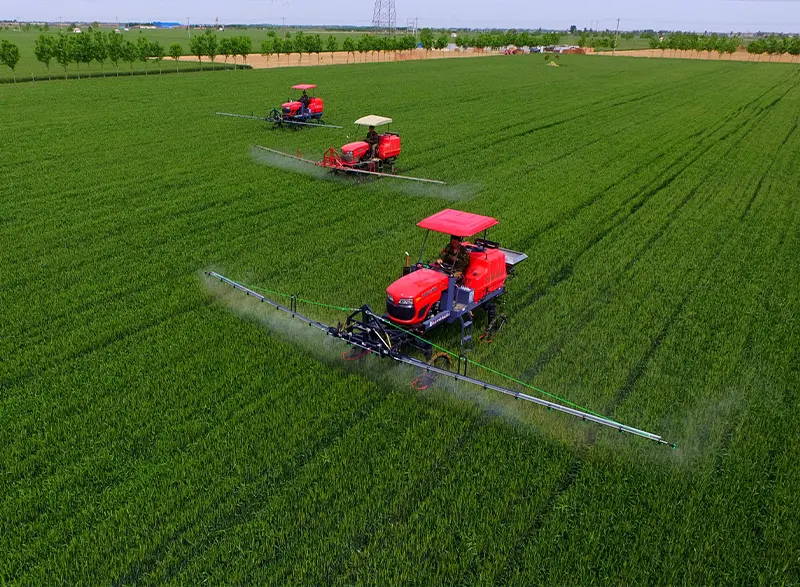



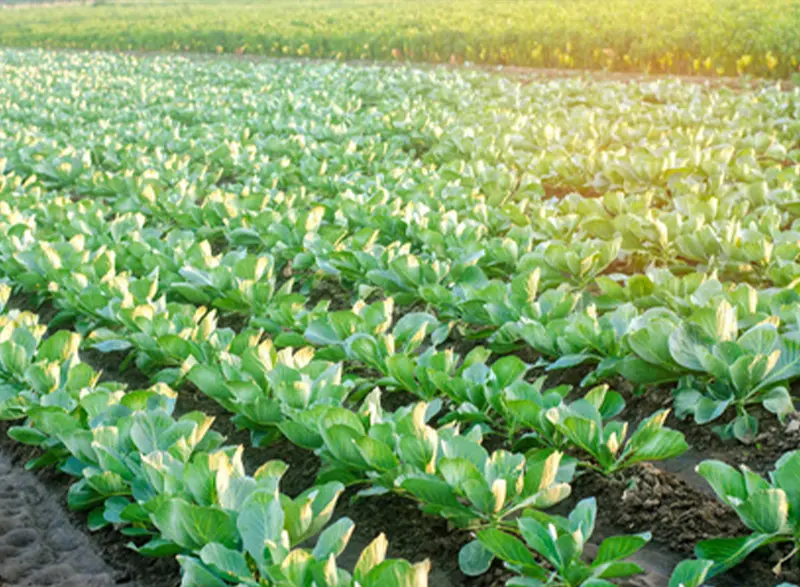
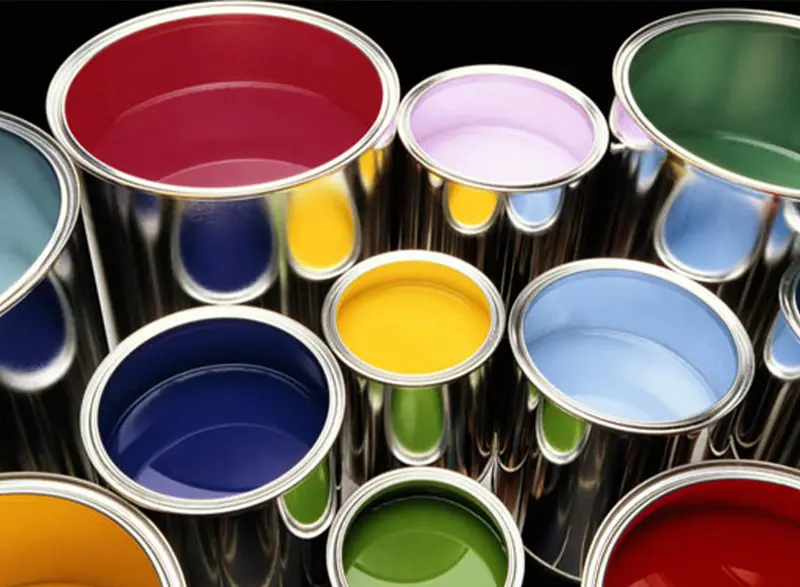
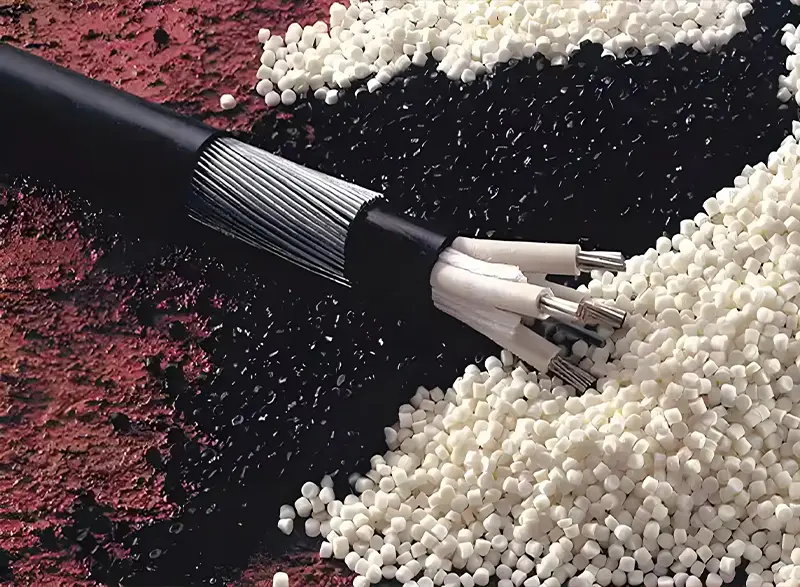
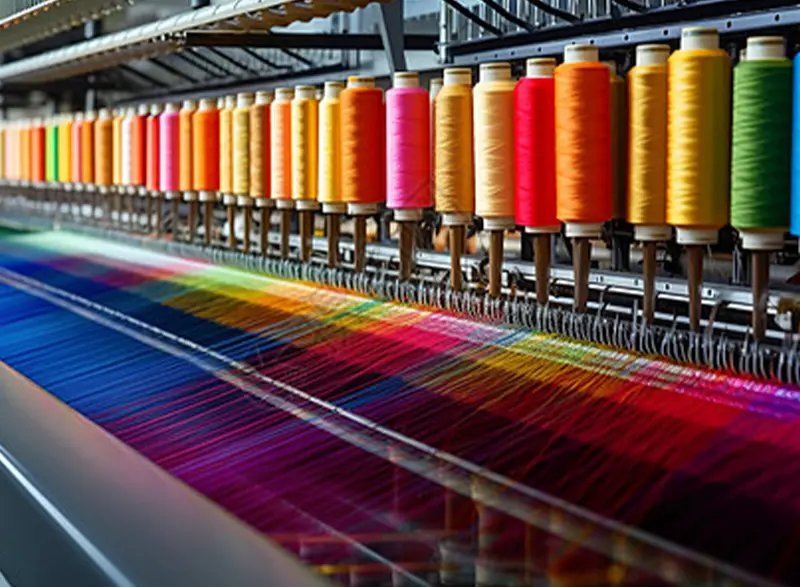
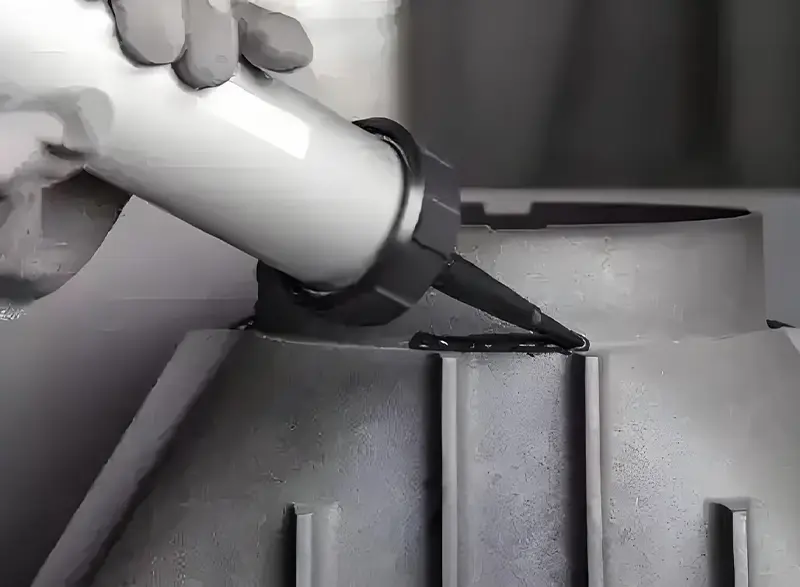
Formulators utilize Boctok products across a wide spectrum of specialized polymer applications.


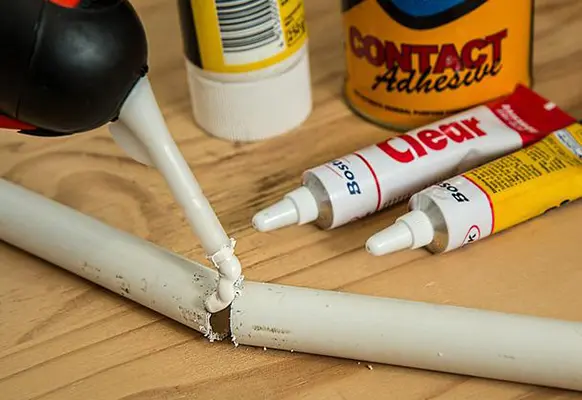
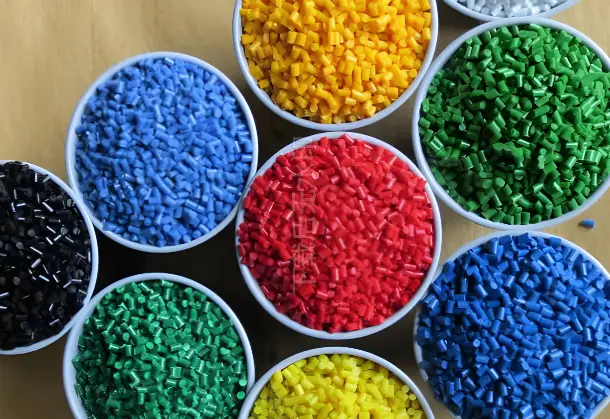
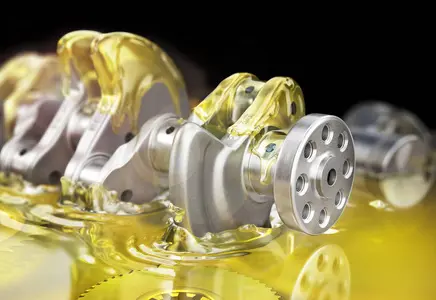








Strategic intelligence for engineers and formulation designers optimizing compound performance.
In highly regulated fields, the application of methacryloyloxy silane coupling agents requires customization. For example, in dental composite restoratives, silanized silica nanoparticles are integrated into acrylic monomer matrices. Pre-treating silica with methacryloxy propyl silanes yields high mechanical strength, optimal wear resistance, and long-term hydrolytic durability, preventing composite degradation in oral environments.
In wind energy components, glass fiber surfaces are sized using specialized methacryloyloxy and epoxy silane blends. This treatment optimizes matrix integration with vinyl ester or epoxy resins used during vacuum-assisted resin transfer molding (VARTM). By preventing debonding under cyclical mechanical stress, these agents extend the fatigue life of 100-meter-long composite wind turbine blades.
For industrial coatings and printing inks, methacryloyloxy silanes are copolymerized directly into acrylic emulsions or utilized as post-addition additives. In UV-cured systems, these silanes facilitate fast crosslinking and promote adhesion to difficult substrates like untreated aluminum, glass, and copper sheet. This treatment meets the demands of high-speed electronic packaging and industrial coating lines.
As regulatory requirements for volatile organic compounds (VOCs) tighten, the organosilicone industry is pivoting towards eco-friendly formulations. Shandong Boctok Chemical's research team is developing water-borne, low-VOC silane systems. These silanes hydrolyze to release lower alcohol contents, addressing emissions concerns in automotive glass-fiber processing and architectural adhesive manufacturing.
Another major trend is the development of oligomeric silanes. Silane oligomers present multiple reactive centers on a single molecule, reducing volatility while improving flashpoint safety during compound blending. These structures provide optimal wetting behavior and bonding efficiency, allowing manufacturers to reduce raw material dosage and lower overall compound costs.
| Mechanism Step | Chemical Process | Performance Benefit |
|---|---|---|
| 1. Hydrolysis | Alkoxy silane (Si-OR) hydrolyzes in moisture to form silanol (Si-OH) and alcohol byproducts. | Prepares the molecule for inorganic bonding. |
| 2. Adsorption & Hydrogen Bonding | Silanol groups form hydrogen bonds with surface hydroxyl groups (M-OH) on silica/glass. | Ensures even alignment of coupling molecules at the filler interface. |
| 3. Condensation | Thermal processing drives off water, establishing stable covalent siloxane bonds (Si-O-M). | Provides resistance to humidity and thermal degradation. |
| 4. Copolymerization | Methacrylate double bonds react with unsaturated resins during curing. | Integrates inorganic fillers into the organic resin matrix. |
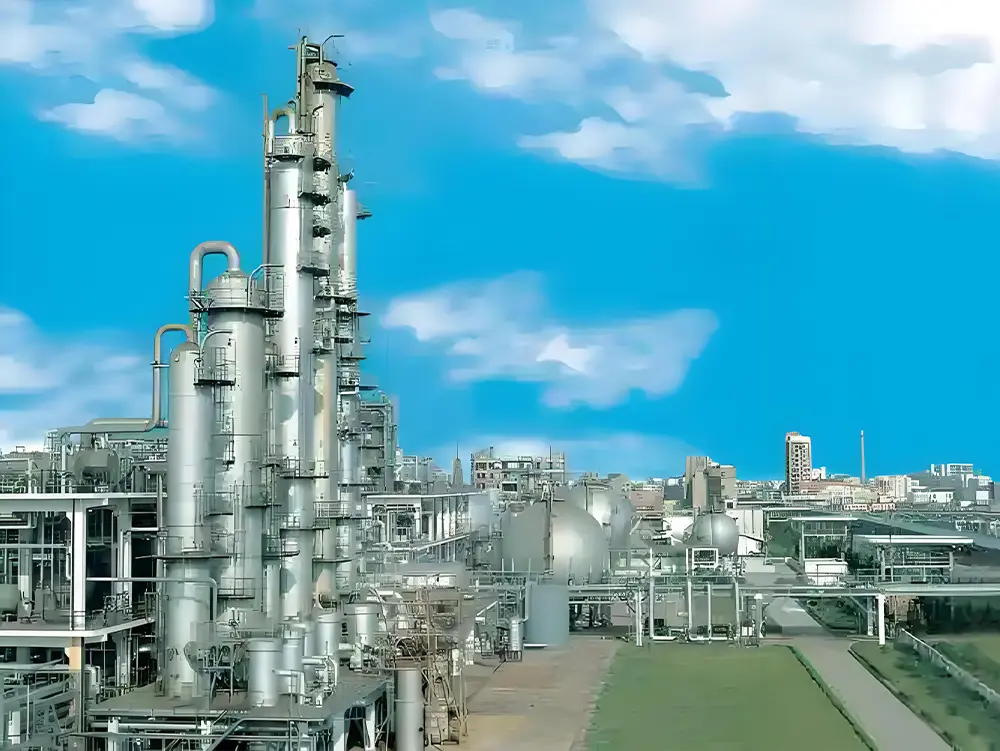
Shandong Boctok Chemical's production advantage is rooted in vertical integration. Our newly established manufacturing plant in the Bohai Industrial Park in Shouguang, Shandong Province represents a US$65 million investment. Spanning 6 automated DCS production lines, the facility achieves an annual output of 30,000 tons of silane coupling agents.
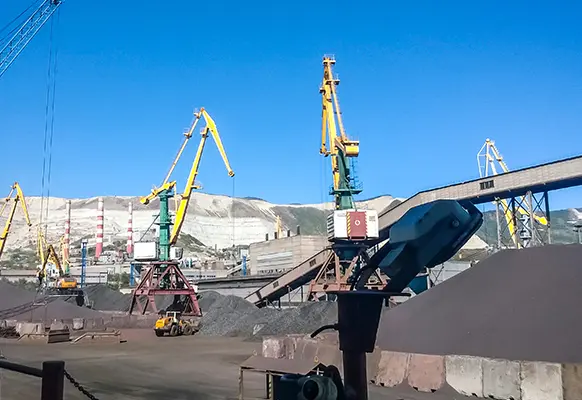
By establishing manufacturing in proximity to key raw materials from SINOPEC and PetroChina, Boctok controls upstream chemical inputs, including silicon metal, chlorosilanes, and raw alcohols. This vertical integration stabilizes our material supply and protects global customers from price volatility and cargo delays. Our proximity to major shipping terminals like Qingdao Port ensures efficient worldwide transport.
Exporting to complex regulatory environments like Europe, North America, and Russia demands high standards of safety compliance. All Boctok products align with global chemical registration standards, including EU REACH registration, US TSCA, and Eurasian GHS requirements. Our Shouguang facility operates under strict ISO 9001, ISO 14001, and ISO 45001 standards, utilizing Safety Instrumented Systems (SIS) to ensure safe, stable production.
Answers to common formulation questions on methacryloyloxy silanes and chemical compatibility.
Explore our technical-grade silanes, phenyl rubbers, and agricultural solutions for diverse international markets.
 Boctok Chemical