Explore our premium high-purity silanes, specialized resins, and chemical agents engineered for global industrial systems.
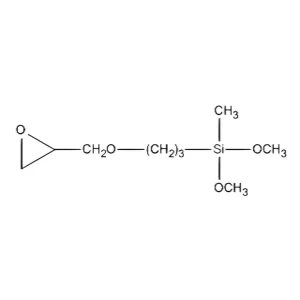
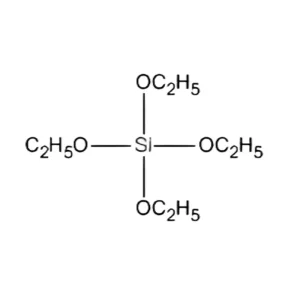
Annual Revenue (2023)
Annual Silane Production
Fully Automated DCS Lines
Active in 50+ Countries
Modern industrial engineering demands materials that resist extreme environmental stresses while remaining chemically stable over decades. Liquid Silicone Rubber (LSR) has emerged as the premier elastomeric solution, bridging the gap between conventional thermoset rubbers and advanced thermoplastics. Its low viscosity, biocompatibility, high thermal stability, and superior insulation characteristics make it a cornerstone in automotive, electronics, aerospace, and medical manufacturing.
At Shandong Boctok Chemical Co., we leverage state-of-the-art organosilicon formulations to meet these demanding tolerances. Since our foundation in 2012, we have transitioned from a localized marketing and sales entity into a global titan in the chemical supply chain, achieving over $280 million in annual sales by 2023. Under our brand BOCTOK, we provide targeted solutions for critical global markets, with a dedicated focus on the Russian Federation, Europe, South America, and the Middle East.
"True quality in silicone engineering is not merely about synthesis—it is about managing the kinetic process of crosslinking, ensuring consistent rheology, and matching polymer structures to exact downstream manufacturing methods."
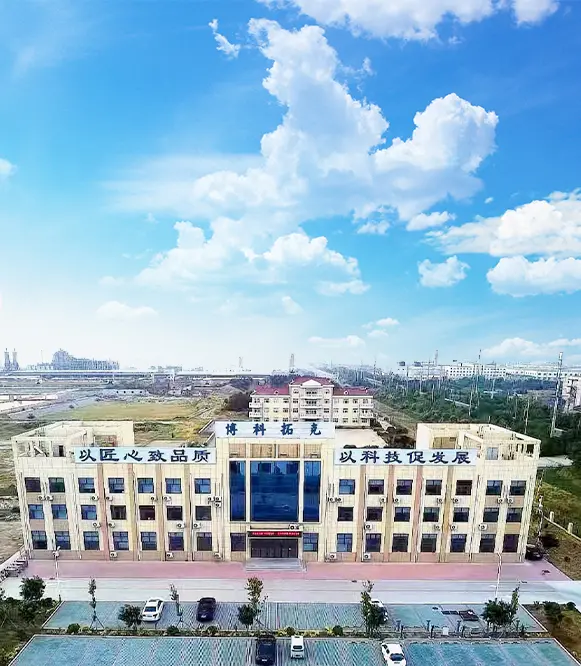
Understanding why global procurement teams prioritize Chinese manufacturers for high-grade silicone and hydrocarbon resins.
We deploy continuous gas chromatography, NMR spectroscopy, and mechanical stress testers at every processing step. Every batch is cataloged, ensuring traceability and consistency conforming to ISO 9001 standards.
Our recently established Shouguang chemical complex represents a $65 million investment. It hosts six automatic DCS lines producing 30,000 metric tons of silane coupling agents annually, preventing supply bottlenecks.
Leveraging deep relationships with petrochemical giants SINOPEC and PetroChina guarantees that our three primary hydrocarbon resin factories in Zibo, Fushun, and Nanjing have secure, constant feedstock access.
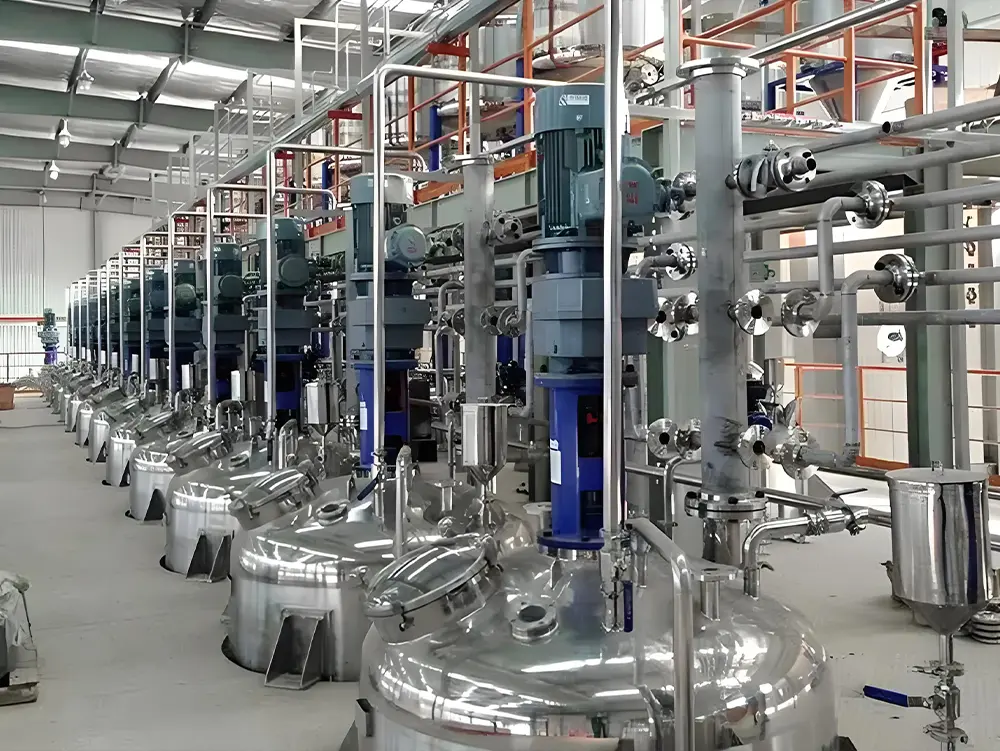
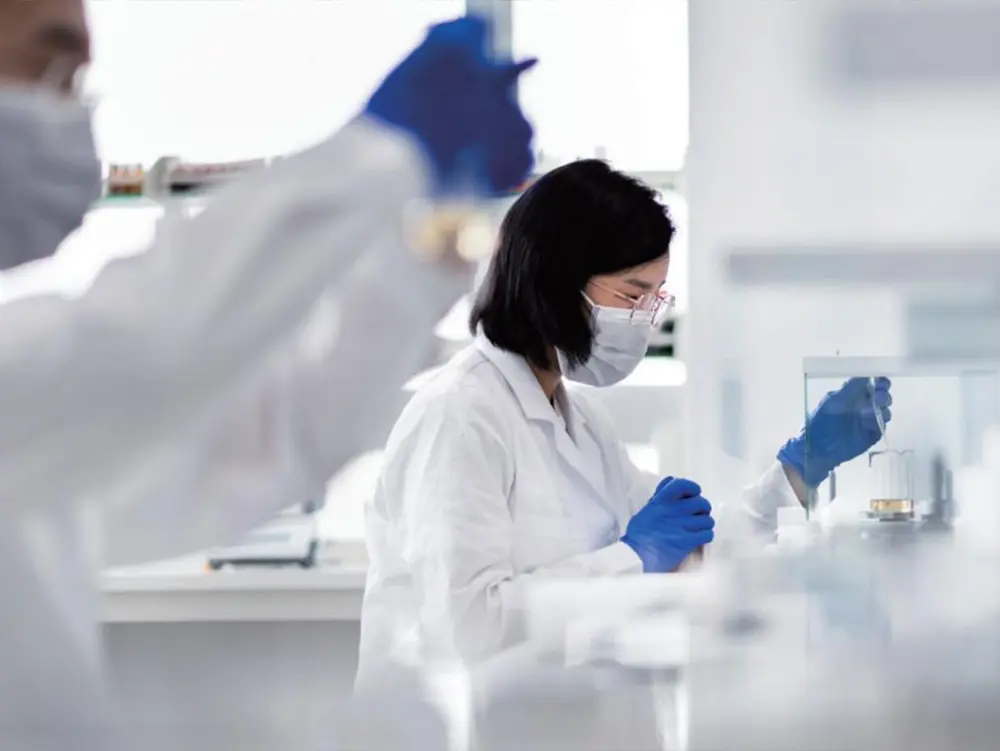
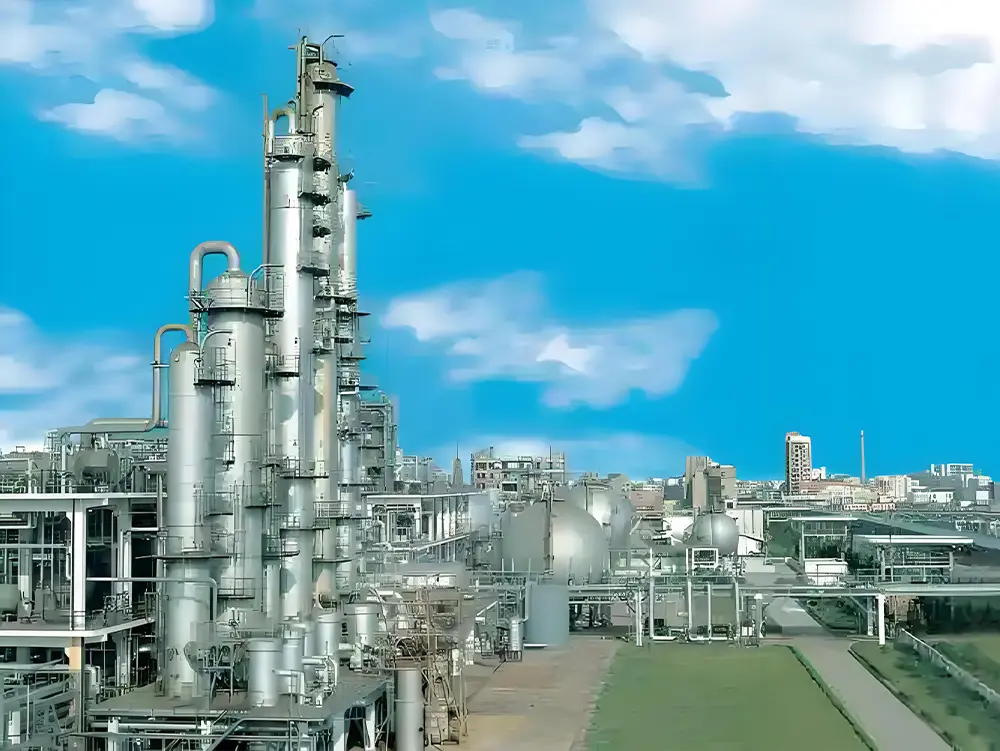
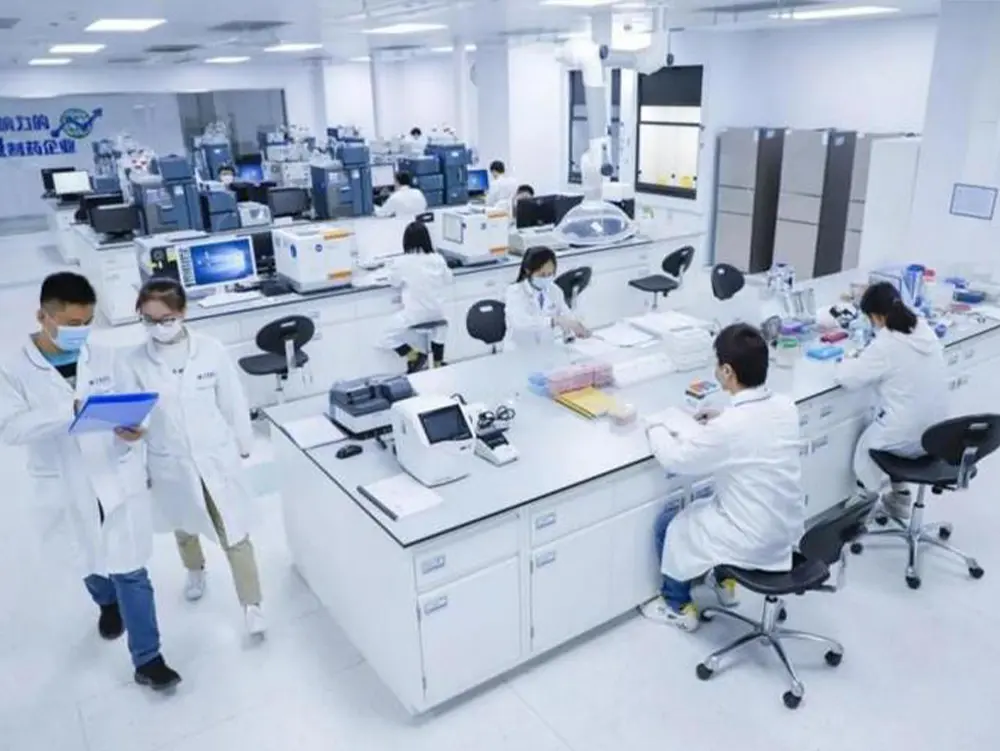
Our Shouguang facility, located in the Bohai Industrial Park in Shandong Province, serves as a model for advanced, environmentally responsible chemical synthesis. Equipped with an integrated Distributed Control System (DCS) and Safety Instrument System (SIS), our automated production lines prevent human error, optimize yields, and monitor environmental emissions in real-time.
We are fully aligned with the global mandate for green chemical engineering. Our plant hosts closed-circuit waste gas collection units and thermal oxidizers, coupled with advanced membrane wastewater treatments. This enables us to recycle process water and eliminate dangerous VOC emissions, safeguarding both local ecology and international environmental compliance audits.
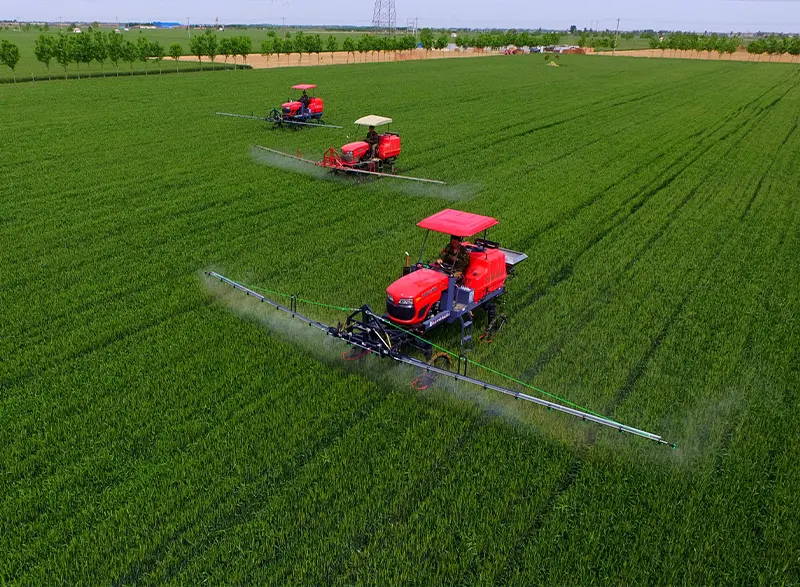
In addition to our silicone capabilities, our hydrocarbon resin factories produce highly reliable C9 hydrogenated resins, C5/C9 copolymerized resins, and specialized monomers like dicyclopentadiene (DCPD). These are central to hot-melt adhesives, performance coatings, and compound printing inks. Simultaneously, our agrochemical division synthesizes high-purity intermediates that form the foundation for modern herbicides, insecticides, and crop growth regulators globally.
Providing critical chemical inputs across construction, transportation, agriculture, and high-tech electronics fields.




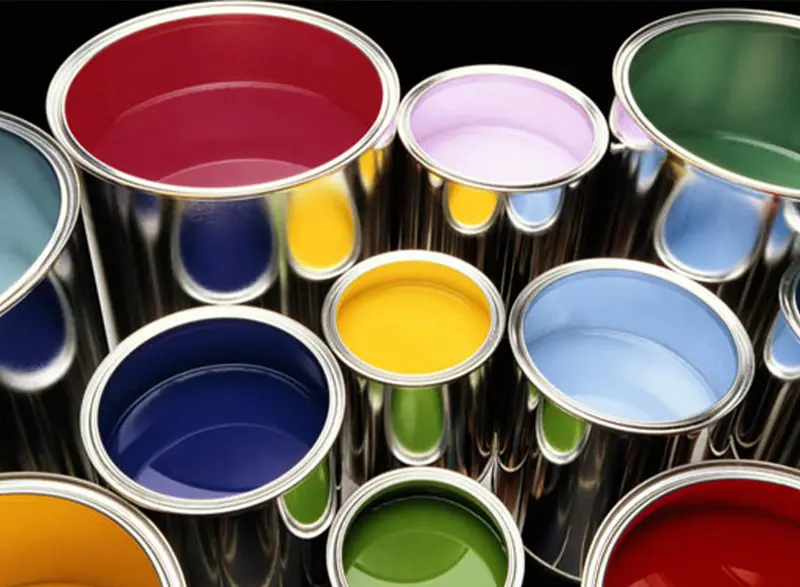
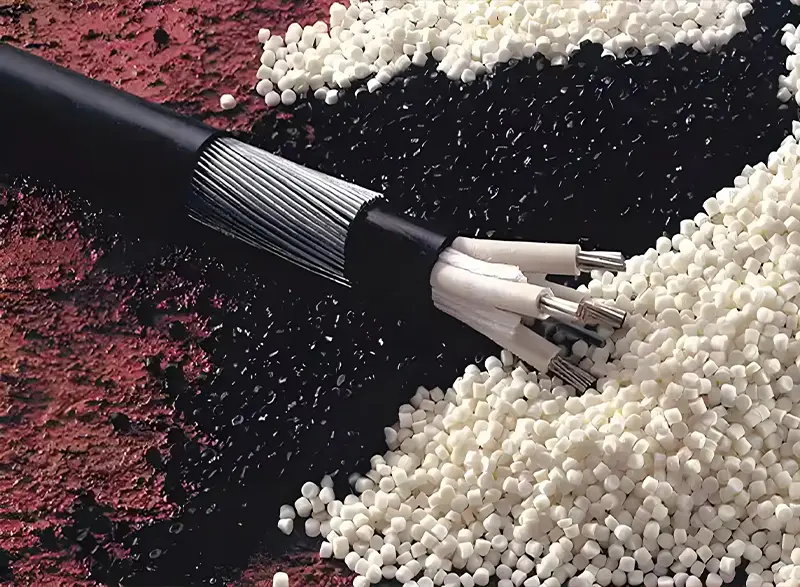
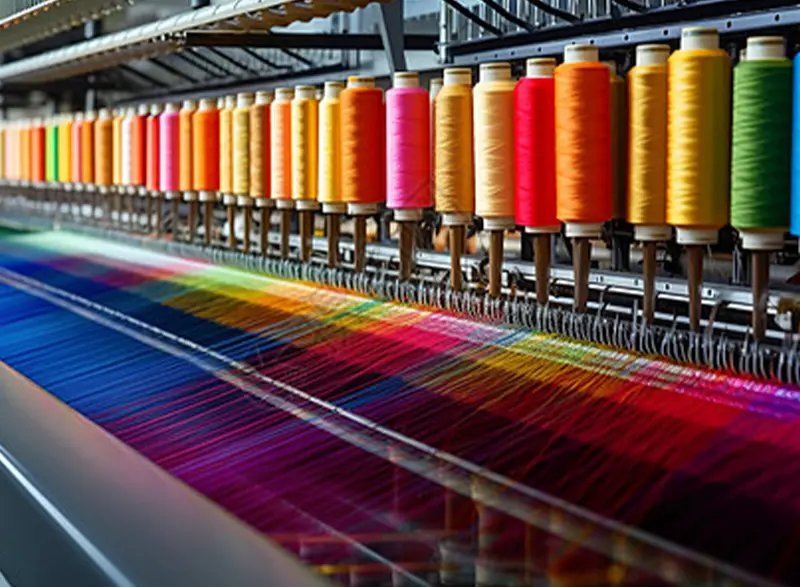
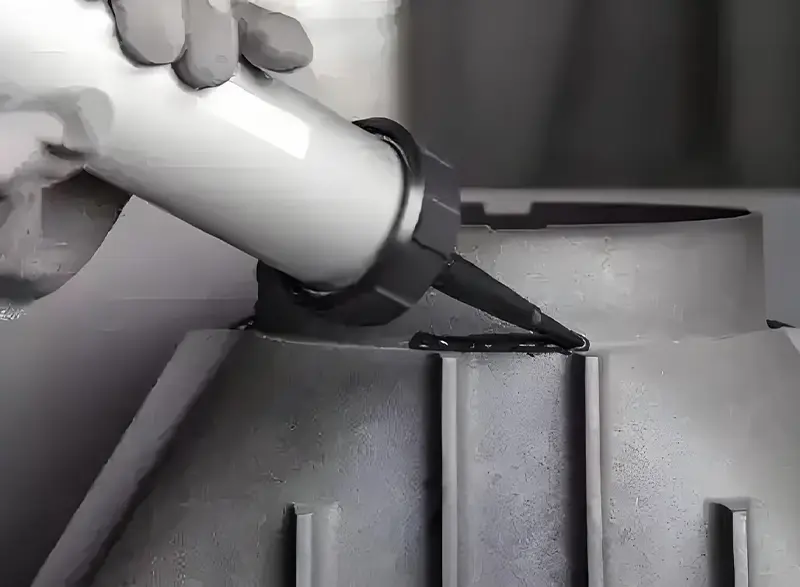

We supply materials designed to meet the technical standards of critical industrial domains.

Synthesizing intermediates and dynamic molecular carriers.

Silicone oils and petroleum resins offering skin-feel stability.
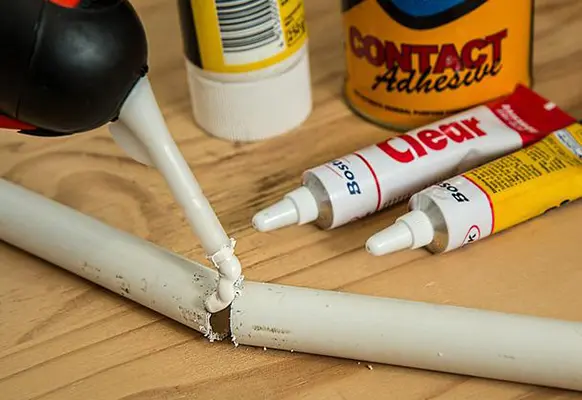
Improving tackiness and cohesion metrics in hot melt applications.
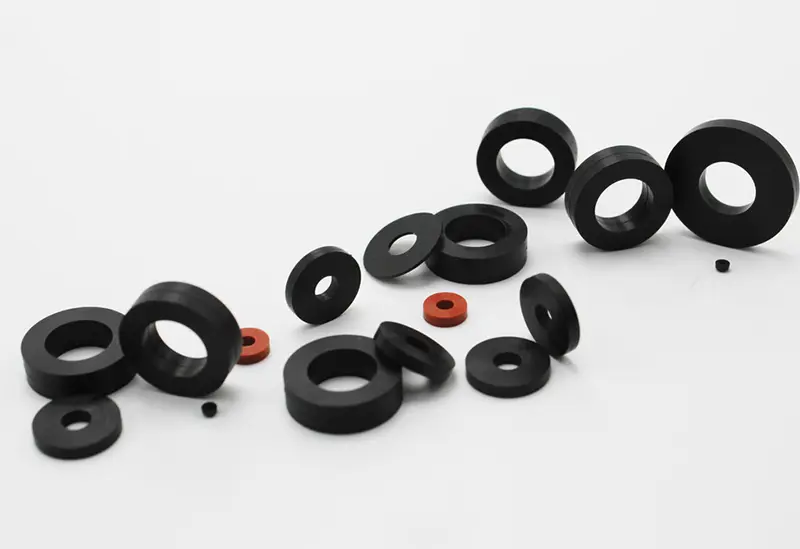
Silane coupling agents bridging mineral fillers and polymer chains.
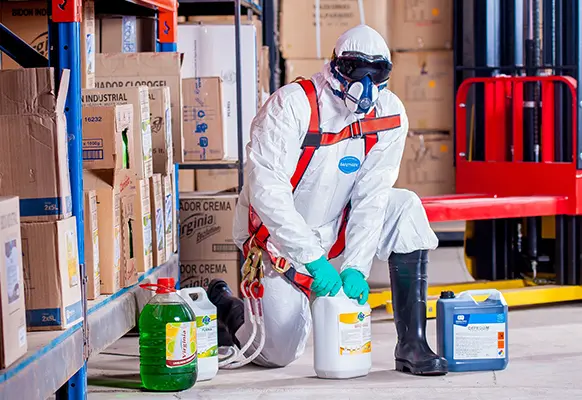
Enabling corrosion inhibition and hydrophobic characteristics.
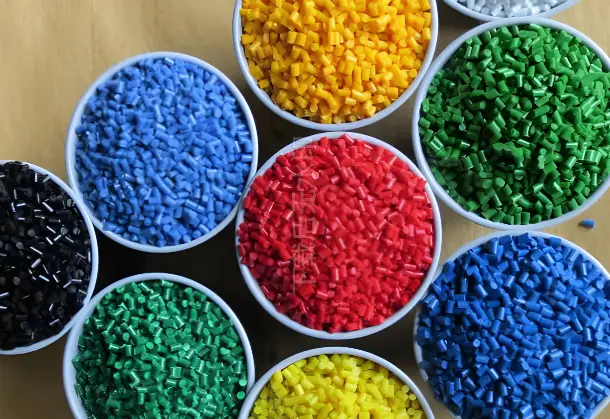
Refining masterbatches and processing efficiency metrics.
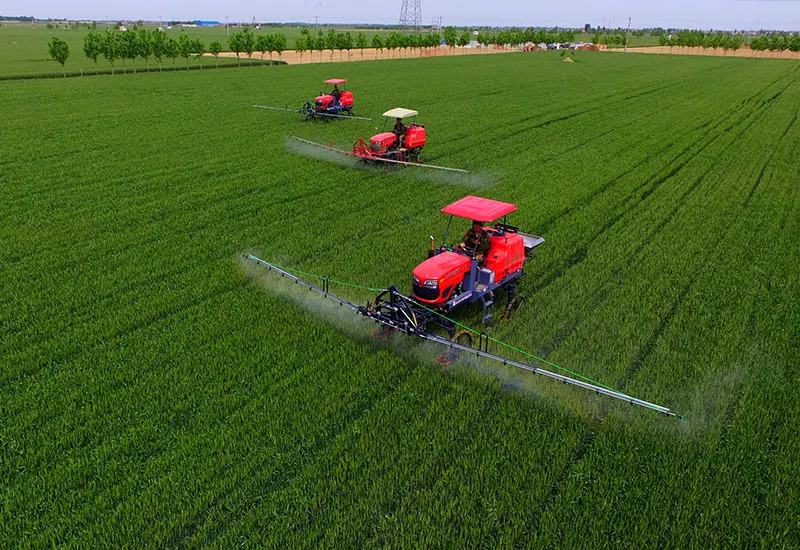
Active chemical formulation to maximize protection safety.
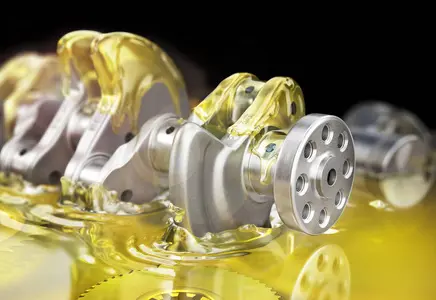
Reducing friction for connector seals and dynamic o-rings.
Eliminating micro-air pockets in chemical treatment and pulp industries.

Silicone fluid coatings improving structural moisture barriers.
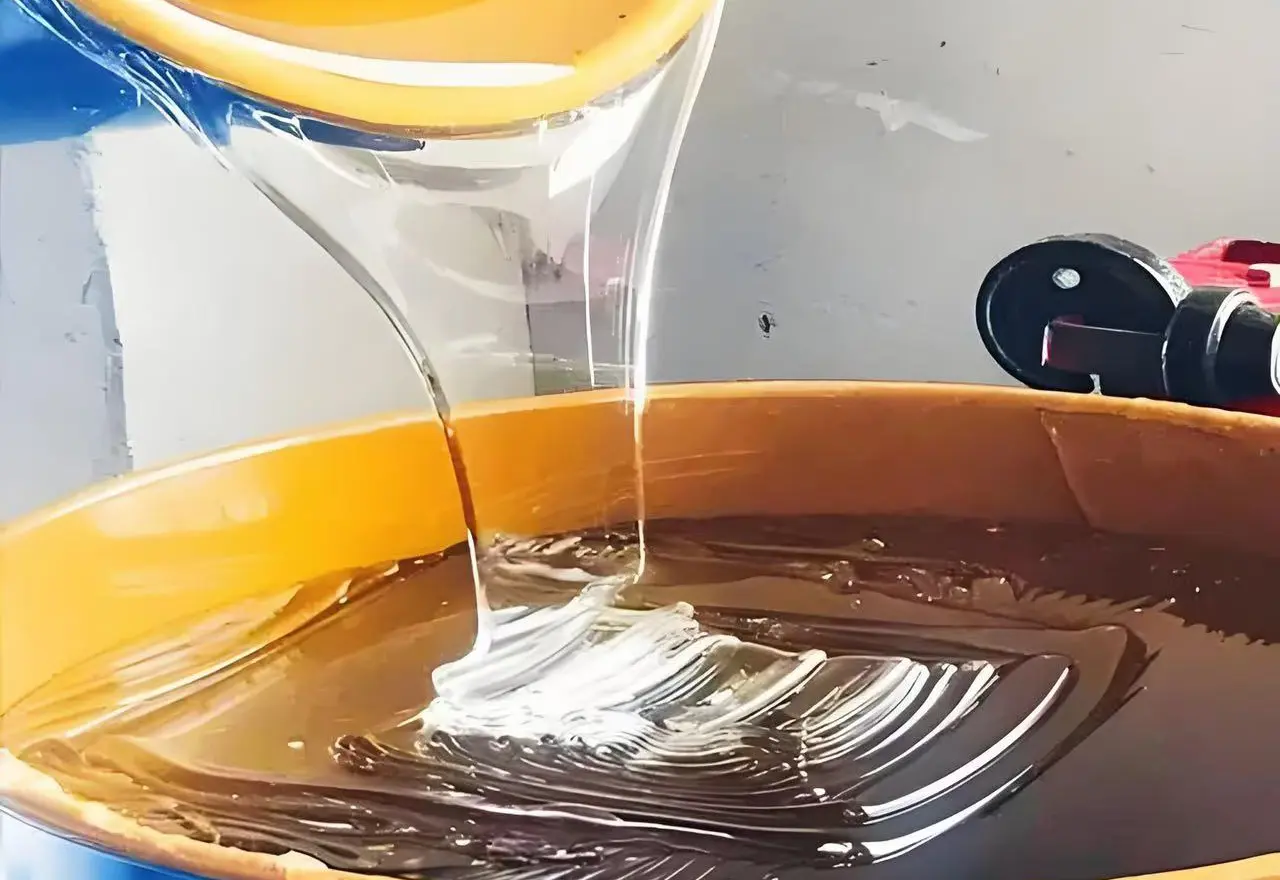
Viscosity modifiers serving as thermal fluids and dampers.

Gasket seals resilient to chemical exposure and intense pressure.
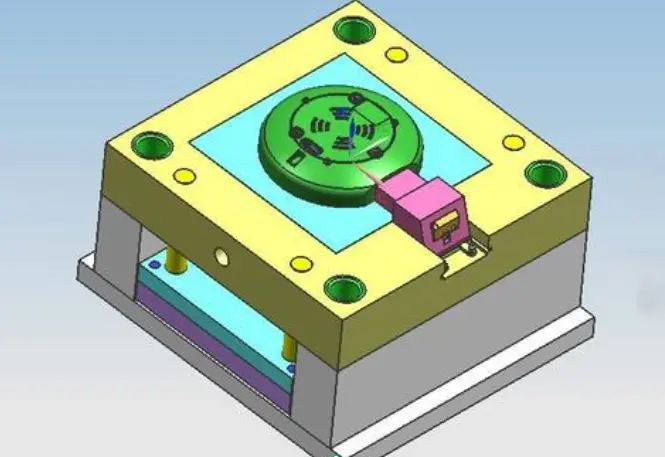
Extending mold life and precision replication profiles.

Potted compounds managing internal thermal loads effectively.

Providing UV-stable building weatherproofing compounds.
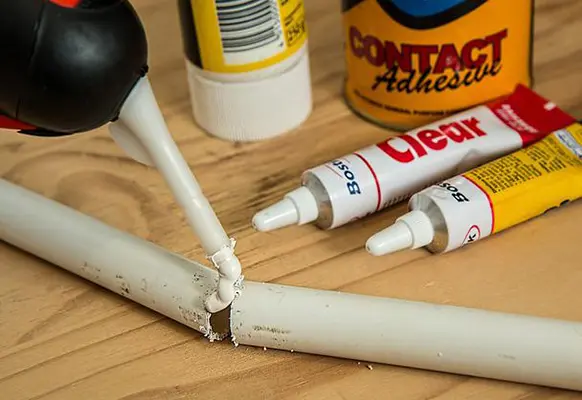
Long-life formulations sealing high-movement joints reliably.
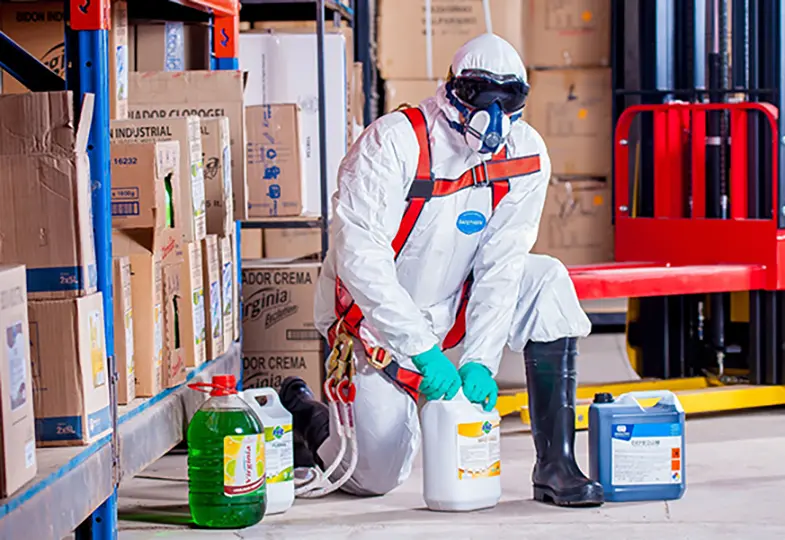
Providing weather resistance to protective finishes.

Passivation and adhesion-promoting primers for metallurgy.
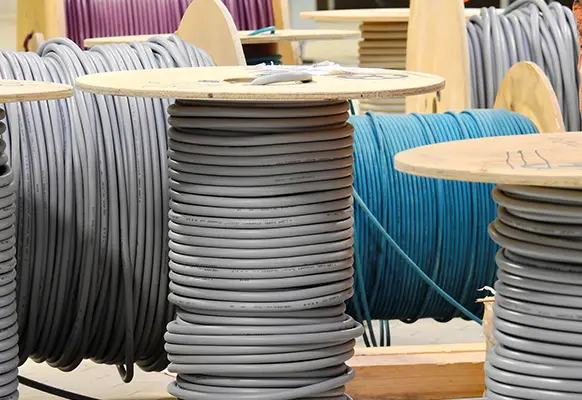
Crosslinkable insulation covering extreme temperature lines.
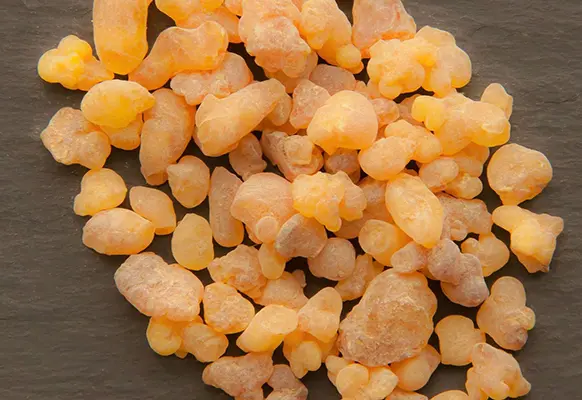
Enabling molecular modifications in high-density engineering resins.

Functional additives protecting structural systems from degradation.

Protecting turbine blades with elastomeric coatings.
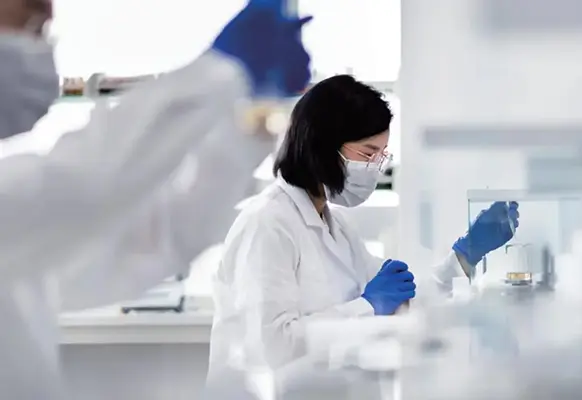
LSR compounds suitable for prolonged physiological contact.

Softening formulas that optimize fabric feel and durability.
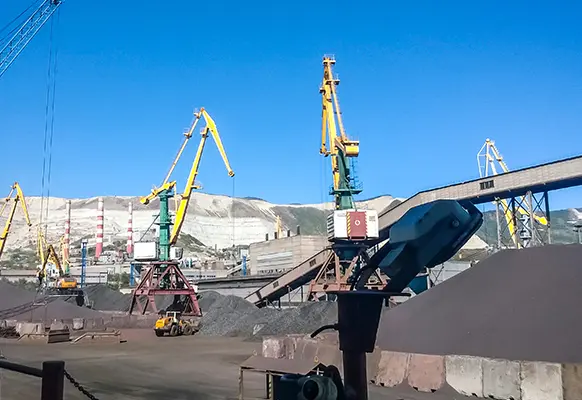
Silane coupling agents dispersing filler loads in composites.
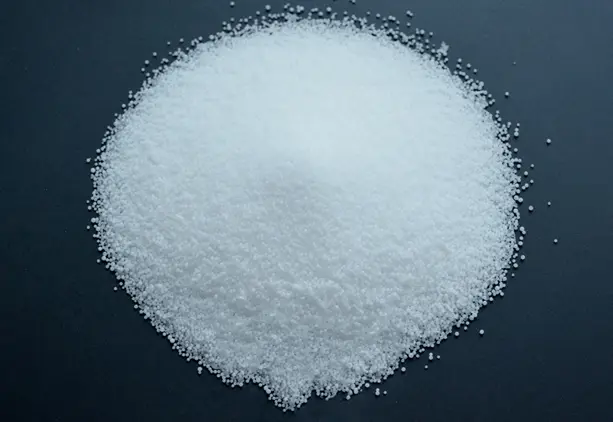
Specialty micro-emulsions stabilizing active chemical matrices.
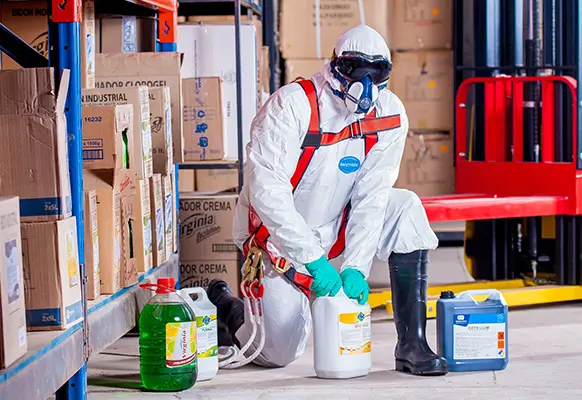
Industrial coatings optimized for high thermal and weathering exposure.
The global demand for high-purity organosilicon compounds is undergoing a structural shift. Environmental regulations, particularly the European Union’s REACH registration system, are prompting manufacturers to eliminate trace heavy metals and restrict volatile cyclical siloxanes (D4, D5, D6). Our production sites have adapted by adopting advanced stripping and catalyst systems, yielding silicones with low volatile counts suitable for sensitive applications.
In the automotive sector, high-voltage connector gaskets must protect electronic circuits from moisture over a long life. The industry is moving from standard LSRs to self-lubricating variants that slowly release minute amounts of phenyl-containing fluids to reduce friction during assembly. Our 120-series methyl phenyl rubber formulations address this by balancing crosslinking densities and fluid diffusion rates.
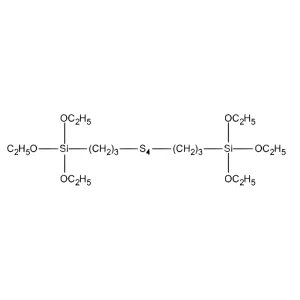
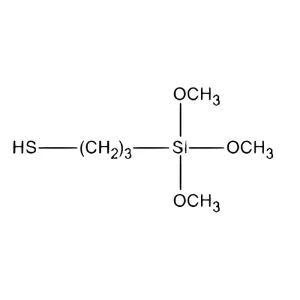
Silanes serve as the chemical bridge between organic matrices (like rubbers or polymers) and inorganic surfaces (like glass fibers or silica fillers). In green tires, using mercaptosilanes or sulfur-silanes is crucial to reducing rolling resistance and fuel consumption. Our Shouguang facility expands this capacity by producing bis(3-triethoxysilylpropyl) tetrasulfide and aminofunctional silanes, allowing compounders to match their specific polymer matrices.
Macroscopic Procurement Insight: The convergence of downstream industries requires suppliers to act as R&D partners rather than simple volume vendors. Boctok’s ongoing investment in safety, process automation (DCS/SIS), and high-purity synthesis addresses the risk of supply chain disruptions for critical industrial systems.
Expert insights addressing key inquiries from engineering, procurement, and logistics stakeholders.
Premium auxiliary materials, functional silanes, and agricultural intermediates supporting global manufacturing demands.
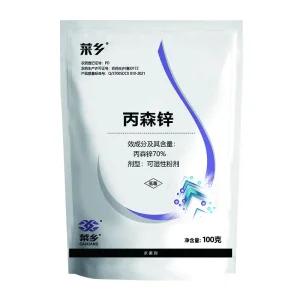
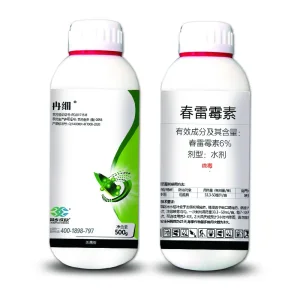
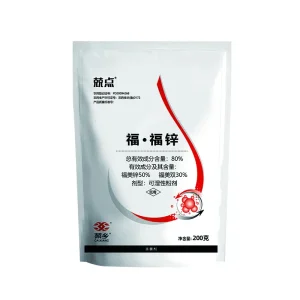
 Boctok Chemical

![Bis-[3-(triethoxysilyl)-propyl]amine](https://site.cdnfile.io/www.boctoksilicone.com/837bedcc9470a3ee1f202feb49d8ce69300_300.webp)