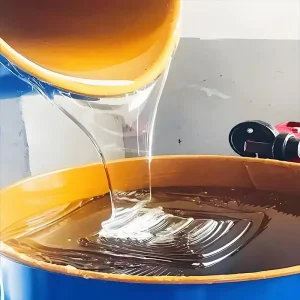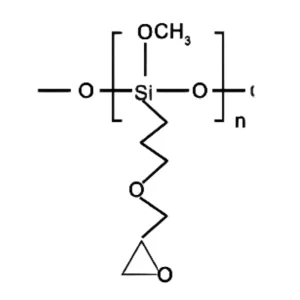
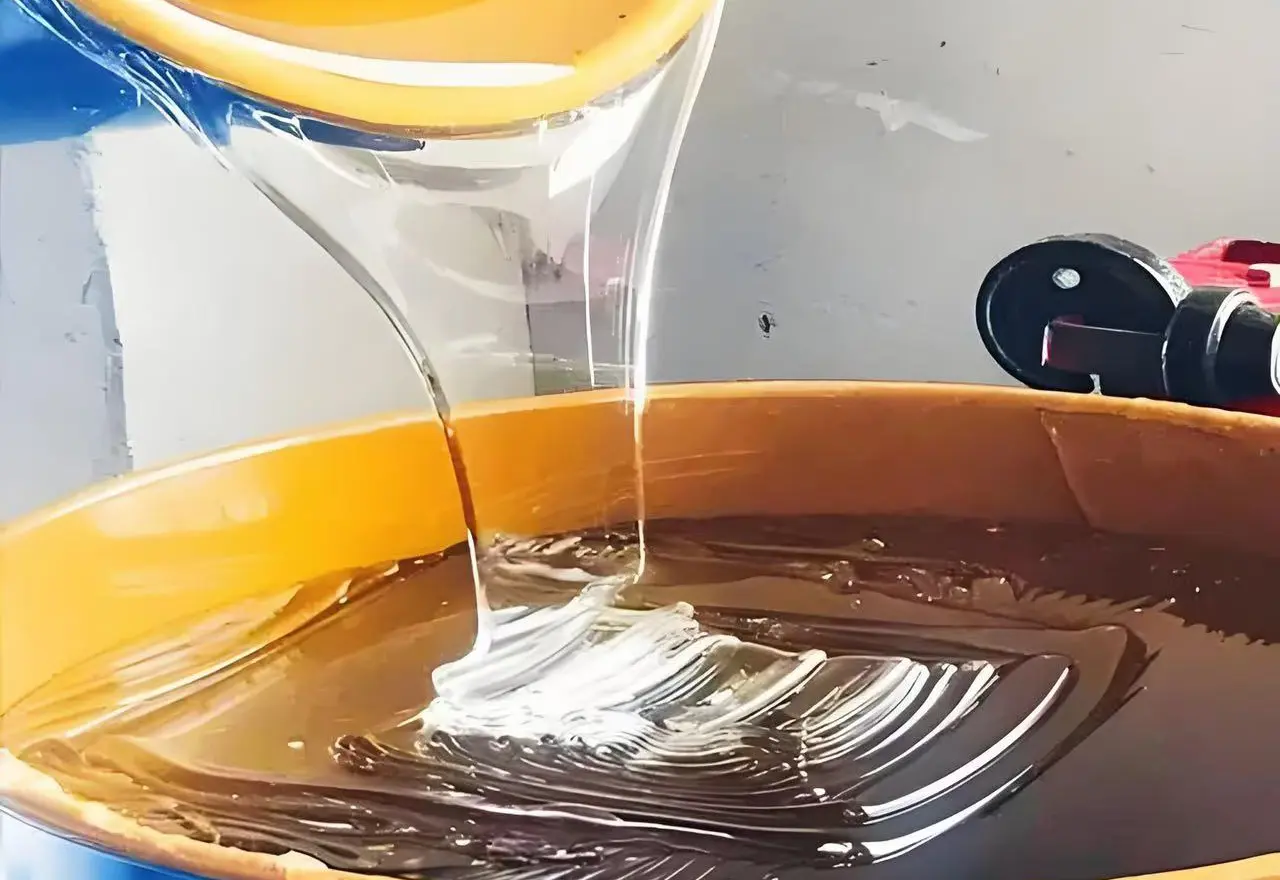
Hydroxyl silicone oil, chemically known as silanol-terminated polydimethylsiloxane, has emerged as a cornerstone component in high-performance paint formulations. The terminal silanol (-OH) groups attached to the silicon backbone provide distinct reaction centers, allowing the molecule to crosslink under mild conditions or undergo modification with a wide array of organic resins. Across the global manufacturing landscape, selecting a premium hydroxyl silicone oil for coatings has transitioned from a routine supply-chain decision to a highly strategic performance driver.
Information Gain Statement: Traditional organic coatings struggle under high-temperature cycles and UV irradiation. Incorporating silanol terminal chains dramatically upgrades linear organic systems into robust, inorganic-hybrid networks with superior durability.
The uniqueness of silanol silicone oil lies in the reactive nature of its terminal hydroxyl groups compared to inert dimethyl silicone fluids. In the presence of appropriate organometallic catalysts (such as dibutyltin dilaurate or tin octoate) and alkoxy silane crosslinkers, these terminal hydroxyl groups undergo a condensation reaction, expelling alcohol or water to form a three-dimensional elastomeric lattice.
This matrix combines the outstanding flexibility, thermal stability, and low-temperature durability of the Si-O-Si backbone with targeted reactive points. Viscosity variation remains a key parameter in coatings technology; low-viscosity OH polymers (ranging from 20 to 80 cSt) are highly valued for reactive diluents and surface modification additives, whereas higher viscosity variants (1,000 to 20,000 cSt) form the structural binder basis for high-durability elastomeric coatings and high-temperature paints.
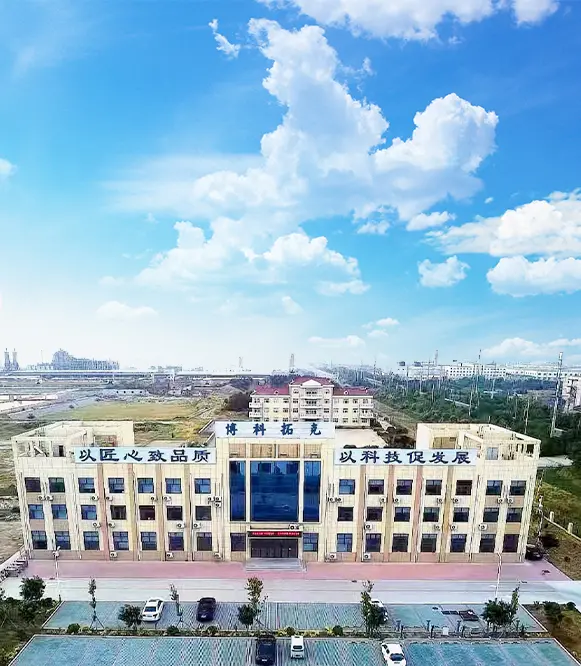
Shandong Boctok Chemical Co. was founded in 2012 as a marketing and sales center for Boctok™ domestic and overseas businesses and achieved sales of US$280 million in 2023. The BOCTOK brand specializes in serving the Russian market.
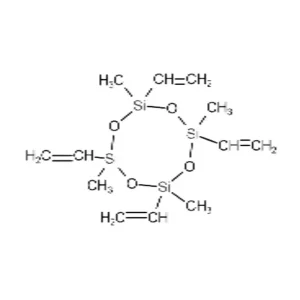
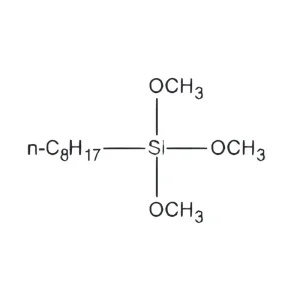
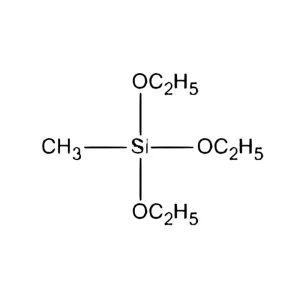
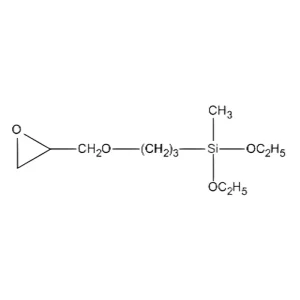
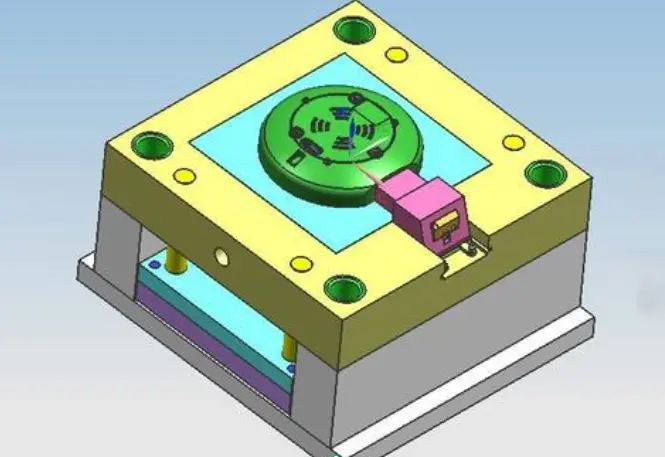
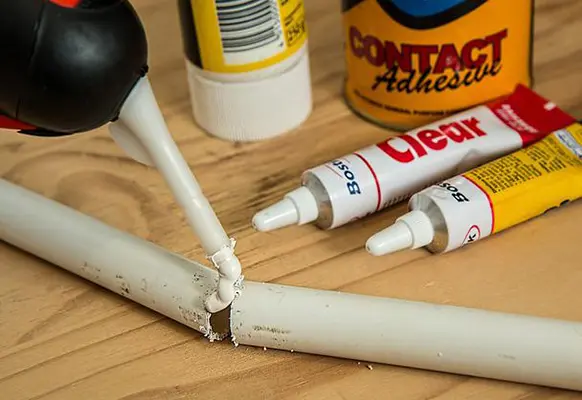
Boctok has three main product categories, the first core business of organosilicone covers twelve series of silane coupling agents and crosslinkers, including aminosilane, methacrylate silane, epoxy silane, vinyl silane, mercaptosilane, alkyl silane, ethyl silicate, chlorosilane, silane isocyanates, phenyl silane, ureidosilane and serosilane. Boctok also focuses on silicon oil, silicon resin, and silicon rubber, covering high-hydrogen silicone oil, dimethicone, vinyl silicone oil, polyphenylmethyldimethylsiloxane, phenyl silicone oil, silanol silicone oil and OH polymer, alkoxy silicone oil, methyl MQ resin, vinyl VMQ resin, room-temperature vulcanized methyl silicone rubber, 110 methyl vinyl silicone rubber, 120 methyl phenyl rubber. They are widely used in glass fiber, electronics, wind energy, daily necessities, chemical industry, coatings, adhesives, XLPE electric cables and hot water pipes, oil field drilling, textiles, rubber and molding, etc. to improve the quality and performance of the applied products.
The global market for hydroxyl silicone oil is witnessing unprecedented structural adjustments. Environmental compliance, particularly restrictions on volatile organic compounds (VOCs) under REACH in the European Union and EPA guidelines in the United States, has forced coating formulators to replace traditional solvent-based binders with waterborne or high-solids alternatives. Here, silanol-terminated intermediates serve as key components in synthesizing high-performance silicone-modified acrylic and polyester emulsions.
Regionally, Asia-Pacific remains both the largest producer and consumer of raw organosilicone chemicals. With significant investments in new chemical industrial parks, such as Shandong's massive chemical clusters, China has consolidated its position as the reliable global source of fundamental silicon materials. In the Russian Federation and Eurasian economic sectors, extreme sub-zero temperatures create unique demands for specialized low-temperature flexible coatings, highlighting Boctok's targeted offerings designed specifically to withstand harsh geographic conditions.
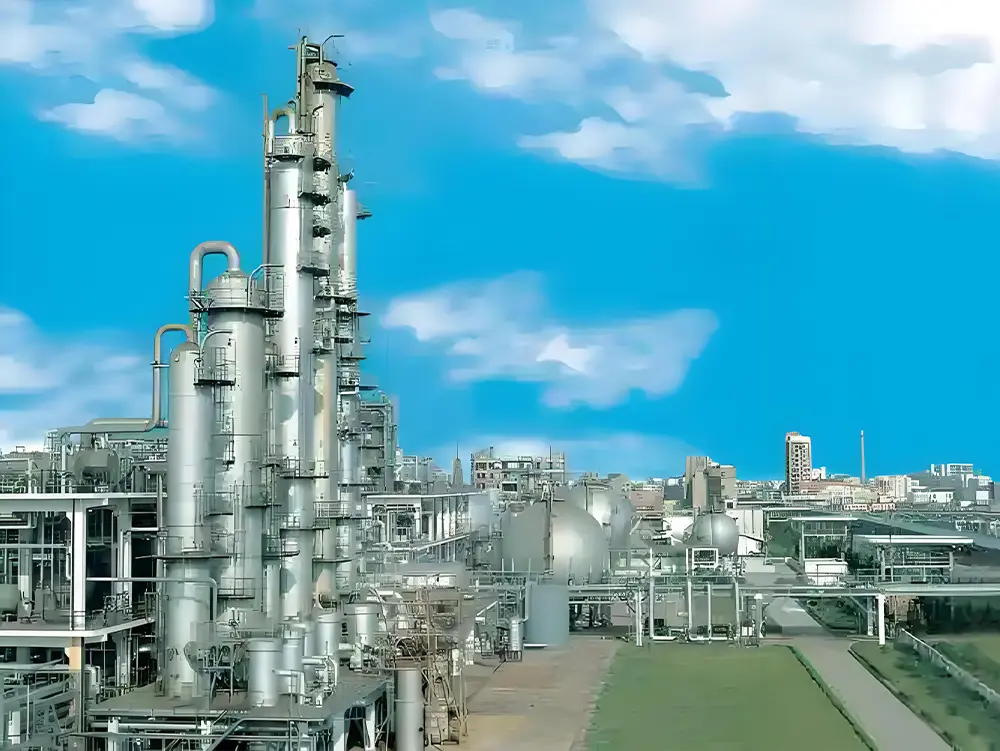
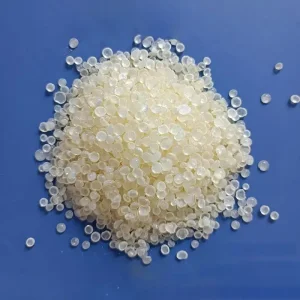
Boctok's Tier II core business is petroleum resins. We have invested in a key hydrocarbon resin manufacturer in China. We currently have three operating hydrocarbon resin factories located in Zibo, Fushun, and Nanjing. Taking advantage of reliable and abundant raw materials from SINOPEC and PetroChina, our advanced production facilities, and our decades of marketing experience, our products are widely used by customers, including many Fortune 500 companies, in both domestic and overseas markets. These products include C9 hydrogenated resins, C5 hydrocarbon resins, C5 modified C9 hydrocarbon resins, C9 hydrocarbon resins, dicyclopentadiene, and methyl cyclopentadiene dimer.
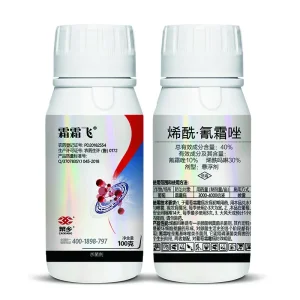
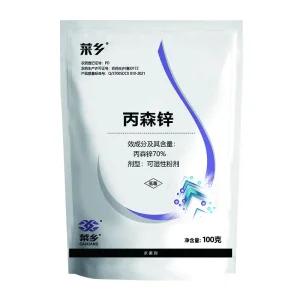
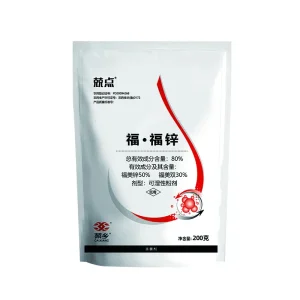
Boctok also focuses on the agrochemical industry. It produces intermediates and raw materials for the production of pesticides, fungicides, insecticides, seed treatments, herbicides, plant growth regulators, and more.
Boctok's products are sold throughout China and exported to North America, Europe, Japan, South Korea, Australia, South America, the Middle East, India, Southeast Asia, Russia, etc., enjoying the well-deserved trust of customers.
The development of modern coatings is governed by several clear parameters: structural performance optimization, sustainability, and longevity. Hydroxyl-functional silanol polymers allow formulators to target these key variables:
Modifying polyurethane or acrylic polymers with silanol termination creates binders that crosslink via moisture cure at room temperature, eliminating organic solvent carriers entirely.
Silanol resin blends blended with hollow glass microspheres form dynamic thermal barrier coatings, preserving sub-layer integrity in metal building facades and storage silos.
The low surface energy of the polydimethylsiloxane segment in the cured matrix repels dust, organic deposits, and graffiti, finding application in public transit and modern skyscrapers.

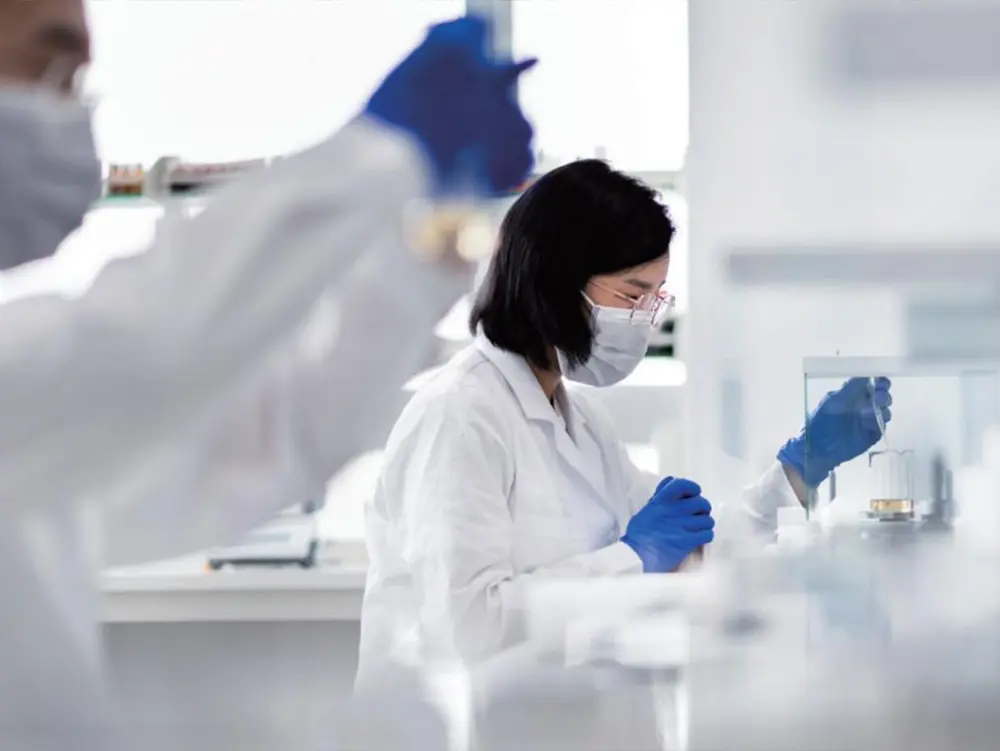
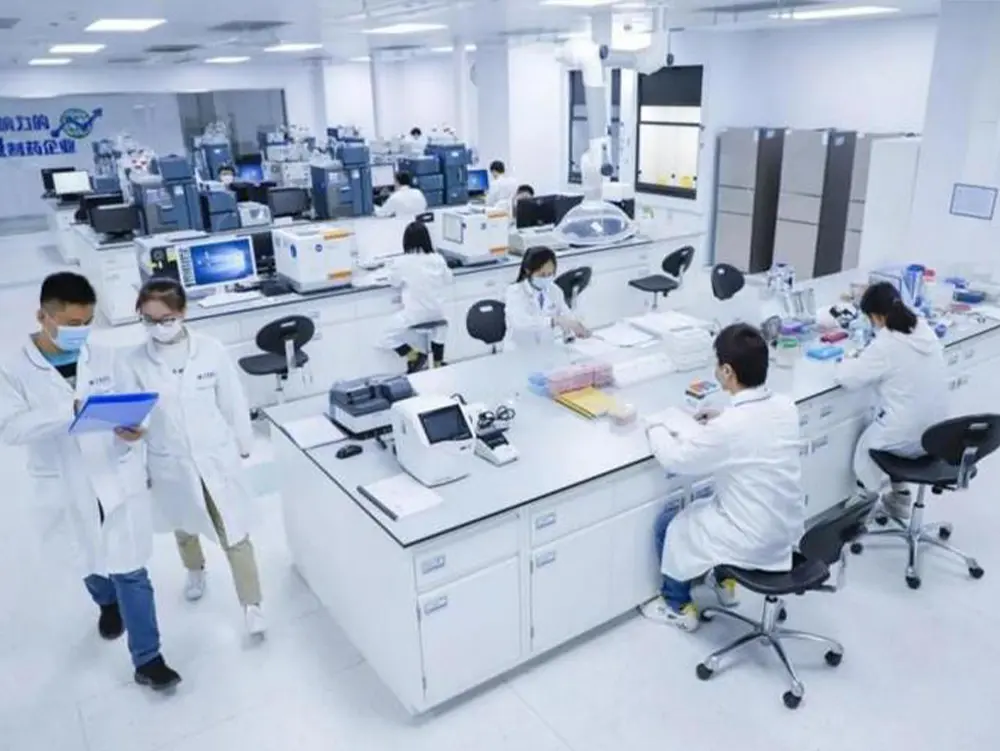
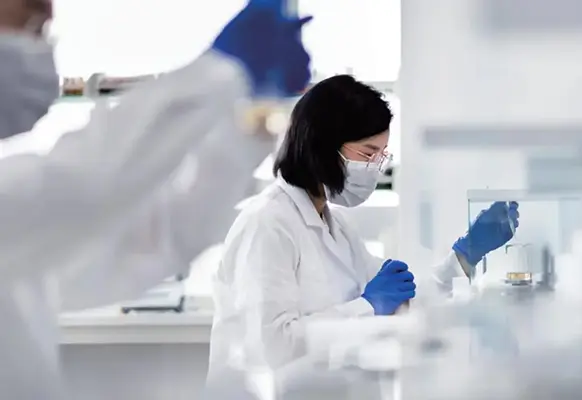
Our products undergo rigorous testing to ensure that every aspect meets the highest quality standards.

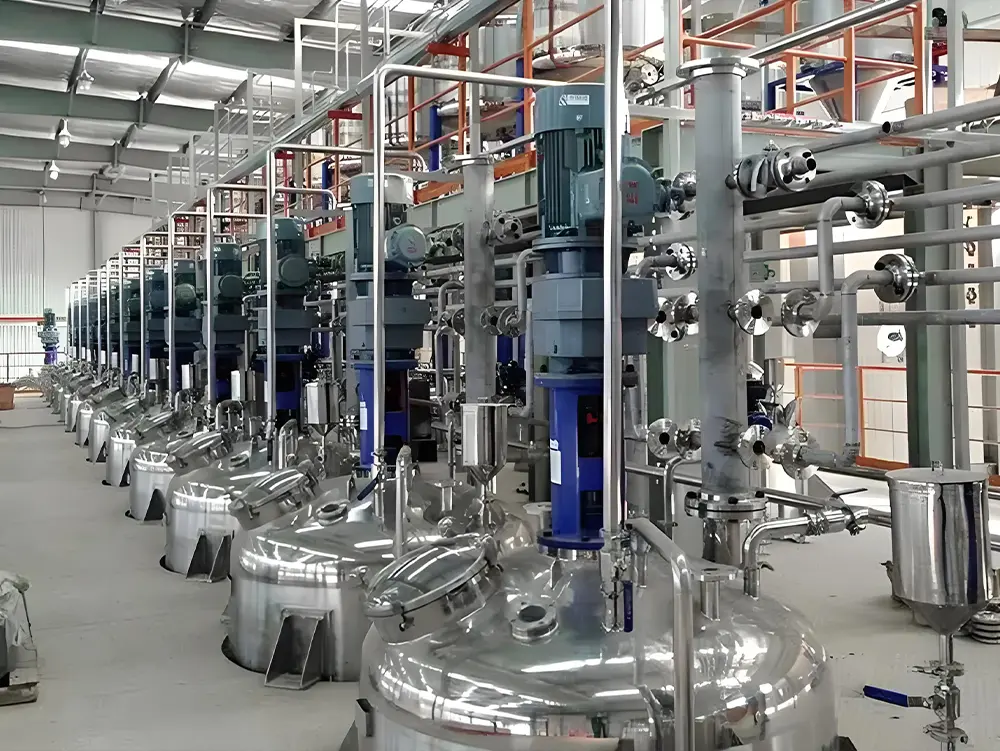
We have advanced production lines that allow us to effectively expand production capacity and meet the demand for mass customization.

Our professional team is available online 24 hours a day to provide attentive service and answer all your questions.

An optimized logistics system ensures fast order processing and timely delivery to customers worldwide.
To realize maximum performance, hydroxyl silicone oils must be formulated according to distinct localized criteria:
In sub-zero industrial settings (e.g., Russian energy pipelines), thermal contraction causes standard organic coatings to crack. By compounding silanol silicone oil with low-molecular-weight silicates, engineers produce anti-corrosive coatings that maintain glass transition points down to -115°C, ensuring sustained elasticity under extreme cycles.
In coastal shipyards, high humidity makes moisture curing rapid and challenging. High-purity hydroxyl silicone oils formulated alongside specific titanate catalysts control crosslinking rates, providing uniform protective barrier coatings on structural hulls even under dense maritime atmospheric mist.
In humid regions of Southeast Asia, water penetration damages historical brickwork and modern concrete panels. Applied silanol fluids react with surface hydroxyl groups on mineral substrates, generating a breathable, highly hydrophobic microscopic barrier that prevents water absorption while facilitating internal vapor transport.
Explore our diversified chemical and polymer portfolios engineered to meet international safety and performance standards.
The chemical modification of organosilicon molecules has evolved through three distinct waves. The first wave utilized non-reactive silicone oils as physical additives to enhance slip and levelling. The second wave saw the rise of functionalized silanol-terminated fluids forming reactive interpenetrating networks (IPNs) inside acrylic/epoxy backbones.
The upcoming phase (third wave) targets nano-hybrid functionalization: grafting graphene oxide or ceramic nanoparticles onto hydroxyl-terminated polymer chains. This approach creates advanced coatings that are structurally robust and exhibit intelligent properties, including autonomous micro-crack repair (self-healing) and highly efficient phase-change thermal regulation.
Synthesis Trend: Shifting from batch ring-opening polymerization to continuous loop reactors using supercritical CO₂ as a green solvent medium. This ensures precise molecular weight control and minimizes residual cyclics (D4, D5, D6), meeting strict international limits.





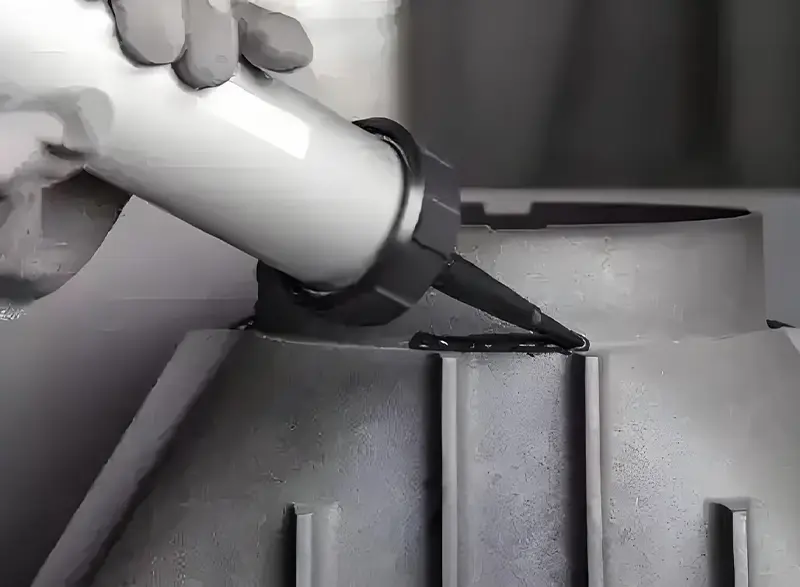

Boctok's macro-portfolio bridges the gap between raw silicon polymerization and industrial coatings engineering. By pairing silanol fluids with our hydrocarbon resins and active crosslinking agents, we supply the manufacturing sector with comprehensive, turn-key formulation solutions:
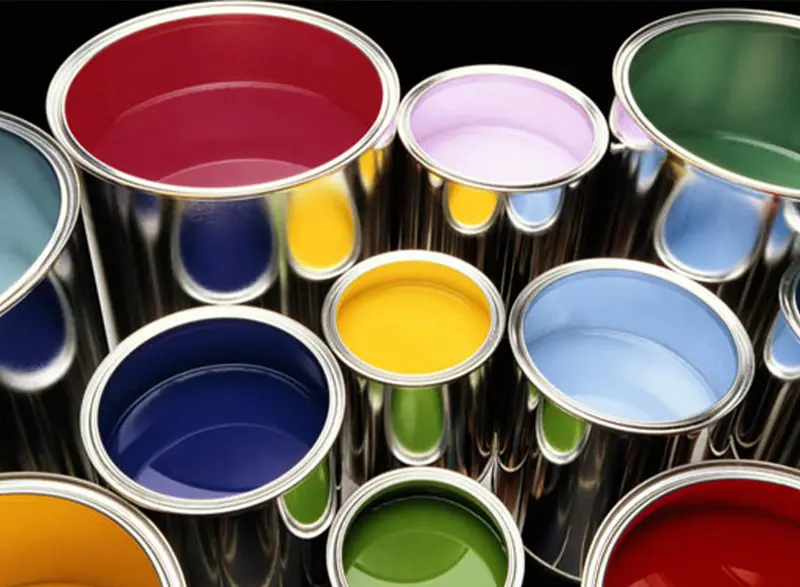
By blending petroleum resins with reactive silanol fluids, we create cost-effective hybrid coatings that deliver superior gloss, chemical resistance, and enhanced physical adhesion.
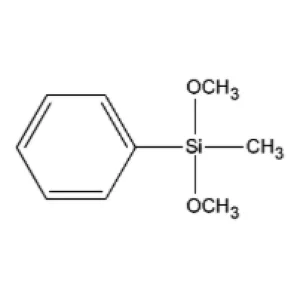
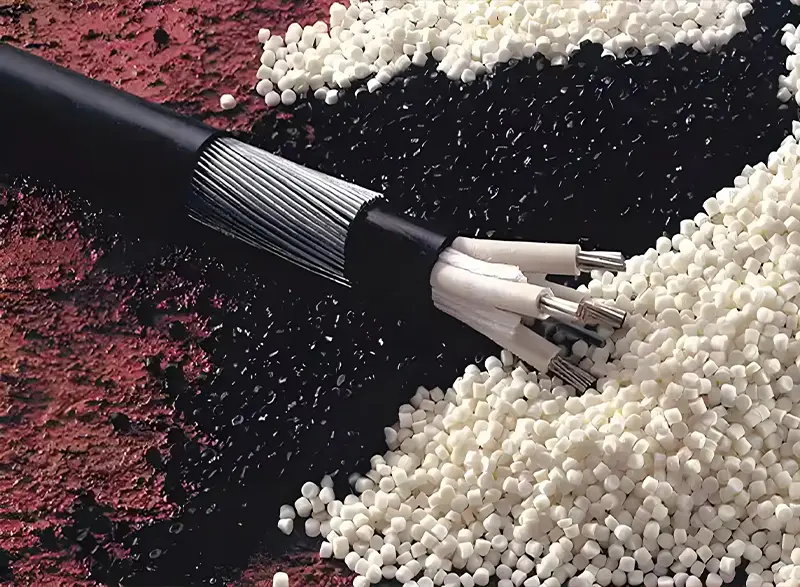
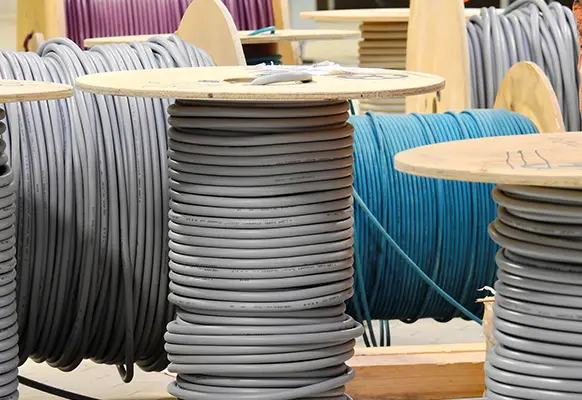
We pair high-purity silanol fluids with phenyl silanes, producing highly temperature-resistant protective matrices suitable for wind energy systems and high-voltage electrical cable materials.
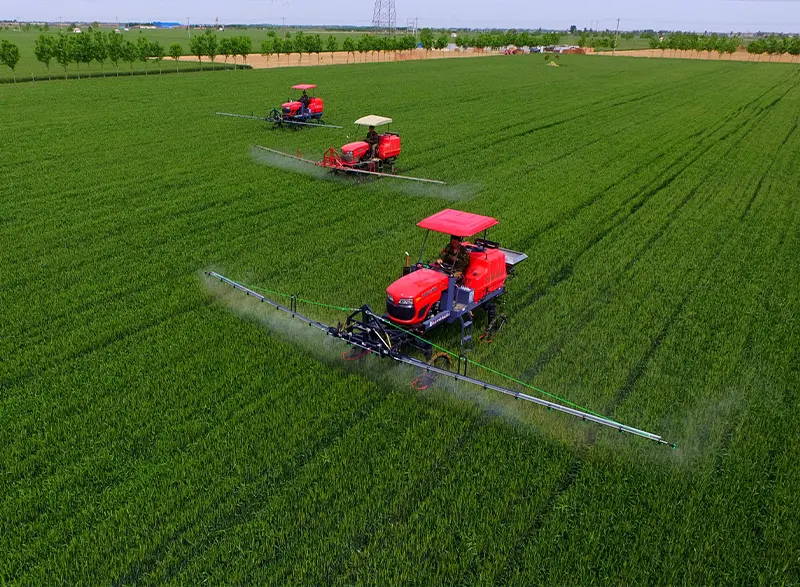
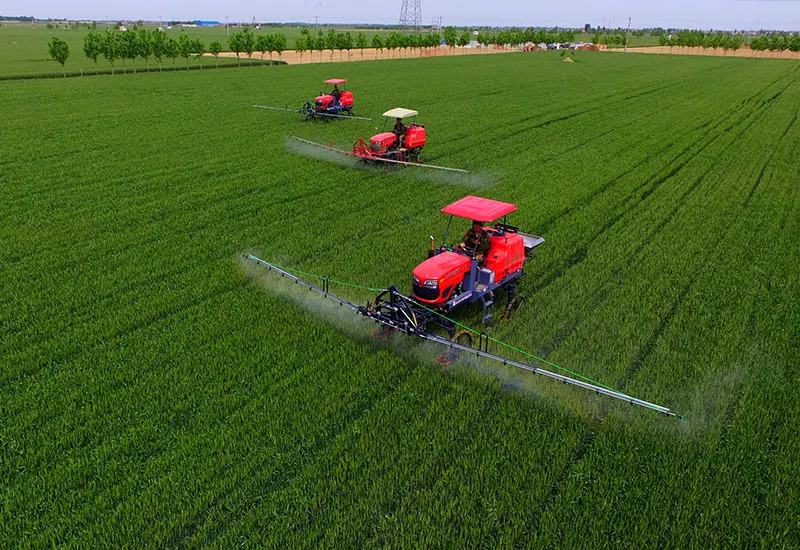
Utilizing specialized silicone polymers in adjuvant and pesticide delivery systems to optimize leaf spreading, control active release, and enhance rainfastness.
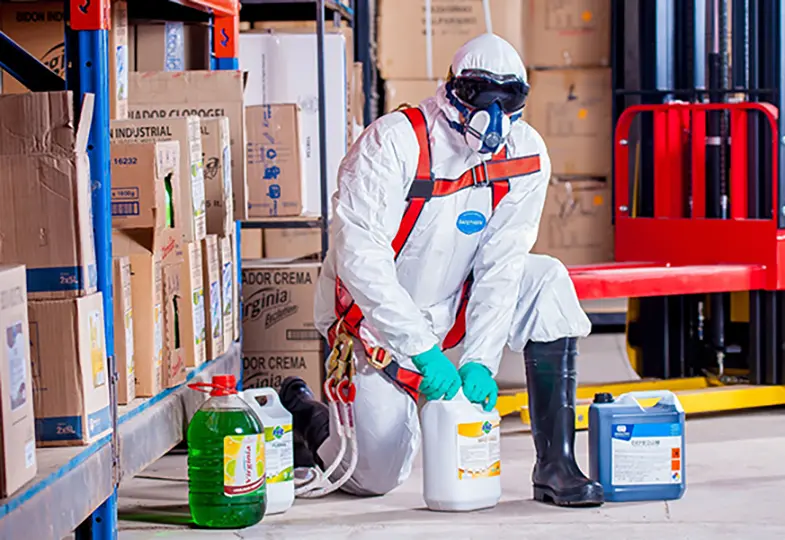
Our chemical intermediates, resins, and silicone fluids are applied globally across a comprehensive range of key sectors.











 Boctok Chemical